
Apistogramma Borellii: The Umbrella Cichlid's Subtle Beauty & Care

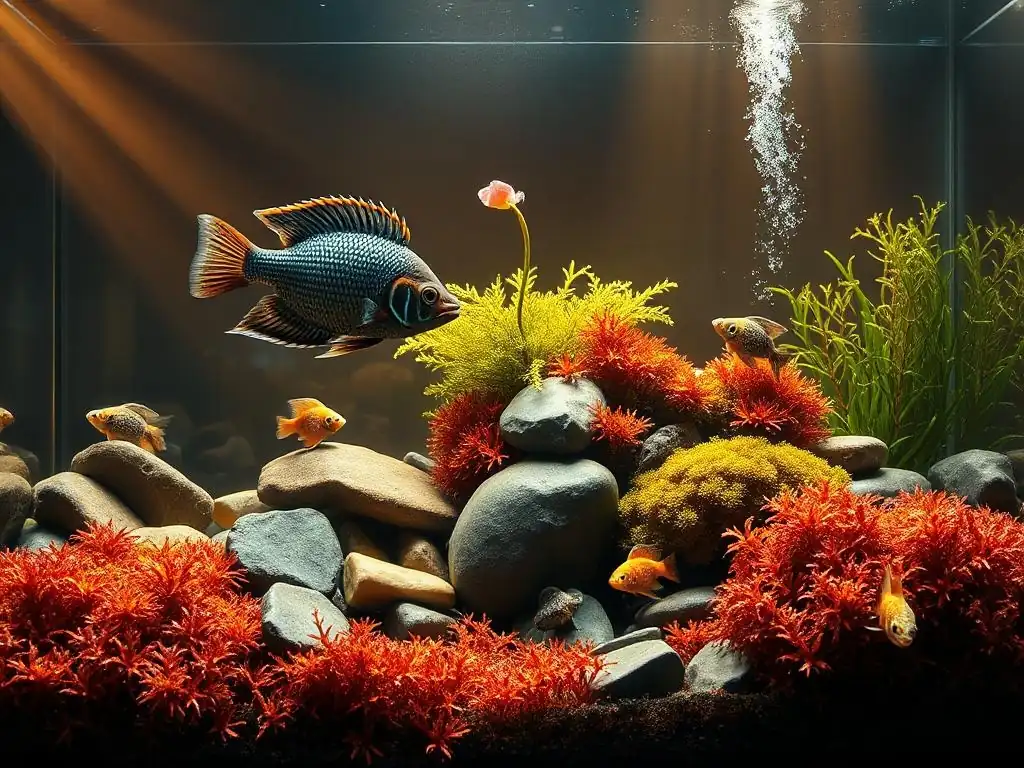
Welcome to Aquarium Mastery!
Intrigued by the vibrant world of freshwater aquariums? Ever considered adding a splash of personality to your tank? Then dive in! This Apistogramma borellii care guide unlocks the secrets to keeping these fascinating "Umbrella Cichlids" happy and healthy. Discover everything you need to know, from their ideal tank setup to their unique breeding habits – are you ready to witness their subtle beauty bloom in your own aquarium?
- Introduction to Apistogramma borellii: The Umbrella Cichlid
- Understanding Apistogramma borellii: Origins and Natural Habitat
- Apistogramma borellii Appearance and Characteristics
- Setting Up the Ideal Apistogramma borellii Tank Environment
- Apistogramma borellii Tank Mates: Compatibility and Community
- Apistogramma borellii Diet and Feeding
- Apistogramma borellii Breeding: A Detailed Guide
- Common Health Issues in Apistogramma borellii and Prevention
- Apistogramma borellii Care Guide: Troubleshooting Common Problems
- Advanced Apistogramma borellii Care Tips
- Conclusion: Enjoying the Beauty of Apistogramma borellii
-
Frequently Asked Questions
- How difficult is it to care for Apistogramma borellii compared to other aquarium fish?
- What are the ideal water parameters for Apistogramma borellii in an aquarium setting?
- What should I feed my Apistogramma borellii to ensure they thrive?
- What tank size is recommended for keeping Apistogramma borellii, and what tank mates are suitable?
- What are some common health issues that Apistogramma borellii are susceptible to, and how can I prevent them?
- Final Reflection: Appreciating the Delicate Balance
- Unveil the Secrets to a Thriving Apistogramma Borellii Tank!
Introduction to Apistogramma borellii: The Umbrella Cichlid
The Apistogramma borellii, affectionately known as the Umbrella Cichlid, stands out as a captivating jewel among dwarf cichlids. Hailing from the diverse aquatic ecosystems of South America, this species is highly prized by aquarists for its manageable size, intriguing behaviors, and striking, albeit subtle, coloration. Unlike some of its more boisterous cichlid cousins, the Apistogramma borellii exhibits a relatively peaceful demeanor, making it an excellent candidate for well-planned community aquariums. Its nuanced beauty, with iridescent scales that shimmer under proper lighting, truly encapsulates the allure of dwarf cichlids.
This comprehensive Apistogramma borellii care guide will delve into every aspect of keeping these fascinating fish. From understanding their natural origins and setting up the ideal tank environment to mastering their diet, breeding habits, and common health considerations, we aim to provide a definitive resource. Whether you are a seasoned aquarist looking to expand your collection or a newcomer eager to learn the ropes of Apistogramma borellii care, this guide offers the insights needed to ensure your Umbrella Cichlids thrive and display their full, understated splendor.
Understanding Apistogramma borellii: Origins and Natural Habitat
The Native Environment of the Apistogramma borellii
The Apistogramma borellii originates from the vast and intricate river systems of South America, specifically found across the Paraná River basin. Their native range spans regions of Brazil, Paraguay, Bolivia, and Argentina. These dwarf cichlids typically inhabit slow-moving or stagnant waters, including small streams, floodplains, and even temporary pools that form during the wet season. Their preferred habitats are often characterized by dense vegetation, submerged roots, leaf litter, and fallen branches, which provide ample hiding spots and foraging grounds.
The water chemistry in these environments is generally soft and acidic, often stained with tannins from decaying organic matter, giving it a characteristic "blackwater" appearance. Typical water temperatures in their natural range can fluctuate but generally remain between 22°C and 28°C (72°F and 82°F), with a pH often falling between 5.0 and 6.5. This specific combination of environmental factors is crucial for their survival and contributes significantly to their health and reproductive success in the wild.
Why Knowing the Natural Habitat Matters for Borellii Care
Understanding the Apistogramma borellii's natural habitat is paramount for successful Apistogramma borellii care in a home aquarium. Replicating these conditions as closely as possible significantly reduces stress on the fish, promotes natural behaviors, enhances coloration, and can even stimulate breeding. For instance, the soft, acidic water found in their native streams is vital for their osmotic regulation and overall physiological well-being. Deviations from these parameters can lead to weakened immune systems and susceptibility to diseases.
Furthermore, the presence of leaf litter and driftwood in their natural environment highlights the need for similar decor in the aquarium. These elements not only provide essential hiding places, which are crucial for these somewhat shy fish, but also help to naturally lower pH and release beneficial tannins into the water, mimicking their blackwater origins. A well-researched Apistogramma borellii care guide will always emphasize the importance of mirroring these natural conditions to ensure the long-term health and vibrancy of your Umbrella Cichlids.
Apistogramma borellii Appearance and Characteristics
Identifying Features of the Umbrella Cichlid
The Apistogramma borellii, despite its "dwarf" designation, possesses distinct features that make it easily identifiable. Males are typically more vibrant and larger than females, reaching an average size of 6-7 cm (2.4-2.8 inches) in length, while females usually top out at around 4-5 cm (1.6-2 inches).
Both sexes exhibit a somewhat elongated, torpedo-shaped body with pointed dorsal and anal fins, though the male's fins are noticeably more extended and elaborate. A key identifying characteristic is the presence of a dark lateral stripe running from the eye to the caudal fin base, which can appear broken or continuous depending on the fish's mood or stress levels.
Their eyes are relatively large, often with an iridescent blue or green rim, adding to their subtle charm. The caudal fin (tail fin) is typically rounded or spade-shaped, sometimes with a faint lyre-tail appearance in dominant males. During courtship or when displaying, males will often intensify their colors dramatically, showcasing brilliant blues, yellows, and oranges, particularly around the operculum (gill cover) and fins. Females, while generally more subdued in coloration, develop a striking yellow body color with prominent black markings, especially when brooding.
Apistogramma borellii Color Variations and Morphs
Apistogramma borellii are renowned for their captivating color variations, which can range significantly even within the same population. The most common forms often display a base color of iridescent blue, green, or yellow, with varying degrees of orange or red on their fins and bellies.
For example, the "Opal" or "Yellow-Head" morph is particularly popular, characterized by a bright yellow head and front body transitioning into a bluish or purplish body, often with bright orange or red highlights on the fins. Another common variant might exhibit more pronounced blue iridescence across the entire body, leading to the informal "Blue Borellii" designation.
These color morphs are not always distinct genetic lines but can also be influenced by factors such as water parameters, diet, stress levels, and the fish's mood. A well-maintained tank with optimal Apistogramma borellii care, including a high-quality diet rich in carotenoids, can significantly enhance their natural pigmentation. Observing the subtle shifts in their coloration as they interact with their environment and tank mates is one of the most rewarding aspects of keeping these beautiful dwarf cichlids.
Size and Lifespan of Apistogramma borellii
As mentioned, Apistogramma borellii are relatively small fish, with males typically growing up to 6-7 cm (2.4-2.8 inches) and females remaining smaller, around 4-5 cm (1.6-2 inches). This compact size makes them ideal for smaller aquariums, though adequate space is still crucial for their well-being and to mitigate territorial disputes, especially during breeding. Their modest dimensions also allow them to be housed in community setups without overwhelming or being overwhelmed by larger, more boisterous species.
With proper Apistogramma borellii care, including stable water conditions, a nutritious diet, and a low-stress environment, these charming cichlids can live for a respectable period. The average lifespan for an Apistogramma borellii in a well-maintained aquarium is typically between 3 to 5 years. Some individuals, under exceptional care, might even exceed this range, reaching up to 6 years. Providing consistent, high-quality care is the most significant factor in maximizing their lifespan and ensuring they enjoy a healthy, vibrant existence.
Setting Up the Ideal Apistogramma borellii Tank Environment
Tank Size Recommendations for Apistogramma borellii
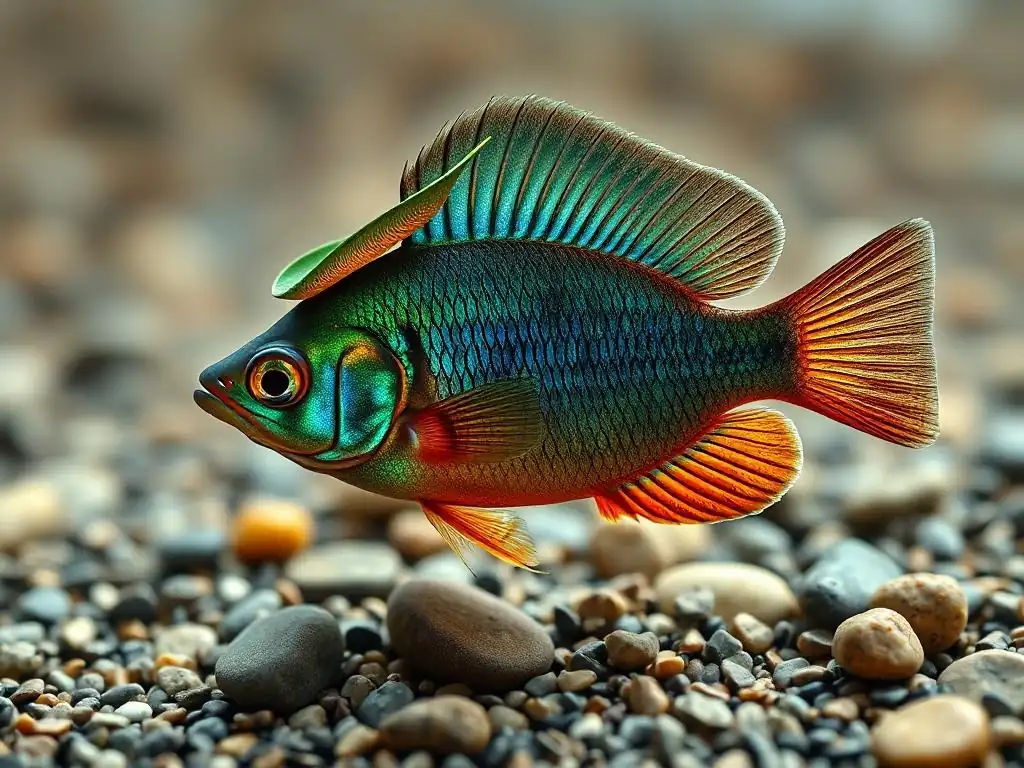
When establishing an aquarium for Apistogramma borellii, careful consideration of tank size is essential for their well-being and to prevent territorial aggression. For a single pair of Apistogramma borellii, a minimum tank size of 40 liters (approximately 10-11 US gallons) is generally recommended. This provides sufficient swimming space and allows for the establishment of individual territories, particularly important during breeding periods. While they are small, their need for personal space and hiding spots necessitates a tank larger than what might be assumed for their size alone.
For a community tank or for keeping multiple Apistogramma borellii pairs or a male with a small harem (one male to two or three females), a larger tank of 75 liters (20 US gallons) or more is advisable. A larger footprint, rather than just height, is preferable as it offers more horizontal swimming space and allows for better dispersion of territories. Adhering to these tank size recommendations is a fundamental aspect of effective Apistogramma borellii care, significantly impacting their stress levels and overall health.
Water Parameters: Achieving Optimal Conditions for Apistogramma borellii
Maintaining precise and stable water parameters is arguably the most critical aspect of Apistogramma borellii care. These fish are sensitive to fluctuations and require conditions that closely mimic their natural South American blackwater habitats. Regular water testing with reliable kits is indispensable to monitor these parameters and make necessary adjustments.
Temperature and pH for Borellii Cichlids
The ideal water temperature for Apistogramma borellii ranges from 22°C to 28°C (72°F to 82°F). Keeping the temperature within this range is crucial for their metabolism, immune system function, and overall activity levels. Temperatures too low can lead to lethargy and susceptibility to disease, while excessively high temperatures can stress them and reduce oxygen levels. A stable temperature, maintained by a reliable aquarium heater, is more important than specific fluctuations within the range.
Regarding pH, Apistogramma borellii thrive in soft, acidic water, with an optimal pH range of 5.0 to 7.0. However, they generally prefer a slightly more acidic environment, ideally between 5.5 and 6.5. Maintaining a stable pH within this range is vital, as sudden shifts can be detrimental. Methods such as using peat filtration, Indian almond leaves, or specific buffering substrates can help achieve and maintain the desired acidity for optimal Apistogramma borellii care.
Water Hardness and Ammonia/Nitrite/Nitrate Levels
Water hardness, specifically General Hardness (GH) and Carbonate Hardness (KH), is another critical factor for Apistogramma borellii. They prefer very soft water, with a GH range of 2-10 dGH (35-180 ppm) and a KH of 0-5 dKH (0-90 ppm). Low KH is particularly important as it contributes to the stability of acidic pH levels and prevents pH crashes. Achieving such soft water may require using reverse osmosis (RO) water mixed with tap water or remineralization salts.
Furthermore, maintaining pristine water quality by keeping nitrogenous waste products at undetectable levels is non-negotiable. Ammonia (NH3/NH4+) and Nitrite (NO2-) must always be at 0 ppm, as even trace amounts are highly toxic to fish, especially sensitive dwarf cichlids. Nitrate (NO3-), while less toxic, should be kept below 20 ppm, ideally below 10 ppm. Regular water changes and efficient filtration are the primary methods for managing these levels and are central to comprehensive Apistogramma borellii care.
Substrate and Decor: Creating a Natural Habitat for Borellii
The choice of substrate plays a significant role in creating a natural and comfortable environment for Apistogramma borellii. These fish are known for sifting through the substrate in search of food and for digging small pits, especially during breeding. Therefore, a fine, soft substrate such as sand or very fine gravel is highly recommended. Substrates with sharp edges or coarse textures can injure their delicate barbels and mouths as they forage.
Light-colored substrates should generally be avoided as they can reflect too much light, stressing the fish and causing their colors to appear washed out. Darker sands, like black or natural brown, are ideal as they mimic their natural environment and help bring out their vibrant coloration. A depth of at least 2-3 inches (5-7.5 cm) of substrate is beneficial, allowing them to engage in their natural digging behaviors without disturbing plant roots too much.
Decor and Hiding Places for Borellii Comfort
Replicating the dense, sheltered environments of their native habitat is crucial for the well-being of Apistogramma borellii. Abundant decor that provides numerous hiding places and visual barriers is essential. Driftwood, branches, and roots are excellent choices, as they not only offer structural complexity but also release beneficial tannins that tint the water and lower pH, mimicking blackwater conditions. These tannins also have mild anti-bacterial and anti-fungal properties.
Ceramic caves, terracotta pots, or even half coconut shells make excellent breeding sites and secure refuges for females and subordinate males. Live plants, especially dense thickets of stem plants (e.g., Rotala, Ludwigia), broad-leaf plants (e.g., Anubias, Java Fern), and floating plants (e.g., Salvinia, Frogbit), are highly beneficial. They provide cover, help maintain water quality by absorbing nitrates, and contribute to a natural, secure feeling for the fish. Indian almond leaves (Catappa leaves) are also highly recommended; they slowly decompose, releasing tannins and creating a more natural forest floor look, which is a key component of optimal Apistogramma borellii care.
Filtration and Water Changes for a Healthy Borellii Tank
Effective filtration and consistent water changes are cornerstones of successful Apistogramma borellii care. Due to their preference for pristine water conditions and sensitivity to pollutants, a robust maintenance routine is paramount. The filtration system should provide adequate mechanical, biological, and chemical filtration without creating excessive water flow, as these fish prefer calm waters.
Sponge filters are an excellent choice for Apistogramma borellii tanks, particularly breeding setups, as they provide gentle flow, excellent biological filtration, and are safe for fry. Hang-on-back (HOB) filters or small canister filters can also be used, provided their outflow is baffled or directed towards the tank wall to minimize strong currents. Regardless of the filter type, it should be adequately sized for the tank volume and regularly maintained to prevent the buildup of detritus.
Weekly water changes are crucial; a 20-30% partial water change performed every week helps dilute nitrates, replenish essential minerals, and maintain overall water quality. Using a gravel vacuum during water changes also helps remove accumulated waste from the substrate. This consistent regimen is vital for preventing stress and disease, thereby extending the lifespan of your Apistogramma borellii.
Apistogramma borellii Tank Mates: Compatibility and Community
Suitable Tank Mates for Apistogramma borellii
Selecting appropriate tank mates is a crucial aspect of Apistogramma borellii care, as their peaceful yet territorial nature requires careful consideration. Ideal companions are small, peaceful, and non-aggressive fish that occupy different levels of the water column, thus minimizing direct competition for space. Excellent choices include various species of small characins, such as Neon Tetras ( Paracheirodon innesi), Ember Tetras ( Hyphessobrycon amandae), Cardinal Tetras ( Paracheirodon axelrodi), and various micro-rasboras like Chili Rasboras ( Boraras brigittae). These schooling fish provide a sense of security for the Apistogramma borellii and add dynamic movement to the tank.
Bottom-dwelling, peaceful catfish such as Corydoras species ( Corydoras aeneus, Corydoras panda) or Otocinclus catfish ( Otocinclus affinis) are also highly suitable. They help with algae control and scavenge leftover food without bothering the cichlids. Small, peaceful loricariids like Bristlenose Plecos can also be considered for larger tanks. The key is to choose species that are not fin-nippers, do not grow large enough to intimidate the cichlids, and can thrive in similar water parameters as the Apistogramma borellii.
Fish to Avoid Keeping with Borellii Cichlids
Just as important as choosing suitable tank mates is knowing which fish to avoid when planning your Apistogramma borellii care strategy. Any large, aggressive, or overly boisterous fish should be excluded. This includes most larger cichlid species, even other Apistogramma species that might be more aggressive, as inter-species aggression can lead to stress and injury. Fin-nipping species, such as Tiger Barbs or certain larger tetras, should also be avoided, as they can damage the delicate fins of the Umbrella Cichlid, leading to secondary infections.
Furthermore, fish that require significantly different water parameters (e.g., very hard, alkaline water) should not be housed with Apistogramma borellii, as compromising on water chemistry for one species will inevitably stress the other. Fast-moving or highly active fish might also stress the more sedate Apistogramma borellii, causing them to hide excessively and exhibit poor coloration. The goal is to create a harmonious environment where all inhabitants can thrive without undue competition or aggression.
Considerations for a Peaceful Community Tank with Apistogramma borellii
Creating a peaceful community tank with Apistogramma borellii requires more than just selecting compatible species; it involves thoughtful tank design and management. Providing ample hiding spots and visual barriers is paramount. Dense planting, driftwood, and rockwork should break up lines of sight, allowing individual fish to establish territories and retreat when feeling threatened. For a pair of Apistogramma borellii, ensuring they have their own dedicated "cave" or secluded area is crucial, especially during breeding.
Overcrowding must be strictly avoided. A crowded tank increases stress, aggression, and the buildup of waste products, making consistent Apistogramma borellii care much more challenging. When introducing new fish, observe interactions closely for several days. Any signs of persistent aggression from the Apistogramma borellii towards tank mates, or vice versa, may necessitate re-evaluation of the stocking plan. A well-planned community tank with Apistogramma borellii can be a truly captivating display, showcasing their natural behaviors in a harmonious setting.
Apistogramma borellii Diet and Feeding
What to Feed Your Apistogramma borellii
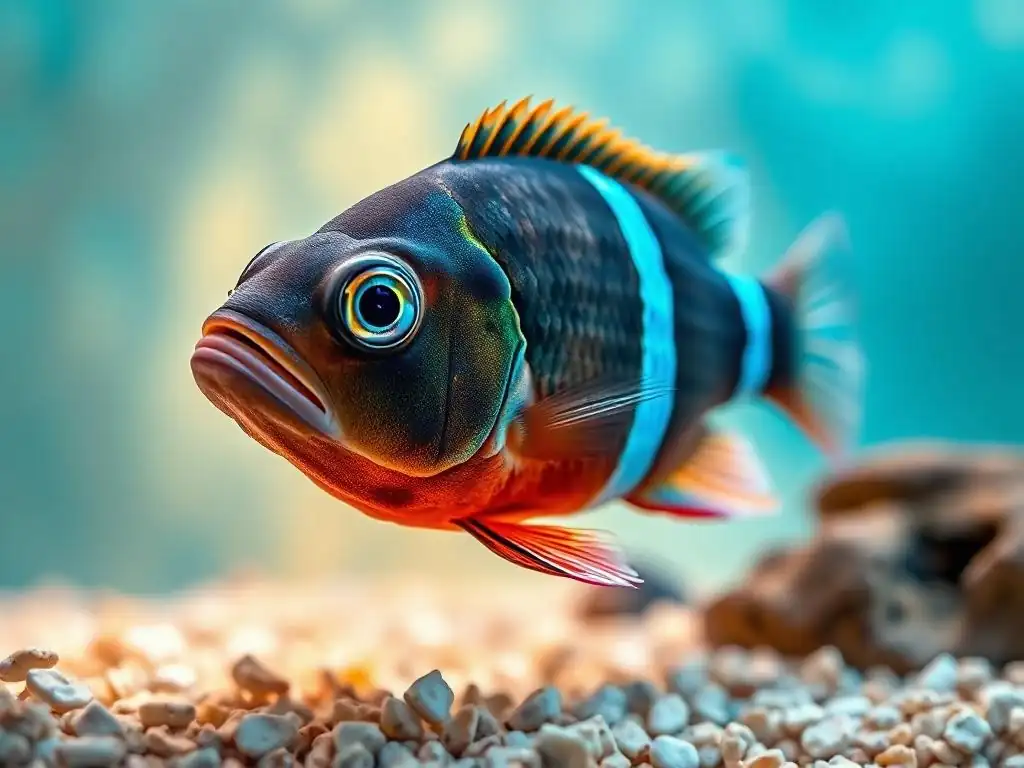
Apistogramma borellii are micro-predators in their natural habitat, primarily feeding on small invertebrates, insect larvae, and zooplankton. To ensure optimal health, vibrant coloration, and encourage breeding in the aquarium, their diet should reflect this carnivorous tendency. High-quality, small-sized commercial foods designed for dwarf cichlids or small omnivores are a good staple. These can include premium flake foods and micro-pellets that sink slowly, allowing the fish to feed at various water depths.
However, a staple diet alone is insufficient for peak condition. Supplementing with a variety of live or frozen foods is crucial for comprehensive Apistogramma borellii care. Excellent choices include frozen or live brine shrimp, daphnia, bloodworms (chopped if too large), blackworms, and grindal worms. These protein-rich foods provide essential nutrients and stimulate their natural hunting instincts. Occasionally, small amounts of spirulina flakes or other vegetable-based foods can be offered, though their preference leans heavily towards protein.
Recommended Feeding Schedule for Borellii Cichlids
A proper feeding schedule is vital for maintaining the health and vitality of Apistogramma borellii. It is generally recommended to feed them small amounts two to three times a day. This approach mimics their natural foraging behavior, where they consume small meals throughout the day, rather than one large meal. Overfeeding should be avoided at all costs, as it can lead to digestive issues in the fish and rapidly degrade water quality due to uneaten food decaying.
Feed only what your fish can consume within 2-3 minutes. If food remains after this time, reduce the portion size for subsequent feedings. Consistency in feeding times can also help establish a routine and reduce stress for the fish. Observant aquarists will notice their Apistogramma borellii becoming more active and even approaching the front of the tank around feeding times, indicating their anticipation and good health.
Supplementing Their Diet for Optimal Health and Color
Beyond staple foods, supplementing the Apistogramma borellii diet with a diverse range of fresh and frozen options is key to unlocking their full potential in terms of health, growth, and particularly, coloration. Live foods like newly hatched brine shrimp nauplii are especially beneficial for young fish and conditioning adults for breeding, providing highly nutritious and easily digestible protein. Frozen alternatives, such as bloodworms, Mysis shrimp, and daphnia, offer similar nutritional benefits without the hassle of culturing live foods.
Incorporating foods rich in natural color enhancers, such as astaxanthin (found in some shrimp and specialized fish foods), can significantly intensify the reds, oranges, and yellows in their fins and bodies. A varied diet not only ensures they receive a full spectrum of vitamins, minerals, and trace elements but also keeps them engaged and prevents boredom. This comprehensive approach to nutrition is a cornerstone of advanced Apistogramma borellii care, resulting in more robust, active, and strikingly beautiful fish.
Apistogramma borellii Breeding: A Detailed Guide
Creating Breeding Conditions for Apistogramma borellii
Breeding Apistogramma borellii can be a highly rewarding experience, and success largely depends on replicating their natural breeding conditions. The primary triggers are soft, acidic water and abundant hiding/spawning sites. The water should be very soft, ideally with a GH of 1-5 dGH and a KH of 0-2 dKH, and the pH should be acidic, ranging from 5.0 to 6.0. Raising the water temperature slightly to the upper end of their preferred range, around 26-28°C (79-82°F), can also help stimulate spawning.
Providing appropriate spawning sites is crucial. Apistogramma borellii are cave spawners, meaning the female will lay her eggs inside a secluded cavity. Small terracotta pots, coconut shells with a small opening, or specialized ceramic breeding caves are ideal. Placing several options in the tank increases the chances of a pair selecting a preferred spot. A layer of leaf litter (e.g., Indian almond leaves) on the substrate can also encourage breeding by mimicking their natural environment and providing a sense of security.
Identifying Male and Female Apistogramma borellii
Distinguishing between male and female Apistogramma borellii is relatively straightforward, especially as they mature or when in breeding condition. Males are typically larger and more colorful than females, displaying a wider array of vibrant blues, yellows, and oranges, particularly on their fins and operculum. Their dorsal and anal fins are often more elongated and pointed, sometimes with a lyre-tail shape.
Females, on the other hand, are smaller and generally possess more subdued coloration. However, when in breeding condition or actively brooding fry, their body color intensifies to a striking bright yellow, often with prominent black markings, including a distinct black lateral stripe and black blotches on their ventral fins. Their fins are also shorter and more rounded compared to the males. Observing these morphological and color differences is key for successful Apistogramma borellii breeding.
The Spawning Process of Umbrella Cichlids
Once a pair of Apistogramma borellii is conditioned and the environment is suitable, the spawning process typically begins with the male displaying to the female, showcasing his vibrant colors and extended fins. The female, if receptive, will lead the male to her chosen spawning cave. Inside the cave, she will meticulously clean the surface where she intends to lay her eggs.
Spawning usually occurs in batches, with the female depositing a small number of adhesive, yellowish or brownish eggs on the cave ceiling or wall, which the male then fertilizes. A typical clutch can range from 30 to 80 eggs.
After fertilization, the female takes sole responsibility for guarding and fanning the eggs, often becoming highly territorial and aggressive towards any intruders, including the male. The male may stay nearby, guarding the perimeter of the territory, or he may be chased away by the female if she perceives him as a threat. The eggs typically hatch within 3-5 days, depending on the temperature, at which point the tiny fry remain sac-fry, absorbing their yolk sacs.
Raising Apistogramma borellii Fry
Raising Apistogramma borellii fry requires specific care to ensure their survival and healthy development. Once the eggs hatch, the female will often move the tiny, almost invisible fry to a pre-dug pit in the substrate or another secure location within the cave. The fry become free-swimming approximately 7-10 days after hatching, at which point they will begin to venture out under the watchful eye of their mother.
At this stage, the fry are extremely small and require infusoria or liquid fry food for their initial meals. After a few days of feeding on infusoria, they can graduate to newly hatched brine shrimp nauplii, which are an ideal first food due to their small size and high nutritional content. Feeding should be done several times a day in small amounts.
Maintaining pristine water quality through small, frequent water changes (5-10% daily) is critical, as fry are highly sensitive to nitrates and other pollutants. The female will continue to guard her brood for several weeks, teaching them to forage, until they are large enough to be independent, typically around 3-4 weeks post-hatching.
Common Health Issues in Apistogramma borellii and Prevention
Recognizing Signs of Illness in Apistogramma borellii
Early detection of illness is crucial for effective Apistogramma borellii care. Observant aquarists can often spot problems before they become severe. Common signs of distress or disease include changes in behavior such as lethargy, hiding excessively, or unusual swimming patterns (e.g., darting, rubbing against decor, clamping fins). Physical symptoms might include faded or darkened coloration, white spots (Ich), cottony growths (fungus), frayed fins (fin rot), bloating, or visible lesions.
Loss of appetite, labored breathing (rapid gill movement), or unusual excretion can also indicate underlying health issues. It is important to note that many of these symptoms can be non-specific, meaning they could point to a variety of problems, from poor water quality and stress to specific bacterial, fungal, or parasitic infections. A sudden increase in aggression or shyness in a normally stable fish might also be a subtle indicator of stress or illness.
Treating Common Diseases Affecting Borellii Cichlids
Once signs of illness are identified, prompt action is necessary. The most common ailments affecting Apistogramma borellii are often stress-related, triggered by poor water quality or inadequate tank conditions.
- Ich (White Spot Disease): Characterized by small white spots resembling salt grains on the body and fins. Treatment typically involves raising the tank temperature slightly (to 28-30°C/82-86°F, if compatible with tank mates) and using an over-the-counter Ich medication, often combined with increased aeration.
- Fin Rot: Appears as frayed, ragged, or disintegrating fins, often with a white or reddish edge. This is usually caused by bacterial infection, often secondary to poor water quality or injury. Treatment involves large water changes, improving water parameters, and using broad-spectrum antibacterial medications.
- Bloat/Dropsy: Symptoms include a swollen abdomen, often accompanied by scales protruding outwards (pinecone appearance). This is a serious internal bacterial infection or organ failure. Treatment is difficult and often involves strong antibiotics, but prognosis is often poor.
Always follow medication instructions carefully and consider treating in a separate quarantine tank to protect other fish and the beneficial bacteria in the main tank. Consulting a knowledgeable aquatic veterinarian or experienced aquarist can also provide valuable guidance on Apistogramma borellii care and disease management.
Maintaining Optimal Water Quality to Prevent Illness
The adage "prevention is better than cure" holds especially true for Apistogramma borellii care. The vast majority of health issues in these sensitive dwarf cichlids can be prevented by consistently maintaining optimal water quality and stable tank conditions. Regular and precise monitoring of water parameters (ammonia, nitrite, nitrate, pH, GH, KH, temperature) is paramount. Any deviation from the ideal ranges should be addressed promptly.
Performing weekly partial water changes (20-30%) is the single most effective preventative measure. This dilutes nitrates, replenishes essential trace elements, and removes accumulated organic waste. Overfeeding should be avoided, as uneaten food rapidly breaks down and pollutes the water. Ensure that the filtration system is appropriate for the tank size and properly maintained, including regular cleaning or replacement of filter media. Providing a stress-free environment with ample hiding places, compatible tank mates, and a nutritious, varied diet also significantly boosts their immune system, making them more resilient to potential pathogens.
Apistogramma borellii Care Guide: Troubleshooting Common Problems
Addressing Aggression in Apistogramma borellii
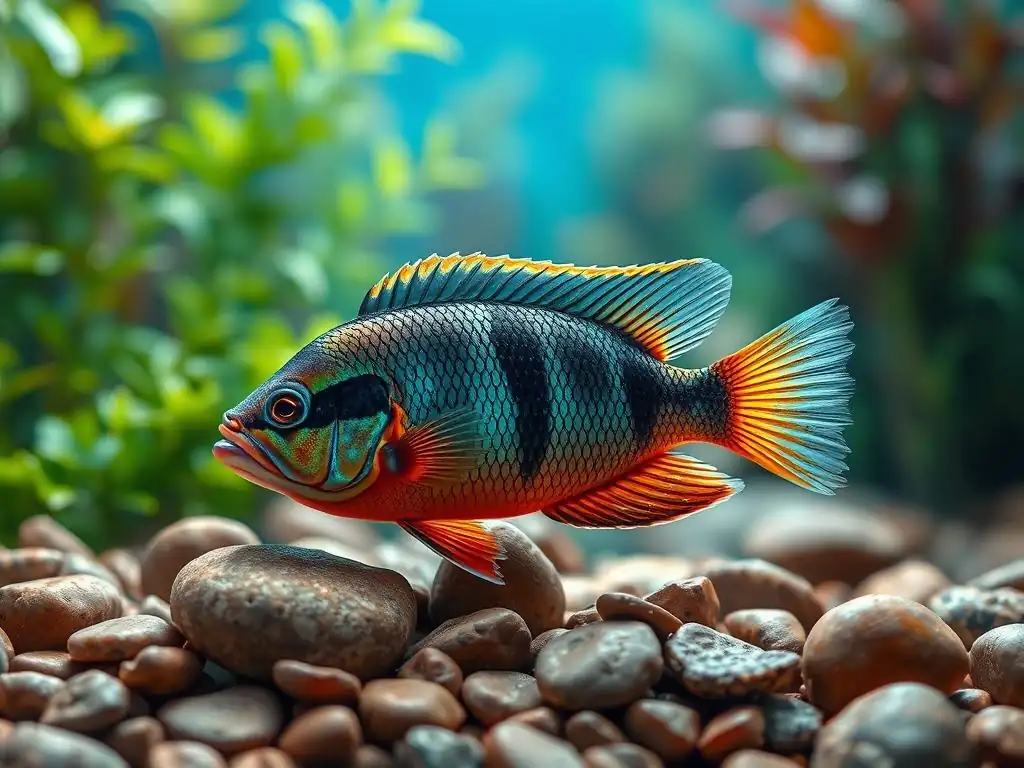
While generally peaceful, Apistogramma borellii can exhibit aggression, particularly between males or during breeding when females become highly territorial. If you observe excessive chasing, fin nipping, or outright physical altercations, several steps can be taken as part of your Apistogramma borellii care routine. First, ensure the tank is adequately sized; a 10-gallon tank for a single pair is a minimum, and larger tanks (20 gallons+) are needed for multiple pairs or a male with a harem.
Second, increase the number of hiding spots and visual barriers significantly. This can involve adding more driftwood, rock caves, or dense plant thickets. Breaking up lines of sight allows subordinate fish to retreat and establish their own territories, reducing direct conflict. If aggression persists, consider adjusting the male-to-female ratio. A single male with two or three females can sometimes diffuse aggression by spreading the male's attention. In severe cases, separating the most aggressive individual into a different tank may be necessary to ensure the safety of all inhabitants.
Dealing with Poor Coloration in Umbrella Cichlids
Faded or dull coloration in Apistogramma borellii is a common concern for aquarists and often signals an underlying issue with their Apistogramma borellii care. The first step in troubleshooting is to thoroughly check all water parameters (temperature, pH, GH, KH, ammonia, nitrite, nitrate). Stress from unsuitable water conditions is a primary cause of poor color. Ensure parameters are stable and within the optimal ranges.
Next, evaluate their diet. A lack of proper nutrition, especially insufficient protein and natural color enhancers, can lead to dullness. Increase the frequency of feeding high-quality frozen or live foods like brine shrimp, bloodworms, and daphnia, which are rich in pigments. Ensure the tank environment provides ample hiding spots and a dark substrate, as bright lighting and open spaces can make them feel exposed and stressed, leading to washed-out colors. Observing their behavior for signs of stress, such as clamped fins or excessive hiding, can also provide clues. A healthy, happy Apistogramma borellii will display vibrant, shimmering colors.
Resolving Feeding Issues in Borellii
If your Apistogramma borellii are refusing to eat or showing a lack of appetite, it's a significant red flag that requires immediate attention as part of your Apistogramma borellii care. The first and most critical step is to check all water parameters for any deviations or spikes, especially ammonia and nitrite, which are highly toxic. Poor water quality is a leading cause of appetite loss. Perform a partial water change if parameters are off.
Next, consider the type of food being offered. Apistogramma borellii can be picky eaters, especially when first introduced to a new environment or if they are wild-caught. Try offering a variety of high-quality frozen or live foods, such as bloodworms, brine shrimp, or daphnia, as these are often more appealing than dry flakes or pellets.
Ensure the food size is appropriate for their small mouths. Observe for any other signs of illness, such as lethargy, bloating, or unusual spots, as loss of appetite is a common symptom of various diseases. If the issue persists despite addressing water quality and diet, a more thorough investigation into potential underlying health problems may be necessary.
Advanced Apistogramma borellii Care Tips
Maintaining a Planted Tank with Apistogramma borellii
Maintaining a heavily planted tank is an advanced yet highly beneficial aspect of Apistogramma borellii care. Live plants contribute significantly to the overall health and stability of the aquarium ecosystem, creating a more natural and thriving environment for these dwarf cichlids. Plants absorb nitrates, a byproduct of the nitrogen cycle, thus helping to maintain pristine water quality and reduce the frequency of large water changes. This is particularly advantageous for sensitive species like Apistogramma borellii that prefer stable parameters.
Beyond water quality, plants provide essential cover and hiding places, which are crucial for the security and well-being of Apistogramma borellii. Dense vegetation, especially broad-leafed plants like Anubias and Echinodorus species, offers shaded areas and visual barriers, reducing stress and promoting natural behaviors. Floating plants like Salvinia or Frogbit can also dim the light, mimicking their naturally shaded habitats and encouraging bolder behavior and more vibrant coloration. A well-designed planted tank not only enhances the aesthetic appeal but also fosters a more robust and self-sustaining environment for your Umbrella Cichlids.
A deeper understanding of Apistogramma borellii behavior and social dynamics can greatly enhance your Apistogramma borellii care approach. These dwarf cichlids exhibit complex social structures, especially when kept in pairs or small harems. Males are generally more territorial and will establish a defined area, particularly if a female is present or during breeding. They will often display to each other, flaring fins and intensifying colors, but serious fighting is rare in adequately sized and decorated tanks.
Females, while smaller, can be surprisingly assertive, especially when guarding eggs or fry. They will fiercely defend their chosen spawning site and brood, often chasing away even larger tank mates. Observing these intricate interactions, from courtship rituals to parental care, provides valuable insight into their well-being. Providing multiple caves and broken lines of sight helps mitigate aggression and allows for natural social hierarchies to form without undue stress. Recognizing subtle behavioral cues, such as changes in activity levels or hiding patterns, is key to proactive Apistogramma borellii care.
Promoting Breeding Through Water Chemistry Adjustments
For aquarists aiming to consistently breed Apistogramma borellii, fine-tuning water chemistry is a crucial advanced Apistogramma borellii care tip. While a stable, soft, and acidic environment is generally sufficient for occasional spawning, optimizing specific parameters can significantly increase breeding frequency and success rates. Lowering the pH to the more acidic end of their preferred range (e.g., 5.0-5.5) and ensuring very low GH (1-3 dGH) can mimic the precise conditions found in their prime breeding grounds.
This can be achieved through various methods, including the use of reverse osmosis (RO) water remineralized to the desired hardness, peat filtration, or the consistent addition of Indian almond leaves. A slight increase in temperature (to 27-28°C / 80-82°F) coupled with daily small water changes (5-10%) using aged, soft, acidic water can also simulate a 'rainy season' effect, often triggering spawning. Providing an abundance of suitable spawning caves further encourages the female to lay eggs. Precise control over these parameters demonstrates a commitment to advanced Apistogramma borellii care and often yields prolific breeding results.
Conclusion: Enjoying the Beauty of Apistogramma borellii
The Apistogramma borellii, or Umbrella Cichlid, truly embodies the subtle beauty and captivating allure of dwarf cichlids. Their serene demeanor, intricate social behaviors, and stunning, iridescent coloration make them an exceptional addition to the freshwater aquarium. While they do require specific environmental conditions, the dedication to providing optimal Apistogramma borellii care is profoundly rewarding, culminating in a thriving display of natural behavior and vibrant health.
By understanding their natural habitat, meticulously setting up their tank, providing a balanced diet, and maintaining pristine water quality, aquarists can unlock the full potential of these fascinating fish. Whether your goal is to simply admire their charm in a community setting or to delve into the intricate world of breeding, this comprehensive Apistogramma borellii care guide provides the foundational knowledge for success. Embrace the journey of keeping these exquisite creatures, and you will undoubtedly find immense satisfaction in witnessing the subtle beauty of the Umbrella Cichlid flourish under your dedicated care.
Frequently Asked Questions
How difficult is it to care for Apistogramma borellii compared to other aquarium fish?
Apistogramma borellii are considered relatively easy to care for, especially compared to more demanding cichlids. They are more forgiving of minor water parameter fluctuations and adapt well to aquarium life if provided with proper conditions.
What are the ideal water parameters for Apistogramma borellii in an aquarium setting?
Ideal water parameters include a temperature of 72-82°F (22-28°C), a pH between 6.0 and 7.0, and soft to moderately hard water. Maintaining stable water chemistry is crucial for their health and vibrant coloration.
What should I feed my Apistogramma borellii to ensure they thrive?
A varied diet is essential. Offer high-quality flake food, live or frozen foods like bloodworms and brine shrimp, and small sinking pellets to ensure they receive all the necessary nutrients.
What tank size is recommended for keeping Apistogramma borellii, and what tank mates are suitable?
A 20-gallon tank is generally recommended for a pair. Suitable tank mates include peaceful community fish that won't compete for food or harass the Apistogramma borellii, such as small tetras or rasboras.
What are some common health issues that Apistogramma borellii are susceptible to, and how can I prevent them?
Common issues include bacterial infections and parasites, often caused by poor water quality. Preventative measures include regular water changes, proper filtration, and quarantining new fish before introducing them to the main tank.
Okay, here's a final reflection crafted for your "Apistogramma Borellii: The Umbrella Cichlid's Subtle Beauty & Care" article, designed to resonate with readers and encourage them to engage with the hobby:
Final Reflection: Appreciating the Delicate Balance
The information presented in this comprehensive guide underscores the enduring appeal of Apistogramma borellii and the importance of responsible fishkeeping. Understanding the specific needs of these captivating cichlids is not just about maintaining a healthy aquarium; it's about fostering a deeper appreciation for the delicate ecosystems they represent. By providing the right environment and care, we contribute to the well-being of these creatures and the preservation of their natural habitats.
The journey of keeping Apistogramma borellii is a testament to the rewards of patience and observation. It's a reminder that even the smallest creatures can offer profound insights into the complexities of nature and the interconnectedness of life. The subtle shifts in their behavior, the vibrant displays of color, and the intricate dance of courtship all speak volumes. In every walk with nature, one receives far more than he seeks.
- John Muir. This quote perfectly encapsulates the enriching experience of keeping these fascinating fish, offering a constant source of learning and wonder.
Now, armed with this knowledge, consider the impact you can have. Don't just be a keeper of Apistogramma borellii; be a steward of their well-being. Share your knowledge, advocate for responsible sourcing, and continue to learn and adapt your practices. By embracing the challenge of providing optimal care, you not only enrich the lives of these beautiful fish but also contribute to a more sustainable and compassionate approach to the aquarium hobby. Let the subtle beauty of the Umbrella Cichlid inspire you to create a thriving aquatic world, one carefully considered detail at a time.
Unveil the Secrets to a Thriving Apistogramma Borellii Tank!
Thank you for diving into the fascinating world of the Umbrella Cichlid! Now that you're equipped with the knowledge to appreciate and care for these gems, it's time to put your passion into action. Here's how you can bring the beauty of Apistogramma borellii into your own aquarium:
- Prioritize a pristine environment: Regularly test your water parameters:, aiming for stability and cleanliness to mimic their natural habitat. This is the single most important step for their long-term health.
- Research compatible tankmates: Spend some time researching peaceful tankmates that won't compete with your Apistogramma borellii. Consider other species from South America with similar water parameters and temperaments.
- Share your experience: Document your setup and journey online, and share it with other enthusiasts. It will help you connect and help other keepers.
What unique aquascaping element will you add to your Apistogramma borellii tank to make it truly thrive?