
Setting Up a Dwarf Cichlid Breeding Tank: The Perfect Love Nest

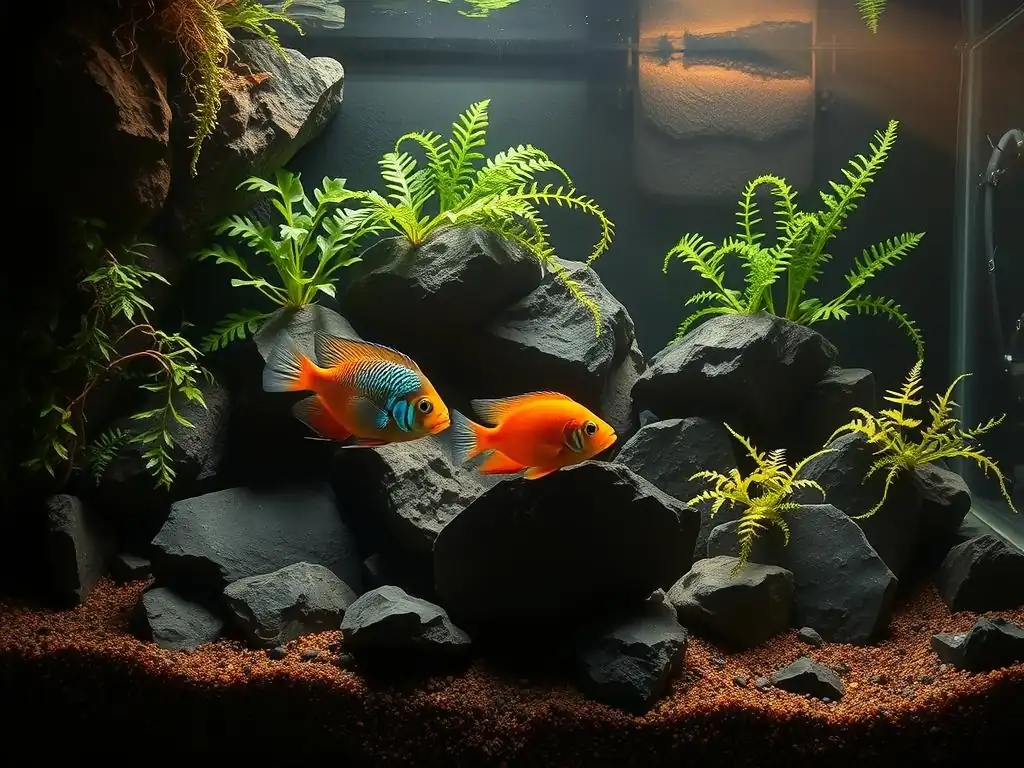
Welcome to Aquarium Mastery!
Ever dreamt of witnessing the fascinating dance of life unfold within your own aquarium? Dwarf cichlids are renowned for their vibrant colors and captivating breeding behavior. Dive in to discover how to create the ultimate dwarf cichlid breeding tank, a perfect love nest where these stunning fish can thrive and reproduce. Ready to unlock the secrets of successful breeding? Your journey starts here!
- Understanding Dwarf Cichlid Breeding Needs
- Planning Your Dwarf Cichlid Breeding Tank Setup
- Creating the Ideal Breeding Environment
- Setting Up Your Dwarf Cichlid Breeding Tank: Step-by-Step
- Introducing Your Dwarf Cichlids to Their Breeding Tank
- Maintaining a Healthy Breeding Tank
- Troubleshooting Common Breeding Problems
- Raising Dwarf Cichlid Fry
- Conclusion: Enjoying the Rewards of Breeding Dwarf Cichlids
-
Frequently Asked Questions
- What size tank is recommended for a dwarf cichlid breeding tank?
- What water parameters are crucial for successful dwarf cichlid breeding?
- What type of substrate and decor should I use in a dwarf cichlid breeding tank?
- How often should I perform water changes in a dwarf cichlid breeding tank?
- What should I feed my dwarf cichlids to encourage breeding?
- Final Reflection: Cultivating New Beginnings
- Embrace the Challenge: Become a Cichlid Breeder!
Understanding Dwarf Cichlid Breeding Needs
Key Factors for Successful Dwarf Cichlid Reproduction
Successful reproduction of dwarf cichlids hinges on a confluence of critical factors that mimic their natural habitats. Genetics play a significant role, as healthy, unrelated pairs with good lineage are more likely to produce viable offspring. Beyond genetics, the aquatic environment is paramount.
Optimal water quality, characterized by stable parameters such as appropriate pH, hardness, and minimal nitrates, directly influences spawning readiness and egg viability. For instance, many Apistogramma species thrive and breed best in soft, acidic water with a pH range of 5.5-6.5 and very low GH (0-3 dGH), while a species like the Kribensis ( Pelvicachromis pulcher) is more tolerant, breeding in pH 6.0-7.5.
Furthermore, nutrition and stress levels are equally vital. A high-quality, varied diet rich in protein and essential vitamins prepares dwarf cichlids for breeding, enhancing their vitality and reproductive capacity. Stress, often induced by aggressive tank mates, inadequate hiding places, or fluctuating water conditions, can inhibit spawning or lead to egg consumption. A dedicated dwarf cichlid breeding tank, designed with ample cover and stable parameters, significantly reduces stress, promoting natural breeding behaviors and increasing the likelihood of successful spawns.
Species-Specific Breeding Requirements: Research is Key
The term "dwarf cichlid" encompasses a diverse group of species, including popular choices like Ram Cichlids ( Mikrogeophagus ramirezi), various Apistogramma species, and Kribensis cichlids. Each species possesses unique breeding requirements that, if overlooked, can lead to breeding failures.
For example, German Blue Rams are known to be sensitive to water parameters, requiring very soft, acidic water (pH 5.0-6.5, GH 2-5 dGH) and temperatures around 82-86°F (28-30°C) to induce spawning and ensure proper egg development. In contrast, Kribensis are cave spawners that are far more adaptable, breeding in a wider range of pH (6.0-7.5) and moderately hard water, often at temperatures between 75-79°F (24-26°C).
Apistogramma species, while sharing a general preference for soft, acidic water, also exhibit variations. Apistogramma cacatuoides is often considered one of the easier Apistogramma to breed, tolerating slightly harder water than some of its more delicate relatives. Thorough research into your specific dwarf cichlid species' natural habitat and reproductive strategies is indispensable. This includes understanding their preferred spawning sites (open substrate, caves, plant leaves), parental care habits, and specific environmental triggers that encourage successful breeding within your dwarf cichlid breeding tank.
Planning Your Dwarf Cichlid Breeding Tank Setup
Tank Size Considerations for Breeding Dwarf Cichlids
Selecting the appropriate tank size is a foundational step in establishing a successful dwarf cichlid breeding tank. While some smaller species or pairs can breed in tanks as compact as 10 gallons (approximately 38 liters), a 20-gallon long (around 76 liters) or a 29-gallon (approximately 110 liters) aquarium is often recommended as an ideal minimum for a single pair of most dwarf cichlids.
This larger footprint provides ample swimming space and allows for the creation of distinct territories, which is crucial for reducing aggression and promoting natural breeding behaviors, especially for species known to be territorial during spawning like Apistogramma or Rams.
For breeding multiple pairs or maintaining a small colony of a less aggressive species, such as some types of Kribensis, a 30-gallon (approximately 114 liters) or larger tank is more suitable. This increased volume helps dilute waste products, maintains more stable water parameters, and provides additional space for multiple breeding territories and hiding spots, minimizing conflict between pairs. A larger dwarf cichlid breeding tank also offers more room for fry to develop safely before being moved or reaching a size where they can be housed with adults.
Choosing the Right Substrate for Optimal Breeding
The choice of substrate in a dwarf cichlid breeding tank is more than just aesthetic; it plays a crucial role in water chemistry, tank cleanliness, and providing suitable spawning sites. Fine, soft sand, such as play sand or specialized aquarium sand, is highly recommended for most dwarf cichlid species. Many dwarf cichlids, particularly Apistogramma and Rams, are natural diggers and sifters, sifting through the substrate in search of food. Fine sand allows them to engage in this natural behavior without damaging their delicate barbels or fins.
Furthermore, a soft sand substrate is ideal for species that prefer to lay their eggs directly on the substrate or in small pits dug into it. For example, some Apistogramma species will create small depressions in the sand for spawning. A fine sand substrate also makes it easier to keep the tank clean, as detritus tends to settle on top rather than getting trapped within the substrate, simplifying vacuuming and maintenance. Avoid coarse gravel, which can trap uneaten food, lead to anaerobic pockets, and potentially harm the fish's barbels.
Essential Equipment for a Dwarf Cichlid Breeding Environment
Setting up a dedicated dwarf cichlid breeding tank requires specific equipment to ensure stable and optimal conditions for spawning and fry development. A reliable heater is paramount to maintain the precise and consistent water temperature preferred by your chosen species, often in the range of 78-82°F (25.5-27.8°C) for many dwarf cichlids. Fluctuations can stress fish and inhibit breeding. An accurate thermometer is also essential for constant monitoring of the water temperature.
For filtration, a sponge filter or a well-baffled hang-on-back (HOB) filter with a pre-filter sponge is highly recommended. Sponge filters provide excellent biological filtration, are gentle on the water column, and pose no threat of sucking in delicate fry, making them ideal for a dwarf cichlid breeding tank. Regular water testing kits for pH, ammonia, nitrite, and nitrate are indispensable for monitoring and maintaining the critical water parameters required for successful breeding. An air pump connected to the sponge filter or an air stone will ensure adequate oxygenation, which is vital for both adult fish and developing eggs.
Creating the Ideal Breeding Environment
Water Chemistry: Achieving the Perfect Parameters for Breeding
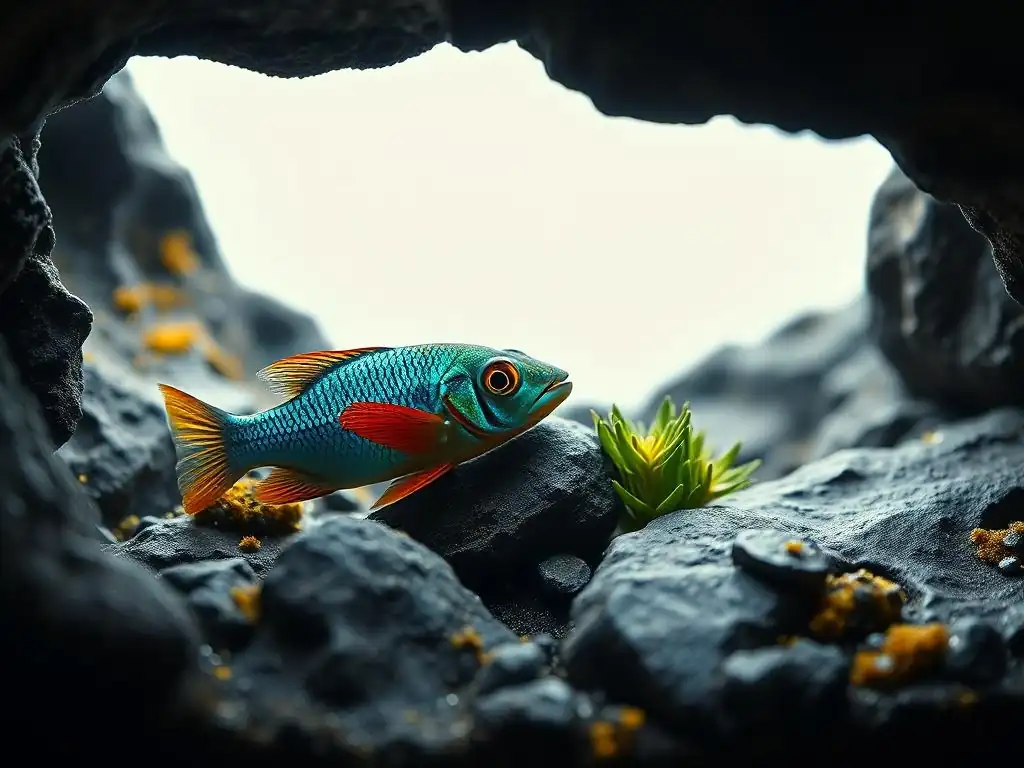
Achieving precise water chemistry is perhaps the most critical aspect of creating an ideal dwarf cichlid breeding tank. Many dwarf cichlids, particularly Apistogramma and Ram Cichlids, originate from soft, acidic blackwater environments in South America. For these species, a pH range of 5.0-6.5 and very low general hardness (GH) of 0-3 dGH (0-50 ppm) are often necessary to trigger spawning and ensure egg viability. To achieve such parameters, hobbyists frequently use reverse osmosis (RO) water, which is then re-mineralized to the desired GH/KH levels using specialized products or by mixing with a small percentage of tap water.
Conversely, species like Kribensis ( Pelvicachromis pulcher) are more adaptable and can breed in moderately soft to medium-hard water with a pH between 6.0-7.5. Understanding your specific species' needs is vital. Incorporating natural elements like peat moss (in a filter bag or as a substrate additive) or driftwood can help naturally lower pH and add tannins, mimicking blackwater conditions and providing beneficial humic substances that often encourage spawning in softwater species. Regularly testing your water parameters (pH, GH, KH, ammonia, nitrite, nitrate) is non-negotiable to maintain these specific conditions in your dwarf cichlid breeding tank.
Temperature and Lighting: Mimicking Natural Conditions
Temperature plays a significant role in stimulating breeding behavior and ensuring the healthy development of eggs and fry in a dwarf cichlid breeding tank. Most dwarf cichlid species thrive and breed optimally within a consistent temperature range of 78-82°F (25.5-27.8°C). For particularly sensitive species like German Blue Rams, a slightly higher temperature, sometimes up to 86°F (30°C), can be used to encourage spawning. Maintaining a stable temperature, free from fluctuations, reduces stress and promotes consistent metabolic rates, which are crucial for reproductive success.
Lighting should be moderate and follow a consistent photoperiod, typically 8-10 hours per day. Intense, prolonged lighting can stress dwarf cichlids, which often prefer dimmer conditions, especially when breeding. A simple timer can be used to automate the lighting cycle, ensuring regularity. Subdued lighting can also encourage shyer species to emerge and engage in courtship. While specific light spectrum isn't as critical as for planted display tanks, a full-spectrum LED light set to a moderate intensity will suffice for plant growth and visual appeal within the dwarf cichlid breeding tank.
Plants and Decor: Providing Hiding Places and Breeding Sites
The strategic placement of plants and decor is fundamental to creating a functional and aesthetically pleasing dwarf cichlid breeding tank. These elements provide essential hiding spots, reduce aggression by breaking lines of sight, and offer critical spawning surfaces.
Selecting Plants to Promote Spawning
Live plants are invaluable in a dwarf cichlid breeding tank, contributing to water quality by absorbing nitrates and providing natural cover. Many dwarf cichlid species prefer to lay eggs on broad leaves or within dense plant thickets. Anubias species (e.g., Anubias barteri, Anubias nana) and Java Fern ( Microsorum pteropus) are excellent choices due to their sturdy leaves and low light requirements, making them ideal spawning surfaces. Cryptocoryne species (e.g., Cryptocoryne wendtii, Cryptocoryne spiralis) offer dense foliage at the substrate level, providing excellent hiding places for both adults and newly hatched fry.
Amazon Swords ( Echinodorus spp.) can also be used, offering large leaves for egg deposition. Aim for a densely planted background and sides, leaving some open swimming space in the foreground.
Decor that Encourages Breeding Behavior
Beyond plants, various forms of decor are crucial for encouraging breeding behavior and providing safe havens. Caves are indispensable for cave-spawning dwarf cichlids like Kribensis and many Apistogramma species. Terracotta pots (broken or whole), coconut shells with an opening, and specialized ceramic breeding caves are excellent options. Provide multiple caves to allow the female to choose her preferred spawning site and to give the male an alternative retreat if needed.
Driftwood and flat, smooth rocks also serve multiple purposes. Driftwood provides natural tannins that condition the water and offers additional hiding spots and visual barriers. Flat rocks can be used as spawning surfaces by species like Ram Cichlids that prefer open substrate spawning or flat surfaces. Arrange decor to create clear territories and break up sightlines, minimizing stress and aggression within the dwarf cichlid breeding tank.
Setting Up Your Dwarf Cichlid Breeding Tank: Step-by-Step
Step 1: Preparing the Tank and Substrate
The first step in setting up your dwarf cichlid breeding tank is thorough preparation. Begin by cleaning the aquarium thoroughly with plain water and a clean cloth or sponge – avoid any soaps or detergents, as residues can be toxic to fish. Rinse the tank multiple times to ensure no contaminants remain. Once clean, place the tank on a level, sturdy surface that can support its full weight when filled.
Next, add your chosen substrate, such as fine sand. Rinse the sand extensively in a bucket until the water runs clear to remove any dust or debris. Spread the sand evenly across the bottom of the tank, aiming for a depth of 1.5 to 2 inches (approximately 4-5 cm) to allow for digging and plant rooting.
Step 2: Installing Filtration and Heating
With the substrate in place, proceed to install your filtration system and heater. If using a sponge filter, place it in a corner of the tank and connect it to an air pump via airline tubing. Ensure the air pump is positioned above the water level or has a check valve to prevent back-siphoning. For a hang-on-back (HOB) filter, position it on the back rim of the tank, ensuring the intake tube reaches well into the water.
Install the aquarium heater, typically near the filter's water flow to ensure even heat distribution. Position it horizontally along the back or side, just above the substrate, ensuring it's fully submerged according to manufacturer instructions. Connect it to a reliable power source and set the desired temperature, usually between 78-82°F (25.5-27.8°C) for breeding dwarf cichlids.
Step 3: Planting and Decorating the Tank
This step brings your dwarf cichlid breeding tank to life, creating the essential environment for spawning. Begin by carefully arranging your chosen decor elements. Place breeding caves (e.g., terracotta pots, coconut shells) in various spots, ensuring they are stable and offer secluded retreats. Distribute driftwood pieces to create natural barriers and additional hiding spots. Position flat rocks if your species prefers them for spawning.
Next, plant your live aquatic plants. For rooted plants like Cryptocorynes and Amazon Swords, gently bury their roots in the substrate. For epiphytes like Anubias and Java Fern, attach them to driftwood or rocks using fishing line or super glue gel, ensuring their rhizomes are not buried. Aim for a balance of open swimming space and dense areas of cover, providing security and spawning opportunities for your dwarf cichlids.
Step 4: Cycling the Breeding Tank
The final and most crucial step before introducing fish is cycling your dwarf cichlid breeding tank. This process establishes the beneficial nitrifying bacteria colony in the filter media and substrate, which convert toxic ammonia (from fish waste and decaying food) into less harmful nitrites, and then into even less harmful nitrates. A fishless cycle is highly recommended, as it avoids exposing fish to dangerous ammonia and nitrite spikes. This typically involves adding a source of ammonia (e.g., pure ammonia solution, fish food) to kickstart the cycle.
The cycling process usually takes 4 to 6 weeks, during which you will observe ammonia and nitrite levels rise and then fall to zero, while nitrates begin to accumulate. Test your water parameters regularly (daily or every other day) using a reliable liquid test kit to monitor the cycle's progress. Once both ammonia and nitrite consistently read 0 ppm, and nitrates are present (but below 20 ppm), your dwarf cichlid breeding tank is biologically mature and ready for its new inhabitants.
Introducing Your Dwarf Cichlids to Their Breeding Tank
Acclimation Process: Minimizing Stress
Introducing your dwarf cichlids to their newly established breeding tank requires a careful acclimation process to minimize stress and prevent shock from changes in water parameters. The drip acclimation method is highly recommended for sensitive fish like dwarf cichlids, as it slowly introduces them to the new water chemistry. Begin by floating the sealed bag containing your fish in the breeding tank for 15-20 minutes to equalize temperature.
Then, open the bag, roll down the edges to create an air pocket, and secure it to the side of the tank. Using airline tubing and an air valve, siphon water from the breeding tank into the fish bag at a very slow drip rate, approximately 1-2 drips per second.
Allow this process to continue for 45-60 minutes, or until the volume of water in the bag has quadrupled. During this time, periodically remove some of the original bag water to prevent overflow. Once acclimation is complete, gently scoop the fish out with a net and transfer them to the dwarf cichlid breeding tank, discarding the water from the bag. This gradual introduction significantly reduces the risk of osmotic shock and helps your dwarf cichlids adjust to their new "love nest" with minimal stress.
Observing Breeding Behavior
Once your dwarf cichlids are acclimated to their new dwarf cichlid breeding tank, patient observation becomes key to identifying signs of courtship and spawning. Breeding behavior varies slightly between species but generally involves distinct changes in appearance and activity. Males often display intensified coloration, becoming more vibrant and showcasing their fins. They may engage in elaborate courtship dances, flaring their fins, quivering their bodies, and attempting to entice the female to a chosen spawning site.
Females, in turn, may also show enhanced colors, particularly around their belly (often yellow or orange for many Apistogramma and Rams), and may begin to "clean" a potential spawning surface, such as a flat rock, a broad plant leaf, or the inside of a cave. They will become increasingly territorial around this chosen site, warding off any other fish that come too close.
Eventually, the pair will align, and the female will begin to deposit eggs, with the male following closely behind to fertilize them. Observing these subtle cues helps confirm that your dwarf cichlid breeding tank setup is successful.
Maintaining a Healthy Breeding Tank
Regular Water Changes: Maintaining Water Quality
Regular water changes are paramount for maintaining impeccable water quality in a dwarf cichlid breeding tank, which directly impacts the health of adult fish, egg viability, and fry survival. Even with a well-cycled filter, nitrates will accumulate, and essential minerals can be depleted.
For most dwarf cichlid breeding setups, a weekly water change of 20-30% of the tank's volume is recommended. For tanks with a heavy bioload or if you are raising a large batch of fry, more frequent, smaller water changes (e.g., 10-15% every 2-3 days) may be necessary to keep nitrate levels consistently low, ideally below 10-15 ppm.
When performing water changes, ensure the new water is temperature-matched to the tank water to prevent thermal shock. If using tap water, treat it with a high-quality dechlorinator/dechloraminator. For species requiring specific soft, acidic conditions, prepare new water using RO water re-mineralized to the precise parameters. Consistent water changes remove dissolved organic compounds and replenish trace elements, creating a pristine environment conducive to breeding success and robust fry development.
Feeding Your Dwarf Cichlids for Breeding Success
Optimal nutrition is crucial for conditioning dwarf cichlids for breeding and ensuring the health of the parents and their offspring. A varied, high-protein diet encourages spawning readiness and improves egg quality. While high-quality flakes or pellets can form a base, live and frozen foods are essential supplements. Live foods such as baby brine shrimp ( Artemia nauplii), daphnia, and microworms are excellent sources of protein and stimulate natural hunting behaviors. These are particularly beneficial for conditioning the pair prior to spawning.
Frozen foods like bloodworms, mysis shrimp, and cyclops are also highly nutritious and readily accepted. Feed your breeding pair 2-3 times daily, offering small amounts that can be consumed within a few minutes to avoid overfeeding and polluting the dwarf cichlid breeding tank. A well-fed pair will be more vibrant, exhibit stronger breeding urges, and produce more robust eggs and fry, significantly increasing your breeding success rate.
Monitoring Water Parameters
Continuous monitoring of water parameters is a non-negotiable aspect of maintaining a healthy dwarf cichlid breeding tank. Fluctuations in key parameters can stress fish, inhibit spawning, or even lead to fatalities, especially for delicate species or newly hatched fry. At a minimum, weekly testing for pH, ammonia, nitrite, and nitrate is essential using a reliable liquid test kit. Ammonia and nitrite should always read 0 ppm; any detectable levels indicate an issue with your biological filtration or overfeeding, requiring immediate attention (e.g., large water change, reduced feeding).
Nitrate levels should be kept below 20 ppm, ideally closer to 5-10 ppm for sensitive species, managed through regular water changes. Additionally, for dwarf cichlids that require specific water hardness, regularly test general hardness (GH) and carbonate hardness (KH). These parameters directly influence pH stability and are critical for softwater species. Consistent monitoring allows for prompt adjustments, ensuring the dwarf cichlid breeding tank environment remains perfectly suited for successful reproduction.
Troubleshooting Common Breeding Problems
Egg Predation: Identifying and Preventing Issues
Egg predation by the parent fish or other tank inhabitants is a common and disheartening problem in a dwarf cichlid breeding tank. While many dwarf cichlids are excellent parents, inexperienced pairs, stressed fish, or the presence of non-compatible tank mates can lead to eggs being eaten. If a pair is new to breeding, they might consume their first few spawns due to inexperience or nervousness. High levels of stress, caused by fluctuating water parameters, aggressive tank mates, or insufficient hiding places, can also lead to egg consumption.
To prevent predation, ensure the breeding tank is dedicated solely to the breeding pair or a very carefully selected, peaceful community. Provide ample hiding spots and visual barriers with dense planting and decor. If parents consistently eat their eggs, consider isolating the eggs or the spawning site (e.g., a terracotta pot with eggs) into a separate small tank with identical water parameters and an air stone for circulation. This allows the eggs to hatch and fry to develop in a safe environment, though it removes the natural parental care aspect.
Infertile Eggs: Causes and Solutions
Discovering infertile eggs, often identifiable by their opaque, white, or fuzzy appearance (due to fungal growth), is another common challenge in a dwarf cichlid breeding tank. Several factors can contribute to infertility. Age can be a factor; very young or very old fish may have reduced fertility. Poor nutrition, leading to a lack of essential vitamins and minerals, can also impair egg and sperm quality. Incorrect water parameters, particularly pH or hardness levels that are outside the species' optimal breeding range, can directly affect egg viability and fertilization success.
Male infertility is also a possibility, sometimes due to genetic factors or previous health issues. To address infertile eggs, first evaluate your feeding regimen and upgrade to a high-quality, varied diet. Double-check your water parameters against the specific needs of your dwarf cichlid species and make precise adjustments as necessary. If the problem persists, consider introducing a new male or female to the breeding pair, or try a different pair altogether, to rule out individual infertility issues.
Fry Survival: Ensuring a High Success Rate
Ensuring the survival of dwarf cichlid fry once they hatch is a critical phase in the breeding process, and several factors can impact their success rate. Predation by other tank inhabitants (if not a dedicated breeding tank) or even by the parents themselves (though less common with good parental care) is a primary concern. Poor water quality, particularly elevated nitrates or ammonia, is highly detrimental to delicate fry, leading to stress, disease, and death. Insufficient or inappropriate food sources for the tiny fry can also lead to starvation.
To maximize fry survival in your dwarf cichlid breeding tank, maintain pristine water conditions through small, frequent water changes (e.g., 10% daily or every other day). Ensure the filtration system is fry-safe (e.g., sponge filter). Have appropriate first foods ready, such as infusoria or liquid fry food for the first few days, followed by newly hatched baby brine shrimp.
If parents show signs of eating fry or the tank contains other fish, consider moving the fry to a dedicated fry-raising tank once they are free-swimming. Providing ample micro-hiding spots among fine-leaved plants or moss also gives fry a better chance to evade potential predators.
Raising Dwarf Cichlid Fry
Setting Up a Fry Tank
For optimal growth and survival, establishing a dedicated fry tank for your dwarf cichlid offspring is often beneficial, especially if the parents are not reliably caring for them or if the main breeding tank contains other inhabitants. A small aquarium, typically 5-10 gallons (approximately 19-38 liters), is usually sufficient for an initial batch of fry.
This tank should be equipped with a gentle sponge filter to provide biological filtration without the risk of sucking in tiny fry. A small, submersible heater is also essential to maintain a stable temperature, usually kept consistent with the breeding tank's temperature (e.g., 78-82°F / 25.5-27.8°C).
The fry tank should have a bare bottom or a very thin layer of fine sand to facilitate easy cleaning. Adding a few small pieces of Java Moss or a floating plant can provide additional cover and act as a source of infusoria for the initial days. Ensure the tank is fully cycled before introducing fry, or use established filter media from another tank to "instant cycle" it, preventing ammonia and nitrite spikes that are deadly to young fish.
Feeding Fry for Optimal Growth
Feeding dwarf cichlid fry for optimal growth requires specialized, tiny food sources that match their minuscule mouths and high metabolic rates. For the first few days after hatching and becoming free-swimming, many dwarf cichlid fry will feed on infusoria – microscopic organisms present in mature aquariums or cultivated separately. Liquid fry foods are also available as a convenient initial food source. After 3-5 days, or as soon as their mouths are large enough, newly hatched baby brine shrimp ( Artemia nauplii) become the cornerstone of their diet. These are highly nutritious and stimulate a strong feeding response.
Feed fry small amounts frequently, typically 4-6 times per day, to ensure a constant supply of food. Any uneaten food should be siphoned out regularly to maintain water quality. As the fry grow, usually after 2-3 weeks, their diet can be diversified to include microworms, crushed high-quality flake food, and eventually finely chopped frozen foods like bloodworms or mysis shrimp. Consistent, high-quality feeding is paramount for rapid growth and healthy development.
Maintaining Water Quality for Fry
Maintaining pristine water quality is even more critical for delicate dwarf cichlid fry than for adult fish. Their small size and undeveloped immune systems make them highly susceptible to poor water conditions, particularly elevated ammonia and nitrite. Due to their frequent feedings and high metabolism, waste products can accumulate quickly in a small fry tank. Therefore, small, frequent water changes are essential.
Perform daily or every-other-day water changes of 10-15% of the tank's volume. Use a small airline tubing to gently siphon out detritus and uneaten food from the bottom of the tank, being careful not to suck up any fry. Ensure the new water is temperature-matched and has identical parameters (pH, GH, KH) to the tank water.
Regularly test ammonia, nitrite, and nitrate levels to ensure they remain at 0 ppm for ammonia and nitrite, and below 10 ppm for nitrates. Consistent, meticulous water quality management is the single most important factor in ensuring a high survival rate and robust growth for your dwarf cichlid fry.
Conclusion: Enjoying the Rewards of Breeding Dwarf Cichlids
Setting up a dedicated dwarf cichlid breeding tank is a rewarding endeavor that offers a deep dive into the fascinating world of aquatic life cycles. By carefully considering species-specific needs, meticulously planning your tank setup, and diligently maintaining pristine water conditions, you create an optimal environment for these captivating fish to thrive and reproduce. The journey from observing courtship rituals to witnessing tiny fry emerge and grow is an unparalleled experience for any aquarist.
The effort invested in providing the perfect dwarf cichlid breeding tank—from choosing the right substrate and decor to precise water chemistry and nutrition—culminates in the joyous sight of healthy, vibrant offspring. This detailed approach not only ensures breeding success but also deepens your understanding and appreciation for these remarkable freshwater jewels.
Frequently Asked Questions
What size tank is recommended for a dwarf cichlid breeding tank?
A minimum of 20 gallons is generally recommended for a pair of dwarf cichlids, though larger tanks are better for maintaining water stability and reducing aggression. Consider a 30-40 gallon tank if you plan to house multiple pairs or other tankmates.
What water parameters are crucial for successful dwarf cichlid breeding?
Maintaining stable and appropriate water parameters is essential. This typically includes a pH between 6.0 and 7.0, a temperature of 78-82°F, and very low levels of nitrates and ammonia.
What type of substrate and decor should I use in a dwarf cichlid breeding tank?
A fine sand or gravel substrate is ideal, along with plenty of hiding places such as caves, driftwood, and plants. These elements provide security and potential spawning sites for the cichlids.
How often should I perform water changes in a dwarf cichlid breeding tank?
Regular water changes are vital for maintaining water quality. Aim for 25-50% water changes weekly, depending on the bioload and tank size. This will help remove nitrates and replenish essential minerals.
What should I feed my dwarf cichlids to encourage breeding?
A varied diet rich in protein is crucial. Offer high-quality flakes, pellets, and live or frozen foods like brine shrimp, bloodworms, and daphnia to condition the fish for breeding.
Final Reflection: Cultivating New Beginnings
The journey of setting up a dwarf cichlid breeding tank, as we've explored, is more than just assembling equipment and adding fish; it's about creating an environment conducive to life and fostering the delicate dance of reproduction. The principles of careful planning, meticulous execution, and patient observation extend far beyond the aquarium, mirroring the dedication required to nurture any form of growth and new beginnings in our own lives.
This endeavor, focused on the intricate world of dwarf cichlids, has profoundly influenced my understanding of the interconnectedness of ecosystems, both natural and artificial. Witnessing the complex behaviors and parental care of these tiny creatures underscores the universal drive for survival and continuation of species. The best way to observe a fish is to become a fish.
- Jacques Cousteau. This quote reminds us that understanding requires empathy and a willingness to immerse ourselves in the world we seek to comprehend, whether it's the miniature world of a breeding tank or the vast expanse of human experience.
Now, as you consider the lessons learned from creating the perfect love nest for dwarf cichlids, I invite you to reflect on the environments you cultivate in your own life. Are you providing the necessary conditions for growth, love, and new beginnings to flourish? Just as a well-maintained tank can yield a vibrant community of fish, so too can your efforts create a richer, more fulfilling existence for yourself and those around you. Embrace the principles of care, patience, and observation, and watch as new life blossoms in unexpected and beautiful ways.
Embrace the Challenge: Become a Cichlid Breeder!
Thanks for diving into the fascinating world of dwarf cichlids! We hope you've gained valuable insights into creating the perfect breeding environment for these colorful characters. Now, it's time to put that knowledge into action and witness the miracle of life unfold.
Here’s how you can get started:
- Build Your Ultimate Breeding Tank: Dedicate this week to acquiring the essential equipment and setting up your dedicated dwarf cichlid breeding tank. This is your primary mission!
- Explore the Diversity:Research different varieties of dwarf cichlids to discover which species truly captivates you and would thrive in your setup. Consider factors like temperament and water parameter compatibility.
- Share Your Journey: Start a thread on a fishkeeping forum or social media group documenting your progress. Sharing your challenges and successes will inspire others and foster a supportive community.
What unique decor element are you most excited to incorporate into your cichlid's breeding tank, and why do you think it will enhance their environment?