
Rams, Apistos, Kribs: A Beginner's Guide to Choosing Your First Dwarf Cichlid

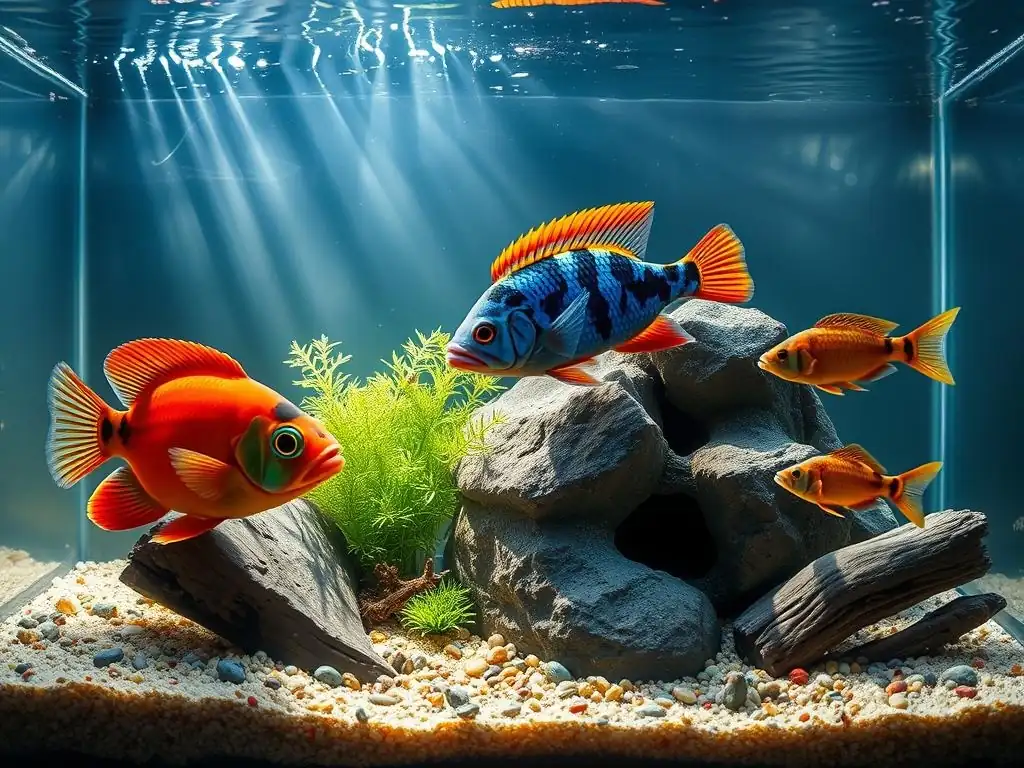
Welcome to Aquarium Mastery!
Thinking about taking the plunge into the vibrant world of dwarf cichlids? These captivating little fish can bring a burst of personality and color to your freshwater aquarium. But where do you even begin? This guide, perfect for beginners, dives deep into dwarf cichlid beginner’s aquarium care, helping you choose the right species and create the ideal environment for these fascinating creatures. Curious to learn more about Rams, Apistos, and Kribs? Let's get started and unlock the secrets to a thriving dwarf cichlid tank!
- Understanding Dwarf Cichlids for Beginner Aquariums
-
Frequently Asked Questions
- What exactly are dwarf cichlids, and why are they popular for beginners?
- Which dwarf cichlid species are considered the easiest for someone new to the hobby?
- What size aquarium is best for keeping a pair of dwarf cichlids?
- What are the most important aspects of water chemistry to consider when keeping dwarf cichlids?
- What kind of diet do dwarf cichlids require to thrive?
- Final Reflection: Embracing the Miniature Majesty
- Unleash the Vibrant World of Dwarf Cichlids!
Understanding Dwarf Cichlids for Beginner Aquariums
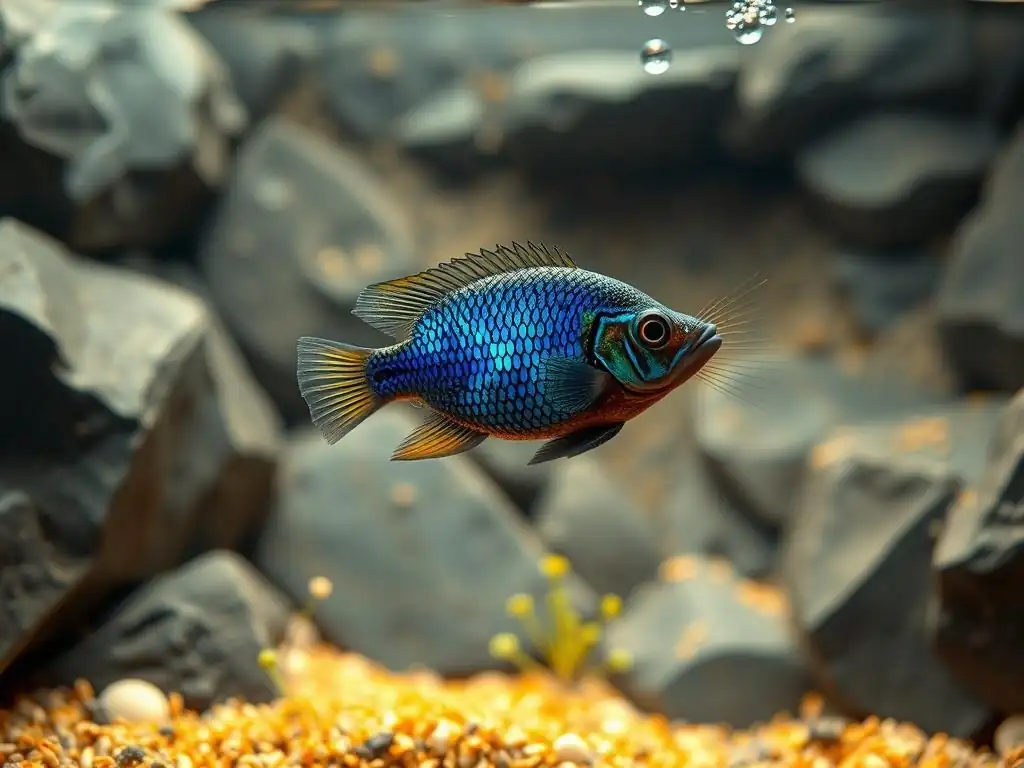
What are Dwarf Cichlids and Why Choose Them?
Dwarf cichlids are a fascinating group of freshwater fish belonging to the Cichlidae family, characterized by their relatively small adult size, typically ranging from 2 to 4 inches (5 to 10 cm). Originating primarily from the diverse river systems of South America and West Africa, these fish offer a captivating blend of vibrant coloration, intricate behaviors, and manageable size, making them an excellent choice for a dwarf cichlid beginner’s aquarium care journey. Unlike their larger, more aggressive cichlid cousins, dwarf species like Rams, Apistogrammas, and Kribensis are generally more peaceful, allowing them to thrive in well-planned community tanks.
Their compact size means they require less space than larger cichlids, often fitting comfortably into aquariums as small as 10 to 20 gallons for a single pair, though larger tanks are always preferred for community setups. This makes them accessible to aquarists with limited space. Furthermore, their intriguing social interactions, including pair bonding and parental care, provide a rewarding observation experience, significantly enhancing the appeal of beginner dwarf cichlid care. Their active swimming patterns and distinct personalities contribute dynamic energy to any freshwater setup.
Benefits of Keeping Dwarf Cichlids in a Community Tank
Integrating dwarf cichlids into a community tank offers numerous advantages, transforming a standard aquarium into a vibrant, dynamic ecosystem. Their striking colors, ranging from the electric blues and reds of German Blue Rams to the intricate patterns of Apistogramma cacatuoides, add significant aesthetic value without overwhelming the tank with large, dominant fish. Many species exhibit interesting social behaviors, such as establishing small territories and engaging in elaborate courtship rituals, which are captivating to observe and contribute to the tank's overall activity.
Beyond their visual appeal, dwarf cichlids can play a beneficial role in a balanced community. Unlike larger cichlids that might predate on smaller tank mates or uproot plants, most dwarf varieties are relatively peaceful, making them compatible with a wide array of non-aggressive fish like tetras, rasboras, and even some peaceful catfish. Their smaller bioload also means less strain on filtration compared to larger fish, contributing to more stable water parameters, which is a crucial aspect of successful dwarf cichlid beginner’s aquarium care.
Key Considerations Before Introducing Dwarf Cichlids to Your Aquarium
Before introducing any dwarf cichlid to your aquarium, several critical factors must be thoroughly evaluated to ensure their health and well-being, particularly for successful dwarf cichlid beginner’s aquarium care. Firstly, tank size is paramount; while a 10-gallon tank might suffice for a single pair of very small species like Apistogramma borellii, a 20-gallon long or larger is generally recommended for most dwarf cichlids, especially if planning a community setup or keeping multiple pairs. This provides adequate swimming space and minimizes territorial disputes.
Secondly, specific water parameters are crucial. Most dwarf cichlids prefer soft, acidic water, with pH levels typically ranging from 5.5 to 7.0 and temperatures between 75°F and 82°F (24°C to 28°C), though exact requirements vary by species. For instance, German Blue Rams thrive in warmer, more acidic conditions (pH 6.0-6.8, 78-82°F), while Bolivian Rams are more tolerant of slightly harder, more neutral water (pH 6.5-7.5, 75-79°F).
It is imperative to research the precise needs of your chosen species and ensure your aquarium can consistently maintain these conditions. Finally, selecting appropriate tank mates is vital; avoid aggressive or fin-nipping species that could stress or injure your dwarf cichlids. Prioritizing a well-cycled tank and stable water quality will lay a strong foundation for optimal dwarf cichlid aquarium care for beginners.
Frequently Asked Questions
What exactly are dwarf cichlids, and why are they popular for beginners?
Dwarf cichlids are small, colorful cichlid species that typically reach a maximum size of around 4 inches. They are popular due to their manageable size and relatively peaceful temperament compared to larger cichlids.
Which dwarf cichlid species are considered the easiest for someone new to the hobby?
Rams, Apistogramma (Apistos), and Kribensis (Kribs) are generally recommended for beginners. They are relatively hardy and adaptable to a range of water conditions, making them more forgiving than some other species.
What size aquarium is best for keeping a pair of dwarf cichlids?
A 20-gallon long tank is often considered the minimum for a single pair. This provides enough space for them to establish territories and reduces the risk of aggression, especially during breeding.
What are the most important aspects of water chemistry to consider when keeping dwarf cichlids?
Maintaining stable water parameters is crucial. This includes regular water changes, monitoring pH, and keeping ammonia and nitrite levels at zero. Soft, slightly acidic water is often preferred, depending on the species.
What kind of diet do dwarf cichlids require to thrive?
They need a varied diet consisting of high-quality flake food, frozen foods (like bloodworms and daphnia), and live foods. This ensures they get all the nutrients they need for optimal health and coloration.
Final Reflection: Embracing the Miniature Majesty
The journey into the world of dwarf cichlids, as we've explored, is a rewarding one, but it's crucial to remember that responsible aquarium keeping is paramount. The information shared here, from understanding the specific needs of Rams, Apistos, and Kribs to mastering the basics of aquarium care, is not just about keeping fish alive; it's about creating thriving ecosystems within our homes. Neglecting these principles can lead to suffering, and that's a disservice to these captivating creatures.
The allure of dwarf cichlids lies not only in their vibrant colors and fascinating behaviors but also in the opportunity they provide to connect with nature and learn about the delicate balance of aquatic life. Their popularity continues to grow, and with that growth comes a responsibility to educate ourselves and others. In the end, we will conserve only what we love; we will love only what we understand; and we will understand only what we are taught.
- Baba Dioum. This quote resonates deeply, reminding us that knowledge is the foundation of conservation and appreciation.
Now, as you embark on your own dwarf cichlid adventure, I encourage you to reflect on the principles we've discussed. Consider the ethical implications of your choices, prioritize the well-being of your fish, and share your knowledge with others. Let's work together to ensure that the future of dwarf cichlid keeping is one built on respect, understanding, and a genuine love for these miniature marvels.
Unleash the Vibrant World of Dwarf Cichlids!
Thanks for diving into the captivating realm of dwarf cichlids! We hope this guide has empowered you with the knowledge to embark on your own cichlid-keeping adventure. Now, let's turn that knowledge into action:
- Take the plunge and choose your first dwarf cichlid species! Research local breeders or reputable stores, and prepare your tank to welcome these colorful personalities.
- Share your newfound dwarf cichlid knowledge! Post a picture of your favourite tank and share to social media.
- Visit your local fish store, and ask the shop owner which cichlids are most popular in your area!
Which dwarf cichlid are you most excited to introduce to your aquarium and why?