
Propagating Chaeto: Effortless Ways to Multiply Your NitrateBusting Powerhouse

Welcome to Aquarium Mastery!
Intrigued by the vibrant world of macroalgae? You've come to the right place! Are you ready to effortlessly multiply your nitrate-busting powerhouse? Dive into our comprehensive guide on Chaeto propagation tips for beginners and unlock the secrets to a thriving, balanced aquarium. Let's explore the amazing benefits and simple steps to cultivate your own flourishing Chaetomorpha algae – and watch your water quality soar!
- Propagating Chaetomorpha: Effortless Ways to Multiply Your Nitrate-Busting Powerhouse
- Introduction to Chaetomorpha Algae and its Benefits in Saltwater Aquariums
- Chaetomorpha Propagation Tips: A Step-by-Step Guide
- Methods for Chaetomorpha Propagation: Maximizing Growth
- Optimizing Water Parameters for Rapid Chaetomorpha Propagation
- Troubleshooting Common Chaetomorpha Propagation Problems
- Integrating Propagated Chaetomorpha Back into Your Saltwater System
- Conclusion: Mastering Chaetomorpha Propagation for a Healthy Aquarium
-
Frequently Asked Questions
- How quickly does Chaetomorpha algae, or Chaeto, typically grow in an aquarium?
- What are the most important water parameters to consider for successful Chaeto propagation?
- What kind of lighting is best suited for propagating Chaeto in a refugium?
- Can I propagate Chaeto directly in my main display tank, or is a refugium necessary?
- What should I do with excess Chaeto when it grows too large, and how do I prevent nutrient depletion?
- Final Reflection: Cultivating a Thriving Ecosystem
- Unleash Your Chaeto Garden: Start Thriving Today!
Propagating Chaetomorpha: Effortless Ways to Multiply Your Nitrate-Busting Powerhouse
Introduction to Chaetomorpha Algae and its Benefits in Saltwater Aquariums
Understanding Chaetomorpha: The Natural Nitrate Reducer for Marine Tanks
Chaetomorpha, often affectionately known as "Chaeto" or "spaghetti algae," is a highly valued macroalgae in the saltwater aquarium hobby. Unlike many nuisance algae that plague reef tanks, Chaeto is a non-invasive, filamentous green algae that grows in a tangled, spaghetti-like mass. Its primary benefit lies in its remarkable efficiency as a natural filter, actively consuming excess nitrates and phosphates from the water column. This makes it an indispensable tool for maintaining pristine water quality and reducing the likelihood of undesirable algae blooms.
The effectiveness of Chaetomorpha stems from its rapid growth rate, which allows it to outcompete and absorb dissolved organic compounds that would otherwise fuel nuisance algae. In a well-established refugium or dedicated algae reactor, a healthy clump of Chaeto can significantly reduce nitrate levels, often bringing them down from problematic ranges (e.g., 20-40 parts per million, ppm) to near undetectable levels (below 5 ppm) within a few weeks, depending on the system's bioload. This biological filtration method offers a stable and consistent approach to nutrient export, minimizing the need for frequent large water changes solely for nitrate reduction.
Why Propagate Chaetomorpha? Expanding Your Nutrient Control
Propagating Chaetomorpha offers a multitude of benefits for the dedicated aquarist, particularly those seeking sustainable and cost-effective methods for nutrient control. By actively growing and multiplying your existing Chaeto, you establish a continuous, self-renewing supply of this vital filtration media. This eliminates the recurring expense of purchasing new batches and ensures you always have ample biomass to combat nutrient spikes or handle increased bioloads in your system, providing excellent Chaeto propagation tips beginners can easily adopt.
Expanding your Chaetomorpha mass directly translates to enhanced nutrient removal capacity. A larger, healthier volume of Chaeto can process more nitrates and phosphates, leading to greater water stability and clarity, which is crucial for sensitive corals and fish. Furthermore, successful propagation allows you to share excess Chaeto with fellow hobbyists, fostering community and reducing environmental impact. For beginners, understanding these Chaeto propagation tips can provide a robust foundation for proactive and natural aquarium management.
Chaetomorpha Propagation Tips: A Step-by-Step Guide
Essential Tools and Equipment for Chaetomorpha Propagation
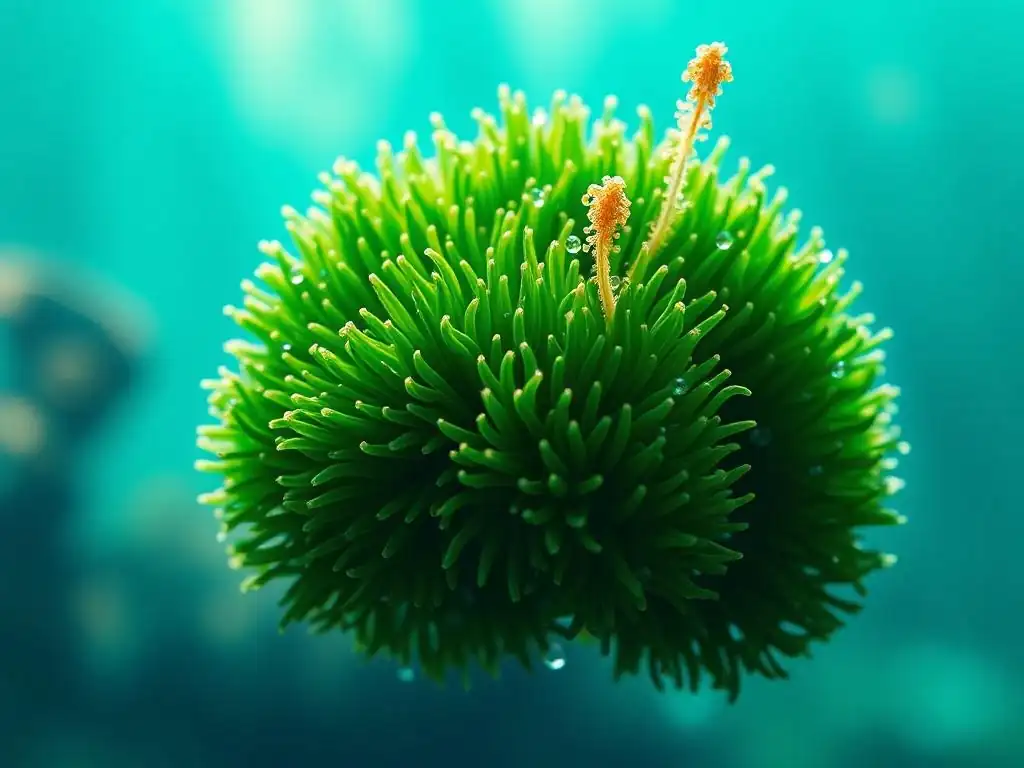
Successful Chaetomorpha propagation, especially for beginners, requires a few basic yet crucial tools and pieces of equipment to create an optimal growing environment. At a minimum, you will need a clean container, such as a small plastic tub or a spare 5-10 gallon aquarium, dedicated solely for the Chaeto. Additionally, sharp, clean scissors or a razor blade will be necessary for fragmentation. A submersible LED light fixture, specifically designed for refugiums or plant growth, is essential, along with a small powerhead to provide adequate water flow.
The importance of cleanliness cannot be overstated. All tools and containers should be thoroughly rinsed with RO/DI (Reverse Osmosis/Deionized) water and free of any soap residues or contaminants that could harm the algae or introduce unwanted elements into your propagation setup. For instance, a small 5-gallon bucket dedicated to your Chaeto propagation efforts, equipped with a simple clip-on LED light and a 200 GPH (gallons per hour) powerhead, can serve as an effective and low-cost propagation station for beginners looking for Chaeto propagation tips.
Preparing a Clean Container for New Chaetomorpha Growth
Before introducing any Chaetomorpha, ensure your chosen container is meticulously clean. Rinse it several times with fresh RO/DI water. Avoid using tap water unless you are certain it is entirely free of chlorine, chloramines, and heavy metals, as these can be detrimental to macroalgae. Never use soaps, detergents, or any household cleaners, as residues can leach into the water and harm the Chaeto or your main display tank if the propagated algae is later introduced.
Optimal Lighting for Chaetomorpha Propagation
Lighting is perhaps the most critical factor for vigorous Chaetomorpha growth. Chaeto thrives under full-spectrum LED lights with a color temperature ranging from 6500K to 10000K, mimicking natural daylight. The ideal photoperiod typically ranges from 12 to 18 hours per day. For a small propagation container (e.g., 5-10 gallons), a 20-watt LED light specifically designed for refugiums or planted tanks often provides sufficient PAR (Photosynthetically Active Radiation) to encourage rapid growth. Position the light directly above the Chaeto, ensuring even distribution across the entire mass.
Adequate Water Flow for Healthy Chaetomorpha Growth
Consistent water flow is vital for Chaetomorpha, as it ensures that all parts of the algae receive adequate light and nutrients. A gentle tumbling action is ideal, preventing dead spots and allowing the entire mass to photosynthesize efficiently. A small powerhead, rated for approximately 200-400 GPH in a 10-gallon container, can create this beneficial tumbling motion. Avoid excessively strong flow that might damage the delicate strands, but ensure enough movement to keep the Chaeto from sitting stagnant at the bottom.
Selecting Healthy Chaetomorpha for Propagation
The success of your Chaeto propagation efforts heavily relies on the quality of your initial stock. Always begin with healthy, vibrant Chaetomorpha to ensure the best possible growth rates and minimize the risk of introducing pests or diseases into your system. This is a key piece of Chaeto propagation tips for beginners.
Identifying Vibrant and Fast-Growing Chaetomorpha Strands
Healthy Chaetomorpha is characterized by a bright, vibrant green color and a firm, somewhat coarse texture. Look for dense, actively growing sections that show no signs of browning, yellowing, or white necrotic areas. A robust clump will often have a fresh, slightly earthy scent, not a foul or decaying odor. Observing your existing Chaeto in a refugium can help identify the fastest-growing sections, which are ideal candidates for fragmentation.
Avoiding Contaminated or Dying Chaetomorpha
Before propagation, meticulously inspect your Chaeto for any signs of contamination. Avoid any clumps that appear mushy, discolored (pale, brown, black), or have a foul smell, as these indicate decay or poor health. Crucially, check for unwanted pests such as aiptasia anemones, bristleworms, or other forms of nuisance algae (e.g., hair algae, bryopsis) embedded within the mass. Quarantining new Chaeto for a few days in a separate container before adding it to your main system or propagation station is a wise preventative measure.
Methods for Chaetomorpha Propagation: Maximizing Growth
Method 1: Manual Fragmentation - Dividing Existing Chaetomorpha
Manual fragmentation is the simplest and most direct method for propagating Chaetomorpha, making it an excellent starting point for beginners seeking Chaeto propagation tips. This technique involves physically dividing a larger, established mass of Chaeto into smaller, viable portions. It's a straightforward process that yields immediate results and allows for precise control over the size and number of new Chaeto clumps.
When performed correctly, manual fragmentation causes minimal stress to the algae and encourages new growth from the cut surfaces. For instance, a healthy, baseball-sized clump of Chaeto (approximately 150-200 grams) can easily be divided into two or three golf-ball sized portions, each capable of growing into a full-sized nutrient exporter. This method is particularly useful when you need to quickly increase the volume of Chaeto in multiple systems or share with other hobbyists.
Gently Separating Chaetomorpha into Smaller Portions
To manually fragment Chaetomorpha, gently remove a healthy clump from your refugium or existing grow-out container. Place it on a clean, non-porous surface, such as a plastic cutting board. Using clean, sharp scissors or a razor blade, carefully cut or tear the larger mass into smaller, manageable sections. The key is to be gentle, avoiding excessive squeezing or crushing of the strands, which can damage the algae and inhibit growth. Each new fragment should be a self-contained, tangled ball of Chaeto.
Ensuring Sufficient Mass for Each Fragment
While Chaetomorpha is resilient, each fragmented portion needs sufficient biomass to establish itself and begin rapid growth. As a general guideline, aim for each new fragment to be at least the size of a golf ball, which typically weighs around 50-70 grams wet. Fragments smaller than this might struggle to grow effectively due to reduced photosynthetic capacity. Larger fragments, on the other hand, will establish faster and show more immediate growth, contributing to faster nutrient export.
Method 2: Encouraging Natural Division in a Refugium
One of the most hands-off and effective methods for Chaetomorpha propagation is to simply create optimal conditions for its natural, uninhibited growth within a dedicated refugium. A refugium connected to your main display tank provides a stable environment with a continuous supply of nutrients from the main system, allowing Chaeto to thrive and expand its mass organically. This method mimics how Chaeto would grow in natural marine environments.
Under ideal refugium conditions, Chaeto can exhibit impressive growth rates, often doubling its mass every 2-3 weeks. This rapid expansion provides a consistent and abundant supply of algae for nutrient export. Regular harvesting of excess Chaeto from the refugium is crucial to prevent it from becoming too dense and hindering light penetration or water flow within the refugium itself, ensuring that the remaining algae continues to grow vigorously.
Optimizing Refugium Conditions for Chaetomorpha Reproduction
To encourage prolific Chaetomorpha growth in a refugium, ensure consistent and appropriate lighting. Many hobbyists use a reverse daylight photoperiod (e.g., 12-18 hours of light during the main tank's dark cycle) to help stabilize pH and oxygen levels overnight. Maintain moderate, turbulent water flow to keep the Chaeto tumbling and expose all parts to light and nutrient-rich water. Stable salinity (1.025-1.026 SG) and temperature (76-78°F or 24-25.5°C) are also paramount for optimal growth and reproduction.
Monitoring and Harvesting Excess Chaetomorpha Growth
Regular monitoring of your refugium's Chaeto mass is essential. As it grows, it will become denser. Once it fills approximately 50-70% of the refugium's volume, it's time to harvest. Typically, removing 20-30% of the total Chaeto mass weekly or bi-weekly is a good practice. This prevents the Chaeto from becoming overgrown and less efficient, while also providing a continuous source of nutrient export. The harvested Chaeto can then be used for propagation, shared, or simply discarded.
Method 3: Utilizing a Dedicated Reactor for Propagation
For aquarists seeking highly controlled and often accelerated Chaetomorpha propagation, utilizing a dedicated algae reactor is an advanced yet highly effective method. These purpose-built cylindrical chambers provide an isolated and optimized environment for macroalgae growth, allowing for precise control over lighting, flow, and nutrient delivery. Algae reactors are particularly beneficial in systems where space is limited or where maximum growth efficiency is desired.
The enclosed nature of a reactor minimizes light spill into the sump or display, and the forced water flow ensures that all Chaeto receives consistent nutrients and light exposure. Some hobbyists report growth rates in reactors that are 50% faster than those observed in traditional refugiums, with a 1-liter reactor capable of producing as much Chaeto as a 5-gallon refugium. This efficiency makes them an excellent choice for serious propagators or those with high nutrient export demands.
Setting Up a Reactor for Controlled Growth
Setting up a Chaetomorpha reactor involves connecting it to your sump or main system via a dedicated pump or manifold. Water is typically drawn from the sump, passed through the reactor, and then returned. Ensure the reactor is plumbed correctly to allow for adequate flow and tumbling of the Chaeto within. Many reactors come with integrated LED lights, but if not, you'll need to select an appropriate external light source that can illuminate the entire chamber evenly.
Adjusting Flow Rate and Light Intensity in the Reactor
Optimal flow in an algae reactor is crucial for keeping the Chaetomorpha tumbling without being stagnant or excessively crushed against the walls. Start with a moderate flow rate, typically indicated by the manufacturer's recommendations, and observe the Chaeto's movement. Adjust the flow until the Chaeto is gently but consistently tumbling. Light intensity should be calibrated to avoid bleaching the algae; begin with a moderate setting and gradually increase if growth is slow, monitoring the Chaeto for signs of stress or discoloration.
Optimizing Water Parameters for Rapid Chaetomorpha Propagation
Maintaining Ideal Nitrate and Phosphate Levels
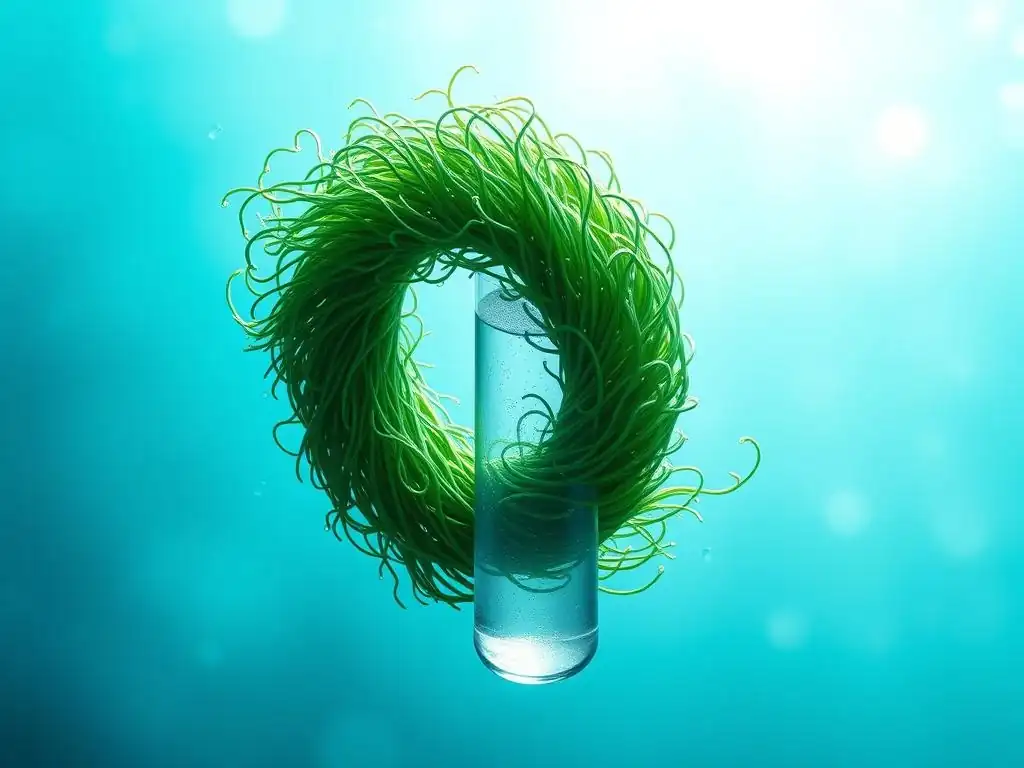
For rapid and healthy Chaetomorpha propagation, maintaining specific nutrient levels is paramount. Chaeto thrives on nitrates and phosphates, utilizing them as primary food sources for photosynthesis. Ideal nitrate levels for robust growth typically range from 5 to 20 parts per million (ppm), while phosphates should be maintained between 0.03 and 0.1 ppm. If these nutrient levels drop too low (e.g., nitrates consistently below 2 ppm or phosphates below 0.01 ppm), Chaeto growth will slow significantly or even stall, as it won't have enough fuel.
Conversely, excessively high levels of nitrates (above 50 ppm) or phosphates (above 0.2 ppm) can encourage the growth of nuisance algae, which may outcompete your Chaeto for resources and light. Regular testing using reliable test kits (e.g., Hanna Checkers or Salifert kits) is essential to monitor these parameters. If nutrient levels are consistently low, consider slightly increasing feeding, adding a small, targeted dose of a nitrate or phosphate solution, or reducing the current Chaeto mass until levels stabilize within the optimal range.
The Importance of Trace Elements for Chaetomorpha Health
Beyond nitrates and phosphates, Chaetomorpha, like all photosynthetic organisms, requires a suite of trace elements for optimal health and rapid growth. Essential trace elements include iron, manganese, iodine, potassium, and magnesium. These elements are vital cofactors in various enzymatic processes and play critical roles in chlorophyll production and overall metabolic function. While some trace elements are introduced through regular water changes and food, they can become depleted in heavily stocked or mature reef systems.
Depletion of key trace elements can lead to stunted growth, pale coloration, or even die-off in Chaetomorpha. For instance, iron is a crucial component of chlorophyll, and its deficiency often manifests as yellowing of the algae. Supplementing with a high-quality trace element solution designed for reef aquariums can significantly boost Chaeto growth. Dosing should be done according to the manufacturer's instructions, typically on a weekly basis, to replenish consumed elements and ensure the Chaeto has all the necessary building blocks for vigorous propagation.
Stable Salinity and Temperature for Optimal Growth
Stability in water parameters is a cornerstone of successful saltwater aquarium husbandry, and Chaetomorpha propagation is no exception. Consistent salinity and temperature are crucial for the algae's metabolic processes and overall health. Chaeto prefers stable salinity levels, ideally within the range of 1.025 to 1.026 specific gravity (SG), which corresponds to approximately 35 parts per thousand (ppt). Fluctuations outside this narrow window can stress the algae and inhibit its growth.
Similarly, a stable temperature range between 76°F and 78°F (24°C to 25.5°C) is optimal for Chaetomorpha. While the algae can tolerate slight deviations, prolonged exposure to temperatures outside this range, or rapid temperature swings, can lead to reduced growth rates or even die-off. Utilizing an auto top-off (ATO) system is highly recommended to maintain consistent salinity by replacing evaporated freshwater. A reliable heater, and potentially a chiller in warmer climates, will ensure temperature stability, providing the ideal environment for rapid Chaeto propagation.
Troubleshooting Common Chaetomorpha Propagation Problems
Addressing Slow Growth or Die-Off
Experiencing slow growth or even die-off in your Chaetomorpha propagation setup can be frustrating, but it's often a clear indicator that one or more critical environmental factors are out of balance. Common culprits include nutrient deficiencies, insufficient light, or poor water quality. Signs of distress include the Chaeto turning pale, yellow, brown, or becoming mushy. Addressing these issues promptly is crucial for successful Chaeto propagation tips beginners should heed.
To diagnose the problem, systematically check each environmental parameter. If your Chaeto is turning pale or yellow, it might indicate a lack of essential nutrients like nitrates, phosphates, or iron. If it's browning or dying from the inside, it could be a lack of sufficient light penetration or poor water flow preventing the inner mass from receiving light and nutrients. Addressing these issues will typically involve adjusting parameters, supplementing nutrients, or improving flow.
Identifying Potential Causes: Nutrient Deficiencies, Light Issues, or Poor Water Quality
- Nutrient Deficiencies: Test nitrate and phosphate levels. If they are consistently near zero, your Chaeto is starving. Also, consider the depletion of trace elements like iron.
- Light Issues: Evaluate your light source. Is it strong enough (adequate PAR)? Is the photoperiod long enough (12-18 hours)? Is the light spectrum appropriate (6500K-10000K)? Is the light reaching all parts of the Chaeto mass?
- Poor Water Quality: Check for ammonia, nitrite, and unusual swings in pH or salinity. High levels of undesirable substances, like copper from medications, can also be toxic to macroalgae.
Solutions: Adjusting Parameters, Supplementing Nutrients, and Improving Flow
- Adjusting Parameters: If nitrates are consistently below 5 ppm, consider increasing fish feeding slightly or adding a nitrate source. For phosphates below 0.03 ppm, a phosphate supplement might be needed.
- Supplementing Nutrients: If trace element deficiencies are suspected, dose a high-quality reef trace element supplement.
- Improving Flow: Ensure your powerhead creates a gentle tumbling action that exposes all parts of the Chaeto to light and nutrient-rich water. Add a second powerhead or increase the current one's output if the Chaeto is stagnant. If the Chaeto is too dense, harvest some to improve internal flow and light penetration.
Combating Algae Blooms and Competition
While Chaetomorpha is excellent at nutrient export, it can face competition from nuisance algae if conditions in your system favor the latter. Hair algae, bryopsis, or cyanobacteria blooms can outcompete Chaeto for available nutrients and light, especially if the Chaeto is stressed or not growing vigorously. Preventing these undesirable algae from taking hold is a critical aspect of successful Chaeto propagation and overall tank health.
The best defense against nuisance algae is a strong offense: maintaining robust and rapidly growing Chaetomorpha. A thriving Chaeto mass will actively consume excess nutrients, leaving little for nuisance algae to feast upon. If blooms do occur, they indicate an underlying imbalance that needs to be addressed, often related to consistently high nutrient levels, insufficient Chaeto mass, or poor flow in the refugium.
Preventing Hair Algae and Cyanobacteria from Outcompeting Chaetomorpha
- Maintain Optimal Chaeto Growth: Ensure your Chaeto is thriving by providing adequate light, flow, and nutrient levels. A dense, healthy Chaeto clump is the most effective deterrent.
- Keep Nutrients in Check: While Chaeto needs nutrients, excessive levels (e.g., nitrates over 20 ppm, phosphates over 0.1 ppm for prolonged periods) can still trigger nuisance blooms. Regular testing and controlled feeding are key.
- Adequate Flow: Ensure good flow throughout the refugium and main display to prevent detritus buildup, which can fuel nuisance algae.
Implementing Control Measures: Manual Removal
If nuisance algae blooms occur despite your best efforts, manual removal is often the first line of defense. Physically siphon out or scrape off any visible hair algae or cyanobacteria from rocks, sand, and equipment. Regularly siphon detritus from the bottom of your refugium and sump, as decaying organic matter is a major source of nutrients for undesirable algae. Consider increasing water change frequency or volume temporarily to reduce dissolved organics and reset parameters.
Integrating Propagated Chaetomorpha Back into Your Saltwater System
Gradually Introducing New Chaetomorpha to the Main Display Tank or Refugium
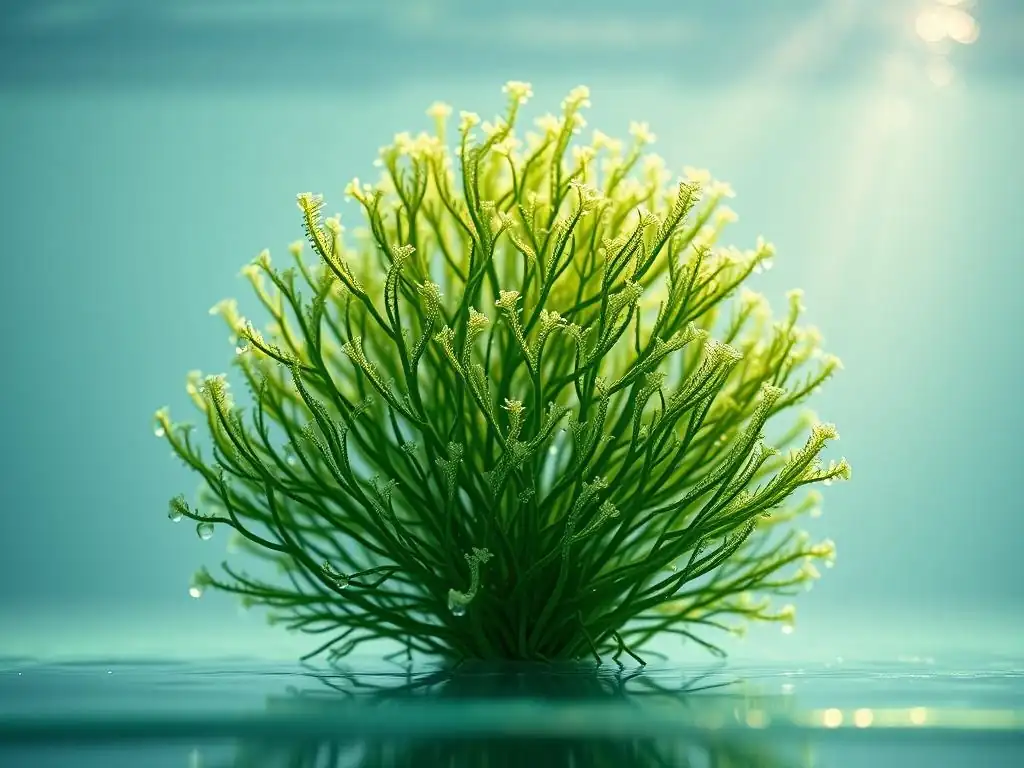
Once you have successfully propagated Chaetomorpha and have a healthy, growing mass, the next step is to integrate it into your main saltwater system. Typically, propagated Chaeto is added to a dedicated refugium section of your sump, where it can continue its nutrient export duties without being consumed by herbivores or obstructing the aesthetics of your display tank. While it's generally safe to add Chaeto directly, a gradual introduction is advisable.
Adding a large volume of Chaeto suddenly can lead to a rapid drop in nitrate and phosphate levels, which, while seemingly beneficial, can sometimes stress sensitive corals that are accustomed to slightly higher nutrient concentrations. Instead, start by introducing a portion roughly the size of a baseball (approximately 150-200 grams) into your refugium. Over the next few days or a week, monitor your nutrient levels. If they remain stable or only drop slightly, you can add more propagated Chaeto until you reach your desired mass, providing gentle Chaeto propagation tips for beginners.
Monitoring Nutrient Levels and Adjusting Chaetomorpha Mass Accordingly
Continuous monitoring of your system's nitrate and phosphate levels is crucial after introducing propagated Chaetomorpha. Use reliable test kits (e.g., weekly or bi-weekly testing) to track these parameters. The goal is to maintain stable, low but not zero, nutrient levels that support coral health while effectively controlling nuisance algae. For many reef tanks, target nitrate levels are often between 2-10 ppm and phosphates between 0.02-0.05 ppm.
If nutrient levels drop too low (e.g., nitrates consistently below 1 ppm or phosphates below 0.01 ppm), your corals might show signs of nutrient starvation, such as pale coloration or reduced growth. In such cases, you may need to harvest some of the Chaeto to reduce its nutrient uptake capacity. Conversely, if nutrient levels remain persistently high despite a substantial Chaeto mass, you might need to increase the amount of Chaeto, optimize its growing conditions, or investigate other sources of excess nutrients (e.g., overfeeding, detritus buildup).
Conclusion: Mastering Chaetomorpha Propagation for a Healthy Aquarium
The Benefits of Consistent Chaetomorpha Propagation for Long-Term Aquarium Health
Mastering Chaetomorpha propagation is a fundamental skill for any serious saltwater aquarist, offering profound and long-lasting benefits for aquarium health. By consistently cultivating and expanding your Chaeto mass, you establish a powerful, natural, and sustainable nutrient export system. This proactive approach significantly reduces nuisance algae growth, stabilizes crucial water parameters like pH and alkalinity, and ultimately fosters a cleaner, healthier, and more vibrant environment for your fish and corals. The ability to grow your own Chaeto also provides significant cost savings over time, making it a truly invaluable asset for long-term aquarium maintenance.
Beyond its direct benefits, consistent Chaetomorpha propagation empowers hobbyists to take greater control over their tank's ecosystem. It offers a tangible, biological solution to common water quality challenges, reducing reliance on chemical filtration methods and frequent large water changes. For beginners, understanding these Chaeto propagation tips provides a solid foundation for successful reef keeping, transforming a complex hobby into a more manageable and rewarding experience through natural filtration.
Further Resources for Learning About Macroalgae in Saltwater Aquariums
While Chaetomorpha is an exceptional workhorse for nutrient export, it is just one of many beneficial macroalgae species available to saltwater aquarists. Exploring other types, such as Gracilaria, Caulerpa, or Ulva, can offer diverse benefits, including additional nutrient uptake pathways, aesthetic appeal, or even as supplemental food sources for herbivorous fish. Each species has unique growth requirements and benefits that can further enhance your aquarium's natural filtration and biodiversity.
To deepen your understanding of macroalgae and their role in saltwater aquariums, Aquarium Mastery offers a wealth of detailed articles and guides. You can find comprehensive profiles on various macroalgae species, including their specific care requirements, propagation techniques, and the unique benefits they bring to a marine ecosystem. These resources provide further Chaeto propagation tips beginners can utilize, alongside insights into other macroalgae, helping you build a robust and naturally balanced aquatic environment.
Frequently Asked Questions
How quickly does Chaetomorpha algae, or Chaeto, typically grow in an aquarium?
Chaeto growth rate varies, but under optimal conditions, it can double in mass every 1-2 weeks. Factors like light intensity and nutrient levels greatly influence this.
What are the most important water parameters to consider for successful Chaeto propagation?
Maintaining stable conditions is crucial. Aim for a specific gravity appropriate for your aquarium type, and ensure sufficient nitrate and phosphate levels are available for algae growth.
What kind of lighting is best suited for propagating Chaeto in a refugium?
A dedicated refugium light, ideally with a spectrum that favors algae growth, is recommended. LED grow lights are often preferred due to their energy efficiency and specific wavelengths.
Can I propagate Chaeto directly in my main display tank, or is a refugium necessary?
While possible, a refugium is highly recommended. It provides a dedicated space free from grazing fish and strong currents, allowing Chaeto to thrive without competing with other tank inhabitants.
What should I do with excess Chaeto when it grows too large, and how do I prevent nutrient depletion?
Regularly trim the Chaeto, removing a portion to maintain optimal growth. This prevents nutrient depletion and ensures the remaining algae remains healthy and continues to effectively remove nitrates from your aquarium.
Final Reflection: Cultivating a Thriving Ecosystem
The journey of understanding Chaeto propagation extends far beyond simply growing a ball of algae in a refugium. It's about actively participating in the delicate balance of a miniature ecosystem, contributing to the health and vibrancy of our aquariums, and ultimately, the larger marine environment. The ease with which beginners can now cultivate this nitrate-busting powerhouse underscores the power of accessible knowledge and responsible reefkeeping.
This seemingly simple act of propagation has profound implications. It empowers hobbyists to become active participants in nutrient control, reducing reliance on potentially harmful chemicals and fostering a deeper connection with the natural processes within their tanks. As Jacques Cousteau so eloquently stated, The sea, once it casts its spell, holds one in its net of wonder forever.
This wonder, fueled by understanding and proactive care, is what drives us to seek sustainable solutions like Chaeto propagation.
Now, armed with these Chaeto propagation tips, we invite you to reflect on your own role in the aquarium ecosystem. Consider how even small actions, like diligently propagating Chaeto, can contribute to a healthier, more sustainable hobby. Embrace the opportunity to cultivate not just algae, but also a deeper understanding and appreciation for the intricate web of life within your slice of the ocean. Let's all strive to be responsible stewards of our aquatic environments, one Chaeto ball at a time.
Unleash Your Chaeto Garden: Start Thriving Today!
Thank you for diving into the world of Chaeto propagation! We hope you've gained a clear understanding of how to effortlessly multiply this incredible nitrate-busting algae in your aquarium. Now, it's time to put that knowledge into action and watch your reef flourish.
Here’s what you can do right now:
- Boldly initiate your first Chaeto propagation experiment. Split your existing clump in half and observe the accelerated growth in separate containers.
- Explore new lighting options for your Chaeto refugium. Experiment with different spectrums and intensities to maximize its nutrient uptake.
- Share your Chaeto propagation successes (and challenges!) with fellow reef keepers in online forums. Contribute your unique experiences to the community!
Ready to propagate like a pro and supercharge your nitrate control? What unique method will you try first to boost your Chaeto growth?