
Choosing Your First Wrasse: Top 5 ReefSafe & Hardy Picks for Beginners

Welcome to Aquarium Mastery!
Ever wondered how to add dazzling color and beneficial cleanup to your reef tank? Dive in with us as we explore the vibrant world of wrasses! This article unveils our top 5 reef safe wrasse picks perfect for beginners, offering a stunning and practical addition to your saltwater aquarium. Curious to know which wrasse can thrive in your reef and help keep it sparkling clean? Let's get started!
- Introduction: Discovering the Beauty and Benefits of Reef-Safe Wrasses
-
Top 5 Beginner-Friendly Reef-Safe Wrasse Species
- 1. The Six Line Wrasse ( Pseudocheilinus hexataenia ): A Hardy and Colorful Option
- 2. The Yellow Coris Wrasse ( Halichoeres chrysus ): Pest Control with a Sunny Disposition
- 3. The Melanurus Wrasse ( Halichoeres melanurus ): A Vibrant and Active Reef Dweller
- 4. The Possum Wrasse ( Wetmorella nigropinnata ): A Peaceful and Cryptic Invertebrate Companion
- 5. The Cleaner Wrasse ( Labroides dimidiatus ): A Symbiotic Reef Helper (Proceed with Caution)
- Wrasse Care Essentials: Maintaining a Healthy Environment
- Selecting the Right Wrasse for Your Reef Tank: Factors to Consider
- Conclusion: Enjoying the Beauty and Benefits of Reef-Safe Wrasses in Your Aquarium
- Frequently Asked Questions
- Final Reflection: Embracing the Reef's Vibrant Dance
- Unleash Your Reef's Potential: Start with the Perfect Wrasse!
Introduction: Discovering the Beauty and Benefits of Reef-Safe Wrasses
Why Wrasses are a Great Addition to Reef Tanks for Beginners
Wrasses are renowned for their vibrant colors, energetic swimming patterns, and often beneficial behaviors within a reef aquarium environment. For beginners, selecting the right species means introducing a dynamic element that can significantly enhance the tank's visual appeal and ecological balance. Many wrasses actively forage throughout the day, providing constant movement and interest, making them captivating inhabitants for any burgeoning reef keeper.
Beyond their aesthetic appeal, certain wrasse species play a crucial role in pest control, preying on unwanted flatworms, pyramid snails, or other small invertebrates that can become problematic in a reef tank. Their hardiness, when chosen carefully, also makes them more forgiving for those still learning the intricacies of saltwater aquarium maintenance. These attributes make specific reef safe wrasse picks excellent candidates for a beginner's first foray into the diverse world of reef fish.
Understanding Reef Compatibility: What Makes a Wrasse "Reef-Safe"?
The term "reef-safe" for a wrasse signifies that the fish will not harm corals, sessile invertebrates (like anemones or clams), or other beneficial organisms that constitute the delicate ecosystem of a reef aquarium. This compatibility is paramount for the long-term health and stability of the tank. Many wrasse species are naturally carnivorous, but their diet primarily consists of small invertebrates, crustaceans, and worms, rather than coral polyps.
Conversely, some wrasse species, particularly larger or more specialized feeders, are known to nip at corals or consume ornamental invertebrates, rendering them unsuitable for a mixed reef setup. Identifying truly reef-safe wrasse picks involves understanding their natural diet, typical foraging behaviors, and maximum adult size. Researching specific species' compatibility is crucial to avoid future conflicts and maintain a harmonious reef environment.
Top 5 Beginner-Friendly Reef-Safe Wrasse Species
1. The Six Line Wrasse ( Pseudocheilinus hexataenia ): A Hardy and Colorful Option
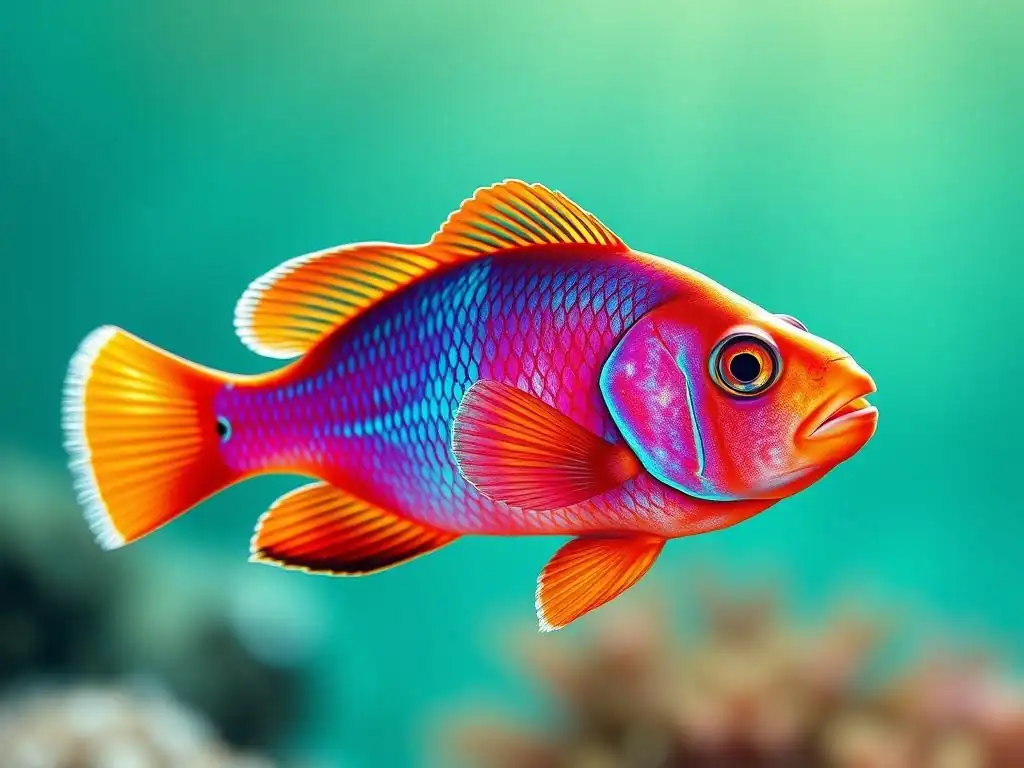
The Six Line Wrasse is a perennial favorite among reef aquarists, particularly beginners, due to its striking appearance and robust nature. Adorned with six distinct horizontal orange lines on a vibrant purple-blue body, this small wrasse adds an immediate splash of color and activity to any reef tank. Their relatively small adult size, typically reaching about 3 inches, makes them suitable for a variety of tank dimensions.
Known for their hardiness and adaptability, Six Line Wrasses are generally resilient to common aquarium maladies once properly acclimated. They are active swimmers, constantly darting in and out of rockwork, foraging for small crustaceans and worms. This constant activity, combined with their striking coloration, makes them one of the most popular and reliable reef safe wrasse picks for those new to the hobby.
Six Line Wrasse Care Requirements: Tank Size, Diet, and Water Parameters
For a single Six Line Wrasse, a minimum tank size of 30 gallons is recommended to provide ample swimming space and territory. They thrive in mature reef environments with plenty of live rock offering crevices for hiding and sleeping. Their diet should consist primarily of meaty foods, including high-quality frozen preparations such as mysis shrimp, brine shrimp, and finely chopped seafood, offered two to three times daily. They also readily accept flake and pellet foods.
Maintaining stable water parameters typical for a reef tank is crucial for the Six Line Wrasse's health. This includes a stable salinity between 1.023 and 1.026 specific gravity, a temperature range of 75-82°F (24-28°C), and a pH level of 8.1-8.4. Consistent water changes, typically 10-20% bi-weekly, help maintain optimal water quality and prevent the buildup of nitrates and other undesirable compounds.
Six Line Wrasse Temperament and Compatibility with Other Reef Inhabitants
While generally peaceful towards most tank mates, the Six Line Wrasse can exhibit territorial behavior, especially towards other smaller, similarly shaped fish or conspecifics. It's often best kept as the sole Pseudocheilinus species in a tank unless the aquarium is very large (100+ gallons) with numerous hiding spots. They typically coexist well with larger, peaceful fish, clownfish, gobies, and most invertebrates.
Care should be taken when introducing a Six Line Wrasse to an established tank, as they can sometimes harass smaller, more timid species, particularly if they are introduced after the wrasse has established its territory. Providing ample rockwork with numerous caves and hiding spots can help mitigate potential aggression by allowing all inhabitants to establish their own safe zones.
2. The Yellow Coris Wrasse ( Halichoeres chrysus ): Pest Control with a Sunny Disposition
The Yellow Coris Wrasse, also known as the Canary Wrasse, is a brilliantly colored, active fish that brings a vibrant splash of sunny yellow to any reef tank. Reaching a modest size of about 4-5 inches, this species is highly valued not only for its striking appearance but also for its beneficial role in controlling various reef pests. Its constant foraging behavior makes it a fascinating and practical addition.
This species is generally peaceful and hardy, making it an excellent choice for beginner aquarists seeking a functional and beautiful reef safe wrasse pick. Their constant movement throughout the rockwork and sand bed contributes to a dynamic and healthy ecosystem, actively seeking out small, unwanted organisms that might otherwise proliferate.
Yellow Coris Wrasse Diet and its Role in Reef Pest Control (e.g., Flatworms)
The Yellow Coris Wrasse is an omnivore with a strong preference for meaty foods, and it's particularly adept at preying on nuisance invertebrates. They are well-known for their effectiveness in controlling unwanted populations of certain flatworms, such as Convolutriloba retrogemma (red planaria), which can quickly overrun a reef tank and smother corals. They also consume pyramid snails, which are notorious pests of Tridacna clams.
Their diet should be supplemented with a variety of high-quality frozen foods like mysis shrimp, brine shrimp, and copepods, along with small pellets or flakes. Offering food two to three times a day ensures they receive adequate nutrition while still encouraging their natural foraging behavior for pests. This dual benefit of active pest control and vibrant beauty makes them a highly desirable reef safe wrasse pick.
Creating the Ideal Habitat for the Yellow Coris Wrasse
A minimum tank size of 50 gallons is recommended for a Yellow Coris Wrasse to provide sufficient swimming space and territory. A crucial element of their habitat is a deep sand bed, at least 2-3 inches, as they bury themselves in the sand at night or when startled for protection. Without a suitable sand bed, they can become stressed and more susceptible to disease.
Plenty of live rock with nooks and crannies is also essential, offering daytime hiding spots and foraging opportunities. Good water flow is appreciated, mimicking their natural reef environment. Maintaining stable reef parameters—salinity 1.023-1.026, temperature 75-82°F (24-28°C), and pH 8.1-8.4—is vital for their long-term health and vibrant coloration.
3. The Melanurus Wrasse ( Halichoeres melanurus ): A Vibrant and Active Reef Dweller
The Melanurus Wrasse, often referred to as the Hoeven's Wrasse or Tail Spot Wrasse, is a captivating addition to any reef aquarium, known for its dazzling array of colors and constant activity. Its body boasts iridescent greens, blues, and oranges, often with distinct black spots on the tail fin, making it one of the most visually striking reef safe wrasse picks. Reaching an adult size of about 5 inches, they are a robust and engaging presence.
This species is highly regarded for its hardiness and beneficial foraging habits, similar to the Yellow Coris Wrasse, actively seeking out small pests within the rockwork and sand. Their energetic swimming and inquisitive nature provide endless entertainment, as they continuously explore their surroundings, bringing a dynamic element to the reef ecosystem.
Melanurus Wrasse: Managing their Burrowing Behavior in a Reef Tank
Like many wrasses in the Halichoeres genus, the Melanurus Wrasse exhibits a strong natural instinct to bury itself in the sand at night or when startled. This behavior is crucial for their security and well-being. Therefore, a deep sand bed of at least 3-4 inches is absolutely essential for their long-term health in a reef tank. A finer sand substrate, such as aragonite sand with a grain size of 1-3 mm, is preferable to prevent injury to their delicate scales.
Without an adequate sand bed, a Melanurus Wrasse can become highly stressed, leading to poor health, increased susceptibility to disease, and even premature death. Providing ample space for them to burrow comfortably ensures they feel secure and can rest undisturbed, which is vital for maintaining their vibrant coloration and active demeanor.
Feeding the Melanurus Wrasse: Ensuring a Varied and Nutritious Diet
The Melanurus Wrasse is an active forager with a carnivorous diet, continuously picking at live rock and sand for small invertebrates. To ensure optimal health and coloration, their diet in captivity must be varied and nutritious. High-quality frozen foods such as mysis shrimp, enriched brine shrimp, copepods, and finely chopped marine-based meaty foods are ideal.
They typically accept dry foods like high-quality marine pellets and flakes, but these should not constitute the sole diet. Feeding two to three times a day in small portions is recommended to mimic their natural constant foraging. A well-fed Melanurus Wrasse will be more active, display brighter colors, and be more resilient to environmental stressors, making it a truly rewarding reef safe wrasse pick.
4. The Possum Wrasse ( Wetmorella nigropinnata ): A Peaceful and Cryptic Invertebrate Companion
The Possum Wrasse is a charmingly small and incredibly peaceful species, making it an excellent choice for smaller reef tanks or those prioritizing a calm community. Reaching a maximum size of only about 2.5 inches, its diminutive stature belies its fascinating behavior. These wrasses are known for their cryptic nature, often perching on live rock and observing their surroundings with a curious gaze, reminiscent of a possum.
Their mottled brown and reddish coloration, combined with distinctive black spots on their fins, allows them to blend seamlessly into the rockwork. Unlike their more boisterous wrasse cousins, Possum Wrasses are shy and non-aggressive, making them ideal reef safe wrasse picks for tanks with delicate or timid inhabitants. They are also completely invertebrate-safe, posing no threat to corals or ornamental shrimp.
Possum Wrasse: Ideal Tank Mates and Peaceful Community Tank Setup
Due to their small size and exceedingly peaceful temperament, Possum Wrasses require careful consideration when selecting tank mates. They thrive in environments with other small, non-aggressive fish species such as gobies, blennies, cardinalfish, and small peaceful damselfish. Avoiding larger, boisterous, or aggressive fish is crucial, as the Possum Wrasse will easily be outcompeted for food and can become stressed.
They are an excellent choice for a "nano" or "pico" reef tank (typically 10-30 gallons) where larger wrasses would be unsuitable. Their complete reef and invertebrate safety makes them perfect companions for delicate shrimp, crabs, and a wide array of corals. Introducing them to a tank with established hiding spots before adding more active fish can help them acclimate more comfortably.
Possum Wrasse: Replicating Their Natural Habitat in Your Reef Aquarium
To ensure the well-being of a Possum Wrasse, replicating aspects of its natural habitat is key. These wrasses naturally inhabit cryptic areas of the reef, such as caves, overhangs, and crevices. Therefore, a reef aquarium for a Possum Wrasse should feature abundant live rock with numerous hiding spots, tunnels, and shaded areas where they can retreat and feel secure.
While they do not bury themselves in the sand like Halichoeres wrasses, a small patch of sand is still beneficial for general reef tank aesthetics. Good water quality with stable parameters (salinity 1.023-1.026, temperature 75-82°F, pH 8.1-8.4) and moderate water flow are important. Their diet should consist of small, meaty frozen foods like cyclops, enriched brine shrimp, and finely chopped mysis shrimp, offered once or twice daily.
5. The Cleaner Wrasse ( Labroides dimidiatus ): A Symbiotic Reef Helper (Proceed with Caution)
The Cleaner Wrasse is perhaps one of the most iconic reef fish, renowned for its unique symbiotic relationship with other marine life. With its distinctive blue and black stripe, it actively sets up "cleaning stations" on the reef, where other fish, even predators, will visit to have external parasites and dead tissue removed from their bodies. This fascinating behavior makes them a captivating sight in any aquarium.
However, despite their beneficial role in the wild, the Cleaner Wrasse is included with a significant caveat for the home aquarium. While they are undoubtedly reef-safe in terms of not harming corals, their specialized diet and behavioral needs make them incredibly challenging to keep alive long-term in captivity, leading to high mortality rates for beginner and even experienced aquarists.
Cleaner Wrasse: Understanding Their Symbiotic Relationship with Other Fish
In their natural habitat, Cleaner Wrasses primarily subsist on ectoparasites, mucus, and dead skin removed from the bodies of other fish. They establish specific cleaning stations on prominent coral heads or rock formations, where larger fish will actively present themselves for cleaning. The Cleaner Wrasse will then meticulously inspect and consume parasites from the host's fins, gills, and even inside their mouths.
This mutualistic relationship is vital for the health of wild fish populations. However, in a closed aquarium system, the parasite load is typically insufficient to sustain a Cleaner Wrasse's dietary needs. They often refuse prepared foods, leading to a slow decline from starvation. This makes them a very difficult reef safe wrasse pick to maintain ethically and successfully.
Ethical Considerations and Alternatives to Cleaner Wrasses in Reef Aquariums
The high mortality rate of Cleaner Wrasses in captivity raises significant ethical concerns. Many specimens starve within weeks or months because they cannot adapt to an artificial diet and the limited supply of natural parasites in a home aquarium. This makes them an unsuitable choice for most hobbyists, especially beginners, despite their appeal as a "reef helper."
For those interested in natural pest control or fascinating symbiotic relationships, there are more ethical and sustainable alternatives. Cleaner shrimp species, such as the Skunk Cleaner Shrimp ( Lysmata amboinensis) or Peppermint Shrimp ( Lysmata wurdemanni), perform similar cleaning services for fish and are much easier to keep, readily accepting prepared foods. Quarantining new fish and proper tank maintenance are far more effective and humane methods for parasite control than relying on a Cleaner Wrasse.
Wrasse Care Essentials: Maintaining a Healthy Environment
Essential Water Parameters for Reef-Safe Wrasses
Maintaining stable and optimal water parameters is paramount for the health and longevity of any reef-safe wrasse. Like most marine inhabitants, wrasses require specific conditions that mimic their natural ocean environment. Key parameters include salinity, which should be kept consistently between 1.023 and 1.026 specific gravity, ideally measured with a refractometer for accuracy. Fluctuations in salinity can cause significant stress.
Temperature is another critical factor, with a recommended range of 75-82°F (24-28°C) for most tropical reef wrasses. A stable pH level between 8.1 and 8.4 is also essential for preventing stress and promoting healthy biological processes. Additionally, maintaining appropriate levels of alkalinity (8-12 dKH), calcium (400-450 ppm), and magnesium (1250-1350 ppm) supports the overall health of the reef ecosystem, indirectly benefiting the wrasses by ensuring a thriving environment. Regular testing and consistent water changes are the cornerstones of successful wrasse care.
Proper Acclimation Techniques for New Wrasses
Proper acclimation is a crucial step when introducing any new fish, especially wrasses, to a reef aquarium. It minimizes the shock from changes in water parameters (temperature, pH, salinity) and significantly reduces stress, making the fish less susceptible to disease. The drip acclimation method is highly recommended for wrasses due to their sensitivity to rapid environmental shifts.
To perform drip acclimation, float the sealed bag containing the wrasse in your sump or tank for about 15-20 minutes to equalize temperature. Then, place the wrasse and its water into a clean bucket. Using airline tubing, create a slow drip from your display tank into the bucket, aiming for about 1-2 drips per second.
Allow this process to continue until the volume of water in the bucket has quadrupled, which typically takes 45-60 minutes. Once acclimated, gently net the wrasse and release it into the tank, discarding the water from the bucket. It's often beneficial to turn off aquarium lights during and immediately after introduction to further reduce stress.
Preventing and Treating Common Wrasse Diseases
Wrasses, while generally hardy, can still be susceptible to common marine fish diseases if stressed or kept in poor conditions. Prevention is always better than cure, and the most effective preventive measure is a strict quarantine protocol for all new arrivals. A separate quarantine tank (QT) allows you to observe new wrasses for signs of illness, treat any issues without affecting your main display tank, and ensure they are eating well before introduction.
Common diseases affecting wrasses include marine ich ( Cryptocaryon irritans) and velvet disease ( Amyloodinium ocellatum). Symptoms can include white spots, rapid breathing, flashing, or cloudy eyes. Maintaining pristine water quality, providing a nutritious diet, and minimizing stress are key to preventing these ailments. If a wrasse shows signs of disease, prompt diagnosis and treatment in the QT, often with copper-based medications or hyposalinity (under expert guidance), are necessary. Ensuring a deep sand bed for burrowing wrasses is also critical, as stress from lack of a proper substrate can weaken their immune system.
Selecting the Right Wrasse for Your Reef Tank: Factors to Consider
Tank Size and Compatibility with Existing Inhabitants
When choosing a reef safe wrasse pick, the size of your aquarium and the temperament of your existing fish are paramount considerations. A wrasse's adult size dictates the minimum tank volume required; for instance, a Six Line Wrasse can thrive in a 30-gallon tank, while a Yellow Coris Wrasse benefits from 50 gallons or more. Overcrowding can lead to stress, aggression, and poor water quality.
Equally important is assessing compatibility with current tank inhabitants. While most wrasses on our list are generally peaceful, some, like the Six Line Wrasse, can be territorial towards similarly shaped or smaller fish. Introducing the wrasse as one of the last fish, or providing ample hiding spots, can help mitigate potential conflicts. Researching specific species' temperament and interactions is crucial to ensure a harmonious community.
Wrasse Temperament and Potential Aggression Issues
Understanding the inherent temperament of your chosen reef safe wrasse pick is vital for long-term success. While the species highlighted here are generally considered peaceful and reef-safe, individual personalities and tank dynamics can vary. Some wrasses, particularly males, may exhibit territorial behavior, especially if another wrasse of the same or similar species is present, or if the tank is too small.
It's important to observe new wrasses closely during their initial days in the tank for any signs of aggression towards other fish, or if they are being bullied themselves. Providing plenty of live rock structures with numerous crevices and caves can help establish territories and reduce direct confrontations. If aggression becomes a persistent issue, re-evaluating tank mates or, in extreme cases, relocating the aggressive fish may be necessary to maintain a peaceful environment.
Ensuring a Stable and Thriving Reef Ecosystem for Your Wrasse
The success of integrating a reef safe wrasse pick into your aquarium hinges on the overall stability and health of your reef ecosystem. A mature tank with established biological filtration is always preferable to a newly set up one, as it provides a more stable environment and a ready supply of microfauna for foraging. Consistent maintenance, including regular water changes, proper filtration, and diligent monitoring of water parameters, is non-negotiable.
A thriving reef ecosystem also implies a diverse microfauna population, which many wrasses rely on for part of their diet. This includes copepods, amphipods, and other small invertebrates that naturally inhabit live rock and sand beds. By providing a rich, stable, and well-maintained environment, you not only ensure the well-being of your wrasse but also foster a vibrant and resilient reef community that will bring years of enjoyment.
Conclusion: Enjoying the Beauty and Benefits of Reef-Safe Wrasses in Your Aquarium
The Long-Term Rewards of Choosing Hardy and Reef-Safe Wrasse Species
Choosing hardy and reef safe wrasse picks for your aquarium offers a wealth of long-term rewards that extend beyond their immediate visual appeal. These vibrant fish contribute significant activity and color, transforming your reef tank into a dynamic underwater spectacle. Their natural foraging behaviors often provide invaluable pest control, helping to keep unwanted flatworms, pyramid snails, and other small nuisances in check, thereby protecting your corals and invertebrates.
By selecting species known for their resilience and compatibility, such as the Six Line, Yellow Coris, or Melanurus Wrasse, beginners can gain confidence in marine fish keeping while enjoying the captivating behaviors unique to these fascinating creatures. The satisfaction of maintaining a thriving, balanced reef ecosystem, enhanced by the energetic presence of these beneficial wrasses, is a deeply rewarding experience that enriches the entire aquarium hobby.
Frequently Asked Questions
What makes a wrasse "reef safe"?
A reef safe wrasse generally doesn't disturb corals or invertebrates. It shouldn't nip at polyps or eat beneficial organisms like copepods and amphipods that are crucial for a healthy reef ecosystem.
Which wrasse species are best suited for beginner reef aquariums?
Some good beginner-friendly wrasses include the Yellow Coris Wrasse, the Six Line Wrasse, and the Possum Wrasse. These species are generally hardy and adapt well to established reef tanks.
What size aquarium do wrasses typically require?
The appropriate tank size depends on the specific wrasse species. While some smaller wrasses may thrive in a 30-gallon tank, larger species require significantly more space, often 75 gallons or more.
What kind of diet do reef-safe wrasses need?
Most reef-safe wrasses are carnivorous or omnivorous. They generally require a diet consisting of small invertebrates, frozen foods, and high-quality marine flakes or pellets to remain healthy.
Are there any potential drawbacks to keeping wrasses in a reef tank?
While generally reef-safe, some wrasses can be aggressive towards smaller or docile fish. It's also important to research the specific needs of each species to ensure it's a good fit for your existing reef ecosystem.
Final Reflection: Embracing the Reef's Vibrant Dance
The journey of establishing a thriving reef aquarium is a testament to patience and informed decisions, and selecting the right inhabitants is paramount. Choosing reef-safe wrasses, particularly for beginners, is more than just adding color; it's about fostering a balanced ecosystem. The top five picks highlighted in this article represent not only hardiness and compatibility but also a commitment to responsible reef keeping in a hobby that is constantly evolving.
The allure of a vibrant, bustling reef tank is undeniable, and wrasses contribute significantly to that visual spectacle. My own experiences with these fish have taught me the importance of careful research and observation, understanding that each creature plays a vital role in the delicate balance of the reef. In the end, we will conserve only what we love; we will love only what we understand; and we will understand only what we are taught.
- Baba Dioum. This quote resonates deeply when considering the responsibility we bear as reef keepers to educate ourselves and others about the needs of these magnificent animals.
Now, as you embark on your own reef-keeping adventure, remember that knowledge is your greatest asset. Take the insights shared here and delve deeper, observing, learning, and adapting your approach to create a thriving environment for your chosen wrasse and the entire reef community. Let the vibrant dance of your reef inspire you to become a steward of the ocean, contributing to the preservation of these fragile ecosystems for generations to come.
Unleash Your Reef's Potential: Start with the Perfect Wrasse!
Thanks for diving into the world of wrasses with us! We hope this guide gave you the confidence to welcome one of these vibrant fish into your reef tank. Now it's time to take the plunge and make it happen!
Here are a few actionable steps to get you started:
- Begin by identifying the perfect wrasse for YOUR specific tank size and current reef inhabitants. Don't skip this crucial step!
- Delve deeper: Research a specific wrasse species from our list that resonated with you. Explore their unique needs and behaviors to ensure a happy, healthy future in your aquarium.
- Share your journey! Post a picture of your dream wrasse on social media with the hashtag #AquariumMastery and let us know which species you're leaning towards.
Ready to bring vibrant color and personality to your reef tank? Which of our top 5 wrasses best aligns with your current reef ecosystem and future goals?