
Ideal Tank Mates for Active Anthias Schools: Ensuring Reef Compatibility

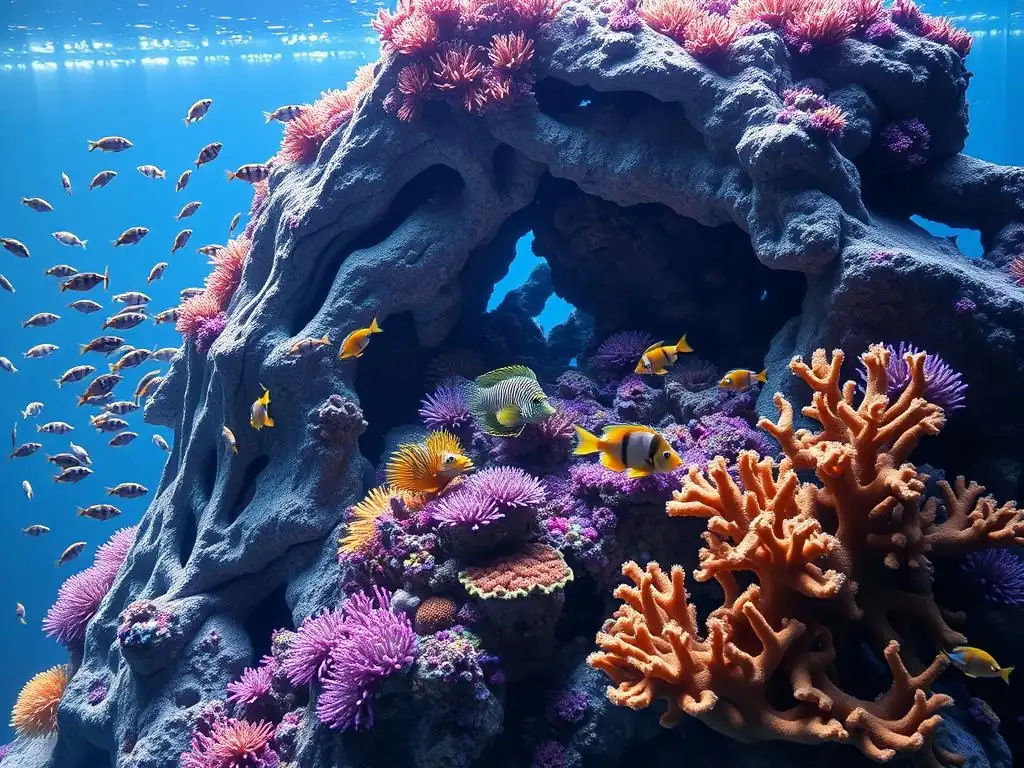
Welcome to Aquarium Mastery! Ever wondered which fish can truly thrive alongside the vibrant and energetic Anthias in a reef environment? Discover the secrets to creating a harmonious and bustling ecosystem as we dive deep into selecting the ideal tank mates for active Anthias schools. Get ready to unlock the key to a thriving reef, right here!
Understanding Anthias Behavior and Reef Tank Dynamics
The Active Nature of Anthias Schools: Key Considerations
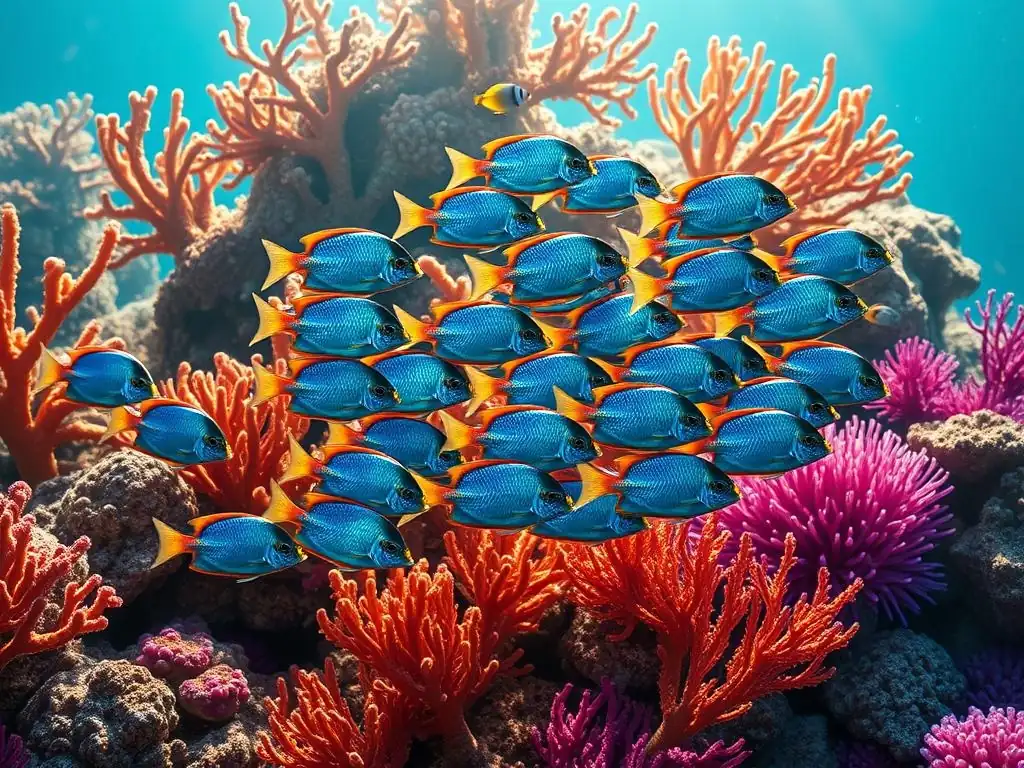
Anthias, renowned for their vibrant colors and constant movement, are among the most captivating inhabitants of a reef aquarium. Their highly active nature means they are almost always swimming in the water column, foraging for zooplankton, and interacting within their social hierarchy. A typical school of Pseudanthias squamipinnis, for instance, might consist of 5-15 individuals, with a dominant male overseeing a harem of females. This continuous activity requires ample open swimming space and a stable environment, making the selection of appropriate active anthias reef tank mates crucial for their well-being.
The high metabolism of anthias, particularly species like the Lyretail Anthias ( Pseudanthias squamipinnis) or Bartlett's Anthias ( Pseudanthias bartlettorum), necessitates frequent small feedings throughout the day. In the wild, they consume plankton almost continuously. This constant feeding habit means that any tank mates must not be overly aggressive or competitive feeders, as this could lead to nutritional deficiencies for the anthias, weakening their immune system and making them more susceptible to disease. Therefore, understanding their dietary needs and active schooling behavior is the first step in creating a harmonious reef ecosystem.
Reef Compatibility: Defining Safe Tank Mates for Anthias
Defining reef compatibility for anthias involves identifying species that share similar environmental requirements without posing threats through aggression, predation, or excessive competition. Ideal anthias tank mates are generally peaceful, non-aggressive species that occupy different ecological niches within the reef. For example, bottom-dwelling gobies or blennies that feed on detritus or small invertebrates would typically not compete directly with water-column dwelling, planktivorous anthias for food or space.
Furthermore, compatible species should tolerate the same water parameters that anthias thrive in, including stable temperatures (typically 74-78°F or 23-26°C), specific gravity (1.023-1.026), and pristine water quality with undetectable levels of ammonia and nitrite. Aggressive fish, predatory invertebrates, or species known to nip at fins or consume small fish are unequivocally unsuitable. The goal is to select companions that enhance the visual appeal and biological diversity of the tank without introducing stress or conflict into the anthias school.
Why Choosing the Right Tank Mates Matters for Anthias Health
The selection of appropriate reef tank mates for anthias directly impacts their long-term health, stress levels, and overall longevity in a captive environment. When anthias are housed with incompatible species, they often experience chronic stress, which can manifest as faded colors, reduced activity, reluctance to feed, and increased susceptibility to common aquarium diseases such as marine ich ( Cryptocaryon irritans). For instance, a persistent bully in the tank can lead to a significant decline in the anthias' immune response, making them vulnerable to opportunistic pathogens.
Conversely, a carefully chosen community of peaceful and compatible anthias companions fosters a thriving environment where these active fish can exhibit their natural behaviors. In a stress-free setting, anthias are more likely to school cohesively, display their full vibrant coloration, and readily accept food. This not only contributes to the aesthetic beauty of the reef aquarium but also ensures the well-being and extended lifespan of these delicate and captivating fish, ultimately leading to a more stable and enjoyable aquatic ecosystem.
Frequently Asked Questions
How many anthias should I keep in a reef tank?
It's generally recommended to keep anthias in schools of 6 or more to reduce aggression and promote natural social behavior. Smaller groups can lead to increased stress and mortality.
What are some peaceful fish that are good tank mates for anthias?
Ideal tank mates include peaceful, non-aggressive fish like fairy wrasses, gobies, and certain types of dartfish. Avoid overly boisterous or territorial species that may harass the anthias.
What invertebrates are safe to keep with anthias?
Most reef-safe invertebrates, such as cleaner shrimp, snails, and hermit crabs, are compatible with anthias. Avoid larger crabs or predatory shrimp that may pose a threat.
What water parameters are crucial for a successful anthias reef tank?
Maintaining stable water parameters is vital. This includes temperature (72-78°F), salinity (1.024-1.026), and low levels of nitrates and phosphates.
Can I keep multiple species of anthias together in the same tank?
Keeping multiple anthias species can be challenging, especially in smaller tanks. It's best to introduce them simultaneously and ensure the tank is large enough to accommodate their adult size and social hierarchy.
Final Reflection: Cultivating Harmony in the Reef
The vibrant dance of Anthias in a reef tank is a spectacle of nature, and as we've explored, choosing the right companions is crucial for maintaining that delicate balance of activity and peace. Understanding the nuances of compatibility isn't just about preventing aggression; it's about fostering an environment where every creature can thrive, contributing to the overall health and beauty of the ecosystem.
This journey into the world of Anthias and their potential tank mates has highlighted the importance of mindful reef keeping. It's a constant reminder that our actions have ripple effects, shaping the lives of the creatures under our care. The best aquarium is not just a collection of beautiful organisms, but a thriving ecosystem where each member plays a vital role.
This quote underscores the responsibility we bear as stewards of these miniature underwater worlds.
Now, as you consider adding to your reef, remember the lessons we've learned. Reflect on the temperament, needs, and potential impact of each new addition. Strive to create not just a visually stunning display, but a harmonious community where Anthias and their companions can flourish, bringing the wonders of the ocean into your home. Let your reef be a testament to the power of informed and compassionate reef keeping.
Ignite Your Anthias Reef: What's Next?
Thank you for diving into the world of Anthias! We hope this article has empowered you with the knowledge to create a thriving reef environment for these vibrant fish. Now, let's translate that knowledge into action.
- Take the plunge and carefully introduce a new, compatible tank mate – perhaps a peaceful wrasse or a schooling cardinalfish – to enhance your Anthias school's dynamic. Remember to quarantine first!
- Share your newfound Anthias expertise! Discuss compatibility challenges and solutions with fellow reef enthusiasts on aquarium forums.
- Go beyond the basics! Research advanced feeding strategies or explore specialized lighting options to maximize the health and color of your Anthias.
What specific tank mate are you most excited to research and introduce to your Anthias reef, and what preparations will you make before doing so?