
Top 10 Anemones for Clownfish: Finding the Perfect Symbiotic Match

Welcome to Aquarium Mastery!
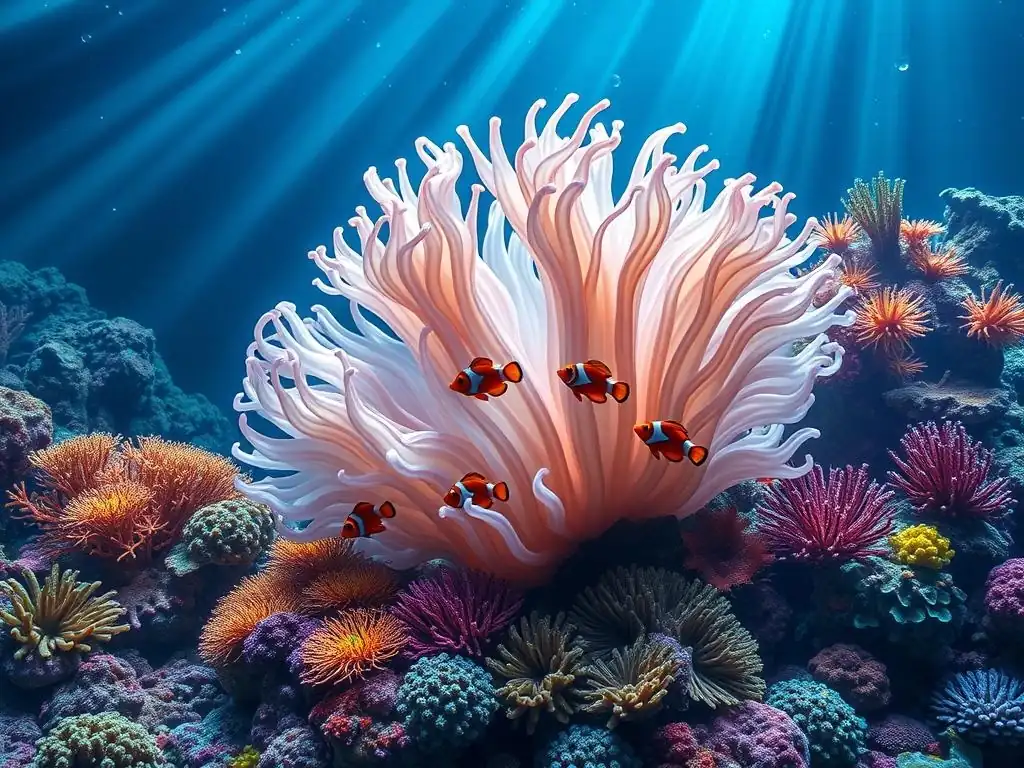
Ever wondered which anemone will truly make your clownfish thrive? Dive in and discover the secrets to a perfect symbiotic relationship with our guide to the Top 10 Anemones for Clownfish. Find out which species offer the best environment for your clownfish and unlock the key to a happier, healthier aquarium. Curious to know which anemone your clownfish will fall in love with? Let's explore!
- Understanding Clownfish and Anemone Symbiosis
-
Top 10 Clownfish Compatible Anemone Species: A Detailed Guide
- 1. Bubble Tip Anemone (Entacmaea quadricolor): A Popular Choice for Clownfish
- 2. Sebae Anemone (Heteractis crispa): A Stunning Addition to Your Reef Tank
- 3. Magnificent Anemone (Heteractis magnifica): A Grand Host for Clownfish
- 4. Carpet Anemone (Stichodactyla gigantea): A Large Anemone for Experienced Aquarists
- 5. Haddoni Carpet Anemone (Stichodactyla haddoni): Another Carpet Anemone Option
- 6. Long Tentacle Anemone (Macrodactyla doreensis): A Unique Anemone for Clownfish
- 7. Rock Flower Anemone (Epicystis crucifer): An Alternative Host Option
- 8. Mini Carpet Anemone (Stichodactyla tapetum): A Smaller Anemone Option for Nano Tanks
- 9. Condylactis Anemone (Condylactis gigantea): A Less Common Host
- 10. Bulb Tentacle Anemone (Entacmaea quadricolor var. "Rose"): A Color Variant of the BTA
- Setting Up Your Aquarium for Anemones and Clownfish
- Introducing Clownfish and Anemones to Your Aquarium
- Troubleshooting Common Issues with Clownfish and Anemone Relationships
- Conclusion: Creating a Thriving Symbiotic Relationship Between Clownfish and Anemones.
-
Frequently Asked Questions
- What makes an anemone "compatible" with clownfish?
- Which anemone species are generally considered the easiest to care for, making them good for beginners?
- What are the potential risks of introducing an anemone to an established aquarium?
- How do I ensure my anemone is receiving adequate lighting in my aquarium?
- Can all clownfish species host the same anemone species?
- Final Reflection: The Enduring Dance of Symbiosis
- Ignite Your Reef Tank: Discover Your Clownfish's Dream Anemone!
Understanding Clownfish and Anemone Symbiosis
The Importance of Anemones for Clownfish Health and Well-being
The iconic symbiotic relationship between clownfish and their host anemones is far more than just a captivating display in a marine aquarium; it is fundamental to the clownfish's health and longevity. In their natural habitat, these specific clownfish compatible anemone species provide crucial shelter and protection from predators like triggerfish, moray eels, and larger wrasses.
The clownfish, having evolved a unique mucus coating that prevents them from being stung by the anemone's nematocysts, can safely retreat into its tentacles, gaining a vital sanctuary that significantly reduces stress and increases their chances of survival in the wild. This security translates directly to improved well-being in captivity, fostering a more natural and thriving environment.
Beyond physical protection, the presence of a suitable host anemone contributes to a clownfish's overall physiological health. Studies have indicated that clownfish living in symbiosis exhibit lower stress hormone levels compared to those housed without an anemone. This reduced stress can lead to a stronger immune system, better coloration, and even increased breeding success.
For example, a pair of Ocellaris clownfish (Amphiprion ocellaris) known to host a Bubble Tip Anemone (Entacmaea quadricolor) often displays more natural behaviors, such as territorial defense around the anemone and regular spawning, whereas those without a host may appear more timid or exhibit repetitive, non-natural behaviors. Providing a proper clownfish compatible anemone species is thus paramount for their long-term welfare.
How Clownfish Protect Anemones: A Mutualistic Relationship
The relationship between clownfish and anemones is a classic example of mutualism, where both organisms benefit. While the anemone offers protection to the clownfish, the clownfish reciprocates by actively defending its host from potential predators and parasites. For instance, butterflyfish and angelfish are known to nip at anemone tentacles, but a vigilant clownfish will aggressively chase these threats away, safeguarding its home. This protective behavior ensures the anemone remains intact and healthy, allowing it to continue growing and providing shelter.
Furthermore, clownfish contribute to the anemone's well-being through direct and indirect nutrient provision. As the clownfish feeds, it often drops small food particles that the anemone can consume, supplementing its diet. The clownfish's waste products, rich in nitrates and phosphates, also serve as a source of nutrients for the symbiotic zooxanthellae (algae) living within the anemone's tissues, which are vital for the anemone's energy production through photosynthesis. This continuous exchange of benefits underscores why selecting the right clownfish compatible anemone species is not just about the fish, but about fostering a complete, self-sustaining micro-ecosystem within the aquarium.
Factors to Consider When Choosing a Clownfish Compatible Anemone
Selecting the ideal clownfish compatible anemone species requires careful consideration of several critical factors to ensure both the anemone's and the clownfish's long-term health. Tank size is paramount; many host anemones, such as Magnificent Anemones (Heteractis magnifica) or Carpet Anemones (Stichodactyla gigantea), can grow exceptionally large, often exceeding 2-3 feet in diameter, requiring tanks of 100 gallons or more.
Lighting is another crucial element, as most symbiotic anemones rely heavily on strong, appropriate PAR (Photosynthetically Active Radiation) levels (e.g., 200-600 PAR depending on species) to sustain their zooxanthellae. Water flow requirements also vary, with some anemones preferring gentle flow and others thriving in strong currents.
Beyond physical parameters, water chemistry stability is non-negotiable for anemones. They are highly sensitive to fluctuations in temperature (ideally 74-80°F), salinity (1.024-1.026 specific gravity), pH (8.1-8.4), alkalinity (8-12 dKH), calcium (400-450 ppm), and magnesium (1250-1350 ppm).
A mature aquarium, typically six months to a year old, with stable parameters and a robust biological filter, is essential before introducing an anemone. Finally, consider the specific clownfish species you intend to keep; while some anemones are generalists, others are preferred by only a few clownfish types, making the choice of a truly clownfish compatible anemone species a nuanced decision based on both the fish and the tank's capabilities.
Top 10 Clownfish Compatible Anemone Species: A Detailed Guide
1. Bubble Tip Anemone (Entacmaea quadricolor): A Popular Choice for Clownfish
The Bubble Tip Anemone, often abbreviated as BTA, is arguably the most popular and readily available clownfish compatible anemone species for home aquariums. Its distinctive bulbous tips, which appear under strong lighting and stable conditions, make it visually appealing. BTAs are relatively hardy compared to other host anemones, making them a suitable choice for intermediate aquarists ready to take on the commitment of an anemone. They can grow up to 12 inches in diameter and are known for their ability to move around the tank until they find their preferred spot, often anchoring their foot in rock crevices.
Bubble Tip Anemones are versatile hosts, accommodating a wide range of clownfish species. The most common and successful pairings are with Ocellaris Clownfish (Amphiprion ocellaris) and Percula Clownfish (Amphiprion percula), where hosting behavior is almost guaranteed. However, BTAs also readily host Tomato Clownfish (Amphiprion frenatus), Maroon Clownfish (Premnas biaculeatus), and Clarkii Clownfish (Amphiprion clarkii). This broad compatibility, combined with their striking appearance and relative robustness, solidifies the Bubble Tip Anemone's reputation as a top choice for aquarists seeking a reliable symbiotic match.
Bubble Tip Anemone Care Requirements: Water Parameters and Lighting
Bubble Tip Anemones thrive in stable water conditions and require specific parameters to maintain their health and characteristic "bubble" appearance. Ideal water temperature should range between 74-80°F (23-27°C), with salinity maintained at 1.024-1.026 specific gravity. pH levels should be consistently between 8.1 and 8.4, and alkalinity (dKH) within 8-12. Calcium levels should be kept at 400-450 ppm, and magnesium at 1250-1350 ppm, as these are crucial for overall invertebrate health. Regular water changes of 10-20% bi-weekly, using RODI water and high-quality salt mix, are essential to keep nitrates and phosphates as close to zero as possible.
When it comes to lighting, Bubble Tip Anemones require moderate to high intensity, typically in the range of 200-400 PAR. While they can adapt to various lighting types, including T5s, metal halides, and LEDs, it's crucial to acclimate them slowly to new lighting conditions to prevent bleaching. A photoperiod of 8-10 hours per day is generally recommended. Moderate water flow is preferred, allowing their tentacles to sway gently without being blasted. They will often move to find a spot that meets their ideal flow and light conditions, so ensure your rockwork provides diverse options.
Clownfish Species Known to Host Bubble Tip Anemones
The Bubble Tip Anemone (Entacmaea quadricolor) is renowned for being one of the most promiscuous host anemones, meaning it readily accepts a wide variety of clownfish species. The most iconic and frequent pairings observed in home aquariums are with the False Percula Clownfish (Amphiprion ocellaris) and the True Percula Clownfish (Amphiprion percula). These two species almost instinctively seek out and host in BTAs, often within minutes or hours of introduction if the anemone is already established. Their natural affinity for this specific clownfish compatible anemone species makes it a go-to choice for aquarists aiming for a classic symbiotic display.
Beyond the Percula complex, several other clownfish species are also known to successfully host in Bubble Tip Anemones. This includes the Maroon Clownfish (Premnas biaculeatus), the Tomato Clownfish (Amphiprion frenatus), and various species within the Clarkii Complex, such as the Clarkii Clownfish (Amphiprion clarkii) itself. Even less common species like the Pink Skunk Clownfish (Amphiprion perideraion) have been observed hosting in BTAs. This broad compatibility makes the Bubble Tip Anemone an excellent option for aquarists who may have different clownfish preferences but still desire a strong, natural symbiotic bond.
2. Sebae Anemone (Heteractis crispa): A Stunning Addition to Your Reef Tank
The Sebae Anemone (Heteractis crispa) is a visually striking and robust host anemone, known for its long, often white or cream-colored tentacles, sometimes with purple tips, and a vibrant oral disc. These anemones can grow quite large, reaching diameters of up to 20 inches (approximately 50 cm) in a mature aquarium. They are generally found in sandy substrates in the wild, anchoring their foot deep within the sand or in a crevice of live rock. Their impressive size and elegant appearance make them a centerpiece in many well-established reef tanks, particularly when hosting a vibrant clownfish pair.
While hardy once established, Sebae Anemones require a mature tank and stable conditions to thrive. They are less forgiving of fluctuating water parameters than BTAs, making them more suitable for intermediate to advanced aquarists. A healthy Sebae Anemone will expand fully and display a strong feeding response. They are a popular choice for those looking for a large, dramatic host that can accommodate substantial clownfish species, providing a magnificent focal point in a large marine display.
Sebae Anemone Care Tips: Ensuring a Healthy Environment
Caring for a Sebae Anemone (Heteractis crispa) requires a dedicated approach to water quality and environmental stability. They demand pristine water parameters, with temperature between 74-80°F, salinity at 1.025-1.026 specific gravity, and pH of 8.1-8.4. Alkalinity should be maintained at 8-12 dKH, calcium at 400-450 ppm, and magnesium at 1250-1350 ppm. Nitrates and phosphates must be kept at undetectable levels, necessitating efficient filtration, regular protein skimming, and consistent water changes (e.g., 15% bi-weekly) using high-quality RODI water.
Lighting for a Sebae Anemone should be strong, ideally in the 300-500 PAR range, to support their photosynthetic zooxanthellae. While they can adapt to various light sources, powerful LEDs or metal halides are often preferred. Moderate to strong water flow is also crucial, ensuring food particles reach the anemone and detritus is cleared away from its base.
Additionally, a deep sand bed (at least 4-6 inches) is highly recommended, as Sebae Anemones prefer to bury their foot in the substrate, which helps them anchor and feel secure. Providing a large, open sandy area away from powerheads and aggressive corals is key to their long-term survival and health.
Clownfish Species that Commonly Associate with Sebae Anemones
The Sebae Anemone (Heteractis crispa) is a natural host for a respectable number of clownfish species, particularly those that grow to a medium or large size. Among the most common and successful pairings are the Clarkii Clownfish (Amphiprion clarkii), which is known for its wide range of host associations and readily takes to the Sebae. Pink Skunk Clownfish (Amphiprion perideraion) also frequently host in Sebae Anemones, displaying their characteristic pink stripe as they weave through the long tentacles.
While less common than with Bubble Tip Anemones, False Percula Clownfish (Amphiprion ocellaris) and True Percula Clownfish (Amphiprion percula) have been observed to host in Sebae Anemones, especially if no other preferred host is available. Other clownfish species, such as the Saddleback Clownfish (Amphiprion polymnus) and the Tomato Clownfish (Amphiprion frenatus), can also form a symbiotic relationship with this anemone. The Sebae Anemone's impressive size and relatively robust nature make it an excellent clownfish compatible anemone species for a diverse array of Amphiprion species, creating a dynamic and visually appealing display.
3. Magnificent Anemone (Heteractis magnifica): A Grand Host for Clownfish
The Magnificent Anemone (Heteractis magnifica), also known as Ritteri Anemone, lives up to its name, being one of the largest and most visually stunning host anemones available for the home aquarium. These anemones can grow to an impressive size, often reaching 2-3 feet (60-90 cm) in diameter, with some specimens exceeding 3 feet in the wild. They typically have a vibrant, often purple or pink oral disc and short, dense tentacles that can be white, cream, or even greenish. Their sheer size and beauty make them a true centerpiece, but also a significant commitment for the dedicated aquarist.
Due to their demanding nature and ultimate size, Magnificent Anemones are strictly for advanced aquarists with very large, mature reef tanks (minimum 100-150 gallons, preferably larger). They are highly sensitive to water quality fluctuations and require precise, stable environmental conditions. When healthy, they inflate majestically and provide a grand home for their clownfish partners, showcasing one of nature's most compelling symbiotic relationships.
Magnificent Anemone Husbandry: Challenges and Best Practices
Magnificent Anemone (Heteractis magnifica) husbandry is exceptionally challenging, requiring a high level of expertise and a rigorously maintained environment. These anemones demand very strong lighting, typically in the range of 400-600 PAR, to support their dense population of zooxanthellae. High-quality LED fixtures or powerful metal halides are usually necessary to meet this requirement.
Water flow should be strong and turbulent, mimicking their natural high-energy reef environments, but without directly blasting the anemone. A mature tank, at least a year old, with pristine and stable water parameters (temperature 74-80°F, salinity 1.025-1.026, pH 8.1-8.4, alkalinity 8-12 dKH, calcium 400-450 ppm, magnesium 1250-1350 ppm) is non-negotiable.
Due to their large biomass, Magnificent Anemones are significant nutrient exporters and require powerful protein skimming and consistent water changes (e.g., 20% weekly) to prevent nitrate and phosphate buildup. They prefer to attach their foot to a solid piece of rockwork, often high up in the tank to maximize light exposure.
Introducing them to a new tank must be done with extreme care, as they are prone to "walking" until they find a suitable spot, which can be dangerous if they move into powerheads or sting other corals. Regular feeding of meaty foods like silversides or shrimp, 2-3 times a week, is also crucial for their long-term health, as they rely heavily on heterotrophic feeding in addition to photosynthesis.
Suitable Clownfish Species for Magnificent Anemones
The Magnificent Anemone (Heteractis magnifica) is a highly preferred host for several clownfish species, particularly those that are larger and more robust. The Clarkii Clownfish (Amphiprion clarkii) is one of the most common and reliable hosts for the Magnificent Anemone, often forming a strong and immediate bond. Their natural range often overlaps with this anemone in the wild, making it a highly compatible choice.
Other clownfish species that commonly associate with the Magnificent Anemone include the Pink Skunk Clownfish (Amphiprion perideraion) and the Saddleback Clownfish (Amphiprion polymnus). While it is possible for Ocellaris (Amphiprion ocellaris) and Percula Clownfish (Amphiprion percula) to host in a Magnificent Anemone, it is less common and often not their primary preference. Therefore, for aquarists seeking to establish a natural and successful symbiotic relationship with this grand anemone, focusing on species like the Clarkii or Pink Skunk clownfish will yield the best results for this specific clownfish compatible anemone species.
4. Carpet Anemone (Stichodactyla gigantea): A Large Anemone for Experienced Aquarists
The Carpet Anemone (Stichodactyla gigantea) is a formidable and captivating host anemone, known for its sprawling, flat disc and dense, short tentacles that give it a "carpet-like" appearance. These anemones are among the largest host anemones, capable of reaching diameters of up to 3 feet (90 cm) in the wild and often 2 feet in captivity. Their sticky tentacles are incredibly potent, capable of delivering a powerful sting to other tank inhabitants, including other corals, fish, and even human hands. This makes careful placement and tank planning absolutely essential.
Due to their massive size, aggressive stinging capabilities, and demanding care requirements, Carpet Anemones are strictly for expert aquarists with very large, mature reef tanks (minimum 150-200 gallons, preferably larger). They are a significant commitment, but when thriving, they create an awe-inspiring display, providing a natural home for their clownfish partners and showcasing the raw power and beauty of a truly wild reef environment.
Carpet Anemone Care: Meeting Specific Needs
Caring for a Carpet Anemone (Stichodactyla gigantea) is a demanding undertaking that requires precise environmental control and a deep understanding of marine aquarium husbandry. These anemones require intense lighting, typically in the range of 400-700 PAR, to support their photosynthetic needs. Powerful LED arrays or metal halide fixtures are necessary to provide this level of illumination. Water flow should be strong and turbulent, ensuring proper gas exchange and nutrient delivery, but without directly blasting the anemone's oral disc.
Carpet Anemones prefer to embed their foot deeply in a sand bed (at least 6 inches deep) or securely anchor it within a rock crevice. They are highly sensitive to water quality, demanding pristine and stable parameters: temperature 74-80°F, salinity 1.025-1.026, pH 8.1-8.4, alkalinity 8-12 dKH, calcium 400-450 ppm, and magnesium 1250-1350 ppm.
Given their large biomass, robust protein skimming, regular large water changes (e.g., 20-30% weekly), and a mature nitrogen cycle (tank established for 1+ year) are critical. They also require regular feedings of meaty foods like silversides, shrimp, or squid, 2-3 times a week, to supplement their photosynthetic diet and maintain their health.
Clownfish Species Known to Host Carpet Anemones
The Carpet Anemone (Stichodactyla gigantea) is a highly sought-after host for several species of clownfish, particularly those that are naturally found in association with large, sprawling anemones in the wild. Among the most common and successful pairings are the Clarkii Clownfish (Amphiprion clarkii) and the Saddleback Clownfish (Amphiprion polymnus), both of which readily host in Carpet Anemones. The Sebae Clownfish (Amphiprion sebae) is another species that frequently forms a strong symbiotic bond with this massive anemone.
While less common, Ocellaris Clownfish (Amphiprion ocellaris) and Percula Clownfish (Amphiprion percula) have also been observed to host in Carpet Anemones, although they may show a preference for other, less potent hosts if available. The sheer size and powerful sting of the Carpet Anemone mean that any clownfish species that chooses to host within it gains unparalleled protection from potential predators. For aquarists aiming to replicate a truly natural and grand symbiotic display, selecting one of these proven clownfish compatible anemone species with a large Carpet Anemone can be incredibly rewarding.
5. Haddoni Carpet Anemone (Stichodactyla haddoni): Another Carpet Anemone Option
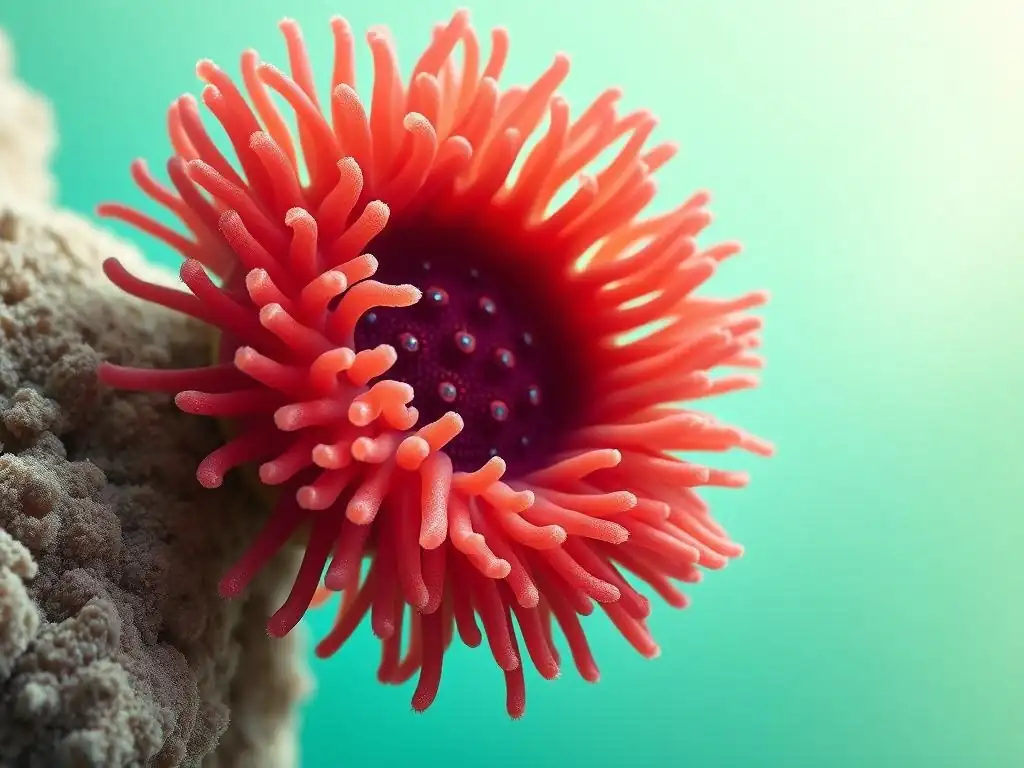
The Haddoni Carpet Anemone (Stichodactyla haddoni), often simply called the Haddon's Anemone, is another large and impressive species within the Carpet Anemone family. It shares many characteristics with the Gigantea Carpet Anemone but typically remains slightly smaller, reaching diameters of up to 2 feet (60 cm). Its tentacles are generally shorter and more densely packed than S. gigantea, giving it an even more pronounced "carpet-like" texture. Haddoni Anemones come in a wide array of vibrant colors, including green, blue, purple, and even multi-colored varieties, making them a visually stunning addition to a large reef tank.
Like all large host anemones, S. haddoni is a demanding species best suited for experienced aquarists. Its powerful sting necessitates careful placement away from other corals and fish that are not its symbiotic partners. When provided with optimal conditions, a Haddoni Carpet Anemone can become a magnificent and long-lived centerpiece, providing a stable and natural home for a variety of clownfish species.
Haddoni Carpet Anemone Requirements: Substrate and Flow
The Haddoni Carpet Anemone (Stichodactyla haddoni) has specific requirements for substrate and water flow to thrive in a home aquarium. Unlike some anemones that attach to rockwork, S. haddoni strongly prefers to embed its foot deeply into a soft sand bed. A minimum sand bed depth of 6 inches (15 cm) is highly recommended, allowing the anemone to fully bury its column and anchor itself securely. This provides stability and prevents it from "walking" excessively around the tank, which can be dangerous for both the anemone and other inhabitants.
In terms of water flow, Haddoni Carpet Anemones require moderate to strong, turbulent flow. This ensures proper gas exchange, delivers food particles to its tentacles, and helps prevent detritus buildup around its base. However, the flow should not be direct or laminar, as this can stress the anemone. Lighting requirements are also stringent, demanding strong illumination in the range of 350-650 PAR to support their photosynthetic zooxanthellae. Consistent water parameters, including temperature (74-80°F), salinity (1.025-1.026), and stable alkalinity/calcium/magnesium levels, are equally vital for the health and longevity of this demanding yet rewarding clownfish compatible anemone species.
Clownfish Compatibility with Haddoni Carpet Anemones
The Haddoni Carpet Anemone (Stichodactyla haddoni) is a natural and highly compatible host for several species of clownfish, particularly those that are commonly found alongside large carpet anemones in their native habitats. The Clarkii Clownfish (Amphiprion clarkii) is an excellent choice, as it readily hosts in Haddoni Anemones and is known for its adaptability to various host species. The Saddleback Clownfish (Amphiprion polymnus) and Sebae Clownfish (Amphiprion sebae) also frequently form strong symbiotic bonds with this anemone, often making it their primary residence within the aquarium.
While less common, some Ocellaris Clownfish (Amphiprion ocellaris) and Percula Clownfish (Amphiprion percula) have been observed to host in Haddoni Carpet Anemones, especially if no other preferred hosts like Bubble Tip Anemones are available. However, their smaller size might make them less suited for the sheer expanse of a large Haddoni. For aquarists committed to providing the demanding care this anemone requires, pairing it with its naturally compatible clownfish species will result in a stunning and authentic display of marine symbiosis.
6. Long Tentacle Anemone (Macrodactyla doreensis): A Unique Anemone for Clownfish
The Long Tentacle Anemone (Macrodactyla doreensis), also known as the Corkscrew Anemone or Sand Anemone, is a distinctive and beautiful host anemone characterized by its long, slender tentacles that often have a corkscrew or wavy appearance. These tentacles can reach impressive lengths, creating a flowing, dynamic display in the aquarium. The anemone's oral disc is typically a solid color, often brown or tan, while its tentacles can be white, cream, or greenish. It typically grows to about 12-18 inches (30-45 cm) in diameter, making it a moderately sized host.
Unlike some other host anemones that attach to rockwork, the Long Tentacle Anemone strongly prefers to bury its column deep within a sand bed, with only its oral disc and tentacles exposed. This behavior makes it crucial to provide a sufficiently deep sand bed in the aquarium. Its unique appearance and preference for sandy substrates make it a popular choice for aquarists looking to create a more naturalistic shallow-water or lagoon-style setup for their clownfish.
Long Tentacle Anemone Care Guide: Placement and Feeding
Caring for a Long Tentacle Anemone (Macrodactyla doreensis) primarily revolves around providing the correct substrate and ensuring stable water parameters. These anemones require a deep sand bed, at least 4-6 inches (10-15 cm) in depth, to properly bury their foot and column.
They will often move around until they find a spot in the sand that suits them, so ensure there are no sharp objects or powerhead intakes nearby that could injure them. Moderate lighting, typically in the 200-350 PAR range, is sufficient for their photosynthetic needs, making them less demanding in terms of light than some larger carpet or magnificent anemones.
Water flow should be moderate and non-direct, allowing their long tentacles to sway gently without being pushed against the substrate or rockwork. Pristine and stable water quality is crucial, with parameters similar to other host anemones: temperature 74-80°F, salinity 1.025-1.026, pH 8.1-8.4, alkalinity 8-12 dKH, calcium 400-450 ppm, and magnesium 1250-1350 ppm. Regular target feeding of meaty foods like mysis shrimp, chopped silversides, or krill, 2-3 times a week, is highly beneficial, as they derive a significant portion of their nutrition from heterotrophic feeding in addition to photosynthesis.
Clownfish Species that Adapt Well to Long Tentacle Anemones
The Long Tentacle Anemone (Macrodactyla doreensis) is a highly suitable and natural host for several species of clownfish, particularly the more common and readily available ones. Both the Ocellaris Clownfish (Amphiprion ocellaris) and the Percula Clownfish (Amphiprion percula) readily adapt to hosting in Long Tentacle Anemones, often quickly forming a strong symbiotic bond. Their relatively smaller size makes them a perfect fit for weaving through the anemone's long, flowing tentacles.
Additionally, the Clarkii Clownfish (Amphiprion clarkii) is another species that frequently hosts in Long Tentacle Anemones. Their adaptability to a wide range of host anemones makes them a versatile choice for this species. While less common, some Tomato Clownfish (Amphiprion frenatus) have also been observed to host. The unique aesthetic of the Long Tentacle Anemone combined with its reliable hosting capabilities for these popular clownfish species makes it an excellent clownfish compatible anemone species for a captivating display.
7. Rock Flower Anemone (Epicystis crucifer): An Alternative Host Option
The Rock Flower Anemone (Epicystis crucifer) stands out from most traditional host anemones due to its smaller size and preferred attachment to rockwork rather than sand. These vibrant anemones typically range from 2 to 6 inches (5-15 cm) in diameter and come in an astonishing array of colors and patterns, often with contrasting oral discs and tentacles. While they are hardy and relatively easy to care for compared to larger host anemones, it's important to note that they are not considered a "true" host for most clownfish species in the wild.
Despite this, some individual clownfish, particularly Ocellaris and Percula, may occasionally attempt to host in Rock Flower Anemones in captivity, especially if no other preferred host is available. This makes them an "alternative" host option, more out of opportunistic behavior by the clownfish rather than a deeply ingrained symbiotic relationship. Their ease of care and stunning appearance make them a popular choice for reef tanks regardless of clownfish hosting, but their suitability as a primary host is limited.
Rock Flower Anemone Care: A Less Demanding Choice
Rock Flower Anemones (Epicystis crucifer) are significantly less demanding than most traditional host anemones, making them an excellent choice for beginner to intermediate aquarists or those with smaller tank setups. They are hardy and adaptable to a range of conditions. Moderate lighting, typically in the 50-150 PAR range, is sufficient for their photosynthetic needs, and they can thrive under various lighting types, including basic LEDs. Water flow should be low to moderate, allowing their tentacles to gently sway without being excessively buffeted.
These anemones prefer to attach their strong foot to rockwork, often settling into crevices or shaded areas. They are tolerant of slightly higher nutrient levels than other host anemones but still benefit from stable water parameters: temperature 74-80°F, salinity 1.025-1.026, pH 8.1-8.4, alkalinity 8-12 dKH, calcium 400-450 ppm, and magnesium 1250-1350 ppm. While they derive energy from light, occasional target feeding of small meaty foods like mysis shrimp or chopped krill, once or twice a week, will encourage robust growth and vibrant coloration. Their relatively easy care makes them a beautiful and low-stress addition to many reef aquariums.
Clownfish and Rock Flower Anemone Interactions
While Rock Flower Anemones (Epicystis crucifer) are not classified as primary host anemones for clownfish in their natural habitats, interactions between them in captivity are sometimes observed. Typically, Ocellaris Clownfish (Amphiprion ocellaris) and Percula Clownfish (Amphiprion percula), especially tank-bred individuals or juveniles, may occasionally attempt to host in Rock Flower Anemones. This behavior is usually opportunistic and less consistent than with traditional host species like the Bubble Tip Anemone.
It's important to manage expectations; not all clownfish will host a Rock Flower Anemone, and if they do, the interaction might be brief or less intense than a true symbiosis. The anemone itself may not always fully embrace the clownfish, and the clownfish may not derive the same level of protection or psychological benefit. However, for aquarists with smaller tanks or those seeking a less demanding anemone, a Rock Flower Anemone can provide a beautiful display, and the possibility of a clownfish interaction, while not guaranteed, adds an interesting dynamic to the aquarium.
8. Mini Carpet Anemone (Stichodactyla tapetum): A Smaller Anemone Option for Nano Tanks
The Mini Carpet Anemone (Stichodactyla tapetum), also known as the Mini Maxi Anemone, is a fascinating and much smaller relative of the larger carpet anemones. These diminutive anemones typically only grow to 1-3 inches (2.5-7.5 cm) in diameter, making them an ideal choice for nano and pico reef tanks where space is a premium. They exhibit the same dense, sticky tentacles and wide array of vibrant colors as their larger cousins, often displaying incredible patterns and iridescence.
Despite their small size, Mini Carpet Anemones possess a potent sting, so care must be taken when handling them and placing them near other corals. While they are not a primary host for adult clownfish in the wild due to their size, juvenile clownfish or very small species may occasionally attempt to host them in captivity. Their ease of care and stunning appearance make them a popular choice for smaller setups, even if a full symbiotic relationship is less likely.
Mini Carpet Anemone Care: Ideal for Smaller Aquariums
Mini Carpet Anemones (Stichodactyla tapetum) are relatively easy to care for, making them an excellent choice for nano and pico reef aquariums, typically 5-20 gallons in size. They thrive under moderate lighting, generally in the 100-250 PAR range, making them compatible with a variety of LED setups common in smaller tanks. Water flow should be moderate and indirect, allowing their small tentacles to capture food particles without being overwhelmed.
These anemones are adaptable and can attach their foot to either rockwork or a shallow sand bed. They require stable water parameters, similar to other reef inhabitants: temperature 74-80°F, salinity 1.025-1.026, pH 8.1-8.4, alkalinity 8-12 dKH, calcium 400-450 ppm, and magnesium 1250-1350 ppm. While they derive some nutrition from photosynthesis, regular target feeding of small meaty foods like mysis shrimp or finely chopped krill, 2-3 times a week, is highly beneficial for their growth and coloration. Their small footprint and relatively low demands make them a fantastic addition to compact reef systems.
Clownfish that Can Host Mini Carpet Anemones
Given their diminutive size, Mini Carpet Anemones (Stichodactyla tapetum) are generally too small to provide adequate shelter for adult clownfish. However, some very small or juvenile clownfish, particularly Ocellaris Clownfish (Amphiprion ocellaris) and Percula Clownfish (Amphiprion percula), may occasionally attempt to host in them. This behavior is more commonly observed in tank-bred clownfish that have not been exposed to traditional host anemones or in situations where no other suitable host is available.
It's important to understand that even if a clownfish does host a Mini Carpet Anemone, the interaction may not provide the same level of protection or psychological benefit as a larger, more traditional host. The clownfish may outgrow the anemone quickly, or the anemone may become stressed by the constant presence of the clownfish. While not a primary clownfish compatible anemone species for true symbiosis, the possibility of this interaction adds an interesting element for aquarists with nano tanks who appreciate the unique beauty of these mini anemones.
9. Condylactis Anemone (Condylactis gigantea): A Less Common Host
The Condylactis Anemone (Condylactis gigantea), also known as the Giant Caribbean Anemone, is a large and visually appealing anemone native to the Atlantic Ocean. It typically grows to 6-12 inches (15-30 cm) in diameter and features long, thick tentacles that are often tipped with a contrasting color, such as purple, pink, or yellow. While it is a beautiful and relatively hardy anemone for the home aquarium, its suitability as a consistent host for clownfish is generally limited in captivity.
In the wild, certain clownfish species, particularly the Marbled Sea Anemone (Heteractis aurora) which is a close relative, have been observed hosting Condylactis anemones. However, in the aquarium environment, successful and consistent hosting by commonly kept Amphiprion species is quite rare. This makes the Condylactis Anemone more of a display animal for its own beauty rather than a reliable symbiotic partner for clownfish, though occasional opportunistic hosting may occur.
Condylactis Anemone Care: Considerations and Limitations
Condylactis Anemones (Condylactis gigantea) are relatively hardy compared to some other host anemones, making them a more forgiving option for intermediate aquarists. They prefer moderate lighting, typically in the 150-300 PAR range, and moderate water flow, allowing their long tentacles to sway gently. They can attach their foot to rockwork or bury it in a shallow sand bed. While adaptable, they still require stable water parameters: temperature 74-80°F, salinity 1.025-1.026, pH 8.1-8.4, alkalinity 8-12 dKH, calcium 400-450 ppm, and magnesium 1250-1350 ppm.
A key consideration for Condylactis Anemones is their potent sting. They can be aggressive towards other corals and invertebrates, necessitating ample space (at least 6-12 inches) around them in the aquarium. They are also active hunters and should be fed meaty foods like silversides, shrimp, or squid a few times a week to supplement their photosynthetic diet. While their care is manageable, their primary limitation as a host is their inconsistent acceptance by commonly available clownfish species, making them a less reliable choice if the primary goal is a clownfish symbiosis.
Clownfish Hosting Behavior with Condylactis Anemones
The hosting behavior of clownfish with Condylactis Anemones (Condylactis gigantea) in captivity is generally inconsistent and often unsuccessful for common aquarium clownfish species. While some anecdotal reports exist of Ocellaris Clownfish (Amphiprion ocellaris) or Percula Clownfish (Amphiprion percula) attempting to host, these instances are rare and often short-lived. Unlike the strong, instinctive bond seen with Bubble Tip or Sebae Anemones, clownfish typically do not readily recognize Condylactis as a suitable host.
In their native Caribbean habitat, certain Amphiprion species, such as the Marbled Sea Anemone (Heteractis aurora), which is sometimes confused with Condylactis, are known hosts. However, the clownfish species commonly available to hobbyists, which primarily originate from the Indo-Pacific, do not naturally associate with Condylactis in the wild. Therefore, while a Condylactis Anemone can be a beautiful addition to a reef tank for its own merits, it is not considered a reliably clownfish compatible anemone species for establishing a consistent symbiotic relationship with most popular clownfish.
10. Bulb Tentacle Anemone (Entacmaea quadricolor var. "Rose"): A Color Variant of the BTA
The Bulb Tentacle Anemone (Entacmaea quadricolor var. "Rose"), often simply called the Rose Bubble Tip Anemone (RBTA), is a highly prized color morph of the standard Bubble Tip Anemone. It shares all the same characteristics as its green or brown counterpart, including the potential to develop distinctive bulbous tips under optimal conditions, but boasts a stunning range of pink, red, or even purple hues. This vibrant coloration makes it an incredibly popular choice for aquarists looking to add a splash of intense color to their reef tank while also providing a reliable host for clownfish.
Like the standard BTA, the Rose Bubble Tip Anemone can grow up to 12 inches (30 cm) in diameter and is known for its ability to move around the tank until it finds its preferred spot. Its beauty, combined with its strong hosting capabilities, makes it one of the most sought-after and reliable clownfish compatible anemone species in the hobby, offering both aesthetic appeal and natural behavior observation.
Bulb Tentacle Anemone (Rose) Care: Similar to Standard BTA, Requires Stable Conditions
The care requirements for the Rose Bulb Tentacle Anemone (Entacmaea quadricolor var. "Rose") are identical to those of the standard Bubble Tip Anemone. Stability is the most critical factor for their long-term health and vibrant coloration. Ideal water parameters include a temperature range of 74-80°F (23-27°C), salinity at 1.024-1.026 specific gravity, and a pH between 8.1 and 8.4. Alkalinity should be maintained at 8-12 dKH, calcium at 400-450 ppm, and magnesium at 1250-1350 ppm. Consistent and regular water changes (e.g., 10-20% bi-weekly) using high-quality RODI water are essential to prevent nutrient buildup.
Lighting should be moderate to high, typically in the 200-400 PAR range, to support their photosynthetic zooxanthellae and encourage the development of their characteristic bubbles. While they can adapt to various light sources, powerful LEDs are often preferred for their spectrum control and intensity. Moderate water flow is optimal, allowing their tentacles to sway gently without being overly stressed. Like other BTAs, they will move to find their ideal spot, so ensuring a mature tank (at least 6 months old) with stable conditions before introduction is paramount to their success.
Clownfish Pairing with Bulb Tentacle Anemone (Rose)
The Rose Bulb Tentacle Anemone (Entacmaea quadricolor var. "Rose") is an exceptionally reliable and popular host for a wide array of clownfish species, mirroring the hosting capabilities of its green and brown counterparts. The most common and successful pairings are with the False Percula Clownfish (Amphiprion ocellaris) and the True Percula Clownfish (Amphiprion percula), both of which readily and enthusiastically host in RBTAs, often within a short period of introduction.
Beyond the Percula complex, the Rose Bulb Tentacle Anemone also frequently hosts Maroon Clownfish (Premnas biaculeatus), Tomato Clownfish (Amphiprion frenatus), and various species within the Clarkii Complex, such as the Clarkii Clownfish (Amphiprion clarkii) itself. This broad compatibility, combined with the anemone's stunning coloration, makes the Rose Bubble Tip Anemone one of the most sought-after and visually appealing clownfish compatible anemone species for aquarists aiming to establish a vibrant and natural symbiotic relationship in their reef tank.
Setting Up Your Aquarium for Anemones and Clownfish
Water Quality Considerations for Anemones
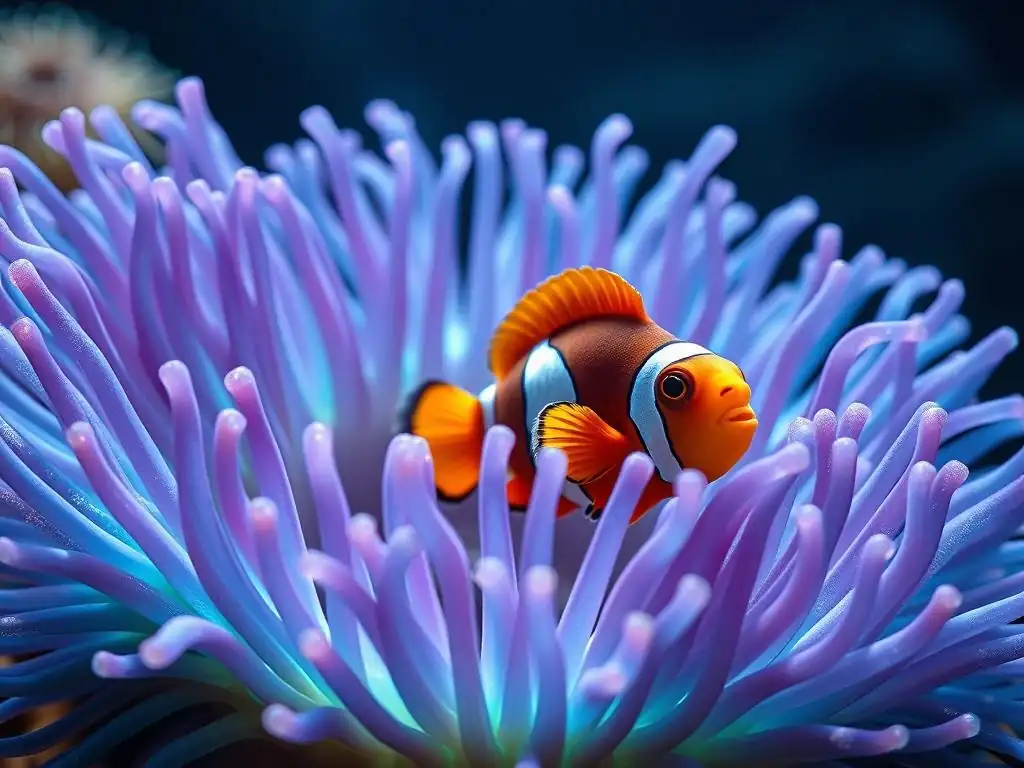
Maintaining impeccable and stable water quality is the single most critical factor for the long-term health and survival of any host anemone. Anemones are highly sensitive invertebrates that will quickly decline in fluctuating or poor conditions. Key parameters to monitor rigorously include temperature, which should be kept stable between 74-80°F (23-27°C), and salinity, ideally between 1.024-1.026 specific gravity. pH levels must be consistent, ranging from 8.1 to 8.4. Essential elements like alkalinity (8-12 dKH), calcium (400-450 ppm), and magnesium (1250-1350 ppm) are also vital for their skeletal structure and overall physiological processes.
Beyond these core parameters, it is imperative to maintain undetectable levels of ammonia and nitrite, and very low concentrations of nitrate (ideally below 5 ppm) and phosphate (below 0.03 ppm). This necessitates a fully cycled and mature aquarium, typically at least 6 months to a year old, with a robust biological filter, efficient protein skimming, and regular water changes (e.g., 10-20% bi-weekly) using high-quality RODI (Reverse Osmosis Deionized) water. Any sudden shifts or prolonged periods of poor water quality can lead to anemone stress, bleaching, and ultimately, death.
Lighting Requirements for Optimal Anemone Health
Lighting is a fundamental requirement for most symbiotic host anemones, as they rely heavily on their zooxanthellae (symbiotic algae) for nutrition through photosynthesis. The intensity of light is measured in PAR (Photosynthetically Active Radiation), and the specific PAR requirements vary significantly between different clownfish compatible anemone species. For instance, Bubble Tip Anemones and Long Tentacle Anemones typically thrive in moderate to high PAR (200-400 PAR), while larger and more demanding species like Magnificent Anemones or Carpet Anemones require very intense lighting (400-700+ PAR).
Choosing the right type of lighting fixture – whether T5 fluorescents, metal halides, or modern LEDs – is crucial. LEDs offer excellent control over intensity and spectrum, allowing for precise customization. When introducing a new anemone, it is vital to acclimate it slowly to the tank's lighting, especially if the new lighting is more intense than what it was previously exposed to.
This can be achieved by placing the anemone in a shaded area initially or by gradually increasing light intensity over several weeks. A consistent photoperiod of 8-10 hours per day is generally recommended to mimic natural daylight cycles and promote optimal zooxanthellae health.
Tank Size and Flow for Anemone Compatibility
The size of your aquarium is a critical consideration when choosing a host anemone, directly impacting its long-term health and the stability of your system. Larger host anemones, such as Magnificent Anemones (Heteractis magnifica) or Carpet Anemones (Stichodactyla gigantea), can reach diameters of 2-3 feet and require substantial tank volumes, typically 100 gallons minimum, with 150-200+ gallons being ideal for their full growth potential and to maintain stable water parameters.
Even smaller popular options like Bubble Tip Anemones can grow to 12 inches and thrive in tanks of 30-50 gallons or more. Adequate tank size provides the necessary water volume for stability and sufficient space for the anemone to settle without stinging other corals or fish.
Water flow is another vital environmental factor. Anemones require specific flow patterns to thrive, which vary by species. Some, like Bubble Tip Anemones, prefer moderate, turbulent flow that allows their tentacles to sway gently and capture food.
Others, such as Magnificent Anemones, demand strong, high-energy flow. Too little flow can lead to detritus accumulation around the anemone's base, while excessive or direct laminar flow can stress or damage its tissues. Strategically placed powerheads or wavemakers are essential to create the appropriate water movement throughout the aquarium, ensuring proper gas exchange, nutrient delivery, and waste removal for your chosen clownfish compatible anemone species.
Introducing Clownfish and Anemones to Your Aquarium
Acclimation Procedures for Anemones and Clownfish
Proper acclimation is paramount for the successful introduction of both anemones and clownfish to a new aquarium, minimizing stress and increasing their chances of survival. For anemones, which are highly sensitive to changes in water parameters, drip acclimation is the preferred method. This involves slowly dripping water from the display tank into a separate container with the anemone's original water, over a period of at least 60-90 minutes, allowing for a gradual adjustment to temperature, salinity, and pH. Before drip acclimation, float the anemone's bag in the sump or display tank for 15-20 minutes to equalize temperature.
Clownfish also benefit from drip acclimation, though it can sometimes be done over a shorter period, typically 30-45 minutes. Once acclimated, transfer the clownfish directly into the tank, avoiding adding any of the shipping water. For anemones, after acclimation, gently place them in a low-flow, low-light area of the tank initially, allowing them to attach their foot and settle for a few hours before moving them to their desired, permanent location. This gentle approach helps them recover from shipping stress and reduces the likelihood of them "walking" excessively around the tank, which can be dangerous for them.
Monitoring Interactions and Ensuring a Successful Bond
Once both the clownfish and the anemone are introduced and settled, continuous monitoring of their interactions is crucial to ensure a successful symbiotic bond. Initially, the clownfish may ignore the anemone, or even dart at it cautiously. This is normal behavior, as tank-bred clownfish sometimes need time to recognize their natural host. Observe for gentle touching, rubbing, and eventually, the clownfish fully swimming within the anemone's tentacles. This process can take anywhere from a few hours to several weeks, or even months, depending on the individual fish and anemone.
To encourage hosting, ensure the anemone is healthy and fully expanded, as a stressed anemone is less likely to be accepted. Providing a varied and nutritious diet for both the clownfish and the anemone can also contribute to their overall well-being and willingness to interact. Some aquarists report success by turning off the tank lights for a few hours after introduction, as this can sometimes encourage the clownfish to seek shelter.
Patience is key; forcing interactions can stress both organisms. A successful bond will be evident when the clownfish consistently resides within the anemone, displaying natural behaviors and finding comfort in its host, signifying a thriving clownfish compatible anemone species relationship.
Troubleshooting Common Issues with Clownfish and Anemone Relationships
Anemone Movement and Placement
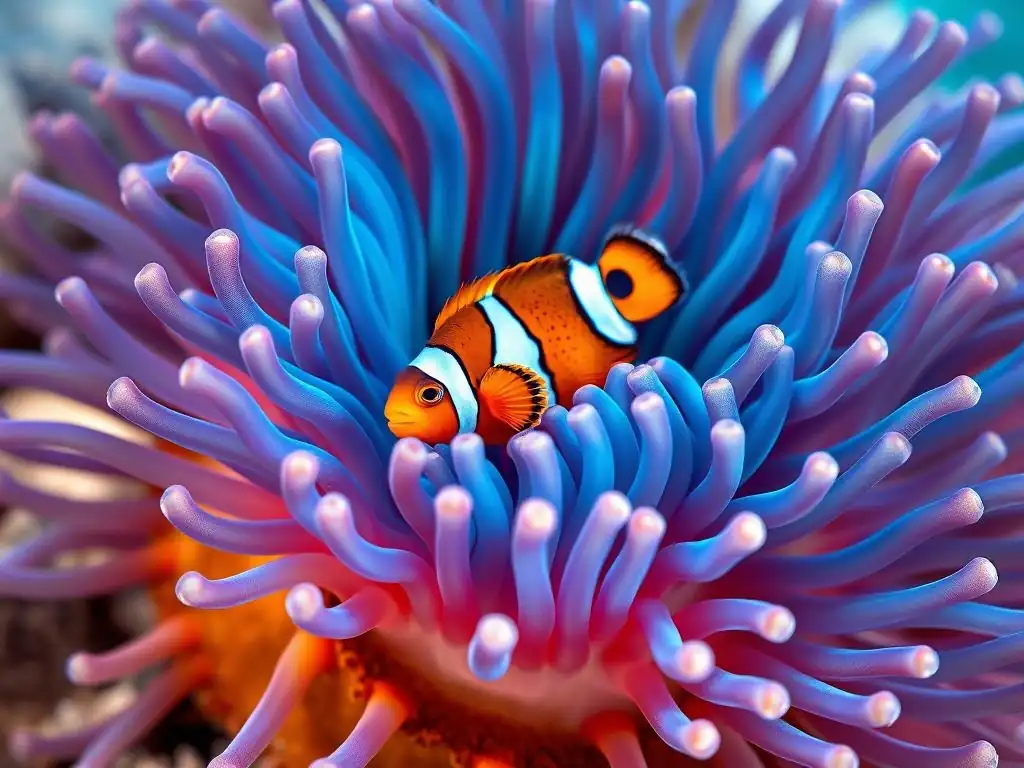
Anemone movement is a common issue that can cause significant concern for aquarists. Anemones are mobile invertebrates and will move if they are not satisfied with their current conditions, such as insufficient or excessive lighting, inappropriate water flow, or unstable water parameters. For instance, a Bubble Tip Anemone (Entacmaea quadricolor) might walk across the entire rockwork if the light intensity is too low in its initial placement, seeking a brighter spot. This movement can be dangerous, as the anemone might get sucked into a powerhead, sting other corals, or detach and float around the tank.
To mitigate unwanted movement, ensure that all critical environmental factors – lighting (PAR), water flow, and water parameters (temperature, salinity, pH, alkalinity, calcium, magnesium) – are consistently within the optimal range for your specific clownfish compatible anemone species. If an anemone persistently moves, assess these factors first. If it moves to a dangerous location, gently encourage it to relocate by redirecting water flow away from it or by offering food in a more desirable spot.
Never physically force an anemone, as this can cause severe damage to its delicate foot. Providing a secure attachment point, such as a crevice in the rockwork or a deep sand bed, can also help reduce wandering.
Clownfish Ignoring the Anemone: Possible Causes and Solutions
It can be disappointing when a clownfish, especially a tank-bred individual, shows no interest in hosting its newly introduced anemone. There are several reasons why a clownfish might ignore its anemone, even a typically clownfish compatible anemone species. One common cause is that many tank-bred clownfish are raised without exposure to an actual host anemone, meaning they lack the instinctive recognition of what an anemone is or how to interact with it.
Stress from acclimation, poor water quality, or the presence of aggressive tank mates can also deter hosting behavior. Additionally, some clownfish species are simply more particular about their hosts, or the anemone itself might be stressed and not fully expanded, making it less inviting.
To encourage hosting, first ensure the anemone is healthy and thriving, as a vibrant, fully expanded anemone is more appealing. Maintaining pristine water parameters and providing a calm environment free from aggression are crucial. For tank-bred clownfish, patience is key; some may take weeks or even months to host.
Techniques such as turning off the tank lights for a few hours can sometimes encourage the clownfish to seek shelter. Placing a small mirror against the tank for a brief period can sometimes stimulate a territorial response, prompting the clownfish to "defend" its space by interacting with the anemone. Providing a varied and nutritious diet for the clownfish can also improve its overall well-being, making it more inclined to host.
Anemone Stinging Other Inhabitants: Prevention and Treatment
Host anemones, even the most beneficial clownfish compatible anemone species, possess potent stinging cells (nematocysts) on their tentacles, which they use for defense and prey capture. A common issue in mixed reef tanks is an anemone stinging other corals, sessile invertebrates, or even slow-moving fish that come into contact with its tentacles. This can lead to tissue recession, bleaching, and ultimately the death of the stung organism. Anemones can also move unexpectedly, bringing their stinging tentacles into contact with previously safe tank inhabitants.
Prevention is the best approach. When placing an anemone, ensure ample space (at least 6-12 inches, depending on the anemone's potential size and movement) between it and any other corals or sessile invertebrates. Consider placing it on an isolated rock island or in a corner of the tank where its movement is less likely to cause harm.
If stinging occurs, the immediate treatment involves gently moving the stung coral or invertebrate to a safe, unstung area of the tank if possible. In severe cases, the affected coral might benefit from a dip in an iodine or antibiotic solution, if compatible. If an anemone repeatedly stings other inhabitants due to its movement or size, re-evaluating its placement, or considering a larger tank or rehoming the anemone, may be necessary to maintain a harmonious environment.
Conclusion: Creating a Thriving Symbiotic Relationship Between Clownfish and Anemones.
Establishing a thriving symbiotic relationship between clownfish and their host anemones is one of the most rewarding experiences in marine aquaria. This intricate natural partnership, where the anemone provides protection and the clownfish offers defense and nutrients, exemplifies the delicate balance and beauty of a healthy reef ecosystem. By carefully selecting a clownfish compatible anemone species that aligns with your tank's size, maturity, and environmental parameters, you lay the foundation for a successful and long-lasting bond.
The journey requires diligence, from maintaining pristine water quality and appropriate lighting to observing interactions and troubleshooting common challenges. However, the effort is well worth it, as witnessing clownfish instinctively nestle within their anemone's tentacles provides a captivating glimpse into the wonders of the ocean. By understanding the specific needs of both your chosen clownfish and anemone, you can create a vibrant, stable, and truly natural environment where this iconic symbiotic relationship can flourish, enriching your aquarium and deepening your connection to the marine world.
Frequently Asked Questions
What makes an anemone "compatible" with clownfish?
Compatibility refers to the anemone's ability to host clownfish without stinging them. This is due to the clownfish developing a protective mucus layer that prevents the anemone's stinging cells from firing.
Which anemone species are generally considered the easiest to care for, making them good for beginners?
The Bubble Tip Anemone (Entacmaea quadricolor) is often recommended for beginners. They are relatively hardy and adaptable to various tank conditions, making them easier to maintain.
What are the potential risks of introducing an anemone to an established aquarium?
Introducing anemones can alter water chemistry and potentially sting other invertebrates. It's crucial to monitor water parameters and ensure the anemone has enough space to settle.
How do I ensure my anemone is receiving adequate lighting in my aquarium?
Anemones need strong lighting for photosynthesis. Use high-quality LED or metal halide lighting and observe the anemone's color and expansion for signs of health.
Can all clownfish species host the same anemone species?
No, certain clownfish species exhibit preferences for specific anemone species. Researching the specific needs of both the clownfish and anemone is crucial for a successful symbiotic relationship.
Final Reflection: The Enduring Dance of Symbiosis
The search for the perfect anemone for your clownfish, as explored in this article, isn't just about aesthetics or aquarium compatibility; it's about understanding and fostering a delicate and ancient symbiotic relationship. The choices we make in our tanks reflect a deeper appreciation for the intricate web of life that exists beneath the waves, and the responsibility we bear to recreate a thriving microcosm of that world.
This journey into anemone and clownfish pairings highlights how deeply interconnected life can be. Witnessing this symbiosis firsthand, even in a controlled environment, offers a profound lesson in mutualism and the delicate balance of nature. In nature, nothing exists alone.
- Rachel Carson. This quote perfectly encapsulates the essence of the clownfish-anemone relationship, reminding us that even in our own lives, we are all interconnected and reliant on one another.
As you consider which anemone might be the best fit for your clownfish, remember that you are not just creating a beautiful display, but nurturing a living partnership. Take the time to observe, learn, and appreciate the magic of this symbiotic dance. Let the lessons of the reef inspire you to cultivate your own symbiotic relationships, both within your aquarium and in the wider world.
Ignite Your Reef Tank: Discover Your Clownfish's Dream Anemone!
Thank you for diving into the world of anemones and clownfish! Now that you're armed with the knowledge to create the perfect symbiotic pairing, it's time to take the plunge and make your reef tank a vibrant paradise.
Here's how to get started:
- Find the perfect anemone: Visit your local fish store or a trusted online retailer and select an anemone from our Top 10 list that matches your tank's conditions and your clownfish's preferences. Remember to research the specific needs of each species before making your final decision!
- Join the Conversation: Share your experiences and insights with fellow reef enthusiasts by leaving a comment below. What anemone are you planning to introduce to your tank, and which clownfish will call it home?
- Share the Magic: Know someone who's dreaming of a thriving reef tank? Spread the love and share this article to inspire their own underwater oasis!
Ready to take the first step towards creating a harmonious ecosystem in your aquarium? Which anemone from our list will you be adding to your reef next?