
Nano Tanks for Bettas: Small Spaces, Big Considerations

Welcome to Aquarium Mastery!
Ever wondered if a tiny tank could be the perfect palace for a Betta? Dive into our latest article, "Nano Tanks for Bettas: Small Spaces, Big Considerations," and discover the secrets to creating a thriving, miniature aquatic world for these stunning fish. But be warned, success requires more than just a small space – are you ready to master the art of nano Betta keeping? Read on to unlock the keys to their happiness and health!
- Understanding Betta Fish and Nano Tank Suitability
- Setting Up the Ideal Betta Nano Tank Environment
- Maintaining a Thriving Betta Nano Tank
- Betta Behavior in Nano Tanks: Observation and Enrichment
- The Ethical Considerations of Keeping Bettas in Nano Tanks
- Troubleshooting Common Nano Tank Problems for Bettas
-
Frequently Asked Questions
- Can a Betta fish live happily in a nano tank?
- What are the key considerations when setting up a Betta nano tank?
- What plants are best for a Betta nano tank?
- How often should I perform water changes in a Betta nano tank?
- What are some common health issues to watch out for in Bettas kept in nano tanks?
- Final Reflection: Miniature Worlds, Maximum Responsibility
- Ignite Your Betta Passion: Design Your Dream Nano Tank!
Understanding Betta Fish and Nano Tank Suitability
What is a Nano Tank and is it Suitable for Betta Fish?
A nano tank typically refers to an aquarium with a volume of less than 10-15 gallons, often ranging from 2.5 to 7 gallons. These compact tanks have gained popularity for their space-saving design and aesthetic appeal. While they can be visually striking, the suitability of a nano tank for Bettas, specifically Betta splendens, is a subject of much debate among aquarists. Many beginners are drawn to the idea of keeping Bettas in nano tanks due to misinformation suggesting these fish thrive in small bowls.
However, the reality is more nuanced. While a Betta can survive in a nano tank, particularly if it's on the larger end of the nano spectrum (e.g., 5-7 gallons), thriving requires meticulous care and a deep understanding of their needs. The smaller water volume in nano tanks means that water parameters can fluctuate rapidly, making it challenging to maintain the stable, pristine conditions essential for Betta health. Therefore, while a Betta in a nano tank is possible, it demands significantly more dedication and consistent maintenance than housing them in larger aquariums.
Betta Fish Natural Habitat: A Key Consideration for Nano Tanks
To understand the needs of Bettas in nano tanks, it's crucial to examine their natural habitat. Betta fish originate from the shallow, warm, and often stagnant waters of Southeast Asia, including rice paddies, slow-moving streams, and floodplains in countries like Thailand, Cambodia, and Vietnam. These environments are characterized by dense vegetation, which provides ample hiding spots and shelter from predators, as well as a rich supply of insects and larvae for food.
A common misconception is that Bettas live in tiny puddles, implying they are perfectly content in small bowls or nano tanks. While the water depth in their natural environment can be shallow, the total area they inhabit is vast and interconnected, allowing them to move freely, escape unfavorable conditions, and establish territories. They are not confined to a single, small body of water indefinitely. This natural predisposition for space and stable conditions highlights why a well-maintained and appropriately sized tank, rather than an overly restrictive nano tank, is paramount for the long-term well-being of Bettas.
The Minimum Tank Size Debate: How Small is Too Small for a Betta?
The question of minimum tank size for a Betta is one of the most contentious topics in the aquarium hobby. Historically, Bettas were often sold in tiny cups or bowls, leading to the widespread but incorrect belief that they can thrive in such cramped conditions. However, reputable sources and experienced aquarists overwhelmingly recommend a minimum of 5 gallons for a single Betta fish. This recommendation is based on several critical factors, including waste dilution, water parameter stability, and sufficient swimming space.
A 5-gallon tank provides adequate room for a Betta to swim, explore, and exhibit natural behaviors like flaring or building bubble nests. More importantly, the larger water volume significantly helps dilute the fish's waste products, preventing rapid spikes in harmful ammonia and nitrite levels.
While some highly experienced aquarists might manage to keep a Betta in a 2.5 or 3-gallon nano tank with daily partial water changes, this is generally not recommended for beginners due to the extreme difficulty in maintaining stable water quality. Tanks smaller than 2.5 gallons are unequivocally too small, leading to severe stress, stunted growth, and a drastically shortened lifespan for Bettas in nano tanks.
Setting Up the Ideal Betta Nano Tank Environment
Choosing the Right Nano Tank: Size, Shape, and Material
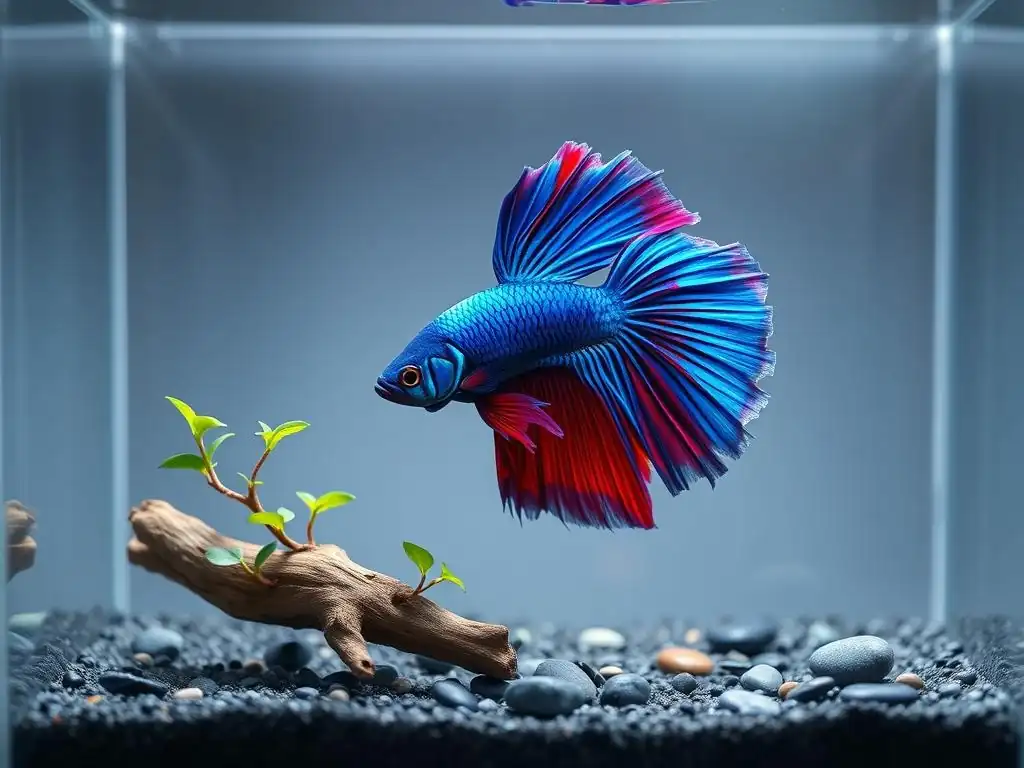
When selecting a nano tank for a Betta, the primary consideration should always be the fish's welfare. As previously established, a 5-gallon tank is the absolute minimum recommended size, offering a better buffer against water quality fluctuations and more swimming room compared to smaller options. While a 5-gallon is still considered a nano tank, it provides a much more stable environment than a 2.5 or 3-gallon setup. Larger options, such as 7- or 10-gallon tanks, are even more beneficial for maintaining stability and offering enhanced enrichment opportunities for your Betta.
The shape of the tank also plays a crucial role. Rectangular tanks are generally superior to bowls or cylinders because they offer a greater surface area for gas exchange at the water's surface, which is vital for oxygenation. They also provide more linear swimming space for the Betta. Regarding material, glass tanks are durable, less prone to scratching, and offer excellent clarity. Acrylic tanks are lighter and more impact-resistant but can scratch easily. Ultimately, prioritizing a 5-gallon or larger rectangular tank, whether glass or acrylic, sets a much better foundation for successfully keeping Bettas in nano tanks.
Essential Equipment for a Healthy Betta Nano Tank
Once you've chosen your nano tank, equipping it properly is paramount for the health and comfort of your Betta. The smaller volume of a nano tank means that every piece of equipment must be carefully selected to avoid overwhelming the space or stressing the fish. Essential items include a reliable filter, an appropriate heater, and adequate lighting, all tailored to the specific needs of Bettas in nano tanks.
Beyond the core equipment, a high-quality thermometer is indispensable for monitoring water temperature, ensuring it remains within the optimal range of 78-82°F (25.5-27.8°C). A test kit (preferably liquid) for ammonia, nitrite, nitrate, and pH is also critical for monitoring water parameters. These tools are not optional; they are fundamental for creating and maintaining a stable and healthy environment, especially given the inherent challenges of water stability in smaller aquariums.
Filtration for Nano Betta Tanks: Keeping the Water Clean
Effective filtration is non-negotiable for Bettas in nano tanks. Due to the limited water volume, waste products can rapidly accumulate, leading to toxic ammonia and nitrite spikes. A good filter provides mechanical filtration (removing particles), chemical filtration (removing dissolved pollutants), and, most importantly, biological filtration (housing beneficial bacteria that convert toxic ammonia and nitrite into less harmful nitrate). However, Bettas prefer very gentle water flow, as strong currents can stress them and damage their delicate fins.
Sponge filters are an excellent choice for nano Betta tanks because they provide gentle flow and robust biological filtration. They are also relatively inexpensive and easy to maintain. Small internal power filters can also be used, but it's crucial to baffle the output with a sponge or plastic bottle to reduce the flow rate. Regardless of the filter type, regular cleaning (rinsing in old tank water) is essential to prevent clogging and maintain efficiency. Never clean filter media under tap water, as chlorine can kill beneficial bacteria.
Heating and Lighting for Betta Comfort in Small Aquariums
Bettas are tropical fish and require consistently warm water to thrive. The ideal temperature range is 78-82°F (25.5-27.8°C). A submersible, adjustable heater is therefore an essential piece of equipment for any Betta tank, including nano tanks. For a 5-gallon tank, a 25-50 watt heater is typically sufficient. It's crucial to choose a heater with an accurate thermostat to prevent temperature fluctuations, which can stress Bettas and make them susceptible to illness. Always pair your heater with a reliable thermometer to monitor the water temperature independently.
Lighting for Bettas in nano tanks should be moderate. While it's necessary for viewing your fish and for any live plants you might include, overly bright or prolonged lighting can stress Bettas, who prefer dimmer environments. A low-wattage LED light set on a timer for 6-8 hours a day is usually sufficient. This photoperiod supports plant growth without encouraging excessive algae blooms or causing discomfort to your Betta. Remember, the goal is to replicate their naturally shaded, vegetated habitats, not a brightly lit open pool.
Substrate and Decor: Creating a Natural Habitat for Bettas
The substrate and decorations chosen for a Betta nano tank play a vital role in creating a comfortable and stimulating environment that mimics their natural habitat. A well-designed tank provides hiding spots, resting places, and areas for exploration, all of which contribute to the Betta's overall well-being and reduce stress. The choices you make here directly impact the fish's ability to exhibit natural behaviors and feel secure.
Beyond aesthetics, the materials chosen must be safe and non-toxic. Avoiding sharp edges and rough textures is paramount to prevent damage to the Betta's long, flowing fins. Live plants, in particular, are highly beneficial, offering both physical enrichment and contributing to water quality. Thoughtful selection of substrate and decor is key to creating a thriving miniature ecosystem for Bettas in nano tanks.
Safe Plants and Decorations for Small Betta Enclosures
For substrate, fine gravel or sand, approximately 1-2 inches deep, is suitable. This depth provides a good base for live plants and a surface for beneficial bacteria to colonize. Live plants are highly recommended for Bettas in nano tanks. Species like Anubias, Java Fern, Cryptocoryne, and various mosses are low-light, easy-to-care-for options that thrive in smaller setups. Floating plants such as Frogbit or Salvinia are also excellent, as they provide shade and resting spots near the surface, mimicking the dense vegetation of their natural habitat.
When selecting decorations, prioritize smooth, non-abrasive items. Silk plants are a safe alternative to plastic plants, as their soft texture won't tear delicate fins. Smooth river rocks, Betta logs, and appropriately sized pieces of driftwood (boiled and soaked to remove tannins) can create natural-looking caves and hiding spots. Ensure any decor is free of sharp edges or small holes where the Betta could get stuck. The aim is to provide cover and enrichment without overcrowding the limited space in your nano tank.
Avoiding Hazards: Items to Avoid in Your Betta Nano Tank
Just as important as choosing safe decorations is knowing which items to avoid entirely in a Betta nano tank. The limited space amplifies the potential harm of unsuitable decor. Firstly, avoid any plastic plants with sharp or rigid edges. These can easily snag and tear a Betta's delicate fins, leading to fin rot or other infections. Opt for silk plants or, ideally, live plants instead.
Secondly, steer clear of decorations with small, confined openings or rough textures. Bettas are curious and may try to squeeze into tight spaces, potentially getting stuck or scraping themselves. Similarly, some "natural" items like lava rock can have very abrasive surfaces that pose a risk to fins. Lastly, be cautious with painted or glazed decorations unless they are specifically labeled as aquarium-safe. Some paints or glazes can leach harmful chemicals into the water, particularly in small volumes, compromising the health of Bettas in nano tanks. Always prioritize the safety and well-being of your fish over purely aesthetic choices.
Maintaining a Thriving Betta Nano Tank
Water Quality is Key: Testing and Water Changes for Betta Health
Maintaining pristine water quality is arguably the most critical aspect of keeping Bettas in nano tanks. Due to their small volume, nano tanks are highly susceptible to rapid fluctuations in water parameters, making them much less forgiving than larger aquariums. Ammonia and nitrite, toxic byproducts of fish waste and uneaten food, can quickly reach lethal levels if not properly managed. Nitrate, while less toxic, can also become problematic at high concentrations.
Regular water testing is non-negotiable. Using a liquid test kit (more accurate than test strips) to monitor ammonia, nitrite, nitrate, and pH levels weekly is essential. Ammonia and nitrite should always be 0 ppm. Nitrate levels should ideally be kept below 20 ppm.
To achieve this, frequent partial water changes are paramount. For a 5-gallon Betta nano tank, a 25-50% water change twice a week is often necessary. For smaller tanks (e.g., 2.5-3 gallons), daily or every-other-day water changes of 50% or more may be required to maintain healthy conditions. Always use a dechlorinator to treat tap water before adding it to the tank.
Feeding Your Betta in a Nano Tank: Portion Control and Diet
Proper feeding is crucial for your Betta's health, and it's especially important in a nano tank environment where excess food can quickly foul the water. Bettas are carnivores, and their diet should reflect this, focusing on high-quality protein sources. Overfeeding is a common mistake that leads to poor water quality, digestive issues, and obesity in Bettas.
A high-quality Betta pellet or flake food should form the staple of their diet. Supplement this with frozen or live foods such as bloodworms, brine shrimp, and daphnia a few times a week. These provide essential nutrients and variety. When feeding, offer only what your Betta can consume within 2-3 minutes, typically 2-3 pellets or a few frozen pieces, twice a day. Promptly remove any uneaten food using a small net or turkey baster to prevent it from decaying and polluting the limited water volume in your Betta nano tank.
Identifying and Addressing Common Betta Illnesses in Nano Tanks
Bettas in nano tanks are often more susceptible to illness due to the increased difficulty in maintaining stable water parameters and the higher likelihood of stress. Recognizing the early signs of illness and acting swiftly is crucial for successful treatment. Common indicators of an unhealthy Betta include clamped fins, lethargy, loss of appetite, dull coloration, white spots, fuzzy growths, or difficulty swimming.
The first step when noticing any signs of illness is always to test your water parameters (ammonia, nitrite, nitrate, pH, temperature). Poor water quality is the leading cause of stress and disease in aquarium fish. Addressing water quality issues (e.g., performing a large water change) can often resolve minor ailments. If the problem persists or worsens, specific treatments may be necessary. Being proactive and observant is key to managing the health of Bettas in nano tanks.
Fin Rot in Small Tanks: Prevention and Treatment
Fin rot is one of the most prevalent diseases affecting Bettas, particularly those in sub-optimal conditions like poorly maintained nano tanks. It is primarily caused by prolonged exposure to poor water quality (high ammonia, nitrite, or nitrate levels) and stress, which weakens the fish's immune system, allowing opportunistic bacteria to attack the fins. Symptoms include ragged, frayed, or disintegrating fins, sometimes with a white or red edge.
Prevention is the best cure: maintain pristine water conditions through consistent water changes, ensure stable temperature, and provide a balanced diet. If fin rot occurs, the primary treatment involves aggressive daily water changes (50-75%) to improve water quality immediately. Adding aquarium salt (1 teaspoon per gallon, dissolved first) can help, but avoid table salt. In severe cases, a broad-spectrum antibiotic specifically for fin rot may be needed, but always address the underlying water quality issues first. Prompt action is crucial to prevent permanent fin damage or the infection spreading to the Betta's body.
Swim Bladder Disease: Managing Betta Health in Confined Spaces
Swim bladder disease (SBD) is a common affliction in Bettas, often manifesting as difficulty swimming, floating uncontrollably, sinking to the bottom, or swimming upside down. While it can be caused by bacterial infections or rapid temperature changes, a frequent culprit, especially in nano tanks, is overfeeding or feeding an inappropriate diet leading to constipation or an enlarged stomach. The limited space in nano tanks means digestive issues can be exacerbated by dietary indiscretion.
Treatment for SBD typically begins with a "fast" for 2-3 days to allow the Betta's digestive system to clear. After fasting, offer a blanched, shelled pea (a tiny piece) or a few pieces of daphnia, which act as natural laxatives. Ensure the water quality is impeccable and the temperature is stable within the optimal range (78-82°F). In some cases, a short-term Epsom salt bath (1 teaspoon per gallon for 10-15 minutes in a separate container) can help reduce swelling. If symptoms persist, a bacterial infection may be the cause, requiring an appropriate antibiotic.
Betta Behavior in Nano Tanks: Observation and Enrichment
Recognizing Signs of Stress in Betta Fish in Small Enclosures
Bettas are sensitive fish, and the confined nature of nano tanks can easily lead to stress if their environmental needs are not met. Recognizing the signs of stress is crucial for intervening before health problems become severe. Common stressors include poor water quality (ammonia/nitrite spikes), inadequate space, lack of hiding spots, strong water currents from filters, or inappropriate tank mates.
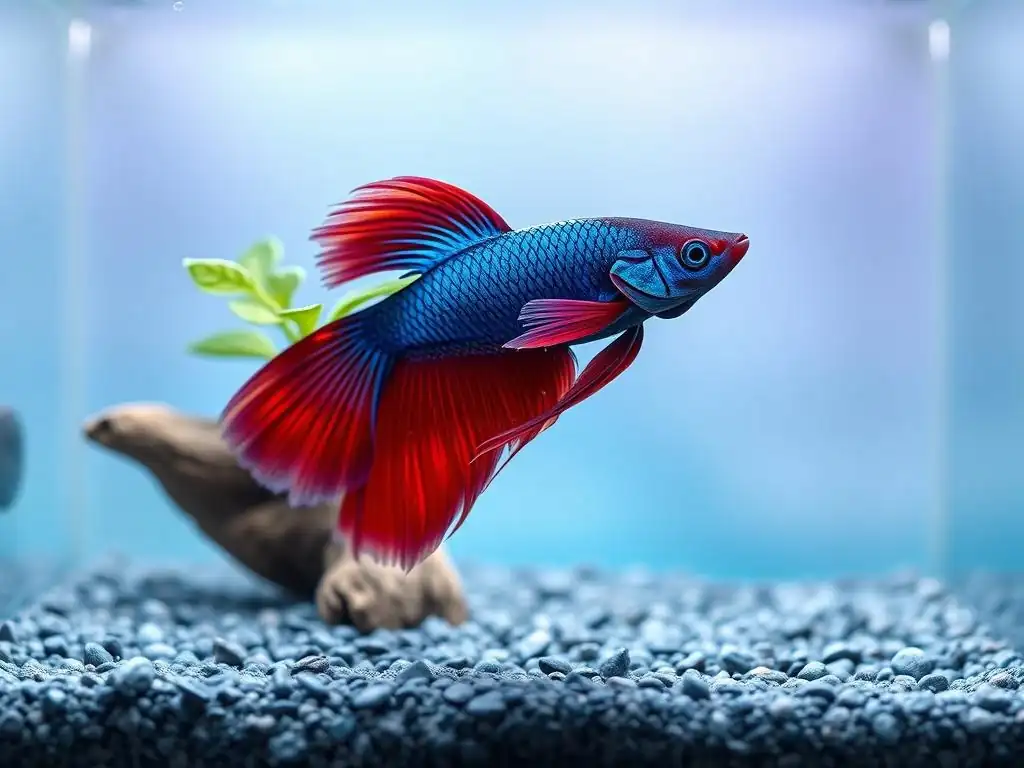
Signs of stress in Bettas include the appearance of "stress stripes" (horizontal bands on their body, usually duller in color), clamped fins held close to the body, lethargy or hiding constantly, refusal to eat, faded coloration, or frenetic "glass surfing" (repeatedly swimming up and down the tank glass). A stressed Betta is also more prone to illness. If you observe these behaviors in your Betta in a nano tank, immediately check water parameters and assess their environment for potential stressors. Addressing these issues promptly can often reverse the stress and prevent further health complications.
Enrichment Ideas for Bettas in Nano Tanks: Keeping Them Active
Despite their reputation for being solitary, Bettas are intelligent and curious fish that benefit greatly from environmental enrichment. In the limited confines of nano tanks, providing stimulation is even more important to prevent boredom, reduce stress, and encourage natural behaviors. Enrichment helps keep Bettas active and engaged with their surroundings, promoting overall well-being.
Simple changes and additions can make a significant difference. Rotating decorations periodically can introduce novelty. Adding new live plants or rearranging existing ones offers fresh exploration opportunities. Even within a small footprint, thoughtful design can create a dynamic environment for Bettas in nano tanks.
Small Tank Safe Toys and Activities for Betta Fish
While the term "toys" might seem unusual for fish, certain items and activities can provide valuable enrichment for Bettas in nano tanks. A Betta hammock, typically a silk or plastic leaf attached to the tank wall near the surface, provides a convenient resting spot where the Betta can breathe air from the surface without expending much energy. Floating Betta logs or tunnels offer secure hiding places and opportunities for surface exploration.
For active stimulation, a clean, non-toxic ping pong ball can be floated on the surface for your Betta to nudge and chase. You can also engage in target feeding or simple training using a small stick or your finger to guide them to food, which provides mental stimulation. Even simply observing your Betta's reactions to changes in their environment, like the addition of a new smooth rock or a different plant, can be a form of enrichment. The key is to provide variety and opportunities for natural behaviors within the constraints of the small tank.
Tank Mates for Bettas in Nano Tanks: A Cautious Approach
The topic of tank mates for Bettas in nano tanks is fraught with challenges and is generally discouraged. Bettas are known for their territorial and often aggressive nature, especially males. While some Bettas can be housed with certain tank mates in larger aquariums (10 gallons or more), the limited space in a nano tank significantly increases the risk of aggression, stress, and injury to both the Betta and any potential tank mates.
In a small environment, a Betta has nowhere to retreat if feeling threatened, and tank mates have nowhere to escape the Betta's aggression. This often leads to chronic stress, fin nipping, and even death. Therefore, for the vast majority of Bettas in nano tanks (especially those 5 gallons or less), the recommendation is to keep them as solitary inhabitants. If tank mates are considered at all, it should only be in a 5-gallon tank or larger, with extremely careful selection and constant monitoring.
Invertebrates as Potential Tank Mates: Snails and Shrimp
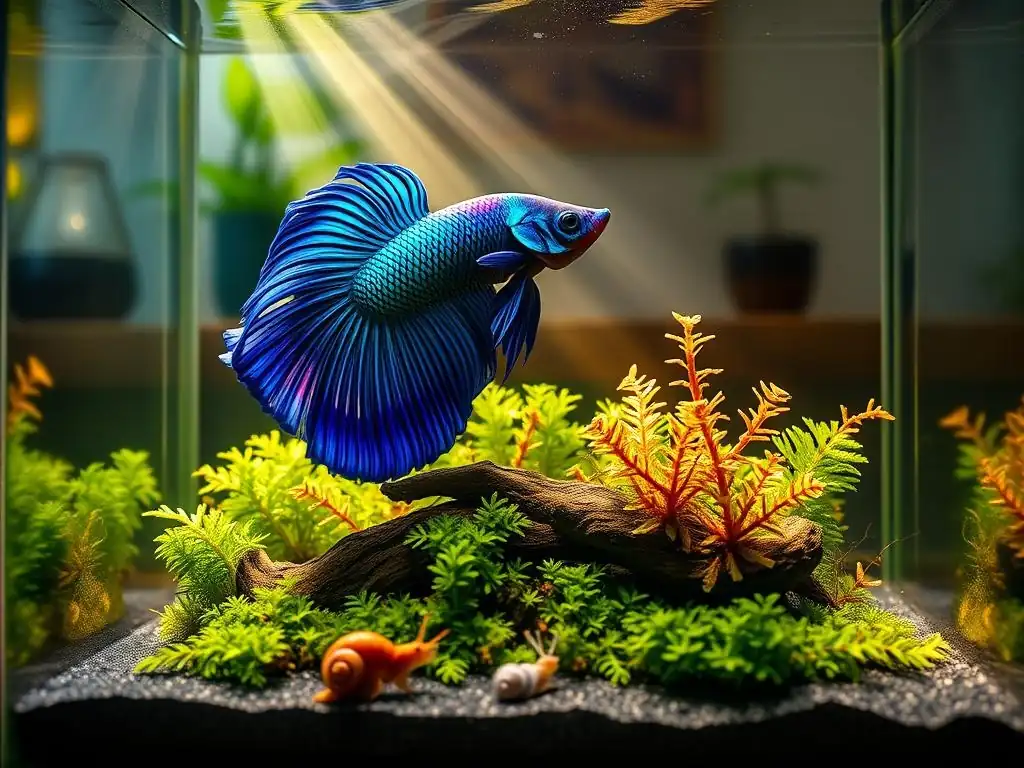
If you absolutely must have tank mates for your Betta in a nano tank (and only in a 5-gallon or larger), certain invertebrates are often the safest, though still risky, option. Snails, such as Nerite snails or Mystery snails, are popular choices because they are slow-moving, do not compete for swimming space, and can help with algae control. However, some Bettas may still nip at their antennae, causing stress or injury to the snail.
Dwarf shrimp, like Amano shrimp or certain types of Neocaridina (Cherry shrimp), are another possibility. They are excellent cleaners and can add interest to the tank. However, shrimp are small and can easily become an expensive snack for a curious or aggressive Betta. Providing ample hiding spots (moss, small caves, dense plants) is crucial for shrimp survival if housed with a Betta. Always introduce tank mates with caution, observe closely for signs of aggression, and have a backup plan (e.g., a separate tank) to rehome them if the pairing doesn't work out.
The Ethical Considerations of Keeping Bettas in Nano Tanks
The Importance of Responsible Betta Keeping
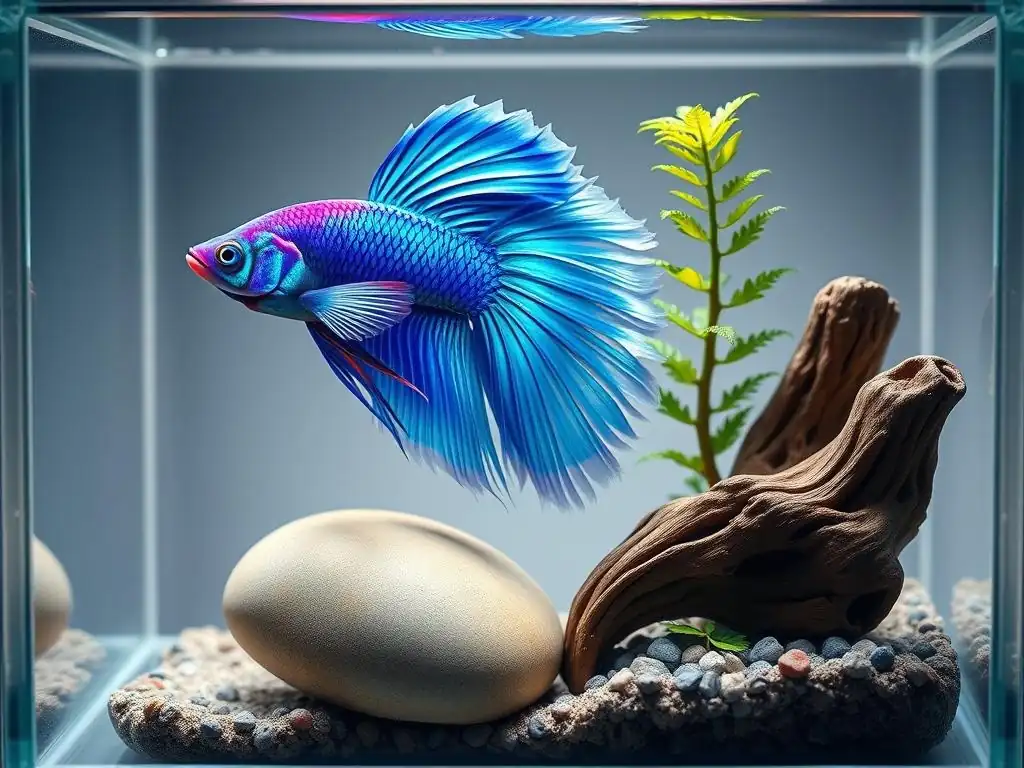
Responsible Betta keeping extends beyond simply providing food and water; it encompasses a commitment to the fish's overall well-being, acknowledging their complex needs as living creatures. Ethical Betta keeping means prioritizing their health, comfort, and longevity over convenience or aesthetic appeal. The widespread availability of Bettas in small cups has unfortunately normalized inadequate care, leading many to believe that tiny enclosures are acceptable.
However, a truly responsible aquarist understands that a Betta's ability to survive in a small, unfiltered container does not equate to thriving. Thriving involves exhibiting natural behaviors, maintaining vibrant coloration, having a strong immune system, and living a full lifespan, which can be 3-5 years or more with proper care. Choosing to keep Bettas in nano tanks, particularly those under 5 gallons, often places significant limitations on achieving this thriving state, demanding an exceptionally high level of maintenance and vigilance to compensate for the confined environment.
Alternatives to Nano Tanks: Exploring Larger Options for Betta Fish
While the focus of this article is on Bettas in nano tanks, it's crucial to highlight that larger aquariums offer a significantly superior environment for these fish. The ideal alternative to a nano tank is a 10-gallon aquarium or larger. A 10-gallon tank provides double the water volume of a 5-gallon, offering vastly improved water parameter stability due to greater dilution of waste products. This larger volume means less frequent, though still regular, water changes are needed to maintain healthy conditions.
Furthermore, a 10-gallon tank offers ample swimming space for a Betta to explore, allows for a wider variety of live plants and decorations, and can potentially accommodate a very limited selection of peaceful tank mates (though still with caution). The increased stability and space directly contribute to a less stressful environment for the Betta, promoting stronger immunity, more active behavior, and a longer, healthier life. For those considering Bettas in nano tanks, exploring these larger, more forgiving options is always the most ethical and beneficial choice for the fish.
Addressing Common Misconceptions About Betta Care in Small Tanks
Several persistent misconceptions contribute to the prevalence of Bettas being housed in unsuitable small tanks. One of the most pervasive myths is that "Bettas prefer small spaces" because they are labyrinth fish and can breathe air. While their labyrinth organ allows them to survive in oxygen-deprived conditions, it does not mean they prefer or thrive in cramped, stagnant water. Their natural habitats, though shallow, are expansive and interconnected, allowing movement and escape from poor conditions.
Another common misconception is that Bettas don't need heaters or filters. This is entirely false. As tropical fish, Bettas require stable water temperatures between 78-82°F (25.5-27.8°C), which heaters provide. Filters are essential for removing waste and providing beneficial bacteria for the nitrogen cycle, keeping the water clean and safe. Ignoring these basic needs, especially in the already challenging environment of Bettas in nano tanks, leads to chronic stress, disease, and a dramatically shortened lifespan, reinforcing the importance of accurate information in responsible fish keeping.
Troubleshooting Common Nano Tank Problems for Bettas
Algae Blooms in Small Betta Tanks: Causes and Solutions
Algae blooms are a common and frustrating problem in aquariums, and they can be particularly prevalent in small Betta nano tanks due to the delicate balance of their miniature ecosystems. The primary causes of excessive algae growth are an imbalance of light and nutrients. Too much light exposure, either from leaving the tank light on for too long (e.g., more than 8 hours a day) or from direct sunlight hitting the tank, provides the energy source for algae to proliferate.
Excess nutrients, primarily nitrates and phosphates, also fuel algae growth. These accumulate from overfeeding, decaying uneaten food, and fish waste. To combat algae in Bettas in nano tanks, first, reduce your lighting period to 6-8 hours and ensure the tank is not in direct sunlight. Second, strictly control feeding portions and remove any uneaten food promptly. Third, increase the frequency of partial water changes (e.g., 25% twice a week) to remove excess nutrients. Adding live plants can also help by outcompeting algae for nutrients, contributing to a cleaner, healthier environment.
Maintaining Stable Water Parameters in a Nano Environment
Maintaining stable water parameters is the cornerstone of a healthy aquarium, and it presents a significant challenge in nano tanks due to their limited water volume. Any small change, such as adding too much food, missing a water change, or a slight temperature fluctuation, can have a disproportionately large impact on water chemistry, causing rapid and potentially lethal shifts in ammonia, nitrite, pH, and temperature. This volatility is the primary reason why keeping Bettas in nano tanks requires such diligent care.
To achieve stability, consistency is key. Establish and strictly adhere to a regular maintenance schedule, including frequent partial water changes (as often as daily or every other day for very small tanks, or twice weekly for 5-gallon tanks). Always use a reliable, adjustable heater and a separate thermometer to ensure stable temperatures within the 78-82°F range. Avoid overstocking, even with just one Betta, and never overfeed. Regular testing with a liquid test kit allows you to catch and correct minor deviations before they become major problems, providing a stable home for Bettas in nano tanks.
Sudden Water Parameter Changes and Their Impact on Bettas
Sudden and drastic shifts in water parameters are one of the most dangerous occurrences for Bettas in nano tanks. Unlike larger tanks, where water volume provides a buffer, a sudden change in a nano tank can lead to immediate and severe stress, often resulting in illness or death. Common causes include performing too large a water change with unconditioned water, introducing water with a significantly different temperature or pH, a filter malfunction, or an unexpected power outage that affects the heater.
The impact on Bettas can be profound: osmotic shock from sudden pH or temperature swings, ammonia/nitrite poisoning if the beneficial bacteria colony is disrupted, or a weakened immune system making them highly susceptible to diseases like ich or fin rot. To prevent this, always condition new water with a dechlorinator and match its temperature to the tank water before adding. Perform smaller, more frequent water changes rather than large, infrequent ones.
If a major parameter issue is detected, address it gradually to avoid shocking the fish further. Prioritizing gradual adjustments and consistent care is vital for the survival and well-being of Bettas in nano tanks.
Frequently Asked Questions
Can a Betta fish live happily in a nano tank?
While possible, it requires careful consideration. Bettas can live in nano tanks, but only if the tank is adequately filtered, heated, and maintained with frequent water changes. A minimum of 5 gallons is generally recommended.
What are the key considerations when setting up a Betta nano tank?
Focus on providing stable water parameters. This includes maintaining appropriate temperature, pH, and ammonia levels. Also, ensure the tank is cycled before introducing your Betta.
What plants are best for a Betta nano tank?
Choose plants that are Betta-friendly and thrive in smaller spaces. Examples include Anubias nana, Java Fern, and Marimo Moss Balls. These offer hiding spots and help maintain water quality.
How often should I perform water changes in a Betta nano tank?
Due to the smaller water volume, nano tanks require more frequent water changes. Aim for 25-50% water changes weekly to maintain optimal water quality and prevent the buildup of harmful substances.
What are some common health issues to watch out for in Bettas kept in nano tanks?
Be vigilant about stress-related illnesses. Watch for signs of fin rot, ich, or lethargy. Preventative measures like regular monitoring and maintaining pristine water conditions are crucial.
Final Reflection: Miniature Worlds, Maximum Responsibility
The journey into the world of nano tanks and their suitability for bettas reveals a crucial truth: small spaces demand immense responsibility. While the allure of a compact, aesthetically pleasing aquarium is undeniable, the well-being of the betta must always remain paramount. The considerations outlined throughout this article highlight the delicate balance required to create a thriving ecosystem within such limited confines, emphasizing that responsible ownership transcends mere aesthetics.
The trend of keeping bettas in nano tanks has undoubtedly influenced the aquarium hobby, making fishkeeping more accessible to those with limited space. However, this accessibility must not come at the expense of the betta's quality of life. It's a constant reminder that even in the smallest of environments, ethical considerations and a deep understanding of the animal's needs are non-negotiable. The greatness of a nation and its moral progress can be judged by the way its animals are treated.
- Mahatma Gandhi. This quote resonates deeply when considering the care we provide to these miniature aquatic companions.
As you contemplate the possibility of housing a betta in a nano tank, I urge you to reflect on the information presented here. Are you truly prepared to dedicate the time, resources, and effort required to create a healthy and enriching environment? Embrace the challenge, educate yourself continuously, and prioritize the well-being of your betta above all else. Let your nano tank be a testament to responsible fishkeeping, a miniature world where beauty and compassion coexist in perfect harmony.
Ignite Your Betta Passion: Design Your Dream Nano Tank!
Thanks for diving into the world of betta nano tanks! We hope this article equipped you with the knowledge to create a thriving and enriching small-scale environment for your finned friend. Now, let's put that inspiration into action!
Here are a few ways to get started:
- Commit to Action: Start planning your nano tank design today! Choose a theme, sketch out a layout, and begin gathering materials.
- Delve deeper: Research compatible plants and tankmates that thrive in nano environments.
- Share the betta love: Post a photo of your dream nano tank design on social media and tag us using #AquariumMasteryNano.
Ready to bring your nano tank vision to life and share the beauty with the world?