
Dealing with Picky Eaters: Getting Your New Angelfish to Eat

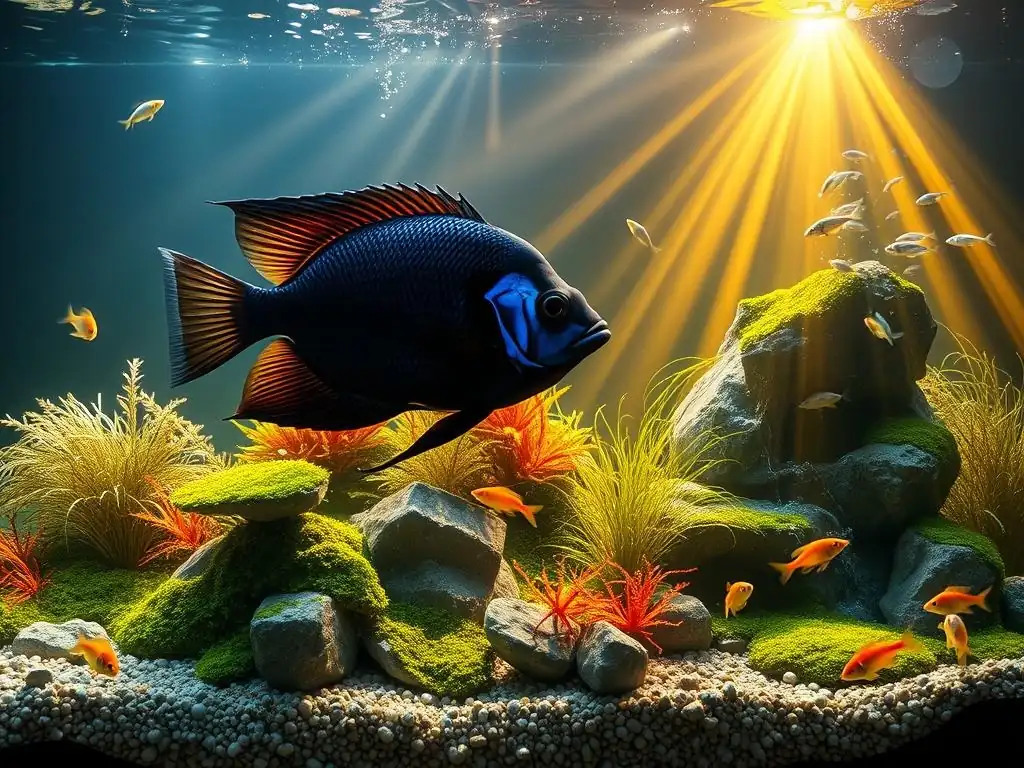
Welcome to Aquarium Mastery!
Ever felt the frustration of a beautiful Angelfish turning its nose up at dinner? You're not alone! This guide dives deep into the common reasons why your Angelfish won't eat food, especially when they're new to your saltwater aquarium. Discover practical tips and tricks to transform your picky eater into a thriving member of your underwater family. Curious to know what's really going on and how to fix it? Let's get started!
- Understanding Why Your Angelfish Refuses Food
- Identifying the Specific Cause of Angelfish Not Eating
- Strategies to Encourage Your Angelfish to Eat
- Troubleshooting Persistent Angelfish Eating Problems
- Preventing Future Feeding Issues with Angelfish
- Long-Term Angelfish Health and Diet Considerations
-
Frequently Asked Questions
- Why is my new angelfish refusing to eat?
- What are some common reasons angelfish won't eat after being introduced to a new tank?
- What types of food should I try to entice a picky angelfish to eat?
- How long should I wait before becoming seriously concerned about an angelfish not eating?
- What can I do to minimize stress and encourage my angelfish to eat in a new aquarium setup?
- Final Reflection: Cultivating Patience and Understanding
- Unveil a World of Flavor for Your Angelfish!
Understanding Why Your Angelfish Refuses Food
Common Reasons for Angelfish Food Refusal in New Aquariums
When a newly introduced angelfish won't eat food, it's often a direct response to the drastic change in its environment. The journey from its origin to your aquarium involves significant stress, including capture, transport, and acclimation to new water parameters, lighting, and tank mates. This initial shock can suppress appetite, making your new angelfish hesitant to feed for several days. Factors like unfamiliar surroundings, the presence of dominant fish, or even a different type of food than it was accustomed to in its previous home can contribute to this food refusal.
Furthermore, the specific diet offered in a new aquarium might be entirely foreign to the angelfish. For instance, if an angelfish was previously fed live brine shrimp exclusively, it might initially ignore high-quality frozen or flake foods. This dietary shift, combined with the general stress of relocation, creates a challenging period where the angelfish may simply not recognize the food as sustenance, or be too overwhelmed to attempt feeding. It's a critical period where patience and careful observation are paramount to encourage the angelfish to eat.
Stress and Acclimation: The Primary Culprit for Angelfish Appetite Loss
Stress is undeniably the leading cause when an angelfish won't eat food, especially in a new setup. The process of moving from a stable environment to a new, unfamiliar one triggers a "fight or flight" response in fish, elevating their cortisol levels. This physiological response diverts energy from non-essential functions, including digestion and appetite, towards survival mechanisms. Proper acclimation, such as drip acclimation over 30-60 minutes to slowly match water parameters, is crucial but does not entirely eliminate this initial stress.
Moreover, the novel visual and chemical cues in a new tank can overwhelm an angelfish. Bright lights, reflections, or the presence of aggressive tank mates can perpetuate a state of anxiety, further inhibiting feeding. A stressed angelfish will prioritize hiding and self-preservation over foraging, leading to prolonged periods where the angelfish refuses food. It's estimated that up to 70% of new fish arrivals exhibit some form of stress-related appetite suppression in the first 72 hours.
Recognizing Signs of Stress in Your Angelfish
Identifying stress early is key to addressing why an angelfish won't eat. Beyond simply refusing food, a stressed angelfish will often display specific behavioral and physical indicators. Common signs include clamped fins, where the fins are held close to the body rather than fanned out, and faded coloration, as the fish's natural vibrant hues dull. Rapid or labored gill movement (flaring of operculum) indicates difficulty breathing, possibly due to poor water quality or internal stress.
Other notable signs include excessive hiding, darting erratically around the tank, or constantly rubbing against rocks and substrate (flashing), which can also be indicative of parasites. A stressed angelfish might also exhibit a lack of curiosity, ignoring its surroundings or tank mates, and generally appearing lethargic. Observing these behaviors in conjunction with an angelfish not eating food provides a clearer picture of its overall well-being and guides subsequent intervention strategies.
Identifying the Specific Cause of Angelfish Not Eating
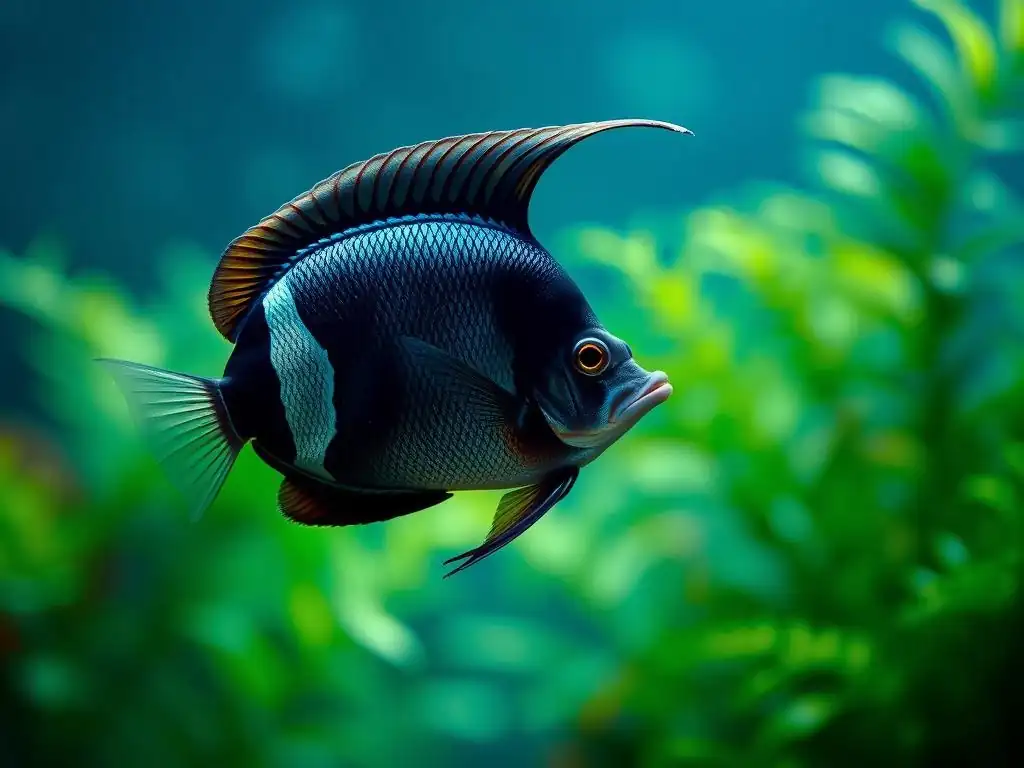
Observing Angelfish Behavior for Clues
When an angelfish won't eat food, a detailed observation of its behavior can provide invaluable clues about the underlying cause. Begin by watching how the fish swims: Is it swimming normally, or is it listless, staying at the bottom, or constantly hiding? Observe its interaction with other tank inhabitants; aggressive tank mates can intimidate a new angelfish, preventing it from approaching food during feeding times. Pay attention to its breathing rate – rapid gill movement can signal stress, poor water quality, or even disease.
Furthermore, notice if the angelfish exhibits any interest in food at all. Does it approach the food and then turn away, or does it completely ignore it? Sometimes, an angelfish might pick at the live rock or substrate, indicating a grazing behavior, but still refuse prepared foods. This suggests it might be accustomed to a specific type of diet, such as algae or micro-invertebrates. For instance, a dwarf angelfish might spend hours grazing on biofilm and algae, yet completely ignore a flake food offering.
Ruling Out Disease as a Reason for Angelfish Appetite Loss
While stress and acclimation are primary culprits, disease must always be considered when an angelfish won't eat. Many common marine fish diseases manifest with a loss of appetite as one of the initial symptoms. For example, external parasites like Marine Ich (Cryptocaryon irritans) or Marine Velvet (Amyloodinium ocellatum) can cause severe irritation, leading to lethargy and food refusal. Look for white spots, cloudy eyes, excessive mucus production, or labored breathing.
Internal parasites or bacterial infections can also cause an angelfish appetite loss. Symptoms might include a sunken belly, stringy white feces, bloating, or unusual growths. If your angelfish has been in the tank for more than a few days and shows no signs of improvement in feeding, or if other symptoms appear, it’s crucial to consider disease. A fish infected with Marine Velvet, for instance, can stop eating entirely within 24-48 hours of visible symptoms due to gill damage and severe irritation.
Water Quality Issues Affecting Angelfish Feeding Habits
Suboptimal water quality is a significant stressor that can cause an angelfish not eating. Marine angelfish thrive in stable, pristine conditions. Key parameters that must be consistently maintained include salinity (1.023-1.025 specific gravity), temperature (75-82°F or 24-28°C), pH (8.1-8.4), and zero levels of ammonia and nitrite. Even slight fluctuations or elevated levels of toxins can severely impact a fish's health and appetite.
For example, an ammonia spike from 0 to 0.25 ppm, while seemingly small, can cause gill irritation and internal stress, leading to an immediate refusal of food. Similarly, high nitrate levels (above 20 ppm) over time can contribute to chronic stress and a general decline in health, making your angelfish more susceptible to disease and less inclined to eat. Regular testing using reliable test kits is essential to rule out water quality as the reason your angelfish won't eat.
Strategies to Encourage Your Angelfish to Eat
Optimizing Tank Environment for Angelfish Feeding
Maintaining Ideal Water Parameters for Angelfish Health and Appetite
Maintaining stable and ideal water parameters is foundational for encouraging an angelfish to eat and thrive. For saltwater angelfish, consistently holding salinity between 1.023 and 1.025, temperature between 75-82°F (24-28°C), and pH within 8.1-8.4 is critical. Ammonia and nitrite must always be undetectable (0 ppm), and nitrates should be kept below 20 ppm, ideally below 10 ppm. Regular water changes, typically 10-20% bi-weekly, are essential to replenish trace elements and remove accumulated nitrates and other pollutants.
Beyond the basic parameters, ensuring proper oxygenation and water movement is also vital. A well-oxygenated environment reduces stress and supports healthy metabolic functions, including digestion. Consistent monitoring of these parameters using reliable test kits, along with timely adjustments, creates a stable and comfortable habitat where an angelfish feels secure enough to begin feeding. A sudden drop in pH by just 0.2 units, for instance, can cause immediate stress and appetite suppression.
Minimizing Stressors in the Angelfish Aquarium
Minimizing stressors in the aquarium is paramount to encouraging a new angelfish to eat. Upon introduction, keep tank lights off or dim for the first few hours, or even a full day, to allow the angelfish to acclimate without additional visual shock. Provide ample hiding places and rockwork structures where the angelfish can retreat and feel secure. This sense of security significantly reduces anxiety and encourages more natural behavior, including foraging.
Carefully consider tank mates; aggressive or overly boisterous species can intimidate a new angelfish, making it hesitant to come out and feed. If possible, introduce the angelfish to a peaceful community first. Avoid sudden movements or loud noises around the aquarium, which can startle the fish. By creating a calm and predictable environment, you reduce the overall stress load, making it far more likely that an angelfish that won't eat will start to show interest in food.
Offering a Variety of Foods to Entice Angelfish
Live Foods for Triggering Angelfish Feeding Response
For a picky angelfish that won't eat, live foods can often act as a powerful appetite stimulant due to their natural movement and palatability. Live brine shrimp, while not highly nutritious on their own, are excellent for triggering a feeding response in reluctant fish. The erratic swimming motion of the brine shrimp often mimics natural prey, prompting an instinctive chase and capture. Live blackworms are another highly effective option, being irresistible to many marine fish, including stubborn angelfish.
While live foods shouldn't be the sole diet, they can be invaluable for initiating feeding in a stressed or newly acquired angelfish. Once the angelfish begins to accept live foods, you can gradually transition it to more nutritious frozen or prepared options. For example, a 2-inch juvenile angelfish might consume 10-15 live brine shrimp in a single feeding session, demonstrating its initial interest in actively hunting for food.
Frozen Foods as a Nutritious Alternative for Angelfish
Frozen foods offer a highly nutritious and widely accepted alternative for angelfish, once they are willing to eat. Options like frozen Mysis shrimp, enriched brine shrimp, krill, and various marine blends are excellent choices. Mysis shrimp, in particular, are highly recommended due to their high protein content (often around 60%) and digestibility, making them a staple for many marine fish. Always thaw frozen foods thoroughly in a small amount of tank water before feeding to prevent digestive issues and nutrient leaching.
Many angelfish species, including popular dwarf angels like the Flame Angelfish, readily accept frozen Mysis shrimp once acclimated. You can also find frozen preparations that include spirulina, marine algae, or garlic extract, which can further entice picky eaters and provide essential nutrients. Offering a variety of frozen foods ensures a balanced diet and caters to different dietary preferences your angelfish might have.
High-Quality Flake and Pellet Foods for Angelfish Diets
While often less enticing than live or frozen options for a new angelfish that won't eat, high-quality flake and pellet foods are crucial for a balanced, long-term diet. Look for marine-specific formulations that contain a good balance of protein, fats, and essential vitamins, often fortified with spirulina or marine algae for herbivorous components. Brands that include garlic extract can also be particularly appealing to picky eaters.
Introduce flake and pellet foods gradually, perhaps by crushing them finely initially or mixing them with a small amount of frozen food. Some angelfish, especially larger species, may initially ignore flakes due to their size and lack of movement, preferring larger, more substantial morsels. However, with patience and consistency, most angelfish can be trained to accept these convenient and nutritionally complete foods as a significant part of their diet.
Introducing Food in a Way That Appeals to Angelfish
Small, Frequent Feedings for Picky Angelfish
When dealing with an angelfish that won't eat, adopting a strategy of small, frequent feedings can be far more effective than offering large quantities infrequently. This approach mimics the natural grazing behavior of many angelfish in the wild, who constantly pick at micro-organisms and algae throughout the day. By offering tiny amounts of food 2-3 times per day, you reduce the likelihood of uneaten food fouling the water, while giving the angelfish more opportunities to discover and accept the offering without being overwhelmed.
This method also reduces competition with other tank mates, as smaller portions are less likely to be completely devoured by faster eaters before the shy angelfish gets a chance. For a newly acquired angelfish, offering a pinch of food every few hours can slowly build its confidence and encourage it to associate your presence with a positive feeding experience.
Using Feeding Sticks or Targeted Feeding Methods
For particularly shy or stressed angelfish, or when competition for food is high, using targeted feeding methods can be highly beneficial. A long feeding stick or a turkey baster allows you to deliver food directly to the angelfish, especially if it's hiding in a specific rock crevice. This reduces intimidation from other fish and ensures the food reaches the intended recipient, rather than being swept away by currents or consumed by more aggressive tank mates.
This direct approach can also help in observing the angelfish's reaction to the food more closely. For instance, if you use a turkey baster to squirt a small amount of frozen Mysis shrimp near its hiding spot, you can see if it shows any interest, even if it doesn't immediately consume it. This method is particularly useful for new angelfish that won't eat due to shyness, allowing them to feed in a less exposed position.
Ensuring Adequate Space and Hiding Places for Angelfish
The social dynamics within an aquarium can significantly impact whether an angelfish won't eat. Angelfish, especially when new or smaller, can be intimidated by larger or more aggressive tank mates. Providing ample space and numerous hiding places, such as caves, overhangs, and dense rockwork, is crucial. These retreats offer a sense of security, allowing the angelfish to feel safe enough to venture out and feed.
A well-structured aquarium, with plenty of visual breaks and territories, reduces aggression and stress among inhabitants. For example, a 75-gallon tank might adequately support a single medium-sized angelfish or a pair of smaller dwarf angelfish, provided there's enough rockwork to establish individual territories. When an angelfish feels secure in its environment, it is far more likely to exhibit natural feeding behaviors.
Observing Tank Mates and Their Impact on Angelfish Feeding
Careful observation of tank mates during feeding times is essential. Fast-eating or overly aggressive species can quickly consume all the food before a shy or slow-feeding angelfish gets a chance. For instance, a single clownfish can sometimes outcompete a shy angelfish for food, especially if it's new to the tank. If you notice this competition, consider feeding the more aggressive fish on one side of the tank and then offering food to the angelfish on the opposite side, or even in a temporary feeding box if necessary.
In some cases, a particularly dominant tank mate might be constantly harassing the angelfish, preventing it from ever feeling safe enough to feed. If this is the case, temporary removal of the aggressive fish to a separate tank, or rearranging the rockwork to break up territories, might be necessary to alleviate the stress on the angelfish and encourage it to eat.
Troubleshooting Persistent Angelfish Eating Problems
When to Seek Expert Advice for a Refusing Angelfish
If your angelfish won't eat for more than 3-5 days, especially if it's a new fish, and you've already addressed common stressors and water quality issues, it's time to seek expert advice. Prolonged food refusal can lead to rapid emaciation and a severe decline in health. Consult a specialized aquatic veterinarian or an experienced local fish store (LFS) professional who has expertise in marine fish diseases and care. They can help diagnose potential underlying health issues or provide guidance on advanced feeding strategies.
Do not delay in seeking help if you observe worsening symptoms such as severe lethargy, rapid breathing, visible lesions, or extreme hiding. Early intervention is crucial for increasing the chances of recovery. A professional might suggest specific medications, specialized diets, or even advanced diagnostic tests to determine why your angelfish continues to refuse food.
Step-by-Step Plan When Angelfish Won't Eat
When an angelfish won't eat, follow a systematic troubleshooting plan:
- Re-check Water Parameters: Perform thorough tests for salinity, temperature, pH, ammonia, nitrite, and nitrate. Ensure all are within ideal ranges and stable. Even minor fluctuations can deter feeding.
- Observe for Disease: Carefully inspect the angelfish for any signs of illness, such as white spots, cloudy eyes, clamped fins, labored breathing, or unusual growths. If symptoms are present, consider a hospital tank for treatment.
- Offer Variety of Foods: Systematically try different food types: start with live blackworms or enriched brine shrimp, then move to high-quality frozen Mysis shrimp, krill, and finally, marine-specific flakes or pellets. Try soaking foods in garlic extract or a vitamin supplement like Selcon.
- Minimize Stress: Dim the lights, ensure ample hiding places, and observe tank mate interactions. Temporarily reduce tank activity and noise.
- Targeted Feeding: Use a feeding stick or turkey baster to deliver food directly to the angelfish's hiding spot, reducing competition and allowing it to feed in peace.
- Document Observations: Keep a log of what foods were offered, when, and the angelfish's reaction. Note any changes in behavior or physical condition. This documentation will be invaluable if you need to seek expert advice.
Trying Live Blackworms for Picky Angelfish
Live blackworms are often considered a "magic bullet" for stimulating the appetite of a picky angelfish that won't eat. Their constant movement and appealing scent make them highly attractive to most fish, often triggering an immediate feeding response even in the most stubborn individuals. While not a complete diet, they are excellent for breaking a hunger strike and getting a fish to associate food with a positive experience.
Many fish, including a new angelfish that has refused all other foods for days, will often respond to live blackworms within minutes of their introduction. You can place a small portion directly into the water column or use a feeding stick to offer them near the angelfish's hiding spot. Once the angelfish starts consistently eating blackworms, you can gradually begin to mix them with small amounts of other frozen or prepared foods to transition them to a more balanced diet.
Preventing Future Feeding Issues with Angelfish
Quarantine Procedures for New Angelfish to Minimize Stress
Implementing a strict quarantine procedure for all new angelfish is one of the most effective ways to prevent future feeding issues and ensure long-term health. A separate quarantine tank (QT), ideally at least 20 gallons for a medium-sized angelfish, allows you to observe the fish for signs of stress or disease in isolation. This period, typically 4-6 weeks, gives the angelfish time to acclimate to captivity without the added stress of dominant tank mates or fluctuating main tank parameters.
During quarantine, you can gradually introduce different types of food, ensuring the angelfish is eating well before it joins the main display. This also allows for any necessary disease treatments without risking the health of existing inhabitants. A well-executed quarantine significantly reduces the chances that a newly introduced angelfish won't eat when it finally enters the display tank.
Gradual Acclimation to the Aquarium Environment
Beyond quarantine, the method of introducing a new angelfish to its permanent home plays a crucial role in preventing future feeding problems. Drip acclimation is highly recommended, slowly matching the new tank's water parameters to those of the transport water over at least 30-60 minutes. Once in the tank, keep the aquarium lights off for several hours, or even the entire first day, to minimize visual stress and allow the angelfish to explore its new surroundings without feeling exposed.
Introduce tank mates gradually if possible, or ensure existing inhabitants are not overly aggressive. By providing a calm, dark, and secure environment during the initial transition, you significantly reduce the stress levels that often lead to an angelfish not eating. This smooth, low-stress transition fosters confidence and encourages the angelfish to adapt more quickly to its new home and feeding routine.
Consistent Water Quality Maintenance for a Healthy Angelfish
Consistent and meticulous water quality maintenance is fundamental for preventing future feeding issues and ensuring the long-term health of your angelfish. Regular testing of salinity, temperature, pH, ammonia, nitrite, and nitrate levels should be a routine part of your aquarium care. Performing weekly 10% water changes or bi-weekly 20% changes helps to remove accumulated toxins, replenish essential trace elements, and maintain overall stability.
Proper filtration, including mechanical, chemical (like activated carbon), and biological filtration, along with adequate protein skimming, is vital for keeping the water pristine. A stable and healthy environment directly translates to a less stressed angelfish that is more likely to maintain a robust appetite and exhibit natural behaviors. Neglecting water quality is a common cause of chronic stress, which can lead to an angelfish won't eat problem even in established tanks.
Long-Term Angelfish Health and Diet Considerations
Ensuring a Balanced Diet for Optimal Angelfish Health
For the long-term health and vitality of your angelfish, a balanced and varied diet is absolutely essential. Most marine angelfish are omnivores, requiring a mix of meaty and plant-based foods. Their diet should ideally include high-quality frozen foods such as Mysis shrimp, krill, and various marine blends, alongside nutrient-rich flakes and pellets that contain spirulina or marine algae. Providing a variety of foods prevents nutritional deficiencies and keeps the angelfish engaged in feeding.
Aim for protein content in their primary foods between 40-50%, supplemented with essential fatty acids and vitamins. Occasional offerings of live foods, like enriched brine shrimp or blackworms, can provide additional stimulation and enrichment. A diverse diet not only ensures optimal health but also helps prevent an angelfish won't eat issue from developing due to dietary boredom or specific nutrient deficiencies.
Recognizing and Addressing Potential Nutrient Deficiencies
Despite offering a varied diet, it's important to recognize and address potential nutrient deficiencies that can arise over time. Symptoms of nutritional deficiencies can include faded coloration, fin erosion, skeletal deformities (e.g., bent spines), lethargy, and poor growth. For example, a Vitamin A deficiency might manifest as eye problems, while a Vitamin C deficiency can lead to skeletal deformities and immune suppression.
If you suspect a deficiency, enhance the diet by soaking foods in liquid vitamin supplements specifically formulated for marine fish, such as Selcon or garlic-infused products. Ensuring the diet includes foods rich in spirulina or marine algae is crucial for angelfish, as many species graze on algae in the wild. Addressing these deficiencies promptly can reverse symptoms and improve overall health, preventing an angelfish won't eat scenario from becoming a chronic problem.
Monitoring Angelfish Weight and Body Condition
Regularly monitoring your angelfish's weight and overall body condition is a simple yet effective way to assess its long-term health and dietary adequacy. A healthy angelfish should have a full, rounded belly after feeding, not appearing bloated, but certainly not sunken. Observe the area behind the head and along the lateral line; a "pinched" or concave appearance in these areas often indicates emaciation, suggesting the angelfish is not getting enough food or is suffering from an internal issue.
Consistent observation during feeding times allows you to track its appetite and ensure it's actively consuming enough food. If you notice a gradual loss of weight or a decline in body condition despite offering food, it's a strong indicator that something is amiss, even if the angelfish is still eating. Early detection of weight loss allows for prompt intervention, preventing the angelfish won't eat issue from escalating into a severe health crisis.
Frequently Asked Questions
Why is my new angelfish refusing to eat?
New angelfish often experience stress from transportation and acclimatization. This stress can lead to a temporary loss of appetite. Ensure your water parameters are stable and provide a quiet environment.
What are some common reasons angelfish won't eat after being introduced to a new tank?
Besides stress, poor water quality is a major culprit. Additionally, the angelfish may be competing for food with more aggressive tankmates.
What types of food should I try to entice a picky angelfish to eat?
Offer a variety of foods, including live or frozen foods like bloodworms or brine shrimp. These are often irresistible to even the pickiest eaters and can help stimulate their appetite.
How long should I wait before becoming seriously concerned about an angelfish not eating?
Monitor your angelfish closely for 2-3 days. If they still refuse food after this period, and show other signs of illness, it's time to investigate potential underlying health issues or water quality problems.
What can I do to minimize stress and encourage my angelfish to eat in a new aquarium setup?
Dim the lights, provide plenty of hiding places with plants or decorations, and avoid sudden changes in the water parameters. Consider a quarantine period to observe the fish before introducing it to the main tank.
Okay, here's a final reflection you can use to close your article, tailored to the topic of picky Angelfish eaters and designed to rank for "Angelfish won't eat food," while following your specified structure:
Final Reflection: Cultivating Patience and Understanding
The journey of keeping Angelfish, as we've explored, often presents unexpected challenges, and none are perhaps as concerning as when your Angelfish refuses to eat. This isn't just about providing food; it's about understanding the delicate balance of their environment, their individual preferences, and the subtle cues they give us. Recognizing and addressing this issue is crucial for their health and well-being, and ultimately, for the joy we derive from keeping these magnificent creatures.
The struggle with picky eaters in the aquarium world mirrors a broader lesson about patience and observation. It reminds us that every living being has unique needs and that understanding those needs requires dedication and empathy. The best aquarium keepers are not just those who follow rules, but those who observe, adapt, and truly understand the needs of their fish.
This holds especially true for Angelfish, whose sensitivity demands a thoughtful and responsive approach.
Now, as you continue your journey with your Angelfish, remember the insights shared here. Observe their behavior, experiment with different foods, and maintain a stable and enriching environment. Let this experience be a reminder that the most rewarding aspects of fishkeeping come not just from the beauty of the fish themselves, but from the deeper connection we forge through understanding and caring for their unique needs. Embrace the challenge, and you'll be rewarded with the vibrant health and captivating presence of your Angelfish for years to come.
Unveil a World of Flavor for Your Angelfish!
Thanks for diving into the world of angelfish feeding! We hope you've gained some valuable insights into tackling picky eating habits and setting your new fish up for success. Now, let's get those angelfish munching!
Here are a few things you can do right now to turn your finicky friend into a thriving eater:
- Prioritize live food: Offer a small portion of live food, such as daphnia or brine shrimp, as their first meal each day. This can be a game-changer in stimulating their appetite.
- Experiment with flavors: Try soaking their regular food in garlic extract. Many fish find this irresistible!
- Share your experiences: Post a picture of your angelfish's feeding habits on social media and tag Aquarium Mastery, or join our fishkeeper forum and share tips.
What's the most surprising thing you're willing to try to entice your angelfish to eat today?