
Cardinalfish Diet Demystified: What to Feed Your Spotted Beauties

Welcome to Aquarium Mastery!
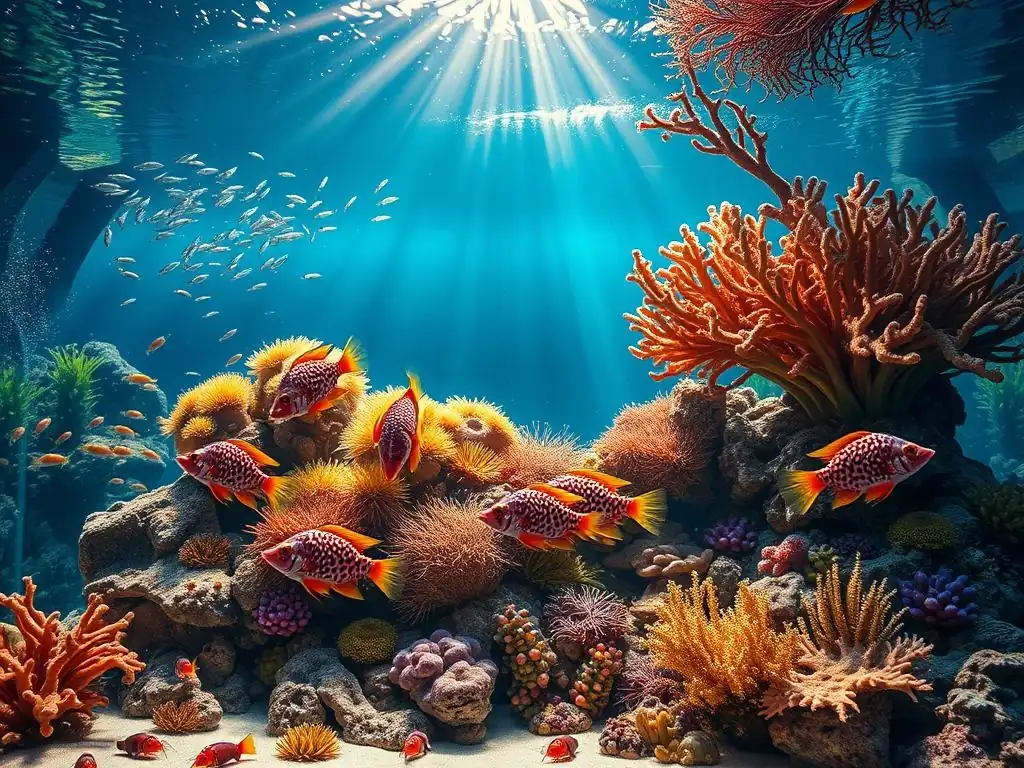
Ever wondered if you're truly meeting the Spotted Cardinalfish diet requirements? These shimmering beauties need more than just any flake food. Dive into our comprehensive guide to unlock the secrets of a thriving aquarium and discover the perfect feeding regimen for your spotted cardinalfish. Get ready to transform your tank into a paradise!
- Cardinalfish Diet: Ensuring Health and Vitality
- Understanding Cardinalfish Dietary Needs
- Cardinalfish Diet Requirements in the Aquarium
- Best Foods for Cardinalfish: A Comprehensive Guide
- Feeding Schedule and Techniques for Cardinalfish
- Special Considerations for Cardinalfish Feeding
- Creating a Varied and Nutritious Diet for Thriving Cardinalfish
- Maintaining Optimal Water Quality for Healthy Feeding Habits
- Conclusion: Ensuring a Healthy Diet for Your Cardinalfish
-
Frequently Asked Questions
- What are the basic dietary requirements of Spotted Cardinalfish?
- How often should I feed my Spotted Cardinalfish?
- What types of live foods are best for Spotted Cardinalfish?
- Can I feed my Spotted Cardinalfish flake food or pellets?
- What are the signs that my Spotted Cardinalfish is not getting enough food?
- Final Reflection: Nurturing the Reef's Tiny Treasures
- Unleash the Vibrant Health of Your Cardinalfish!
Cardinalfish Diet: Ensuring Health and Vitality
Understanding Cardinalfish Dietary Needs
The Importance of a Balanced Diet for Cardinalfish Health
Providing a balanced and appropriate diet is paramount for the long-term health and vitality of cardinalfish in a home aquarium. Without proper nutrition, these beautiful fish can suffer from a range of issues, including stunted growth, faded coloration, weakened immune systems, and increased susceptibility to common marine diseases like marine ich or bacterial infections. A diet deficient in essential nutrients can also lead to lethargy and a noticeable decline in their natural schooling behaviors.
Meeting the specific Spotted cardinalfish diet requirements is fundamental to their well-being. A diet rich in high-quality proteins, essential fatty acids, and a comprehensive array of vitamins and minerals ensures robust muscle development, vibrant pigmentation, and a strong defense against pathogens. For instance, a well-fed cardinalfish will display its characteristic bright colors and remain active, darting gracefully through the water, indicative of optimal health and a thriving environment.
Natural Diet of Cardinalfish in the Wild
In their natural habitats, cardinalfish are predominantly planktivores, meaning their diet primarily consists of zooplankton and small invertebrates found drifting in the water column. They are often observed schooling near coral reefs, rocky outcrops, or even in open water, diligently sifting through the water for microscopic prey. This natural feeding behavior involves consuming a diverse range of organisms depending on their specific species and geographical location.
Common components of their wild diet include various types of copepods, amphipods, small shrimp larvae, and other larval invertebrates. Some species may also opportunistically feed on small worms or detritus. Understanding these natural Spotted cardinalfish diet requirements is crucial for aquarists, as it guides the selection of aquarium foods that closely mimic their wild nutritional intake, thereby promoting natural behaviors and optimal health in captivity.
Cardinalfish Diet Requirements in the Aquarium
Key Nutrients for Cardinalfish: A Complete Overview
For cardinalfish to thrive in an aquarium, their diet must provide a complete spectrum of key nutrients. The primary macronutrients include proteins, fats, and carbohydrates. Proteins are vital for growth, tissue repair, and enzyme production, forming the backbone of their dietary needs. Fats serve as concentrated energy sources and are crucial for vitamin absorption, while carbohydrates provide a lesser but still important energy contribution.
Beyond macronutrients, essential fatty acids such as Omega-3s (DHA and EPA) are critical for neurological development, immune function, and overall cellular health. Vitamins (e.g., A, C, D, E) and minerals (e.g., calcium, phosphorus, iodine) act as cofactors for numerous metabolic processes, supporting everything from bone structure to disease resistance. A comprehensive understanding of these Spotted cardinalfish diet requirements ensures a holistic approach to their nutritional care.
Protein Requirements for Optimal Growth and Coloration
As carnivorous or planktivorous fish, cardinalfish have significant protein requirements for optimal growth and to maintain their striking coloration. High-quality protein sources are indispensable for developing strong muscle mass and supporting the regeneration of fins and scales. For many cardinalfish species, a diet with a crude protein content ranging from 40% to 55% in prepared foods is generally recommended to meet these needs effectively.
Adequate protein intake directly influences the vibrancy of their colors, such as the deep reds of the Banggai cardinalfish or the distinct spots of the pajama cardinalfish. Without sufficient protein, colors can fade, and growth can be stunted, leading to a dull appearance and reduced vitality. Therefore, prioritizing protein-rich foods is a cornerstone of meeting the Spotted cardinalfish diet requirements for robust health and aesthetic appeal.
Essential Vitamins and Minerals for a Healthy Immune System
Beyond macronutrients, a wide array of essential vitamins and minerals are critical for bolstering the cardinalfish's immune system and ensuring their overall well-being. Vitamin A is vital for vision and immune function, while Vitamin C acts as a powerful antioxidant and plays a role in stress reduction and disease resistance. Vitamin D is essential for calcium absorption and bone health, and Vitamin E protects cells from oxidative damage.
Key minerals like calcium and phosphorus are fundamental for skeletal development and proper metabolic functions. Iodine supports thyroid health, which impacts growth and metabolism. These micronutrients work synergistically to enhance disease resistance, improve tissue repair, and support various physiological processes, making their inclusion vital in fulfilling the complete Spotted cardinalfish diet requirements. Deficiencies can lead to specific health issues, such as poor bone density or reduced disease resistance.
Best Foods for Cardinalfish: A Comprehensive Guide
Live Foods: Stimulating Natural Hunting Behavior
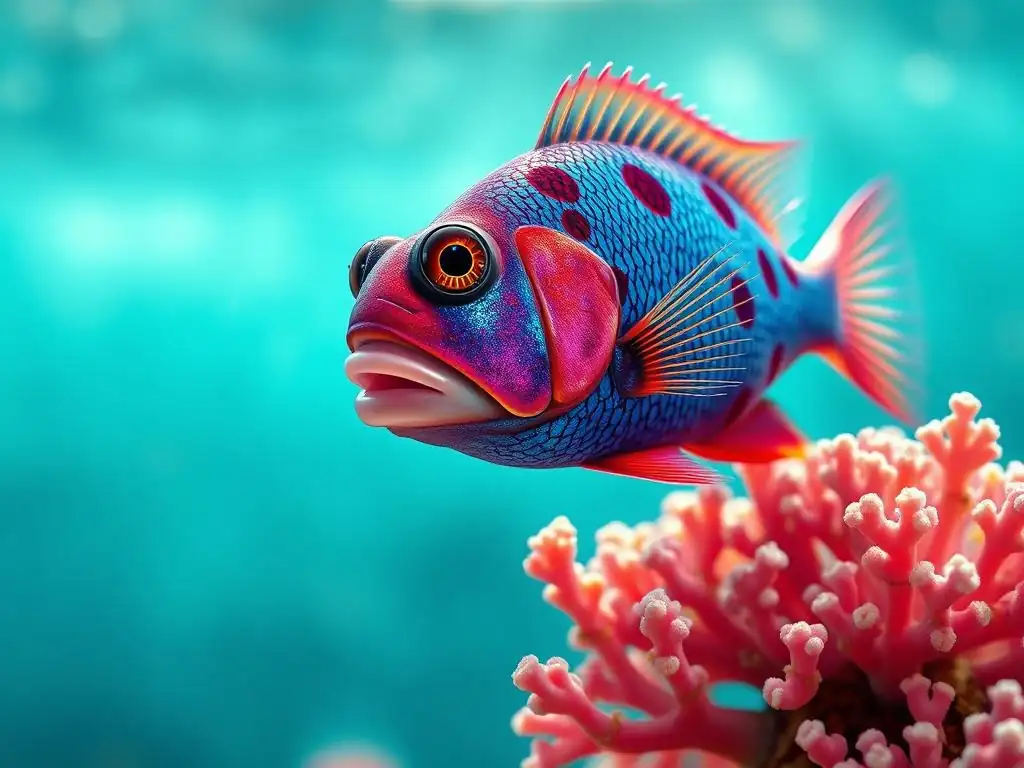
Live foods offer an unparalleled way to stimulate the natural hunting instincts of cardinalfish, providing both nutritional benefits and mental enrichment. Their movement often triggers a stronger feeding response compared to inert foods, making them especially useful for finicky eaters or newly introduced specimens. However, sourcing live foods carefully is crucial to avoid introducing pathogens into the aquarium environment.
Brine Shrimp: A Versatile Live Food Option
Brine shrimp (Artemia salina) are one of the most widely used live foods in the aquarium hobby due to their ease of culture and high acceptance by a wide variety of fish. While adult brine shrimp are relatively low in nutritional value on their own, especially in terms of essential fatty acids, they can be significantly enhanced through a process called "gut-loading."
This involves feeding them a nutrient-rich diet, such as spirulina, marine algae, or specialized liquid supplements, for several hours before feeding them to your cardinalfish. This method effectively transfers vital nutrients to your fish, making brine shrimp a versatile and beneficial component of Spotted cardinalfish diet requirements.
Copepods: Nutrient-Rich Microfauna
Copepods are tiny crustaceans that are an extremely important and natural food source for cardinalfish, particularly for smaller species and juveniles. They are highly nutritious, rich in essential fatty acids, and contribute to a healthy microfauna population within a reef aquarium. Specific types like Tisbe, Tigriopus, and Apocyclops are commonly cultured or purchased live for aquariums.
Introducing live copepods regularly not only provides excellent nutrition but also encourages natural foraging behavior, as cardinalfish will actively hunt these microscopic organisms. They are especially beneficial in reef tanks where they can reproduce and establish a continuous food source, making them an ideal component in meeting the comprehensive Spotted cardinalfish diet requirements for thriving reef inhabitants.
Rotifers: Ideal First Food for Fry
Rotifers are microscopic aquatic invertebrates, even smaller than newly hatched brine shrimp, making them an ideal first food for very small cardinalfish fry or species with exceptionally tiny mouths. Their small size and high digestibility are crucial for the delicate digestive systems of larval fish, which often cannot process larger food particles.
For aquarists engaged in cardinalfish breeding projects, culturing rotifers is often a necessary step to ensure the survival and healthy development of the fry. While not a primary food source for adult cardinalfish, their role in early life stages is indispensable, highlighting a specific aspect of Spotted cardinalfish diet requirements during reproduction.
Frozen Foods: Convenient and Nutritious
Frozen foods offer a convenient and safe alternative to live foods, providing excellent nutrition without the risk of introducing parasites or diseases, as the freezing process typically kills most pathogens. They are widely available and come in a vast array of types, allowing aquarists to easily provide a varied diet. It is best practice to thaw frozen foods in a small amount of tank water or RO water before feeding, rather than adding the frozen cube directly to the tank.
Frozen Mysis Shrimp: An Excellent Protein Source
Frozen mysis shrimp are a highly palatable and nutritious staple food for many marine fish, including cardinalfish. They are an excellent source of high-quality protein and contain beneficial fatty acids, making them a cornerstone of many Spotted cardinalfish diet requirements. Their relatively small size and soft texture make them easy for most cardinalfish to consume.
Many aquarists report that even finicky cardinalfish readily accept frozen mysis shrimp, often becoming a preferred food. Regularly incorporating mysis shrimp into the feeding regimen contributes significantly to overall growth, health, and vibrant coloration.
Frozen Cyclops: Small and Highly Palatable
Frozen cyclops are another excellent choice, particularly for smaller cardinalfish species or those with more delicate mouths. These tiny crustaceans are highly palatable and provide a good nutritional profile, including beneficial lipids. Their minute size allows even the shyest or smallest cardinalfish to consume them without difficulty, ensuring all tank inhabitants receive adequate nutrition.
Frozen cyclops can be a great way to introduce variety and ensure that every fish, regardless of its size or feeding preference, is able to satisfy its Spotted cardinalfish diet requirements. They are also an excellent option for broadcasting throughout the tank, encouraging natural schooling behaviors as the fish dart to catch the tiny particles.
Frozen Krill: Enhancing Coloration
Frozen krill, while typically larger than mysis or cyclops, can be an excellent occasional treat or supplementary food for cardinalfish, especially those with red, orange, or yellow hues. Krill are naturally rich in carotenoids, such as astaxanthin, which are powerful antioxidants and natural pigments. These pigments are directly responsible for enhancing and intensifying the vibrant colors of marine fish.
Due to their size, krill may need to be finely chopped for smaller cardinalfish. Incorporating krill a few times a week can significantly boost the coloration of your Spotted cardinalfish diet requirements, making their natural beauty even more striking.
Prepared Foods: Pellets and Flakes for Cardinalfish
Prepared foods, such as high-quality pellets and flakes, offer unparalleled convenience, long shelf life, and often come fortified with a balanced array of vitamins and minerals. They serve as an excellent foundation for a cardinalfish's diet, ensuring consistent nutritional intake. However, not all prepared foods are created equal, and careful selection is crucial.
Choosing High-Quality Pellets for Cardinalfish
When selecting pellets for cardinalfish, prioritize those with high-quality marine protein sources listed as the first ingredients, such as fish meal, krill meal, and spirulina. Avoid pellets with excessive fillers like corn starch or wheat. The size of the pellet is also critical; it should be small enough for the cardinalfish to easily ingest, typically ranging from micro-pellets to small (1-2mm) sizes.
Consider the sinking rate as well; slow-sinking pellets are often ideal for cardinalfish, as they tend to feed in the mid-water column rather than exclusively at the surface or bottom. High-quality pellets contribute significantly to fulfilling the daily Spotted cardinalfish diet requirements for consistent nutrition.
Selecting the Right Flake Food for Your Cardinalfish
Similar to pellets, high-quality flake foods should list marine proteins as primary ingredients. Flakes are particularly useful for creating a "snowstorm" effect in the tank, which can encourage schooling cardinalfish to feed more actively as the food slowly descends through the water column. They are also excellent for surface feeders.
Ensure the flakes are easily digestible and do not quickly dissolve, which can lead to water cloudiness. Good flakes provide a broad spectrum of nutrients and can be a convenient way to meet a portion of the Spotted cardinalfish diet requirements, especially when combined with frozen and live foods.
Garlic-Enriched Foods: Boosting Immunity and Appetite
Garlic-enriched foods, or foods supplemented with garlic extract, are often recommended for marine fish due to their potential benefits as an appetite stimulant and for their purported immune-boosting properties. While not a cure for disease, garlic is believed to make foods more palatable, encouraging finicky or stressed cardinalfish to eat.
Many commercial fish foods are available with added garlic, or liquid garlic extracts can be used to soak other foods like frozen mysis or pellets before feeding. This can be a valuable tool in ensuring that all cardinalfish, especially those that are reluctant feeders, are consistently meeting their Spotted cardinalfish diet requirements.
Feeding Schedule and Techniques for Cardinalfish
How Often to Feed Your Cardinalfish
Cardinalfish, being small and active, generally benefit from small, frequent feedings rather than one large meal per day. Feeding them two to three times a day is often recommended. This approach mimics their natural grazing behavior in the wild, where they continuously pick at small food particles throughout the day.
Frequent small feedings also help prevent overfeeding at any single instance, which can lead to uneaten food decaying and negatively impacting water quality. This consistent supply of nutrients is crucial for maintaining the energy levels and metabolic health of cardinalfish.
Optimal Feeding Times for Maximum Nutrient Absorption
While cardinalfish are generally active during daylight hours, some species, particularly those from the Pterapogon genus (like the Banggai cardinalfish), exhibit crepuscular activity, meaning they are most active during dawn and dusk. Observing your specific cardinalfish species' behavior will help determine their most active feeding times.
Feeding during these peak activity periods ensures that the fish are alert and ready to consume food, leading to maximum nutrient absorption and less wasted food. Providing food when they are naturally inclined to feed aligns with their biological rhythms and optimizes their Spotted cardinalfish diet requirements.
Preventing Overfeeding and Maintaining Water Quality
Overfeeding is one of the most common mistakes in aquarium husbandry and can have severe consequences for water quality and fish health. Excess food that goes uneaten will decompose, leading to spikes in ammonia and nitrite, and a gradual accumulation of nitrates and phosphates. This can result in cloudy water, excessive algae growth, and ultimately, stress and disease in your cardinalfish.
To prevent overfeeding, offer only what your cardinalfish can consume within one to two minutes. It is always better to slightly underfeed than to overfeed. Promptly remove any uneaten food using a small net or siphon. Maintaining pristine water quality is as crucial as the diet itself in fulfilling the Spotted cardinalfish diet requirements for a healthy and thriving aquarium.
Target Feeding for Shy Individuals
In a community tank, especially one with more assertive feeders, shy or smaller cardinalfish individuals may struggle to compete for food. Target feeding is an effective technique to ensure these fish receive adequate nutrition. This involves using a turkey baster or long feeding tongs to deliver food directly to the vicinity of the specific fish.
This method minimizes competition and allows you to confirm that each fish is getting its share, preventing malnourishment. It also helps to monitor the individual feeding habits and health of all your cardinalfish, ensuring their Spotted cardinalfish diet requirements are met without stress.
Special Considerations for Cardinalfish Feeding
Feeding Cardinalfish in a Reef Aquarium
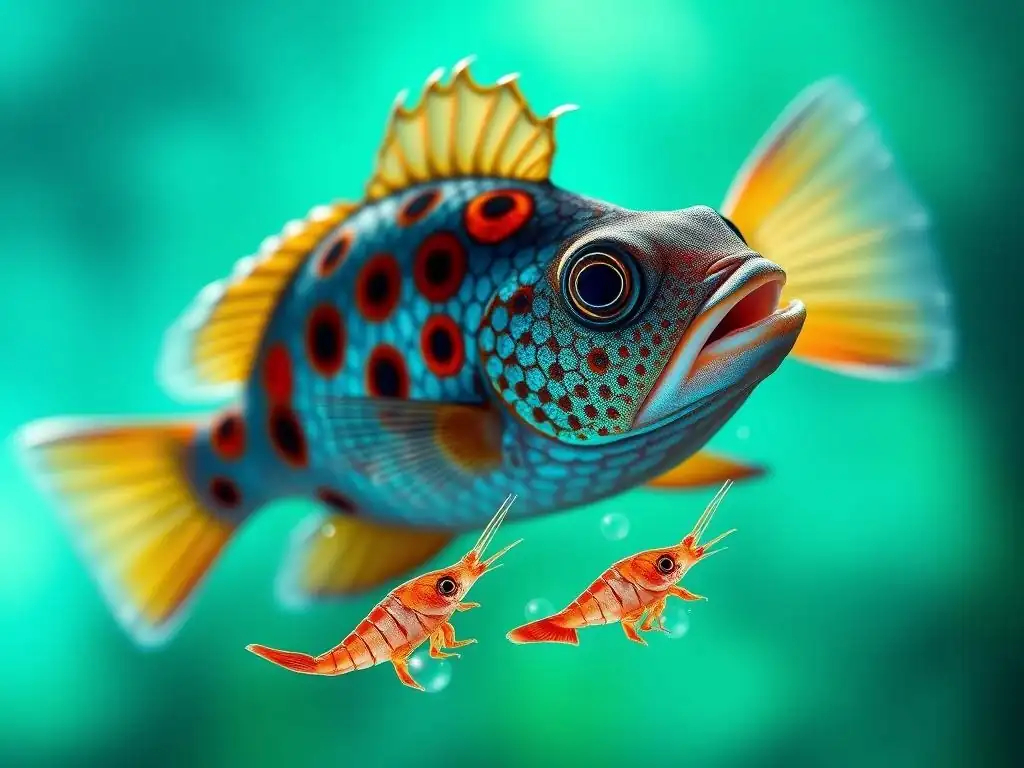
Feeding cardinalfish in a reef aquarium presents unique challenges due to the presence of corals and other invertebrates that may also consume broadcasted food, or compete for available nutrients. While some cardinalfish are reef-safe, care must be taken to ensure they receive enough food without excessively polluting the water with nutrients that could promote nuisance algae growth or negatively impact sensitive corals.
Finely chopped frozen foods like mysis shrimp or cyclops can be broadcasted to allow the cardinalfish to catch them as they drift. For a more controlled approach, target feeding for specific individuals can be beneficial. It's important to monitor nitrate and phosphate levels closely when feeding in a reef tank to maintain optimal water parameters for both fish and corals.
Feeding Newly Acquired Cardinalfish: Acclimation Tips
Newly acquired cardinalfish are often stressed from transport and acclimation, which can lead to a reluctance to eat. Patience and a gentle approach are key during this period. Start by offering very small amounts of highly palatable foods that are known to be readily accepted, such as live brine shrimp, live copepods, or frozen mysis shrimp.
Dimming the aquarium lights can help reduce stress and encourage them to venture out for food. Avoid overfeeding during this sensitive time, as uneaten food will quickly foul the water. Establishing a consistent, high-quality feeding routine from day one is vital for successfully meeting the Spotted cardinalfish diet requirements and ensuring they settle into their new environment.
Addressing Common Feeding Problems in Cardinalfish
Several common feeding problems can arise with cardinalfish. If a cardinalfish refuses to eat, first check water parameters (ammonia, nitrite, nitrate, pH, salinity, temperature) to rule out stress from poor water quality. Observe for signs of disease or aggression from tank mates. Offering a variety of foods, including highly attractive live options, can often stimulate an appetite.
Finicky eaters may require experimentation with different food types, textures, and sizes. Some cardinalfish might prefer very small particles, while others respond better to larger, meaty foods. If aggression occurs during feeding, try spreading the food widely across the tank to disperse the fish and reduce competition. Persistence and observation are essential in troubleshooting and ensuring all Spotted cardinalfish diet requirements are met.
Creating a Varied and Nutritious Diet for Thriving Cardinalfish
Sample Feeding Schedule for Cardinalfish
A varied feeding schedule is paramount for the long-term health and vitality of cardinalfish, ensuring they receive a full spectrum of nutrients and remain interested in their food. Here is a sample weekly feeding schedule that incorporates different food types to meet diverse Spotted cardinalfish diet requirements:
- Monday: Frozen Mysis Shrimp (morning and evening)
- Tuesday: High-quality Marine Pellets (morning) and Frozen Cyclops (evening)
- Wednesday: Live Brine Shrimp (gut-loaded) or Live Copepods (morning and evening)
- Thursday: High-quality Marine Flakes (morning) and Frozen Mysis Shrimp (evening)
- Friday: Frozen Krill (chopped, as a treat, once) and Marine Pellets (evening)
- Saturday: Frozen Cyclops (morning) and High-quality Marine Flakes (evening)
- Sunday: Fasting or very light feeding of a preferred frozen food.
This schedule provides a rotation that prevents nutritional deficiencies and keeps feeding exciting for your cardinalfish.
The Importance of Diet Variety for Long-Term Health
Providing a varied diet is not just about preventing boredom; it is critical for ensuring that cardinalfish receive all the necessary vitamins, minerals, and trace elements that might be present in varying concentrations across different food sources. Relying on a single type of food, even a high-quality one, can lead to subtle nutritional deficiencies over time, which may manifest as reduced growth, faded colors, or a compromised immune system.
A diverse diet also encourages natural foraging behaviors and can reduce stress by mimicking the unpredictable availability of food in the wild. By consistently offering a mix of live, frozen, and prepared foods, aquarists can effectively meet the comprehensive Spotted cardinalfish diet requirements, promoting robust health, longevity, and vibrant activity in their aquarium inhabitants.
Maintaining Optimal Water Quality for Healthy Feeding Habits
Water Parameters and Their Impact on Cardinalfish Appetite
Optimal water quality is intrinsically linked to the feeding habits and overall health of cardinalfish. Stable water parameters are crucial for minimizing stress and encouraging a healthy appetite. Cardinalfish thrive in stable saltwater conditions with a salinity of 1.023-1.026 specific gravity, a temperature range of 74-78°F (23-26°C), and a pH between 8.1 and 8.4.
Fluctuations in these parameters, or the presence of harmful compounds like ammonia, nitrite, or excessively high nitrates, can quickly stress cardinalfish, leading to a loss of appetite, lethargy, and increased susceptibility to disease. Regular testing of these parameters is essential to ensure a healthy environment that supports the Spotted cardinalfish diet requirements and promotes their well-being.
Regular Water Changes: A Key to Cardinalfish Health
Regular partial water changes are one of the most effective practices for maintaining superior water quality in a marine aquarium. Water changes remove accumulated nitrates, phosphates, and other metabolic waste products that can build up over time, even with efficient filtration. They also replenish essential trace elements that are utilized by fish and invertebrates or removed by protein skimming.
A typical recommendation is to perform a 10-20% water change weekly or bi-weekly, depending on tank bioload and filtration. This practice significantly reduces stress on cardinalfish, supports their immune systems, and ensures a clean, stable environment where they are more likely to exhibit a healthy appetite and fully benefit from their carefully chosen Spotted cardinalfish diet requirements.
Conclusion: Ensuring a Healthy Diet for Your Cardinalfish
Providing a meticulously planned and varied diet is the cornerstone of successful cardinalfish husbandry. From understanding their natural planktivorous tendencies to selecting high-quality live, frozen, and prepared foods, every aspect contributes to their vitality. Meeting the specific Spotted cardinalfish diet requirements through a balanced intake of proteins, essential fats, vitamins, and minerals ensures vibrant coloration, robust growth, and a strong immune system.
Complementing this nutritional regimen with diligent water quality management, including stable parameters and regular water changes, creates an environment where these captivating fish can truly thrive. By prioritizing their dietary needs, aquarists can enjoy the full beauty and active behavior of their cardinalfish for years to come.
Frequently Asked Questions
What are the basic dietary requirements of Spotted Cardinalfish?
Spotted Cardinalfish are primarily carnivorous, requiring a diet rich in small invertebrates. Acceptable foods include mysis shrimp, brine shrimp, and finely chopped seafood.
How often should I feed my Spotted Cardinalfish?
Spotted Cardinalfish should be fed twice daily in small portions. Overfeeding can lead to water quality issues and obesity in your fish.
What types of live foods are best for Spotted Cardinalfish?
Live foods like copepods and amphipods are excellent for stimulating their natural hunting instincts. They also provide essential nutrients and keep the fish active.
Can I feed my Spotted Cardinalfish flake food or pellets?
While they may accept high-quality flake food or pellets, these should only supplement their diet. Ensure the food is small enough for them to consume and that it sinks to the bottom.
What are the signs that my Spotted Cardinalfish is not getting enough food?
Signs of underfeeding include lethargy, loss of color, and a thin body. Ensure they are getting enough to eat and that they are not being outcompeted by other fish in the tank.
Final Reflection: Nurturing the Reef's Tiny Treasures
The insights shared throughout this article, detailing the specific dietary needs of spotted cardinalfish, are more crucial now than ever. As coral reefs face increasing threats from climate change and pollution, understanding and replicating the natural feeding patterns of these vibrant inhabitants becomes paramount to their survival in both the wild and our home aquariums. Ensuring these fish receive the correct nutrition is not just about keeping them alive; it's about contributing to the overall health and resilience of the entire reef ecosystem.
The journey into the spotted cardinalfish's diet reveals a deeper connection to the delicate balance of marine life. This exploration has reinforced the importance of responsible aquarium keeping and the profound impact our choices have on the well-being of these creatures. In the end, we will conserve only what we love; we will love only what we understand; and we will understand only what we are taught.
- Baba Dioum. This quote resonates deeply, reminding us that education and understanding are the cornerstones of effective conservation.
Now, armed with this knowledge of spotted cardinalfish diet requirements, I invite you to reflect on your own role in preserving our planet's biodiversity. Consider how you can apply these principles of mindful feeding and responsible aquarium practices to other aspects of your life. Let us all strive to be informed stewards of the marine environment, ensuring that future generations can marvel at the beauty and complexity of the coral reef and the spotted cardinalfish that call it home.
Unleash the Vibrant Health of Your Cardinalfish!
Thank you for diving into the world of cardinalfish! Now that you understand their dietary needs, it's time to ensure your spotted beauties thrive. Let's translate knowledge into action.
Here’s how you can elevate your cardinalfish care:
- Implement a varied feeding schedule this week. Transition your cardinalfish to a diet that includes both high-quality flake food and frozen meaty treats like mysis shrimp or brine shrimp.
- Explore a new feeding method! Try using a turkey baster to deliver food directly to your cardinalfish, especially if they're shy eaters. This can help ensure they get enough to eat.
- Share this article with other aquarium enthusiasts in your community or online! Help others provide optimal care for their cardinalfish.
What small change will you make today to improve your cardinalfish's diet and overall health?