
Encouraging Shy Anthias to Eat: Proven Techniques for Finicky Feeders

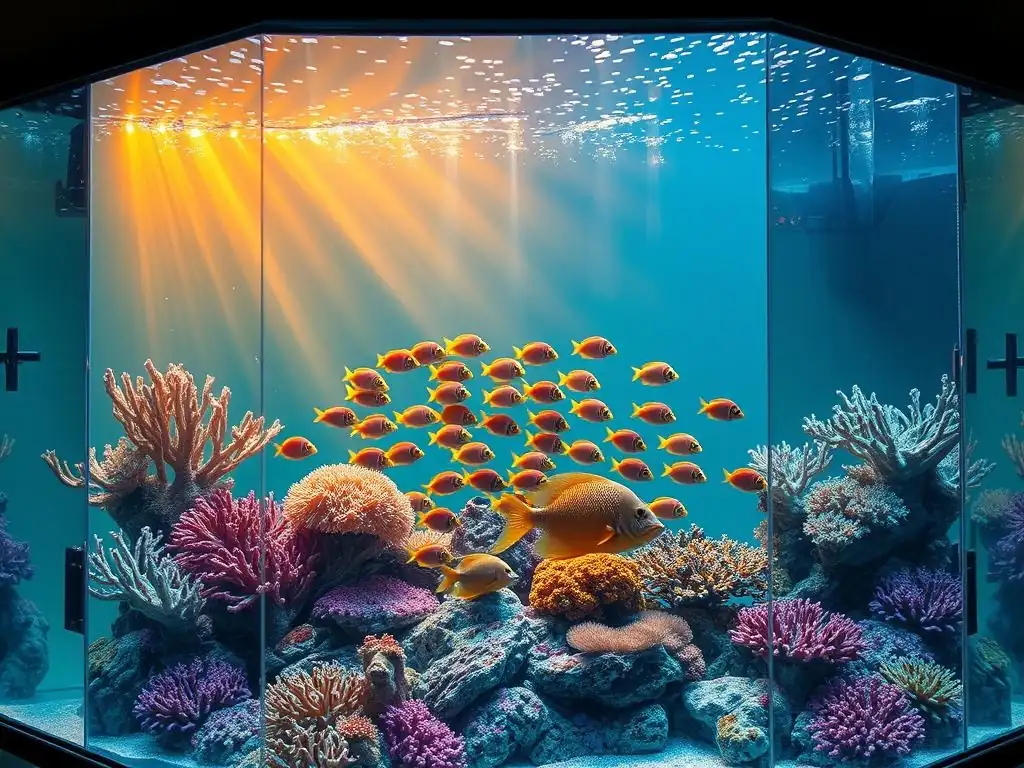
Welcome to Aquarium Mastery!
Ever felt the frustration of watching your vibrant anthias turn their noses up at food? Unlocking the secrets to feeding these often finicky saltwater beauties is key to a thriving reef tank. Dive in as we explore proven Finicky Anthias Eating Techniques that will transform your feeding routine and bring out the best in your aquatic companions. Ready to learn how to encourage even the shyest anthias to eat? Let's get started!
- Understanding the Challenges of Feeding Anthias in Captivity
- Creating the Ideal Environment to Encourage Anthias Feeding
- Proven Techniques for Encouraging Finicky Anthias to Eat
- Specific Strategies for Different Anthias Species
- Monitoring and Adjusting Your Feeding Strategy
- Preventing Future Feeding Problems in Anthias
- Addressing Common Anthias Feeding Problems
- Frequently Asked Questions
- Final Reflection: Nurturing Life in the Reef
- Ignite Your Anthias' Appetite!
Understanding the Challenges of Feeding Anthias in Captivity
Why Anthias are Often Finicky Eaters
Anthias, with their vibrant colors and graceful movements, are a captivating addition to any reef aquarium. However, their beauty often comes with a challenge: they are notoriously finicky eaters. In their natural habitat, anthias are planktivores, constantly grazing on zooplankton in the water column throughout the day. This natural feeding behavior, characterized by frequent, small meals, is difficult to replicate in a captive environment where food availability is limited and often sporadic. Their relatively small mouths also dictate the size of the food particles they can consume.
Furthermore, anthias are highly susceptible to stress, which is a primary reason for their reluctance to feed in new or unstable environments. The transition from the wild to a home aquarium, new tankmates, fluctuating water parameters, or even inadequate hiding spots can all induce significant stress. This stress response can suppress their appetite, making them hesitant to venture out for food, especially when competing with more aggressive or faster-feeding tankmates. Mastering finicky anthias eating techniques often begins with understanding these inherent sensitivities.
The Importance of Proper Diet for Anthias Health and Coloration
A proper and varied diet is paramount for the long-term health, vitality, and vibrant coloration of anthias. These fish require a rich intake of proteins and essential fatty acids to maintain their energy levels, support their immune system, and ensure proper growth. Without adequate nutrition, anthias can quickly lose their brilliant hues, becoming dull and listless. Their health can also deteriorate, making them more susceptible to common marine diseases such as Lateral Line Erosion (LLE) or bacterial infections.
Insufficient or inappropriate feeding can lead to stunted growth and a significantly reduced lifespan in captivity. Many aquarists observe that poorly fed anthias exhibit faded colors, thin bodies, and lethargic behavior. To truly thrive, finicky anthias need a consistent supply of high-quality, nutrient-dense foods that mimic their natural diet, ensuring they receive all the necessary building blocks for a robust immune system and dazzling appearance. Effective finicky anthias eating techniques are therefore crucial for their survival and display potential.
Creating the Ideal Environment to Encourage Anthias Feeding
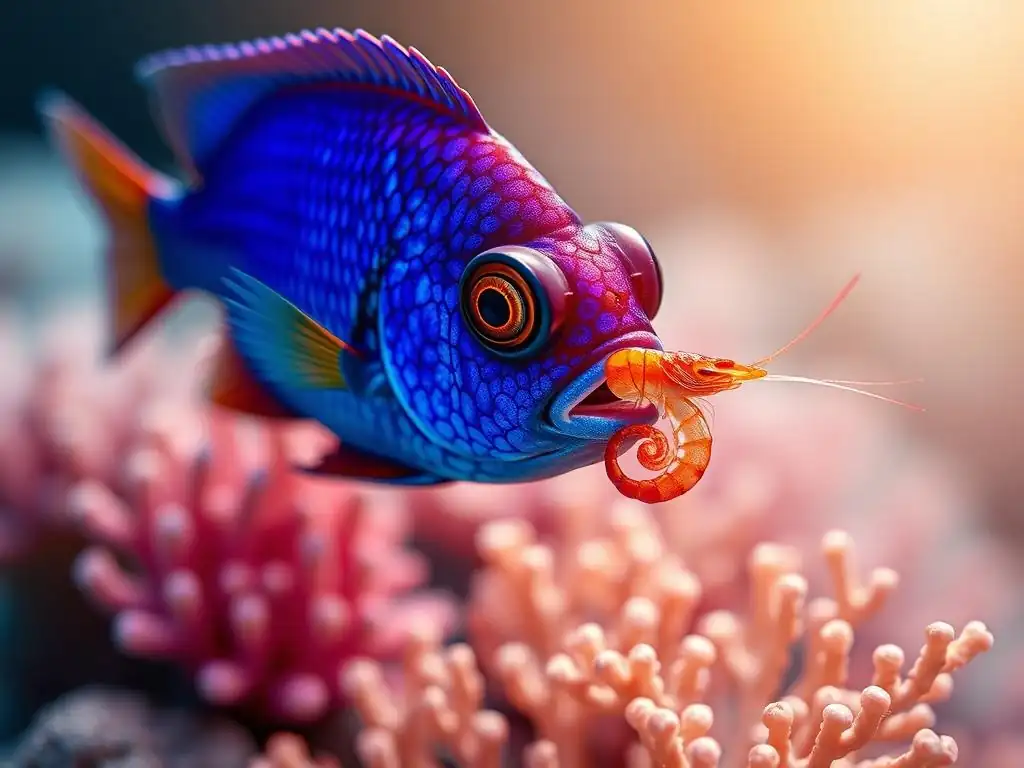
Optimizing Tank Parameters for Anthias Appetite
Maintaining pristine and stable water parameters is fundamental to encouraging a healthy appetite in anthias. These delicate fish are highly sensitive to fluctuations in their environment. Optimal conditions include a stable salinity of 1.024-1.026 specific gravity, a consistent temperature range of 74-80°F (23-27°C), and low levels of nitrates and phosphates. High levels of metabolic waste products can quickly stress anthias, leading to a diminished desire to eat. Regular water testing and consistent water changes (e.g., 10-20% every two weeks) are essential to maintain these parameters.
Beyond chemical parameters, adequate water flow is also vital. Anthias naturally inhabit areas with moderate to strong currents, where they feed on passing plankton. Providing sufficient flow, often recommended at 10-20 times the tank volume per hour, helps distribute food throughout the aquarium and simulates their natural feeding environment, making them more comfortable and likely to feed. Additionally, a stable pH between 8.1 and 8.4 is critical. Any rapid shifts can cause significant stress, directly impacting the finicky anthias's willingness to eat.
Reducing Stress to Promote Feeding Behavior in Anthias
Stress is a major deterrent to feeding in anthias. Chronic stress can weaken their immune system, making them prone to disease, and significantly suppress their appetite. Therefore, creating a low-stress environment is one of the most effective finicky anthias eating techniques. This involves careful consideration of tankmates, aquascaping, and overall tank dynamics.
Minimizing Tankmate Aggression
Tankmate aggression is a common source of stress for anthias, particularly for shy or newly introduced individuals. Aggressive fish, such as certain damsels, large angelfish, or boisterous wrasses, can constantly harass anthias, preventing them from feeling safe enough to come out and feed. Anthias are schooling fish and generally feel more secure in groups of three to seven individuals (depending on tank size and species), as this disperses aggression and provides a sense of safety.
Choosing peaceful and compatible tankmates is paramount. Good companions include clownfish, gobies, certain blennies, and other docile species that will not compete aggressively for food or territory. Avoid housing anthias with known fin-nippers or overly territorial fish. A calm and harmonious community allows these finicky anthias to feed without constant fear, which is a cornerstone of successful finicky anthias eating techniques.
Providing Ample Hiding Places
In their natural habitat, anthias dart into the safety of rock crevices and caves at the first sign of danger. Replicating this sense of security in the aquarium is crucial for their well-being and feeding behavior. An aquascape rich with live rock, offering numerous caves, overhangs, and intricate structures, provides essential hiding places.
When anthias feel secure, they are more likely to venture into the open water to feed. Without adequate shelter, they may remain perpetually stressed, hiding away and refusing food. Ensure there are multiple escape routes and safe havens within the rockwork, allowing all individuals in a school to retreat simultaneously. This sense of refuge significantly reduces their stress levels, encouraging even the shyest anthias to participate in feeding.
Proven Techniques for Encouraging Finicky Anthias to Eat
Offering a Variety of Food Options
A diverse diet is perhaps the most critical component of successful finicky anthias eating techniques. Relying on a single type of food will inevitably lead to nutritional deficiencies and a lack of interest over time. Anthias thrive on variety, which mimics their natural planktivorous diet and ensures they receive a full spectrum of nutrients.
By rotating different types of food, aquarists can prevent boredom and stimulate a more consistent feeding response. This approach also helps cover any potential nutritional gaps that might exist in a single food source. Regularly introducing new textures and flavors can entice even the most reluctant anthias to feed, making them more adaptable to prepared foods over time.
The Best Types of Frozen Foods for Anthias
Frozen foods are a cornerstone of an anthias's diet due to their nutritional value and palatability. Small, high-quality frozen options are ideal for their delicate mouths. Top choices include small Mysis shrimp (e.g., Hikari Mysis), enriched brine shrimp, cyclop-eeze, and various types of frozen copepods. These foods offer excellent protein and lipid content, crucial for their energy and vibrant coloration.
It is vital to thaw frozen foods thoroughly in a small amount of tank water before feeding. This prevents the introduction of unwanted nutrients into the tank and ensures the food is soft and digestible. Offering multiple small feedings throughout the day (e.g., 3-5 times) is more effective than one large meal, as it replicates their natural continuous grazing behavior.
Live Food Options to Stimulate Feeding
For newly acquired or particularly finicky anthias, live foods can be an absolute game-changer. The erratic movement and natural appeal of live prey often trigger an immediate feeding response, even in the most reluctant individuals. Live copepods, rotifers, and newly hatched brine shrimp are excellent choices for kickstarting the appetite of shy anthias. These tiny organisms are perfectly sized and highly nutritious.
While live foods are highly effective, caution must be exercised regarding their source to prevent the introduction of parasites or diseases. Culturing your own live foods can mitigate this risk. Once anthias begin consistently feeding on live foods, you can gradually introduce frozen and then prepared foods by mixing them with the live offerings, slowly transitioning their diet.
The Role of High-Quality Flake and Pellet Foods
While often not enough on their own, high-quality flake and pellet foods can play a supplementary role in an anthias's diet, offering convenience and a balanced nutritional profile. Look for marine-specific formulations from reputable brands that list fish meal, krill, and other marine proteins as primary ingredients. Examples include Ocean Nutrition, New Life Spectrum, or Spectrum Thera-P.
For anthias, it's often necessary to crush flakes into smaller, more manageable pieces or select micro-pellets that are appropriately sized for their mouths. While some anthias may readily accept these foods, many will require a gradual introduction, perhaps mixed with frozen or live foods. They serve best as part of a varied feeding regimen rather than the sole food source.
Target Feeding Methods for Shy Anthias
Target feeding is an invaluable technique for ensuring that shy or less aggressive anthias receive adequate nutrition without being outcompeted by more assertive tankmates. This method involves directly delivering food to the specific fish or area where they are hiding, minimizing competition and stress.
Patience is key with target feeding. Over time, anthias can learn to associate the feeding tool with food, becoming less shy and more eager to approach. This direct approach is often essential for species that are particularly delicate or newly introduced, helping them gain confidence and build strength.
Using a Turkey Baster or Pipette
A turkey baster or a long pipette is an excellent tool for precision feeding. To use this method, thaw a small amount of frozen food (e.g., Mysis shrimp, cyclop-eeze) in tank water and draw it into the baster. Gently approach the area where the shy anthias are hiding or prefer to feed. Slowly depress the bulb, releasing the food directly into their vicinity.
The key is to move slowly and deliberately to avoid startling the fish. This method allows the anthias to access food without having to compete with faster swimmers in the open water. It's particularly effective during the initial acclimation period or for very timid individuals, ensuring they get their share and begin to associate your presence with food.
Creating a Feeding Station
Establishing a designated feeding station can also be highly effective for encouraging finicky anthias. This involves consistently dispensing food in a specific area of the tank, perhaps a spot with calmer water flow or near a favored piece of rockwork where the anthias feel secure.
Over time, the anthias will learn to associate this particular spot with food delivery, making them more likely to gather there at feeding times. This consistency can help train them to come out and feed more readily, reducing their shyness and ensuring they get their fill before more aggressive tankmates consume everything. A feeding station reduces the chaos of broadcast feeding and focuses the food where it's needed most for shy fish.
Enhancing Food Palatability
Sometimes, even with the right food types and feeding methods, an extra boost is needed to tempt finicky anthias. Enhancing the palatability of food can make it more appealing and stimulate a stronger feeding response. This involves making the food smell and taste more enticing.
Soaking Food in Garlic Extract
Garlic extract, such as Seachem GarlicGuard or Kent Marine Garlic Xtreme, is a popular and often effective appetite stimulant for marine fish. While the scientific mechanism isn't fully understood, many aquarists report that soaking frozen or dry foods in garlic extract significantly increases their appeal to reluctant eaters. It's believed that the garlic enhances the aroma and flavor of the food, making it irresistible.
To use, simply add a few drops of garlic extract to the thawed frozen food or dry pellets/flakes and let it soak for 10-15 minutes before feeding. This simple finicky anthias eating technique can often turn a rejected meal into a readily accepted one, helping to encourage consistent feeding habits.
Adding Vitamins and Supplements to Food
Liquid vitamin supplements, such as Selcon or Brightwell Aquatics Vitamarin-C, serve a dual purpose: they boost the nutritional value of the food and can also enhance its palatability. These supplements often contain essential fatty acids and vitamins that are crucial for fish health, and their slightly oily texture or specific scent might make the food more appealing.
By enriching the food with these supplements, you not only make it more enticing but also provide vital nutrients that strengthen the anthias' immune system and overall vitality. A healthier fish is generally a more active and hungry fish. Soak food in these supplements for a short period before feeding, similar to garlic extract, to ensure maximum absorption and appeal.
Specific Strategies for Different Anthias Species
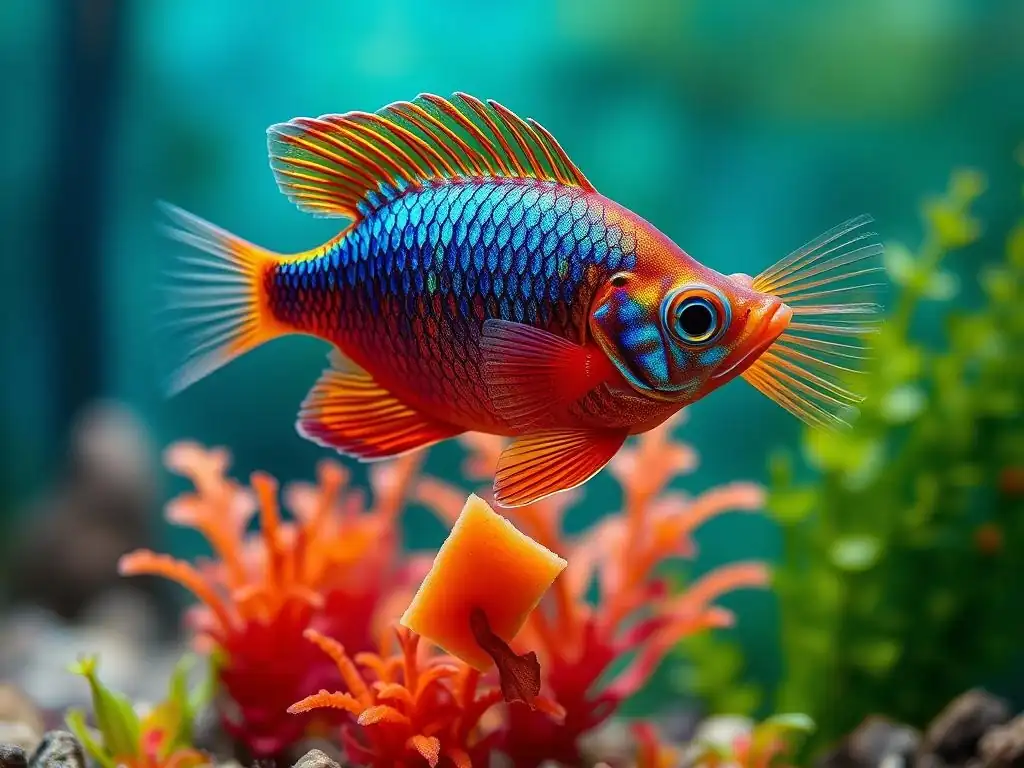
Feeding Lyretail Anthias ( Pseudanthias squamipinnis ): Tips and Tricks
Lyretail Anthias ( Pseudanthias squamipinnis ) are among the most common and generally hardier anthias species available to hobbyists. While still prone to initial shyness, they often adapt more readily to captive diets compared to some of their more delicate cousins. The key to their successful feeding lies in frequent, small offerings of appropriately sized foods.
Start with small Mysis shrimp, cyclop-eeze, and finely chopped frozen marine mixes. Once acclimated, many Lyretails will readily accept high-quality marine flakes and small pellets. Maintaining them in a school (e.g., 5-7 individuals in a 75-gallon tank or larger) helps reduce individual stress and encourages them to feed more openly, as they feel safer in numbers.
Addressing Feeding Challenges in Dispar Anthias ( Pseudanthias dispar )
Dispar Anthias ( Pseudanthias dispar ) are renowned for their striking colors but are often more delicate and finicky feeders than Lyretails, especially when first introduced. They have very small mouths and require extremely fine food particles. Their initial refusal to eat is a common challenge, making specific finicky anthias eating techniques crucial for this species.
For Dispar Anthias, live copepods and rotifers are often indispensable for initial acclimatization and feeding. Offer these live foods multiple times a day (5-6 times), even tiny amounts. Gradually introduce frozen cyclop-eeze, finely strained Mysis shrimp, and eventually high-quality frozen prepared foods designed for filter feeders. Target feeding is often essential to ensure these shy fish get enough to eat without being outcompeted. Patience and persistence with very small, frequent meals are vital for their success.
Tailoring Your Approach to the Anthias Species in Your Tank
While general finicky anthias eating techniques apply across the board, the nuances of each anthias species' natural behavior and dietary requirements can significantly impact feeding success. Researching the specific species you keep is paramount. For instance, some species, like the Sunburst Anthias ( Serranocirrhitus latus ), are naturally more reclusive and may require more intensive target feeding and dimmer lighting, while others, like the Squareback Anthias ( Pseudanthias pleurotaenia ), might be more assertive.
Observing your specific anthias' feeding behavior is the ultimate guide. Pay attention to their preferred food size, their reaction to different food types, and their comfort level in various tank conditions. Adjust your food offerings, feeding frequency, and environmental setup based on these observations. This tailored approach ensures that each anthias species receives the best possible care, leading to healthier, more vibrant fish.
Monitoring and Adjusting Your Feeding Strategy
Observing Anthias Feeding Behavior
Consistent and diligent observation of your anthias' feeding behavior is crucial for their long-term health. Each day, take a few moments to watch how actively they feed, whether they are getting enough food, and if they are exhibiting any signs of stress or illness. Look for vibrant coloration, a healthy, plump body shape, and active swimming. A lack of interest in food, hiding during feeding times, or spitting out food are all red flags that your current finicky anthias eating techniques may need adjustment.
Early detection of feeding issues allows for prompt intervention, potentially preventing more serious health problems. Note which foods they readily accept and which they ignore. This ongoing assessment is a vital feedback loop, enabling you to fine-tune your feeding strategy to meet their specific needs.
Identifying Potential Health Issues Affecting Appetite
A sudden or prolonged loss of appetite in anthias is often the first indicator of underlying health issues. Common problems that can suppress appetite include external parasites (like marine ich or velvet), internal parasites (such as intestinal worms), bacterial infections, or systemic diseases. Stress from poor water quality or aggressive tankmates can also manifest as a refusal to eat.
If your anthias are not eating, carefully inspect them for physical signs of illness, such as clamped fins, rapid breathing, white spots, lesions, or unusual swimming patterns. If health issues are suspected, prompt diagnosis and appropriate treatment (often in a separate quarantine tank) are essential. A healthy anthias with a robust immune system is far more likely to have a good appetite.
Adjusting Feeding Frequency and Amount
Anthias are natural grazers that require frequent, small meals throughout the day. Unlike many other reef fish that can thrive on one or two large daily feedings, anthias benefit significantly from 3-5 (or even more) small feedings spread out over the daylight hours. This mimics their natural behavior of constantly picking plankton from the water column.
Adjust the amount of food per feeding to ensure all fish get enough without leaving excess food to decay and foul the water. A good rule of thumb is to feed only what your fish can consume within 2-3 minutes. If food remains after this time, reduce the quantity for the next feeding. If they consume everything instantly and still appear hungry, slightly increase the amount or frequency. This dynamic adjustment is key to providing optimal nutrition and maintaining water quality.
Preventing Future Feeding Problems in Anthias
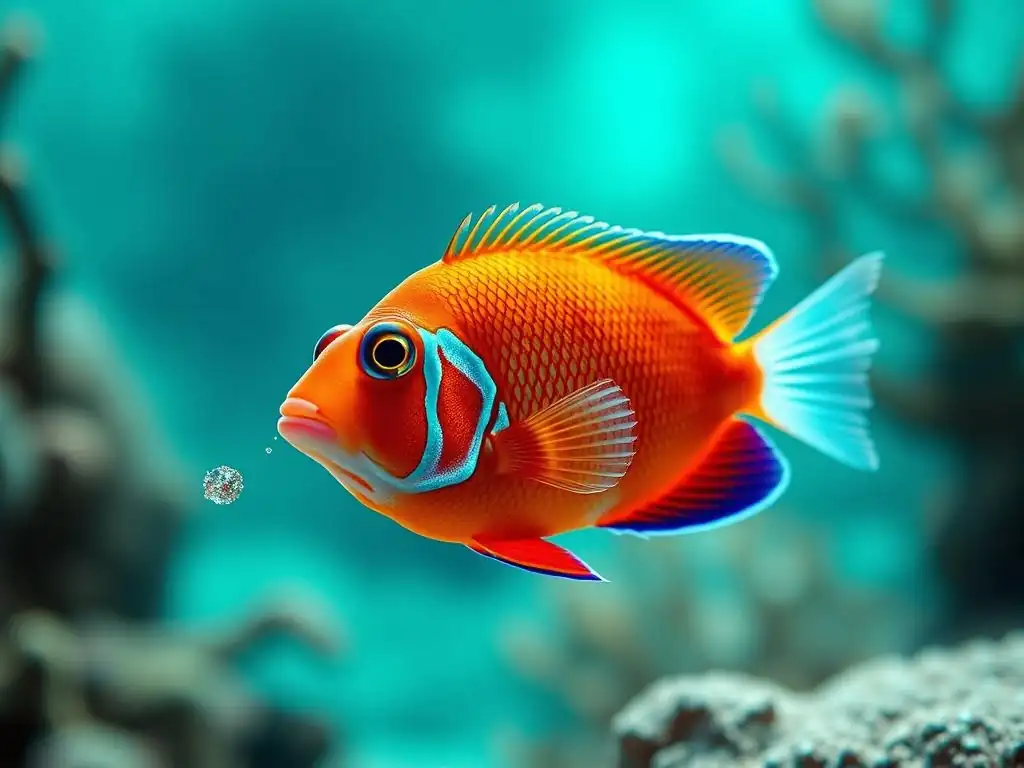
Quarantine and Acclimation Procedures
The most effective way to prevent future feeding problems in anthias is to implement strict quarantine and proper acclimation procedures for all new arrivals. A dedicated quarantine tank, maintained for at least 4-6 weeks, allows you to observe the new anthias for any signs of disease, administer treatments if necessary, and most importantly, allow them to de-stress and begin feeding consistently without competition or harassment from established tankmates.
Proper acclimation, ideally using a drip acclimation method, minimizes the shock of transition from the dealer's water to your tank's parameters. A less stressed fish is far more likely to start eating readily in its new environment. These initial steps are foundational for establishing healthy feeding habits and preventing a finicky eater from developing.
Maintaining a Stable and Healthy Reef Tank Environment
Long-term prevention of feeding problems in anthias relies heavily on maintaining a stable and healthy reef tank environment. Consistent water parameters, including salinity, temperature, pH, and low nutrient levels, are non-negotiable. Regular water changes, effective filtration (mechanical, chemical, and biological), and a mature nitrogen cycle all contribute to a low-stress environment where anthias can thrive.
Avoid sudden changes in lighting, water flow, or tank inhabitants. A stable ecosystem reduces chronic stress on the fish, bolstering their immune system and maintaining a consistent appetite. A well-established tank with plenty of live rock and peaceful tankmates creates an ideal setting for anthias to feel secure and feed without inhibition.
Long-Term Dietary Strategies for Anthias Health
To ensure anthias remain healthy and avoid becoming finicky eaters in the long term, commit to a diverse and high-quality feeding regimen. Continue to offer a varied diet that includes multiple types of frozen foods (Mysis, copepods, enriched brine shrimp), supplemented with high-quality flakes and pellets. Do not rely on just one food type, as this can lead to nutritional deficiencies over time.
Maintain the practice of frequent, small feedings throughout the day. Regularly assess their body condition and coloration, adjusting food types or amounts as needed. Incorporating vitamin supplements into their food occasionally can also provide an extra boost of essential nutrients, ensuring their continued vitality and robust appetite for years to come.
Addressing Common Anthias Feeding Problems
Anthias Not Eating After Introduction
It is very common for anthias to refuse food immediately after being introduced to a new aquarium. This is primarily due to stress from shipping, acclimation, and the new environment. To address this, dim the tank lights for the first few days, and ensure plenty of hiding spots are available. Start by offering live foods like copepods or rotifers, as their movement often triggers a feeding response.
Target feeding with a baster or pipette, gently directing food near their hiding spots, can be highly effective. Offer very small amounts frequently throughout the day. Patience is key; it may take several days or even a week for them to settle in and begin eating consistently. Ensure no aggressive tankmates are harassing them, as this will prolong their shyness.
Anthias Eating but Losing Weight
If your anthias are eating but appear to be losing weight, it's a serious concern that requires immediate attention. This often points to internal parasites, malnutrition despite eating, or a severe underlying illness. Observe their feces; stringy or white feces can indicate internal worms.
Consider treating the tank or the individual fish in a quarantine tank with an anti-parasitic medication like Prazipro (praziquantel) for internal worms. Simultaneously, increase the frequency of feedings and enrich their food with highly nutritious supplements like Selcon or other fatty acid boosters. Ensure they are not being outcompeted for food by faster or larger tankmates, and if so, implement more aggressive target feeding strategies.
Anthias Refusing Specific Types of Food
It's not uncommon for anthias to show a preference for certain foods and refuse others. If your anthias are consistently refusing a particular type of food, don't force it. Instead, focus on the foods they readily accept, but continue to offer a wide variety to ensure complete nutrition. You can try mixing the refused food with a highly preferred food, gradually increasing the proportion of the less desired item.
Sometimes, simply changing the brand or the size of the food can make a difference. For example, if they refuse a certain brand of Mysis, try another. If they reject flakes, try a different brand or switch to small pellets. The goal is a diverse diet, so if one specific food type isn't working, move on to other nutritious options to maintain their health and appetite.
Frequently Asked Questions
How do I know if my Anthias is a finicky eater?
Anthias are often considered finicky eaters if they refuse standard flake or pellet food and only accept live or frozen options. Watch for signs like lack of interest in food or spitting it out.
What are some common reasons why Anthias refuse to eat?
Common reasons include stress from acclimation, poor water quality, and competition from more aggressive tankmates. They may also be suffering from an internal parasite or disease.
What types of food are most likely to entice a shy Anthias to eat?
Live foods such as baby brine shrimp and copepods are excellent initial choices. Frozen mysis shrimp and enriched brine shrimp are also highly palatable options.
How often should I feed my Anthias to encourage eating?
Anthias require frequent feedings. Offer small meals multiple times a day (3-4 times) rather than one large feeding. This mimics their natural feeding behavior.
What are some techniques to reduce stress and encourage Anthias feeding?
Ensure stable water parameters and minimize sudden changes. Provide plenty of hiding places with live rock and consider adding a schooling fish that eats readily to encourage feeding behavior.
Final Reflection: Nurturing Life in the Reef
The techniques discussed throughout this article, focused on finicky anthias eating techniques, are more than just methods for feeding fish; they represent a commitment to responsible reef keeping and the preservation of delicate ecosystems within our own homes. In a world increasingly aware of the fragility of our natural world, understanding and addressing the specific needs of these beautiful creatures becomes a vital act of conservation, albeit on a smaller, more personal scale.
This journey into the world of anthias feeding has undoubtedly highlighted the importance of patience, observation, and adaptability in all aspects of life. The dedication required to coax a shy anthias into eating mirrors the dedication needed to foster growth and understanding in any relationship, whether with animals or humans. The greatness of a nation and its moral progress can be judged by the way its animals are treated.
- Mahatma Gandhi. This quote resonates deeply, reminding us that our compassion extends beyond our own species and reflects our overall ethical standing.
Now, consider the lessons learned here. How can you apply the principles of patience, observation, and tailored solutions to other areas of your life? Take a moment to reflect on the small acts of care and attention that can make a world of difference, not just for a finicky anthias, but for anyone or anything that needs your support. Let us all strive to be more mindful, more compassionate, and more dedicated to nurturing the delicate balance of life around us.
Ignite Your Anthias' Appetite!
Thank you for diving into the world of Anthias care! We hope you’ve gained valuable insights into coaxing these beautiful fish to eat. Now, it's time to put that knowledge into action and witness the vibrant colors of healthy, well-fed Anthias in your own aquarium!
Here are a few things you can do right now:
- Immediately implement a twice-daily feeding schedule using the recommended variety of small, enticing foods, like live brine shrimp or copepods, observed with the lights dimmed.
- Spread the word! Share this article with fellow reef keepers who might be struggling with picky Anthias and compare the most succesfull methods.
- Consider creating a "feeding diary" to track your Anthias' responses to different foods and feeding techniques – you might unlock a secret to consistent feeding success!
What's one innovative feeding trick you're excited to try with your Anthias, and what makes you believe it will work wonders?