
Can Dwarf Gouramis Live Alone? Exploring Their Social Needs

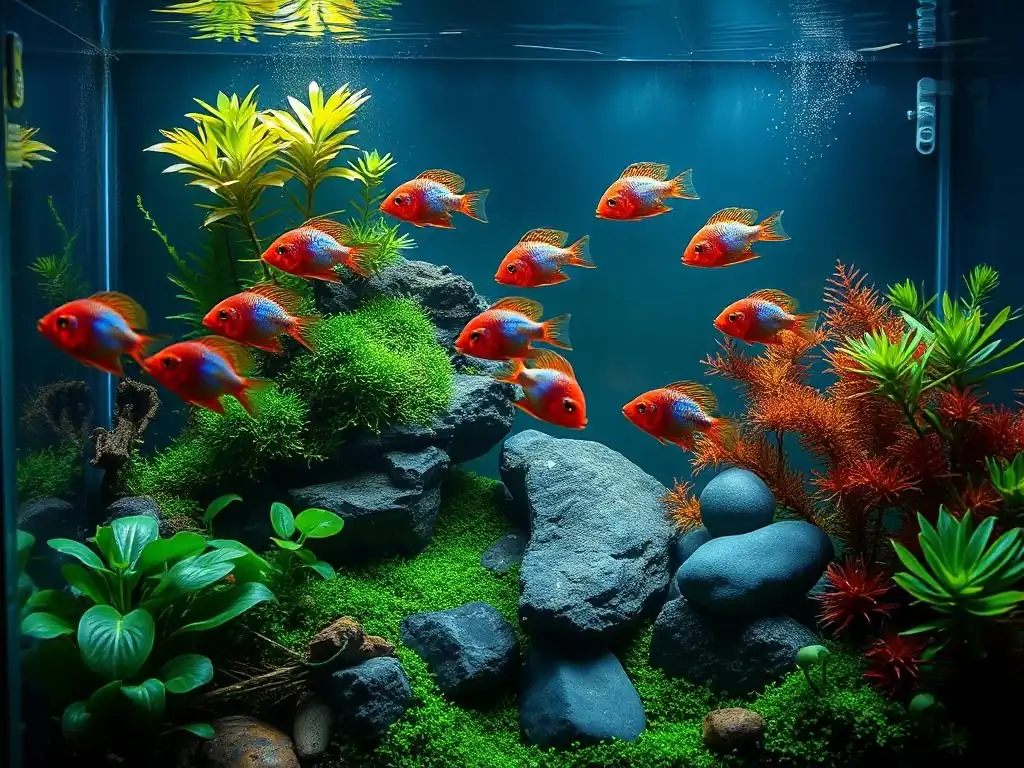
Welcome to Aquarium Mastery! Ever wondered if your Dwarf Gourami is truly happy swimming solo? Dive in to discover the fascinating truth about their social needs and unlock the secrets to creating a thriving environment for these captivating fish. Let's explore what makes a Dwarf Gourami tick and whether they're better off with friends!
- Understanding Dwarf Gourami Behavior and Social Needs in the Aquarium
- Dwarf Gourami Social Dynamics: What You Need to Know
- Signs of Stress and Loneliness in Solitary Dwarf Gouramis
- Optimizing Dwarf Gourami Tank Setup for Social Harmony
- Alternatives to Solitary Living: Keeping Dwarf Gouramis Happy
- Addressing Aggression and Competition in Dwarf Gourami Tanks
- The Verdict: Is Solitary Living Suitable for Dwarf Gouramis?
-
Frequently Asked Questions
- Can Dwarf Gouramis live alone in an aquarium?
- What are the potential downsides of keeping a Dwarf Gourami alone?
- How many Dwarf Gouramis can be kept together in a single tank?
- What tank mates are suitable for Dwarf Gouramis in a community aquarium?
- What are the key signs that a Dwarf Gourami is stressed or unhappy in its environment?
- Final Reflection: Understanding the Solitary Gourami's Silent Plea
- Unlock Your Dwarf Gourami's Happiness!
Introduction to Dwarf Gouramis: A Popular Aquarium Fish
Dwarf Gouramis (scientifically known as Trichogaster lalius or Colisa lalia) are a perennial favorite among freshwater aquarists, renowned for their striking colors and relatively peaceful disposition. These small, labyrinth fish, originating from the slow-moving waters of India and Bangladesh, come in a vibrant array of cultivated varieties such as Flame, Powder Blue, and Neon, making them a captivating addition to many community tanks. Their ability to breathe atmospheric air using a specialized labyrinth organ also adds to their unique appeal and adaptability.
While generally considered easy to care for, ensuring the well-being of Dwarf Gouramis goes beyond just providing clean water and food. A crucial, yet often debated, aspect of their husbandry revolves around their social requirements. Understanding the specific Dwarf gourami social behavior needs is paramount to their health, vitality, and overall lifespan in a captive environment.
The Question: Can Dwarf Gouramis Thrive in Solitary Confinement?
The central question for many aspiring and experienced aquarists alike is whether a Dwarf Gourami can truly thrive in isolation. Often, due to their potential territoriality, especially among males, the advice given is to keep only one Dwarf Gourami per tank. This leads to the perception that they are inherently solitary creatures, best housed without the company of their own kind.
However, survival and thriving are distinct concepts in aquarism. While a Dwarf Gourami may survive alone, its ability to exhibit natural behaviors, maintain robust health, and live a full, enriching life is often compromised without appropriate social interaction or environmental stimulation. This article delves into the nuances of Dwarf gourami social behavior needs, exploring whether solitary living truly aligns with their inherent nature and what conditions are optimal for their flourishing.
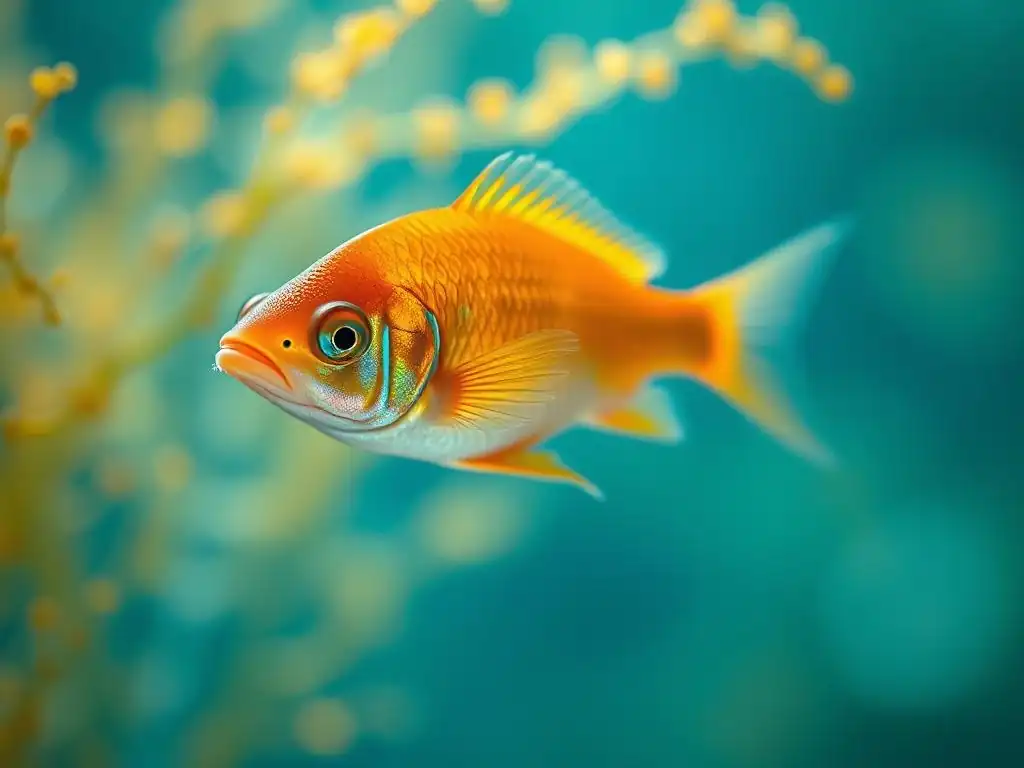
In their native habitats of South Asia, Dwarf Gouramis are found in densely vegetated ponds, ditches, and slow-moving streams. These environments are rich with aquatic plants, offering ample hiding spots and visual barriers. While males establish and defend territories, particularly during breeding, they are not completely isolated entities. They coexist within a complex ecosystem alongside numerous other fish species, invertebrates, and even other gouramis, albeit with defined personal spaces.
This natural setting shapes their Dwarf gourami social behavior needs, indicating that while direct schooling is not part of their repertoire, the presence of other life forms is a constant. They are accustomed to a dynamic environment where they can retreat when needed but also engage with their surroundings. Understanding this natural context is vital to replicating conditions that truly meet their social requirements in an aquarium.
It is important to clarify that Dwarf Gouramis are not schooling fish in the traditional sense, like species such as Neon Tetras or Harlequin Rasboras, which rely on group cohesion for safety and foraging. Instead, male Dwarf Gouramis are known for their territorial tendencies, particularly towards other males of their own species or fish with similar body shapes and colors. This territoriality can manifest as chasing, fin nipping, or flaring, especially in smaller tanks.
However, their Dwarf gourami social behavior needs are more complex than simple solitude. While a single male is often recommended to avoid aggression, a male-female pair or a trio (one male and two females) can often coexist successfully in a sufficiently large and well-decorated tank. The presence of females can help diffuse male aggression, as his attention is spread, reducing concentrated stress on a single individual. Females themselves are generally more docile and can often be kept together or with a male without significant conflict.
The Importance of Tank Mates for Dwarf Gourami Well-being
Even if not housed with other Dwarf Gouramis, the presence of appropriate tank mates is crucial for fulfilling the broader Dwarf gourami social behavior needs. A completely isolated Dwarf Gourami in an empty tank can become lethargic, withdrawn, and even display signs of depression. The subtle interactions and movements of peaceful community fish can provide vital environmental stimulation, encouraging natural behaviors such as exploration, foraging, and even mild territorial displays that are part of a healthy fish's routine.
Compatible tank mates can contribute to a sense of security and a more natural ecosystem within the aquarium. This prevents the boredom and stress that can arise from sensory deprivation in a solitary environment. Therefore, while not always requiring the company of their own kind, the overall well-being of a Dwarf Gourami is significantly enhanced by a thoughtfully curated community, ensuring their social needs are met indirectly through environmental enrichment.
Signs of Stress and Loneliness in Solitary Dwarf Gouramis
Identifying Stress in Dwarf Gouramis: A Visual Guide
Recognizing stress in Dwarf Gouramis is crucial for their long-term health, and it often manifests through observable physical changes. A stressed or lonely Dwarf Gourami may exhibit faded colors, losing the vibrant reds, blues, and oranges for which they are prized. Their fins might appear clamped close to their body, rather than being spread open and relaxed. You might also notice rapid gill movement, even in well-oxygenated water, indicating elevated stress levels.
Furthermore, a stressed Dwarf Gourami might spend an unusual amount of time hiding, or conversely, become extremely lethargic, hovering motionless near the bottom or top of the tank. A clear sign can also be a noticeable loss of appetite, where the fish refuses food it would normally readily consume. These visual cues serve as important indicators that the Dwarf gourami social behavior needs, or other environmental requirements, are not being adequately met.
Behavioral Changes in Isolated Dwarf Gouramis: What to Watch For
Beyond physical signs, isolated Dwarf Gouramis often display distinct behavioral changes that point towards loneliness or stress. A fish that lacks appropriate social interaction might show a significant reduction in natural exploratory behavior; instead of actively swimming and investigating its environment, it might adopt repetitive swimming patterns or remain static for extended periods. They may become unusually timid or skittish, reacting strongly to even minor movements outside the tank, indicating a heightened state of anxiety.
In males, the absence of natural courtship displays or the lack of bubble nest building, which is a key aspect of their reproductive Dwarf gourami social behavior needs, can be a symptom of an unstimulating environment. A general lack of vitality and enthusiasm for their surroundings, compared to a Dwarf Gourami housed in a thriving community, is a strong indicator that their social and environmental enrichment needs are not being fulfilled.
The Impact of Loneliness on Dwarf Gourami Health and Lifespan
Chronic stress, often induced by prolonged isolation or an unsuitable environment, has a profound impact on a Dwarf Gourami's overall health and can significantly shorten its lifespan. When a fish is consistently stressed, its immune system becomes compromised, making it far more susceptible to common aquarium diseases. For instance, while Dwarf Gourami Iridovirus (DGIV) is a specific viral disease, a weakened immune system due to stress can exacerbate its impact or make the fish vulnerable to secondary bacterial or fungal infections.
A healthy Dwarf Gourami typically lives for 3 to 4 years in a well-maintained aquarium. However, a fish suffering from loneliness and chronic stress might only survive for 1 to 2 years, failing to reach its full potential lifespan. This reduction in longevity and increased disease susceptibility directly underscore the importance of addressing their Dwarf gourami social behavior needs and providing a stimulating environment that supports their psychological and physiological well-being.
Tank Size Considerations for Multiple Dwarf Gouramis or Tank Mates
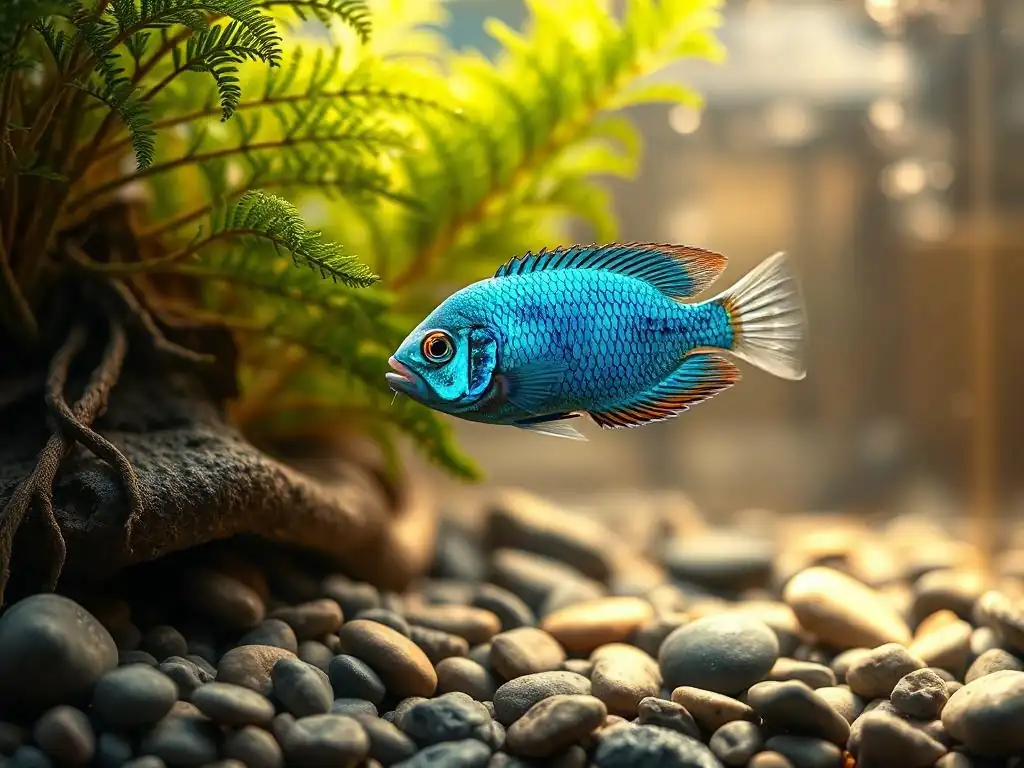
The size of the aquarium plays a critical role in managing Dwarf gourami social behavior needs, especially when considering multiple gouramis or community tank mates. While a single Dwarf Gourami can technically be housed in a 10-gallon tank, a 20-gallon long aquarium is generally considered the minimum ideal size for a single specimen to allow ample swimming space and environmental complexity. For a male-female pair or a trio (one male and two females), a 20-gallon long tank or larger is highly recommended.
The increased footprint of a 20-gallon long (compared to a 20-gallon high) provides more horizontal swimming space and allows for better territory establishment and visual barriers, which are crucial for diffusing potential aggression among gouramis. When adding other peaceful community fish, a 30-gallon or even 40-gallon tank provides significantly more space, reducing overall stress and competition, thereby creating an environment where the Dwarf gourami social behavior needs can be met without conflict.
Creating a Suitable Environment: Plants, Hiding Places, and Water Parameters
A thoughtfully designed tank environment is fundamental to the well-being and social harmony of Dwarf Gouramis. Dense live or high-quality artificial plants, such as Java Fern, Anubias, Amazon Sword, or water sprite, are essential. These plants not only create visual barriers that break up line of sight, reducing territorial disputes, but also provide crucial hiding spots where a fish can retreat if feeling stressed or overwhelmed. Additionally, driftwood, rock formations, and ceramic caves offer secure sanctuaries, mimicking the complex, plant-rich habitats they inhabit in the wild.
Maintaining stable and appropriate water parameters is equally vital for minimizing stress and supporting their Dwarf gourami social behavior needs. Dwarf Gouramis thrive in temperatures between 72-82°F (22-28°C), a pH range of 6.0-7.5, and water hardness of 4-10 dGH. Consistent water quality, achieved through regular water changes and proper filtration, is paramount, as poor conditions can exacerbate stress and aggression, undermining any efforts to create a peaceful environment.
Choosing Compatible Tank Mates for Dwarf Gouramis: A Guide
Selecting the right tank mates is key to a successful community aquarium with Dwarf Gouramis, ensuring their Dwarf gourami social behavior needs are met without undue stress or aggression. Ideal companions are small, peaceful, and non-fin-nipping species that prefer similar water parameters. Excellent choices include small schooling fish like Neon Tetras, Cardinal Tetras, Harlequin Rasboras, and other peaceful rasbora species. Bottom dwellers such as Corydoras catfish (e.g., Panda Corys, Pygmy Corys) and Otocinclus catfish are also great options as they occupy different parts of the water column and do not compete for space.
It is crucial to avoid fin-nipping species like Tiger Barbs, overly boisterous fish, or large, aggressive cichlids, which can intimidate or injure the more delicate Dwarf Gourami. Similarly, avoid housing Dwarf Gouramis with other large or similarly shaped gourami species (like Pearl Gouramis or even other male Dwarf Gouramis in smaller tanks) unless the tank is very large and heavily decorated to prevent territorial disputes. The goal is to create a harmonious community where all inhabitants can thrive, allowing the Dwarf gourami's social requirements to be fulfilled through peaceful coexistence.
Alternatives to Solitary Living: Keeping Dwarf Gouramis Happy
The Benefits of a Pair or Small Group of Dwarf Gouramis
While a single male Dwarf Gourami can be kept in a community tank, housing a male with one or two females often provides a more enriching experience for the fish and the observer, directly addressing their Dwarf gourami social behavior needs. A male-female pair can engage in natural courtship behaviors, and if conditions are optimal, even attempt to breed, with the male building a bubble nest. This allows for the expression of innate behaviors that would be impossible in isolation.
Introducing two females to one male (a trio) is often recommended as it helps to diffuse any potential aggression from the male, as his attention is spread between two individuals, reducing stress on a single female. This setup allows for subtle interactions, exploration, and the development of a more dynamic social structure within the tank, leading to more active and vibrant fish.
Introducing New Tank Mates: A Gradual Approach
When introducing new tank mates, whether they are other Dwarf Gouramis or different species, a gradual and thoughtful approach is essential to minimize stress and potential aggression. Drip acclimation, where the new fish are slowly acclimated to the tank's water parameters over 30-60 minutes, is highly recommended to prevent shock. It's often beneficial to introduce new fish when the tank lights are off or dim, as this reduces initial stress and allows the new inhabitants to explore their surroundings without immediate scrutiny from established residents.
Slightly rearranging existing decor, such as plants or driftwood, before introducing new fish can also help. This disrupts established territories, making the original inhabitants less possessive and more accepting of newcomers. Following these steps helps ensure a smoother transition and fosters an environment where the Dwarf gourami social behavior needs are met without undue conflict.
Monitoring Interactions: Ensuring a Peaceful Aquarium Environment
After introducing new tank mates or additional Dwarf Gouramis, continuous and careful monitoring of their interactions is paramount to ensuring a peaceful aquarium environment. For the first few days, observe the fish closely for any signs of bullying, excessive chasing, fin nipping, or constant hiding. Ensure that all fish are eating well and appear active and healthy. A fish that is constantly stressed will show visible signs of declining health.
It's important to differentiate between typical territorial displays (which are often brief and non-damaging) and severe aggression that leads to physical harm or chronic stress. If you notice a particular Dwarf Gourami, or any other fish, being constantly harassed, showing faded colors, clamped fins, or suffering physical injuries like torn fins or missing scales, intervention may be necessary. Consistent monitoring is the best way to proactively manage the Dwarf gourami social behavior needs and maintain a harmonious tank.
Addressing Aggression and Competition in Dwarf Gourami Tanks
Understanding Potential Aggression Issues in Dwarf Gouramis
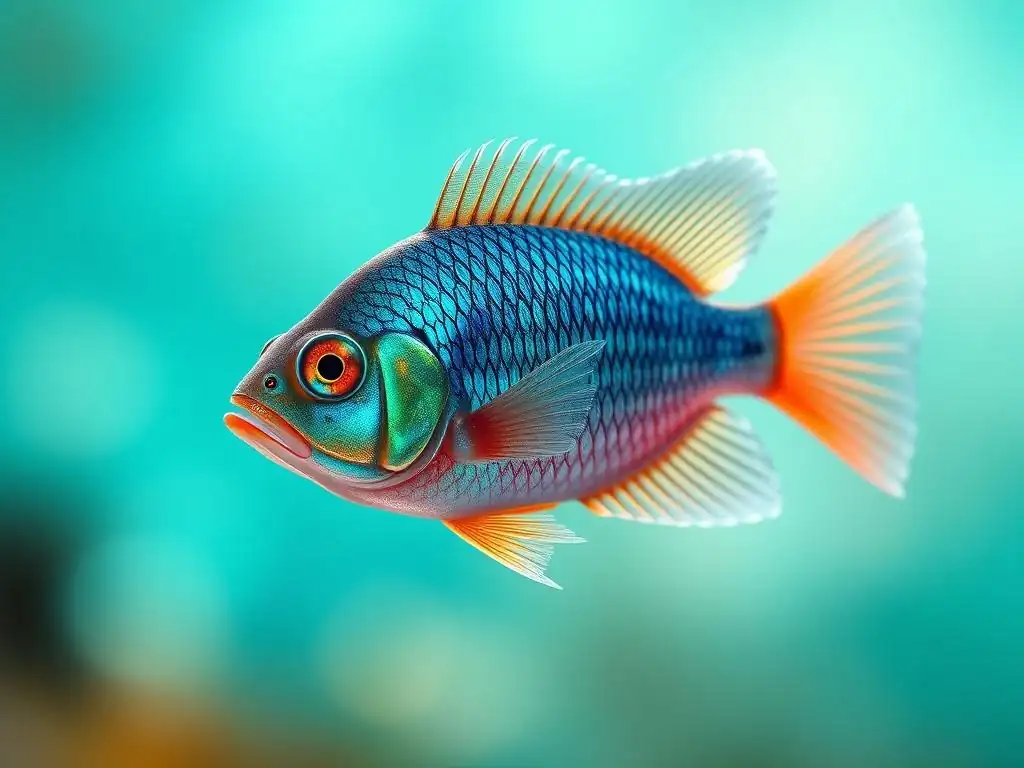
Despite their generally peaceful reputation, Dwarf Gouramis, particularly males, can exhibit aggression, especially towards other males or fish that resemble them in shape or color. This aggression is primarily territorial, driven by the instinct to defend a perceived space or potential mate. It can manifest as chasing, flaring of fins, or even direct physical confrontation like nipping. This behavior is more pronounced in smaller tanks where space is limited and visual barriers are insufficient, preventing the fish from establishing their own territories or escaping unwanted encounters.
Understanding these potential aggression issues is crucial for managing the Dwarf gourami social behavior needs in a multi-fish setup. While they are not inherently aggressive, specific environmental conditions or incompatible tank mates can trigger these behaviors, leading to stress and injury for the affected fish. Recognizing the root cause of aggression is the first step toward mitigating it.
Strategies for Minimizing Aggression: Tank Setup and Management
Several strategies can be employed to minimize aggression and foster a peaceful environment for Dwarf Gouramis. Firstly, providing ample tank size is paramount; a 20-gallon long tank is ideal for a pair or trio, and larger tanks (30-40 gallons) are better for community setups with multiple gouramis or other fish. Secondly, breaking the line of sight through dense planting, driftwood, and rock formations is crucial. These visual barriers allow fish to retreat and establish their own territories, reducing direct confrontations.
Thirdly, avoid housing Dwarf Gouramis with other gourami species or fish that have similar bright colors or body shapes if aggression is a concern, as this can trigger territorial responses. Finally, maintaining stable and pristine water parameters is essential. Poor water quality and fluctuating conditions can increase stress levels in fish, making them more prone to aggressive behavior. Implementing these strategies directly supports the healthy expression of Dwarf gourami social behavior needs by minimizing triggers for conflict.
When to Separate Dwarf Gouramis: Identifying and Addressing Severe Aggression
There are instances when aggression, despite all preventative measures, escalates to a point where separation becomes necessary for the well-being of the fish. If one Dwarf Gourami is constantly harassed, showing chronic signs of stress (persistently faded colors, clamped fins, refusal to eat), or suffering physical injuries such as torn fins or missing scales, it's a clear indication that the situation is unsustainable. In such cases, the dominant fish may prevent the submissive one from accessing food or resting, leading to a rapid decline in health.
When severe aggression is observed, immediate intervention is required. This may involve using a tank divider to separate the aggressor from the victim, or, if possible, moving one of the fish to a separate, established quarantine or hospital tank. Sometimes, permanent separation is the only viable solution, as the Dwarf gourami social behavior needs of the individuals in that specific setup are incompatible. Prioritizing the health and safety of all fish should always be the ultimate goal.
The Verdict: Is Solitary Living Suitable for Dwarf Gouramis?
While Dwarf Gouramis are not traditional schooling fish and male aggression can be a factor, they are not inherently solitary creatures that thrive in complete isolation. Their Dwarf gourami social behavior needs are nuanced; they benefit from an enriched environment that mimics their natural, complex habitats, even if that means subtle interactions with appropriate tank mates rather than direct social bonds with their own kind. A tank devoid of any other life forms can lead to lethargy, stress, and a diminished quality of life for these intelligent fish.
They require an environment where they can establish territory, explore, and engage with their surroundings, which is often facilitated by the presence of other peaceful fish. The key is to provide stimulation and prevent the boredom and stress that can arise from sensory deprivation, ensuring their psychological and physiological well-being.
Based on their Dwarf gourami social behavior needs, the best practices for their care lean towards providing them with appropriate companionship and a well-structured environment. For optimal health and natural behavior, the most recommended setup is a single male Dwarf Gourami with two females in a well-planted 20-gallon long tank or larger. This allows for natural interactions and diffusion of male aggression.
Alternatively, a single Dwarf Gourami can thrive in a peaceful community tank alongside small, non-aggressive species like tetras, rasboras, and corydoras catfish. It is crucial to avoid housing multiple males in tanks smaller than 50 gallons, as this almost invariably leads to severe aggression. Similarly, complete solitary confinement without any environmental enrichment or the presence of other compatible species is generally not recommended if the goal is for the Dwarf Gourami to truly thrive and exhibit its full range of natural behaviors.
Resources for Further Learning About Dwarf Gourami Behavior and Care
Understanding the intricate Dwarf gourami social behavior needs is an ongoing process that benefits from continuous learning and observation. Aquarists are encouraged to consult reputable aquarium resources, detailed fish profiles, and scientific studies on anabantoid behavior. Forums and online communities dedicated to fish keeping can also provide valuable insights from experienced hobbyists.
Further research into topics such as water chemistry, tank cycling, plant selection, and disease prevention will also contribute significantly to the overall success of keeping Dwarf Gouramis. By committing to an informed and attentive approach, aquarists can ensure their Dwarf Gouramis not only survive but truly flourish, displaying their vibrant colors and engaging personalities for years to come.
Frequently Asked Questions
Can Dwarf Gouramis live alone in an aquarium?
While Dwarf Gouramis can survive alone, they are generally more content and exhibit less stressed behavior when kept in a community tank setting. This is due to their inherent social nature.
What are the potential downsides of keeping a Dwarf Gourami alone?
A solitary Dwarf Gourami might display signs of boredom and stress, leading to decreased appetite and a weakened immune system. They are naturally social fish, and isolation can negatively impact their well-being.
How many Dwarf Gouramis can be kept together in a single tank?
It's generally recommended to keep one male Dwarf Gourami per tank to prevent aggression. Multiple females can be kept with a single male in a larger aquarium with plenty of hiding places.
What tank mates are suitable for Dwarf Gouramis in a community aquarium?
Good tank mates include peaceful community fish such as tetras, rasboras, and corydoras. Avoid aggressive or fin-nipping species that could stress the Gourami.
What are the key signs that a Dwarf Gourami is stressed or unhappy in its environment?
Signs of stress include loss of color, hiding frequently, decreased appetite, and erratic swimming. Addressing these issues promptly is crucial for the fish's health and longevity.
Final Reflection: Understanding the Solitary Gourami's Silent Plea
The exploration of dwarf gourami social behavior needs, as we've seen, isn't just about aquarium keeping; it's about recognizing the intrinsic value of understanding animal welfare. The debate surrounding their solitary or social lives highlights a crucial aspect of responsible pet ownership: prioritizing the well-being of our companions, even when their needs aren't immediately obvious.
This journey into the world of Trichogaster lalius has underscored the importance of informed decision-making in aquariums. It's a reminder that even seemingly simple choices, like whether to keep a fish alone or with others, can have a profound impact on its quality of life. The greatness of a nation and its moral progress can be judged by the way its animals are treated.
- Mahatma Gandhi. This quote resonates deeply, urging us to consider the ethical implications of our actions towards all living beings, including the small, often overlooked dwarf gourami.
Now, as you consider your own aquarium, or perhaps even contemplate welcoming a dwarf gourami into your home, I invite you to reflect on the lessons learned here. Let's strive to move beyond mere survival and towards providing environments that truly allow these beautiful creatures to thrive. By understanding and respecting their social needs, we can create not just aquariums, but havens of well-being, enriching both their lives and our own.
Unlock Your Dwarf Gourami's Happiness!
Thank you for exploring the social world of Dwarf Gouramis with us! We hope this article has provided valuable insights into their needs and preferences. Now, let's take action to ensure your gourami thrives.
- Consider introducing compatible tank mates to enrich your Dwarf Gourami's environment, if you are currently housing it alone. Carefully research species with similar temperaments and tank requirements.
- Delve deeper into aquascaping! Rearrange your tank's decor to create new hiding spots and territories for your gourami to explore.
- Share this article with fellow aquarium enthusiasts to spread awareness about the social needs of Dwarf Gouramis.
What specific tank mate are you considering for your Dwarf Gourami, and what research have you done to ensure compatibility?