
Culling Tetra Fry: Ethical Considerations & Methods for Advanced Breeders by Aquarium Mastery

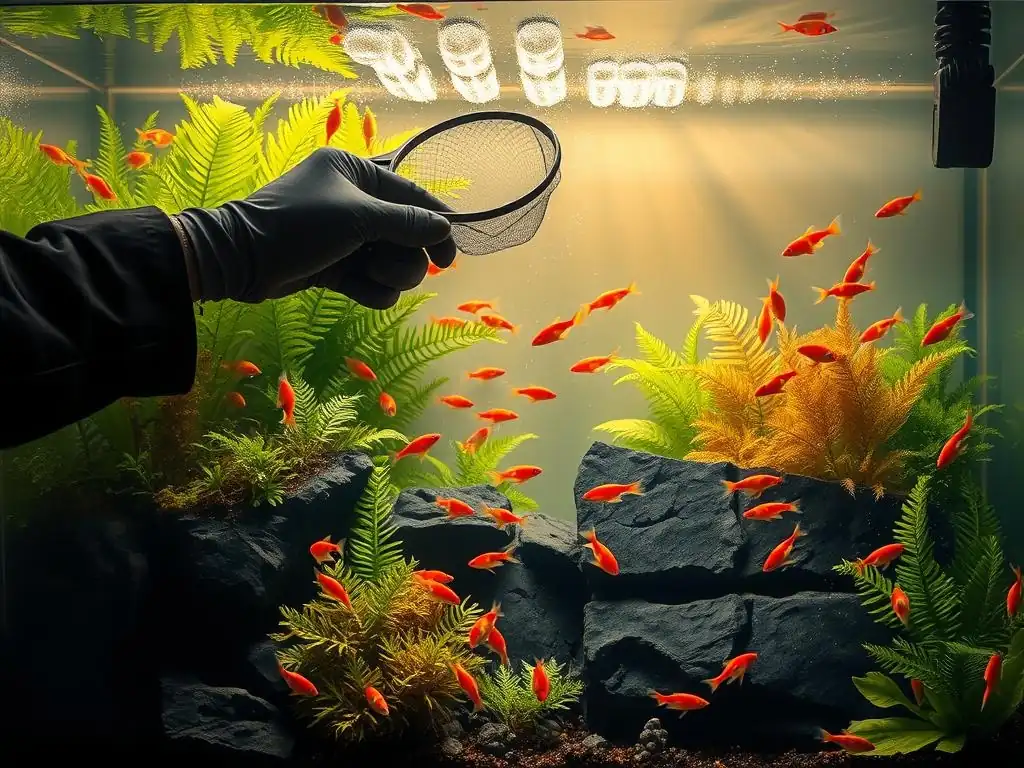
Welcome to Aquarium Mastery!
Ever wondered about the less-talked-about aspects of breeding tetras, specifically the delicate balance between fostering life and making responsible choices? Ethical tetra fry culling methods are a complex topic, and we're diving deep to explore the considerations and best practices for advanced breeders. Prepare to challenge your assumptions and gain a deeper understanding of this sensitive subject. Intrigued? Let's get started!
- Culling Neon Tetra Fry: Ethical Considerations & Methods for Advanced Breeders by Aquarium Mastery
- Understanding the Need for Neon Tetra Fry Culling in Advanced Breeding
- Ethical Considerations in Neon Tetra Fry Culling: A Breeder's Responsibility
- Pre-Culling Assessment: Identifying Fry for Selective Removal
- Humane Neon Tetra Fry Culling Methods: A Step-by-Step Guide
- Post-Culling Care and Tank Management
- Preventing the Need for Extensive Culling: Proactive Breeding Strategies
- Advanced Neon Tetra Breeding: Beyond Culling
- Conclusion: Responsible Neon Tetra Fry Culling as a Cornerstone of Advanced Aquarium Breeding
-
Frequently Asked Questions
- How do I know if culling tetra fry is even necessary?
- What are the primary ethical considerations when culling tetra fry?
- What are some considered to be more ethical culling methods for tetra fry?
- How do I prepare clove oil for humane culling of tetra fry?
- What alternatives are there to culling if I'm uncomfortable with the process?
- Final Reflection: The Delicate Balance of Life
- Nurture, Don't Neglect: Champion Fry Survival!
Culling Neon Tetra Fry: Ethical Considerations & Methods for Advanced Breeders by Aquarium Mastery
Understanding the Need for Neon Tetra Fry Culling in Advanced Breeding
Why Neon Tetra Fry Culling is Sometimes Necessary for Responsible Aquarium Breeding
For advanced breeders of neon tetras, the practice of culling, while often difficult, is sometimes a necessary component of responsible husbandry. A single pair of neon tetras can produce hundreds of eggs in a single spawn, with typical yields ranging from 100 to 200 viable fry. Not all of these fry will develop into healthy, robust adults.
Many may exhibit genetic deformities, severe runting, or succumb to developmental issues, making them unlikely to thrive or contribute positively to a breeding line. The goal of responsible breeding is to produce strong, healthy fish, and focusing resources on the most viable individuals is crucial for achieving this.
Furthermore, attempting to raise every single fry from a large spawn can lead to significant challenges in terms of resource allocation, tank space, and the spread of disease. Overcrowding in fry tanks is a common issue, leading to stunted growth, increased stress, and a higher susceptibility to pathogens among the entire population. By selectively removing unhealthy or genetically compromised individuals using ethical tetra fry culling methods, breeders ensure that the remaining fry have optimal conditions to flourish, ultimately improving the overall health and quality of the next generation.
The Role of Selective Breeding in Maintaining Neon Tetra Genetic Health
Selective breeding is a cornerstone of maintaining and improving the genetic health of captive neon tetra populations. By carefully choosing which individuals to breed and which fry to raise, breeders can actively select for desirable traits such as vibrant coloration, strong schooling behavior, resistance to common diseases, and overall vigor. Conversely, selective culling is employed to remove individuals exhibiting undesirable genetic traits, such as spinal deformities, chronic swim bladder issues, or underdeveloped fins. This prevents the propagation of these weaknesses through successive generations, thereby strengthening the gene pool.
Consider a breeding line where a small percentage of fry consistently show bent spines or abnormal gill development. If these individuals are allowed to mature and breed, these genetic predispositions will be passed on, potentially weakening the entire line over time and making it more susceptible to common ailments like Neon Tetra Disease. Through diligent application of ethical tetra fry culling methods, breeders can systematically eliminate these undesirable traits, ensuring that their breeding efforts contribute to a healthier, more resilient population of neon tetras.
Overpopulation Concerns in Neon Tetra Fry Tanks: Impact on Resources and Growth
Overpopulation is a critical concern in neon tetra fry tanks and directly impacts the growth and survival rates of the young fish. When hundreds of tiny fry are confined to a relatively small space, competition for food, oxygen, and clean water quickly becomes intense. This leads to increased stress levels, which in turn suppresses their immune systems, making them highly vulnerable to bacterial infections and parasitic infestations. The accumulation of waste products from a dense population also rapidly degrades water quality, causing ammonia and nitrite spikes that are lethal to delicate fry.
Studies and practical experience in fish breeding show that in overcrowded conditions, fry growth can be stunted by as much as 30-50% compared to fry raised in optimal population densities. For instance, if a neon tetra fry typically reaches 1 cm in length by six weeks in ideal conditions, an overcrowded tank might see them only reaching 0.5-0.7 cm.
Furthermore, survival rates can plummet from a potential 80-90% in well-managed, less dense environments to less than 30-40% when overpopulation is severe. Therefore, employing ethical tetra fry culling methods helps to manage the bioload, reduce competition, and ensure that the remaining fry have sufficient resources for healthy, unhindered development.
Ethical Considerations in Neon Tetra Fry Culling: A Breeder's Responsibility
Defining Ethical Culling Practices for Neon Tetra Fry
Ethical culling practices for neon tetra fry are fundamentally rooted in the principle of minimizing suffering and ensuring a humane end of life. This means that any decision to cull must be based on clear, justifiable criteria, such as irreversible genetic defects, severe developmental issues, or the necessity to prevent widespread suffering due to overpopulation and resource strain.
It is not an act of convenience but a responsible decision made for the welfare of the entire population and the integrity of the breeding line. A truly ethical approach ensures that the method chosen for euthanasia results in rapid, irreversible unconsciousness and death, without prolonged pain or distress.
Responsible breeders understand that even the smallest aquatic life forms are sentient to some degree and therefore deserve to be treated with respect. This perspective guides the selection of humane methods for euthanasia, prioritizing those that are scientifically proven to be effective and cause the least amount of discomfort. Adhering to these ethical guidelines distinguishes a responsible breeder from one who might disregard the welfare of the animals. These ethical tetra fry culling methods are a testament to a breeder's commitment to animal welfare within the aquarium hobby.
Minimizing Suffering: Humane Methods for Neon Tetra Fry Euthanasia
The primary objective of humane euthanasia is to induce a swift and painless death, minimizing any form of suffering for the neon tetra fry. This requires the use of methods that rapidly depress the central nervous system, leading to immediate unconsciousness before vital functions cease.
Acceptable methods typically involve chemical agents like clove oil or MS-222, which act as anesthetics that, when administered in concentrated doses, lead to an overdose and death. Physical methods, such as rapid blunt force trauma, are generally not suitable for tiny fry due to the difficulty in ensuring immediate and complete destruction of the brain.
Conversely, methods such as flushing fry down a toilet, placing them in boiling water, or allowing them to starve or desiccate are unequivocally unethical and cause immense, prolonged suffering. These practices are unacceptable under any circumstances for any aquatic animal. A responsible breeder employing ethical tetra fry culling methods will meticulously research and prepare the chosen euthanasia solution, ensuring correct concentrations and protocols are followed to guarantee a quick and humane process for the fry.
The Importance of Breeder Ethics in the Aquarium Hobby
Breeder ethics form the bedrock of a sustainable and respected aquarium hobby. When breeders consistently adhere to high ethical standards, including the responsible application of ethical tetra fry culling methods, they contribute significantly to the overall health and public perception of the hobby. Ethical practices ensure that fish are bred for health and vitality rather than sheer quantity, reducing the prevalence of sickly or deformed animals in the market. This commitment to welfare builds trust among hobbyists and the broader community, demonstrating that fish keeping is a thoughtful and compassionate endeavor.
Moreover, responsible breeders serve as educators and role models for aspiring aquarists. By openly discussing and demonstrating humane practices, they elevate the standard for fish care and breeding. This fosters a culture within the hobby where animal welfare is paramount, encouraging others to adopt similar high standards. Ultimately, the integrity of the aquarium hobby is upheld by the collective ethical conduct of its participants, making a breeder's commitment to ethics an indispensable contribution.
Pre-Culling Assessment: Identifying Fry for Selective Removal
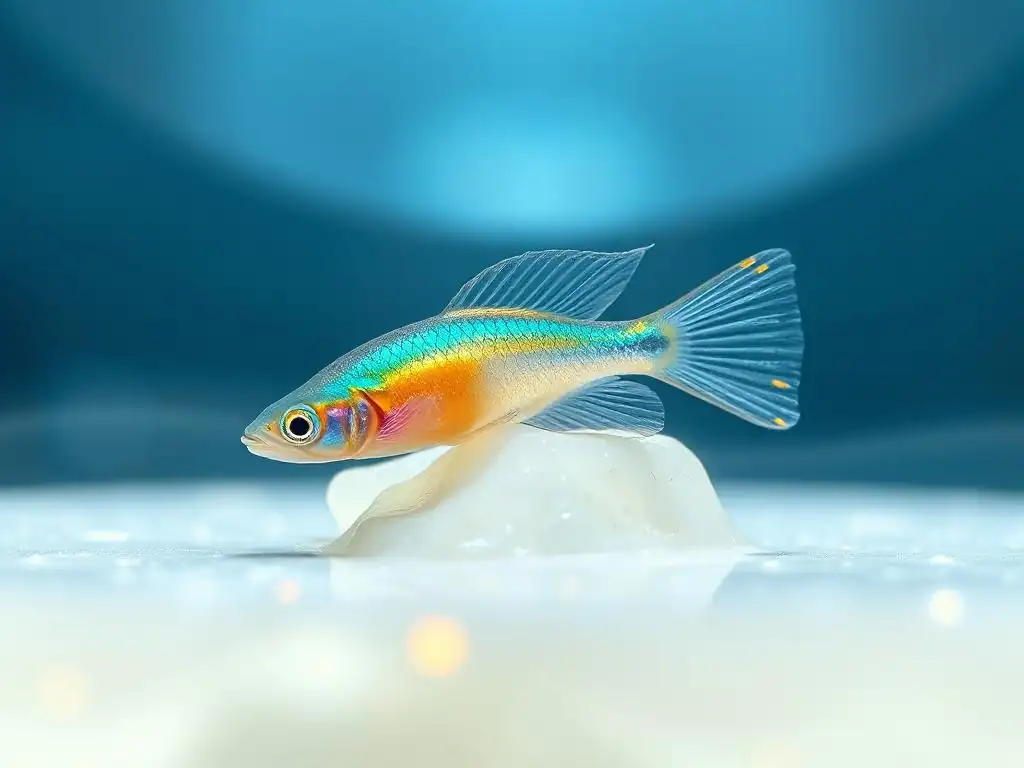
Assessing Neon Tetra Fry Health and Genetic Defects
The initial step in any ethical tetra fry culling process is a thorough assessment of the fry's health and the presence of genetic defects. This observation should ideally begin around 2-3 weeks post-hatch, as many deformities become visibly apparent during this developmental stage. Key indicators of poor health or genetic issues include noticeable spinal deformities (e.g., a curved or kinked spine), chronic swim bladder disorders that cause the fry to struggle with buoyancy or swim erratically, and underdeveloped or malformed fins. Fry exhibiting these conditions are unlikely to live a full, healthy life and often suffer from chronic issues.
In a typical large spawn of neon tetra fry, it is not uncommon to observe between 5-15% of the population displaying some form of genetic anomaly or severe developmental setback. Beyond physical deformities, signs of consistent weakness, inability to compete for food despite ample availability, or susceptibility to minor environmental changes can also indicate underlying health problems that warrant consideration for culling. Careful and consistent observation helps breeders identify these individuals early, allowing for a more humane and efficient application of ethical tetra fry culling methods.
Identifying Runts and Underdeveloped Neon Tetra Fry
Identifying runts is another crucial aspect of the pre-culling assessment. Runts are fry that, despite being from the same spawn and receiving the same feeding and environmental conditions, remain significantly smaller and fail to grow at the same rate as their clutch mates. This pronounced difference in size often signals underlying genetic weaknesses, poor nutrient absorption, or a compromised immune system that prevents them from thriving. These individuals typically struggle to compete for food with their larger, more vigorous siblings, leading to further stunting and increased vulnerability to disease.
For example, if the majority of a neon tetra fry batch reaches 8mm in length by four weeks, but a segment remains at 4-5mm, these smaller individuals are likely runts. Allowing runts to continue consuming resources in the grow-out tank can negatively impact the development of the healthier fry by increasing the bioload and competition. Removing them ensures that resources are concentrated on the most promising individuals, leading to a stronger and more uniform population of healthy neon tetras. This selective removal is a key part of effective ethical tetra fry culling methods.
Evaluating Neon Tetra Fry Coloration and Desired Traits
For advanced breeders aiming to develop specific strains or enhance particular aesthetic qualities in their neon tetras, evaluating coloration and other desired traits becomes an important criterion for selective removal. While health and genetic integrity are always paramount, breeders might, for instance, be working to intensify the iconic blue and red stripe, achieve a more iridescent sheen, or even develop unique finnage. Fry that, by a certain age (e.g., 4-6 weeks), do not begin to exhibit the desired intensity of color or specific patterns may be considered for culling in highly specialized breeding programs.
This type of evaluation is distinct from culling for health reasons, focusing instead on phenotypic expression relevant to the breeding goal. For example, if breeding for a "Diamond Neon Tetra" strain known for its extensive metallic iridescence, fry that show dull or incomplete iridescence compared to their siblings might be selected out. This meticulous selection helps to refine the genetic line over generations, concentrating the desired characteristics and ensuring that future spawns are more likely to produce high-quality specimens meeting the breeder's specific aesthetic objectives.
Humane Neon Tetra Fry Culling Methods: A Step-by-Step Guide
Method 1: Clove Oil Euthanasia for Neon Tetra Fry - A Detailed Protocol
Preparing the Clove Oil Solution for Humane Euthanasia
Clove oil (eugenol) is a widely accepted and humane method for euthanizing fish, including delicate neon tetra fry, as it acts as an anesthetic that induces a peaceful overdose. To prepare the solution, it is crucial to first emulsify the pure clove oil to ensure it disperses evenly in water. Start by adding a small amount, typically 0.5 to 1 milliliter (approximately 10-20 drops) of pure clove oil, to a small container (e.g., a 100ml glass jar) with about 50ml of warm water.
Shake this mixture vigorously for at least 30-60 seconds until the oil is thoroughly emulsified and appears milky, not separated. This pre-emulsification prevents the oil from simply floating on the surface, which could lead to uneven exposure for the fry.
Once emulsified, this concentrated stock solution should then be gradually added to a larger container, such as a 1-liter dedicated euthanasia tank, filled with tank water from the fry's environment. The target concentration for euthanasia is typically around 250-400 mg/L (or 0.25-0.4 ml/L). For instance, if using 1ml of emulsified clove oil in 50ml water, and then adding this to 1 liter of fry water, the final concentration would be approximately 1ml/L. This careful preparation ensures the solution is potent enough for rapid euthanasia and evenly distributed.
Gradually Introducing Neon Tetra Fry to the Clove Oil Solution
The process of introducing the neon tetra fry to the clove oil solution must be done gradually to minimize stress and ensure a humane transition. First, gently transfer the fry intended for culling into the separate 1-liter container containing their original tank water. Then, slowly begin to add the pre-emulsified clove oil solution into this container, ideally over a period of 5-10 minutes. Do not dump it all in at once. This gradual increase in concentration allows the clove oil to first act as a sedative, inducing a state of anesthesia before it becomes lethal.
Observe the fry closely during this process. They will initially become lethargic, their movements will slow, and they may settle to the bottom. As the concentration increases, they will lose their equilibrium, often turning onto their sides or backs, and eventually cease opercular (gill) movement. The goal is a gentle, progressive sedation leading to complete unconsciousness and death without a frantic struggle. This controlled exposure is a hallmark of ethical tetra fry culling methods.
Confirming Euthanasia and Proper Disposal of Fry
Confirmation of euthanasia is a critical final step to ensure that the process has been successful and humane. After the fry have ceased all opercular movement and show no response to gentle prodding, it is essential to leave them in the concentrated clove oil solution for an extended period, typically at least 10-15 minutes, and preferably up to an hour, to guarantee irreversible death. This extended immersion ensures that all vital functions have completely ceased and there is no chance of revival.
Once confirmed deceased, proper and respectful disposal is necessary. Fry can be buried in a garden, composted, or, for smaller quantities, flushed down a dedicated toilet if local regulations permit, ensuring they do not enter the main plumbing system where they could potentially cause issues. Avoid simply discarding them in household waste, which can be disrespectful and attract pests. This complete protocol ensures that ethical tetra fry culling methods are applied from start to finish.
Method 2: Ice Bath Euthanasia for Neon Tetra Fry - Considerations and Best Practices
Cooling the Water Gradually to Minimize Stress
Ice bath euthanasia, while debated, can be considered for very small fry if executed with extreme care to minimize stress. The principle is rapid hypothermia, leading to a cessation of brain activity. To perform this method humanely, the key is gradual cooling, not immediate freezing. Begin by placing the neon tetra fry in a small container with their original tank water. Then, slowly add ice to the container, gradually lowering the water temperature over a period of 10-15 minutes. This slow reduction in temperature is crucial to prevent thermal shock, which can cause severe stress and pain.
The aim is to induce a state of torpor, or deep inactivity, before cellular death occurs. As the temperature drops, the fry will become increasingly lethargic and eventually unresponsive. The water should reach near-freezing temperatures (0-2°C) to be effective. This careful, slow cooling ensures that the fry enter a state of unconsciousness before their biological functions cease completely.
Ensuring Complete and Painless Euthanasia
Once the water has reached an ice-cold temperature, the fry should be completely immobile and show no signs of life. To ensure complete and irreversible euthanasia, the fry must remain in this ice bath for an extended period. It is recommended to keep them in the chilled water for at least 20-30 minutes after all movement has ceased, or ideally, until they are completely frozen into the ice if possible. This prolonged exposure to extreme cold ensures that all brain activity ceases and cellular structures are destroyed, preventing any possibility of recovery or prolonged suffering.
Confirming death involves observing a complete lack of opercular movement and no response to gentle physical stimulation. The goal is to ensure that death is swift and painless, without any lingering awareness.
Understanding the Controversy Surrounding Ice Bath Euthanasia
Despite its widespread use, ice bath euthanasia, particularly for larger fish, remains a subject of controversy within the scientific and ethical communities. Some studies suggest that while it can be effective, fish may experience a period of discomfort or stress during the initial cooling phase before unconsciousness sets in, especially if the cooling is not sufficiently gradual. The debate centers on whether the fish truly lose consciousness before feeling the full effects of the cold.
For very small fry like neon tetras, the method's efficacy and humaneness are often considered higher due to their small body mass and rapid cooling. However, breeders must weigh these considerations against other available ethical tetra fry culling methods, such as clove oil, which are generally regarded as less controversial and more consistently humane due to their anesthetic properties. If choosing the ice bath method, meticulous adherence to the gradual cooling protocol is paramount to mitigate potential suffering.
Method 3: Tricaine Methanesulfonate (MS-222) Euthanasia for Neon Tetra Fry
Detailed Steps and Safety Precautions for MS-222 Use
Tricaine Methanesulfonate, commonly known as MS-222 (Finquel or Tricaine-S), is a pharmaceutical anesthetic widely used in aquaculture and veterinary medicine for fish sedation and euthanasia. For euthanasia of neon tetra fry, a concentrated solution is required, typically ranging from 250 to 500 mg per liter of water.
To prepare, dissolve the measured amount of MS-222 powder in a small volume of warm water first to ensure complete dissolution, then add this stock solution to the larger container holding the fry and their tank water. The solution should be buffered with sodium bicarbonate (baking soda) at a 1:1 or 2:1 ratio (MS-222 to sodium bicarbonate) to maintain a neutral pH, as unbuffered MS-222 can be highly acidic and cause gill irritation, leading to distress.
Safety precautions are paramount when handling MS-222. It is an irritant and can be absorbed through the skin, so always wear appropriate personal protective equipment, including gloves, eye protection, and a mask, and ensure good ventilation in the work area. MS-222 induces rapid anesthesia followed by respiratory and cardiac arrest, leading to a quick and humane death.
Observe the fry for cessation of opercular movement and lack of response to stimuli for at least 10-15 minutes to confirm death. Proper disposal of the MS-222 solution is also important, as it should not be simply poured down the drain; check local regulations for chemical disposal guidelines.
Post-Culling Care and Tank Management
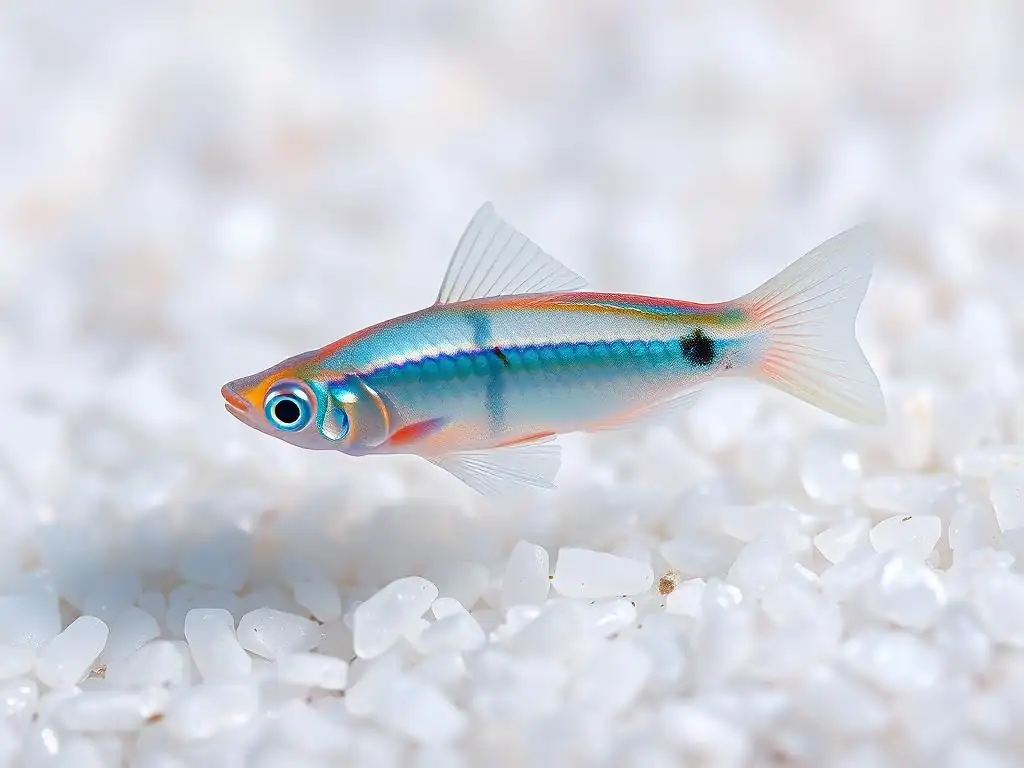
Maintaining Optimal Water Quality After Neon Tetra Fry Culling
Following the application of ethical tetra fry culling methods, maintaining pristine water quality in the fry tank becomes even more critical for the health and rapid growth of the remaining neon tetra fry. Although the bioload is reduced, the fry are still highly sensitive to even minute fluctuations in water parameters. Ammonia and nitrite levels must remain at zero, and nitrates should be kept below 10 ppm. This necessitates frequent, small water changes, typically 10-15% daily or every other day, using dechlorinated water matched in temperature and pH to the tank water.
Beyond regular water changes, ensuring the filtration system is robust and mature is vital. A sponge filter, for instance, provides gentle mechanical filtration and ample surface area for beneficial bacteria, which are crucial for processing waste. Monitoring water parameters daily with a reliable test kit allows breeders to proactively address any imbalances, ensuring the remaining fry grow in an environment that supports their delicate physiology and prevents stress-related diseases.
Adjusting Feeding Strategies for the Remaining Fry
With a reduced population density after culling, the remaining neon tetra fry have less competition for food, which presents an opportunity to optimize their growth through adjusted feeding strategies. While the frequency of feeding should remain high (3-5 times per day for young fry), the quantity per feeding should be carefully monitored to ensure all fry receive adequate nutrition without overfeeding. Overfeeding can quickly foul the water, negating the benefits of reduced bioload.
Focus on high-quality, appropriately sized foods such as live baby brine shrimp, micro-worms, or finely powdered commercial fry food. These foods are highly nutritious and easily digestible, promoting rapid growth and vibrant coloration. Observe the fry during feeding to ensure they are actively consuming the food and that no excess is left to rot on the substrate. Adjusting the feeding regimen in response to the reduced population ensures efficient nutrient uptake and supports the healthy development of the chosen individuals.
Monitoring Fry Growth and Development Post-Culling
Continuous and meticulous monitoring of the remaining neon tetra fry's growth and development is essential to assess the success of the breeding program and the impact of the ethical tetra fry culling methods employed. Daily observation allows breeders to track their activity levels, feeding behavior, and the development of their characteristic neon stripe and overall coloration. Any signs of lethargy, abnormal swimming, or lack of appetite should be noted and investigated promptly.
Beyond visual assessment, periodically measuring a representative sample of fry (e.g., weekly) can provide concrete data on their growth rates. This objective data helps confirm that the remaining fry are thriving as expected and reaching their developmental milestones. Consistent growth indicates optimal conditions and successful selective breeding, reinforcing the rationale behind the culling process and guiding future breeding decisions for even better outcomes.
Preventing the Need for Extensive Culling: Proactive Breeding Strategies
Optimizing Breeding Conditions for Healthy Neon Tetra Fry
Proactive strategies to optimize breeding conditions are paramount in minimizing the need for extensive culling, as healthy parents and ideal environments naturally lead to a higher percentage of viable and robust fry. For neon tetras, this involves providing soft, acidic water (pH 5.5-6.5, GH 1-5 dGH) at a consistent temperature of 75-78°F (24-26°C), mimicking their natural Amazonian habitat. Parents should be conditioned with a varied, high-quality diet rich in live and frozen foods for several weeks prior to spawning, ensuring they are in peak physical condition to produce strong, fertile eggs.
Proper water chemistry and nutrition for the breeding pair directly influence egg quality and fry vitality. Well-conditioned parents are more likely to produce a higher yield of fertilized eggs with strong genetic potential, meaning fewer unfertilized eggs and a lower incidence of developmental abnormalities in the resulting fry. This upfront investment in optimal breeding parameters significantly reduces the initial pool of unhealthy or weak fry that might later require culling, thereby making the application of ethical tetra fry culling methods less frequent.
Genetic Diversity and Responsible Breeding Practices
Maintaining genetic diversity within a breeding line is a critical proactive strategy to reduce the prevalence of genetic defects and thereby lessen the need for extensive culling. Inbreeding, or continuously breeding closely related individuals, can lead to inbreeding depression, which manifests as reduced fertility, smaller size, increased susceptibility to disease, and a higher incidence of congenital deformities such as spinal kinks or underdeveloped organs. These issues directly contribute to the number of fry that would require culling.
Responsible breeders meticulously track parentage and introduce new, unrelated bloodlines periodically to refresh the gene pool. This strategic outcrossing helps to maintain genetic vigor, strengthens the immune system of the offspring, and reduces the likelihood of recessive deleterious genes expressing themselves. By prioritizing genetic diversity, breeders can significantly decrease the percentage of unhealthy fry in each spawn, making the application of ethical tetra fry culling methods a more targeted and less frequent necessity.
Early Intervention and Identifying Potential Issues
Early intervention and diligent observation from the moment eggs are laid can significantly reduce the ultimate number of fry requiring culling. Immediately after spawning, unfertilized eggs or those showing signs of fungal growth should be promptly removed. Fungused eggs can quickly spread fungal infections to healthy eggs, devastating an entire clutch. A common approach is to use a pipette or small turkey baster for gentle removal.
As fry hatch, continuous, close monitoring allows for the earliest identification of severe deformities or non-viable individuals. The sooner these fry are identified and humanely culled, the less resources they consume and the less impact they have on the water quality and space for the healthy fry. This proactive approach not only streamlines the breeding process but also ensures that ethical tetra fry culling methods are applied at the earliest, least impactful stage of development, demonstrating a high level of responsibility.
Advanced Neon Tetra Breeding: Beyond Culling
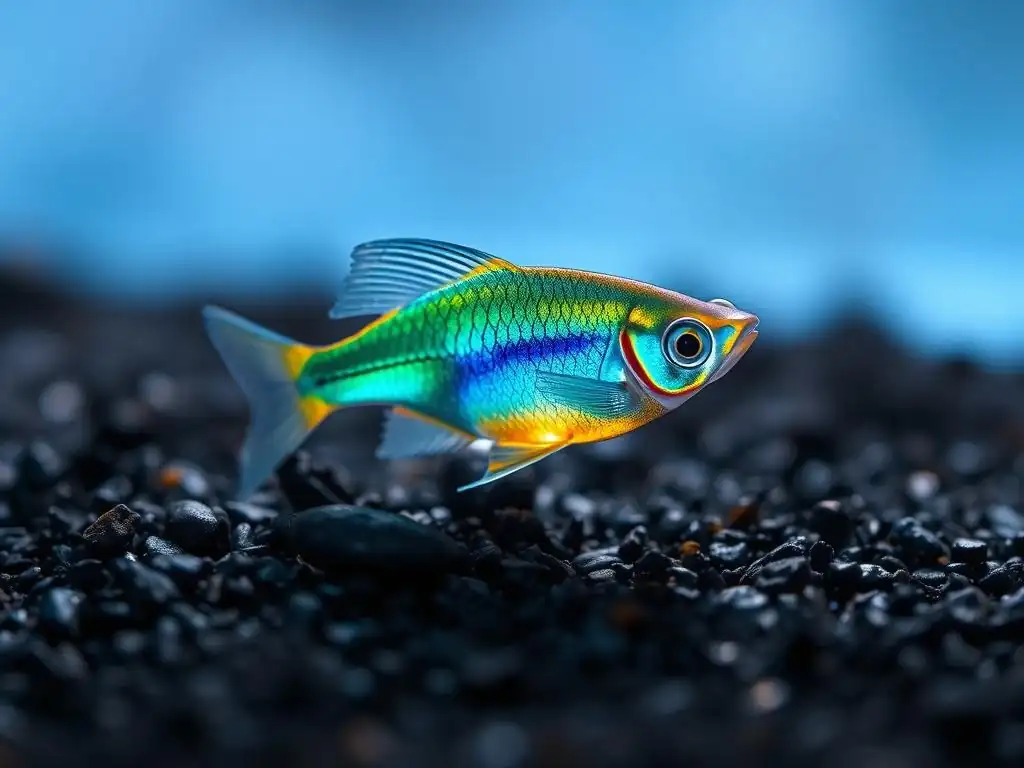
Selective Breeding Programs for Specific Neon Tetra Traits
Beyond the essential practice of culling for health and vitality, advanced neon tetra breeding delves into sophisticated selective breeding programs aimed at enhancing specific aesthetic or behavioral traits. This involves meticulous record-keeping of parentage and progeny over multiple generations, tracking the inheritance and expression of desired characteristics. For instance, a breeder might focus on intensifying the vibrant blue and red stripe that defines the neon tetra, selecting only the fry that display the most vivid and extensive coloration at maturity for future breeding.
Other specialized traits could include developing larger or more flowing finnage, or even subtle variations in body shape or iridescence. Such programs require patience, a keen eye, and a deep understanding of Mendelian genetics as it applies to fish. The application of ethical tetra fry culling methods within these programs becomes a tool for refining the genetic line, ensuring that only individuals carrying the strongest expression of desired traits are carried forward.
Raising Show-Quality Neon Tetra Fry
Raising show-quality neon tetra fry demands an elevated level of care and precision far beyond standard breeding practices. Every aspect of their environment and nutrition is optimized to maximize their genetic potential for size, coloration, finnage, and overall vigor. This includes providing exceptionally clean water with minimal fluctuations in parameters, often achieved through daily small water changes and robust filtration. The diet is typically comprised exclusively of live foods, such as newly hatched baby brine shrimp and micro-worms, fed multiple times a day to promote rapid and robust growth.
Show-quality fry are also given ample space in grow-out tanks to prevent stunting and stress, allowing them to reach their maximum potential size and develop perfect form. The meticulous application of ethical tetra fry culling methods at various developmental stages ensures that only the most promising individuals are given this specialized care, concentrating resources on those with the highest likelihood of winning awards at competitive fish shows.
Contributing to Neon Tetra Conservation through Responsible Breeding
Responsible breeding, encompassing the diligent application of ethical tetra fry culling methods, plays a vital role in the broader context of neon tetra conservation. By consistently producing healthy, genetically diverse, and robust captive populations, breeders reduce the demand for wild-caught neon tetras, thereby alleviating pressure on their natural habitats in the Amazon basin. Over-collection for the aquarium trade can impact wild populations, and a thriving, self-sustaining captive population offers a crucial alternative.
Furthermore, maintaining strong, disease-resistant captive bloodlines acts as a genetic reservoir. Should wild populations face severe threats from habitat degradation or disease outbreaks, these well-managed captive populations could potentially serve as a source for reintroduction programs or research. Thus, advanced breeders, through their commitment to animal welfare and selective breeding practices, contribute significantly to the long-term sustainability and conservation of this iconic species.
Conclusion: Responsible Neon Tetra Fry Culling as a Cornerstone of Advanced Aquarium Breeding
Emphasizing Ethical Practices and Continuous Learning
Responsible neon tetra fry culling, though a challenging aspect of advanced aquarium breeding, stands as a cornerstone practice for ensuring the health, vitality, and genetic integrity of captive populations. It is not an act of cruelty but a considered decision made with the utmost ethical responsibility, prioritizing the welfare of the entire breeding line. By implementing ethical tetra fry culling methods, breeders actively select for robust traits, mitigate the risks of overpopulation, and prevent the perpetuation of genetic defects, ultimately leading to stronger, more resilient generations of neon tetras.
The commitment to continuous learning and the refinement of humane practices are paramount. Advanced breeders must stay informed about the latest scientific understanding of fish welfare, ensuring that their ethical tetra fry culling methods are always aligned with the most humane and effective protocols available. This dedication to ethical stewardship not only elevates the quality of the fish produced but also upholds the moral integrity of the aquarium hobby, setting a commendable example for all aquarists.
Frequently Asked Questions
How do I know if culling tetra fry is even necessary?
Culling becomes necessary when you face overpopulation in your tank or if you observe significant deformities or health issues in a large percentage of the fry. It helps maintain the overall health of the remaining population.
What are the primary ethical considerations when culling tetra fry?
The primary ethical considerations revolve around minimizing suffering and ensuring the process is as humane as possible. It's crucial to use methods that induce rapid unconsciousness and death.
What are some considered to be more ethical culling methods for tetra fry?
Ethical methods include using clove oil (a humane anesthetic overdose), or rapid freezing after anesthetization. These methods prioritize a quick and painless end for the fry.
How do I prepare clove oil for humane culling of tetra fry?
Dilute clove oil in water, creating a solution that will induce gradual anesthetization. Then, increase the concentration to ensure a rapid and irreversible overdose, leading to humane euthanasia.
What alternatives are there to culling if I'm uncomfortable with the process?
Consider separating fry into a different tank, or rehoming healthy fry to other aquarists or local fish stores. You can also try to reduce breeding by adjusting tank parameters.
Final Reflection: The Delicate Balance of Life
The insights shared throughout this article highlight the crucial intersection of responsible breeding and ethical decision-making, a topic that remains profoundly relevant today. The responsible management of tetra fry populations is not merely a technical skill, but a moral imperative for advanced breeders. As the aquarium hobby continues to grow, so too does our responsibility to ensure the well-being of the animals under our care, even in the earliest stages of their lives.
This topic has profoundly influenced my understanding of the aquarium hobby, pushing me to consider the ethical implications of every decision. It's a constant reminder that even seemingly small actions can have a significant impact on the lives of these delicate creatures. The greatness of a nation and its moral progress can be judged by the way its animals are treated.
- Mahatma Gandhi. This quote resonates deeply, urging us to strive for compassion and ethical practices in all aspects of our interaction with the natural world, including the breeding and culling of aquarium fish.
Now, I invite you to reflect on your own practices and beliefs. How can you incorporate the principles of ethical culling into your approach to aquarium keeping? Consider the long-term impact of your choices and strive to create a more sustainable and compassionate future for the aquarium hobby. Let us all commit to learning, growing, and ensuring that the delicate balance of life within our tanks is respected and valued.
Nurture, Don't Neglect: Champion Fry Survival!
Thanks for diving deep into the ethical aspects of culling tetra fry! We hope you’ve found new insights to refine your breeding practices and minimize suffering. Now, let’s turn knowledge into compassionate action!
- Prioritize ethical considerations: Review your current culling methods to ensure they align with humane practices and prioritize the well-being of your fry above all else.
- Connect with fellow breeders: Share your experiences and challenges related to ethical culling on the Aquarium Mastery forums or other aquatic communities to learn from others and contribute to best practices.
- Think outside the tank: Research alternative solutions, such as donating healthy fry to local aquarium clubs or schools, to reduce the overall number of fry that need to be culled.
What's one small change you can implement today to make your fry-culling process more ethical and compassionate?