
Single Species Peacock Tanks: Showcasing Aulonocara Majesty

Welcome to Aquarium Mastery!
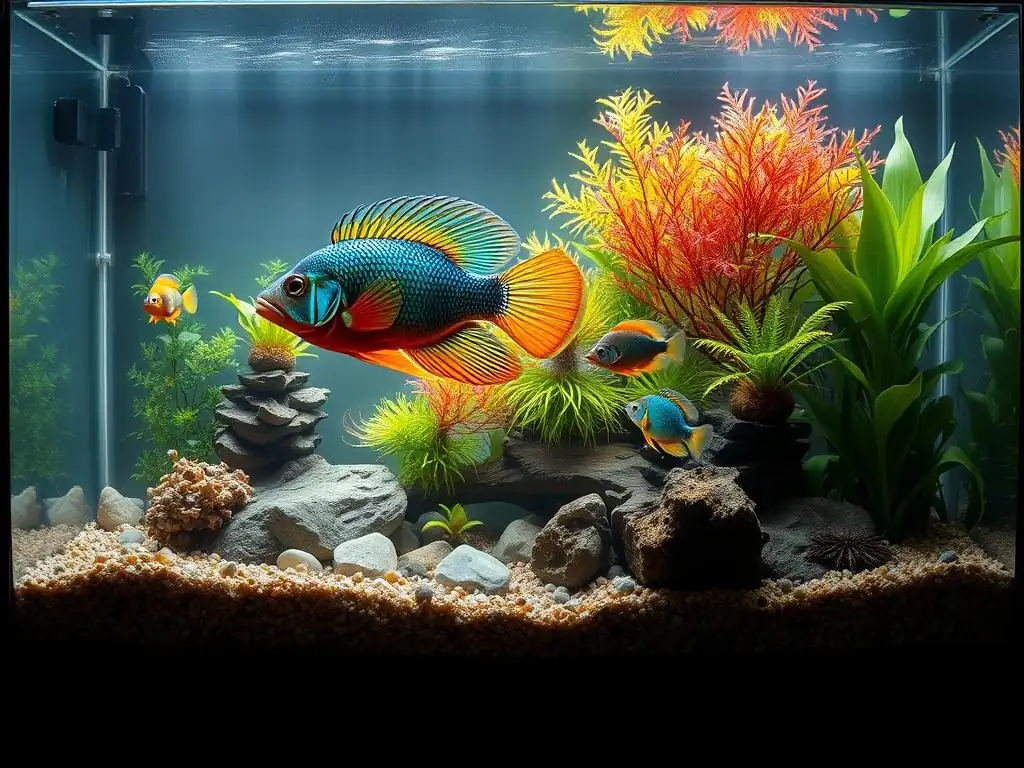
Ever been captivated by the vibrant colors and regal presence of Peacock Cichlids? Dive into our comprehensive guide on "Peacock Cichlid Tank Setup" and discover the secrets to creating a thriving, single-species haven for these Aulonocara beauties. Prepare to unlock the art of showcasing their majesty in a stunning freshwater display – but first, let's explore the essentials! What awaits beneath the surface?
- Introduction to Single Species Aulonocara Aquariums
- Planning Your Peacock Cichlid Tank Setup
- Maintaining Optimal Water Parameters for Peacock Cichlids
- Feeding Your Aulonocara Cichlids
- Common Health Issues in Peacock Cichlids and Their Prevention
- Breeding Aulonocara in a Single Species Tank (Optional)
- Troubleshooting Common Problems in Peacock Cichlid Tanks
- Showcasing the Beauty: Design Tips for a Stunning Aulonocara Display
- Conclusion: The Rewarding Experience of a Single Species Peacock Cichlid Aquarium
-
Frequently Asked Questions
- How many Peacock Cichlids can I keep in a single-species tank?
- What size tank is recommended for a single-species Peacock Cichlid tank?
- What are the key water parameters for a healthy Peacock Cichlid tank?
- What type of substrate and decorations are best for a Peacock Cichlid tank setup?
- What should I feed my Peacock Cichlids in a single-species tank?
- Final Reflection: Embracing the Aulonocara Aesthetic
- Unleash the Aulonocara Bloom: Dive Deeper into Peacock Cichlid Keeping!
Introduction to Single Species Aulonocara Aquariums
The Allure of a Species-Specific Peacock Cichlid Tank
The vibrant hues and distinctive personalities of Peacock Cichlids ( Aulonocara species) make them a captivating choice for any aquarist. Originating from the sandy and rocky shores of Lake Malawi in East Africa, these cichlids are renowned for their iridescent blues, reds, yellows, and oranges, often changing with mood and dominance. A single species Peacock Cichlid tank setup allows their natural behaviors, intricate social hierarchies, and stunning coloration to be fully appreciated without the stress of inter-species aggression, which can often dilute their brilliance in mixed community tanks.
Focusing on a single Aulonocara species, such as Aulonocara jacobfreibergi (African Butterfly Peacock) or Aulonocara stuartgranti (Ngara Flametail Peacock), provides an unparalleled opportunity to observe their unique characteristics. Male Peacock Cichlids, in particular, display an impressive array of colors during breeding or when asserting dominance, a spectacle often muted when competing with other aggressive cichlid species. This dedicated approach to a Peacock Cichlid tank setup fosters a harmonious environment where these magnificent fish can truly thrive and exhibit their full splendor.
Why Choose a Single Species Peacock Cichlid Aquarium?
Opting for a single species Peacock Cichlid aquarium offers significant advantages, primarily revolving around reduced stress and enhanced display. In their natural habitat, Aulonocara species typically occupy specific niches, and while they can coexist with certain other cichlids, a single-species setup eliminates competition for territory and mates, leading to healthier, more colorful fish. This specialized Peacock Cichlid tank setup is particularly beneficial for observing subtle behavioral nuances, such as their unique "hovering" over the substrate to detect invertebrates, a common feeding strategy for many Aulonocara.
Furthermore, a single species tank minimizes the risk of hybridization, which is a common concern in mixed African cichlid aquariums. Maintaining genetic purity ensures that the distinct traits and appearances of specific Aulonocara varieties are preserved, making it an ideal choice for breeders or enthusiasts keen on appreciating the unique characteristics of each species. For instance, a tank dedicated solely to Aulonocara baenschi (Benga Peacock) allows their striking yellow and blue patterns to be the undisputed focal point, creating a living art piece that highlights the specific beauty of this particular Peacock Cichlid.
Planning Your Peacock Cichlid Tank Setup
Tank Size Considerations for Aulonocara
The appropriate tank size is paramount for a successful Peacock Cichlid tank setup, directly influencing the health, coloration, and behavior of your Aulonocara. For a small group of Peacock Cichlids, a minimum tank size of 55 gallons (approximately 208 liters) is generally recommended. This provides adequate swimming space and helps dilute aggression.
However, for a larger group or a mixed sex ratio aiming for breeding, a 75-gallon (284 liters) or even 90-gallon (340 liters) tank is far more ideal. For example, keeping 6-8 Aulonocara species like the Blue Orchid Peacock ( Aulonocara stuartgranti "Cobalt") would thrive in a 75-gallon tank, allowing males to establish territories without constant conflict.
The tank's footprint is often more important than its height for these fish, as they primarily occupy the lower and mid-water columns and require ample floor space for territorial disputes and foraging. A 48-inch long tank (standard for a 55-gallon or 75-gallon) offers better horizontal swimming room than a taller, narrower tank of similar volume. Overcrowding, even with a single species, can lead to increased stress, faded colors, and heightened aggression, often resulting in dominant males relentlessly harassing subdominant individuals. Providing sufficient space is a cornerstone of a healthy Peacock Cichlid tank setup.
Essential Equipment for a Thriving Peacock Cichlid Environment
Establishing a robust filtration system is non-negotiable for a healthy Peacock Cichlid tank setup. These fish, like most cichlids, produce a significant bioload, and maintaining pristine water quality is crucial for their well-being and vibrant coloration. A combination of mechanical, biological, and chemical filtration is recommended. For a 75-gallon Aulonocara tank, a high-capacity canister filter rated for 100-150 gallons, such as an Eheim Classic 600 (2217) or a Fluval FX series, would be an excellent choice, providing superior water turnover and media volume compared to hang-on-back filters.
Beyond filtration, appropriate heating and lighting are vital. Peacock Cichlids thrive in stable water temperatures between 76-82°F (24-28°C), necessitating a reliable aquarium heater. For a 75-gallon tank, two 200W heaters or a single 300W heater are generally sufficient to maintain a consistent temperature.
Lighting, while less critical for the fish's physiological needs than for plants, plays a significant role in showcasing their brilliant colors. A full-spectrum LED light with adjustable intensity and color temperature, such as a Fluval Plant 3.0 or a Chihiros WRGB II, can dramatically enhance the visual appeal of your Peacock Cichlid tank setup, bringing out the reds, blues, and yellows in stunning detail.
Filtration Needs for Maintaining Water Quality
Effective filtration is the backbone of a successful Peacock Cichlid tank setup, directly impacting water clarity, fish health, and the stability of the aquatic environment. Given that Peacock Cichlids are native to the highly oxygenated, mineral-rich waters of Lake Malawi, their tanks require excellent water movement and efficient removal of waste products. A strong biological filter, which houses beneficial bacteria to convert harmful ammonia and nitrite into less toxic nitrate, is paramount. Ceramic rings, bio-balls, and porous filter sponges are excellent media choices for biological filtration, offering vast surface areas for bacterial colonization.
Mechanical filtration, typically achieved with filter floss or sponges, removes particulate matter, preventing cloudy water and reducing the organic load on the biological filter. For example, a well-maintained canister filter on a 75-gallon Peacock Cichlid tank can process the entire tank volume 5-10 times per hour, ensuring rapid waste removal. Additionally, chemical filtration, often using activated carbon or specialized nitrate-removing resins, can help remove dissolved organic compounds, odors, and certain pollutants, contributing to the overall water purity essential for a thriving Peacock Cichlid environment.
Heating and Lighting Requirements for Aulonocara
Maintaining stable water temperature is critical for the health and activity levels of Aulonocara cichlids. As tropical fish, they are sensitive to fluctuations and cold temperatures, which can lead to stress and susceptibility to diseases like Ich. A consistent temperature of 76-82°F (24-28°C) mimics their natural environment in Lake Malawi. For larger tanks, using two smaller heaters positioned at opposite ends of the tank can provide more even heat distribution and a safeguard against complete heater failure, ensuring the stability vital for a Peacock Cichlid tank setup.
While Peacock Cichlids do not have stringent lighting requirements like photosynthetic plants, appropriate illumination enhances their colors and allows for observation of their natural behaviors. A standard aquarium LED light with a color temperature around 6500K (daylight white) is suitable. For optimal color display, lights with adjustable red, green, and blue (RGB) channels are highly recommended.
For instance, dialing up the blue spectrum can intensify the iridescent blues and purples of Aulonocara nyassae or Aulonocara eureka, making their colors pop. A typical photoperiod of 10-12 hours per day is sufficient, providing a natural day-night cycle without encouraging excessive algae growth.
Choosing the Right Substrate and Aquascaping for Peacock Labs
The choice of substrate and aquascaping elements is crucial in creating an authentic and beneficial environment for your Peacock Cichlids. A fine sand substrate, ideally aragonite sand or a specialized cichlid sand, is highly recommended.
Not only does this mimic the sandy lakebed areas where Aulonocara species are often found, but it also helps buffer the water, contributing to the high pH and hardness levels they prefer. For a 75-gallon tank, approximately 40-50 pounds of sand would provide a suitable depth of 1-2 inches, allowing the fish to sift through it naturally for food and dig small depressions, a common behavior.
Aquascaping should focus on providing caves, crevices, and visual barriers to reduce aggression and provide hiding spots for subdominant males and females. While Mbuna cichlids typically require extensive rockwork, Peacock Cichlids, being less rock-dwelling, benefit from a combination of open swimming areas and strategically placed rock formations. Lava rock, Texas holey rock, or slate are excellent choices, as they are inert and won't alter water chemistry negatively.
Arrange rocks to form stable structures with several caves, ensuring they are secure and won't topple. A few large, smooth rocks can also serve as potential spawning sites, enhancing the natural feel of your Peacock Cichlid tank setup.
Creating a Natural Habitat for Aulonocara
Replicating the natural Lake Malawi habitat is key to the long-term success and well-being of Aulonocara cichlids in a single species tank. In the wild, Peacock Cichlids inhabit the transition zones between rocky shores and sandy expanses, spending time sifting sand for invertebrates. Therefore, the aquascape should reflect this. Utilize a fine sand substrate, which allows them to exhibit natural sifting behaviors without damaging their gills, a common issue with coarser gravel. For a 75-gallon tank, using a white or light-colored cichlid sand can also help to brighten the tank and make the fish's colors stand out more vibrantly.
Strategic placement of rock structures is vital. While not as rock-dependent as Mbuna cichlids, Aulonocara still require territories and hiding places. Arrange rocks to create distinct territories and visual breaks, especially important in a single-species tank where male-on-male aggression can occur. For example, a pile of Texas Holey Rock in one corner and a flatter arrangement of slate in another can define separate zones.
Ensure all rockwork is stable and not easily toppled by enthusiastic digging. Avoid sharp edges that could injure the fish. This thoughtful approach to aquascaping contributes significantly to a harmonious and stimulating Peacock Cichlid tank setup.
Maintaining Optimal Water Parameters for Peacock Cichlids
Understanding Water Chemistry for Aulonocara
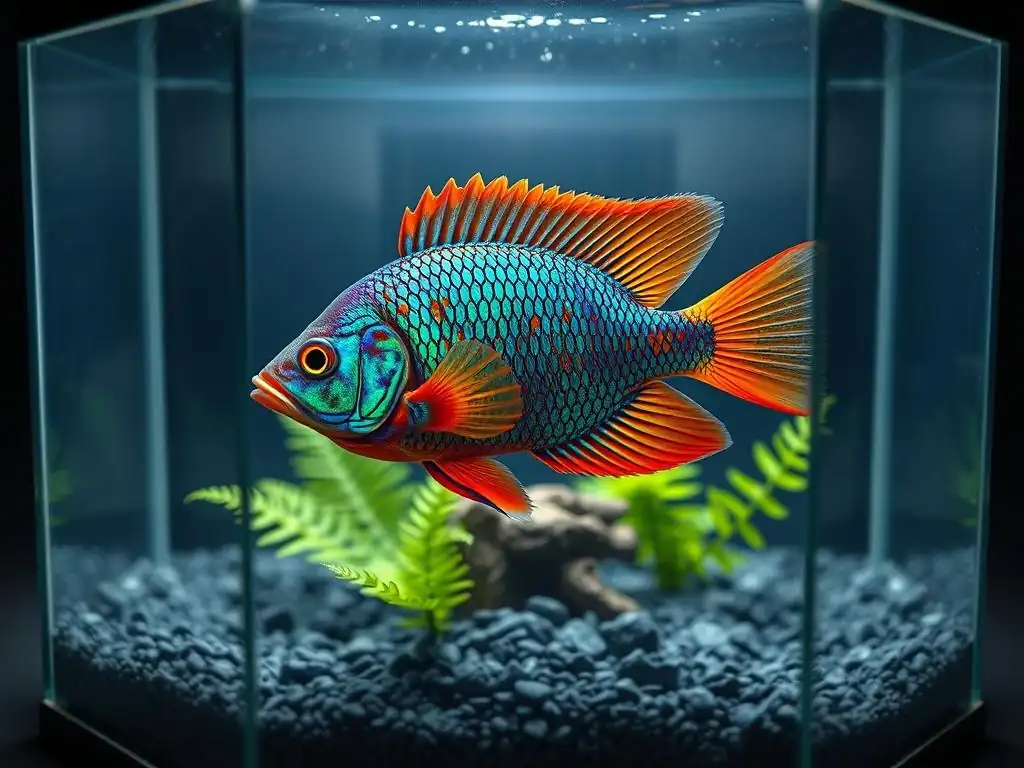
Understanding and maintaining specific water chemistry parameters is fundamental for the health and vibrant coloration of Aulonocara cichlids. These fish originate from Lake Malawi, known for its remarkably stable and alkaline water. The ideal pH range for Peacock Cichlids is between 7.8 and 8.6, with many successful setups maintaining a pH around 8.0-8.4. The water should also be hard, with a General Hardness (GH) of 10-20 dGH (180-360 ppm) and a Carbonate Hardness (KH) of 10-15 dKH (180-270 ppm). These high levels of hardness provide essential minerals and contribute to buffering the pH, preventing dangerous fluctuations.
Regular testing of these parameters is crucial. Fluctuations in pH can cause severe stress and even death, especially if the pH drops below 7.5. Many aquarists use crushed coral or aragonite sand as a substrate to naturally help buffer the water and maintain alkalinity.
For instance, a 1-inch layer of aragonite sand in a 75-gallon tank can significantly contribute to maintaining the desired pH and hardness. While tap water parameters vary widely, understanding your local water source is the first step. If your tap water is soft and acidic, you may need to use cichlid salts or buffers specifically designed to replicate Lake Malawi conditions for your Peacock Cichlid tank setup.
Regular Water Changes and Tank Maintenance
Consistent water changes are the single most important maintenance activity for a healthy Peacock Cichlid tank setup. Despite robust filtration, nitrates accumulate over time, and regular water changes dilute these compounds, replenish essential minerals, and remove dissolved organic pollutants that contribute to "old tank syndrome." For a moderately stocked Peacock Cichlid tank, a weekly water change of 25-30% of the tank volume is generally recommended. For a 75-gallon tank, this equates to changing about 18-22 gallons of water each week.
Beyond water changes, routine tank maintenance involves several other tasks. Siphoning the substrate to remove uneaten food and fish waste is critical, especially in a sand-based tank where waste can accumulate on the surface. Cleaning filter media regularly (rinsing in old tank water to preserve beneficial bacteria) ensures optimal filter performance.
Wiping down the inside of the glass to remove algae buildup not only improves aesthetics but also prevents excessive nutrient consumption by algae. Adhering to a strict maintenance schedule ensures a stable and healthy environment, allowing your Aulonocara to thrive and display their full potential in your Peacock Cichlid tank setup.
Monitoring and Adjusting pH, Ammonia, Nitrite, and Nitrate Levels
Diligent monitoring of key water parameters—pH, ammonia, nitrite, and nitrate—is non-negotiable for the success of any Peacock Cichlid tank setup. Ammonia and nitrite are highly toxic to fish and should always be at zero parts per million (ppm) in a cycled aquarium. Any detectable levels indicate a problem with the biological filtration or overfeeding and require immediate action, such as a large water change. Nitrate, while less toxic, can become problematic at high concentrations (above 20-40 ppm), leading to stress, disease, and algae blooms.
To effectively monitor these levels, invest in a reliable liquid-based test kit, such as the API Freshwater Master Test Kit, which provides accurate readings. Test ammonia and nitrite weekly, especially during the tank cycling process or if fish appear stressed. Test nitrates weekly to determine your water change schedule.
pH should also be tested weekly, or more frequently if you are adjusting it. If pH is consistently low, consider adding crushed coral to your substrate or filter, or using a cichlid buffer. Maintaining these parameters within their optimal ranges is crucial for preventing common cichlid ailments and ensuring the long-term health and vibrancy of your Aulonocara in their Peacock Cichlid tank setup.
Feeding Your Aulonocara Cichlids
The Ideal Diet for Healthy Peacock Cichlids
Providing an appropriate and balanced diet is essential for the health, growth, and vibrant coloration of your Peacock Cichlids. In their natural Lake Malawi habitat, Aulonocara species are primarily micro-predators, sifting through sand for small invertebrates like insect larvae, crustaceans, and zooplankton. Therefore, their diet in captivity should reflect this carnivorous tendency, though with a balanced approach to avoid common digestive issues like Malawi Bloat. High-quality cichlid pellets or flakes specifically formulated for African cichlids, often containing a higher protein content with some vegetable matter, should form the cornerstone of their diet.
For instance, a high-quality pellet like New Life Spectrum Cichlid Formula or Hikari Cichlid Excel provides a good nutritional base. Supplementing this with frozen or live foods such as Mysis shrimp, brine shrimp, bloodworms (in moderation), or daphnia will provide essential variety and nutrients.
Mysis shrimp are particularly beneficial due to their high protein and fatty acid content, mimicking some of their natural prey. Avoid overfeeding foods high in vegetable matter or spirulina unless specifically designed for Aulonocara, as their digestive systems are not optimized for processing large amounts of plant material, which can lead to digestive issues in a Peacock Cichlid tank setup.
Recommended Food Types and Feeding Schedule
A varied diet is key to the long-term health and vitality of Peacock Cichlids. For daily feeding, a high-quality sinking pellet or flake food designed for carnivorous cichlids should be the primary offering. Look for formulations with a protein content of around 40-45% and a balanced fat profile. Brands like Northfin Cichlid Formula or Omega One Super Color Cichlid Pellets are excellent choices, as they often contain natural color enhancers like astaxanthin. For example, feeding small pellets twice a day, enough to be consumed within 30-60 seconds, is a good starting point for a healthy Peacock Cichlid tank setup.
Supplementation with frozen foods 2-3 times per week significantly enhances their diet. Thawed frozen Mysis shrimp, krill, or bloodworms offer a rich source of protein and essential fatty acids. Brine shrimp, while less nutritious, can be a good treat. Avoid feeding terrestrial animal proteins like beef heart or chicken, as these are difficult for cichlids to digest and can lead to internal issues. Similarly, limit "feeder fish" as they carry disease risks. A structured feeding schedule, such as small meals in the morning and evening, promotes consistent growth and reduces the likelihood of overfeeding.
Avoiding Overfeeding and Maintaining Water Quality
Overfeeding is one of the most common mistakes in a Peacock Cichlid tank setup and can lead to a cascade of problems, including poor water quality, algae blooms, and severe health issues like Malawi Bloat. Peacock Cichlids are opportunistic eaters and will always appear hungry, but it's crucial to resist the urge to constantly feed them.
A good rule of thumb is to feed only what your fish can consume entirely within 30 to 60 seconds, no more than twice a day. For instance, if you have 8 Peacock Cichlids in a 75-gallon tank, a pinch of flakes or about 1/4 teaspoon of pellets per feeding is often sufficient.
Excess food decays rapidly, releasing ammonia and nitrites into the water, spiking nutrient levels, and stressing the fish's immune system. This directly compromises the water quality that Peacock Cichlids require. Uneaten food also contributes to the accumulation of detritus on the substrate, which can harbor harmful bacteria. By adhering to a strict feeding regimen and monitoring the amount of food consumed, you can significantly reduce the organic load on your filtration system and maintain the pristine water conditions essential for a thriving Peacock Cichlid tank setup. If you notice food settling on the bottom, you are feeding too much.
Common Health Issues in Peacock Cichlids and Their Prevention
Recognizing Early Signs of Disease in Aulonocara
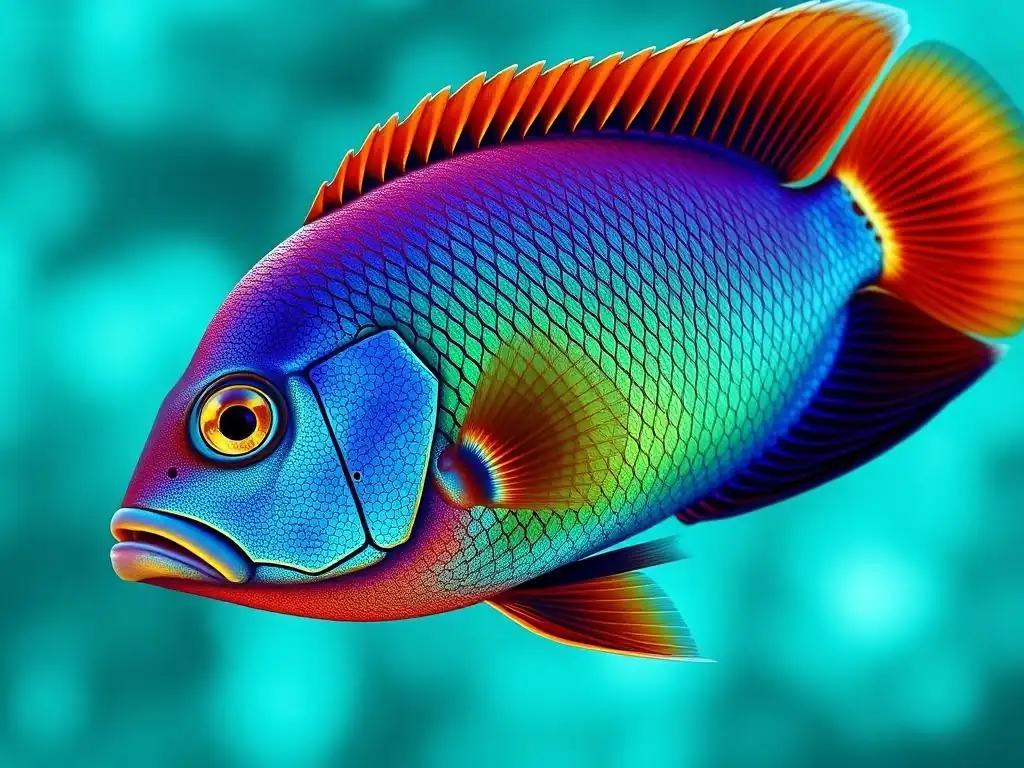
Early detection of disease is crucial for successful treatment and preventing widespread outbreaks in your Peacock Cichlid tank setup. Vigilant observation of your Aulonocara daily can help you spot subtle changes in behavior or appearance that indicate a problem. Healthy Peacock Cichlids are typically active, alert, and display vibrant colors. They should readily come to the front of the tank during feeding times and exhibit natural swimming patterns.
Signs of illness can include:
- Faded colors or dark blotches: Often a sign of stress, poor water quality, or disease.
- Clamped fins: Fins held close to the body, indicating discomfort or illness.
- Rapid gilling or gasping at the surface: Suggests low oxygen levels or gill irritation from ammonia/nitrite.
- Loss of appetite: A common early symptom of various internal and external parasites.
- Abnormal swimming: Erratic movements, rubbing against decor, or difficulty maintaining buoyancy.
- Bloating or distended abdomen: A critical sign, often indicative of Malawi Bloat.
- White spots (Ich) or fuzzy growths (fungus): Visible external parasites or infections.
- Holes in the head or lateral line erosion: Often linked to poor water quality, diet, or internal parasites.
If any of these signs are observed, immediate action, starting with comprehensive water testing, is imperative to address the issue in your Peacock Cichlid tank setup.
Preventing and Treating Common Cichlid Ailments
Prevention is always better than cure when it comes to fish health. The cornerstone of disease prevention in a Peacock Cichlid tank setup is maintaining pristine water quality through regular water changes and robust filtration, providing a stable temperature, and offering a high-quality, appropriate diet. Quarantining new fish for 2-4 weeks in a separate tank before introducing them to the main display tank is a critical step to prevent the introduction of pathogens. Avoiding overfeeding and overcrowding also significantly reduces stress and the likelihood of disease.
Should disease strike, prompt and accurate diagnosis is essential. Many common cichlid ailments are treatable if caught early. For instance, external parasites like Ich can often be managed by raising the tank temperature slightly (to 86°F/30°C for a few days, gradually) and using over-the-counter Ich medications, combined with increased aeration.
Internal bacterial infections or parasitic issues may require medicated foods or specific anti-parasitic treatments. Always remove activated carbon from the filter before medicating, as it will absorb the medication. Following manufacturer instructions precisely and monitoring fish closely during treatment are vital for successful recovery in your Peacock Cichlid tank setup.
Addressing Malawi Bloat in Peacock Cichlids
Malawi Bloat is one of the most devastating and common diseases affecting African cichlids, including Aulonocara species. It is primarily a digestive disorder, often triggered by an improper diet (too much vegetable matter or indigestible proteins), stress, or poor water quality. Symptoms include a distended abdomen, loss of appetite, white stringy feces, rapid breathing, and lethargy. If left untreated, it is almost always fatal, often within 24-48 hours.
Treatment requires immediate action. The first step is to isolate the affected fish in a hospital tank to prevent spread and allow for targeted treatment. Discontinue feeding immediately. Medications containing Metronidazole (e.g., Seachem Metronidazole) or a combination of Metronidazole and Furan-2 are often effective. Administering medicated food, if the fish will eat, is ideal. Otherwise, direct water treatment is necessary. Prevention is paramount: ensure a low-fiber, high-quality, protein-rich diet suitable for carnivorous cichlids, avoid overfeeding, and maintain impeccable water quality. Maintaining a stable environment in your Peacock Cichlid tank setup is the best defense against this deadly disease.
Managing Ich (White Spot Disease)
Ichthyophthirius multifiliis, commonly known as Ich or White Spot Disease, is a highly contagious parasitic infection that manifests as small, white spots resembling salt grains on the fish's body and fins. It is often triggered by stress, sudden temperature fluctuations, or the introduction of infected new fish without proper quarantine. While not immediately fatal, a severe infestation can lead to gill damage, secondary bacterial infections, and ultimately death if untreated in your Peacock Cichlid tank setup.
Treatment for Ich typically involves a multi-pronged approach. Gradually raise the tank temperature to 82-86°F (28-30°C) over 24 hours, as higher temperatures accelerate the parasite's life cycle, making it more susceptible to medication. Simultaneously, use an Ich-specific medication, such as those containing malachite green or formalin (e.g., API Super Ick Cure, Seachem Paraguard). Remove activated carbon from your filter during treatment.
Continue treatment for the recommended duration, usually 3-7 days, even if spots disappear, to ensure all stages of the parasite are eradicated. Performing daily partial water changes (25%) and vacuuming the substrate can also help remove free-swimming parasites. Ensure excellent aeration, as higher temperatures reduce dissolved oxygen levels, crucial for your Peacock Cichlid tank setup.
Breeding Aulonocara in a Single Species Tank (Optional)
Creating Breeding Conditions for Peacock Cichlids
Breeding Aulonocara in a single species tank can be a highly rewarding experience, allowing for the propagation of specific color strains and the observation of fascinating parental behaviors. To encourage breeding, optimal conditions are paramount. Maintain stable water parameters: pH 7.8-8.6, GH 10-20 dGH, and a temperature around 78-82°F (25-28°C).
A slightly higher temperature within this range can sometimes stimulate spawning. Provide a sex ratio of one male to three or more females to diffuse the male's aggression, as males can be quite persistent in their breeding attempts. For example, in a 75-gallon Peacock Cichlid tank setup, a group of 1 male and 3-4 females is a good starting point.
Aquascaping should include flat rocks or slate pieces, which serve as preferred spawning sites for Aulonocara. The male will often prepare a small depression in the sand next to a rock. Ensure plenty of hiding places for females to retreat to if they are not receptive.
A high-quality diet, rich in protein and varied with frozen foods, also conditions the fish for breeding. Dimming the lights for a portion of the day or providing a specific photoperiod can also sometimes trigger spawning behavior. A healthy, stress-free environment is the most significant factor in encouraging successful breeding in your Peacock Cichlid tank setup.
Recognizing Spawning Behavior and Caring for Fry
Recognizing spawning behavior in Peacock Cichlids is a captivating process. The male will intensify his coloration, often displaying his most vibrant hues, and begin to "dance" or "shiver" in front of a receptive female, attempting to lure her to his chosen spawning site, typically a flat rock or a depression dug in the sand. The female, if ready, will follow.
They will then engage in a circling dance, with the female depositing eggs on the surface and the male quickly fertilizing them. Aulonocara are maternal mouthbrooders; after fertilization, the female immediately picks up the eggs into her mouth for incubation.
A female carrying eggs will have a noticeably distended buccal (mouth) area, and she will typically refuse food and become reclusive, often hiding among the rocks. Incubation usually lasts for about 21-28 days, depending on temperature. During this period, it's crucial not to disturb her excessively. Once the fry are released, they are miniature versions of their parents, about 0.2-0.4 inches (5-10 mm) long.
They can be fed newly hatched brine shrimp or finely crushed flake food. If you wish to ensure a higher survival rate, you can "strip" the eggs from the female's mouth after about 10-14 days and tumble them in a separate container, or move the female to a separate "holding" tank until she releases the fry. This dedicated care for fry enhances the success of your Peacock Cichlid tank setup as a breeding environment.
Troubleshooting Common Problems in Peacock Cichlid Tanks
Addressing Aggression Issues within the Species
While a single species Peacock Cichlid tank setup significantly reduces inter-species aggression, aggression within the species can still occur, particularly among males. Male Aulonocara are territorial and will establish dominance hierarchies. This can lead to persistent bullying of subdominant males or even females, resulting in stress, fin nipping, and faded colors. Recognizing the signs of excessive aggression, such as constant chasing, hiding, or physical damage, is crucial. For instance, if one male is consistently pinned to a corner or shows torn fins, intervention is needed.
To mitigate aggression, ensure your tank is adequately sized (75 gallons or more is recommended for a group) and that the aquascape provides ample visual breaks and hiding spots. Rearranging the rockwork can sometimes break established territories and reset the hierarchy. Maintaining a proper sex ratio, ideally 1 male to 3-4 females, helps diffuse male aggression as his attention is spread among multiple females.
Avoid keeping too many males in a tank unless it's very large (125+ gallons) and heavily aquascaped. If aggression persists, consider removing the most aggressive individual or the most bullied fish to a separate tank, as a last resort to maintain harmony in your Peacock Cichlid tank setup.
Dealing with Algae Blooms in Your Aulonocara Aquarium
Algae blooms are a common nuisance in many aquariums, including Peacock Cichlid tank setups, often indicating an imbalance in the tank's ecosystem. Excessive algae growth, whether green spot algae on glass, hair algae on decor, or green water (algae bloom), is primarily caused by an excess of nutrients (nitrates and phosphates) combined with too much light. For example, if your nitrate levels consistently exceed 40 ppm after a week, it's a strong indicator of nutrient overload.
To combat algae, address the root causes:
- Reduce lighting: Limit the photoperiod to 8-10 hours per day. Consider a siesta period (e.g., 4 hours on, 2 hours off, 4 hours on).
- Increase water changes: More frequent or larger water changes (e.g., 30-40% twice a week) will dilute nitrates and phosphates.
- Reduce feeding: Overfeeding is a major contributor to nutrient buildup. Ensure all food is consumed quickly.
- Improve filtration: Ensure your filter is clean and running efficiently. Consider adding phosphate-removing media if phosphates are an issue.
- Manual removal: Scrape algae from glass and manually remove it from decor during water changes.
Introducing a few snails (e.g., Nerite snails) can help with some types of algae, but ensure they are compatible with your cichlids. Consistent effort will restore balance to your Peacock Cichlid tank setup.
Managing Overpopulation
Even in a single species Peacock Cichlid tank setup, overpopulation can become a significant issue, particularly if you are successfully breeding your fish. As fry grow, they contribute to the bioload, increase competition for resources, and can exacerbate aggression among males. A tank that was perfectly balanced with 6-8 adult Aulonocara can quickly become overcrowded with the addition of 20-30 juvenile fish. Overpopulation leads to poor water quality, stunted growth, increased stress, faded colors, and heightened disease susceptibility.
Effective management of overpopulation requires proactive planning. If you are breeding, be prepared to house or rehome the offspring. Options include:
- Selling or trading: Many local fish stores or online forums will take healthy juvenile cichlids.
- Dedicated grow-out tanks: If you plan to raise a large number of fry, prepare additional tanks.
- Natural selection: In some setups, the parents or dominant males may naturally cull weaker fry, though this is not a controlled method.
- Culling: In extreme cases, if rehoming is not possible and tank conditions are deteriorating, ethical culling may be necessary.
Regularly assess your tank's population density and plan for the growth of your fish to ensure a healthy and thriving Peacock Cichlid tank setup.
Showcasing the Beauty: Design Tips for a Stunning Aulonocara Display
Aquascaping Ideas to Enhance the Visual Appeal
The aquascape of your Peacock Cichlid tank setup plays a crucial role not only in the fish's well-being but also in highlighting their spectacular colors and natural behaviors. For Aulonocara, a minimalist yet functional design often works best. The focus should be on open swimming space complemented by strategically placed rock structures.
Consider using neutral-colored rocks like Texas Holey Rock, lava rock, or slate, which provide a natural backdrop that allows the fish's vibrant blues, yellows, and reds to truly pop. For instance, a contrast between dark rocks and the bright colors of Aulonocara stuartgranti "Eureka Red" can be visually striking.
Arrange rocks to create a few distinct territories with caves and crevices, rather than a solid wall of rock. This provides hiding spots and visual breaks without impeding swimming. For example, a large, central rock formation with several smaller satellite rocks can provide a focal point while still leaving ample open sand for the fish to sift.
The fine sand substrate, preferably light-colored aragonite or cichlid sand, not only mimics their natural habitat but also reflects light, further brightening the tank and making the fish's colors more apparent. Avoid dense planting unless you opt for robust, hard-leaved plants like Anubias or Java Fern tied to rocks, as most Aulonocara will uproot or graze on softer vegetation.
Lighting Techniques to Highlight Peacock Cichlid Colors
Effective lighting is paramount in transforming a good Peacock Cichlid tank setup into a stunning display. While standard aquarium lights will suffice for basic viewing, specialized LED lighting can dramatically enhance the iridescent blues, fiery reds, and sunny yellows of Aulonocara species. Look for LED fixtures with adjustable color channels (RGBW - Red, Green, Blue, White) that allow you to fine-tune the spectrum. For instance, increasing the blue and red channels can intensify the specific pigments in Peacock Cichlids.
Many aquarists find that a spectrum leaning slightly towards the blue end (e.g., 10,000K or higher) brings out the best in blues and purples, while a balanced spectrum with enhanced red can make red and orange varieties like Aulonocara eureka truly glow. Consider a light that offers sunrise/sunset simulations, as the gradual change in light intensity can reduce stress and mimic natural conditions.
A high-quality light like a Fluval Plant 3.0 or a Kessil A80 Tuna Blue, while an investment, can make an incredible difference in how your Aulonocara colors are perceived, turning your Peacock Cichlid tank setup into a dynamic and captivating centerpiece.
Conclusion: The Rewarding Experience of a Single Species Peacock Cichlid Aquarium
Enjoying the Majesty of Aulonocara in Your Home Aquarium.
Embarking on the journey of establishing and maintaining a single species Peacock Cichlid tank setup is an immensely rewarding endeavor that offers a unique window into the captivating world of Aulonocara cichlids. By dedicating an aquarium solely to these magnificent fish, you create an environment where their vibrant colors, intricate social behaviors, and natural instincts can flourish without the stresses often associated with mixed community tanks.
From the careful planning of tank size and filtration to the meticulous maintenance of water parameters and a specialized diet, every effort contributes to the well-being and display potential of these Lake Malawi gems.
The payoff is a stunning visual spectacle: males flaring their fins in a dazzling array of blues, reds, and yellows, females diligently guarding their fry, and the entire group exhibiting natural foraging and schooling behaviors. This focused approach not only ensures the health and longevity of your Aulonocara but also allows for a deeper appreciation of each species' unique beauty and personality.
A well-executed Peacock Cichlid tank setup is more than just a collection of fish; it is a living, breathing piece of art that brings a piece of Lake Malawi's majesty into your home, providing endless hours of enjoyment and a truly immersive aquarist experience.
Frequently Asked Questions
How many Peacock Cichlids can I keep in a single-species tank?
Generally, a good rule of thumb is to allow for at least 20 gallons per Peacock Cichlid. This helps minimize aggression and maintain good water quality. Remember to monitor your fish closely and adjust the number as needed.
What size tank is recommended for a single-species Peacock Cichlid tank?
For a group of 4-6 Peacock Cichlids, a 75-gallon tank is generally recommended. This provides enough space for them to establish territories and reduces the risk of aggressive behavior. Larger tanks are always better!
What are the key water parameters for a healthy Peacock Cichlid tank?
Peacock Cichlids thrive in warm, slightly alkaline water. Aim for a temperature between 78-82°F, a pH between 7.8-8.6, and maintain excellent water quality through regular water changes.
What type of substrate and decorations are best for a Peacock Cichlid tank setup?
Use a sand substrate as Peacock Cichlids often sift through it. Provide plenty of rock structures and caves for hiding places and territorial boundaries. Avoid sharp decorations that could injure them.
What should I feed my Peacock Cichlids in a single-species tank?
Offer a high-quality cichlid pellet food as the base of their diet. Supplement with frozen or live foods like bloodworms and brine shrimp to ensure they get a balanced and nutritious meal.
Final Reflection: Embracing the Aulonocara Aesthetic
The journey of crafting the perfect Peacock Cichlid Tank Setup is more than just assembling an aquarium; it's about curating a vibrant, living masterpiece. The principles we've explored, from meticulous water chemistry to thoughtful aquascaping, resonate far beyond the glass walls of a single species tank. They speak to a deeper appreciation for the delicate balance of ecosystems and the responsibility we bear as stewards of aquatic life.
This exploration into the Aulonocara's unique needs and dazzling beauty has profoundly impacted my perspective on aquarium keeping. It's not merely a hobby, but an art form that demands patience, dedication, and a genuine understanding of the creatures we house. In the end, we will conserve only what we love; we will love only what we understand; and we will understand only what we are taught.
- Baba Dioum. This quote perfectly encapsulates the essence of responsible aquarism and the importance of sharing knowledge to foster a deeper connection with the natural world.
Now, I invite you to reflect on the principles we've discussed and consider how you can apply them to your own aquatic endeavors. Whether you're a seasoned aquarist or just beginning your journey, remember that every detail matters. Embrace the challenge, cultivate your understanding, and create a thriving ecosystem that showcases the unparalleled majesty of the Aulonocara, or any species you choose to admire. Let your tank be a testament to your dedication and a source of endless wonder.
Unleash the Aulonocara Bloom: Dive Deeper into Peacock Cichlid Keeping!
Thanks for exploring the vibrant world of Aulonocara! We hope you've gained valuable insights into creating a thriving single-species peacock tank. Now, it's time to put that knowledge into action and truly unlock the beauty of these captivating fish.
Here's how you can continue your journey:
- Begin planning your Aulonocara tank: Select your specific color morph variations and sketch out the aquascape you envision.
- Delve further into understanding Aulonocara behavior. Research less common peacock cichlid diseases and preventative measures.
- Share your newfound peacock passion: Discuss with your fellow aquarists or show off you fish's photos to your local fish club and inspire your own friends.
What unique aquascaping idea are you most excited to try in your Aulonocara tank?