
The Allure of *Lamprologus ocellatus*: Care & Breeding the "Ocellatus Gold"

Welcome to Aquarium Mastery!
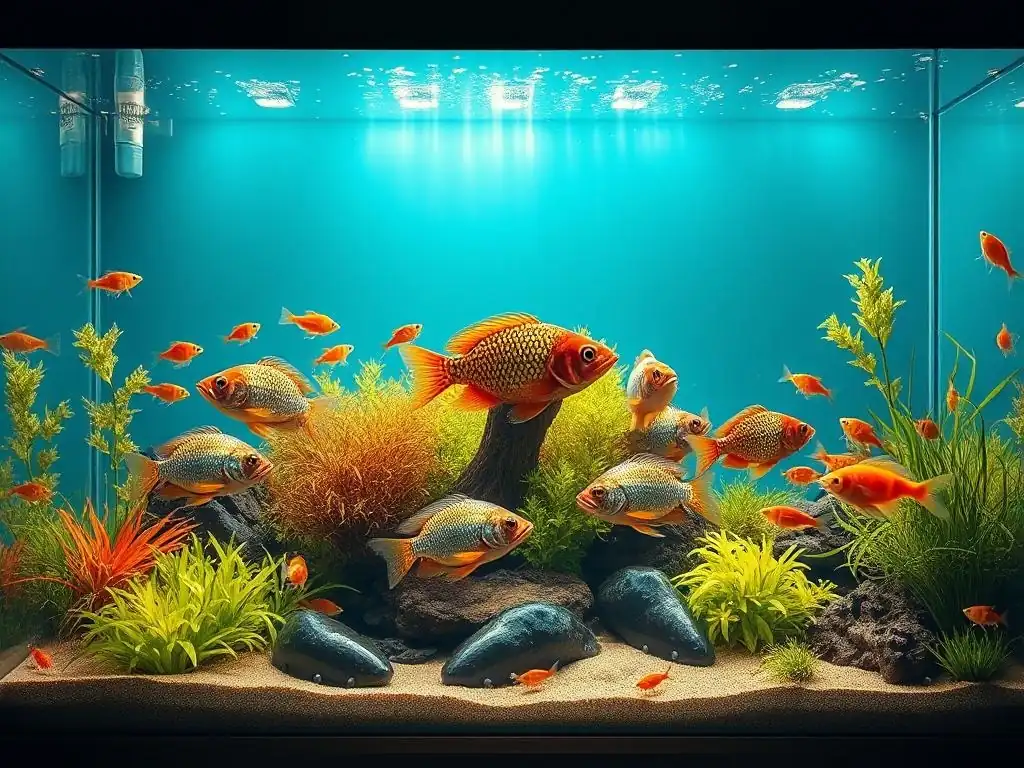
Intrigued by the shimmering allure of the Lamprologus ocellatus, the "Ocellatus Gold"? These shell-dwelling cichlids are more than just beautiful; they're fascinating to breed. Dive into our comprehensive guide on Lamprologus ocellatus breeding care and unlock the secrets to successfully raising these captivating little gems. Ready to witness the magic of their unique breeding behavior? Let's explore!
- The Allure of Lamprologus ocellatus: Care & Breeding
- Introduction to Lamprologus ocellatus: The Shell Dweller
- Understanding Lamprologus ocellatus Care Requirements
- Lamprologus ocellatus Breeding: A Comprehensive Guide
- Maintaining the Health of Your Lamprologus ocellatus
- Conclusion: Mastering Lamprologus ocellatus Care
-
Frequently Asked Questions
- What are the essential water parameters for successful Lamprologus ocellatus breeding?
- How many Lamprologus ocellatus should I keep in a breeding tank?
- What type of shells are best for Lamprologus ocellatus breeding?
- How can I encourage Lamprologus ocellatus to breed?
- What should I do once the Lamprologus ocellatus fry hatch?
- Final Reflection: The Enduring Spark of the Ocellatus Gold
- Dive Deeper: Start Your *Lamprologus ocellatus* Adventure!
The Allure of Lamprologus ocellatus: Care & Breeding
Introduction to Lamprologus ocellatus: The Shell Dweller
Discover the Charm of Lamprologus ocellatus: A Tanganyikan Cichlid Profile
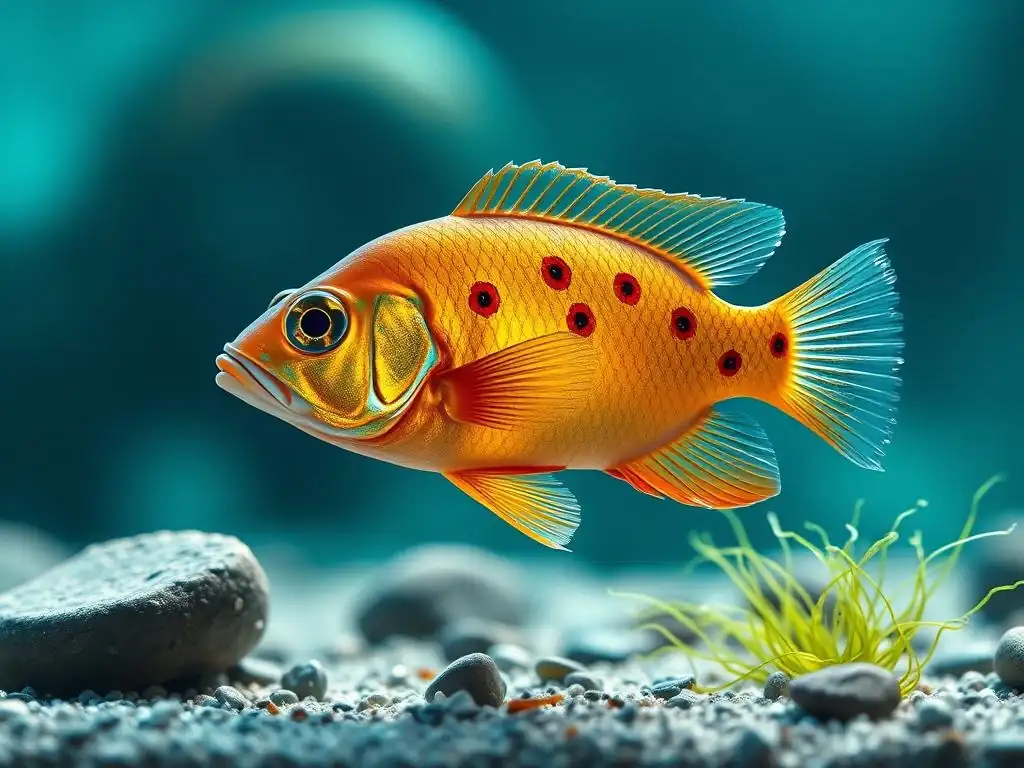
Lamprologus ocellatus, often known as the "Ocellatus Gold" or "Dwarf Ocellated Cichlid," is a captivating and diminutive cichlid originating from the sandy shores of Lake Tanganyika in East Africa. Males typically reach a modest size of 2 to 2.5 inches (5-6 cm), while females are even smaller, usually growing to about 1.5 inches (3.5-4 cm). Their striking appearance is characterized by a prominent black ocellus (eye-spot) rimmed with gold or white on their dorsal fin, giving them their distinctive name and making them a visually appealing addition to specialized aquariums.
This fascinating species exhibits unique behaviors centered around empty snail shells, which are abundant in their natural habitat. In Lake Tanganyika, they primarily utilize the shells of the Neothauma tanganyicense snail. These shells serve as crucial shelters, territorial markers, and most importantly, as nesting sites for Lamprologus ocellatus breeding. Their strong association with these shells and their relatively peaceful demeanor towards other non-shell-dwelling fish make them a popular choice among cichlid enthusiasts.
Why Choose Lamprologus ocellatus for Your Aquarium?
Choosing Lamprologus ocellatus for your aquarium offers a truly unique and engaging experience for aquarists. Their small size makes them ideal for smaller setups, such as 20-gallon long tanks, where larger cichlids would be unsuitable. The most compelling reason to keep them, however, is their intricate shell-dwelling behavior. Watching a male meticulously dig, bury, and defend his chosen shell, or a female disappear into one to tend to her fry, provides endless hours of observation and connects the hobbyist directly to their natural instincts.
Beyond their captivating behaviors, Lamprologus ocellatus are relatively hardy fish once their specific water parameters are met, making them accessible even to intermediate aquarists looking to delve into the world of Tanganyikan cichlids. With proper Lamprologus ocellatus care, these fish can live for 3 to 5 years, or even longer, offering a long-term rewarding commitment. Their readiness to breed in captivity further enhances their appeal, allowing aquarists to experience the full life cycle of these remarkable shell dwellers.
Understanding Lamprologus ocellatus Care Requirements
Optimal Tank Setup for Lamprologus ocellatus Cichlids
Setting up an optimal tank for Lamprologus ocellatus involves replicating their natural Lake Tanganyika environment as closely as possible. This primarily means providing an expansive sandy substrate interspersed with a generous supply of empty snail shells. The overall aesthetic should be minimalist, focusing on functionality for the fish's natural behaviors rather than dense aquascaping. A bare bottom is not suitable, as it prevents their essential digging and shell-burying activities.
Crucially, the tank must be fully cycled and stable before introducing Lamprologus ocellatus. A mature biological filter is essential to maintain pristine water quality, which is paramount for their health and particularly important for successful Lamprologus ocellatus breeding care. Good filtration, such as a hang-on-back filter or a canister filter, coupled with regular maintenance, will ensure a thriving environment for these delicate shell dwellers.
Tank Size Recommendations for Lamprologus ocellatus
For a single pair of Lamprologus ocellatus, a 15-gallon (approximately 57-liter) or 20-gallon long tank serves as an excellent starting point. The "long" dimension is key, as it provides ample horizontal swimming space and allows for the establishment of distinct territories. This length, typically 24-30 inches (60-75 cm), is more beneficial than a taller tank of the same volume, as shell dwellers primarily utilize the tank bottom.
If you plan to keep a small colony, such as one male with two or three females, or multiple pairs, a 30-gallon (approximately 115-liter) or 40-gallon breeder tank is highly recommended. These larger tanks offer increased surface area, which helps to diffuse territorial aggression, especially during Lamprologus ocellatus breeding periods. Adequate space prevents undue stress and ensures that all individuals can establish and defend their own shell territories comfortably.
Substrate and Shell Selection for Shell Dwellers
The substrate is perhaps the most critical element in a Lamprologus ocellatus aquarium. A fine, soft sand, such as play sand, pool filter sand, or specialized aquarium sand, is absolutely essential. This allows the fish to engage in their natural digging, sifting, and shell-burying behaviors without risking injury to their delicate mouths and gills. A substrate depth of at least 2-3 inches (5-7.5 cm) is recommended to accommodate their excavation activities. Coarse gravel should be strictly avoided.
Equally important is the selection and provision of empty snail shells. These shells are not merely decorations; they are vital for the fish's security, territoriality, and successful Lamprologus ocellatus breeding. Suitable options include escargot shells, turbo snail shells, or specialized cichlid shells available at aquarium stores. It's crucial to provide more shells than fish—a ratio of 2-3 shells per fish is ideal—to allow for choice and to minimize conflict over prime real estate. Ensure the shell openings are large enough for the fish to enter comfortably (typically 1.5-2 cm for L. ocellatus) but small enough to feel secure.
Water Parameters: Maintaining a Healthy Environment for Lamprologus ocellatus
Replicating the stable, hard, and alkaline water chemistry of Lake Tanganyika is fundamental for the health and well-being of Lamprologus ocellatus. The ideal pH range is between 8.0 and 9.0, with an optimal target of 8.2-8.6. General Hardness (GH) should be high, typically ranging from 10 to 20 dGH, and Carbonate Hardness (KH) also elevated, around 10-15 dKH, to provide vital buffering capacity and ensure pH stability. Sudden fluctuations in these parameters can be highly stressful and detrimental to these cichlids.
Maintain a stable water temperature between 77-81°F (25-27°C) using a reliable aquarium heater. Ammonia and nitrite levels must always be at zero, while nitrates should be kept below 20 ppm through consistent water changes and efficient filtration. Many aquarists use specialized African cichlid salts or buffers, such as Seachem Tanganyika Buffer, to help maintain the precise mineral profile found in Lake Tanganyika, which is a critical aspect of comprehensive Lamprologus ocellatus breeding care.
Diet and Feeding Habits of Lamprologus ocellatus
In their natural habitat, Lamprologus ocellatus are micro-predators, primarily feeding on small invertebrates, crustaceans, and insect larvae found within the sandy substrate. In the aquarium, their diet should closely mimic this carnivorous preference. A high-quality staple food, such as small cichlid pellets or flakes specifically formulated for carnivores, should form the basis of their daily intake. Look for foods with a high protein content and low vegetable matter.
Supplementing their diet with a variety of frozen or live foods is crucial for enhancing their coloration, boosting their immune system, and stimulating Lamprologus ocellatus breeding readiness. Excellent supplementary options include frozen brine shrimp, daphnia, cyclops, and finely chopped bloodworms. Small insect larvae or newly hatched artemia are also highly appreciated and provide essential nutrients. Avoid overfeeding, as uneaten food quickly degrades water quality and can lead to health issues.
What to Feed Your Lamprologus ocellatus: A Nutritional Guide
A diverse and nutrient-rich diet is paramount for optimal Lamprologus ocellatus care. As a primary food source, offer small, high-protein pellets or flakes. Brands like Hikari Cichlid Excel, Omega One Cichlid Flakes, or New Life Spectrum Thera-A are often recommended for their quality ingredients and appropriate size for these small fish. Ensure the food particles are small enough for their mouths to easily consume.
To ensure a balanced diet and promote vibrant health, supplement their staple diet with frozen foods 2-3 times per week. Newly hatched brine shrimp (nauplii) are particularly beneficial for fry and juveniles, while adult Lamprologus ocellatus will readily consume adult frozen brine shrimp and daphnia. For a special treat that can also stimulate natural hunting behaviors, small amounts of live blackworms or grindal worms can be offered, provided they are sourced from reputable, disease-free suppliers.
Feeding Frequency and Amounts for Optimal Health
For adult Lamprologus ocellatus, feeding small amounts 1-2 times daily is generally sufficient. The key is to provide only what they can consume entirely within 1-2 minutes. Overfeeding is a common mistake that can rapidly lead to poor water quality, including elevated nitrate levels and potential health problems for your fish. It is always safer to slightly underfeed than to overfeed.
Observe your fish closely during feeding to gauge the appropriate quantity. If food remains uneaten after a couple of minutes, reduce the amount for subsequent feedings. For Lamprologus ocellatus fry or very young fish, more frequent, smaller feedings—typically 3-4 times daily—are necessary to support their rapid growth and development. This meticulous feeding regimen is a vital component of successful Lamprologus ocellatus breeding care and overall fish health.
Lamprologus ocellatus Tank Mates: Compatibility and Considerations
While Lamprologus ocellatus are territorial, they are generally peaceful towards fish that do not compete for their specific shell-dwelling niche. Ideal tank mates are other Lake Tanganyika cichlids that occupy different parts of the water column or rock-dwelling species that are similarly sized or slightly larger but possess a non-aggressive temperament. Compatibility is key to a harmonious aquarium environment.
Good choices for tank mates include smaller, open-water species like Cyprichromis leptosoma or Paracyprichromis nigripinnis, which are mid-to-upper water column swimmers and generally peaceful. Other suitable companions might be smaller Julidochromis species, such as Julidochromis transcriptus, provided ample rockwork is available to define their territories away from the shell dwellers. Certain peaceful Synodontis catfish species, like Synodontis petricola, can also coexist well, as they are bottom dwellers but do not compete for shells.
Suitable Tank Mates for Lamprologus ocellatus in a Community Aquarium
When selecting tank mates for Lamprologus ocellatus in a community setup, prioritize species that naturally occupy different ecological niches within Lake Tanganyika. This minimizes direct competition for space and resources. For example, the elegant Cyprichromis species are excellent as they are pelagic (open water) fish, spending most of their time swimming in the upper half of the tank, far from the Lamprologus ocellatus shell territories. Their calm demeanor and schooling behavior provide a striking contrast to the bottom-dwelling shell dwellers.
Alternatively, some aquarists successfully keep Lamprologus ocellatus with species like Altolamprologus compressiceps or Altolamprologus calvus in larger tanks (50+ gallons). While these Altolamprologus can be predatory towards fry, their slow movements and preference for rock crevices mean they generally do not directly interfere with adult Lamprologus ocellatus. Always avoid highly aggressive cichlids, particularly Mbuna from Lake Malawi, as their diet and temperament are entirely incompatible with the delicate Lamprologus ocellatus care requirements.
Avoiding Aggression: Minimizing Conflict in Your Shell Dweller Tank
To minimize aggression and conflict within a Lamprologus ocellatus tank, particularly during Lamprologus ocellatus breeding periods, providing an abundance of shells is paramount. Having more shells than fish (e.g., 2-3 shells per fish) helps to diffuse aggression by offering multiple options and reducing the perceived scarcity of nesting sites. Arrange the shells to create visual barriers and distinct territories, perhaps in small clusters or spread across the sandy bottom.
Maintaining an appropriate male-to-female ratio is also crucial. For Lamprologus ocellatus, a single male with multiple females (a harem setup) often works best in larger tanks, as it spreads the male's attention and reduces stress on any single female. In smaller tanks, a single breeding pair may be more suitable. Introducing all fish simultaneously or adding the Lamprologus ocellatus last to an established tank of non-aggressive tank mates can also help establish a peaceful pecking order.
Lamprologus ocellatus Breeding: A Comprehensive Guide
Creating a Breeding Environment for Lamprologus ocellatus
Successful Lamprologus ocellatus breeding care hinges on providing an environment that precisely mimics their natural spawning conditions. While it is possible for a pair to breed in a well-managed species-specific display tank, setting up a dedicated breeding tank significantly increases the success rate of egg hatching and fry survival. This allows for meticulous control over water parameters and eliminates the risk of predation from other tank inhabitants.
A dedicated breeding tank should be fully cycled and stable, with water parameters maintained consistently within the optimal range for Lamprologus ocellatus. The substrate must be fine sand, at least 3 inches (7.5 cm) deep, to facilitate their digging behaviors crucial for nest preparation. Most importantly, provide a generous supply of empty snail shells, such as escargot shells, which are readily accepted for spawning. Dim lighting can also contribute to a sense of security and encourage spawning activity.
Setting Up a Dedicated Breeding Tank
A 10-gallon (approximately 38-liter) or 15-gallon (approximately 57-liter) aquarium is typically sufficient for a single breeding pair of Lamprologus ocellatus. This size allows for precise environmental control without being overly cumbersome. Equip the tank with a small, gentle sponge filter to provide biological filtration and aeration without creating strong currents that could disturb eggs or fry. A reliable heater is essential to maintain a consistent temperature within their preferred range.
Scatter 6 to 10 empty snail shells across the sandy bottom, ensuring a variety of sizes and orientations. The male will typically select a prime shell and meticulously dig around it, creating a small depression or burying it partially to his liking. He will then attempt to lure a female to this chosen shell. Females will also select their own shells, often adjacent to the male's territory, for their subsequent spawning activities, making the shell density crucial for Lamprologus ocellatus breeding.
Stimulating Spawning: Water Changes and Temperature Adjustments
To encourage Lamprologus ocellatus breeding, consistent and strategic water changes are often effective. Perform regular, small (10-15%) water changes using water that is slightly warmer than the tank temperature. This mimics the influx of fresh, warmer water during rainy seasons in their natural habitat, which often serves as a natural spawning trigger for many cichlids. Always ensure the new water matches their preferred hard, alkaline parameters.
Gradually raising the tank temperature by 1-2°F (0.5-1°C) within their optimal range (e.g., from 78°F to 80°F or 25.5°C to 26.5°C) can also act as a strong spawning stimulant. Alongside these environmental cues, ensure the breeding pair is well-conditioned with a high-quality diet rich in live and frozen foods. Good nutrition provides the energy and resources necessary for successful egg production and fertilization, demonstrating the holistic nature of Lamprologus ocellatus breeding care.
The Lamprologus ocellatus Breeding Process: Step-by-Step
The Lamprologus ocellatus breeding process is a fascinating display of their natural instincts and parental care. The male initiates courtship by actively displaying his fins, vibrating his body, and attempting to lure a receptive female to a shell he has prepared. He will often dig vigorously around the chosen shell, making it more appealing as a potential nesting site. This territorial display is crucial for attracting a mate.
Once a female accepts the male's invitation and enters his territory, she will inspect and eventually choose a shell for spawning. She will enter the shell and adhere her eggs to its inner surface. The male, too large to enter the shell, will then position himself at the shell's opening and release his milt, fertilizing the eggs from the outside. This unique mode of external fertilization within a confined space is a hallmark of Lamprologus ocellatus and other shell-dwelling cichlids.
Courtship Rituals and Shell Selection
The courtship rituals of Lamprologus ocellatus are intricate and engaging to observe. The male will often engage in vigorous digging around his chosen shell, creating a moat or ramp of sand leading to its entrance. He may also partially bury the shell, leaving just the opening exposed for optimal defense and appeal. His displays include flaring his fins, quivering, and nudging the female towards his meticulously prepared nest.
Females are highly selective when it comes to choosing a spawning shell. They prefer shells with an opening that is just large enough for them to enter comfortably but small enough to provide a secure, enclosed space, deterring larger predators. A female may inspect several shells before finally committing to one for egg deposition, highlighting the importance of providing a diverse selection of shells to facilitate successful Lamprologus ocellatus breeding.
Egg Laying and Fertilization within the Shell
Upon selecting her preferred shell, the female Lamprologus ocellatus will enter it and begin to lay her eggs on the inner surface. A typical clutch size ranges from 10 to 30 eggs, though larger, more mature females may lay slightly more. The eggs are small, yellowish, and adhesive, ensuring they remain securely attached to the shell. The female meticulously arranges them inside the confined space.
After the female has deposited her eggs, the male will position himself at the shell's opening. He will then release his milt, which is drawn into the shell by the female's fanning movements, thus fertilizing the eggs. The female remains inside the shell, diligently fanning the eggs with her fins to ensure proper oxygenation and to keep them free from debris and fungal growth. This devoted parental care is a critical factor in the successful hatching of Lamprologus ocellatus fry.
Raising Lamprologus ocellatus Fry: From Hatching to Independence
Lamprologus ocellatus eggs typically hatch within 2-3 days when maintained at an optimal temperature of 78-80°F (25.5-26.5°C). The newly hatched fry are minuscule and translucent, initially remaining inside the protective shell while they absorb their yolk sacs. They usually become free-swimming and venture out of the shell approximately 7-10 days after hatching, though this can vary slightly based on temperature and individual development.
Once the fry emerge as free-swimming individuals, the female diligently guards them. She will often herd them back into the safety of the shell if she perceives any threat or if they stray too far. The male also plays a role in parental care, actively defending the surrounding territory from potential intruders. This dedicated parental investment makes Lamprologus ocellatus breeding care particularly rewarding to witness for aquarists.
Caring for the Fry: First Foods and Water Quality
As soon as Lamprologus ocellatus fry become free-swimming, they require their first foods. Newly hatched brine shrimp nauplii are considered the ideal first food due to their small size, high nutritional value, and natural swimming motion, which attracts the fry. Feed small amounts multiple times a day (3-4 times) to ensure constant availability, as fry have high metabolic rates. Infusoria or liquid fry food can be used for the first day or two if brine shrimp are not immediately available, but their nutritional value is often inferior.
Maintaining pristine water quality is paramount for the delicate fry's survival. Perform small, frequent water changes (e.g., 10% every other day) using a gravel vacuum to gently siphon out any uneaten food and detritus without disturbing the tiny fry. Ensure the new water matches the established tank parameters precisely. Consistent water chemistry and cleanliness are critical components of successful Lamprologus ocellatus breeding care during this vulnerable stage.
Protecting Fry from Predation: Parental Care Strategies
In a dedicated species-specific breeding tank, the primary concern for fry predation is usually from the parents themselves, although Lamprologus ocellatus are generally known for their diligent parental care. In a community tank, however, larger tank mates will almost certainly predate on the tiny fry. The parent Lamprologus ocellatus will actively guard their territory and herd their offspring back into the safety of the shells at the first sign of danger.
To maximize fry survival in a community setting, ensure an abundance of shells and other small hiding spots. Some aquarists choose to remove the shells containing the fry to a separate grow-out tank once they are free-swimming, or once the female is observed fanning the shell. This strategy provides a controlled environment, free from external threats, and significantly increases the survival rate of Lamprologus ocellatus fry, streamlining the Lamprologus ocellatus breeding process.
Troubleshooting Common Lamprologus ocellatus Breeding Issues
Low Hatch Rates: Identifying and Addressing Potential Problems
If you are experiencing low hatch rates with your Lamprologus ocellatus eggs, several factors could be contributing to the problem. Poor water quality, particularly elevated nitrate levels, fluctuating pH, or inconsistent temperatures, can severely impact egg development and viability. Ensure your water parameters are stable and within the optimal ranges previously discussed for Lamprologus ocellatus care. Additionally, check for signs of fungal growth on the eggs, which often indicates unfertilized eggs or insufficient water circulation around the clutch.
In some cases, low hatch rates can be attributed to inexperienced parents or an incompatible pair. First-time breeders may not be as diligent in fanning and protecting their eggs, leading to reduced oxygenation or susceptibility to fungus. Confirm that the male is actively fertilizing the eggs by observing his behavior at the shell's opening. Nutritional deficiencies in the parent fish, resulting from an inadequate or monotonous diet, can also affect egg quality and viability, underscoring the importance of a robust feeding regimen for successful Lamprologus ocellatus breeding care.
Fry Mortality: Preventing Losses in the Early Stages
High fry mortality rates are a disheartening but common challenge in aquarium breeding, often linked to critical environmental factors or insufficient nutrition. Ammonia or nitrite spikes are highly toxic to delicate fry and can wipe out an entire brood quickly. Maintain strict adherence to water change schedules and use gentle filtration to prevent water quality degradation. Always ensure that filter intakes are covered with a sponge or mesh to prevent the tiny fry from being sucked in.
Inadequate or inappropriate food is another frequent cause of fry loss. Lamprologus ocellatus fry require very small, highly nutritious food sources like newly hatched brine shrimp nauplii as soon as they become free-swimming. If they are not consuming enough food, they will quickly starve. Observe their bellies; if they appear sunken, they are likely not eating enough. Conversely, overfeeding can also lead to mortality by fouling the water. Consistent and precise Lamprologus ocellatus care for both adults and fry is paramount for preventing losses in the early stages.
Maintaining the Health of Your Lamprologus ocellatus
Recognizing Common Diseases in Lamprologus ocellatus
Identifying Symptoms of Illness in Shell Dwellers
Healthy Lamprologus ocellatus are typically active, display vibrant coloration, and engage in their characteristic shell-dwelling and digging behaviors. Any deviation from these norms can be an indicator of illness. Common symptoms to watch for include clamped fins, faded or dull coloration, lethargy, a noticeable loss of appetite, and rapid or labored breathing. Visible signs such as white spots (indicative of Ich), fuzzy white or grey patches (fungal infections), or open sores and lesions also point to disease.
Specific to cichlids, though less common in Tanganyikans compared to Malawians, "Malawi bloat" can manifest as a swollen abdomen, loss of appetite, and the presence of white, stringy feces. This condition is often diet-related, emphasizing the importance of providing their appropriate carnivorous diet. Erratic swimming patterns, rubbing against tank decor, or prolonged hiding can also signal the presence of external parasites or general discomfort. Any observed change in normal Lamprologus ocellatus behavior or physical appearance warrants immediate investigation.
Quarantine Procedures for Sick Fish
If a Lamprologus ocellatus exhibits signs of illness, prompt action is crucial to prevent the spread of disease to other tank inhabitants and to facilitate effective treatment. Immediately transfer the affected fish to a dedicated quarantine tank. A 5-10 gallon (19-38 liter) tank equipped with a heater, a gentle sponge filter, and a few shells for security is usually sufficient. This isolation allows for targeted treatment without negatively impacting the beneficial bacterial colony in your main display tank.
In the quarantine tank, closely monitor the sick fish for changes in symptoms. Perform daily small water changes (10-20%) to maintain pristine water conditions, which are vital for recovery. Research the specific symptoms observed to help identify the potential disease and administer appropriate medication, strictly adhering to the dosage instructions provided by the manufacturer. Maintaining rigorous water quality and providing a stress-free environment are foundational aspects of effective Lamprologus ocellatus breeding care and general health management.
Preventative Measures for a Healthy Lamprologus ocellatus Aquarium
Regular Water Changes and Tank Maintenance
The cornerstone of preventative health for Lamprologus ocellatus is consistent and diligent water quality management. Perform weekly water changes of 20-30% of the tank volume. This routine practice effectively removes accumulated nitrates, which can become toxic at high levels, and replenishes essential minerals that are consumed or depleted over time. Always use a high-quality dechlorinator to neutralize chlorine and chloramines in tap water, and ensure the new water matches the tank's temperature and parameters to prevent shock.
Alongside water changes, regularly vacuum the sand substrate to remove uneaten food, fish waste, and other detritus that can decompose and degrade water quality. Clean filter media as needed, rinsing it in old tank water to preserve the beneficial bacteria colony essential for biological filtration. Avoid the temptation to overfeed, as excess food is a primary contributor to poor water quality and subsequent health problems. These consistent maintenance practices are fundamental to providing excellent Lamprologus ocellatus care.
Proper Filtration and Water Chemistry Management
Investing in robust and appropriate filtration is vital for maintaining a healthy Lamprologus ocellatus aquarium. A good quality canister filter or multiple hang-on-back filters can provide comprehensive mechanical, chemical, and biological filtration. Ensure the filtration system provides adequate water turnover without creating an excessively strong current, which can stress these small shell dwellers. Biological filtration, in particular, is crucial for converting harmful ammonia and nitrites into less toxic nitrates.
Regularly test your water parameters using a reliable liquid test kit, checking pH, ammonia, nitrite, nitrate, General Hardness (GH), and Carbonate Hardness (KH). Consistency in these parameters is paramount for Lamprologus ocellatus. If parameters begin to drift, promptly identify and address the cause—this might involve increasing water change frequency, adjusting feeding amounts, or using buffering agents to maintain the specific hard, alkaline water chemistry of Lake Tanganyika. This proactive approach to water chemistry is critical for their long-term health and successful Lamprologus ocellatus breeding care.
Conclusion: Mastering Lamprologus ocellatus Care
The Rewards of Keeping and Breeding Lamprologus ocellatus Cichlids
Keeping Lamprologus ocellatus offers a truly unique and deeply rewarding experience for dedicated aquarists. Their diminutive size, coupled with their striking "Ocellatus Gold" coloration and the prominent ocellus, makes them a captivating focal point in any appropriately sized and themed aquarium. Watching them engage in their natural behaviors—meticulously digging around their chosen shells, displaying territorial prowess, and interacting within their environment—provides endless fascination and a direct connection to the intricate world of Lake Tanganyika cichlids.
However, the ultimate reward for many hobbyists lies in successfully witnessing and facilitating the Lamprologus ocellatus breeding process. From observing the male's diligent courtship rituals to the emergence of tiny, translucent fry from the protective confines of their snail shells, it is a testament to the intricate natural instincts of these fish. Successfully raising a new generation of these charming shell dwellers is a significant accomplishment and a deeply satisfying aspect of mastering Lamprologus ocellatus breeding care.
Resources for Further Learning about Shell Dweller Care
For aquarists eager to deepen their understanding of Lamprologus ocellatus and the broader world of shell dwellers, a wealth of resources is available. Numerous online forums and specialized websites dedicated to African cichlids, particularly those focusing on Lake Tanganyika, are invaluable. These platforms often host experienced hobbyists and experts who share in-depth insights, offer troubleshooting tips for common issues, and celebrate success stories related to Lamprologus ocellatus care. Engaging with these communities can provide practical advice and foster a sense of camaraderie.
Furthermore, reputable books specifically on Lake Tanganyika cichlids or general African cichlid care provide comprehensive information on species-specific requirements, natural habitats, and advanced breeding techniques. Authors such as Ad Konings have published extensive works that are considered bibles for cichlid enthusiasts. Joining local aquarium clubs can also offer unparalleled opportunities for hands-on learning, networking with fellow enthusiasts, and even sourcing healthy, locally bred fish. Continuous learning and engagement with the hobby are key to truly mastering Lamprologus ocellatus breeding care and ensuring the long-term well-being of these remarkable fish.
Frequently Asked Questions
What are the essential water parameters for successful Lamprologus ocellatus breeding?
These shell dwellers require stable water conditions similar to their native Lake Tanganyika. Aim for a pH of 7.8-9.0, a temperature of 78-82°F (25-28°C), and a hardness (GH) of 8-12 dGH. Regular water changes are crucial.
How many Lamprologus ocellatus should I keep in a breeding tank?
A small colony of one male and several females is ideal. This allows the male to establish a territory and the females to choose their preferred shells for breeding. Avoid overcrowding to minimize aggression.
What type of shells are best for Lamprologus ocellatus breeding?
Empty snail shells like Neothauma sp. are the most natural and preferred option. Ensure the shells are appropriately sized for the fish to enter and defend. You can also use escargot shells, but ensure they are thoroughly cleaned.
How can I encourage Lamprologus ocellatus to breed?
Provide optimal water parameters, a varied diet of high-quality foods, and plenty of suitable shells. A mature tank with a stable ecosystem will also encourage breeding behavior.
What should I do once the Lamprologus ocellatus fry hatch?
The fry are very small and require baby brine shrimp or other small live foods. Maintain excellent water quality and avoid sudden changes in parameters. A sponge filter is recommended to prevent fry from being sucked in.
Final Reflection: The Enduring Spark of the Ocellatus Gold
The journey into the world of Lamprologus ocellatus reveals more than just the intricacies of aquarium keeping; it illuminates the profound connection we can forge with even the smallest creatures. The meticulous care and dedicated breeding of these "Ocellatus Gold" cichlids serves as a microcosm of our responsibility to understand and preserve the delicate balance of aquatic ecosystems. This isn't simply about keeping fish; it's about participating in a cycle of life, learning from its rhythms, and contributing, however modestly, to its continuation.
The allure of the Lamprologus ocellatus extends beyond its shimmering beauty. It represents a deeper appreciation for the complexity and resilience of nature, demanding patience, observation, and a willingness to learn. The dedication required to successfully breed these fish fosters a sense of stewardship, reminding us of the interconnectedness of all living things. In the end, we will conserve only what we love; we will love only what we understand; and we will understand only what we are taught.
- Baba Dioum. This quote perfectly encapsulates the transformative power of engaging with these remarkable creatures.
Now, take a moment to reflect on your own connection to the natural world. Consider how even a small act of care, like nurturing a Lamprologus ocellatus colony, can ripple outwards, fostering a greater understanding and appreciation for the delicate ecosystems that sustain us all. Let the shimmering gold of the Ocellatus inspire you to seek out opportunities to connect with nature, learn from its wisdom, and contribute to its preservation, ensuring that future generations can also marvel at the beauty and wonder of the aquatic realm.
Dive Deeper: Start Your *Lamprologus ocellatus* Adventure!
Thanks for exploring the fascinating world of Lamprologus ocellatus with us! We hope you're feeling inspired by the golden brilliance and unique behaviors of these captivating shell dwellers. Now, let's turn that inspiration into action:
- Take the Plunge: Set up a dedicated shell-dweller aquarium. Design a natural habitat with multiple shells and fine sand to encourage breeding and territorial displays.
- Expand Your Knowledge: Research compatible tank mates or explore advanced breeding techniques to optimize the well-being and behavior of Lamprologus ocellatus.
- Share the Spark: Post pictures or stories of your shell-dweller tank online to share your passion with the aquatic community.
What unique shell setup will you create to unlock the full potential of your Lamprologus ocellatus?