
Leopard Wrasse Deep Dive: Mastering Care for Macropharyngodon Species

Welcome to Aquarium Mastery!
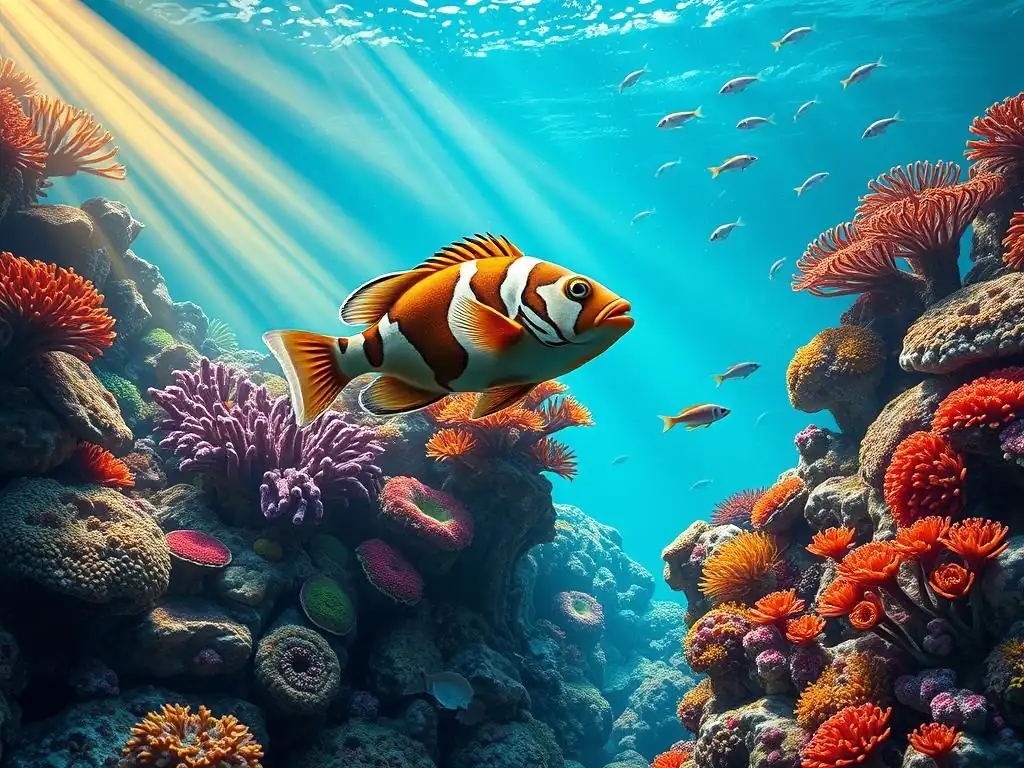
Curious about keeping a Leopard Wrasse thriving in your saltwater aquarium? Unravel the secrets to providing the perfect environment for these dazzling fish. Dive into our comprehensive Leopard Wrasse care guide and discover everything you need to know about their unique needs, from diet and tank setup to ensuring a long and healthy life. Ready to transform your aquarium into a Leopard Wrasse paradise? Let's get started!
- Introduction to Leopard Wrasses: A Comprehensive Care Guide
-
Leopard Wrasse Species Spotlight: Identifying Popular Varieties
- The Ornate Leopard Wrasse (Macropharyngodon ornatus): Care and Characteristics
- The Black Leopard Wrasse (Macropharyngodon negrosensis): A Detailed Profile
- The Vermiculate Leopard Wrasse (Macropharyngodon bipartitus): Understanding Its Needs
- The Kuiter's Leopard Wrasse (Macropharyngodon kuiteri): A Unique Species
- Setting Up the Ideal Leopard Wrasse Habitat: Tank Requirements
- Leopard Wrasse Diet and Feeding: Ensuring Nutritional Needs are Met
- Leopard Wrasse Compatibility: Choosing the Right Tank Mates
- Leopard Wrasse Health and Disease: Prevention and Treatment
- Acclimation and Introduction: A Step-by-Step Guide to Success
- Leopard Wrasse Behavior and Interesting Facts
- Troubleshooting Common Leopard Wrasse Problems
- Advanced Leopard Wrasse Care: Breeding
- Conclusion: Mastering Leopard Wrasse Care for a Thriving Aquarium
- Frequently Asked Questions
- Final Reflection: The Enduring Allure of the Leopard Wrasse
- Unleash the Beauty of Leopard Wrasses in Your Aquarium!
Introduction to Leopard Wrasses: A Comprehensive Care Guide
Unveiling the Macropharyngodon Genus
The Macropharyngodon genus encompasses a group of captivating wrasses, often referred to as Leopard Wrasses due to their distinctive, often intricate spotted or mottled patterns. Originating primarily from the Indo-Pacific region, these fish inhabit shallow, clear waters, typically found navigating rocky reefs interspersed with sandy bottoms.
Their unique morphology includes a small, pointed mouth ideal for sifting through substrate, and their vibrant coloration, which can range from emerald greens and fiery reds to deep blacks and brilliant blues, makes them highly sought after in the marine aquarium hobby. Most species in this genus typically reach an adult size of 4 to 6 inches (approximately 10 to 15 cm), making them suitable for moderately sized aquariums.
Leopard Wrasses are generally solitary or found in small, loose aggregations in their natural habitat, constantly foraging for small invertebrates hidden within the sand. This continuous feeding behavior, combined with their delicate nature and specific environmental requirements, underscores the importance of a thorough Leopard Wrasse care guide. They are known for their shy demeanor upon introduction and require a stable, mature aquarium environment to thrive, posing a rewarding challenge for dedicated aquarists committed to providing optimal care.
Why Choose a Leopard Wrasse for Your Saltwater Aquarium?
Choosing a Leopard Wrasse for your saltwater aquarium introduces a dynamic splash of color and unique behavior that can significantly enhance the visual appeal and ecological balance of your tank. Their vibrant, ever-changing patterns and active swimming provide constant visual interest, adding a lively energy to any reef or fish-only setup. Unlike some more aggressive wrasse species, Macropharyngodon wrasses are generally peaceful towards other fish, making them excellent candidates for community tanks, provided their specific needs are met.
Beyond their aesthetic appeal, Leopard Wrasses offer a tangible benefit to the aquarium ecosystem through their natural sand-sifting behavior. As they constantly sift through the substrate, they help to aerate the sand bed, preventing the buildup of detritus and the formation of anaerobic pockets, which can release harmful compounds. This natural aeration promotes a healthier substrate environment, contributing to overall tank stability. Successfully maintaining these beautiful and beneficial fish, guided by a comprehensive Leopard Wrasse care guide, is a testament to an aquarist's dedication and skill.
Leopard Wrasse Species Spotlight: Identifying Popular Varieties
The Ornate Leopard Wrasse (Macropharyngodon ornatus): Care and Characteristics
The Ornate Leopard Wrasse, Macropharyngodon ornatus, is one of the more commonly encountered species within the genus, celebrated for its intricate patterns. It typically displays a base color of green or olive, overlaid with a stunning network of red, orange, or brown spots and lines that extend across its body and fins. Growing to an average size of about 4 to 5 inches (10-12 cm), this species is relatively robust compared to some of its more delicate relatives, though it still demands high standards of care.
While M. ornatus is considered slightly hardier, successful Leopard Wrasse care for this species still hinges on pristine water quality, a well-established tank, and, critically, a deep, fine sand bed for burrowing. Their diet should primarily consist of small, meaty foods, with a strong emphasis on live copepods and enriched frozen preparations. They adapt better to aquarium life if introduced to a mature system with ample microfauna for foraging, which aids in their acclimation and long-term health.
The Black Leopard Wrasse (Macropharyngodon negrosensis): A Detailed Profile
The Black Leopard Wrasse, Macropharyngodon negrosensis, stands out with its striking contrast of a dark, often purplish-black body adorned with numerous bright white or pale yellow spots. This dramatic coloration makes it a highly desirable addition to many reef aquariums. Like its congeners, it typically reaches about 4 to 5 inches (10-12 cm) in length and exhibits the characteristic sand-sifting behavior. Its natural range extends across the Western Pacific, where it frequents sandy slopes near coral reefs.
This species, while beautiful, can be particularly sensitive to the stresses of collection and shipping, making proper acclimation and a stable environment paramount for its survival. A detailed Leopard Wrasse care guide for M. negrosensis would emphasize the need for a very well-established aquarium, ideally one that has been running for at least six months to a year, to ensure a thriving population of live foods and stable water parameters. Consistent small feedings throughout the day are also crucial to meet their continuous foraging needs.
The Vermiculate Leopard Wrasse (Macropharyngodon bipartitus): Understanding Its Needs
The Vermiculate Leopard Wrasse, Macropharyngodon bipartitus, is named for its distinctive vermiculated, or worm-like, patterns, which often feature a complex interplay of green, red, blue, and yellow hues. These intricate markings make each individual a unique living artwork. This species also typically grows to around 4 to 5 inches (10-12 cm) and shares the genus's characteristic elongated body and pointed snout, perfectly adapted for its micro-predatory lifestyle.
Of the common Leopard Wrasse species, M. bipartitus is often considered one of the more challenging to acclimate successfully into a home aquarium. They require exceptionally pristine water conditions, abundant live rock with plenty of crevices for exploration, and a constant supply of their preferred small invertebrate prey. Aquarists embarking on Leopard Wrasse care for this species must be prepared for a period of careful observation and consistent, varied feeding, prioritizing live and high-quality frozen foods to ensure their delicate nutritional needs are met.
The Kuiter's Leopard Wrasse (Macropharyngodon kuiteri): A Unique Species
Kuiter's Leopard Wrasse, Macropharyngodon kuiteri, is a less commonly available species in the aquarium trade, adding to its allure for dedicated enthusiasts. Its coloration can be more subdued than some of its relatives, often featuring a base of light green or brown with distinct, somewhat larger, dark spots across its body. It generally reaches an adult size of approximately 4 inches (10 cm), making it one of the smaller members of the genus commonly encountered.
Due to its relative rarity and potential collection challenges, M. kuiteri often proves to be a more delicate addition to a home aquarium. Successful Leopard Wrasse care for this unique species demands an even greater emphasis on stable water parameters, a mature tank environment rich in microfauna, and a diligent feeding regimen. Aquarists should be prepared to offer a continuous supply of live copepods and amphipods, supplementing with high-quality frozen mysis and brine shrimp, to ensure this sensitive fish thrives.
Setting Up the Ideal Leopard Wrasse Habitat: Tank Requirements
Tank Size Matters: Providing Ample Space for Leopard Wrasses
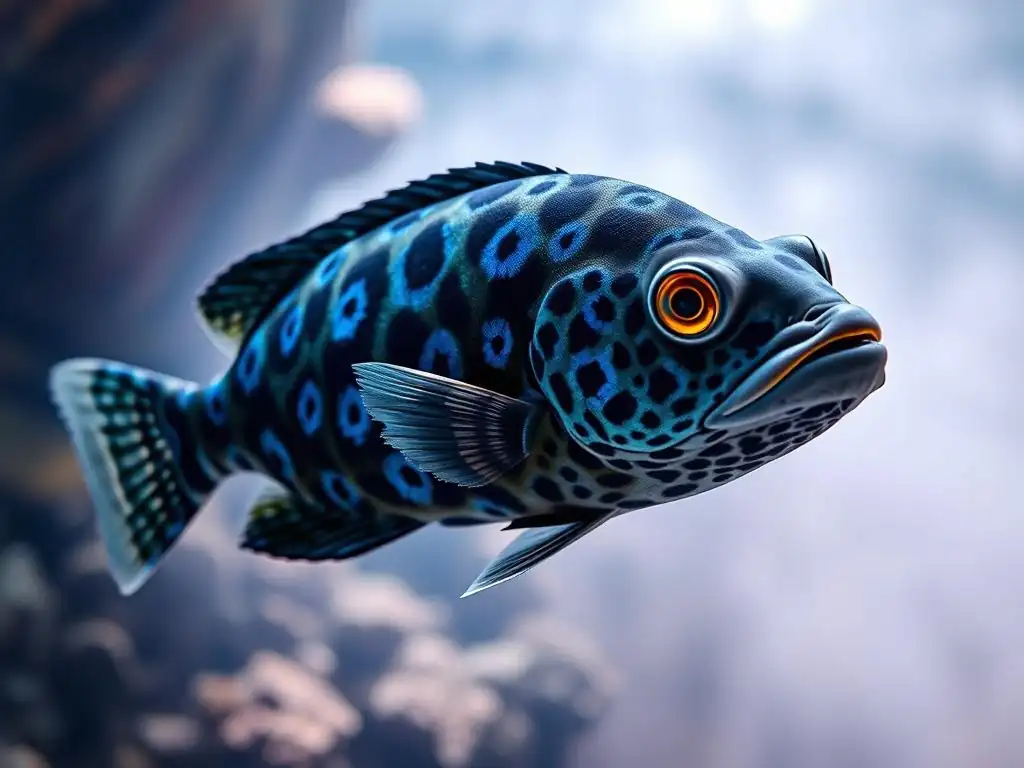
Providing an adequately sized aquarium is a foundational element of successful Leopard Wrasse care. For a single specimen, a minimum tank size of 50 to 75 gallons (approximately 190-285 liters) is highly recommended. While they do not grow exceptionally large, their active nature and constant foraging behavior necessitate ample swimming space and a large surface area for a suitable sand bed. Larger tanks also offer greater stability in water parameters, which is crucial for these sensitive fish.
Furthermore, a larger volume of water dilutes waste products more effectively, making it easier to maintain the pristine water quality that Leopard Wrasses demand. An established aquarium, ideally one that has been running for at least 6 months to a year, provides a mature biological filter and a thriving population of microfauna. This natural food source is invaluable for a Leopard Wrasse, helping them acclimate and providing continuous foraging opportunities that mimic their natural environment.
Substrate Selection: The Importance of a Deep Sand Bed
The selection and depth of the substrate are perhaps the most critical environmental considerations for Leopard Wrasse care. These wrasses are obligate burrowers, meaning they must have a soft, deep sand bed to bury themselves in at night for sleep or when startled. A minimum depth of 3 to 4 inches (7.5-10 cm) of fine-grained sand is essential, with 4 to 6 inches (10-15 cm) being ideal. Fine aragonite sand, often labeled as "sugar-fine" or "live sand," is the preferred choice.
Coarse sand, gravel, or crushed coral are entirely unsuitable as substrates for Leopard Wrasses. These materials can cause injury to their delicate skin and fins when they attempt to burrow, leading to stress, abrasions, and increased susceptibility to bacterial infections. The fine sand allows them to easily and safely submerge themselves completely, creating a protective cocoon of mucus that aids in their nightly rest and reduces stress, directly contributing to their long-term health and well-being.
Water Parameters: Maintaining Optimal Conditions for Leopard Wrasse Health
Maintaining stable and optimal water parameters is paramount for the delicate Leopard Wrasse. The ideal salinity range should be between 1.023 and 1.026 specific gravity (SG), mimicking natural reef conditions. Temperature should be consistently maintained between 74-78°F (23-26°C), and the pH should remain stable between 8.1 and 8.4. Stability across all parameters is often more important than hitting exact numbers, as sudden fluctuations can be highly stressful for these sensitive fish.
Regular water testing is non-negotiable for effective Leopard Wrasse care. Weekly tests for ammonia, nitrite, nitrate, and phosphate are crucial. Ammonia and nitrite should always be undetectable (0 ppm), and nitrates should be kept as low as possible, ideally below 10 ppm, to prevent stress and disease. Consistent weekly water changes of 10-20% using high-quality reverse osmosis/deionized (RO/DI) water mixed with a good marine salt mix are vital for diluting pollutants and replenishing essential trace elements.
Essential Equipment: Filters, Heaters, and Lighting
The right equipment forms the backbone of a thriving Leopard Wrasse habitat. Robust filtration is essential to maintain the pristine water quality these fish demand. This typically includes a high-quality protein skimmer to remove organic waste, ample live rock for biological filtration (at least 1 pound per gallon, or 0.5 kg per liter), and mechanical filtration (filter socks or sponges) to remove particulate matter. While strong water flow is beneficial in a reef tank, ensure that the flow is not so turbulent that it constantly disturbs the sand bed where the wrasse burrows.
Reliable heating equipment is necessary to maintain the stable temperature range required, with multiple heaters often recommended for larger tanks to prevent catastrophic temperature drops if one fails. For lighting, moderate intensity is generally sufficient; Leopard Wrasses do not require the intense lighting often used for demanding corals. Finally, a tight-fitting lid is absolutely essential, as these fish are notorious jumpers, especially when new to an aquarium or if startled.
Leopard Wrasse Diet and Feeding: Ensuring Nutritional Needs are Met
Understanding Their Natural Diet
In their natural habitat, Leopard Wrasses are micro-predators, constantly sifting through the sand and rubble for a diverse array of small invertebrates. Their natural diet primarily consists of tiny crustaceans such as copepods and amphipods, small worms, and other minute benthic organisms. Their specialized, pointed mouths are perfectly adapted for probing into crevices and sifting through substrate to extract these small prey items. This continuous foraging behavior means they are accustomed to eating small amounts throughout the day rather than large, infrequent meals.
This understanding of their natural feeding habits is fundamental to successful Leopard Wrasse care in an aquarium. Relying solely on flake or pellet foods will almost certainly lead to malnutrition and eventual demise. A thriving population of live microfauna within the aquarium, supported by a mature sand bed and live rock, can significantly supplement their diet and provide the continuous foraging opportunities they require for optimal health and natural behavior.
Creating a Balanced Diet: Live Foods, Frozen Foods, and Prepared Foods
To replicate their natural diet in captivity, a varied and high-quality feeding regimen is crucial. Live foods should be a cornerstone, especially during acclimation. Live copepods and amphipods, which can be cultured or purchased, are ideal as they provide continuous foraging opportunities. Gut-loaded live brine shrimp and blackworms can also be offered periodically to entice picky eaters.
Frozen foods are an essential component of their long-term diet. High-quality enriched mysis shrimp, cyclops, finely chopped clam, scallop, and other marine-based meaty foods should be offered. Ensure frozen foods are thawed and rinsed thoroughly before feeding. While some Leopard Wrasses may eventually accept high-quality marine pellets or flakes, these should only be a minor supplement, as they rarely provide the full nutritional spectrum required. Variety is key, and offering a mix of different food types throughout the day will ensure a balanced diet.
Feeding Schedule: How Often and How Much to Feed Your Leopard Wrasse
Given their natural habit of continuous foraging, Leopard Wrasses should be fed frequently in the aquarium. Ideally, small amounts of food should be offered 3 to 5 times a day. This mimics their natural feeding rhythm and ensures they have a consistent supply of nutrition. Overfeeding at any single instance should be avoided, as it can quickly degrade water quality, which is detrimental to these sensitive fish.
The amount to feed should be what the fish can consume within a few minutes, without excess food settling on the substrate and decaying. A well-established aquarium with a robust population of copepods and amphipods will provide continuous snacking opportunities between manual feedings, significantly contributing to the wrasse's overall well-being. This consistent and appropriate feeding schedule is a vital part of comprehensive Leopard Wrasse care.
Avoiding Malnutrition: Recognizing and Addressing Nutritional Deficiencies
Malnutrition is a common issue with Leopard Wrasses if their specific dietary needs are not met, and recognizing its signs early is crucial. A primary indicator of malnutrition is a sunken belly or a noticeably thin appearance, particularly behind the head. Other signs include faded coloration, lethargy, reduced activity, and a general lack of vibrancy. If left unaddressed, malnutrition will weaken the fish, making it highly susceptible to diseases.
To address nutritional deficiencies, first ensure you are offering a diverse range of high-quality live and frozen foods. Increase the frequency of live food supplementation, such as daily additions of copepods. Consider enriching frozen foods with vitamin supplements like Selcon or Vita-Chem, which can be soaked into the food before feeding. Observe tank mates to ensure they are not outcompeting the wrasse for food, and if so, consider spot-feeding or separating the wrasse during meal times. Patience and persistence in feeding are key to successful Leopard Wrasse care.
Leopard Wrasse Compatibility: Choosing the Right Tank Mates
Peaceful Tank Mates: Ideal Companions for Leopard Wrasses
Leopard Wrasses are generally peaceful fish, making them excellent candidates for a community saltwater aquarium, provided their tank mates are equally docile and do not outcompete them for food. Ideal companions include small, peaceful gobies such as Yellow Watchman Gobies, Clown Gobies, or Diamond Watchman Gobies. Other suitable tank mates include firefish (e.g., Purple Firefish, Helfrichi Firefish), peaceful blennies, certain non-aggressive clownfish species, and small, non-predatory cardinalfish.
It is crucial to select tank mates that share similar water parameter requirements and do not exhibit aggressive or overly boisterous behavior. Slow-moving, deliberate feeders are generally preferred, as Leopard Wrasses can be shy and may struggle to compete for food with more aggressive eaters. A harmonious community environment significantly reduces stress on the Leopard Wrasse, contributing to its overall health and longevity.
Fish to Avoid: Aggressive Species That Can Stress Leopard Wrasses
To ensure the well-being of your Leopard Wrasse, it is imperative to avoid introducing aggressive or overly boisterous fish species. Large angelfish, triggers, puffers, aggressive damselfish, large predatory groupers, and certain types of tangs can harass, bully, or even injure the delicate Leopard Wrasse. Their constant presence can lead to chronic stress, causing the wrasse to hide excessively, refuse to eat, and become highly susceptible to disease.
Furthermore, any fish that can easily outcompete the Leopard Wrasse for food should also be avoided. Fast-swimming or highly competitive feeders can prevent the wrasse from getting adequate nutrition, even if sufficient food is offered. Maintaining a peaceful environment free from harassment and food competition is a critical aspect of effective Leopard Wrasse care.
Reef Compatibility: Can Leopard Wrasses Live in a Reef Tank?
Leopard Wrasses are generally considered reef-safe with caution, making them a popular choice for mixed reef aquariums. They typically do not bother corals, whether stony or soft, nor do they usually nip at anemones or other sessile invertebrates. Their primary interest lies in sifting through the sand for microfauna, which poses little threat to established coral colonies. This makes them an attractive addition for aquarists looking for a vibrant, active fish that integrates well into a coral environment.
However, a few minor caveats exist regarding their reef compatibility. On rare occasions, a Leopard Wrasse might pick at very small polyps or feather dusters, though this behavior is not common. The main consideration in a reef tank is ensuring their specific dietary needs are met amidst a potentially bustling community of fish and corals that consume nutrients. A robust refugium can help maintain a continuous supply of copepods and amphipods, benefiting both the wrasse and the overall reef ecosystem.
Leopard Wrasse Health and Disease: Prevention and Treatment
Common Leopard Wrasse Diseases: Identification and Management
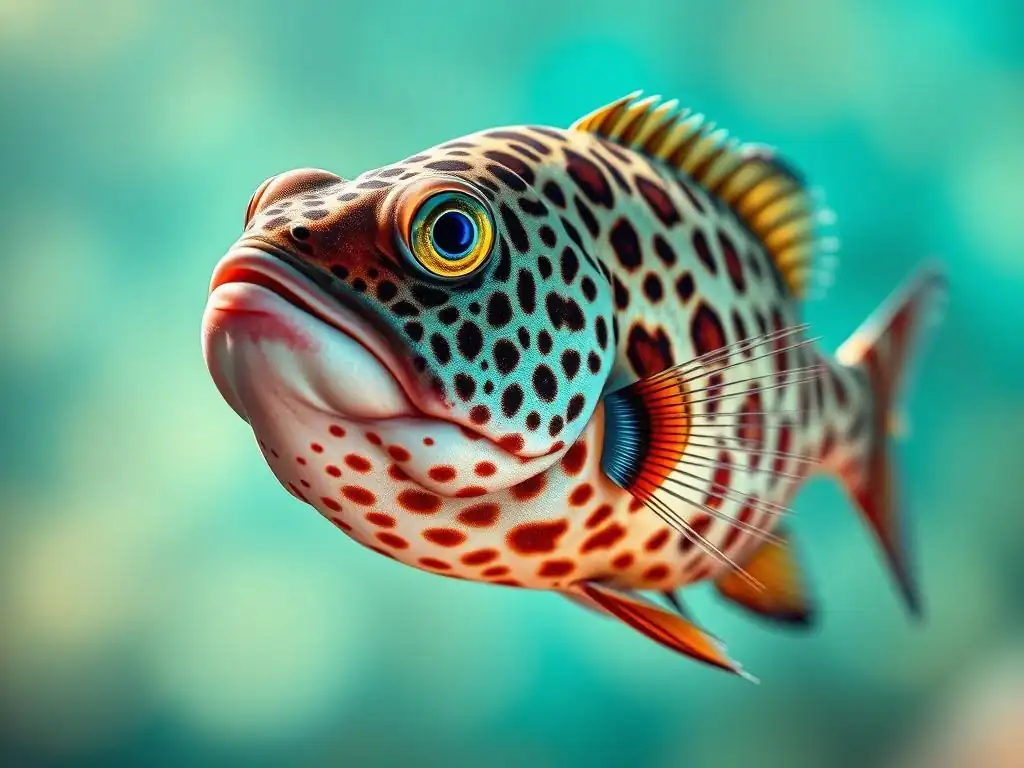
Leopard Wrasses, being delicate and often stressed by shipping, are particularly susceptible to common saltwater aquarium diseases such as marine Ich (Cryptocaryon irritans) and Velvet (Amyloodinium ocellatum). They can also be prone to internal parasites, especially if wild-caught and not properly quarantined. Signs of Ich include small white spots resembling salt grains on the body and fins, rapid breathing, and flashing against rocks. Velvet manifests as a dusty, golden-brown film on the body, accompanied by rapid respiration and lethargy.
Early identification of these symptoms is crucial for successful treatment. If any signs of disease are observed, immediate action is necessary. This typically involves moving the affected fish to a dedicated hospital tank for treatment, as many medications are harmful to corals and invertebrates in a main display tank. Maintaining pristine water quality and minimizing stress are the best preventative measures in Leopard Wrasse care.
Quarantine Procedures: Protecting Your Aquarium from Disease
Implementing a strict quarantine procedure for all new fish, especially delicate species like Leopard Wrasses, is the single most effective way to prevent the introduction of diseases into your main display tank. A separate quarantine tank (QT) should be set up with stable water parameters, a heater, a small power filter, and PVC pipes or other inert structures for hiding. The QT should be bare-bottom to facilitate cleaning and observation.
New Leopard Wrasses should be housed in the quarantine tank for a minimum of 4 to 6 weeks. During this period, observe them closely for any signs of disease, ensure they are eating well, and treat prophylactically for common parasites if deemed necessary by an experienced aquarist or veterinarian. This proactive approach to Leopard Wrasse care significantly reduces the risk of devastating outbreaks in your established aquarium.
Recognizing Signs of Stress: Early Detection is Key
Recognizing signs of stress in your Leopard Wrasse is vital for early intervention and preventing the onset of illness. Common indicators of stress include prolonged hiding (beyond initial acclimation), rapid or labored breathing, clamped fins, faded or dull coloration, erratic swimming patterns, and a persistent refusal to eat. These behaviors often signal an underlying issue that needs immediate attention.
Upon observing any of these signs, investigate potential stressors. Check all water parameters to ensure they are stable and within optimal ranges. Observe tank mates for any signs of aggression towards the wrasse. Ensure there are sufficient hiding spots and that the sand bed is deep and fine enough for comfortable burrowing. Promptly addressing the source of stress can often prevent the fish from succumbing to disease and is a cornerstone of effective Leopard Wrasse care.
Medications and Treatments: Addressing Parasitic Infections
When parasitic infections like Ich or Velvet are confirmed, appropriate medication is necessary. Copper-based medications are often effective against these external parasites, but they must be used with extreme caution, as Leopard Wrasses are notoriously sensitive to copper. Always start with a lower therapeutic dose and monitor the fish closely for any signs of distress. Follow the manufacturer's instructions precisely, and ensure proper aeration during treatment.
For suspected internal parasitic infections, deworming medications like Praziquantel can be administered, often by soaking it into food. It is crucial to correctly diagnose the specific pathogen before administering any medication, as broad-spectrum treatments can be harsh on delicate fish. Consulting with an experienced marine aquarist or an aquatic veterinarian is highly recommended before initiating any treatment regimen, particularly for a sensitive species requiring specialized Leopard Wrasse care.
Acclimation and Introduction: A Step-by-Step Guide to Success
Proper Acclimation Techniques: Minimizing Stress During Introduction
Proper acclimation is a critical, often overlooked, step for the successful introduction of any marine fish, and it is especially vital for delicate species like Leopard Wrasses. The drip acclimation method is highly recommended, allowing the new fish to slowly adjust to the temperature, pH, and salinity of your aquarium water. This process should ideally take at least 1 to 2 hours, carefully matching the parameters of the transport water to your tank.
During acclimation, it's beneficial to keep the aquarium lights off or dimmed to minimize stress on the new arrival. Avoid netting the fish if possible; instead, gently scoop it out with a container or slowly pour the bag contents into the tank once acclimation is complete. This reduces physical stress and prevents potential damage to its delicate fins or slime coat, setting the stage for successful Leopard Wrasse care.
Introducing Your Leopard Wrasse to the Main Tank: Gradual Integration
Introducing your Leopard Wrasse to the main display tank should be done carefully to minimize stress and prevent aggression from existing tank mates. The best time to introduce the wrasse is after the main aquarium lights have been off for several hours, ideally just before they are scheduled to turn off for the night. This allows the wrasse to explore its new environment and burrow into the sand bed without immediate harassment from other inhabitants.
Ensure that the tank has ample hiding spots within the live rock structure, in addition to the deep sand bed, so the wrasse can retreat if it feels threatened. By providing a secure place for it to settle and rest, you significantly reduce its initial stress levels. Observing its behavior over the next few days for signs of comfort or distress is a key aspect of this initial phase of Leopard Wrasse care.
Monitoring After Introduction: Observing Behavior and Health
The first few days and weeks after introducing a Leopard Wrasse are critical for its long-term success. It is entirely normal for a newly introduced wrasse to hide extensively, often remaining buried in the sand for 24-48 hours, or even longer, as it adjusts to its new surroundings. Do not disturb the sand bed or attempt to find the fish during this period, as this will only increase its stress.
Once it begins to emerge, observe its behavior closely. Look for signs of active foraging, acceptance of offered foods, and comfortable swimming. Monitor its coloration for vibrancy and its fins for any signs of clamping or damage. Continue to check water parameters regularly to ensure stability. Any signs of stress or illness should prompt immediate investigation and intervention, reinforcing the need for continuous vigilance in Leopard Wrasse care.
Leopard Wrasse Behavior and Interesting Facts
Understanding Their Burrowing Behavior
One of the most defining and fascinating behaviors of Leopard Wrasses is their unique burrowing habit. At dusk, or whenever they feel threatened or startled, these fish will rapidly dive headfirst into the sand bed, completely disappearing from view. They remain buried throughout the night, emerging again with the morning light. This behavior is a natural defense mechanism against nocturnal predators and provides a secure place for them to rest.
When burrowed, Leopard Wrasses secrete a mucus cocoon around their bodies. This cocoon acts as a protective barrier, potentially shielding them from parasites and reducing sensory input, allowing for a deeper state of rest. Understanding and accommodating this burrowing behavior by providing a deep, fine sand bed is not just a recommendation but an absolute necessity for successful Leopard Wrasse care, ensuring their safety and natural sleep patterns.
Leopard Wrasse Sleep Patterns: Observing Their Nocturnal Habits
Leopard Wrasses exhibit distinct diurnal (day-active) and nocturnal (night-active) patterns. During the day, they are typically active, constantly sifting through the sand, foraging for food, and gracefully swimming around the lower and mid-sections of the aquarium. As evening approaches and the lights begin to dim, they will actively seek out a suitable spot in the sand bed to burrow.
Observing this transition from active foraging to seeking a resting spot is a clear indicator of a healthy and well-adjusted Leopard Wrasse. Their complete disappearance into the sand is a normal part of their sleep cycle. Aquarists should avoid disturbing the tank during these hours to ensure the wrasse gets uninterrupted rest, which is vital for its immune system and overall well-being in a comprehensive Leopard Wrasse care guide.
Sand Sifting Behavior: Benefits and Potential Drawbacks
The continuous sand-sifting behavior of Leopard Wrasses offers several benefits to a home aquarium. As they sift through the substrate with their specialized mouths, they help to aerate the sand bed, preventing the formation of anaerobic pockets that can release harmful hydrogen sulfide gas. This constant turnover also helps to expose detritus and uneaten food particles, making them more accessible for mechanical filtration and reducing nutrient buildup. Essentially, they act as natural, living sand stirrers, contributing to a cleaner and healthier substrate.
However, there are also potential drawbacks to consider. Their constant sifting can sometimes stir up fine sediment, leading to temporary cloudiness in the water, especially in tanks with inadequate filtration. While generally reef-safe, their activity can occasionally dislodge very small corals or frags placed directly on the sand bed. Aquarists should ensure that all rockwork and coral placements are stable and secure to prevent any accidental disruption caused by their beneficial, albeit vigorous, sand-sifting activities.
Troubleshooting Common Leopard Wrasse Problems
Leopard Wrasse Disappearing Act: Why They Hide and What to Do
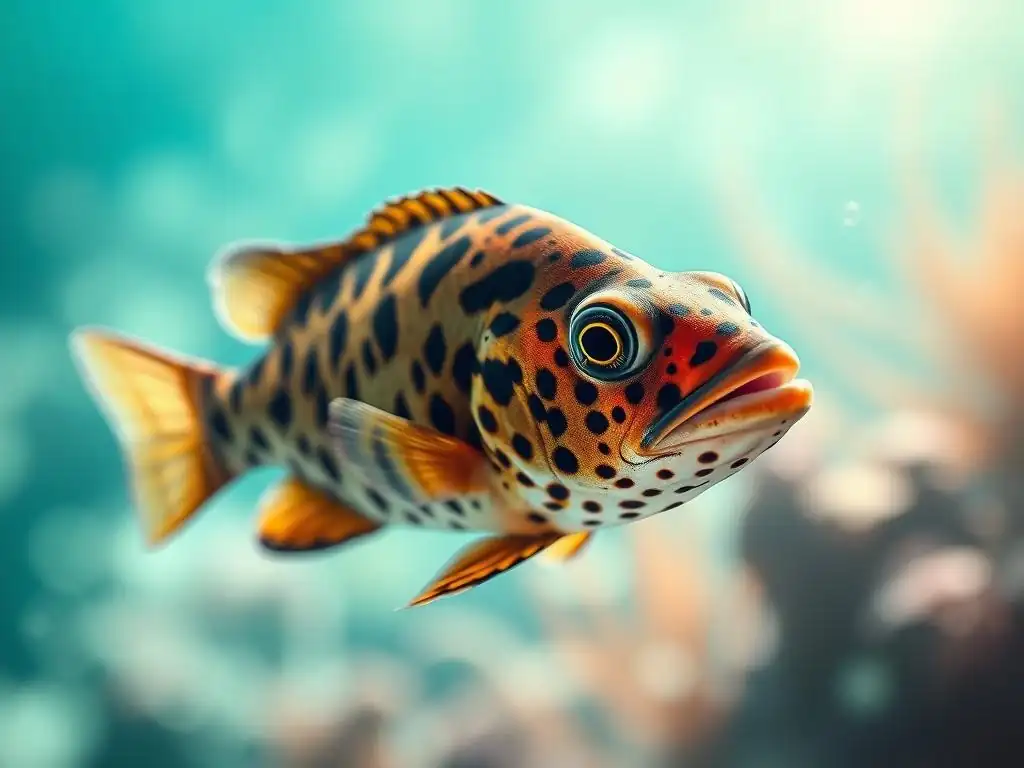
One of the most common "problems" new Leopard Wrasse owners encounter is their fish seemingly vanishing. This "disappearing act" is almost always due to their natural burrowing behavior. They will bury themselves in the sand when sleeping at night, when startled, or when feeling stressed or threatened. A newly introduced wrasse might stay buried for several days until it feels secure in its new environment.
If your Leopard Wrasse has disappeared, first and foremost, do not panic or disturb the sand bed to search for it. This will only increase its stress. Ensure your tank has a tight-fitting lid, as they are expert jumpers if they feel unsafe. Check water parameters to rule out environmental stress, and observe other tank mates for any signs of aggression. Patience is key; a healthy Leopard Wrasse will emerge when it feels safe and comfortable, typically with the morning light or when food is offered.
Refusal to Eat: Addressing Appetite Issues
A Leopard Wrasse refusing to eat is a serious concern that requires immediate attention, as these fish need a constant supply of food. Common causes for a loss of appetite include stress from poor water quality, bullying by tank mates, internal parasites, or simply a lack of appropriate food items. They are often very picky eaters, especially when newly introduced.
To address appetite issues, first ensure all water parameters are pristine and stable. Observe tank mates for aggression and separate if necessary. The most effective solution is often to offer a variety of high-quality live foods, such as live copepods or enriched brine shrimp, which can tempt even the most reluctant eaters. If the fish continues to refuse food despite optimal conditions and varied offerings, consider a quarantine period for observation and potential deworming treatment, as internal parasites are a frequent culprit in Leopard Wrasse care challenges.
Signs of Stress: Identifying and Resolving Stress Factors
Identifying and resolving stress factors is paramount for the long-term health and well-being of a Leopard Wrasse. Beyond hiding and refusing to eat, other key signs of stress include faded or dull coloration, clamped fins held close to the body, rapid or labored breathing, and erratic or listless swimming. A stressed wrasse may also exhibit unusual scratching or "flashing" against tank decorations, indicating irritation.
Upon noticing these signs, a thorough investigation is needed. Check for fluctuating or poor water quality (ammonia, nitrite, high nitrates). Observe tank mates for any signs of aggression or competition. Ensure the tank provides adequate hiding spots and a deep, fine sand bed for burrowing. Sometimes, simply dimming the lights for a day or two and providing continuous, high-quality food can alleviate stress. Promptly identifying and eliminating the stressor is the most effective way to prevent the onset of disease and ensure successful Leopard Wrasse care.
Advanced Leopard Wrasse Care: Breeding
Leopard Wrasse Breeding in Captivity: Current Knowledge
Breeding Macropharyngodon species, or Leopard Wrasses, in captivity is an exceptionally rare and challenging feat within the home aquarium hobby. While some public aquariums and specialized research facilities have achieved limited success, consistent breeding and rearing of their fry by hobbyists remain largely undocumented. These wrasses are pelagic spawners, meaning they release their eggs and sperm into the water column, where fertilization occurs. The eggs then drift with the currents as planktonic larvae.
The primary challenges in captive breeding lie in providing the precise environmental cues for spawning and, more significantly, in the notoriously difficult task of raising the microscopic larval wrasses. Their tiny size necessitates extremely small live foods, such as rotifers and specific types of phytoplankton, in precise densities. The complex life cycle and delicate nature of the larvae make this an advanced endeavor, largely beyond the scope of typical home Leopard Wrasse care, though ongoing research continues to shed light on their reproductive biology.
Conclusion: Mastering Leopard Wrasse Care for a Thriving Aquarium
Key Takeaways: Providing Optimal Care
Mastering Leopard Wrasse care requires a dedicated approach, focusing on several critical aspects to ensure these delicate and beautiful fish thrive in a home aquarium. Key takeaways include the absolute necessity of a deep, fine sand bed (at least 3-4 inches) for their essential burrowing behavior, which is crucial for their rest and security. Maintaining pristine and exceptionally stable water parameters, including salinity, temperature, and low nitrates, is non-negotiable for their sensitive physiology.
A consistent and varied feeding regimen, emphasizing frequent small meals of live foods (like copepods) and high-quality frozen preparations, is vital to meet their continuous foraging needs and prevent malnutrition. Finally, selecting peaceful tank mates that will not outcompete or stress the Leopard Wrasse, coupled with strict quarantine procedures for all new arrivals, forms the bedrock of disease prevention. Diligent observation and prompt action when signs of stress or illness appear are also essential for successful Leopard Wrasse care.
Further Resources.
For aquarists seeking to deepen their understanding and enhance their Leopard Wrasse care, further resources are readily available. Exploring detailed species profiles on reputable marine aquarium websites, such as AquariumMastery.com, can provide specific insights into individual Macropharyngodon species' nuances and requirements. Engaging with experienced marine aquarists through online forums and local aquarium clubs can also offer invaluable practical advice and shared experiences.
Continuous learning about marine aquarium husbandry, including advanced filtration techniques, water chemistry, and invertebrate care, will further contribute to the overall health and longevity of your Leopard Wrasse and the entire aquarium ecosystem. By leveraging these resources and maintaining a commitment to meticulous care, aquarists can enjoy the vibrant beauty and unique behaviors of these captivating fish for many years to come.
Frequently Asked Questions
What are the essential water parameters for a Leopard Wrasse?
Leopard Wrasses require pristine water conditions. Ideal parameters include a specific gravity of 1.024-1.026, pH of 8.1-8.4, and near-zero levels of ammonia, nitrite, and nitrate. Stable water chemistry is critical for their survival.
What is the best type of substrate for a Leopard Wrasse tank?
A deep sand bed (DSB) of at least 4 inches is crucial. Leopard Wrasses bury themselves in the sand at night and when stressed. This sand bed also provides a natural source of food through microfauna.
What should I feed my Leopard Wrasse?
Leopard Wrasses are notoriously difficult to feed in captivity. Offer a variety of small, live foods like copepods, amphipods, and brine shrimp. Supplement with high-quality frozen foods enriched with vitamins.
How large of a tank does a Leopard Wrasse need?
A minimum tank size of 75 gallons is recommended for a single Leopard Wrasse. They need ample space to swim and forage. Larger tanks provide more stable water parameters which are vital.
What are some common health issues affecting Leopard Wrasses?
Leopard Wrasses are prone to internal parasites and stress-related illnesses. Quarantine new arrivals to observe them for signs of disease. Maintaining excellent water quality and providing a varied diet are key to preventing health problems.
Okay, here's a final reflection designed to close your "Leopard Wrasse Deep Dive" article, tailored to connect with the reader and encourage further engagement, while also subtly reinforcing the article's theme and target keyword:
Final Reflection: The Enduring Allure of the Leopard Wrasse
The journey into the world of Macropharyngodon wrasses, as we've explored, reveals not just the intricacies of their care, but also the profound responsibility we undertake when bringing such vibrant life into our aquariums. The commitment to providing optimal Leopard Wrasse care is a testament to our dedication as aquarists, reflecting a deeper appreciation for the delicate balance of marine ecosystems. This isn't merely about keeping fish; it's about fostering a thriving microcosm within our homes.
The captivating beauty and unique needs of the Leopard Wrasse have undoubtedly influenced the reefkeeping hobby, pushing enthusiasts to learn more and refine their techniques. My own fascination with these fish began with a single glimpse of their iridescent scales, a moment that sparked a lifelong passion for responsible reefkeeping. In the end, we will conserve only what we love; we will love only what we understand; and we will understand only what we are taught.
- Baba Dioum. This quote perfectly encapsulates the importance of education and understanding in ensuring the survival of these magnificent creatures, both in our tanks and in the wild.
Now, as you close this Leopard Wrasse care guide, I invite you to reflect on the knowledge you've gained. Consider how you can apply these principles not only to the care of your own Leopard Wrasse, but also to the broader reefkeeping community. Share your experiences, mentor new aquarists, and continue to learn and adapt. By embracing a spirit of continuous improvement and responsible stewardship, you can contribute to a future where these stunning fish thrive for generations to come.
Unleash the Beauty of Leopard Wrasses in Your Aquarium!
Thank you for diving into the fascinating world of Leopard Wrasses! We hope you've gained valuable insights into keeping these stunning fish thriving. Now, it's time to put that knowledge into action and create the perfect environment for them.
Here's how you can continue your Leopard Wrasse journey:
- Prioritize a Thriving Pod Population: Start cultivating a copepod culture to ensure a consistent and natural food source for your Leopard Wrasse. This is critical to their long-term health and survival.
- Document and Share: Begin a Leopard Wrasse care journal. Record your observations, feeding habits, and water parameters, then share your experiences with other reef keepers to learn and collaborate.
- Challenge the Status Quo: Instead of traditional QT, explore proactive disease prevention methods like a refugium or UV sterilizer to maintain a healthy environment for your new wrasse.
Ready to create a Leopard Wrasse paradise in your own aquarium? What specific actions will you take this week to enrich their environment and ensure their well-being?