
Lubbock's Fairy Wrasse (Cirrhilabrus lubbocki): Small Stature, Monumental Personality


Welcome to Aquarium Mastery!
Ever wondered how to bring a splash of vibrant color and playful personality to your saltwater aquarium? Dive in and discover the secrets to successful Lubbock fairy wrasse care. These little dynamos pack a punch, but understanding their specific needs is key. Ready to unlock the full potential of these captivating creatures and create a thriving reef environment? Let's explore!
- Understanding the Lubbock's Fairy Wrasse: An Aquarium Mastery Profile
- What is a Lubbock's Fairy Wrasse? Identifying Cirrhilabrus lubbocki
- Lubbock Fairy Wrasse Care: Essential Guidelines for a Thriving Aquarium
- Lubbock's Fairy Wrasse Tank Mates: Compatible Species for a Peaceful Reef
- Setting Up Your Aquarium for a Lubbock's Fairy Wrasse: A Step-by-Step Guide
- Lubbock Fairy Wrasse Behavior: Understanding Their Social Dynamics
- Common Health Issues in Lubbock's Fairy Wrasses and How to Prevent Them
- Breeding Lubbock's Fairy Wrasses: Challenges and Possibilities
- The Allure of the Lubbock's Fairy Wrasse: Why They're a Favorite Among Aquarists
- Lubbock Fairy Wrasse: Purchasing and Acclimation Tips
-
Frequently Asked Questions
- How difficult is it to care for a Lubbock's Fairy Wrasse compared to other saltwater fish?
- What is the ideal tank size for a Lubbock's Fairy Wrasse?
- What type of food should I feed my Lubbock's Fairy Wrasse?
- Are Lubbock's Fairy Wrasses reef safe?
- What are some common health issues to watch out for with Lubbock's Fairy Wrasses?
- Final Reflection: The Enduring Allure of the Lubbocki
- Unleash the Vibrant Reef Keeper Within!
Understanding the Lubbock's Fairy Wrasse: An Aquarium Mastery Profile
The Lubbock's Fairy Wrasse, scientifically known as Cirrhilabrus lubbocki, is a captivating and popular choice among saltwater aquarists. Its dazzling array of colors, active swimming behavior, and generally peaceful disposition make it a favored inhabitant for reef and fish-only aquariums. Providing excellent Lubbock fairy wrasse care is crucial to ensure these vibrant fish thrive in a captive environment.
This species is renowned for its relatively small size, typically reaching an adult length of 2.5 to 3.5 inches, making it suitable for a variety of tank sizes. Despite their diminutive stature, Lubbock's Fairy Wrasses possess a monumental personality, constantly darting through rockwork and displaying their iridescent hues. Their appeal lies not just in their beauty but also in their adaptability, provided their specific needs for Lubbock fairy wrasse care are met.
What is a Lubbock's Fairy Wrasse? Identifying Cirrhilabrus lubbocki
Distinguishing Features of the Lubbock's Fairy Wrasse: Color and Morphology
Male Lubbock's Fairy Wrasses are true spectacles of the reef, exhibiting a striking palette of colors that can vary slightly based on their geographical origin. Typically, males display a vibrant orange or reddish body that transitions to purple or blue towards the rear, often accented with yellow or green highlights. A prominent feature is their dorsal fin, which is typically red or orange with a distinct black spot, a key identifier for the species. These colors intensify during courtship displays or when asserting dominance.
Females, while still attractive, possess a more subdued coloration, usually a uniform reddish-orange to pinkish-brown body. Their black dorsal fin spot may be present but is often smaller and less defined than in males, or entirely absent. Both sexes share a streamlined, torpedo-shaped body, characteristic of the Cirrhilabrus genus. Adults generally reach a maximum size of about 3.5 inches (approximately 9 cm), with most specimens staying closer to 2.5-3 inches (6-7.5 cm) in home aquariums.
Natural Habitat and Behavior of Cirrhilabrus lubbocki in the Wild
In their natural environment, Cirrhilabrus lubbocki are primarily found in the Western Pacific Ocean, with significant populations inhabiting the waters around the Philippines, Indonesia, Solomon Islands, and Vanuatu. These vibrant wrasses typically reside at depths ranging from 15 to 165 feet (approximately 5 to 50 meters), though they are most commonly observed in shallower reef areas. They prefer rubble zones, outer reef slopes, and areas near branching corals, where they can readily find shelter and forage for food.
In the wild, Lubbock's Fairy Wrasses are diurnal, actively swimming and feeding during daylight hours. Their diet consists predominantly of zooplankton and various small benthic invertebrates that they glean from the water column and rock surfaces. They are often seen individually or in small harems consisting of one male and several females. Understanding their natural behaviors and habitat is fundamental to providing optimal Lubbock fairy wrasse care in a captive setting, allowing aquarists to mimic their preferred conditions.
Lubbock Fairy Wrasse Care: Essential Guidelines for a Thriving Aquarium
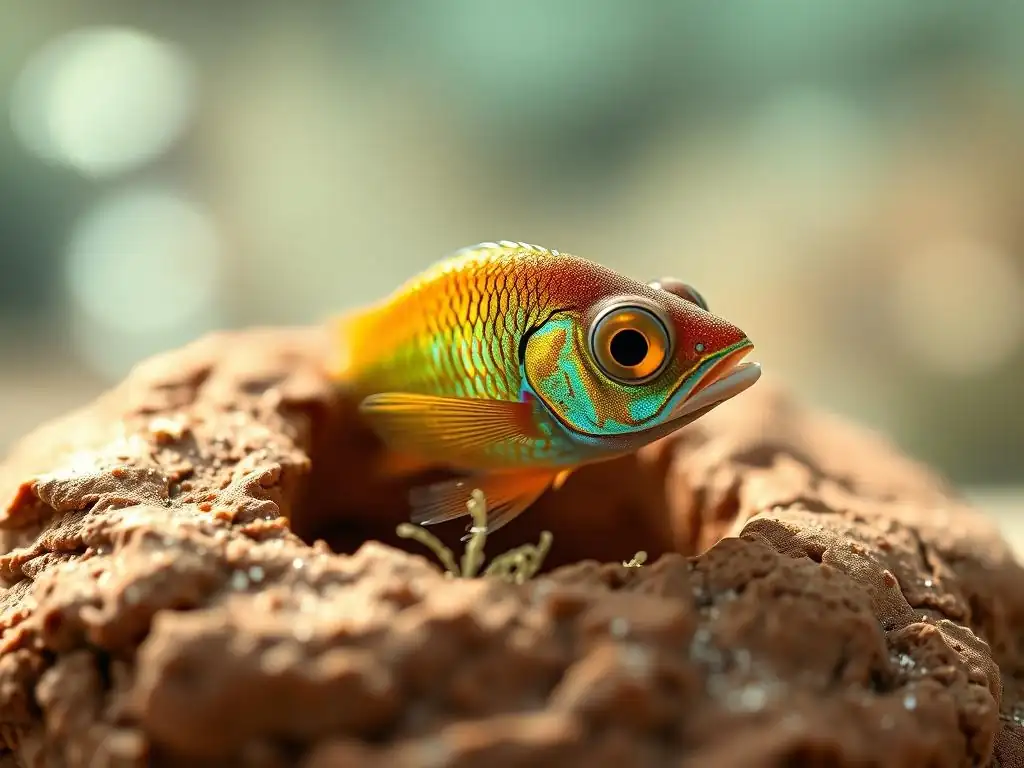
Providing thorough Lubbock fairy wrasse care is paramount for the health and longevity of these beautiful fish. This involves meticulous attention to tank size, water parameters, and diet, ensuring an environment that closely replicates their natural habitat. Adhering to these guidelines will significantly enhance their chances of thriving in your home aquarium.
Consistent monitoring and proactive adjustments are key components of effective Lubbock fairy wrasse care. From maintaining stable water chemistry to offering a varied diet, every detail contributes to the overall well-being of your Cirrhilabrus lubbocki. This section will delve into the critical aspects of their husbandry, guiding you toward successful long-term keeping.
Optimal Tank Size for Lubbock's Fairy Wrasses: Creating a Comfortable Environment
For a single Lubbock's Fairy Wrasse, a minimum tank size of 30 gallons is generally recommended. This provides sufficient swimming space for their active nature and helps maintain stable water parameters, which is crucial for Lubbock fairy wrasse care. While they are relatively small, their constant darting and exploration necessitate adequate room to prevent stress and allow for natural behaviors.
If you plan to keep a pair or a small group, particularly a male with multiple females, a tank of 50 gallons or larger is advisable. Larger tanks offer more horizontal swimming space, which is preferred by these wrasses, and greater water volume for increased stability. For example, a standard 50-gallon breeder tank (36"L x 18"W x 19"H) provides significantly more floor space and stability compared to a 50-gallon tall tank, making it a better choice for optimal Lubbock fairy wrasse care.
Water Parameters for Cirrhilabrus lubbocki: Maintaining a Stable and Healthy Habitat
Maintaining precise and stable water parameters is one of the most critical aspects of successful Lubbock fairy wrasse care. These fish are sensitive to fluctuations, and poor water quality can quickly lead to stress and disease. Regular testing and consistent maintenance are non-negotiable for their long-term health.
A stable environment minimizes stress, which in turn strengthens their immune system and enhances their vibrant coloration. Implementing a robust filtration system and adhering to a strict water change schedule are foundational practices for providing excellent Lubbock fairy wrasse care.
Temperature, Salinity, and pH Levels for Lubbock's Fairy Wrasse
The ideal water temperature for Lubbock's Fairy Wrasse ranges from 72°F to 78°F (22°C to 26°C), with an optimal temperature around 75°F (24°C). Consistent temperature is vital; sudden drops or spikes can be highly detrimental. Salinity should be maintained within a specific gravity of 1.020 to 1.025, with 1.023-1.024 being a commonly recommended sweet spot for mixed reef tanks.
The pH level should be stable between 8.1 and 8.4. Fluctuations in pH can cause significant stress, leading to health issues. Utilizing a high-quality heater with a reliable thermostat and regularly testing your water with calibrated instruments (e.g., a refractometer for salinity) are essential practices for ensuring these parameters remain within the optimal range, directly contributing to effective Lubbock fairy wrasse care.
Importance of Water Quality: Ammonia, Nitrite, and Nitrate Control
Ammonia and nitrite levels must always be at 0 ppm (parts per million). These compounds are highly toxic to marine fish, and even trace amounts can cause severe gill damage and death. A fully cycled aquarium with mature biological filtration is absolutely essential before introducing a Lubbock's Fairy Wrasse.
Nitrate levels, while less toxic than ammonia and nitrite, should be kept below 10-20 ppm. High nitrates indicate an accumulation of organic waste and can contribute to overall stress and susceptibility to disease. Regular partial water changes (e.g., 10-15% weekly or 20-25% bi-weekly), efficient protein skimming, and avoiding overfeeding are key strategies for maintaining pristine water quality, which is the cornerstone of proper Lubbock fairy wrasse care.
Diet and Feeding: Ensuring Proper Nutrition for Your Fairy Wrasse
A varied and nutritious diet is critical for the long-term health and vibrant coloration of your Lubbock's Fairy Wrasse. As natural zooplankton feeders, their captive diet should closely mimic their wild consumption habits. Proper nutrition directly impacts their immune system and overall vitality, making it a cornerstone of effective Lubbock fairy wrasse care.
Failing to provide a diverse diet can lead to nutritional deficiencies, faded colors, and increased susceptibility to disease. Therefore, offering a range of high-quality foods is not just beneficial but essential for these active fish.
Recommended Foods: Variety is Key for Lubbock's Fairy Wrasse Health
Lubbock's Fairy Wrasses are carnivorous and primarily feed on micro-invertebrates and zooplankton in their natural habitat. In the aquarium, a diverse diet of high-quality frozen foods is highly recommended. Excellent choices include frozen mysis shrimp, enriched brine shrimp, cyclop-eeze, and finely chopped marine-sourced seafood like shrimp, clam, or squid. These foods provide essential proteins and fatty acids.
Supplementing their diet with high-quality marine flakes or pellets designed for carnivorous fish is also beneficial, though frozen and live foods should form the bulk of their intake. An example feeding regimen might involve alternating between frozen mysis shrimp one day and enriched brine shrimp the next, ensuring they receive a broad spectrum of nutrients. This variety is crucial for comprehensive Lubbock fairy wrasse care.
Feeding Frequency and Amount: Preventing Overfeeding
For juveniles or newly introduced Lubbock's Fairy Wrasses, feeding 2-3 times per day in small amounts is ideal to support their growth and energy levels. Adult specimens generally do well with 1-2 feedings per day. The key is to offer only as much food as they can consume within 2-3 minutes. Any uneaten food should be promptly removed to prevent water quality degradation.
Overfeeding is a common mistake that can lead to several problems, including poor water quality (elevated nitrates, phosphates), excessive algae growth, and obesity in the fish, which can lead to liver issues and a shortened lifespan. By adhering to appropriate feeding frequencies and amounts, aquarists can maintain optimal water parameters and ensure their Cirrhilabrus lubbocki remains healthy and active, embodying diligent Lubbock fairy wrasse care.
Lubbock's Fairy Wrasse Tank Mates: Compatible Species for a Peaceful Reef
Choosing appropriate tank mates is a vital aspect of Lubbock fairy wrasse care. While generally peaceful, their small size and active nature mean they can be stressed by overly aggressive or large, predatory fish. A carefully selected community will ensure a harmonious environment for your wrasse and the entire aquarium.
Compatibility is not just about avoiding aggression; it's also about ensuring that tank mates don't outcompete the Lubbock's Fairy Wrasse for food or hiding spots. Thoughtful planning of your aquarium inhabitants is a testament to comprehensive Lubbock fairy wrasse care.
Ideal Tank Companions for Cirrhilabrus lubbocki
Lubbock's Fairy Wrasses thrive in community aquariums with other peaceful, similarly sized fish. Excellent tank companions include other non-aggressive wrasses, such as Flasher Wrasses ( Paracheilinus species), other smaller Cirrhilabrus species (though typically only one male Cirrhilabrus per tank unless it's a very large system, e.g., 100+ gallons, to prevent male-on-male aggression), gobies, blennies, cardinalfish, clownfish, anthias, and smaller, peaceful tangs.
They are highly reef-safe, posing no threat to corals or most invertebrates, making them an ideal choice for mixed reef aquariums. Their natural diet of zooplankton means they typically ignore even the smallest of corals and sessile invertebrates. In fact, they may even help by preying on tiny parasitic flatworms, adding another layer of benefit to a reef system.
Fish to Avoid: Incompatible Tank Mates for Lubbock's Fairy Wrasse
When considering tank mates for your Lubbock's Fairy Wrasse, it's crucial to avoid aggressive or very large predatory species that could view them as food. This includes large lionfish, groupers, aggressive triggerfish, and certain large angelfish species. Their small size makes them vulnerable to such predators.
Furthermore, overly boisterous or fin-nipping species, such as some damsels or highly territorial dottybacks, should be avoided as they can cause significant stress to the more timid fairy wrasse. While male Cirrhilabrus species can be kept together in very large tanks, it's generally best to avoid housing multiple male Cirrhilabrus wrasses in tanks under 100 gallons to prevent inter-species aggression and ensure peaceful Lubbock fairy wrasse care.
Setting Up Your Aquarium for a Lubbock's Fairy Wrasse: A Step-by-Step Guide
Proper aquarium setup is foundational to successful Lubbock fairy wrasse care. The physical environment, including substrate, rockwork, lighting, and filtration, must be thoughtfully designed to replicate their natural habitat and provide all necessary amenities for their well-being. A well-planned setup minimizes stress and promotes natural behaviors.
This section will guide you through the essential steps of preparing an ideal home for your Cirrhilabrus lubbocki. From selecting the right decor to ensuring optimal equipment, each element plays a crucial role in the overall health and happiness of your wrasse.
Choosing the Right Substrate and Rockwork for a Lubbock's Fairy Wrasse Tank
Unlike some other wrasse species that bury themselves in the sand at night, Lubbock's Fairy Wrasses do not typically bury. Therefore, a deep sand bed is not a strict requirement for their Lubbock fairy wrasse care. A fine sand or crushed coral substrate is perfectly acceptable and can contribute to the aesthetic of a reef tank.
The most critical aspect of their physical environment is the provision of ample live rock with numerous caves, crevices, and hiding spots. These wrasses are known to dart into rockwork when startled or to retreat for the night, wedging themselves securely within the cracks. A well-aquascaped tank with plenty of secure rockwork (e.g., 1 to 1.5 pounds of live rock per gallon) not only mimics their natural habitat but also provides crucial psychological security and aids in biological filtration, which is vital for maintaining water quality.
Lighting and Filtration: Essential Equipment for a Healthy Environment
For lighting, Lubbock's Fairy Wrasses are not particularly demanding. Moderate lighting is suitable for their needs. If you are keeping them in a reef tank, the lighting should be chosen primarily based on the requirements of your corals, and the wrasse will adapt accordingly. They appreciate a regular day-night cycle, which can be easily managed with a timer.
Regarding filtration, robust biological and mechanical filtration are essential for maintaining the pristine water quality necessary for Lubbock fairy wrasse care. A high-quality protein skimmer is highly recommended to efficiently remove organic waste before it breaks down into harmful nitrates. Additionally, moderate to high water flow areas, created by powerheads, will mimic their natural current-swept habitats, but ensure there are also calmer zones where they can rest. A well-established nitrogen cycle is paramount before introducing any fish.
Acclimation Process: Introducing Your New Wrasse to the Aquarium
The acclimation process is a critical step in Lubbock fairy wrasse care and should be performed slowly and carefully to minimize stress. Due to their sensitivity to sudden changes in water parameters, the drip acclimation method is highly recommended. This involves slowly introducing tank water into the bag containing the fish over an extended period.
Begin by floating the sealed bag in your aquarium for 15-20 minutes to equalize temperature. Then, open the bag, secure it, and use airline tubing to siphon water from your display tank into the bag, controlling the drip rate to allow water to slowly mix over 30-60 minutes.
Once the bag's water volume has tripled, gently net the fish and place it into the aquarium, discarding the water from the bag. It is often beneficial to keep the tank lights off for the first few hours or even a full day after introduction to reduce stress and allow the wrasse to find hiding spots without feeling exposed.
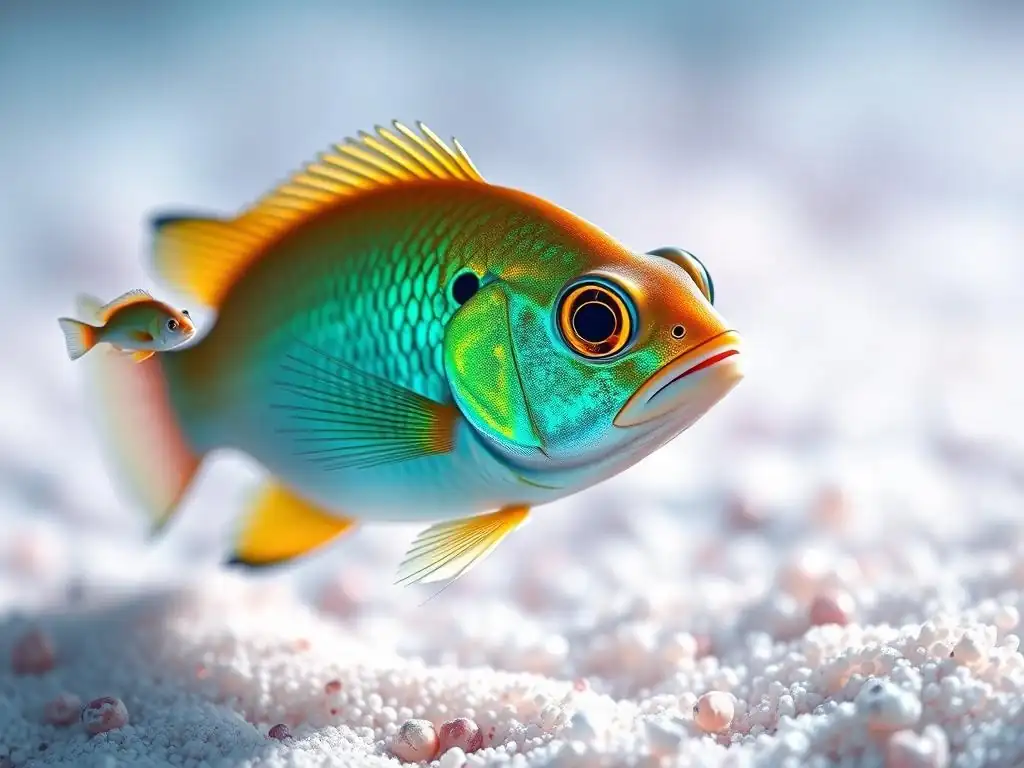
Understanding the unique behaviors of the Lubbock's Fairy Wrasse is key to their successful Lubbock fairy wrasse care. Their social dynamics, particularly the differences between males and females and their interactions within the aquarium, provide fascinating insights into their personality and needs. Observing these behaviors can also be an early indicator of stress or disease.
Their active and curious nature, coupled with their specific social structures, makes them an engaging subject for any aquarist. Proper observation allows for timely intervention if any issues arise, further enhancing the quality of Lubbock fairy wrasse care.
Male vs. Female Lubbock's Fairy Wrasse: Identifying Sex Differences
Identifying the sex of a Lubbock's Fairy Wrasse is relatively straightforward once they mature. Males are typically more vibrant, larger, and exhibit more elaborate finnage, particularly their dorsal fin, which is often adorned with a distinct black spot and can be extended during display. Their body coloration is usually a more intense mix of orange, purple, blue, and yellow.
Females, conversely, are generally smaller and possess a more subdued, uniform reddish-orange to pinkish-brown coloration. While they may have a black spot on their dorsal fin, it is typically less prominent or entirely absent. Like many wrasses, Cirrhilabrus lubbocki are protogynous hermaphrodites, meaning all are born female and have the ability to transition into males, often triggered by the absence of a dominant male in a group.
Lubbock's Fairy Wrasses are generally peaceful and active swimmers during the day. Males are known for their "flashing" displays, where they rapidly intensify their colors and extend their fins to attract females or assert dominance over rivals. These displays are a captivating sight in the aquarium. They are constantly darting in and out of rockwork, exploring their environment.
At night, or when startled, these wrasses will quickly retreat into the safety of rock crevices, often wedging themselves securely within the rockwork. They do not bury in the sand. When housed in groups, observe for any signs of aggression, particularly between males or if a female is transitioning to male. While generally peaceful, individual personalities can vary, making careful observation a valuable part of Lubbock fairy wrasse care.
Common Health Issues in Lubbock's Fairy Wrasses and How to Prevent Them
Despite proper Lubbock fairy wrasse care, these fish can still encounter health challenges. Recognizing symptoms early and implementing appropriate prevention and treatment strategies are vital for their recovery and the well-being of your entire aquarium. Proactive measures, such as quarantine, significantly reduce the risk of disease outbreaks.
A healthy wrasse is an active and vibrant one. Any deviation from their normal behavior or appearance should prompt immediate investigation. This section will detail common ailments and the best approaches to address them, ensuring comprehensive Lubbock fairy wrasse care.
Recognizing Symptoms of Disease in Cirrhilabrus lubbocki
Early detection of disease is crucial for successful treatment and forms a key part of Lubbock fairy wrasse care. Common symptoms of illness in Cirrhilabrus lubbocki include lethargy, loss of appetite, clamped fins (held close to the body), rapid or labored breathing, and fading or dull coloration. Physical signs might include white spots (indicative of Ich or marine white spot disease), a dusty or cloudy appearance (Velvet), cloudy eyes, fin rot, or visible lesions.
Any change in typical swimming patterns, such as rubbing against rocks or darting erratically, can also signal parasitic irritation. Regularly observing your fish for any behavioral or physical changes during feeding or general tank activity will allow for timely intervention. Stress, often caused by poor water quality, incompatible tank mates, or improper acclimation, significantly weakens their immune system, making them more susceptible to these infections.
Quarantine Procedures: Protecting Your Aquarium from Outbreaks
Implementing a strict quarantine procedure for all new fish, including Lubbock's Fairy Wrasses, is one of the most effective preventive measures in Lubbock fairy wrasse care. A dedicated quarantine tank, typically 10-20 gallons for a single wrasse, with basic filtration (sponge filter), a heater, and aeration, should be set up. New fish should be housed here for a minimum of 3-4 weeks.
During the quarantine period, carefully monitor the fish for any signs of disease. This isolated environment allows for observation and, if necessary, treatment without risking the health of your main display tank. Prophylactic treatments for common parasites can also be administered during this time. This proactive approach significantly reduces the chance of introducing pathogens into your established aquarium, safeguarding your existing inhabitants and enhancing overall Lubbock fairy wrasse care.
Treatments for Common Wrasse Diseases
For parasitic infections like marine Ich (white spot disease), copper-based medications are often effective, provided they are used carefully and precisely according to instructions. Alternatively, hyposalinity (lowering salinity to 1.009-1.010 SG) can be used, but this requires precise monitoring and is not suitable for all fish or reef tanks. For Velvet, which is often more aggressive, copper or formalin-based treatments are typically recommended.
Bacterial infections, which can manifest as fin rot, cloudy eyes, or body sores, often require broad-spectrum antibiotics, administered either in the water or via medicated food. Always remove carbon filtration during medical treatments as it will absorb the medication. It is crucial to accurately diagnose the disease before treatment and, when in doubt, consult with an experienced marine aquarium expert or aquatic veterinarian to ensure effective and safe Lubbock fairy wrasse care.
Breeding Lubbock's Fairy Wrasses: Challenges and Possibilities
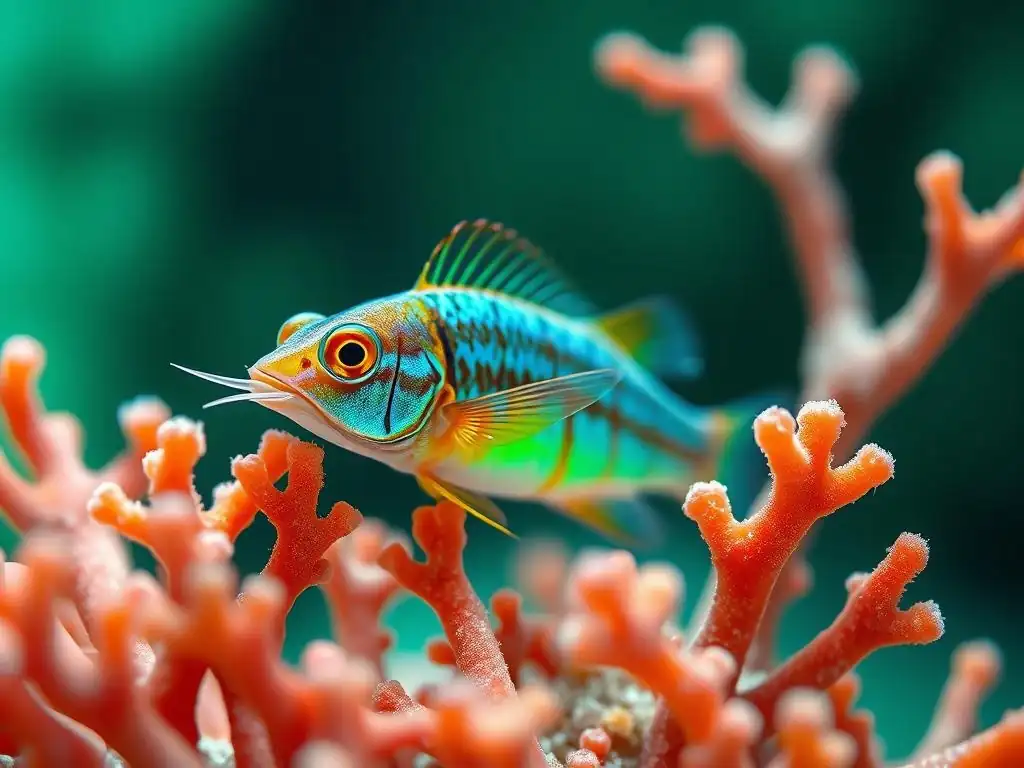
Breeding Lubbock's Fairy Wrasses in a home aquarium setting is exceptionally challenging and rarely achieved by hobbyists. While some public aquariums or specialized aquaculture facilities may have had limited success, consistent captive breeding remains elusive. This section explores the theoretical conditions required and the difficulties involved, highlighting it as an advanced aspect of Lubbock fairy wrasse care.
The complexity arises from their pelagic spawning habits and the microscopic size and specific feeding requirements of their larvae. This makes raising the fry a monumental task, even for experienced breeders.
Conditions Required for Breeding Cirrhilabrus lubbocki in Captivity
Successful breeding of Cirrhilabrus lubbocki in captivity necessitates a mature, healthy pair (or a male with multiple females) in a very large, stable system with pristine water conditions. The tank environment must closely mimic their natural habitat, including appropriate lighting cycles and ample space. Spawning typically occurs at dusk, with the male and female engaging in a rapid ascent into the water column, releasing eggs and sperm at the apex.
As pelagic spawners, their eggs are tiny, buoyant, and scatter into the water column, making collection incredibly difficult in a typical aquarium. Even if eggs are successfully collected, the larvae are microscopic, requiring an immediate and continuous supply of appropriately sized live foods. This inherent difficulty is why dedicated Lubbock fairy wrasse care often focuses on thriving in a display tank rather than reproduction.
Raising Fry
The primary hurdle in raising Lubbock's Fairy Wrasse fry is their minuscule size upon hatching. They require an initial diet of rotifers for several days, followed by progressively larger live foods such as copepod nauplii and newly hatched artemia nauplii as they grow. Maintaining a consistent supply of these live foods, cultured in sufficient quantities, is a full-time commitment.
High mortality rates are common during the larval stage due to their fragility and specific feeding requirements. Specialized equipment, such as plankton kreisels (circular tanks designed to keep delicate larvae suspended) and green water techniques (culturing phytoplankton to feed rotifers and copepods), are often necessary. This level of dedication and expertise places Cirrhilabrus lubbocki breeding firmly in the realm of advanced aquaculture, far beyond the scope of typical Lubbock fairy wrasse care for hobbyists.
The Allure of the Lubbock's Fairy Wrasse: Why They're a Favorite Among Aquarists
The Lubbock's Fairy Wrasse has earned its place as a perennial favorite among saltwater aquarists for a multitude of reasons. Beyond their relatively easy Lubbock fairy wrasse care requirements for a marine fish, their inherent beauty and engaging behavior make them an undeniable asset to any compatible aquarium.
Their presence adds dynamic movement and a burst of color, elevating the aesthetic appeal of a reef or fish-only system. It is their combination of visual appeal and manageable temperament that truly makes them stand out.
The Lubbock's Fairy Wrasse: A Reef-Safe and Visually Stunning Addition
One of the most significant reasons for the Lubbock's Fairy Wrasse's popularity is its reef-safe nature. Unlike some other marine fish that may nip at corals or invertebrates, Cirrhilabrus lubbocki is entirely safe for all types of corals, anemones, and other sessile invertebrates. This makes them an ideal choice for the burgeoning reef aquarium hobby, allowing aquarists to enjoy their vibrant colors without compromising their delicate coral collections.
Beyond their compatibility, their visual appeal is undeniable. The males, in particular, with their iridescent purples, oranges, and blues, provide a constant spectacle of color and movement. Their active, darting swimming style and inquisitive nature ensure they are always visible and engaging, adding a lively dimension to the aquarium. The combination of their stunning appearance and the relatively straightforward Lubbock fairy wrasse care makes them a rewarding and beautiful addition to any suitable marine setup.
Lubbock Fairy Wrasse: Purchasing and Acclimation Tips
Acquiring a healthy Lubbock's Fairy Wrasse is the first step toward successful Lubbock fairy wrasse care. The initial health of the fish significantly impacts its ability to adapt and thrive in your home aquarium. Knowing what to look for and how to properly introduce your new inhabitant are crucial elements in this process.
Careful selection from a reputable source, combined with a precise acclimation protocol, will mitigate stress and prevent the introduction of diseases, setting your new wrasse up for long-term success.
Finding Healthy Cirrhilabrus lubbocki for Sale
When purchasing a Lubbock's Fairy Wrasse, always prioritize sourcing from reputable local fish stores or well-regarded online vendors. A reputable seller will maintain clean tanks, provide healthy specimens, and offer knowledgeable advice. When inspecting the fish, look for active individuals that are swimming freely and not hiding excessively. Their colors should be vibrant and clear, not faded or dull.
Check for clear eyes, intact fins without any tears or signs of rot, and a full, rounded belly (not pinched or emaciated). Observe if the fish is readily accepting food, as a good appetite is a strong indicator of health. Inquire about how long the fish has been at the store and whether it has been quarantined. A fish that has been stable at the store for at least a week or two is generally a safer bet, contributing to better Lubbock fairy wrasse care right from the start.
Acclimating Your Lubbock Fairy Wrasse to Your Home Aquarium
Once you bring your Lubbock's Fairy Wrasse home, the acclimation process is critical to minimize stress and prevent shock from changes in water parameters. These fish are sensitive to sudden shifts, so a slow and deliberate approach is vital for their survival and long-term well-being.
For detailed, step-by-step instructions on how to properly acclimate your new Cirrhilabrus lubbocki to your home aquarium, please refer to the "Acclimation Process: Introducing Your New Wrasse to the Aquarium" section earlier in this article. Following these guidelines meticulously will ensure a smooth transition and is a fundamental aspect of effective Lubbock fairy wrasse care.
Frequently Asked Questions
How difficult is it to care for a Lubbock's Fairy Wrasse compared to other saltwater fish?
Lubbock's Fairy Wrasses are generally considered relatively easy to care for, especially compared to more demanding saltwater species. They are known for being hardy and adaptable to various tank conditions.
What is the ideal tank size for a Lubbock's Fairy Wrasse?
A minimum tank size of 30 gallons is recommended for a single Lubbock's Fairy Wrasse. This provides adequate space for swimming and establishing territory.
What type of food should I feed my Lubbock's Fairy Wrasse?
Lubbock's Fairy Wrasses are carnivorous and thrive on a varied diet. Offer a mix of high-quality frozen foods, such as mysis shrimp and brine shrimp, as well as flake or pellet food.
Are Lubbock's Fairy Wrasses reef safe?
Yes, Lubbock's Fairy Wrasses are generally considered reef safe. They typically do not bother corals or other invertebrates, making them suitable for reef aquariums.
What are some common health issues to watch out for with Lubbock's Fairy Wrasses?
While hardy, they can be susceptible to common saltwater fish diseases like ich (white spot disease) and marine velvet. Maintaining good water quality and quarantine new arrivals to prevent outbreaks.
Final Reflection: The Enduring Allure of the Lubbocki
The journey into the world of the Lubbock's Fairy Wrasse, as we've explored, highlights the captivating power of small wonders in the vast ocean of aquarium keeping. These vibrant fish, despite their diminutive size, demand attention and respect, reminding us that even the smallest creatures can possess a monumental presence in our lives and aquariums. Their specific care requirements, though demanding, ultimately reward the dedicated aquarist with a dazzling display of color and personality.
The Lubbocki's popularity, and the increasing interest in responsible Lubbock fairy wrasse care, underscores a growing appreciation for the delicate balance within our home ecosystems. It's a testament to our evolving understanding of marine life and our commitment to providing optimal environments for these captivating creatures. In the end, we will conserve only what we love; we will love only what we understand; and we will understand only what we are taught.
- Baba Dioum. This quote resonates deeply as we strive to learn and share the knowledge necessary to ensure the well-being of these remarkable fish.
So, as you consider adding a Lubbock's Fairy Wrasse to your aquarium, or simply reflect on the beauty of the natural world, remember the lessons we've learned. Let the Lubbocki's vibrant spirit inspire you to approach every aspect of your life with the same dedication, attention to detail, and unwavering commitment to creating a thriving and harmonious environment. Embrace the challenge, celebrate the small victories, and allow the Lubbocki's monumental personality to enrich your aquarium and your life.
Unleash the Vibrant Reef Keeper Within!
Thank you for diving into the captivating world of the Lubbock's Fairy Wrasse! We hope you found its dazzling colors and unique behavior as inspiring as we do. Now, let's transform that inspiration into action!
- Reimagine your own reef tank; consider introducing a Lubbock's Fairy Wrasse to add a splash of personality and color.
- Share this article with fellow reefing enthusiasts – let them discover the charm of this miniature marvel.
- Start a species profile journal! Document observations of any new fish you keep as a way to enrich your understanding of their behavior.
What tiny change will you make today to create a more vibrant and thriving reef ecosystem?