
Black Ocellaris Clownfish: The Dark Knight's Anemone Preferences

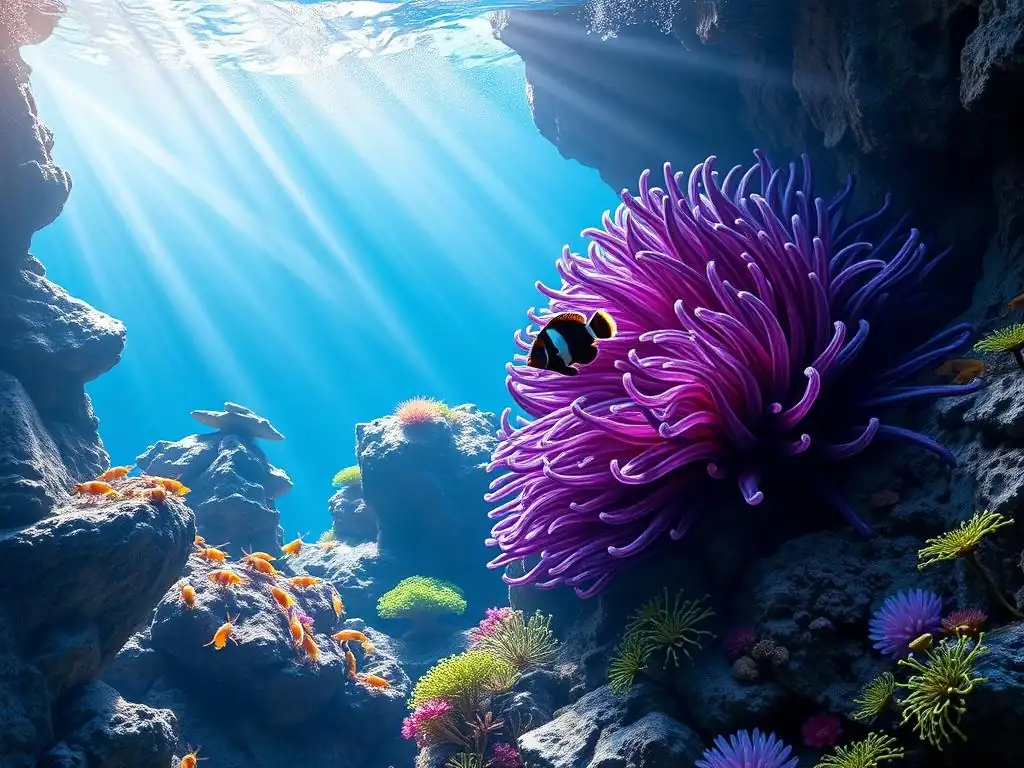
Welcome to Aquarium Mastery, where we unlock the secrets to thriving aquatic ecosystems!
Ever wondered which anemone is the perfect partner for your Black Ocellaris Clownfish? These "Dark Knights" of the reef have specific preferences, and choosing the wrong anemone can lead to heartbreak (and a stressed-out fish!). Dive into our detailed Black Ocellaris anemone compatibility guide below to discover the ideal anemone matches and create a harmonious underwater haven. Let's explore the fascinating world of clownfish and anemone symbiosis!
- Understanding Black Ocellaris Clownfish
- Anemone Compatibility Guide for Black Ocellaris
- Setting Up the Ideal Anemone Tank for Black Ocellaris
- Introducing Black Ocellaris to Their Anemone Host
- Feeding Black Ocellaris Clownfish and Anemones
- Common Health Issues and Prevention in Black Ocellaris
- Breeding Black Ocellaris Clownfish
- Black Ocellaris Anemone Compatibility Guide: Summary and Best Practices
-
Frequently Asked Questions
- What anemones are best suited for Black Ocellaris Clownfish in a saltwater aquarium?
- How do I ensure my anemone is healthy and thriving to host my Black Ocellaris Clownfish?
- Are there any anemones that I should avoid when keeping Black Ocellaris Clownfish?
- How long does it typically take for Black Ocellaris Clownfish to host an anemone after being introduced?
- Can Black Ocellaris Clownfish thrive without an anemone in a saltwater aquarium?
- Final Reflection: Embracing the Enigmatic Black Ocellaris
- Dive Deeper: Chart Your Own Clownfish Course!
Understanding Black Ocellaris Clownfish
Black Ocellaris Clownfish: An Introduction to the "Darwin" Clown
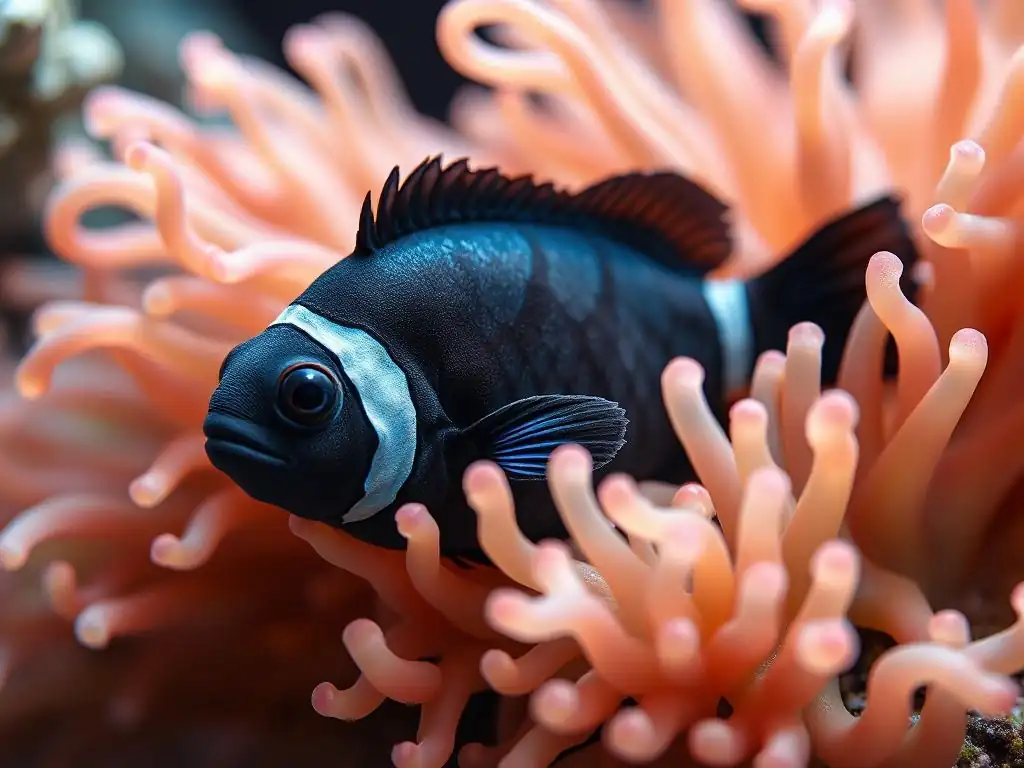
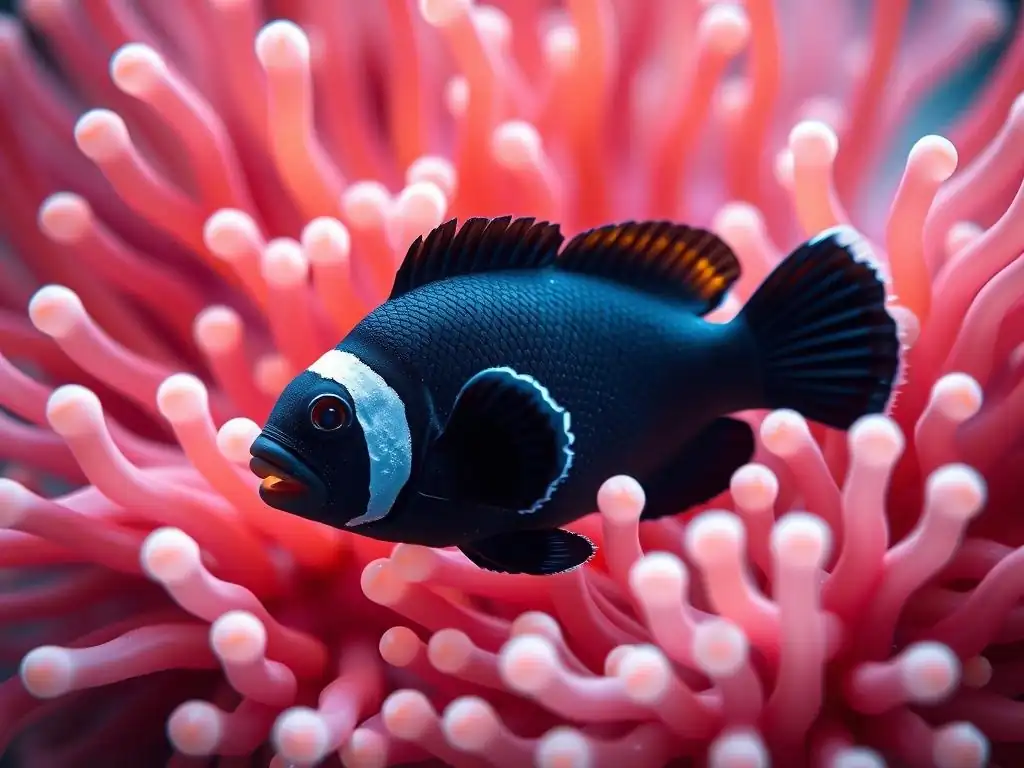
The Black Ocellaris Clownfish, Amphiprion ocellaris, is a captivating variant of the more commonly recognized orange ocellaris clownfish. Often referred to as the "Darwin" clownfish, this name originates from a wild-caught specimen found near Darwin, Australia, in the early 1970s, which exhibited this striking black coloration. Unlike typical ocellaris clownfish, which are predominantly orange with three white bands, the Black Ocellaris develops a deep, velvety black body, often retaining bright white bands, making it a visually distinct and highly sought-after species among aquarists.
The unique coloration of the Black Ocellaris is primarily due to selective breeding in captivity, though its origins trace back to that single wild specimen. Young black ocellaris typically hatch with an orange-brown hue, gradually darkening to their characteristic black as they mature, usually within the first 6-12 months of life. This transformation is a fascinating aspect of their development and contributes to their allure, making them a popular choice for those seeking a dramatic visual contrast in their saltwater aquariums.
Distinguishing Features of Black Ocellaris: Coloration and Morphology
The most prominent distinguishing feature of the Black Ocellaris Clownfish is its intense black body coloration, which can range from a dark charcoal grey to a profound jet black. This dark pigmentation typically covers the entire body, contrasting sharply with their three vertical white bands, which are usually bordered in black. These bands, located on the head, mid-body, and caudal peduncle (tail base), are characteristic of all Amphiprion ocellaris specimens.
In terms of morphology, the Black Ocellaris shares the same physical characteristics as its orange counterparts. They possess a compact, oval-shaped body, typically reaching an adult size of about 3 inches (7.5 cm) for females, with males being slightly smaller, around 2 inches (5 cm). Their fins are well-proportioned, and their movements are agile, allowing them to navigate complex reef environments and interact closely with their host anemones. The combination of their unique dark coloration and classic clownfish morphology makes them easily identifiable and highly prized.
Natural Habitat and Behavior of Black Ocellaris in the Wild
While the Black Ocellaris is largely a captive-bred variant, its lineage, the Amphiprion ocellaris, naturally inhabits the Indo-Pacific region, spanning from the Andaman Sea to Northwestern Australia and throughout Southeast Asia. In their natural reef environments, these clownfish typically reside in shallow waters, often found at depths ranging from 1 to 18 meters (3 to 60 feet), where sunlight penetration is abundant, supporting the photosynthetic processes of their host anemones.
Their behavior in the wild is intrinsically linked to their symbiotic relationship with sea anemones. Black Ocellaris, like other ocellaris clownfish, are protandrous hermaphrodites, meaning all individuals are born male and can later transition to female. They live in social hierarchies, typically consisting of a dominant breeding female, a breeding male, and several smaller, non-breeding males. This social structure revolves around their chosen host anemone, which provides protection from predators and a stable home base within the bustling reef ecosystem.
Anemone Compatibility Guide for Black Ocellaris
The Symbiotic Relationship: Clownfish and Anemones Explained
The symbiotic relationship between clownfish and sea anemones is one of nature's most remarkable examples of mutualism, where both organisms benefit. Clownfish possess a unique mucus coating that makes them immune to the stinging nematocysts (stinging cells) of the anemone. This immunity allows the clownfish to safely reside within the anemone's tentacles, gaining protection from predators such as larger fish, including various species of triggerfish and moray eels, which would otherwise prey on the vulnerable clownfish.
In return for this shelter, the clownfish offers several advantages to its host anemone. Clownfish are known to actively defend their anemone from potential predators, such as butterflyfish that might nip at the anemone's tentacles. They also help clean the anemone by consuming parasites, uneaten food, and detritus that settles on its oral disc. Furthermore, their movements within the tentacles can improve water circulation around the anemone, aiding in respiration and waste removal. This intricate exchange highlights why understanding Black Ocellaris anemone compatibility is essential for a thriving marine aquarium.
Why Anemone Hosting is Crucial for Black Ocellaris Well-being
While many captive-bred Black Ocellaris Clownfish can survive and even thrive in an aquarium without a host anemone, providing a suitable host significantly enhances their well-being and natural behaviors. The presence of an anemone offers a psychological comfort and a sense of security for the clownfish, mimicking their natural environment. This can lead to reduced stress levels, more vibrant coloration, and a greater display of their inherent behaviors, such as territorial defense and complex social interactions within a pair.
Beyond psychological benefits, an anemone provides a physical refuge. Although aquarium environments typically lack the predators found in the wild, the anemone still serves as a safe zone where the clownfish can retreat when startled or during rest periods. Observing a Black Ocellaris host an anemone is one of the most rewarding aspects of marine aquariculture, showcasing the full spectrum of their natural instincts and enriching the overall aquarium experience. A comprehensive Black Ocellaris anemone compatibility guide always emphasizes the benefits of a host.
Black Ocellaris Anemone Compatibility: Preferred Anemone Species
For aquarists aiming to provide an optimal environment for their Black Ocellaris, selecting the right host anemone is paramount. While clownfish are known to host a variety of anemone species in the wild, certain types are more commonly accepted and are more practical for home aquariums due to their care requirements and typical sizes. The following species are generally considered the best choices when considering Black Ocellaris anemone compatibility.
It is crucial to remember that introducing an anemone requires a mature, stable aquarium with excellent water quality and appropriate lighting. Anemones are sensitive invertebrates and often require more specific care than the clownfish themselves. Ensuring the anemone thrives is the first step to successful hosting by a Black Ocellaris.
Bubble-Tip Anemone (Entacmaea quadricolor) for Black Ocellaris
The Bubble-Tip Anemone ( Entacmaea quadricolor), often abbreviated as BTA, is arguably the most popular and widely compatible host for Black Ocellaris Clownfish. Its distinctive bulbous tips on its tentacles, when healthy and well-fed, give it its common name. BTAs are relatively hardy for an anemone and come in a variety of colors, including green, rose, and even vibrant red, adding significant aesthetic appeal to a reef tank.
In the wild, Bubble-Tip Anemones are common hosts for Amphiprion ocellaris, making them a natural choice for Black Ocellaris in captivity. They can grow quite large, often reaching diameters of 12-20 inches (30-50 cm), requiring an adequately sized tank, typically 30 gallons or more for the anemone alone, plus additional space for the clownfish. Providing strong lighting (PAR values often exceeding 200-300), moderate to strong water flow, and pristine water parameters are crucial for their long-term health and for encouraging hosting behavior from your Black Ocellaris.
Carpet Anemone (Stichodactyla gigantea/haddoni) Considerations
Carpet Anemones, primarily Stichodactyla gigantea and Stichodactyla haddoni, are also natural hosts for Amphiprion ocellaris in their wild habitats. These anemones are characterized by their broad, flat oral discs covered in numerous short, sticky tentacles that resemble a carpet. While they offer excellent hosting potential for Black Ocellaris, they are significantly more challenging to keep in a home aquarium compared to Bubble-Tip Anemones.
Carpet Anemones can grow to enormous sizes, with S. gigantea reaching up to 3 feet (90 cm) in diameter and S. haddoni up to 2 feet (60 cm). Their large size and potent sting necessitate very large, mature aquariums (100+ gallons minimum) and careful placement to avoid stinging other tank inhabitants. They require intense lighting (PAR 300-500+), very strong water flow, and a constant supply of nutrients. Due to their demanding care and aggressive nature towards other corals and fish, they are generally recommended only for experienced aquarists seeking a specific Black Ocellaris anemone compatibility.
Sebae Anemone (Heteractis crispa) and Black Ocellaris: A Potential Match
The Sebae Anemone ( Heteractis crispa), also known as the Leather Anemone or Leathery Sea Anemone, is another species commonly associated with Amphiprion ocellaris in the wild. This anemone is recognized by its long, often tapering tentacles that can be white, grey, or light brown, sometimes with purple or blue tips. When healthy, its oral disc is typically a contrasting color, often yellowish or greenish.
Sebae Anemones can grow to a substantial size, typically 12-20 inches (30-50 cm) in diameter, and require a stable, mature aquarium of at least 50 gallons. They need strong lighting (PAR 250-400+) and moderate water flow. While they are a viable host for Black Ocellaris, they are considered less hardy than Bubble-Tip Anemones and can be prone to "bleaching" or losing their color if conditions are not optimal. Success with a Sebae Anemone requires diligent maintenance of water parameters and consistent feeding.
Anemones to Avoid: Incompatible Species for Black Ocellaris
While the primary focus of a Black Ocellaris anemone compatibility guide is on suitable hosts, it is equally important to understand which anemone species are generally incompatible or pose significant risks in a home aquarium. Some anemones are either too aggressive, too difficult to care for, or simply not natural hosts for Amphiprion ocellaris, making them poor choices for your Black Ocellaris Clownfish.
Examples of anemones to avoid include the magnificent anemone ( Heteractis magnifica) for beginners, as it is very sensitive and difficult to keep, despite being a natural host. Similarly, the long tentacle anemone ( Macrodactyla doreensis) is not a natural host for Ocellaris clownfish and may not be accepted. Even more critically, species like the Rock Flower Anemone ( Epicystis crucifer) or various mushroom anemones ( Rhodactis spp., Ricordea spp.)
are not true host anemones for clownfish and will not provide the necessary symbiotic relationship or protection. Attempting to force hosting with these incompatible species can lead to stress for both the clownfish and the anemone, and potentially harm.
Setting Up the Ideal Anemone Tank for Black Ocellaris
Tank Size Recommendations for Black Ocellaris and Anemone
Establishing an appropriate tank size is a critical first step when planning for Black Ocellaris anemone compatibility. While a single Black Ocellaris can be housed in a 10-gallon aquarium, providing an anemone significantly increases the space requirements due to the anemone's growth potential and sensitivity. For a pair of Black Ocellaris clownfish with a single Bubble-Tip or Sebae anemone, a minimum tank size of 30-50 gallons is generally recommended. This allows sufficient room for the anemone to attach and spread, as well as providing stable water volume.
For larger anemone species like Carpet Anemones, or if you plan to house multiple anemones or a more diverse reef system, a tank of 75 gallons or more is often necessary. Anemones, especially larger species, require ample rockwork for attachment and open sand beds for their foot to anchor. Larger tanks also offer greater water volume, which helps dilute waste products and maintain more stable water parameters, a crucial factor for the long-term health of both the anemone and the Black Ocellaris.
Water Parameters: Maintaining Optimal Conditions for Anemones and Clownfish
Maintaining stable and optimal water parameters is paramount for the health of both Black Ocellaris Clownfish and their host anemones. Fluctuations can quickly stress these delicate organisms, leading to illness or even death. Ideal water parameters for a Black Ocellaris anemone compatibility setup typically include:
- Temperature: 75-82°F (24-28°C). Stability is key; a sudden drop or rise can be detrimental.
- Salinity: 1.023-1.026 specific gravity (32-35 ppt). This range mimics natural ocean conditions.
- pH: 8.1-8.4. A consistent pH level is vital for calcification and overall metabolic processes.
- Alkalinity: 8-12 dKH. Adequate alkalinity supports the anemone's skeletal growth and overall health.
- Calcium: 400-450 ppm. Essential for the anemone's structure.
- Magnesium: 1250-1350 ppm. Helps maintain calcium and alkalinity levels.
- Nitrates: As close to 0 ppm as possible, ideally below 5-10 ppm. High nitrates are toxic to anemones.
- Phosphates: As close to 0 ppm as possible, ideally below 0.03 ppm. High phosphates can inhibit calcification and fuel nuisance algae.
Regular testing with reliable kits (at least weekly for the first few months, then bi-weekly or monthly once stable) is crucial. Consistent water changes (10-20% bi-weekly) using high-quality RO/DI water mixed with a good marine salt mix are essential for replenishing trace elements and removing accumulated nitrates and phosphates.
Lighting Requirements for Anemones and Black Ocellaris
Lighting is one of the most critical factors for the survival and health of host anemones, as they rely heavily on zooxanthellae (symbiotic algae living within their tissues) for nutrition through photosynthesis. Therefore, the lighting requirements for a Black Ocellaris anemone compatibility setup are primarily dictated by the anemone species chosen.
For Bubble-Tip and Sebae Anemones, moderate to strong lighting is necessary, typically in the range of 200-400 PAR (Photosynthetically Active Radiation) at the anemone's preferred depth. This often translates to high-output T5 fluorescent lights, metal halides, or modern LED fixtures specifically designed for reef aquariums. Carpet Anemones, being more demanding, may require PAR values exceeding 300-500. Adequate lighting not only ensures the anemone's health and vibrant coloration but also encourages it to attach firmly and display its natural form, making it more appealing for the Black Ocellaris to host.
Substrate and Aquascaping: Creating a Natural Habitat
The choice of substrate and the overall aquascaping are important considerations for creating a natural and stable environment suitable for both Black Ocellaris Clownfish and their host anemones. For most anemones, a fine to medium-grained sand bed of at least 3-4 inches (7.5-10 cm) is beneficial, as many species, particularly Bubble-Tip and Sebae anemones, will bury their foot in the sand to anchor themselves securely. This also provides a natural appearance and a home for beneficial microfauna.
Aquascaping should focus on creating stable rock structures with plenty of crevices and overhangs. Anemones often prefer to attach their foot to live rock, especially in areas with moderate water flow and good light exposure, but away from powerheads where they might get sucked in. Ensure the rockwork is stable and won't shift, as a falling rock could injure the anemone or clownfish. Providing a varied landscape with open swimming areas for the Black Ocellaris and suitable attachment points for the anemone will contribute to a thriving and aesthetically pleasing symbiotic display.
Introducing Black Ocellaris to Their Anemone Host
Quarantine Procedures Before Introduction
Before introducing any new marine inhabitant, especially a Black Ocellaris Clownfish intended for an anemone setup, a strict quarantine procedure is highly recommended. This involves housing the new fish in a separate, sterile quarantine tank (QT) for a period of 2-4 weeks. During this time, the fish can be observed for any signs of illness, parasites, or stress.
The QT allows for proactive treatment of potential issues like Ich ( Cryptocaryon irritans) orBrooklynella ( Brooklynella hostilis) without risking the established main display tank or its sensitive inhabitants, including the anemone. Using a QT significantly reduces the risk of introducing diseases that could devastate your entire reef system, safeguarding your existing Black Ocellaris anemone compatibility setup. This essential step ensures that only healthy specimens are added to your primary aquarium.
Gradual Acclimation to the Anemone Tank
Once the Black Ocellaris has successfully completed its quarantine period and is deemed healthy, a gradual acclimation process to the main display tank is crucial. This minimizes stress from changes in water parameters such as temperature, salinity, and pH. The drip acclimation method is highly recommended for marine fish, especially sensitive ones like clownfish. This involves slowly dripping water from the main tank into the fish's transport container over an hour or more, allowing for a gentle transition.
Before introducing the clownfish, ensure the anemone is well-established, healthy, and securely attached in its preferred location. Avoid making major changes to the tank layout or water parameters immediately prior to introduction. A calm and stable environment is key to a successful integration and encourages the Black Ocellaris to seek out and host the anemone.
Observing Initial Interactions: Bonding and Host Recognition
After the Black Ocellaris Clownfish is introduced into the display tank, closely observe its initial interactions with the host anemone. It's common for the clownfish to initially ignore the anemone, or even avoid it, especially if it's a captive-bred specimen that hasn't been exposed to an anemone before. Some Black Ocellaris may begin interacting with the anemone within minutes, while others may take days, weeks, or even months to bond. Patience is paramount during this phase of the Black Ocellaris anemone compatibility journey.
Look for behaviors such as the clownfish gently brushing against the anemone's tentacles, hovering near its base, or darting in and out. These are positive signs of host recognition and bonding. Avoid interfering with the process; allow the fish to explore and gradually become comfortable. Ensure the anemone is not stressed by the clownfish's initial curiosity; a healthy anemone will typically tolerate the clownfish's presence without retracting significantly.
Troubleshooting: Addressing Aggression or Rejection
While most Black Ocellaris Clownfish will eventually host a suitable anemone, there are instances where aggression or rejection occurs. If the anemone appears stressed, retracts significantly, or moves excessively after the clownfish's introduction, it might be reacting negatively. Conversely, some clownfish may show aggression towards other tank mates when defending their newly acquired host, or simply refuse to host the anemone.
If the anemone is stressed, check water parameters immediately. Sometimes, an anemone will move if it's unhappy with its location, lighting, or flow. If a Black Ocellaris is rejecting the anemone, ensure it's a species known for Black Ocellaris anemone compatibility.
Sometimes, adding a small, established piece of rock near the anemone can give the clownfish a sense of security and encourage it to explore the anemone. In rare cases, if the clownfish is excessively aggressive towards the anemone or other tank inhabitants, or if the anemone consistently shows distress, temporary separation or re-evaluation of tank mates may be necessary. Providing a mirror for a few minutes daily can sometimes encourage a reluctant clownfish to host by perceiving its reflection as a rival.
Feeding Black Ocellaris Clownfish and Anemones
Nutritional Needs of Black Ocellaris
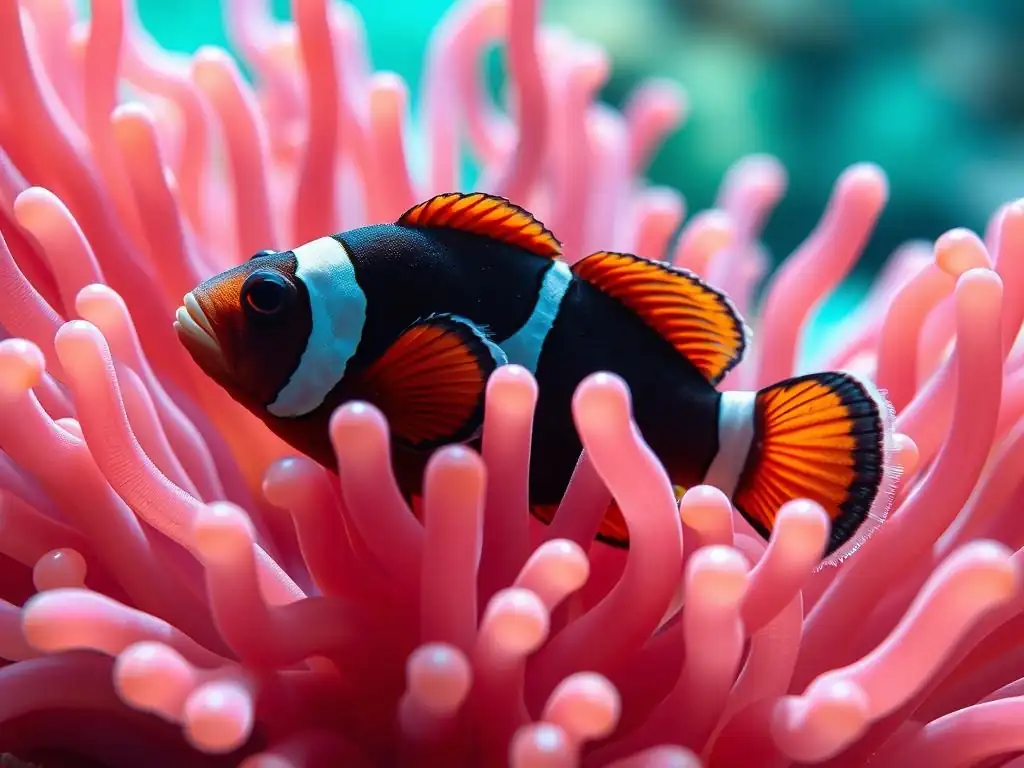
Black Ocellaris Clownfish are omnivores with a diverse diet in the wild, consuming small invertebrates, algae, and zooplankton. In the aquarium, providing a varied and high-quality diet is essential for their health, vibrant coloration, and overall longevity. Their diet should consist of a mix of high-quality marine flakes or pellets, specifically formulated for omnivorous marine fish.
Supplementing their staple diet with frozen foods such as mysis shrimp, brine shrimp (enriched), finely chopped seafood, and spirulina-enriched foods is highly beneficial. These additions provide essential proteins, fatty acids (like Omega-3), and vitamins that might be lacking in dry foods. A well-fed Black Ocellaris will display robust health, active swimming, and strong colors, indicating successful nutritional intake.
Feeding Frequency and Diet Variety
For optimal health and growth, Black Ocellaris Clownfish should be fed small amounts 1-2 times per day. Overfeeding should be avoided as it can quickly degrade water quality, leading to elevated nitrates and phosphates, which are detrimental to both the fish and the anemone. The amount of food given at each feeding should be consumed within 1-2 minutes to prevent excess waste.
Varying the diet is crucial to ensure a complete nutritional profile. For example, one day you might feed high-quality flakes, the next frozen mysis shrimp, and the day after a pellet food. This rotation not only provides a broader range of nutrients but also keeps the clownfish engaged and prevents them from becoming picky eaters. A consistent and varied feeding regimen contributes significantly to the long-term success of maintaining a healthy Black Ocellaris anemone compatibility setup.
Feeding the Anemone: Supplementing with Mysis Shrimp and Zooplankton
While host anemones derive a significant portion of their energy from the zooxanthellae through photosynthesis, supplemental feeding is often necessary for their long-term health, growth, and vibrant coloration, especially in a home aquarium. The frequency of feeding depends on the anemone species and tank conditions, but generally, 2-3 times per week is a good starting point.
Appropriate foods for anemones include small pieces of fresh seafood like finely chopped shrimp, silversides, or krill. Frozen mysis shrimp and zooplankton are also excellent choices. When feeding, target feed the anemone by gently placing the food onto its oral disc (mouth) using a long feeding tong or pipette. Turn off powerheads temporarily during feeding to prevent food from being immediately swept away. A well-fed anemone will have plump tentacles and a firm body, reflecting its good health and readiness to host its Black Ocellaris Clownfish.
Common Health Issues and Prevention in Black Ocellaris
Recognizing Signs of Illness in Black Ocellaris
Early detection of illness is crucial for the successful treatment and recovery of Black Ocellaris Clownfish. Aquarists should regularly observe their fish for any changes in appearance or behavior. Common signs of illness include:
- Changes in coloration: Fading, dullness, or unusual spots.
- Abnormal swimming patterns: Erratic movements, labored breathing, darting, scratching against rocks or substrate ("flashing"), or lethargy.
- Physical symptoms: White spots (Ich), velvet-like coating (Velvet disease), fin rot (frayed or clamped fins), cloudy eyes, or visible lesions.
- Loss of appetite: Refusal to eat or spitting out food.
- Behavioral changes: Hiding excessively, staying at the surface, or unusual aggression or submission.
Any deviation from normal activity warrants immediate investigation. Prompt action, often involving water parameter testing and isolation in a hospital tank, can prevent widespread issues in the Black Ocellaris anemone compatibility system.
Preventing Parasitic Infections and Diseases
Prevention is always more effective than treatment when it comes to fish diseases. The most effective preventative measure is a strict quarantine protocol for all new fish, as discussed previously. This significantly reduces the risk of introducing common external parasites like marine Ich ( Cryptocaryon irritans) and Velvet ( Amyloodinium ocellatum).
Maintaining excellent water quality is another cornerstone of disease prevention. Stable parameters, low nitrates and phosphates, and regular water changes reduce stress on the fish, strengthening their immune systems. A varied, nutritious diet also contributes to a robust immune response. Furthermore, avoiding overcrowding and ensuring compatible tank mates minimizes stress and aggression, which can otherwise make fish more susceptible to disease. Regular observation allows for early intervention, often preventing minor issues from escalating into major outbreaks within the Black Ocellaris anemone compatibility setup.
Maintaining Water Quality for Optimal Health
Consistent water quality is the single most important factor for the long-term health of Black Ocellaris Clownfish and their host anemones. Poor water quality is a leading cause of stress, disease, and mortality in marine aquariums. Regular testing of key parameters—temperature, salinity, pH, alkalinity, calcium, magnesium, nitrates, and phosphates—is essential.
Implementing a consistent maintenance schedule, including weekly or bi-weekly water changes (10-20% of tank volume) using RO/DI water and a high-quality marine salt mix, will replenish trace elements and remove accumulated pollutants. Regular cleaning of the substrate, protein skimmer maintenance, and filter media replacement also contribute to pristine water conditions. A healthy and stable environment, characterized by excellent water quality, is the best defense against disease and promotes the thriving symbiotic relationship in a Black Ocellaris anemone compatibility system.
Breeding Black Ocellaris Clownfish
Creating a Breeding Environment
Breeding Black Ocellaris Clownfish in a home aquarium can be a rewarding experience, but it requires specific conditions and patience. The first step is to establish a bonded pair. Black Ocellaris, like other ocellaris clownfish, are protandrous hermaphrodites; all are born male. When two juveniles are placed together, the larger, more dominant one will typically transition into a female, while the smaller one remains male. This process usually takes several months to a year.
A dedicated breeding tank, typically 20-30 gallons, is often preferred to isolate the pair and protect the eggs and fry. This tank should have stable water parameters, similar to the main display, and include a suitable spawning surface. A small clay pot, a piece of PVC pipe, or a smooth, flat rock are commonly used as egg-laying sites. While an anemone is not strictly necessary for breeding, its presence can reduce stress on the pair and encourage natural behaviors, making it an ideal part of a Black Ocellaris anemone compatibility breeding setup.
Identifying Male and Female Black Ocellaris
Identifying the sex of Black Ocellaris Clownfish relies primarily on size and behavior, as there are no obvious external morphological differences apart from size. In a bonded pair, the female will always be noticeably larger and more dominant than the male. She will often be at least 1-2 inches (2.5-5 cm) longer than her male counterpart.
Behaviorally, the female will typically be more assertive, often initiating the spawning process and guarding the nest more vigorously. The male will be smaller, often seen cleaning the chosen spawning site diligently before egg deposition, and meticulously fanning and guarding the eggs after they are laid. Observing these size differences and specific behaviors over time allows for accurate identification of a breeding Black Ocellaris pair.
Spawning Behavior and Egg Care
Once a Black Ocellaris pair is conditioned and comfortable, spawning usually occurs every 10-14 days. The male will meticulously clean a chosen flat surface, often near the base of their host anemone if one is present. The female will then lay a clutch of orange-yellow eggs, typically 100-500 depending on her size and maturity, in tight rows on the prepared surface. The male immediately follows, fertilizing the eggs.
After spawning, both parents, but primarily the male, will diligently guard and care for the eggs. They will fan the eggs with their pectoral fins to ensure good water circulation and prevent fungal growth, and they will mouth or pick at the eggs to remove infertile ones or debris. The eggs typically hatch in 7-10 days, depending on water temperature, with hatching usually occurring a few hours after the tank lights go out. Providing stable water parameters and minimal disturbance during this period is crucial for successful egg development in a Black Ocellaris anemone compatibility breeding effort.
Raising Black Ocellaris Fry
Raising Black Ocellaris fry is the most challenging aspect of breeding clownfish. The newly hatched fry are tiny, planktonic larvae that require specific care and live food. They are immediately free-swimming and will dart towards a light source. For successful rearing, the fry must be transferred to a separate rearing tank immediately after hatching, often using a small net and a flashlight to guide them.
The primary food source for clownfish fry is live rotifers ( Brachionus plicatilis), which must be cultured beforehand. For the first 7-10 days, rotifers are the sole diet. After this period, the fry will undergo metamorphosis and can gradually be transitioned to larger live foods like newly hatched brine shrimp nauplii. Maintaining pristine water quality in the rearing tank through small, frequent water changes and ensuring a constant supply of appropriately sized live food are critical for the survival and growth of Black Ocellaris fry.
Black Ocellaris Anemone Compatibility Guide: Summary and Best Practices
Choosing the Right Anemone for Your Black Ocellaris: Key Considerations
Selecting the appropriate anemone is a pivotal decision for any aquarist planning a Black Ocellaris anemone compatibility setup. The primary considerations should be the anemone's specific care requirements, its mature size, and its natural compatibility with Amphiprion ocellaris. Bubble-Tip Anemones ( Entacmaea quadricolor) are generally the most recommended choice due to their relative hardiness, widespread availability, and strong natural association with ocellaris clownfish.
Before purchasing any anemone, ensure your aquarium is mature (at least 6-12 months old), stable, and meets all the anemone's specific needs for lighting, water flow, and water parameters. Avoid species that are known to be difficult to keep, grow excessively large for your tank, or are not natural hosts for Amphiprion ocellaris. A well-researched decision based on a comprehensive Black Ocellaris anemone compatibility guide will lead to a more successful and rewarding symbiotic display.
Long-Term Care and Maintenance for a Thriving Symbiotic Relationship
Maintaining a thriving symbiotic relationship between your Black Ocellaris Clownfish and their host anemone requires diligent long-term care and consistent maintenance. This includes regular testing of all key water parameters (temperature, salinity, pH, alkalinity, calcium, magnesium, nitrates, phosphates) and performing consistent weekly or bi-weekly water changes of 10-20% with high-quality RO/DI water.
Beyond water quality, proper feeding of both the clownfish and the anemone is essential. Ensure the Black Ocellaris receives a varied diet of high-quality marine foods, and supplementally feed the anemone 2-3 times a week with appropriate meaty foods like mysis shrimp. Regular observation for any signs of stress or illness in either organism allows for early intervention. Adhering to these best practices for Black Ocellaris anemone compatibility will ensure a healthy, vibrant, and long-lasting display.
Conservation Efforts Regarding Clownfish and Anemone Habitats
While Black Ocellaris Clownfish are predominantly captive-bred, their wild counterparts and their host anemones face increasing threats in their natural reef habitats. Climate change, leading to rising ocean temperatures and ocean acidification, causes widespread coral and anemone bleaching, where these vital hosts expel their symbiotic algae and often perish. Overfishing of clownfish for the aquarium trade, though less impactful for captive-bred species, still affects wild populations of other clownfish species.
Supporting conservation efforts involves choosing sustainably sourced or, ideally, captive-bred marine organisms like the Black Ocellaris Clownfish. Educating oneself and others about the fragility of reef ecosystems and the importance of responsible aquarium keeping practices, such as minimizing nutrient pollution from home aquariums, also contributes to broader conservation goals. By ensuring proper Black Ocellaris anemone compatibility and care in our tanks, we can indirectly support the health of wild reefs and their incredible biodiversity.
Frequently Asked Questions
What anemones are best suited for Black Ocellaris Clownfish in a saltwater aquarium?
Black Ocellaris Clownfish, like other clownfish, have preferred anemones. Good choices include the Bubble Tip Anemone (Entacmaea quadricolor), the Magnificent Anemone (Heteractis magnifica), and the Sebae Anemone (Heteractis crispa).
How do I ensure my anemone is healthy and thriving to host my Black Ocellaris Clownfish?
Maintaining a healthy anemone involves providing proper lighting, stable water parameters, and supplemental feeding. Regular water changes and monitoring nitrate levels are also crucial.
Are there any anemones that I should avoid when keeping Black Ocellaris Clownfish?
Yes, some anemones are not suitable. Avoid anemones that are known to be difficult to care for or that have strong stinging capabilities that could harm the clownfish.
How long does it typically take for Black Ocellaris Clownfish to host an anemone after being introduced?
The time varies. Some clownfish will host immediately, while others may take days, weeks, or even months. Patience is key, and ensuring the anemone is healthy helps.
Can Black Ocellaris Clownfish thrive without an anemone in a saltwater aquarium?
Yes, they can. While they benefit from the security and shelter an anemone provides, Black Ocellaris Clownfish can adapt to life without one and often host other objects or areas in the tank.
Final Reflection: Embracing the Enigmatic Black Ocellaris
The journey through the world of Black Ocellaris Clownfish and their anemone preferences reveals more than just compatibility charts; it highlights the delicate balance within our marine ecosystems. Understanding these nuances is crucial, especially as reef keeping becomes increasingly popular, demanding responsible and informed practices to ensure the well-being of these captivating creatures.
This exploration into the Black Ocellaris's habitat and needs has profoundly underscored the importance of responsible stewardship in the aquarium hobby. It's not merely about owning a beautiful fish; it's about understanding and respecting its natural environment. In the end, we will conserve only what we love; we will love only what we understand; and we will understand only what we are taught.
- Baba Dioum. This quote perfectly encapsulates the responsibility we bear as keepers of these miniature underwater worlds.
Now, armed with this knowledge, I invite you to reflect on your own role in preserving these fragile ecosystems. Consider the choices you make, the research you conduct, and the care you provide. Let this guide not just be a resource for anemone compatibility, but a catalyst for deeper understanding and a commitment to the ethical and sustainable practice of reef keeping. Let's ensure the dark knight of the reef thrives for generations to come.
Dive Deeper: Chart Your Own Clownfish Course!
Thank you for exploring the captivating world of the Black Ocellaris Clownfish with us! We hope you've gained valuable insights into their unique charm and anemone compatibility. Now, let's translate that knowledge into action!
- Begin planning your own Black Ocellaris Clownfish aquarium setup! Research compatible tank mates and start considering your ideal aquascape.
- Share this article with fellow aquarium enthusiasts to spark a conversation about their experiences with clownfish and anemones.
- Why not try sketching a concept design for your dream clownfish tank, incorporating elements inspired by their natural habitat?
What specific anemone-clownfish pairing are you most excited to explore in your aquarium journey?