
Choosing Your Champions: Selecting and Conditioning Fish for Peak Breeding Potential

Welcome to Aquarium Mastery!
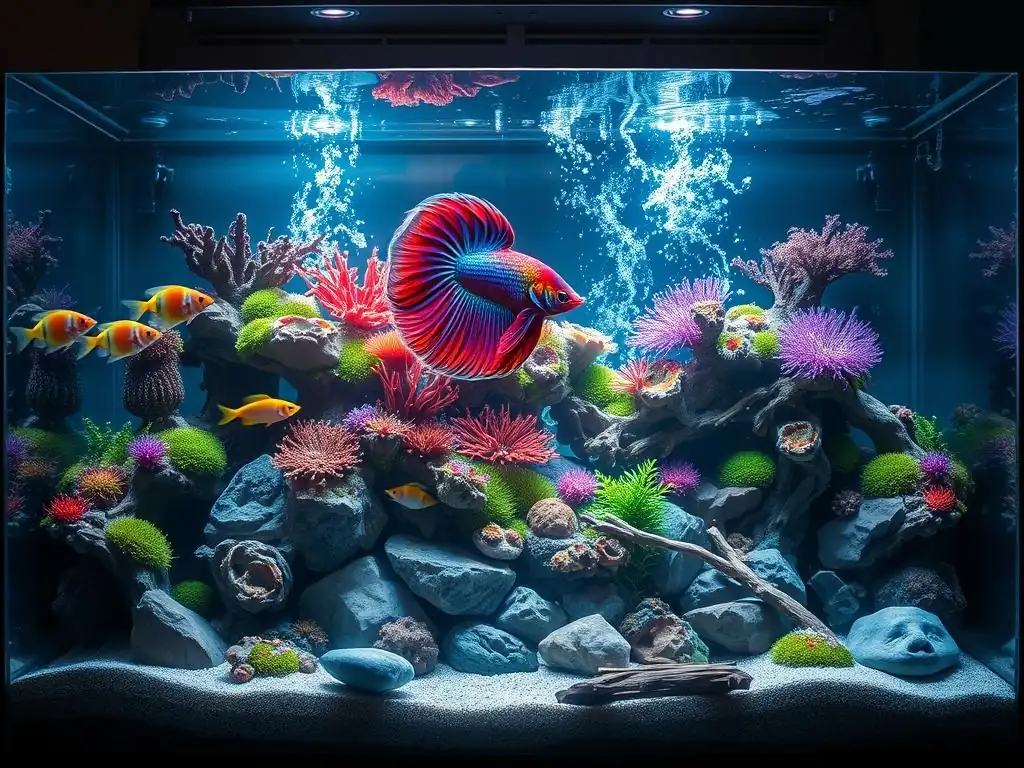
Ever wondered how to unlock the secrets to successful fish breeding? Choosing Your Champions: Selecting and Conditioning Fish for Peak Breeding Potential is just the beginning. Dive in to discover essential tips for creating the perfect breeding fish tank setup and learn how to nurture your aquatic companions towards a flourishing future. Eager to see your fish thrive? Let's get started!
- Understanding the Importance of Selective Breeding for Aquarium Fish
- Setting Up Your Breeding Fish Tank Setup for Optimal Results
- Selecting Your Breeding Stock: Identifying Ideal Candidates
- Conditioning Your Fish for Breeding: Preparing for Reproduction
- Monitoring Your Fish During Conditioning: Observing for Signs of Readiness
- Troubleshooting Common Conditioning Issues: Addressing Potential Problems
- Post-Spawning Care: Ensuring Fry Survival and Growth
-
Frequently Asked Questions
- How important is water quality in a breeding fish tank setup?
- What size tank is generally recommended for a breeding fish tank setup?
- What kind of filtration system is needed for a breeding fish tank setup?
- What type of substrate should I use in my breeding fish tank setup?
- How long does it typically take to condition fish for breeding in a breeding fish tank setup?
- Final Reflection: Cultivating Aquatic Legacy
- Ignite Your Aquarium: Unlock Breeding Secrets Now!
Understanding the Importance of Selective Breeding for Aquarium Fish
Why Careful Selection Matters for Successful Fish Breeding
Careful selection of breeding stock is the cornerstone of any successful aquarium fish breeding program. It directly influences key outcomes such as fertilization rates, fry survival, and the overall health and vigor of subsequent generations.
Without a deliberate approach to choosing parents, aquarists often encounter issues like low egg viability, a high percentage of deformed fry, or offspring that are prone to disease. For instance, a well-selected pair of guppies (Poecilia reticulata) with strong genetics can produce 50 to 100 healthy fry per spawn, whereas poorly chosen, inbred, or unhealthy parents might yield only 10 to 20 weak or malformed fry, significantly impacting the success of your breeding fish tank setup.
Beyond immediate spawning success, selective breeding plays a crucial role in maintaining desirable traits and improving the resilience of your fish lines over time. Professional breeders often report a 70-80% survival rate from fry to juvenile stage for their carefully selected stock, compared to a mere 20-30% for unselected or random pairings.
This methodical approach helps to preserve vibrant coloration, specific finnage (e.g., long-finned varieties), and robust health, ensuring that your efforts in creating an optimal breeding fish tank setup are rewarded with high-quality offspring. It prevents the dilution of desirable characteristics and strengthens the genetic pool against common ailments, leading to a more consistent and rewarding breeding experience.
Impact of Genetics on Fry Health and Vigor
The genetic makeup of your breeding fish profoundly impacts the health, growth rates, and overall vigor of their fry. Inherited predispositions can determine a fish's resistance to common pathogens, its efficiency in converting food into growth, and its susceptibility to various stress factors.
For example, certain inbred lines of popular species like Angelfish (Pterophyllum scalare) are known to exhibit stunted growth, reduced fertility, or an increased susceptibility to conditions like "bloat" due to a lack of genetic diversity. Conversely, offspring from genetically diverse and robust parents typically display faster growth, brighter coloration, and a significantly higher survival rate, even within the same breeding fish tank setup.
Furthermore, desirable aesthetic traits, such as specific patterns, fin shapes, or intense coloration, are largely governed by genetics. If breeding stock is not carefully chosen, these traits can diminish or disappear entirely over successive generations. Consider the meticulous breeding required to maintain the complex patterns of Discus fish (Symphysodon spp.)
or the elaborate finnage of Veiltail Bettas (Betta splendens); these highly prized characteristics are the direct result of generations of selective breeding. Without an understanding of genetic inheritance and a commitment to selecting superior individuals, the quality of your fish line will inevitably decline, undermining the purpose of your dedicated breeding fish tank setup.
Setting Up Your Breeding Fish Tank Setup for Optimal Results
Essential Elements of a Breeding Fish Tank Setup
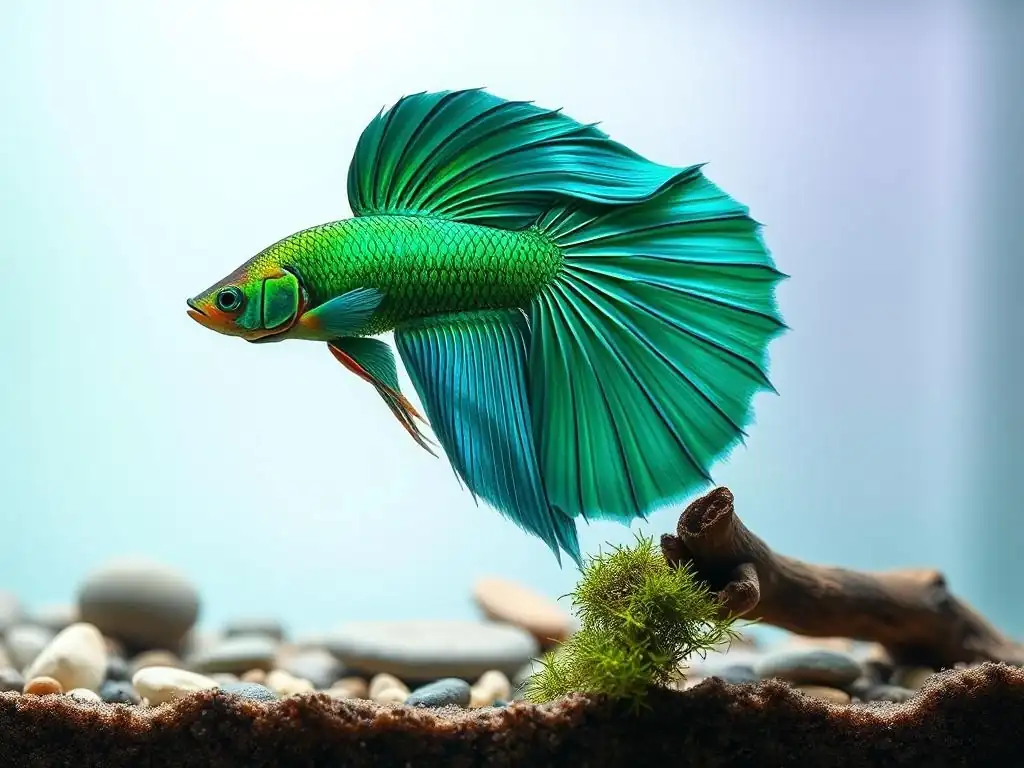
A specialized breeding fish tank setup differs significantly from a general community aquarium, designed with the specific needs of spawning fish and their delicate fry in mind. Key elements include appropriate tank size, a reliable heating system, gentle filtration, and controlled lighting.
For smaller species like Neon Tetras (Paracheirodon innesi), a 5 to 10-gallon tank can suffice for a breeding pair or trio, while larger species such as Angelfish may require a 20 to 30-gallon tank to provide adequate space for courtship and spawning without undue stress. The tank should be dedicated solely to breeding to minimize disturbances and maximize success.
Beyond the tank itself, the choice of equipment is critical. A submersible heater with an accurate thermostat is essential for maintaining stable water temperatures, often elevated slightly (e.g., 78-82°F for many tropical species) to encourage spawning. Filtration should be gentle to protect fragile eggs and newly hatched fry from being drawn in; sponge filters, which provide both mechanical and biological filtration with minimal current, are often the preferred choice for a breeding fish tank setup.
Lighting should be subdued or follow a natural day/night cycle, avoiding harsh illumination that can stress sensitive breeders. These foundational elements lay the groundwork for successful reproduction.
Creating a Stress-Free Environment for Breeding Fish
Minimizing stress is paramount for encouraging fish to breed and ensuring the survival of their offspring. A stable and pristine water quality is the most significant factor in creating a stress-free environment within your breeding fish tank setup. This involves consistent parameters and regular, small water changes—for instance, 10-20% twice a week—rather than large, infrequent changes that can cause sudden shifts in water chemistry and osmotic shock. Using aged or pre-conditioned water for changes can also reduce stress. Furthermore, a mature biological filter is crucial for efficiently processing ammonia and nitrite, maintaining a healthy environment.
Environmental factors within the tank itself also contribute significantly to reducing stress. Providing ample hiding spots and visual barriers, such as dense live plants (e.g., Java Moss, Anubias), spawning mops, or ceramic caves, allows fish to feel secure and provides refuge from overly aggressive partners.
For species that guard their eggs, like many cichlids, a suitable cave or flat rock is essential. Isolating the breeding pair in their dedicated breeding fish tank setup, away from the hustle and bustle of a community tank or high-traffic areas in your home, further reduces external stressors, allowing them to focus on courtship and spawning without disturbance.
Selecting Your Breeding Stock: Identifying Ideal Candidates
Key Characteristics to Look for in Breeding Fish
When selecting fish for breeding, several key characteristics indicate a strong potential for successful reproduction and healthy offspring. First, look for fish that are sexually mature but not overly old, typically in their prime reproductive years. For many livebearers like Mollies or Platies, this might be between 4 to 12 months of age.
Second, observe their body condition: healthy breeding fish should have full, rounded bodies, without any signs of emaciation or bloating, indicating proper nutrition and overall vitality. Their fins should be intact and erect, not clamped or frayed, suggesting an absence of disease or stress within their current environment.
Beyond physical appearance, observe their behavior. Ideal breeding candidates should be active, alert, and exhibit natural behaviors for their species. For example, a male Betta fish should flare at rivals and build bubble nests, while a female should appear receptive to his advances. Look for fish that display vibrant, natural coloration, as dull colors can sometimes indicate stress or underlying health issues. Avoid fish that are constantly hiding, appear lethargic, or show any signs of labored breathing. These behavioral cues, combined with physical indicators, are crucial for identifying the best individuals to introduce into your breeding fish tank setup.
Avoiding Common Genetic Flaws in Breeding Programs
To ensure the long-term health and vitality of your fish line, it is critical to avoid common genetic flaws that can manifest as deformities, reduced fertility, or increased susceptibility to disease. One of the most prevalent issues is inbreeding depression, which occurs when closely related individuals are bred repeatedly, leading to a reduction in genetic diversity. This can result in smaller, weaker fry, spinal deformities (e.g., "kinked spines" in Guppies), or reduced lifespan. To mitigate this, introduce new, unrelated bloodlines periodically, perhaps every 2-3 generations, if you are maintaining a closed breeding colony.
Another common flaw to avoid is the perpetuation of undesirable mutations or inherited health conditions. For example, some fancy goldfish varieties have deliberately bred traits that can impair their quality of life, such as severely compressed bodies or vision problems.
When selecting your breeding stock, carefully inspect each fish for any subtle deformities, such as slightly curved spines, missing gill plates, or unusual fin development that might not be immediately obvious but could be genetically passed on. Choosing only the most robust and naturally formed individuals, even if they are not the flashiest, will significantly improve the success and health outcomes within your breeding fish tank setup.
Evaluating Fish Health and Vitality for Breeding
Thoroughly evaluating the health and vitality of potential breeding fish is a non-negotiable step before introducing them to your breeding fish tank setup. Begin by observing their overall appearance: healthy fish should have clear eyes, unclouded by disease, and vibrant, natural coloration typical for their species. Their scales should be smooth and intact, without any lifted, missing, or discolored patches. Check for any external parasites, such as Ich (white spots resembling salt grains) or Velvet (a dusty, yellowish coating), which can be highly contagious and detrimental to a breeding program.
Beyond visual inspection, assess their behavior and activity levels. Healthy fish are typically active and responsive to their environment, exhibiting normal swimming patterns—no erratic darting, listlessness, or rubbing against tank decor. Their respiration should be steady and unlabored; rapid gill movements can indicate stress, poor water quality, or gill parasites.
Pay attention to their feeding response: healthy fish should eagerly accept food. Any signs of reluctance to eat, abnormal faeces, or unusual swelling could indicate internal issues. A quarantine period of 2-4 weeks for new fish, during which they are closely observed, is highly recommended to ensure they are free of disease before joining your breeding stock.
Conditioning Your Fish for Breeding: Preparing for Reproduction
The Role of Diet in Conditioning Breeding Fish
Diet plays a pivotal role in conditioning fish for breeding, providing the necessary energy reserves and nutrients for egg and milt production. A high-quality, varied diet stimulates hormonal changes crucial for spawning readiness. For many species, increasing the protein content of their diet can significantly boost reproductive success.
For instance, a diet rich in protein (around 40-50% for many carnivorous or omnivorous species) for 2-4 weeks prior to spawning can greatly improve egg quality and quantity. This nutritional boost signals to the fish that environmental conditions are favorable for reproduction, making them more likely to spawn in your breeding fish tank setup.
Beyond protein, essential fatty acids (EFAs) and vitamins, particularly Vitamin E, are critical for fertility and the health of developing fry. Many breeders supplement their fish's diet with foods rich in these nutrients, such as spirulina flakes or specialized breeding pellets. The goal is not simply to feed more, but to feed better, offering a diverse array of nutrient-dense options.
A well-conditioned female will often appear noticeably plumper with eggs, while males will show enhanced coloration and vigor. This dietary preparation is a fundamental step in preparing your fish for the demands of reproduction within your breeding fish tank setup.
Best Live Foods for Conditioning Fish
Live foods are highly effective for conditioning breeding fish due to their high nutritional value, palatability, and natural stimulus for predatory instincts. Brine shrimp (Artemia salina), both adult and newly hatched nauplii, are excellent sources of protein and essential fatty acids, readily accepted by most fish species. Adult brine shrimp are particularly good for larger breeders, while nauplii are ideal for smaller fish and eventually for newly hatched fry. Another popular choice is bloodworms (Chironomus plumosus larvae), which are rich in iron and protein, providing a significant energy boost.
Daphnia (water fleas) are also highly beneficial, offering a good source of protein and roughage, which aids digestion. For species that appreciate grazing, micro-worms or grindal worms provide a continuous food source and are easy to culture at home. Live blackworms (Lumbriculus variegatus) are another nutrient-dense option, particularly for conditioning bottom-dwelling fish or those with specific dietary needs. Feeding live foods 2-3 times a week, in addition to their regular diet, can significantly enhance the health, vitality, and reproductive readiness of your breeding stock, optimizing your breeding fish tank setup for success.
High-Quality Flake and Pellet Foods for Breeding
While live foods are excellent, high-quality flake and pellet foods designed for breeding fish or containing enhanced nutritional profiles are indispensable for a balanced conditioning diet. These prepared foods offer convenience and ensure a consistent intake of essential vitamins and minerals often fortified in their formulations. Look for flakes or pellets with a high protein content, typically above 40%, and a comprehensive list of vitamins, including Vitamin A, C, D3, and E, which are crucial for reproductive health. Brands specializing in professional-grade aquaculture feeds often provide superior formulations.
For instance, many premium flake foods incorporate spirulina, kelp, and various marine proteins, providing a broad spectrum of nutrients that mimic a diverse natural diet. Pellets, especially sinking varieties, are excellent for bottom feeders and provide a more concentrated nutrient delivery. It is beneficial to alternate between several high-quality brands and types of prepared foods to ensure a wide range of nutrients. Feeding small amounts multiple times a day (e.g., 2-3 times) rather than one large meal can also improve nutrient absorption and reduce waste, contributing to optimal water quality in your breeding fish tank setup.
Optimizing Water Parameters for Breeding Success
Precisely optimizing water parameters is critical for triggering spawning and ensuring the viability of eggs and fry in your breeding fish tank setup. Different species have specific requirements, and replicating their natural breeding conditions is key. Regular testing of pH, hardness (GH/KH), and temperature is essential to maintain these parameters within the ideal range. Sudden fluctuations can stress fish and inhibit spawning, or even lead to egg loss. Consistency is often as important as the exact values themselves.
For example, many South American cichlids like Discus or Angelfish prefer soft, acidic water (pH 6.0-6.8, GH 3-8 dGH) for breeding, while African cichlids often require hard, alkaline water (pH 7.8-8.5, GH 10-20 dGH). Livebearers such as Guppies and Mollies also thrive in harder, more alkaline conditions. Understanding the specific needs of your chosen species and making gradual adjustments to achieve those parameters will significantly increase your chances of successful breeding. This meticulous attention to water chemistry transforms a basic aquarium into a productive breeding fish tank setup.
Maintaining Ideal Temperature for Spawning
Temperature is perhaps the most influential water parameter for triggering spawning in many fish species. Raising the temperature slightly (often by 2-4°F) above the fish's normal keeping temperature can simulate the warmer, rainy season conditions that often precede spawning in their natural habitats. For instance, many tropical community fish like Tetras, Rasboras, and even some cichlids will be encouraged to breed if the temperature is steadily maintained at 78-82°F (25.5-27.8°C). A reliable heater with a precise thermostat is indispensable for this purpose.
Maintaining a stable temperature without significant daily fluctuations is equally important. Even small swings can stress fish and prevent them from entering breeding condition. For species that require a "cool down" period followed by a temperature increase to trigger spawning, such as some coldwater species or those mimicking seasonal changes, precise temperature control is vital. Monitoring the temperature daily with an accurate thermometer ensures that your breeding fish tank setup provides the consistent thermal environment needed for successful egg development and hatching.
Adjusting pH and Water Hardness for Specific Species
Adjusting pH and water hardness (GH for general hardness, KH for carbonate hardness) to match the specific requirements of your breeding species is fundamental for reproductive success. These parameters directly influence egg fertilization rates and the proper development of fry.
For instance, many egg-laying species from soft, acidic blackwater environments, such as Cardinal Tetras (Paracheirodon axelrodi) or German Blue Rams (Mikrogeophagus ramirezi), require a pH between 5.5 and 6.5 and very low GH (0-5 dGH) to successfully spawn and for their eggs to hatch. Attempting to breed them in hard, alkaline water will often result in infertile eggs or high mortality rates.
Conversely, species originating from hard, alkaline waters, like many livebearers or African Cichlids from the Rift Lakes, thrive and breed best in a pH range of 7.5 to 8.5 and a higher GH (10-20 dGH). Trying to breed these fish in soft, acidic conditions can lead to stress, disease, and poor reproductive output.
To adjust parameters, aquarists might use reverse osmosis (RO) water mixed with tap water for softening, or buffering agents like crushed coral or baking soda for hardening and increasing pH. Always make these adjustments gradually over several days to avoid shocking the fish in your breeding fish tank setup.
Creating the Right Environment to Trigger Spawning
Beyond water parameters, the physical environment within the breeding fish tank setup plays a critical role in triggering spawning behavior. Replicating aspects of a fish's natural breeding habitat can stimulate courtship and egg laying. This includes providing appropriate spawning substrates, sufficient hiding places, and, in some cases, specific lighting conditions or water flow. The goal is to make the fish feel secure and comfortable enough to reproduce.
For example, egg-scattering fish like Danios or Rasboras benefit from a layer of marbles or a spawning mop at the bottom of the tank to protect eggs from parental predation. Substrate spawners, such as many cichlids, require flat rocks, slate, or ceramic caves for egg deposition. Bubble nest builders like Bettas need floating plants or a lack of strong surface agitation to construct their nests. Understanding the specific spawning habits of your chosen species is essential for designing an effective breeding environment.
Simulating Natural Breeding Conditions
Simulating natural breeding conditions often involves more than just water parameters; it encompasses environmental cues that mimic seasonal changes or specific habitat features. For many tropical species, a "rainy season" simulation can be highly effective. This involves performing a larger-than-usual, slightly cooler water change (e.g., 30-50% with water 2-3°F cooler) and then gradually raising the temperature back to the target breeding range over 24-48 hours. This sudden influx of fresh, cooler water, often combined with a slight drop in pH, mimics the onset of rains in their natural environment, signaling an abundance of food and ideal conditions for reproduction.
For some species, changes in light cycles or intensity can also be a trigger. Dimming the lights or providing a period of natural light can encourage spawning in shy species. The presence of specific plants or decor that offer security and act as visual barriers can also reduce stress and encourage natural courtship. For instance, dense planting with fine-leaved plants like Java Moss or hornwort provides excellent cover for egg scatterers. These subtle environmental manipulations, when combined with optimal water chemistry, significantly enhance the likelihood of successful spawning in your breeding fish tank setup.
Providing Suitable Spawning Substrates
Providing the correct spawning substrate is crucial, as different fish species have distinct preferences for where they deposit their eggs. Without the appropriate substrate, many species will simply refuse to spawn, even if all other conditions are ideal within your breeding fish tank setup.
For example, many egg-scattering species, such as Zebra Danios (Danio rerio) or White Cloud Mountain Minnows (Tanichthys albonubes), will benefit from a layer of marbles, a mesh egg crate, or dense clumps of fine-leaved plants like Java Moss (Taxiphyllum barbieri) at the bottom of the tank. These materials allow eggs to fall through, protecting them from being eaten by the parents.
Conversely, substrate spawners, which lay their eggs directly onto a surface, require flat rocks, slate pieces, ceramic tiles, or even clay pots and caves. Cichlids like Angelfish prefer vertical surfaces such as broad plant leaves or a spawning cone, while many Apistogramma species prefer small caves or coconut shells. Bubble nest builders, such as Gouramis or Bettas, need floating plants like Water Sprite or even a simple piece of styrofoam to anchor their nests. Researching the specific spawning habits of your chosen species is paramount to providing the ideal substrate, ensuring your breeding fish tank setup is fully optimized.
Monitoring Your Fish During Conditioning: Observing for Signs of Readiness
Recognizing Signs of Breeding Readiness in Female Fish
As female fish become conditioned for breeding, they typically exhibit several key signs indicating their readiness to spawn. The most common and obvious sign is a noticeable enlargement of the abdomen, caused by the development of eggs. This "gravid" appearance is often accompanied by a more rounded, often distended, belly shape. For livebearers like Guppies or Mollies, a dark "gravid spot" may become more pronounced near the anal fin. This indicates that the eggs are developing and the female is nearing the point of releasing fry.
Beyond physical changes, behavioral cues are equally important. Many female fish will become more active, sometimes swimming closer to the male or the chosen spawning site. For egg-laying species, they may begin to "clean" a surface, rubbing against it repeatedly, indicating they are preparing a site for egg deposition. Some females might also show increased aggression towards other tank mates, or even towards a less-than-eager male, signaling their strong drive to spawn. Observing these changes closely within your breeding fish tank setup will help you determine the optimal time for spawning.
Identifying Signs of Breeding Readiness in Male Fish
Male fish also display distinct signs of breeding readiness during the conditioning phase, which often involve changes in coloration, behavior, and sometimes physical appearance. Many male fish will exhibit intensified coloration, becoming more vibrant and striking to attract a mate. For example, male Bettas will display their full spectrum of colors and flare their gills more frequently. Male livebearers, like Guppies, will actively pursue females, attempting to mate.
Behaviorally, males often become more territorial and may begin to prepare a spawning site. This could involve clearing an area of substrate, defending a specific plant, or, in the case of bubble nest builders, constructing an elaborate nest of bubbles at the water's surface. They might also engage in elaborate courtship displays, such as fin flaring, shimmying, or chasing the female in a specific pattern. Observing these heightened displays of vigor and courtship behavior within your breeding fish tank setup indicates that the male is fully conditioned and ready to participate in spawning.
Handling Aggression and Competition During Conditioning
Aggression and competition can arise during the conditioning phase, particularly when multiple fish are housed together or when a male is overly zealous in his pursuit of a female. It's crucial to address these issues promptly to prevent injury, reduce stress, and ensure successful spawning within your breeding fish tank setup. Mild chasing or fin nipping might be normal courtship behavior for some species, but persistent harassment can lead to injuries, exhaustion, and a reluctance to spawn.
If aggression becomes excessive, consider separating the fish temporarily using a tank divider, or removing the more aggressive individual to a different tank. For species where males are highly territorial, such as some cichlids, ensuring ample hiding spots and visual barriers can help diffuse tension. Sometimes, introducing more females can spread out the male's attention, reducing harassment on a single individual. In extreme cases, if a pair proves incompatible, you may need to try different pairings to find a harmonious match, ensuring a stress-free environment for successful breeding.
Troubleshooting Common Conditioning Issues: Addressing Potential Problems
Dealing with Fish That Are Not Spawning
It can be frustrating when fish, despite seemingly ideal conditions, refuse to spawn in your breeding fish tank setup. One common reason is simply that the fish are not yet mature enough; many species require more time than anticipated to reach full reproductive readiness. Double-check the species' specific age for maturity.
Another frequent issue is subtle water parameter discrepancies. Even if parameters are within a general range, they might not be precise enough to trigger spawning for a particular sensitive species. Re-test pH, hardness, and temperature, and consider minor adjustments to mimic natural triggers more closely, such as a slight temperature increase or a small, cool water change.
Environmental factors can also inhibit spawning. Lack of privacy, too much external disturbance, or inadequate spawning sites can make fish feel insecure. Ensure the breeding tank is in a quiet location, consider covering sides of the tank with dark paper, and provide ample appropriate spawning substrates (e.g., dense plants, caves, or spawning mops) specific to your species' needs.
Sometimes, a change in diet, such as an increase in live foods or a specific type of high-protein food for a few days, can provide the final push. If all else fails, trying a different pair, or introducing a new male or female, can sometimes stimulate breeding activity.
Managing Diseases During the Conditioning Phase
Managing diseases during the conditioning phase is critical, as sick fish will not breed successfully, and any illness can quickly spread to eggs or fry. If you observe any signs of disease (e.g., clamped fins, white spots, lethargy, loss of appetite) during conditioning, immediately halt all breeding preparations. The affected fish should be isolated in a separate quarantine tank to prevent the spread of illness to your main breeding fish tank setup and the rest of your stock.
Treat the disease promptly and appropriately, using medications specific to the diagnosed ailment. During treatment, maintain excellent water quality and ensure the fish are as stress-free as possible. Do not attempt to breed fish that are recovering from illness; allow them a full recovery period, typically 2-4 weeks after treatment, to regain their strength and vitality. Only when they are demonstrably healthy, active, and eating well should you resume conditioning for breeding. Prevention through proper quarantine of new fish and maintaining pristine water conditions is always the best strategy.
Maintaining Water Quality During Conditioning
Maintaining impeccable water quality is paramount throughout the conditioning phase, as it directly impacts the health, vitality, and reproductive readiness of your fish. Poor water quality, even subtly elevated levels of ammonia or nitrite, can stress fish, suppress their immune systems, and inhibit spawning. Regular testing of ammonia, nitrite, nitrate, pH, and temperature is essential to catch any issues early. For example, ammonia and nitrite should always be at 0 ppm, and nitrates ideally below 20 ppm.
Regular, small water changes (e.g., 10-20% every 2-3 days) are often more effective than large, infrequent ones, as they help maintain stable parameters and dilute waste products without causing sudden shocks. Overfeeding, especially with rich conditioning foods, can quickly foul water, so feed sparingly and remove any uneaten food promptly. Ensure your filtration system, particularly if using a sponge filter in your breeding fish tank setup, is mature and adequately sized to handle the bioload. A clean, stable environment is foundational for successful conditioning and subsequent breeding.
Post-Spawning Care: Ensuring Fry Survival and Growth
Protecting Eggs and Fry from Predation
Once spawning has occurred, protecting the eggs and newly hatched fry from predation, often by the parents themselves, is the immediate priority. For many egg-scattering species like Tetras or Danios, the parents will readily consume their own eggs and fry if given the opportunity. In such cases, it's crucial to remove the adult fish from the breeding fish tank setup immediately after spawning is observed. If the tank was set up with a protective substrate (like marbles or an egg crate), the eggs will have fallen safely out of the parents' reach.
For species that guard their eggs (e.g., Angelfish, many cichlids), the parents will protect the eggs and fry for a period. However, once the fry become free-swimming, some parents may view them as food. At this point, or if the parents show signs of stress or aggression towards the fry, it is often best to carefully remove the fry to a separate rearing tank. This dedicated fry-rearing tank should be set up with gentle aeration (e.g., a small sponge filter) and appropriate food sources to maximize survival rates, which can be as high as 80-90% with proper care.
Providing Appropriate Food for Newly Hatched Fry
Providing the correct size and type of food for newly hatched fry is critical for their survival and rapid growth, as they often have very specific dietary needs. Most fry are too small to consume standard flake or pellet foods. For the first few days, many species require infusoria (microscopic organisms) or specialized liquid fry foods.
Once they are a few days old and free-swimming, newly hatched brine shrimp nauplii (Artemia salina) are an excellent first food for many species due to their high nutritional content and small size. Brine shrimp nauplii are typically consumed by fry ranging from 0.5 mm to 1.5 mm in length.
As the fry grow, their diet should gradually transition to larger foods. This might include microworms, daphnia, or finely crushed high-quality flake food. For carnivorous fry, finely chopped blackworms or small live foods may be appropriate. Feeding should occur frequently, often 3-5 times a day, in small amounts to ensure a constant supply of food without fouling the water in the breeding fish tank setup. Consistent, appropriate feeding is key to achieving robust growth rates and minimizing early mortality.
Maintaining Optimal Water Quality for Fry Development
Maintaining optimal water quality is even more critical for delicate fry than for adult fish, as they are highly susceptible to even minute levels of ammonia, nitrite, or nitrate. Due to their rapid metabolism and frequent feedings, fry tanks can quickly accumulate waste. Therefore, regular, small water changes are essential—often 10-20% daily or every other day, using aged or temperature-matched water to prevent shock. A mature, gentle sponge filter is ideal for biological filtration without posing a risk to the tiny fry.
Vacuuming the bottom of the tank daily to remove uneaten food and waste is also crucial to prevent the build-up of harmful compounds. Overfeeding, a common mistake, must be avoided. Monitor water parameters daily using reliable test kits to ensure ammonia and nitrite remain at zero, and nitrates are kept below 10-20 ppm. Consistent and pristine water conditions in the breeding fish tank setup are the single most important factor for ensuring the healthy development and high survival rates of your precious fry.
Frequently Asked Questions
How important is water quality in a breeding fish tank setup?
Water quality is absolutely crucial. Poor water parameters can inhibit spawning or even cause fish death. Maintaining pristine water conditions is a fundamental aspect of successful breeding.
What size tank is generally recommended for a breeding fish tank setup?
The ideal tank size depends entirely on the species being bred. Generally, a slightly larger tank is better to provide ample space and minimize aggression. Research the specific requirements of your chosen fish.
What kind of filtration system is needed for a breeding fish tank setup?
A gentle filtration system is recommended to avoid harming fry. Sponge filters are often preferred as they provide biological filtration without creating strong currents.
What type of substrate should I use in my breeding fish tank setup?
The substrate depends on the species being bred. Some fish require specific substrates for spawning, while others prefer bare-bottom tanks for easy cleaning and fry retrieval.
How long does it typically take to condition fish for breeding in a breeding fish tank setup?
Conditioning time varies depending on the species and their current health. It can take anywhere from a few weeks to several months to achieve peak breeding potential through diet and water quality improvements.
Final Reflection: Cultivating Aquatic Legacy
The journey of selecting and conditioning fish for breeding, as detailed in this article, transcends mere hobby; it's about nurturing potential and shaping aquatic legacies. In a world increasingly disconnected from the natural world, understanding the delicate balance within a breeding fish tank setup becomes a powerful act of connection and creation, a testament to the beauty and complexity of life itself.
This endeavor, focused on the meticulous creation of a breeding fish tank setup, has profoundly impacted my understanding of patience and observation. Witnessing the culmination of careful planning and dedicated care in the form of new life is an experience that fosters a deep respect for the natural world. As the renowned marine biologist Sylvia Earle once said, Even if you never have the chance to see or touch the ocean, the ocean touches you with every breath you take, every drop of water you drink, every bite you consume. Everyone, everywhere is inextricably connected to and utterly dependent upon the existence of the sea.
This quote highlights the interconnectedness of life, and our role in preserving it, even within the confines of a breeding fish tank setup.
Now, consider the lessons learned in these pages. How can you apply this same dedication, this same commitment to nurturing potential, to other areas of your life? Whether it's cultivating a garden, mentoring a young person, or simply fostering a more positive environment around you, remember the power of careful selection, diligent conditioning, and unwavering patience. Embrace the role of a champion, not just for your fish, but for the potential that lies within yourself and the world around you.
Ignite Your Aquarium: Unlock Breeding Secrets Now!
Thanks for diving into the world of fish breeding! We hope you’ve discovered some valuable insights to boost your success. Now, let's turn that knowledge into action and create the perfect environment for your champions to thrive.
Here are a few steps you can take right away:
- Begin optimizing your selected breeding pair's environment: Adjust the water parameters (temperature, pH, hardness) to mimic their natural habitat and provide the ideal spawning conditions, focusing specifically on achieving the recommended levels for the fish species discussed.
- Explore unique conditioning foods: Supplement their diet with live or frozen foods rich in vitamins and fatty acids, such as daphnia or bloodworms, to enhance their reproductive health and vitality.
- Share your breeding journey: Document your progress on social media using #AquariumMasteryBreeding and connect with other passionate aquarists in the community.
What surprising conditioning technique will you try first to elevate your fish breeding game?