
Corydoras, Brochis, Aspidoras: What’s the Difference and Which is Right for You?

Welcome to Aquarium Mastery!
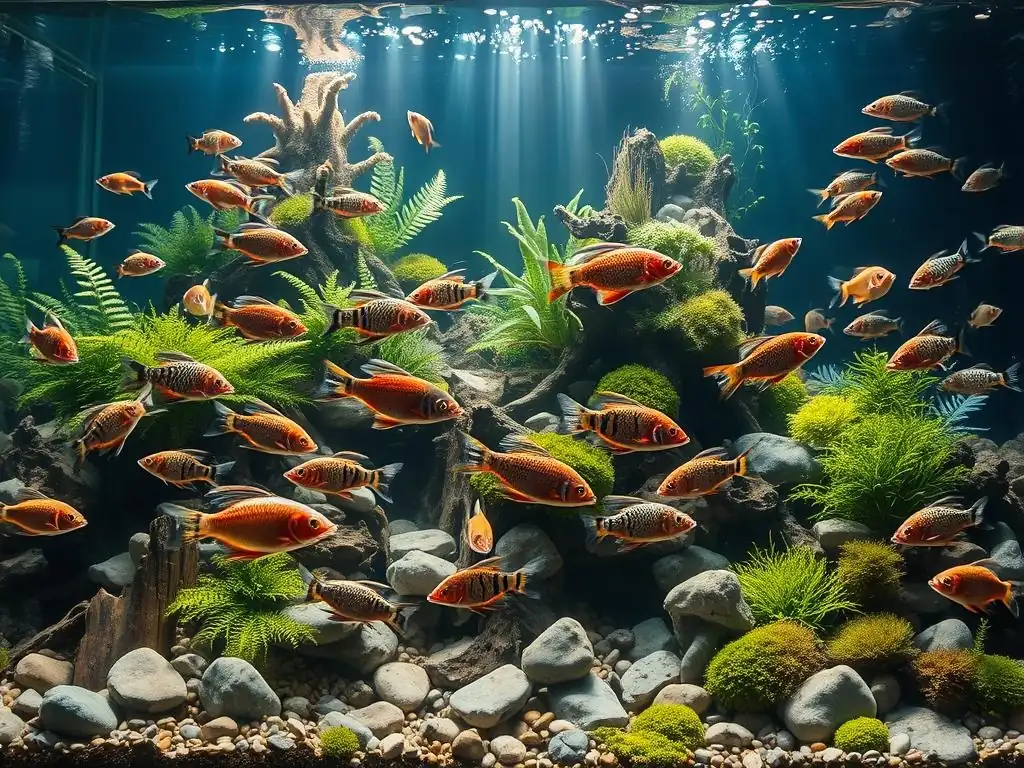
Ever wondered about those charming, bottom-dwelling scavengers that add so much personality to a freshwater aquarium? Delve into the fascinating world of Corydoras, Brochis, and Aspidoras catfish! This article uncovers the subtle differences between these popular species and provides essential Corydoras catfish care tips to help you choose the perfect addition to your aquatic family. Ready to discover which of these adorable catfish is right for your tank?
- Understanding Corydoras Catfish: An Introduction to Peaceful Bottom Dwellers
- Brochis Catfish: The Larger Corydoras Cousin
- Aspidoras Catfish: The Lesser-Known Corydoras Relative
-
Corydoras Catfish Care Tips: A Comprehensive Guide
- Essential Water Parameters for Corydoras, Brochis, and Aspidoras
- Suitable Tank Mates for Corydoras, Brochis, and Aspidoras
- Diet and Feeding: Ensuring Optimal Nutrition for Your Bottom Dwellers
- Tank Setup: Creating the Ideal Environment for Corydoras, Brochis, and Aspidoras
- Maintaining a Healthy Corydoras Aquarium: Water Changes and Filtration
- Distinguishing Features: Corydoras vs. Brochis vs. Aspidoras
- Choosing the Right Catfish for Your Aquarium: A Practical Guide
- Common Corydoras, Brochis, and Aspidoras Diseases and Treatments
- Breeding Corydoras Catfish: A Step-by-Step Guide
- Conclusion: Finding the Perfect Bottom Dweller for Your Aquarium
-
Frequently Asked Questions
- What are the key differences between Corydoras, Brochis, and Aspidoras catfish?
- What are some essential Corydoras catfish care tips for beginners?
- What is the ideal tank size and setup for Corydoras catfish?
- What are some common health problems that affect Corydoras catfish, and how can I prevent them?
- Can Corydoras catfish be kept with other types of fish in a community aquarium?
- Final Reflection: Appreciating the Subtle Wonders of the Aquarium
- Ignite Your Aquarium: Start Your Cory Catfish Adventure Today!
Understanding Corydoras Catfish: An Introduction to Peaceful Bottom Dwellers
What are Corydoras Catfish? An Overview
Corydoras catfish, often affectionately called "cories," are a diverse group of small, armored catfish belonging to the family Callichthyidae. Native to various freshwater habitats across South America, from the Amazon basin to smaller coastal rivers, these peaceful bottom dwellers are characterized by their unique body armor, formed by two rows of bony plates (scutes) along their sides. They typically range in size from tiny species like Corydoras pygmaeus (around 0.8 inches or 2 cm) to larger varieties such as Corydoras aeneus (Bronze Corydoras), which can reach up to 2.5 inches (6.5 cm).
These charming fish are known for their distinctive barbels, which they use to sift through substrate in search of food. Corydoras are obligate schooling fish, meaning they thrive and feel secure when kept in groups of six or more of their own kind. Their active, foraging behavior and generally peaceful disposition make them a staple in many community freshwater aquariums. Understanding their natural behaviors and specific needs is the first step in providing excellent Corydoras catfish care tips.
Why Corydoras are Popular Aquarium Fish
The popularity of Corydoras catfish in the aquarium hobby stems from several key attributes. Firstly, their peaceful nature makes them ideal inhabitants for community tanks, as they rarely bother other fish. Secondly, their constant foraging helps to keep the substrate clean by consuming uneaten food particles, though it's crucial to remember they are not merely "clean-up crew" members and require targeted feeding. Their hardiness, when provided with appropriate Corydoras catfish care tips such as stable water parameters and a suitable environment, also contributes to their appeal.
Furthermore, the sheer diversity within the Corydoras genus is a significant draw. With over 160 described species and many more unclassified "C-numbers" (a designation for undescribed species), aquarists can choose from a vast array of patterns, colors, and sizes, including the popular Panda Corydoras ( C. panda), Peppered Corydoras ( C. paleatus), and Sterba's Corydoras ( C. sterbai). Their active, inquisitive, and social behaviors add dynamic charm to any aquarium, making them a joy to observe.
Brochis Catfish: The Larger Corydoras Cousin
Brochis splendens: The Emerald Catfish
Brochis splendens, commonly known as the Emerald Catfish or Short-bodied Catfish, is perhaps the most well-known species within the Brochis genus and is often mistaken for a large Corydoras due to its similar appearance and behavior. Native to the Amazon basin in South America, particularly found in Peru and Ecuador, these fish exhibit a striking metallic green or bronze sheen that gives them their "emerald" moniker.
While they share the bottom-dwelling, schooling habits of Corydoras, Brochis splendens are significantly larger, typically reaching lengths of up to 4 inches (10 cm) in a home aquarium, with some wild specimens growing even larger.
Like Corydoras, Brochis are peaceful and social, preferring to be kept in groups. Their robust build and slightly different fin structures help distinguish them from their smaller cousins. They are active scavengers, constantly sifting through the substrate with their barbels in search of food. Providing adequate space and proper Corydoras catfish care tips adapted for their larger size is essential for their well-being.
Brochis vs. Corydoras: Key Differences in Size and Appearance
While Brochis catfish share many similarities with Corydoras, several key distinctions help differentiate them. The most obvious difference is size: Brochis splendens grows considerably larger than most common Corydoras species. For instance, a mature B. splendens at 4 inches dwarfs a typical Bronze Corydoras at 2.5 inches or a Panda Corydoras at 2 inches. This size difference necessitates larger tank requirements for Brochis.
In terms of body shape and fin morphology, Brochis typically have a more elongated, higher-backed body profile compared to the more compact and rounded appearance of most Corydoras. A prominent distinguishing feature is their dorsal fin: Brochis species, especially B. splendens, possess a much taller and more pointed dorsal fin that can be quite impressive. While both genera have barbels and bony plates, these subtle anatomical variations, combined with their size, are crucial for accurate identification and applying appropriate Corydoras catfish care tips.
Aspidoras Catfish: The Lesser-Known Corydoras Relative
Aspidoras: A Smaller and More Delicate Option
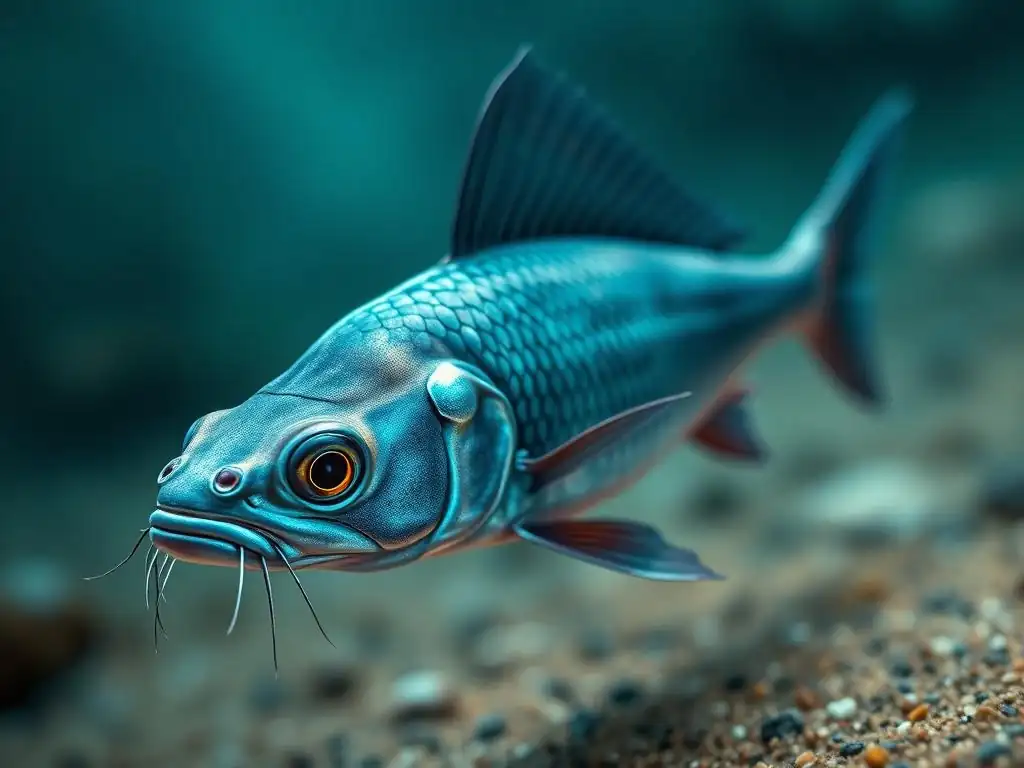
Aspidoras catfish represent another genus within the Callichthyidae family, closely related to Corydoras but generally less common in the aquarium trade. These fish are typically smaller and often considered more delicate than their Corydoras counterparts, making their specific Corydoras catfish care tips even more critical. Hailing from specific, often isolated, river systems in Brazil, Aspidoras species rarely exceed 1.5 inches (3.8 cm) in length, with some, like Aspidoras pauciradiata, remaining around 1 inch.
Their smaller size and often more reclusive nature mean they can be easily overlooked in a bustling community tank. Like Corydoras, they are bottom dwellers and prefer to live in groups, where their shyness is somewhat mitigated. Due to their specific habitat requirements and more fragile nature, Aspidoras are best suited for experienced aquarists who can provide a stable, pristine environment and cater to their subtle needs.
Identifying Aspidoras Species
Distinguishing Aspidoras from Corydoras can be subtle but important for proper species-specific care. The most significant anatomical difference lies in the adipose fin: Aspidoras species either have a greatly reduced adipose fin or lack it entirely, whereas Corydoras and Brochis always possess a distinct adipose fin located between the dorsal and caudal fins. This feature is often the quickest way to differentiate them.
Furthermore, Aspidoras generally exhibit a more elongated and slender body shape compared to the more robust and compact build of many Corydoras species. Their coloration and patterns tend to be more subdued than the vibrant markings found on some popular Corydoras, though this can vary by species. Examples include Aspidoras pauciradiata (the Dwarf Aspidoras) and Aspidoras taurus. Careful observation of these morphological details, alongside their size, is key to accurate identification and providing tailored Corydoras catfish care tips.
Corydoras Catfish Care Tips: A Comprehensive Guide
Essential Water Parameters for Corydoras, Brochis, and Aspidoras
Maintaining stable and appropriate water parameters is paramount for the health and longevity of Corydoras, Brochis, and Aspidoras. These species generally thrive in soft to medium-hard, slightly acidic to neutral water.
- Temperature: A consistent temperature range of 72-78°F (22-26°C) is suitable for most common species. Some specific species may prefer slightly cooler or warmer conditions, so researching your particular fish is beneficial.
- pH: A pH between 6.0 and 7.5 is generally acceptable. Stability is more crucial than hitting an exact number, as wild fluctuations can stress fish.
- Hardness (GH/KH): Soft to medium-hard water, with a General Hardness (GH) of 2-15 dGH, is ideal. Carbonate Hardness (KH) should be stable to buffer against pH swings.
- Nitrates: Keep nitrate levels below 20 ppm, ideally closer to 10 ppm, through regular water changes. Ammonia and nitrites must always be 0 ppm. A well-cycled aquarium is a fundamental part of Corydoras catfish care tips.
Suitable Tank Mates for Corydoras, Brochis, and Aspidoras
Given their peaceful and bottom-dwelling nature, Corydoras, Brochis, and Aspidoras require equally peaceful tank mates that won't compete aggressively for food or harass them.
- Ideal Companions: Small, schooling fish that occupy the mid to upper levels of the tank are excellent choices. Examples include various Tetras (Neon Tetras, Cardinal Tetras, Ember Tetras, Rummy Nose Tetras), Rasboras (Harlequin Rasboras, Chili Rasboras), peaceful Barbs (Cherry Barbs), small Gouramis (Dwarf Gouramis), and peaceful livebearers like Guppies or Mollies (if water parameters align).
- Avoid: Aggressive or fin-nipping species such as Tiger Barbs, large Cichlids (e.g., Oscars, Jack Dempseys), or predatory fish that could view them as food. Slow-moving, long-finned fish might also be stressed by their active foraging.
- Schooling: Remember that all three genera are social and must be kept in groups of at least six individuals of their own species to feel secure and display natural behaviors. This is a vital aspect of Corydoras catfish care tips.
Diet and Feeding: Ensuring Optimal Nutrition for Your Bottom Dwellers
Ensuring a proper diet is crucial for the health of your bottom dwellers, as they are not simply "clean-up crews."
Recommended Foods for Corydoras, Brochis, and Aspidoras
Their diet should primarily consist of high-quality sinking foods that reach the bottom where they forage.
- Staple Foods: Sinking pellets, wafers, and granules specifically formulated for bottom feeders are excellent choices. High-quality flakes that sink quickly can also be used.
- Live Foods: Offer live foods as occasional treats to provide essential nutrients and stimulate natural foraging behaviors. Good options include brine shrimp, daphnia, microworms, and small bloodworms.
- Frozen Foods: Frozen versions of bloodworms, tubifex worms, mysis shrimp, and brine shrimp are also highly palatable and nutritious.
- Vegetable Matter: Occasionally, blanched vegetables like zucchini or cucumber slices can be offered, though they are primarily carnivorous/omnivorous.
Feeding Frequency and Portion Control
To prevent overfeeding and maintain water quality, precise feeding is key.
- Frequency: Feed your Corydoras, Brochis, and Aspidoras once or twice daily.
- Portion Control: Provide only an amount that can be fully consumed within 5-10 minutes. Overfeeding leads to uneaten food decaying in the substrate, which can spike ammonia and nitrate levels, detrimental to these sensitive fish. Observing their feeding habits will help you adjust portions to their needs. These precise Corydoras catfish care tips ensure optimal health.
Tank Setup: Creating the Ideal Environment for Corydoras, Brochis, and Aspidoras
A well-designed tank setup is fundamental for the well-being of these bottom-dwelling catfish.
Substrate Selection for Corydoras Catfish
The choice of substrate is perhaps the most critical aspect of a Corydoras-friendly tank.
- Fine Sand: Fine-grain sand, such as play sand, pool filter sand, or specialized aquarium sand, is highly recommended. Corydoras, Brochis, and Aspidoras use their sensitive barbels to sift through the substrate in search of food. Sharp or coarse gravel can damage their delicate barbels, leading to infections, barbel erosion, or even loss, which significantly impairs their ability to feed and navigate.
- Smooth Gravel: If gravel must be used, ensure it consists of small, smooth, rounded pebbles without any sharp edges. However, sand is always the superior choice for promoting natural behavior and preventing injury. This particular Corydoras catfish care tips is non-negotiable for their long-term health.
Plants and Decorations for a Corydoras-Friendly Aquarium
A planted and decorated tank mimics their natural environment and provides security.
- Live Plants: Densely planted areas, particularly with broad-leafed plants like Anubias, Java Fern, or various Cryptocoryne species, offer excellent hiding spots and resting places. Floating plants can also help dim the light, which they appreciate. Live plants also contribute to better water quality by absorbing nitrates.
- Hiding Places: Include smooth rocks, driftwood, and caves to provide additional cover. Ensure all decorations are smooth and free of sharp edges that could injure their soft undersides or barbels.
- Open Areas: While hiding spots are important, also ensure there are ample open areas on the bottom for them to forage and sift through the substrate freely.
Maintaining a Healthy Corydoras Aquarium: Water Changes and Filtration
Consistent maintenance is key to a thriving Corydoras aquarium.
- Regular Water Changes: Perform regular partial water changes, typically 25-30% weekly. This helps to keep nitrate levels low and replenishes essential minerals. For heavily stocked tanks or those with larger Brochis, more frequent or larger water changes may be necessary.
- Filtration: A good quality filter that provides both mechanical and biological filtration is essential. Hang-on-back (HOB), canister, or sponge filters are all viable options. Ensure the filter provides gentle water flow, as these fish prefer calmer waters. A sponge filter is particularly beneficial in breeding tanks or tanks with very small fry.
- Substrate Cleaning: During water changes, use a gravel vacuum to gently siphon detritus and uneaten food from the sand or gravel. This prevents the buildup of harmful compounds and maintains pristine water quality, which is crucial for preventing diseases like barbel erosion. Adhering to these Corydoras catfish care tips for maintenance will significantly extend their lifespan.
Distinguishing Features: Corydoras vs. Brochis vs. Aspidoras
Size Comparison: Which is the Right Size for Your Tank?
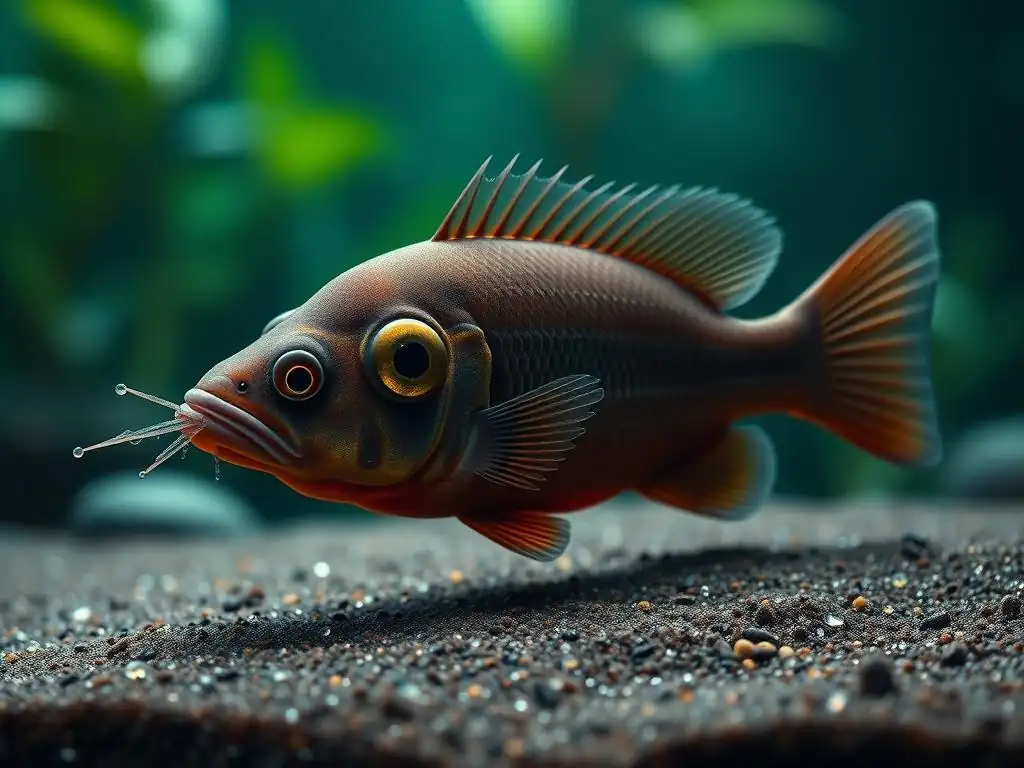
Understanding the typical adult size of each genus is crucial for appropriate tank selection and stocking.
- Corydoras: This genus is incredibly diverse in size. Dwarf species like Corydoras hastatus or C. pygmaeus typically reach only 0.8 to 1 inch (2-2.5 cm). Standard species like C. panda or C. paleatus mature at 1.5 to 2.5 inches (3.8-6.5 cm). Larger species like C. arcuatus (Skunk Cory) can reach up to 2.5 inches.
- Brochis: Generally, Brochis species are the largest of the three. Brochis splendens commonly grows to 3-4 inches (7.5-10 cm) in an aquarium setting, making them significantly more substantial than most Corydoras.
- Aspidoras: Aspidoras are typically the smallest. Species like Aspidoras pauciradiata rarely exceed 1 inch (2.5 cm), while others might reach 1.5 inches (3.8 cm). Their diminutive size makes them suitable for smaller nano tanks, provided their specific needs are met.
Fin Shape and Body Morphology: Visual Identification
Beyond size, subtle differences in body shape and fin structure aid in identification.
- Corydoras: Characterized by a compact, somewhat rounded or teardrop-shaped body. They possess a moderately sized dorsal fin and a distinct adipose fin between the dorsal and caudal fins. Their barbels are prominent and used for sifting.
- Brochis: Tend to have a more elongated body with a noticeably higher back, giving them a more robust appearance. The most striking feature is their very tall, pointed dorsal fin, which is much more pronounced than that of a Corydoras. They also have a clear adipose fin.
- Aspidoras: Generally have a more slender and elongated body compared to Corydoras. A key identifying feature is their adipose fin, which is either greatly reduced in size or completely absent. Their dorsal fin is typically smaller than that of a Corydoras. Observing these features is a part of advanced Corydoras catfish care tips for species identification.
While all three genera are peaceful bottom-dwellers, their social dynamics can vary slightly.
- Corydoras: These are highly active and gregarious fish. They are constantly seen sifting through the substrate, interacting with their school members, and exploring their environment. They thrive in groups of six or more and display clear schooling behavior.
- Brochis: Similar to Corydoras in their peaceful and schooling nature, Brochis may appear slightly less active due to their larger size. However, they still require a group of at least six individuals to feel secure and exhibit natural behaviors, spending much of their time foraging on the tank bottom.
- Aspidoras: While also schooling and peaceful, Aspidoras tend to be shyer and more reclusive than Corydoras. They might spend more time hiding among plants or decor, especially if not kept in sufficiently large groups (8+ individuals are often recommended for these smaller fish to boost their confidence). Despite their shyness, they are still social and rely on the presence of their own kind.
Choosing the Right Catfish for Your Aquarium: A Practical Guide
Aquarium Size Considerations for Corydoras, Brochis, and Aspidoras
Selecting the appropriate tank size is crucial for the health and well-being of these schooling fish.
- Corydoras: For a group of 6-8 standard-sized Corydoras (e.g., Panda, Peppered, Bronze), a minimum 20-gallon long aquarium is recommended. The "long" dimension is important as it provides more bottom surface area for foraging. Dwarf Corydoras ( C. pygmaeus, C. hastatus) can be kept in a 10-gallon tank for a small group (6-10 individuals), but a 15-20 gallon is always better for stability and space.
- Brochis: Due to their larger adult size, Brochis species require significantly more space. A group of 6 Brochis splendens would ideally need a minimum of a 30-40 gallon aquarium, with larger tanks being preferable to accommodate their activity and size.
- Aspidoras: Similar to dwarf Corydoras, a 10-gallon tank can house a group of 6-8 Aspidoras. However, given their delicate nature, a 15 or 20-gallon tank offers greater stability in water parameters and more space for their social interactions. These are minimums; providing more space than required always benefits the fish and makes Corydoras catfish care tips easier to manage.
Compatibility with Other Fish Species
Ensuring harmonious tank dynamics is essential for a thriving community aquarium.
- Peaceful Community: Always prioritize peaceful, non-aggressive tank mates that will not outcompete them for food or harass them. Slow-moving, mid-to-top dwelling fish are generally good choices.
- Avoid Aggression: Steer clear of large, predatory fish or known fin-nippers. Even moderately aggressive fish can stress these sensitive bottom dwellers, leading to health issues.
- Water Parameter Alignment: Ensure that the chosen tank mates share similar water parameter requirements regarding temperature, pH, and hardness. Introducing fish with vastly different needs can compromise the health of all inhabitants.
Availability and Cost: Factors to Consider Before Buying
Practical considerations like availability and cost can influence your choice of species.
- Availability: Corydoras are widely available in almost all local fish stores and online retailers. Common species like Bronze, Panda, and Peppered Corydoras are usually stocked. Brochis are less common but can often be found in larger pet stores or through specialized aquatic retailers. Aspidoras are the least common of the three and may require searching through online vendors or specialty fish shops.
- Cost: Corydoras are generally quite affordable, typically ranging from $3 to $10 per fish, depending on the species and size. Brochis tend to be slightly more expensive, often costing $8 to $20 per fish. Aspidoras can vary significantly, sometimes fetching higher prices ($10-$30+) due to their rarity. When purchasing, always prioritize healthy, active fish from reputable sources, as this is a key aspect of good Corydoras catfish care tips.
Common Corydoras, Brochis, and Aspidoras Diseases and Treatments
Identifying Signs of Illness in Corydoras, Brochis, and Aspidoras
Early detection of illness is crucial for successful treatment and preventing spread. Observe your fish daily for any changes.
- Barbel Erosion/Loss: A common sign, often indicative of poor water quality (high nitrates, ammonia) or an unsuitable, sharp substrate. Their barbels may appear shortened, frayed, or completely absent.
- Fin Rot: Characterized by frayed, discolored, or disintegrating fins, usually bacterial and linked to poor water conditions or injury.
- Ich (White Spot Disease): Small, salt-like white spots on the body and fins. Often caused by stress, temperature fluctuations, or poor water quality. Highly contagious.
- Bloating/Dropsy: A swollen body, often with scales protruding (pinecone appearance). This is usually a sign of serious internal bacterial infection or organ failure.
- Lethargy or Abnormal Swimming: Hiding excessively, staying at the surface (gasping), rubbing against decor, rapid gill movement, or erratic swimming are general signs of stress or illness.
- Loss of Appetite: Refusal to eat, or spitting out food.
Treating Common Ailments
Prompt action and proper Corydoras catfish care tips can often resolve health issues.
- Quarantine: Always quarantine new fish for at least 2-4 weeks before introducing them to your main tank to prevent disease introduction.
- Water Quality: For most illnesses, the first and most crucial step is to perform a large water change (30-50%) and thoroughly clean the substrate. Optimal water parameters are the best defense.
- Salt Treatment: Aquarium salt can be used cautiously for external parasites and some bacterial infections. As scaleless fish, Corydoras, Brochis, and Aspidoras are sensitive to salt; use half the recommended dosage (e.g., 1 tablespoon per 10 gallons for mild cases, not 1 tablespoon per 5 gallons).
- Medications: For specific diseases like Ich, fin rot, or bacterial infections, use appropriate aquarium medications as directed by the product instructions. Always remove carbon from your filter when medicating, as it will absorb the medication.
- Substrate Correction: If barbel erosion is present, immediately switch to a fine sand substrate and ensure impeccable water quality. Maintaining excellent Corydoras catfish care tips is the best preventative measure against most diseases.
Breeding Corydoras Catfish: A Step-by-Step Guide
Setting Up a Breeding Tank for Corydoras
Breeding Corydoras can be a rewarding experience, and a dedicated breeding tank significantly increases success rates.
- Tank Size: A 10-20 gallon tank is usually sufficient for a breeding group.
- Substrate: A bare bottom tank is often preferred for easy egg collection and fry rearing, though a thin layer of fine sand can also work.
- Spawning Sites: Provide surfaces for egg deposition. Spawning mops (made from yarn), Java moss, large-leafed plants (like Anubias or Amazon Swords), or even a clean piece of slate or PVC pipe can serve this purpose.
- Filtration and Aeration: A gentle sponge filter is ideal, providing biological filtration without strong currents that could harm eggs or fry. Good aeration is also beneficial.
- Heater: Maintain a stable temperature within their preferred range, usually 72-78°F (22-26°C).
- Breeding Group: Select a healthy, well-conditioned group of mature fish. A ratio of 2-3 males to 1 female is often recommended to maximize spawning activity. Condition them with high-protein foods like live or frozen bloodworms and brine shrimp for 1-2 weeks prior.
Spawning and Raising Corydoras Fry
Triggering and raising Corydoras fry requires specific steps.
- Triggering Spawning: Simulate the rainy season by performing large (50% or more) cool water changes (2-4°F cooler than the tank temperature) daily or every other day. Increased aeration can also help. This often encourages spawning behavior within a few days.
- Spawning Behavior: Males will actively chase females. The female will often adopt a "T-position" with a male, collecting sperm in her mouth or gill area before depositing adhesive eggs (typically 1-3 at a time) onto tank surfaces, plants, or spawning mops. This process can last for several hours, with a single female laying 50-300 eggs, depending on the species and size.
- Post-Spawning Care: Once spawning is complete, carefully remove the adult fish from the breeding tank to prevent them from eating the eggs.
- Egg Care: Eggs typically hatch in 3-5 days, depending on temperature. Some aquarists add a small amount of methylene blue to the water to prevent fungal growth on the eggs, though this is optional.
- Fry Care: Once hatched, the fry will absorb their yolk sacs for the first 2-3 days. After that, they need microscopic foods like infusoria or specialized liquid fry food. After about a week, they can be transitioned to newly hatched brine shrimp or microworms. Maintain pristine water quality with small, frequent water changes (10-20% daily) to ensure fry survival. These detailed Corydoras catfish care tips are crucial for successful breeding.
Conclusion: Finding the Perfect Bottom Dweller for Your Aquarium
Recap of Corydoras, Brochis, and Aspidoras Characteristics
Choosing the right bottom dweller for your aquarium involves understanding the unique characteristics of Corydoras, Brochis, and Aspidoras.
- Corydoras: These are the most common and diverse, ranging from dwarf to standard sizes (0.8 to 2.5 inches). They are highly active, peaceful, and hardy, making them excellent community fish. They require fine sand substrate and thrive in groups of six or more.
- Brochis: Represented primarily by Brochis splendens, these are the larger cousins (3-4 inches), distinguished by their higher backs and tall dorsal fins. They share the peaceful, schooling nature of Corydoras but require larger tank setups due to their size.
- Aspidoras: The smallest and often most delicate of the three (1-1.5 inches), Aspidoras are less common and tend to be shyer. They are identifiable by their reduced or absent adipose fin. While requiring similar fundamental care, their smaller size and potential shyness mean they benefit from larger groups (8+) and a very stable, quiet environment.
All three genera are peaceful, social, and primarily bottom-dwelling catfish that contribute actively to the aquarium ecosystem by sifting through the substrate.
Final Recommendations for Choosing the Right Species
When deciding which of these charming catfish is right for your aquarium, consider these final recommendations:
- Aquarium Size: Match the adult size and schooling needs of the fish to your tank's capacity. Standard Corydoras are great for 20-gallon longs, Brochis need 30+ gallons, and dwarf Corydoras or Aspidoras can thrive in 10-20 gallon setups.
- Community Compatibility: Ensure all potential tank mates are peaceful and share similar water parameter requirements. Avoid any aggressive or overly competitive species.
- Personal Preference: Consider their appearance, activity level, and the availability of specific species in your area. Do you prefer the bustling activity of a large Corydoras school, the more imposing presence of Brochis, or the delicate charm of Aspidoras?
- Commitment to Care: Regardless of your choice, be prepared to provide consistent, high-quality Corydoras catfish care tips, including pristine water conditions, appropriate substrate, a balanced diet, and suitable tank mates. By doing so, you can enjoy these fascinating bottom dwellers for many years.
Frequently Asked Questions
What are the key differences between Corydoras, Brochis, and Aspidoras catfish?
The primary differences lie in their physical characteristics and barbel length. Brochis typically have longer dorsal fins than Corydoras, while Aspidoras are generally smaller and have different skeletal structures.
What are some essential Corydoras catfish care tips for beginners?
Beginners should focus on maintaining stable water parameters, providing a sandy substrate to protect their barbels, and ensuring they have a balanced diet.
What is the ideal tank size and setup for Corydoras catfish?
Corydoras need at least a 20-gallon tank for a small school. The tank should have plenty of hiding places and a soft substrate to avoid damaging their sensitive barbels.
What are some common health problems that affect Corydoras catfish, and how can I prevent them?
Common issues include barbel erosion due to poor substrate, and bacterial infections from poor water quality. Prevent these with regular water changes and a clean, suitable substrate.
Can Corydoras catfish be kept with other types of fish in a community aquarium?
Yes, Corydoras are generally peaceful and can be kept with other peaceful community fish. Avoid housing them with aggressive or fin-nipping species that may stress or harm them.
Final Reflection: Appreciating the Subtle Wonders of the Aquarium
The world of aquariums, often viewed as a simple hobby, reveals itself as a microcosm of the natural world, demanding careful consideration and respect for its inhabitants. Understanding the nuances of species like Corydoras, Brochis, and Aspidoras, as we've explored, is not just about keeping fish alive; it's about fostering a thriving ecosystem within the glass. This dedication to informed care is more crucial than ever, as the popularity of aquariums continues to grow, placing a greater responsibility on hobbyists to prioritize the well-being of their aquatic companions.
The subtle differences between these catfish species, from their barbels to their social behaviors, highlight the importance of observation and continuous learning in the aquarium hobby. It's a reminder that even seemingly simple creatures possess a complexity worthy of our attention. In the end, we will conserve only what we love; we will love only what we understand; and we will understand only what we are taught.
- Baba Dioum. This quote resonates deeply, urging us to deepen our understanding of these creatures to foster a genuine appreciation and commitment to their care.
As you consider adding Corydoras, Brochis, or Aspidoras to your aquarium, remember that you are not just acquiring a pet, but becoming a steward of a small, delicate world. Let the knowledge gained here inspire you to delve deeper, to observe more closely, and to create an environment where these fascinating catfish can truly thrive. The joy of aquariums lies not just in the beauty they bring, but in the profound connection they foster with the natural world. Embrace that connection, and let it guide you in providing the best possible care for your aquatic companions.
Ignite Your Aquarium: Start Your Cory Catfish Adventure Today!
Thanks for diving into the world of Corydoras! We hope you've found the clarity you needed to understand these fascinating fish. Now, let's take that knowledge and put it to use!
Here are a few things you can do right now:
- Visit your local fish store this weekend and ask about the specific Corydoras, Brochis, or Aspidoras species they have available.
- Share this article with a fellow aquarium enthusiast who might be struggling to differentiate these charming bottom-dwellers.
- Consider setting up a quarantine tank - if you don't have one - for any new additions to ensure the health of your existing aquarium community.
Ready to transform your aquarium with these delightful bottom-dwellers? Which Corydoras species has captured your heart, and what steps are you taking to welcome them into your tank?