
Best Sinking Foods for Corydoras, Brochis, and Aspidoras

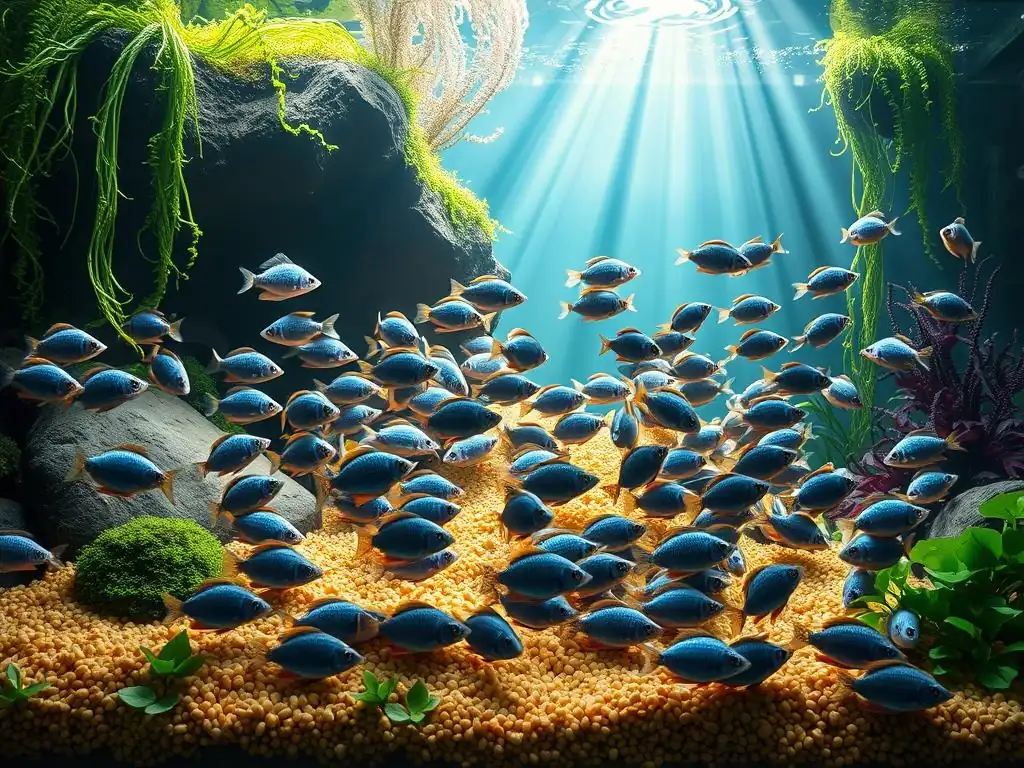
Welcome to Aquarium Mastery!
Ever wondered what the absolute best sinking foods are for keeping your Corydoras, Brochis, and Aspidoras thriving? These bottom-dwelling darlings deserve the perfect diet, but navigating the options can be tricky. Dive in and discover our detailed guide to Corydoras sinking fish food, ensuring your little scavengers are happy, healthy, and well-fed. Ready to unlock the secrets to a vibrant bottom-feeder community? Let's get started!
- Best Sinking Foods for Corydoras, Brochis, and Aspidoras: A Comprehensive Guide
- Understanding the Dietary Needs of Corydoras, Brochis, and Aspidoras
- Top Sinking Food Options for Corydoras, Brochis, and Aspidoras
- Comparing Popular Corydoras Sinking Food Brands
- How to Choose the Right Sinking Food for Your Corydoras
- Feeding Guide for Corydoras, Brochis, and Aspidoras
- Supplementing the Diet: Beyond Commercial Sinking Foods
- Common Mistakes to Avoid When Feeding Corydoras
- Maintaining a Healthy Aquarium Environment for Optimal Feeding
- Troubleshooting Feeding Problems in Corydoras, Brochis, and Aspidoras
- Ensuring the Long-Term Health of Your Bottom-Dwelling Catfish Through Proper Nutrition
-
Frequently Asked Questions
- What makes a good sinking food for Corydoras?
- Why are Corydoras considered "bottom feeders," and what does that mean for their diet?
- Can I feed my Corydoras only algae wafers?
- How often should I feed my Corydoras sinking food?
- What are some common mistakes to avoid when feeding Corydoras sinking food?
- Final Reflection: Nourishing the Bottom Dwellers
- Dive Deeper: Unlock the Full Potential of Your Bottom Dwellers!
Best Sinking Foods for Corydoras, Brochis, and Aspidoras: A Comprehensive Guide
Understanding the Dietary Needs of Corydoras, Brochis, and Aspidoras
Why Sinking Food is Essential for Bottom-Dwelling Catfish
Corydoras, Brochis, and Aspidoras are true bottom dwellers, characterized by their unique feeding behaviors. Unlike many mid-water or top-dwelling fish, these charming catfish possess specialized barbels that they use to sift through the substrate, searching for food. Consequently, flake foods or floating pellets rarely reach them effectively, leading to potential malnutrition and stress within the aquarium environment. Providing a dedicated Corydoras sinking fish food ensures that these fish can access their meals naturally and efficiently, mimicking their foraging habits in the wild.
Failure to provide appropriate sinking food can have detrimental effects on the health and vitality of these species. Without a reliable food source at the bottom of the tank, Corydoras and their relatives may become undernourished, leading to weakened immune systems, stunted growth, and increased susceptibility to diseases. It is a common misconception that these fish are merely scavengers that will subsist on leftover food from other tank inhabitants. In reality, they require a consistent and complete diet tailored to their specific needs, making a high-quality Corydoras sinking fish food an absolute necessity for their well-being.
Nutritional Requirements of Corydoras: Protein, Fiber, and More
Corydoras are primarily omnivores, with a strong preference for animal matter found in their natural habitats. Therefore, a high-quality Corydoras sinking fish food should feature a robust protein content, typically ranging from 35% to 45%. Key protein sources often include fish meal, krill, shrimp meal, and spirulina, which provide essential amino acids vital for growth, muscle development, and overall energy. Adequate protein levels are particularly crucial for juvenile fish experiencing rapid growth spurts and for adult fish during breeding periods.
Beyond protein, a balanced diet for Corydoras must also include a significant amount of fiber, usually between 5% and 10%, to aid digestion and prevent gastrointestinal issues. Healthy fats, typically comprising 5% to 10%, serve as a concentrated energy source. Additionally, essential vitamins, such as Vitamin C for immune system support, and a range of minerals are indispensable for maintaining their vibrant coloration, strong bone structure, and overall physiological functions. A deficiency in any of these crucial nutrients can lead to a variety of health problems, underscoring the importance of a nutritionally complete Corydoras sinking fish food.
Brochis and Aspidoras: Specific Dietary Considerations
While sharing many similarities with Corydoras, Brochis and Aspidoras species do have some nuanced dietary considerations, primarily related to their size and specific foraging styles. Brochis splendens, for instance, are generally larger than most Corydoras species, often reaching lengths of up to 3 inches (7.5 cm). This larger size means they can comfortably handle slightly bigger sinking pellets or wafers, which may be too large for smaller Corydoras. Their mouths are also well-adapted for sifting through fine substrates, making high-quality sinking foods easily accessible.
Aspidoras, on the other hand, are typically smaller and more delicate than their Corydoras and Brochis cousins, often staying under 2 inches (5 cm) in length. For these smaller bottom dwellers, micro-pellets or finely crushed sinking wafers are ideal to ensure they can easily ingest their food. Regardless of size, all three genera benefit immensely from a varied diet that includes both animal and plant-based ingredients. A well-rounded Corydoras sinking fish food that caters to these size differences, combined with occasional supplements, ensures optimal health for all your peaceful bottom dwellers.
Top Sinking Food Options for Corydoras, Brochis, and Aspidoras
High-Quality Sinking Pellets for Corydoras Catfish
Sinking pellets are a cornerstone of any effective feeding regimen for Corydoras and their kin. These small, dense food items quickly descend to the tank bottom, making them readily available for foraging catfish. High-quality sinking pellets are formulated to retain their shape for an extended period, preventing rapid dissolution that can cloud water and contribute to water quality issues. Their durability allows Corydoras to graze naturally, sifting through the substrate and consuming the pellets at their own pace, mimicking their wild feeding habits.
Look for sinking pellets that list high-quality ingredients such as fish meal, shrimp meal, spirulina, and various essential vitamins and minerals among their primary components. A good Corydoras sinking fish food pellet should be palatable, prompting immediate interest from your fish, and should not disintegrate quickly, which would lead to uneaten food polluting the water. Many reputable brands offer pellets in various sizes, allowing aquarists to choose the appropriate dimensions for juvenile, adult, or larger species like Brochis, ensuring every fish gets its fair share.
Sinking Wafers: A Balanced Diet for Bottom Feeders
Sinking wafers are another excellent food option, particularly beneficial for tanks housing multiple bottom dwellers or larger species of Corydoras and Brochis. These flat, disc-shaped foods are designed to sink rapidly and provide a broad surface area, allowing several fish to feed simultaneously without excessive competition. Many sinking wafers are formulated as complete diets, offering a balanced nutritional profile that supports overall health and vitality for bottom feeders.
While often associated with herbivores, many sinking wafers suitable for Corydoras are omnivorous, containing a healthy balance of plant-based ingredients like spirulina and algae, along with animal proteins from fish or shrimp. This blend ensures a comprehensive diet for omnivorous catfish. Wafers are also known for their stability in water, which minimizes waste and helps maintain pristine water conditions. Their robust nature makes them a highly effective Corydoras sinking fish food, providing sustained nutrition for your bottom-dwelling community.
Frozen Foods: A Nutritious Supplement for Corydoras, Brochis, and Aspidoras
Frozen foods offer a highly nutritious and appealing supplement to the staple diet of Corydoras, Brochis, and Aspidoras. Items such as frozen bloodworms, brine shrimp, and daphnia are rich in protein and essential fatty acids, mimicking the natural prey these catfish would encounter in their native environments. Incorporating frozen foods into their diet can significantly boost their overall health, enhance coloration, and serve as an excellent conditioning food for breeding pairs, stimulating spawning behaviors.
When feeding frozen foods, it is crucial to thaw them in a small amount of tank water before introducing them to the aquarium. This prevents cold shock and ensures the food is readily consumed. Offer frozen foods sparingly, typically 2-3 times per week, as a supplement rather than a primary food source, to avoid overfeeding and potential water quality degradation. Due to their strong scent and palatability, frozen foods are eagerly accepted and serve as a highly effective Corydoras sinking fish food supplement, encouraging active foraging.
Live Foods: Enhancing the Diet of Your Catfish
Live foods represent the most natural dietary option for Corydoras, Brochis, and Aspidoras, providing exceptional nutritional value and stimulating their innate hunting and foraging instincts. Small live invertebrates such as grindal worms, blackworms, or even appropriately sized earthworm pieces can significantly enhance the vitality and activity levels of your catfish. These foods are packed with protein and offer a dynamic feeding experience that cannot be replicated by processed foods.
However, offering live foods requires careful consideration due to the potential risk of introducing parasites or diseases into your aquarium. Always source live foods from reputable suppliers who guarantee disease-free cultures, or consider culturing them yourself at home to ensure safety. Live foods should be offered as an occasional treat, perhaps once a week, to supplement their main Corydoras sinking fish food diet. This variety keeps your fish engaged and ensures they receive a diverse range of nutrients that support long-term health and vigor.
Comparing Popular Corydoras Sinking Food Brands
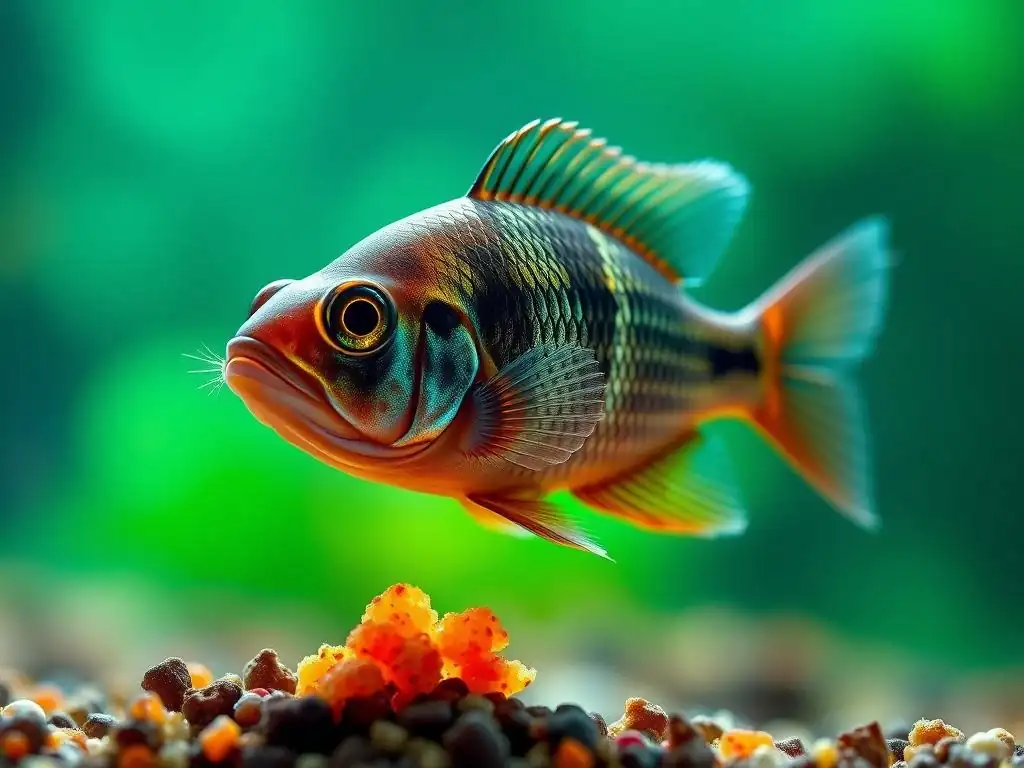
Hikari Sinking Wafers: Review and Analysis
Hikari Sinking Wafers are among the most popular and widely trusted choices for bottom-dwelling fish, including Corydoras. These wafers are specifically designed to sink rapidly and remain intact for extended periods, preventing water clouding. Aquarists frequently report high palatability, with Corydoras readily accepting and consuming them. Their formulation typically includes a blend of high-quality plant and animal matter, catering to the omnivorous nature of these catfish.
An analysis of Hikari Sinking Wafers often reveals ingredients such as fish meal, wheat flour, and spirulina, providing a balanced nutritional profile. The protein content commonly ranges from 35% to 40%, with a fiber content around 3% to 5%. Users consistently praise their consistency and the immediate acceptance by fish, making them a reliable and effective Corydoras sinking fish food for daily feeding. They are a staple for many aquarists aiming to provide a comprehensive diet for their bottom dwellers.
Omega One Veggie Rounds: A Detailed Look
Omega One Veggie Rounds are highly regarded for their commitment to fresh, natural ingredients, often listing whole salmon or kelp as primary components, even within their "veggie" formulation. While their name might suggest a purely plant-based diet, these wafers contain a significant amount of marine protein, making them exceptionally suitable for omnivorous bottom feeders like Corydoras. They offer a nutrient-dense option that supports vibrant coloration and overall fish health.
A detailed look at Omega One Veggie Rounds typically shows a crude protein content of approximately 33% and a healthy fat content of about 10%, with minimal ash. They are often fortified with natural color enhancers and beneficial Omega-3 fatty acids, contributing to robust health and striking appearance. Their quick-sinking characteristic and durable composition ensure they reach the bottom efficiently and allow for prolonged feeding, establishing them as an excellent Corydoras sinking fish food choice for a balanced diet.
Bloodworms (Frozen): Pros and Cons
Frozen bloodworms are an incredibly popular supplemental food due to their exceptional palatability and high nutritional value.
- Pros: They are rich in protein, often containing 50-60% crude protein on a dry weight basis, and are an excellent source of iron. This makes them highly effective for boosting growth rates, intensifying fish coloration, and conditioning breeding pairs. Corydoras typically exhibit an enthusiastic feeding response to bloodworms, making them an ideal treat to stimulate appetite. Their natural appeal ensures that they are devoured quickly.
- Cons: Despite their benefits, bloodworms are not a complete diet and should only be used as a supplement. Overfeeding can quickly lead to water quality degradation due to their high protein content and the potential for uneaten portions to decay rapidly. While commercial frozen bloodworms are generally safe, there's always a minimal risk of introducing unwanted pathogens if not sourced from a reputable supplier. Therefore, they serve best as an occasional, enriching addition to a primary Corydoras sinking fish food regimen.
How to Choose the Right Sinking Food for Your Corydoras
Considering Fish Size and Age When Selecting Food
The size of the food you offer is paramount when feeding Corydoras, Brochis, and Aspidoras, directly impacting their ability to consume it effectively. Juvenile Corydoras or smaller species such as Aspidoras will require micro-pellets or finely crushed wafers that fit comfortably into their smaller mouths. Attempting to feed them large pellets or whole wafers can lead to frustration, uneaten food, and potential malnutrition. Conversely, larger species like Brochis splendens or adult Corydoras can easily handle standard-sized sinking pellets and wafers.
Age also plays a role in dietary needs. Younger, growing fish benefit significantly from a higher protein content to support their rapid development. As they mature, a balanced diet incorporating good fiber content becomes increasingly important for digestive health. Always observe how your fish interact with the Corydoras sinking fish food; if they struggle to ingest it or if significant amounts are left untouched, adjust the size accordingly to ensure optimal consumption and minimize waste.
Analyzing Ingredient Lists: What to Look For and Avoid
When selecting a Corydoras sinking fish food, a thorough review of the ingredient list is crucial for ensuring the nutritional quality. Prioritize foods that list high-quality protein sources—such as fish meal, shrimp meal, spirulina, or krill—as the first few ingredients. These indicate a protein-rich formula essential for carnivorous and omnivorous bottom dwellers. Look for natural binders that hold the food together without excessive fillers, and ensure a robust profile of essential vitamins and minerals vital for overall health and immune function.
Conversely, avoid foods where corn meal, wheat flour, or other inexpensive fillers are listed as the primary ingredients, as these offer limited nutritional value for fish. Similarly, steer clear of artificial colors and excessive chemical preservatives, which contribute little to the fish's health and can potentially introduce unwanted chemicals into your aquarium water. A shorter, more transparent ingredient list with recognizable, beneficial components is generally a good indicator of a superior Corydoras sinking fish food.
Understanding Protein and Fiber Content in Corydoras Food
For Corydoras and their relatives, understanding the protein and fiber content is key to providing a nutritionally complete diet. The crude protein content in a good quality Corydoras sinking fish food should ideally be a minimum of 35%, with some specialized formulas reaching 45% or even higher. This high protein level supports their active metabolism, promotes healthy growth, and is especially vital for juvenile fish and those in breeding condition, providing the necessary building blocks for development and reproduction.
Fiber content is equally important for digestive health, typically ranging from 5% to 10%. Adequate fiber helps prevent constipation and ensures efficient nutrient absorption. Insufficient fiber can lead to digestive issues and poor nutrient utilization. A well-balanced ratio of protein, healthy fats (around 5-10%), and fiber ensures comprehensive nutrition, supporting robust health, vibrant coloration, and longevity for your bottom-dwelling catfish, making the right Corydoras sinking fish food a cornerstone of their care.
Feeding Guide for Corydoras, Brochis, and Aspidoras
Recommended Feeding Frequency and Amount
Establishing a consistent feeding routine is vital for the health of Corydoras, Brochis, and Aspidoras. Generally, feeding them once a day is sufficient for most adult fish. However, if you have a densely stocked tank, fast-growing juveniles, or are conditioning breeding pairs, you may opt for two smaller feedings daily. Consistency in timing also helps establish a routine, making your fish more comfortable and active during feeding times.
The amount of Corydoras sinking fish food provided should be carefully controlled: offer only what your fish can consume within 5-10 minutes. It is always better to slightly underfeed than to overfeed. For instance, a group of six adult Corydoras might only require a single small sinking wafer or 2-3 tiny pellets. Observe your fish closely; if any food remains on the substrate after 15 minutes, you are likely feeding too much. This careful approach minimizes waste, prevents water quality degradation, and ensures your fish receive adequate nutrition without excess.
Preventing Overfeeding and Water Quality Issues
Overfeeding is arguably the most common mistake made by aquarists and is a primary contributor to poor water quality and fish health problems. Excess food that goes uneaten quickly decays, leading to dangerous spikes in ammonia and nitrite, followed by an accumulation of nitrates. These toxins are highly detrimental to fish health, causing stress, weakening immune systems, and making fish susceptible to diseases. Overfeeding also promotes unsightly algae blooms and can lead to cloudy, unappealing water.
To prevent these issues, employ strategies such as using a designated feeding dish or a specific feeding spot in the tank to localize the Corydoras sinking fish food. This makes it easier to monitor consumption and remove any uneaten portions promptly, ideally within 15-20 minutes after feeding. Regular partial water changes, typically 25% weekly, are essential to dilute any accumulated waste products, even with careful feeding. Avoid indiscriminately scattering large amounts of food, as this increases the likelihood of uneaten particles polluting the substrate and water column.
Observing Your Corydoras' Feeding Habits
Close observation of your Corydoras' feeding habits provides invaluable insight into their health and well-being. Healthy Corydoras are active and enthusiastic foragers, constantly sifting through the substrate with their barbels in search of food. If you notice a sudden lack of interest in food, lethargy, or a tendency to hide more often during feeding times, it could signal underlying issues such as poor water quality, illness, or simply an unpalatable food choice.
Pay particular attention to potential competition from other tank mates. Faster-moving or more aggressive fish can often outcompete bottom dwellers for food, even if you are providing a dedicated Corydoras sinking fish food. If you suspect competition, consider dropping food after the main tank lights have been turned off for the evening, as Corydoras are often more active during twilight hours, and other fish may be less inclined to feed. Ensuring all your fish get their fair share is crucial for maintaining a harmonious and healthy aquarium.
Supplementing the Diet: Beyond Commercial Sinking Foods
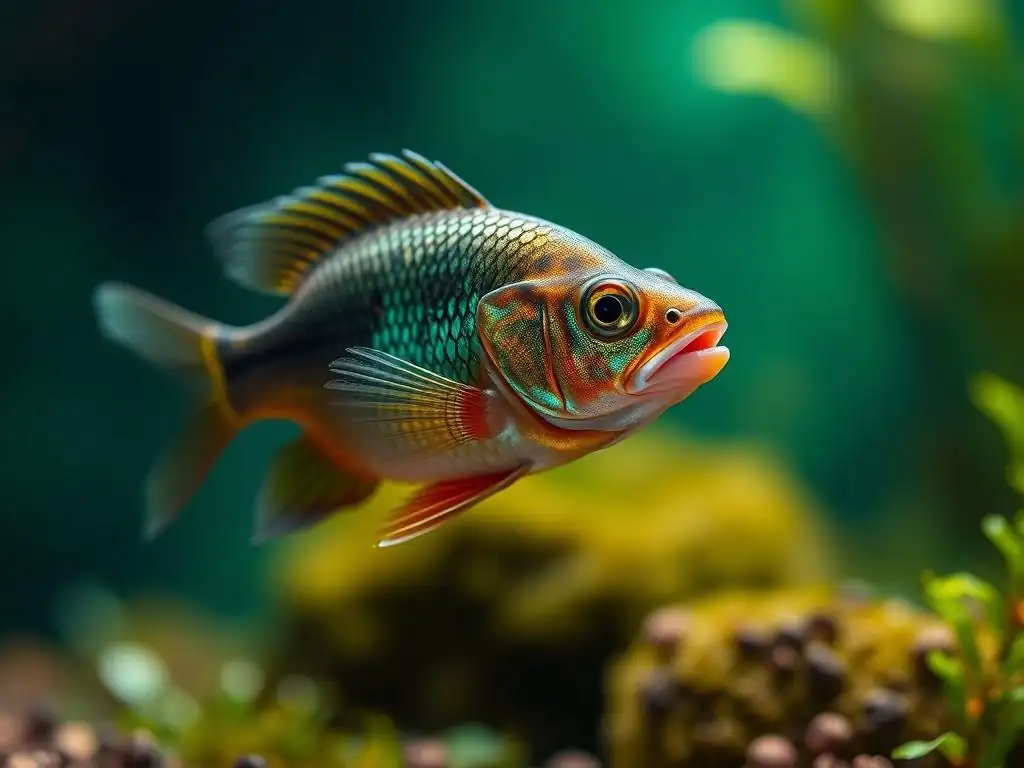
Blanched Vegetables: A Healthy Addition to the Diet
While Corydoras are primarily omnivores with a preference for protein, blanched vegetables can be a healthy and enriching addition to their diet. Options such as zucchini, cucumber slices, shelled peas, or blanched spinach leaves provide valuable vitamins, minerals, and essential fiber. These plant-based supplements can aid digestion, offer dietary variety, and mimic some of the plant matter they might encounter in their natural habitats.
To prepare vegetables, cut them into small, manageable pieces, then blanch them briefly in boiling water for one to two minutes to soften them. Allow them to cool completely before adding them to the tank. You can use a veggie clip or weigh them down with an aquarium-safe stone to ensure they sink to the bottom. Always remove any uneaten vegetable matter within 24 hours to prevent decay and maintain water quality. While not a primary Corydoras sinking fish food, blanched vegetables offer excellent supplemental nutrition.
Algae Wafers: Supporting a Balanced Ecosystem
Although Corydoras are not strict herbivores, high-quality algae wafers can serve as a beneficial supplement to their diet, especially if they contain spirulina or other nutritious plant proteins. Beyond their direct nutritional value for your catfish, algae wafers can also cater to any algae-eating tank mates you may have, reducing competition for other types of food and contributing to a more balanced aquarium ecosystem.
Good quality algae wafers are durable in water, providing a steady and accessible food source for slower eaters or those who prefer to graze throughout the day. They typically contain a broad spectrum of vitamins and minerals that support overall fish health. When choosing algae wafers, ensure they are from a reputable brand, as some cheaper varieties can disintegrate quickly, leading to water pollution. They can effectively complement a specialized Corydoras sinking fish food, offering dietary diversity.
Repashy Soilent Green: DIY Food Option
Repashy Superfoods offers an innovative approach to fish nutrition with their gel foods, such as Soilent Green. This product allows aquarists to prepare highly nutritious, complete diets at home by simply mixing the powder with hot water. Once cooled, the mixture solidifies into a firm gel that can be cut into appropriately sized sinking pieces, offering a customizable and exceptionally palatable food option for your Corydoras.
The primary advantages of Repashy gels are their nutrient density and versatility. You have direct control over the consistency, and you can even mix in additional supplements if desired. Once prepared, the gel food can be stored in the refrigerator for approximately one week or frozen for longer durations, providing a fresh, high-quality alternative to traditional commercial Corydoras sinking fish food. This DIY option ensures a diet free from unwanted fillers and tailored to your fish's exact needs.
Common Mistakes to Avoid When Feeding Corydoras
Overfeeding and Its Consequences
Overfeeding remains the most prevalent and detrimental mistake in aquarium keeping, directly leading to a cascade of negative consequences for both fish health and water quality. Excess food that is not consumed rapidly decays, releasing ammonia and nitrite—highly toxic compounds—into the water. This process significantly stresses fish, weakening their immune systems and making them highly susceptible to common ailments like fin rot, bacterial infections, and potentially fatal conditions like dropsy.
Beyond immediate toxicity, chronic overfeeding contributes to consistently high nitrate levels, which, while less acutely toxic, lead to chronic stress and a reduced lifespan for your fish. It also fuels unsightly algae blooms and can cause persistent cloudy water. It is far more beneficial to slightly underfeed your Corydoras, ensuring all the Corydoras sinking fish food is consumed, than to risk polluting their environment and compromising their well-being. Diligence in feeding amounts is paramount for a healthy aquarium.
Choosing the Wrong Size Food
Selecting the incorrect food size is a common pitfall that can lead to significant feeding problems. If the food particles are too large, your Corydoras may struggle to ingest them, leading to frustration and uneaten food that pollutes the tank. For instance, a tiny Aspidoras pauciradiata will be unable to consume a large wafer intended for a more robust Brochis splendens. Conversely, food that is too small might dissolve or get lost in the substrate before your bottom dwellers can locate and consume it effectively.
The solution lies in matching the food size precisely to the mouth size and species of your fish. For a mixed community tank, you might need to offer a variety of sizes or manually crush larger wafers into smaller, more manageable pieces for the smaller inhabitants. Observing how your fish approach and consume their Corydoras sinking fish food will quickly reveal if the size is appropriate. Proper sizing ensures efficient feeding, minimizes waste, and supports the overall health of your catfish.
Neglecting Water Quality During Feeding
Even with the most meticulously chosen Corydoras sinking fish food, neglecting water quality during the feeding process can undermine all efforts. Uneaten food, as discussed, significantly contributes to the nitrogen cycle's burden, leading to an increase in harmful compounds like ammonia, nitrite, and nitrate. Inadequate filtration, infrequent water changes, or an uncycled tank will exacerbate these issues, creating a toxic environment where fish cannot thrive, regardless of their diet.
Maintaining pristine water parameters is non-negotiable for the health of any aquarium inhabitant, especially sensitive bottom dwellers like Corydoras. Regular water testing for ammonia, nitrite, and nitrate is crucial to monitor the effectiveness of your filtration and feeding practices. Consistent partial water changes (e.g., 25% weekly) are essential for removing accumulated nitrates and replenishing vital minerals. A clean, well-oxygenated environment ensures that your fish are not only healthy enough to eat but can also properly digest and utilize the nutrients from their Corydoras sinking fish food, maximizing its benefits.
Maintaining a Healthy Aquarium Environment for Optimal Feeding
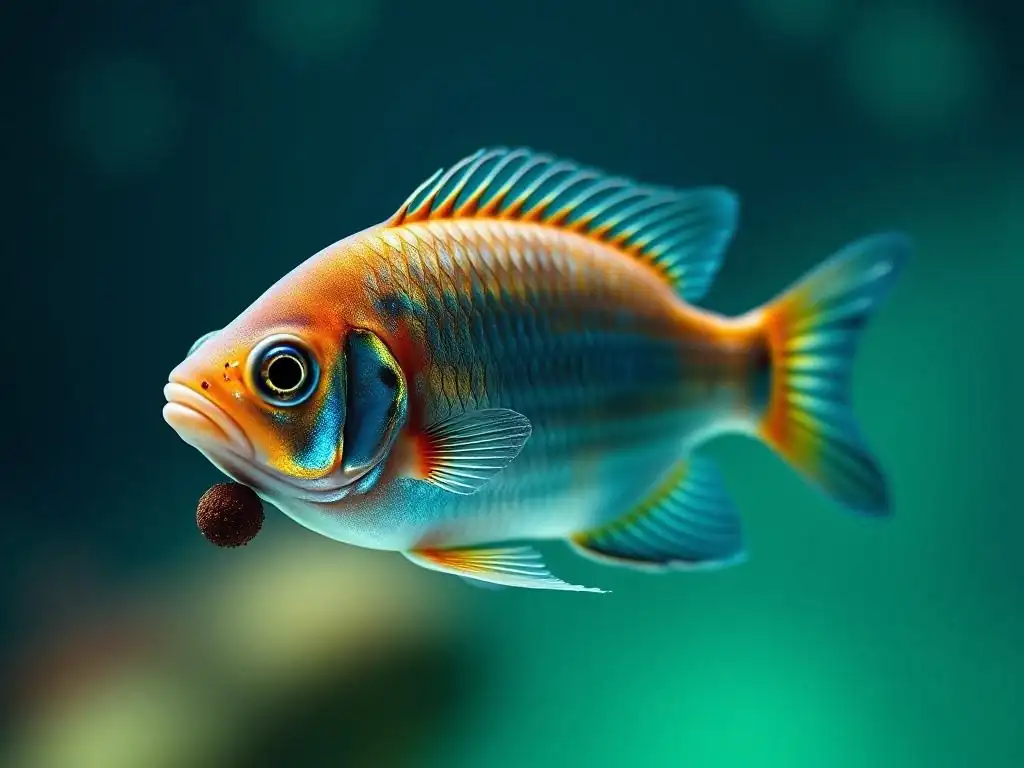
Water Parameters and Their Impact on Feeding
Stable and appropriate water parameters are foundational to the health and feeding behavior of Corydoras, Brochis, and Aspidoras. These catfish generally thrive in soft to moderately hard water, with a general hardness (GH) typically ranging from 2-15 dH, and a slightly acidic to neutral pH, ideally between 6.0-7.5. The optimal temperature range is usually between 72-78°F (22-26°C). Significant deviations from these parameters can induce severe stress, leading to a suppressed appetite and a complete refusal to feed.
High levels of ammonia or nitrite, even for short periods, will cause fish to become lethargic, gasp at the surface, and cease feeding entirely as their bodies struggle with poisoning. While less acutely toxic, consistently elevated nitrate levels can also lead to chronic stress, reduced activity, and a noticeable decrease in feeding response over time. Regular monitoring of these parameters ensures the water environment is conducive to healthy eating and optimal utilization of their Corydoras sinking fish food.
Substrate Considerations for Bottom Feeders
The choice of substrate is critically important for Corydoras and their relatives, as their delicate barbels are constantly used to sift through the tank bottom in search of food. Fine sand, such as pool filter sand or specialized aquarium sand, is the ideal substrate. It allows these catfish to forage naturally without damaging their sensitive barbels, which can easily be abraded or infected by sharp-edged gravel. A suitable substrate directly impacts their ability to feed comfortably and efficiently.
A proper sand substrate facilitates their natural feeding behavior by allowing them to easily sift through and find small sinking food particles that settle between grains. It also prevents food from getting lost in deep crevices, where it could decay unseen and contribute to anaerobic pockets and water quality issues. Providing the correct substrate not only supports the physical health of their barbels but also enhances their natural foraging instincts, making them more effective at consuming their Corydoras sinking fish food.
Tank Mates and Competition for Food
The presence of certain tank mates can significantly impact the feeding success of Corydoras, Brochis, and Aspidoras. Fast-swimming, mid-water, or top-dwelling fish, especially those with aggressive feeding habits like some larger tetras or cichlids, can easily outcompete the slower, bottom-dwelling catfish for food. They might consume all the sinking food before it even reaches the substrate, leaving your Corydoras hungry and stressed. This is particularly problematic if your Corydoras are naturally shy or slow eaters.
To mitigate competition, choose peaceful, community-oriented tank mates that primarily occupy the middle or upper water columns. Consider implementing strategies like feeding a small amount of floating food first to satisfy the surface feeders, then immediately adding the Corydoras sinking fish food to ensure it reaches the bottom dwellers. Alternatively, feeding after the main aquarium lights are turned off can be highly effective, as Corydoras are often more active during twilight hours, while other fish may be less inclined to feed, allowing your catfish to get their fair share.
Troubleshooting Feeding Problems in Corydoras, Brochis, and Aspidoras
Signs of Malnutrition in Corydoras
Recognizing the signs of malnutrition early is crucial for the long-term health of your Corydoras. Malnourished catfish often exhibit a noticeably sunken belly, indicating a lack of adequate food intake. Their coloration may appear faded or dull, a stark contrast to the vibrant hues of healthy specimens. Other common indicators include lethargy, reduced activity levels, and an increased tendency to hide, suggesting they feel weak or stressed. Clamped fins, where the fins are held tightly against the body, can also be a sign of poor health linked to nutritional deficiencies.
In juvenile fish, stunted growth despite adequate tank size and conditions is a clear red flag for malnutrition. If these signs are observed, it's imperative to immediately assess their diet, review feeding frequency and amounts, and thoroughly check water parameters. Persistent malnutrition weakens the fish's immune system, making them highly susceptible to various diseases and significantly shortening their lifespan. Ensuring they receive a consistent, high-quality Corydoras sinking fish food is the first step in addressing these issues.
Dealing with Picky Eaters
Occasionally, Corydoras can exhibit picky eating habits, especially when newly introduced to an aquarium, or if their diet has been monotonous. To encourage feeding, introduce new foods gradually and offer a variety of high-quality sinking options. This could include different brands of sinking pellets, various types of wafers, and highly palatable frozen foods like bloodworms or brine shrimp, which often entice reluctant eaters due to their strong scent.
If your Corydoras are consistently refusing food, a short fasting period of a day or two can sometimes stimulate their appetite and make them more receptive to new foods. Always ensure that the Corydoras sinking fish food is indeed sinking quickly and is easily accessible on the substrate. If refusal to eat persists, immediately check all water parameters, as a lack of appetite is often one of the first indicators of underlying stress, illness, or poor water quality rather than simple pickiness.
Addressing Competition for Food with Other Fish
Competition for food is a common challenge in community aquariums, particularly affecting bottom dwellers like Corydoras. Faster-feeding or more aggressive mid-water and surface-dwelling fish can easily consume all the food before it even settles to the bottom, leaving your peaceful catfish hungry. Observing the tank during feeding time will help you identify if this competition is the root cause of your Corydoras' feeding issues.
Several strategies can help address food competition. Distributing Corydoras sinking fish food widely across the tank bottom or using a designated feeding dish can ensure that some food reaches the target area. A highly effective method is to feed a small portion of floating food to the mid-water fish first, then immediately add the sinking food for the Corydoras. Alternatively, feeding the tank just after the lights go out for the evening can be beneficial, as Corydoras are often more active during these dim conditions, while many other fish are less so, allowing the bottom dwellers to forage undisturbed.
Ensuring the Long-Term Health of Your Bottom-Dwelling Catfish Through Proper Nutrition
Ensuring the long-term health of your Corydoras, Brochis, and Aspidoras hinges significantly on providing a high-quality, varied diet specifically designed for bottom dwellers. The selection of an appropriate Corydoras sinking fish food is not merely a convenience but a fundamental necessity for their well-being. A balanced nutritional intake, rich in protein, fiber, and essential vitamins, prevents deficiencies, supports robust immune function, and promotes their natural behaviors, ultimately leading to longer, healthier, and more active lives in your aquarium.
Ultimately, proper nutrition is one of the foundational pillars of overall fish health, alongside excellent water quality, an appropriate substrate that protects their delicate barbels, and carefully chosen, peaceful tank mates. A holistic approach to care, centered on consistent and appropriate feeding with the best Corydoras sinking fish food options, ensures that these delightful and charming catfish thrive in your aquarium, offering years of enjoyment and fascinating observation.
Frequently Asked Questions
What makes a good sinking food for Corydoras?
A good sinking food for Corydoras should be nutrient-rich, easily digestible, and sink quickly to the bottom of the tank, where they primarily feed. It should also be small enough for them to easily consume.
Why are Corydoras considered "bottom feeders," and what does that mean for their diet?
Corydoras are considered "bottom feeders" because they primarily forage for food on the substrate of the aquarium. This means their diet should consist of food that reaches the bottom, hence the need for sinking pellets or wafers.
Can I feed my Corydoras only algae wafers?
While algae wafers can be part of a Corydoras diet, they shouldn't be the only food source. Corydoras need a balanced diet including protein and other nutrients, which algae wafers alone often don't provide.
How often should I feed my Corydoras sinking food?
Feed your Corydoras once or twice a day, providing only as much sinking food as they can consume within a few minutes. Overfeeding can lead to poor water quality and health problems.
What are some common mistakes to avoid when feeding Corydoras sinking food?
Avoid overfeeding, failing to remove uneaten food, and not providing enough variety in their diet. Make sure the sinking food is small enough for them to eat comfortably.
Final Reflection: Nourishing the Bottom Dwellers
The information presented here, detailing the best sinking foods for Corydoras, Brochis, and Aspidoras, isn't just about optimizing aquarium feeding schedules. It's about understanding the specific needs of these often-overlooked bottom dwellers and ensuring their health and longevity in our aquariums, which ultimately contributes to a more balanced and thriving aquatic ecosystem.
This topic has profoundly influenced the way aquarists approach fishkeeping, moving beyond generic feeding practices to a more nuanced understanding of species-specific dietary requirements. The shift towards recognizing and catering to the unique needs of Corydoras and their relatives is a testament to our growing appreciation for the intricate web of life within our tanks. The greatness of a nation and its moral progress can be judged by the way its animals are treated.
- Mahatma Gandhi. While this quote speaks of broader animal welfare, it resonates deeply with the responsibility we have to provide the best possible care for the creatures in our aquariums.
Now, as you consider the information shared, take a moment to reflect on your own approach to fishkeeping. Are you truly catering to the specific needs of all your aquatic inhabitants, especially those that dwell on the bottom? Let this knowledge inspire you to delve deeper into the dietary requirements of your Corydoras, Brochis, and Aspidoras, and to provide them with the nourishment they need to thrive, enriching both their lives and the beauty of your underwater world.
Dive Deeper: Unlock the Full Potential of Your Bottom Dwellers!
Thank you for exploring the world of sinking foods for your Corydoras and other bottom-dwelling friends! We hope this article has given you the knowledge you need to provide them with a balanced and enriching diet. Now, let's put that knowledge into action!
Here are a few things you can do to further enhance their feeding experience:
- Experiment with a new sinking food today! Observe their reactions and preferences to find the perfect fit for your Corydoras.
- Share this article with fellow aquarium enthusiasts on social media to help them improve their bottom feeder care.
- Research and try creating your own DIY sinking food recipe, sharing your findings with the Aquarium Mastery community.
What unique food combinations have you discovered that your Corydoras absolutely adore?