
Troubleshooting Common Problems in *Cyprichromis* Tanks

Welcome to Aquarium Mastery!
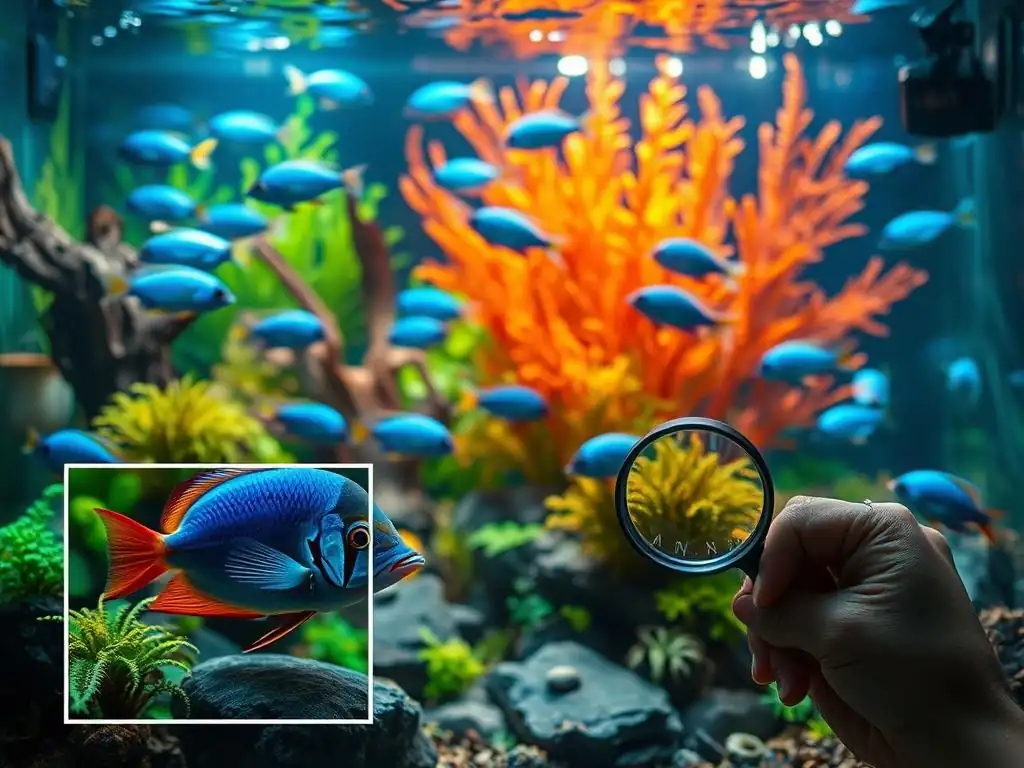
Are you encountering unexpected challenges in your Cyprichromis tank? Perhaps your shimmering beauties aren't quite as vibrant, or maybe their behavior has shifted. Don't worry, you're not alone! Dive into our comprehensive guide on Cyprichromis tank troubleshooting issues to uncover the secrets to a thriving Cyprichromis community. Let's explore the common pitfalls and discover how to create the perfect aquatic paradise for these stunning fish, ensuring they live long and healthy lives. Ready to solve those aquatic mysteries?
- Understanding Cyprichromis Tank Issues: An Introduction
-
Common Cyprichromis Tank Troubleshooting Issues & Solutions
- Diagnosing Cyprichromis Fish Health Problems
- Addressing Water Quality Problems in Cyprichromis Tanks
- Solving Aggression Issues in Cyprichromis Aquariums
- Dealing with Poor Cyprichromis Coloration
- Resolving Breeding Problems with Cyprichromis
- Troubleshooting Algae Blooms in Cyprichromis Tanks
- Addressing Filtration Problems in Cyprichromis Aquariums
- Preventing Future Cyprichromis Tank Problems
- Advanced Cyprichromis Tank Troubleshooting Tips
- Conclusion: Mastering Cyprichromis Tank Management
-
Frequently Asked Questions
- What are the most common water quality issues faced in Cyprichromis tanks?
- Why are my Cyprichromis fish showing signs of stress and hiding?
- How can I identify and treat common diseases affecting Cyprichromis?
- What are the typical feeding problems encountered with Cyprichromis, and how can I solve them?
- What are the most effective strategies for managing aggression within a Cyprichromis tank?
- Final Reflection: Cultivating Harmony in the Cyprichromis Realm
- Unleash the Vibrant Potential of Your *Cyprichromis*!
Understanding Cyprichromis Tank Issues: An Introduction
Cyprichromis are elegant and unique cichlids native to the open waters of Lake Tanganyika in East Africa. Known for their distinctive "featherfin" appearance and schooling behavior, they are a captivating addition to a specialized aquarium. Unlike many bottom-dwelling or rock-dwelling cichlids, Cyprichromis species, such as Cyprichromis leptosoma or Cyprichromis microlepidotus, spend their lives in the water column, feeding on zooplankton. This pelagic lifestyle dictates specific tank requirements, from water parameters to tank setup and diet.
While generally peaceful for cichlids, Cyprichromis have precise environmental needs that, if not met, can lead to a range of common Cyprichromis tank troubleshooting issues. These challenges can impact their health, coloration, breeding success, and overall well-being. Addressing these problems effectively requires a deep understanding of their natural habitat and specific care requirements. This article will delve into diagnosing and resolving the most frequent challenges faced by Cyprichromis keepers, providing practical solutions to ensure a thriving environment.
Common Cyprichromis Tank Troubleshooting Issues & Solutions
Diagnosing Cyprichromis Fish Health Problems
Identifying Symptoms of Bloat, Ich, and Fin Rot
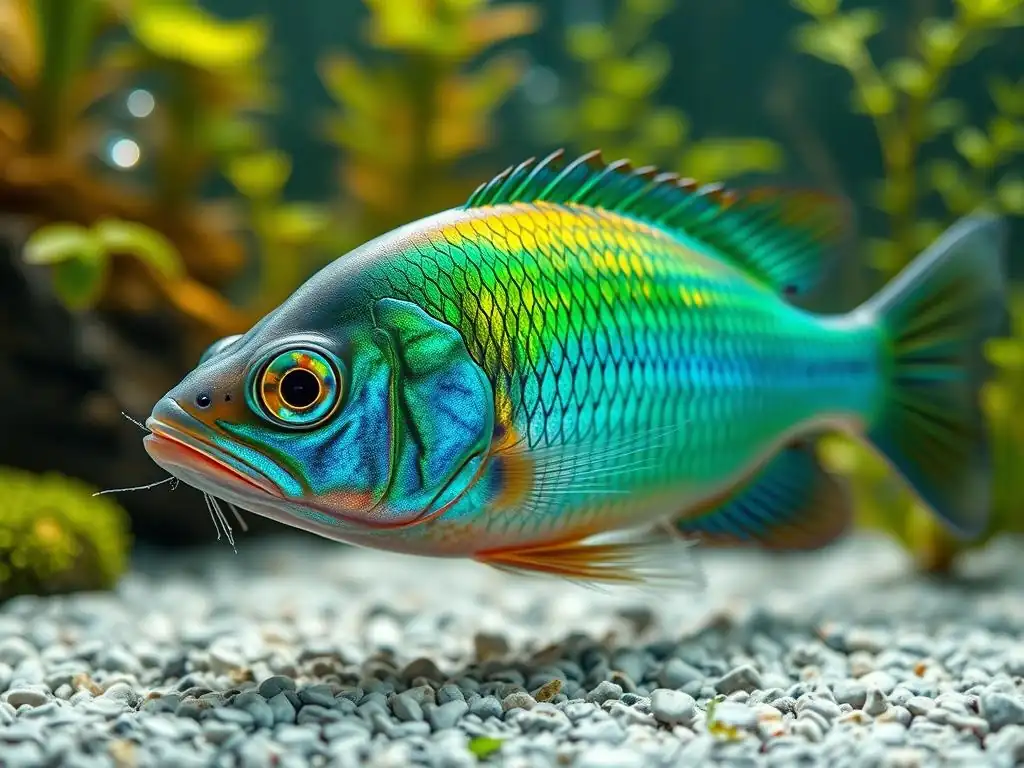
Fish diseases are unfortunately common Cyprichromis tank troubleshooting issues. Bloat, also known as Malawi bloat (though it affects Tanganyikan cichlids too), is a severe and often fatal condition. Symptoms include a swollen abdomen, loss of appetite, lethargy, rapid breathing, and white, stringy feces. It can be caused by bacterial infections, internal parasites, or, most commonly, improper diet, particularly too much vegetable matter or fat, or poor water quality. If left untreated, Cyprichromis can succumb to bloat within days.
Ich, or White Spot Disease ( Ichthyophthirius multifiliis), manifests as small, white spots resembling grains of salt on the fish's body, fins, and gills. Affected Cyprichromis may also exhibit rapid gill movement, lethargy, and frequently "flash" or rub themselves against tank decorations to relieve irritation. This highly contagious parasitic infection is often triggered by stress, such as sudden temperature fluctuations or poor water conditions.
Fin Rot is another common ailment, characterized by frayed, ragged, or deteriorating fins, often with a white or red inflamed edge. It is primarily a bacterial infection, typically caused by poor water quality, stress, or physical injury, and can quickly progress to affect the body if not addressed.
Treating Bloat, Ich, and Fin Rot in Cyprichromis
Treating bloat in Cyprichromis requires immediate action. Isolate affected fish in a hospital tank if possible. Fast the fish for 24-48 hours. If the fish is still eating, offer specialized anti-bacterial food containing ingredients like Metronidazole. For more severe cases or if multiple fish are affected, broad-spectrum antibiotics such such as Furan-2 or Kanaplex can be administered to the main tank following manufacturer instructions. Concurrently, perform significant water changes (30-50%) and thoroughly vacuum the substrate to improve water quality and remove potential bacterial sources. Addressing the underlying dietary cause is crucial for long-term prevention.
For Ich, gradually raise the tank temperature to 82-84°F (28-29°C) over 24 hours, ensuring adequate aeration as higher temperatures reduce dissolved oxygen. Add aquarium salt at a concentration of 1 tablespoon per 5 gallons (approx. 1.5 kg per 100 liters) or use Ich-specific medications containing Malachite Green or Formalin. Continue treatment for at least 7-10 days, even after visible spots disappear, to break the parasite's life cycle.
Treating Fin Rot begins with substantial water changes (30-50%) to rectify water quality. Administer a broad-spectrum antibiotic such as Maracyn or Furan-2 according to package directions. Ensure good aeration and remove any sharp decorations that might cause further injury. Consistent water quality is paramount for recovery and preventing recurrence.
Addressing Water Quality Problems in Cyprichromis Tanks
Understanding Ammonia and Nitrite Spikes
Among the most critical Cyprichromis tank troubleshooting issues are imbalances in the nitrogen cycle. Ammonia (NH3/NH4+) is a highly toxic compound produced by fish waste, uneaten food, and decaying organic matter. Even low concentrations, such as 0.25 ppm, can cause severe stress, gill damage, and death. Symptoms of ammonia poisoning include gasping at the surface, rapid gill movement, lethargy, and redness around the gills.
Nitrite (NO2-) is the equally toxic product of ammonia breakdown by beneficial bacteria. Like ammonia, nitrite levels should always be 0 ppm. Symptoms of nitrite poisoning are similar to ammonia, often including a brownish discoloration of the gills due to the formation of methemoglobin in the blood, which hinders oxygen transport.
Both ammonia and nitrite spikes typically occur in newly set up tanks that have not fully cycled, or in established tanks due to overfeeding, overstocking, or inadequate filtration. To combat these, immediate and large water changes (50-75%) are necessary to dilute the toxins. Use water conditioners that detoxify ammonia and nitrite temporarily while the biological filter catches up.
Reduce feeding drastically or cease feeding for a day or two. Ensure proper mechanical and biological filtration is in place and functioning optimally. Regular testing with a reliable liquid test kit is essential to monitor these parameters and preemptively address any upward trends.
Managing Nitrate Levels for Cyprichromis Health
While less acutely toxic than ammonia and nitrite, high nitrate (NO3-) levels can lead to chronic stress, weakened immune systems, stunted growth, and increased susceptibility to disease in Cyprichromis. As the final product of the nitrogen cycle, nitrates accumulate over time and are removed primarily through water changes. For Cyprichromis, which originate from the pristine waters of Lake Tanganyika, nitrate levels should ideally be kept below 20 ppm, and certainly no higher than 40 ppm. Sustained exposure to elevated nitrates can compromise their vibrant coloration and overall vitality, making it a critical aspect of Cyprichromis tank troubleshooting issues.
Effective nitrate management hinges on consistent maintenance. Perform regular weekly water changes, typically 25-30% of the tank volume, for a moderately stocked Cyprichromis aquarium. For heavily stocked tanks, larger or more frequent water changes (e.g., 50% weekly) may be required. Thoroughly vacuum the substrate during water changes to remove trapped detritus, which contributes to nitrate production. Avoid overfeeding, as uneaten food rapidly breaks down into nitrates. While live plants can consume nitrates, Cyprichromis tanks are not typically heavily planted. Consider using chemical filter media like Purigen or specialized nitrate-removing resins in your filter to further control levels.
Maintaining Proper Water Hardness and pH
Cyprichromis require specific water parameters that mimic their native Lake Tanganyika habitat, which is characterized by very hard and alkaline water. Maintaining these parameters consistently is fundamental to preventing Cyprichromis tank troubleshooting issues. The ideal pH range for Cyprichromis is between 7.8 and 9.0, with many aquarists aiming for 8.2-8.6. Stable pH is more important than hitting an exact number; rapid fluctuations can cause severe stress and even death.
Water hardness is equally crucial. Both General Hardness (GH) and Carbonate Hardness (KH) should be high. GH, representing mineral content like calcium and magnesium, should ideally be 10-20 dGH (179-358 ppm). KH, which buffers pH, should be 10-15 dKH (179-268 ppm) to prevent dangerous pH swings.
To achieve and maintain these conditions, avoid using soft tap water or RO/DI water without remineralization. Instead, use specialized Tanganyika buffer salts (e.g., Seachem Tanganyika Buffer) which provide the necessary minerals and buffering capacity. Incorporating crushed coral or aragonite sand as part of the substrate can also help slowly dissolve minerals into the water, contributing to long-term stability of hardness and pH.
Solving Aggression Issues in Cyprichromis Aquariums
Identifying Aggressive Cyprichromis Behavior
While Cyprichromis are often touted as peaceful cichlids, aggression can still be a significant concern, especially among males. Identifying aggressive Cyprichromis behavior is a key step in Cyprichromis tank troubleshooting issues. Male Cyprichromis, particularly during breeding periods, will establish territories in the open water column. Symptoms of aggression include persistent chasing, nipping at fins, flaring of gills, and rapid darting movements towards rivals. The target of aggression, typically subdominant males, may appear stressed, hide frequently, exhibit clamped fins, or show physical injuries such as torn fins or missing scales.
Severe aggression can lead to chronic stress, which suppresses the immune system and makes fish more susceptible to disease. In extreme cases, one fish may be relentlessly harassed to the point of death. It's important to differentiate between natural male posturing and harmful aggression. A healthy amount of chasing is normal as males establish dominance, but if a single fish is constantly targeted and unable to escape, intervention is required. Observe fish behavior carefully for prolonged periods to understand the dynamics within the colony.
Reducing Aggression Through Tank Setup
The tank setup plays a pivotal role in mitigating aggression among Cyprichromis. A sufficiently large aquarium is paramount; for a small colony of 10-15 Cyprichromis, a minimum 75-gallon (approximately 285 liters) tank with dimensions of at least 48 inches (120 cm) in length is recommended. Larger tanks, such as 90-125 gallons (340-475 liters), are even better, providing ample swimming space and allowing males to establish territories without constant conflict. The length of the tank is more important than depth or height for these active, pelagic swimmers.
Decorations should be strategically placed to break up lines of sight and provide visual barriers, even in open water. While Cyprichromis prefer open swimming areas, tall rock structures reaching near the surface or vertically oriented driftwood can serve as visual breaks, allowing subdominant fish to escape direct confrontation. Avoid overly cluttered tanks that restrict swimming space, but also avoid completely barren tanks that offer no refuge. A balanced approach that provides both open water and vertical breaks is ideal for reducing Cyprichromis tank troubleshooting issues related to aggression.
Managing Overcrowding to Minimize Fighting
Counterintuitively, sometimes mild overcrowding can help diffuse aggression in Cyprichromis tanks. By increasing the number of fish, aggression is spread out among more individuals, preventing a single fish from becoming the sole target. However, this strategy requires extremely diligent filtration and water quality management. A recommended male-to-female ratio is also crucial: aim for 1 male to 3-5 females. This ensures that a male's breeding drive and territorial instincts are directed towards multiple females, reducing harassment of a single female and minimizing male-on-male conflict.
For a healthy colony, starting with a group of 10-15 juvenile Cyprichromis is often advised. This allows them to grow up together, establish a pecking order, and reduces the likelihood of severe aggression compared to introducing adult fish. If a particular male is excessively aggressive and causing harm, it may need to be removed from the tank. Introducing dither fish, such as other peaceful Tanganyikan species that occupy different tank levels (e.g., Synodontis catfish), can sometimes distract Cyprichromis or make them feel more secure, though Cyprichromis themselves prefer to be the dominant species in their water column.
Dealing with Poor Cyprichromis Coloration
Factors Affecting Cyprichromis Color
Vibrant coloration is one of the most appealing traits of Cyprichromis, with species like Cyprichromis leptosoma exhibiting stunning blues, yellows, and oranges. When Cyprichromis display dull or washed-out colors, it's a clear sign of underlying Cyprichromis tank troubleshooting issues. Several factors can contribute to poor coloration. Stress is a primary culprit, stemming from inadequate water quality (e.g., high nitrates, incorrect pH/hardness), bullying by aggressive tank mates, or an unsuitable tank environment. A diet lacking essential nutrients, particularly carotenoids, will also directly impact their ability to produce and maintain vivid pigments.
Disease or parasitic infections can sap a fish's energy and resources, leading to faded colors. The tank's lighting spectrum and intensity also play a significant role in how colors are perceived. A sub-optimal light source might make even healthy fish appear less vibrant. Finally, genetics can influence the potential for color, but environmental factors are usually the most controllable aspect for aquarists. Addressing these underlying causes is essential for restoring your Cyprichromis' natural brilliance.
Optimizing Diet for Vibrant Colors
As plankton feeders in their natural habitat, Cyprichromis require a diet rich in high-quality protein and essential fatty acids to maintain optimal health and coloration. A common Cyprichromis tank troubleshooting issue related to color is an inadequate diet. Their primary diet should consist of high-quality spirulina flakes, specialized cichlid pellets formulated for planktivores, and frozen foods like cyclops, daphnia, and mysis shrimp. These foods are rich in natural pigments and proteins that are directly utilized for color development.
Avoid feeding foods high in fat or excessive vegetable matter not suited for their digestive system, as this can lead to internal issues like bloat, which also impacts coloration. Feed small amounts multiple times a day (2-3 times) rather than one large meal. This mimics their natural feeding behavior and ensures they receive consistent nutrition without overfeeding, which can degrade water quality. A varied diet, rotating between different high-quality options, provides a broader spectrum of nutrients and encourages better feeding responses.
Enhancing Coloration with Proper Lighting
The type and intensity of lighting in a Cyprichromis aquarium can significantly enhance or diminish the visual impact of their colors. While not directly affecting the fish's physiological ability to produce color, the right lighting setup makes the colors pop. Full-spectrum LED lights with a color temperature ranging from 6500K to 10000K are generally recommended. Many aquarists find that lights with a slightly higher blue spectrum, often marketed for marine tanks or planted aquariums, can particularly accentuate the blues and yellows common in Cyprichromis species.
Ensure a consistent light cycle, typically 10-12 hours on and 12-14 hours off, to mimic natural day-night rhythms. Excessive light duration can stress fish and promote undesirable algae growth. Conversely, too little light can make the tank appear dull. The background color of the aquarium can also influence perceived coloration; a dark blue or black background often provides a strong contrast that makes the fish's colors appear more intense and vibrant. Experimenting with different light settings and background colors can help resolve Cyprichromis tank troubleshooting issues related to dull appearance.
Resolving Breeding Problems with Cyprichromis
Identifying Breeding Readiness in Cyprichromis
Successfully breeding Cyprichromis is a rewarding aspect of their care, but sometimes Cyprichromis tank troubleshooting issues arise in this area. Recognizing breeding readiness is the first step. Male Cyprichromis will exhibit intensified coloration, particularly during courtship. They will perform elaborate "shimmies" and displays, often with fins flared, attempting to entice females into their preferred spawning area in the open water column or near vertical structures.
Females, when gravid with eggs, will appear noticeably plumper in the abdomen. They will show interest in the male's displays and may position themselves near him. Once spawning occurs, the female will collect the eggs in her mouth, becoming a mouthbrooder. Her buccal cavity (mouth area) will appear distended, and she will typically cease eating and seek out a secluded, often higher, part of the tank to avoid disturbance while brooding. Observing these behavioral cues is crucial for aquarists hoping to breed these fascinating cichlids.
Optimizing Tank Conditions for Spawning
Optimal tank conditions are paramount for encouraging Cyprichromis to spawn. Water quality must be pristine and stable, mirroring their natural environment. Maintain a consistent pH of 8.2-8.6, high GH (10-20 dGH), and high KH (10-15 dKH). Ammonia and nitrite must be zero, and nitrates kept below 10 ppm. A stable temperature between 78-80°F (25.5-26.7°C) is ideal; sometimes a slight increase of 1-2°F can trigger spawning activity.
Provide ample space with a proper male-to-female ratio, typically 1 male to 3-5 females, to distribute male attention and reduce stress on individual females. A larger group of 10-15 fish in a spacious tank (75+ gallons) often encourages more natural breeding behaviors. While Cyprichromis are open-water spawners, providing vertical rockwork or tall, sturdy artificial plants can offer visual breaks and potential spawning sites that make them feel more secure. A well-maintained and species-appropriate environment significantly reduces Cyprichromis tank troubleshooting issues related to breeding.
Managing Fry Survival Rates
Once a female Cyprichromis is mouthbrooding, managing fry survival rates becomes the next challenge. Females typically hold eggs for 3-4 weeks, during which time they often do not eat. This can lead to significant weight loss for the mother.
To maximize fry survival, many aquarists choose to gently "strip" the eggs from the female's mouth after about 10-14 days. These eggs are then placed in a specialized tumbling incubator, which keeps them aerated and prevents fungal growth, mimicking the mother's mouth movements. This method protects the eggs from being eaten by other tank inhabitants or being prematurely released by a stressed female.
If you opt to let the female brood naturally, ensure she has plenty of secluded hiding spots where she can feel safe and avoid harassment from other fish. Once the fry are released, they are relatively independent but small and vulnerable to predation by other tank inhabitants, including the parents if not well-fed.
Providing very fine, high-quality fry food such as newly hatched baby brine shrimp, cyclops, or finely crushed high-protein flakes multiple times a day will support their rapid growth. A dedicated fry grow-out tank with gentle filtration is often recommended to ensure optimal survival and development, addressing common Cyprichromis tank troubleshooting issues for breeders.
Troubleshooting Algae Blooms in Cyprichromis Tanks
Identifying Types of Algae
Algae blooms are a common aesthetic and environmental Cyprichromis tank troubleshooting issue. Recognizing the type of algae can help pinpoint the underlying cause. Green Spot Algae appears as small, hard green dots on glass and decorations, often indicating high light intensity or duration, and sometimes low phosphate levels. Green Hair Algae consists of long, stringy green strands that can quickly cover surfaces, typically signaling an excess of nutrients (nitrates and phosphates) combined with strong lighting.
Brown Diatom Algae forms a brownish, dusty film on surfaces, most common in new tanks. It thrives on silicates (often from tap water or substrate) and excess nutrients, usually subsiding as the tank matures. Lastly, Blue-Green Algae (Cyanobacteria) is not true algae but a type of bacteria. It forms a slimy, often smelly, blue-green or dark green mat that can cover substrate and decorations. This type of bloom is usually indicative of high nitrates and phosphates, poor water circulation, and sometimes insufficient oxygenation.
Controlling Algae Growth Naturally
Natural control methods are the safest and most sustainable way to manage algae and address these Cyprichromis tank troubleshooting issues. The primary strategy is to control nutrient levels. Perform regular weekly water changes (at least 25%) to reduce accumulated nitrates and phosphates. Avoid overfeeding, as uneaten food quickly breaks down into these nutrients. Ensure that all food is consumed within a few minutes.
Light control is another critical factor. Limit the duration of your tank lights to 8-10 hours per day. If using powerful LED lighting, consider reducing the intensity. Manual removal is also essential: regularly scrape algae off the glass with an aquarium scraper and scrub it off decorations and rocks during maintenance. While Cyprichromis are not algae eaters, adding compatible algae-eating snails like Nerite snails can help, but ensure they can thrive in the hard, alkaline water conditions required by Cyprichromis.
Using Algaecides Safely
Algaecides should be considered a last resort for Cyprichromis tank troubleshooting issues related to algae, as they can sometimes be harmful to sensitive fish species, invertebrates, and beneficial bacteria in the filter. If natural methods fail to control a severe algae bloom, and an algaecide is deemed necessary, always follow the manufacturer's instructions precisely. It is often advisable to start with a reduced dose to observe the fish's reaction, especially with sensitive species like Cyprichromis.
During and after algaecide treatment, ensure excellent aeration in the tank, as algaecides can reduce dissolved oxygen levels. Perform a large water change (30-50%) after the treatment period to remove residual chemicals from the water. Crucially, algaecides only treat the symptom (algae) and not the underlying cause (e.g., excess nutrients, too much light). Therefore, even after using an algaecide, it is vital to implement the natural control methods discussed previously to prevent the algae from returning.
Addressing Filtration Problems in Cyprichromis Aquariums
Maintaining Proper Filter Flow
Proper filtration is the cornerstone of a healthy Cyprichromis aquarium and essential for preventing various Cyprichromis tank troubleshooting issues. Cyprichromis thrive in well-oxygenated water with good current, mimicking their open-water Lake Tanganyika habitat. Maintaining proper filter flow ensures efficient removal of waste and adequate water circulation. Reduced flow is a common sign of filtration problems, often indicating a clogged filter intake or media.
For a tank housing Cyprichromis, aim for a total water turnover rate of 5-10 times the tank volume per hour. For example, a 75-gallon tank should have filters capable of processing between 375 and 750 gallons per hour (GPH). This might necessitate a powerful canister filter or multiple hang-on-back (HOB) filters. Regularly clean filter impellers and intake tubes to prevent blockages. Over time, filter media can become compacted, reducing flow; periodic rinsing or replacement of mechanical media is necessary to maintain optimal water movement.
Choosing the Right Filter Media for Cyprichromis
Selecting the appropriate filter media is crucial for effective filtration in a Cyprichromis tank. A robust filtration system should incorporate three types of media: mechanical, biological, and chemical. Mechanical filtration (e.g., sponges, filter floss, pads) removes particulate matter and debris from the water column. These should be rinsed or replaced regularly (weekly to bi-weekly, depending on tank load) to prevent clogging and the breakdown of trapped waste into toxins.
Biological filtration is the most critical component, providing surface area for beneficial bacteria that convert toxic ammonia and nitrite into less harmful nitrate. Porous media like ceramic rings, bio-balls, or specialized biological media (e.g., Seachem Matrix) are excellent choices. These should only be rinsed in old tank water during maintenance to preserve the bacterial colonies.
Chemical filtration (e.g., activated carbon, Purigen) can remove odors, discoloration, and certain toxins. Activated carbon typically needs replacement monthly, while other resins can often be regenerated. A combination of these media types ensures comprehensive water purification, minimizing Cyprichromis tank troubleshooting issues related to water quality.
Troubleshooting Cloudy Water Issues
Cloudy water is a common and often alarming Cyprichromis tank troubleshooting issue. The cause of cloudiness can vary, and identifying it is key to resolution. Bacterial blooms are a frequent cause, making the water appear milky white or hazy. These typically occur in new tanks during the cycling process, or in established tanks after a large water change, filter cleaning, or overfeeding. They usually resolve on their own within a few days as the beneficial bacteria establish equilibrium. Avoid overreacting with chemicals.
If the water appears hazy with visible floating particles, it indicates suspended particulate matter, suggesting insufficient mechanical filtration or too much debris. Clean or add more filter floss to improve mechanical straining. Green cloudiness is indicative of a green water algae bloom, which is typically caused by excess light and nutrients (see the algae section for solutions).
If cloudiness appears after substrate disturbance, it's likely just stirred-up substrate that will settle on its own. For any type of cloudy water, large water changes (50% or more) can provide immediate relief. Ensure your filter is adequately sized and well-maintained, reduce feeding, and avoid overstocking to prevent future occurrences.
Preventing Future Cyprichromis Tank Problems
Proactive Tank Maintenance for Cyprichromis Health
Preventing Cyprichromis tank troubleshooting issues is far more effective than reacting to them. Establishing a consistent and thorough proactive tank maintenance routine is the single most important step. This includes performing regular weekly water changes, typically 25-30% of the tank volume, to dilute nitrates and replenish essential minerals. Concurrently, vacuum the substrate thoroughly to remove uneaten food and fish waste, which are major contributors to poor water quality.
Beyond water changes, regularly inspect and clean your filtration system. Rinse mechanical filter media (sponges, floss) in old tank water weekly or bi-weekly to prevent clogging and maintain flow. Periodically clean filter impellers and hoses. Daily observation of your Cyprichromis for any changes in behavior, appetite, or appearance can provide early warning signs of potential problems, allowing for prompt intervention before minor issues escalate into major Cyprichromis tank troubleshooting issues. Consistent care creates a stable and healthy environment that promotes long-term well-being for these sensitive cichlids.
Regular Water Testing and Changes
Regular water testing is an indispensable tool in preventing Cyprichromis tank troubleshooting issues. At a minimum, weekly testing for pH, ammonia, nitrite, and nitrate is recommended, especially in new tanks or when problems are suspected. For Cyprichromis, also regularly test General Hardness (GH) and Carbonate Hardness (KH) to ensure the highly alkaline and hard water conditions they require are consistently met. Keep a log of your test results to identify trends and catch deviations early.
Consistent water changes are the primary method for maintaining pristine water quality. For an established Cyprichromis tank, a 25-30% weekly water change is a good baseline. However, heavily stocked tanks or those with larger fish may benefit from 50% weekly changes or smaller, more frequent changes (e.g., 20% twice a week). Always use a high-quality water conditioner that neutralizes chlorine and chloramines from tap water, and ensure the replacement water is temperature-matched to avoid shocking the fish. Proactive testing and diligent water changes are the best defense against water quality-related Cyprichromis tank troubleshooting issues.
Quarantine Procedures for New Fish
One of the most effective ways to prevent the introduction of diseases and parasites into your established Cyprichromis tank is to implement strict quarantine procedures for all new fish. This applies not only to new Cyprichromis but also to any potential tank mates, such as Julidochromis or Synodontis catfish, that might be added to the aquarium. A separate quarantine tank, even a simple 10-20 gallon (38-76 liter) setup with a heater, sponge filter, and basic hiding spots, is sufficient.
New fish should be quarantined for a minimum of 3-4 weeks. During this period, observe them closely for any signs of illness, stress, or unusual behavior. This isolation period allows any latent diseases to manifest and be treated without risking the health of your main colony. It also gives you an opportunity to acclimate the new fish to your specific water parameters gradually. By preventing the entry of pathogens, you significantly reduce the likelihood of encountering severe Cyprichromis tank troubleshooting issues in your main display tank.
Advanced Cyprichromis Tank Troubleshooting Tips
Dealing with Rare Diseases and Conditions
While bloat, ich, and fin rot are common, Cyprichromis can occasionally suffer from rarer diseases and conditions that present unique Cyprichromis tank troubleshooting issues. Swim Bladder Disorder can cause fish to struggle with buoyancy, either floating uncontrollably at the surface or sinking to the bottom. This can stem from bacterial infections, internal parasites, or even dietary issues. Treatment varies but may involve antibiotics, specialized foods, or even a period of fasting.
Columnaris, often misidentified as a fungal infection, is a rapidly progressing bacterial disease characterized by white, cotton-like growths around the mouth, on fins, or body. It requires immediate and aggressive treatment with strong antibiotics like Furan-2 or Kanaplex, often in a hospital tank. Internal Parasites can lead to emaciation despite a good appetite, coupled with stringy white feces.
These typically require specific anti-parasitic medications containing ingredients like Metronidazole or Praziquantel. For any rare or persistent Cyprichromis tank troubleshooting issues, consulting an aquatic veterinarian or a highly experienced aquarist with specialized knowledge of Tanganyikan cichlids is highly recommended for accurate diagnosis and treatment.
Understanding Cyprichromis Behavior Patterns
A deep understanding of normal Cyprichromis behavior patterns is an invaluable advanced Cyprichromis tank troubleshooting tip. These pelagic cichlids are naturally schooling fish, especially when young or in larger groups. They will typically inhabit the middle to upper levels of the water column, often darting and swimming actively. Males will display vibrant colors and engage in elaborate courtship rituals to attract females, particularly in the open water or near vertical structures.
Any significant deviation from these typical behaviors should be considered a red flag. For example, a normally active Cyprichromis suddenly hiding excessively, clamping its fins, gasping at the surface, refusing food, or exhibiting unusual swimming patterns indicates stress or illness. Females that are mouthbrooding will typically become reclusive and stop eating. By being intimately familiar with their natural habits and social dynamics, aquarists can detect subtle changes early, allowing for prompt intervention before minor Cyprichromis tank troubleshooting issues escalate into critical health crises.
Case Study: Troubleshooting Persistent Bloat in a Cyprichromis leptosoma Colony
A seasoned aquarist with a 90-gallon Cyprichromis leptosoma colony, consisting of 15 individuals (3 males, 12 females), encountered a perplexing Cyprichromis tank troubleshooting issue: persistent bloat symptoms appearing in multiple fish over a two-week period. Water parameters were meticulously maintained: pH 8.4, GH 14 dGH, KH 11 dKH, ammonia and nitrite at 0 ppm, and nitrates consistently below 15 ppm. Initial attempts to treat with Metronidazole-infused food in the main tank yielded limited success.
The owner reviewed their feeding regimen. They were primarily feeding a high-quality spirulina flake and frozen mysis shrimp, appropriate for Cyprichromis. However, the tank also housed a small group of Julidochromis regani which received a sinking cichlid pellet. Upon closer observation, the C. leptosoma were occasionally seen darting down to consume these sinking pellets, which had a higher protein and fat content than their typical diet. Furthermore, some C. leptosoma were observed picking at detritus accumulating in areas of lower flow on the substrate.
The solution involved a multi-pronged approach. First, the feeding strategy was revised: the Julidochromis were fed only after the Cyprichromis had finished their own floating food, and any uneaten sinking pellets were promptly siphoned out. A specialized Cyprichromis-specific pellet with a carefully balanced nutrient profile was introduced.
Second, weekly water changes were increased from 25% to 35%, coupled with more rigorous substrate vacuuming, particularly in low-flow areas, to eliminate any decaying organic matter that could contribute to internal bacterial issues. Third, the most severely affected Cyprichromis were isolated in a hospital tank and treated with a combination of Metronidazole and Kanaplex, targeting the suspected bacterial component of the bloat. Within three weeks, the bloat subsided in the main tank, and the treated fish fully recovered, highlighting how subtle dietary inconsistencies and overlooked detritus can be critical Cyprichromis tank troubleshooting issues even in well-maintained setups.
Conclusion: Mastering Cyprichromis Tank Management
Mastering Cyprichromis tank management requires a blend of diligence, observation, and a deep understanding of their specific needs. From diagnosing and treating common ailments like bloat and Ich to meticulously maintaining their unique water parameters, every aspect contributes to their overall health and vibrancy. Addressing Cyprichromis tank troubleshooting issues effectively means not just treating symptoms, but identifying and rectifying the underlying causes, whether they be related to water quality, diet, tank setup, or social dynamics.
By adopting a proactive approach that includes consistent water testing, regular maintenance, appropriate feeding, and strategic tank design, aquarists can significantly minimize the occurrence of common problems. The journey of keeping Cyprichromis is a rewarding one, offering the beauty of these captivating Tanganyikan cichlids. With the knowledge and strategies for Cyprichromis tank troubleshooting issues outlined in this guide, aquarists are well-equipped to provide a thriving and stable environment, ensuring their feathered fins continue to dazzle for years to come.
Frequently Asked Questions
What are the most common water quality issues faced in Cyprichromis tanks?
Poor water quality is a frequent problem. Ammonia and nitrite spikes are toxic, and high nitrate levels can stress fish. Regular water changes are crucial for maintaining optimal conditions.
Why are my Cyprichromis fish showing signs of stress and hiding?
Stress can stem from several factors. Common causes include poor water parameters, aggressive tankmates, or sudden changes in their environment. Ensure stable conditions and appropriate tank mates.
How can I identify and treat common diseases affecting Cyprichromis?
Observe for signs like fin rot, ich (white spot disease), or bloating. Early detection and treatment with appropriate medications are vital. Proper quarantine of new fish helps prevent disease spread.
What are the typical feeding problems encountered with Cyprichromis, and how can I solve them?
Cyprichromis can be picky eaters. Offer a varied diet of high-quality flake food, small pellets, and occasional frozen foods. Ensure food is small enough for them to consume easily.
What are the most effective strategies for managing aggression within a Cyprichromis tank?
Overcrowding and insufficient hiding places can trigger aggression. Maintain a larger group size and provide ample rockwork or other structures. Ensure the tank is large enough for the number of fish.
Final Reflection: Cultivating Harmony in the Cyprichromis Realm
The intricacies of maintaining a thriving Cyprichromis tank, as we've explored, are not merely about technical solutions, but about understanding the delicate balance of an aquatic ecosystem. The ability to proactively address Cyprichromis tank troubleshooting issues is, in essence, a commitment to responsible fishkeeping and the well-being of these captivating creatures. Ignoring early warning signs can quickly lead to cascading problems, highlighting the importance of diligent observation and informed action.
This journey into Cyprichromis care has underscored the profound connection between our actions and the health of the environment we create for them. The dedication required to troubleshoot and prevent common issues reflects a deeper appreciation for the complexity and fragility of aquatic life. The best way to solve problems is to avoid creating them in the first place.
This adage rings especially true in the context of Cyprichromis keeping, where preventative measures and a keen understanding of their needs are paramount.
Now, armed with a deeper understanding of Cyprichromis tank troubleshooting issues, I encourage you to reflect on your own approach to fishkeeping. Consider how you can apply these lessons to not only improve the lives of your Cyprichromis, but also to cultivate a more mindful and sustainable approach to all your aquatic endeavors. Let's strive to be not just keepers, but true stewards of these miniature ecosystems, ensuring their beauty and vitality for generations to come.
Unleash the Vibrant Potential of Your *Cyprichromis*!
Thanks for diving into the world of Cyprichromis with us! We hope you've gained valuable insights into troubleshooting common issues and keeping your fish thriving. Now, let’s put that knowledge into action!
Here’s what you can do next:
- Immediately assess your Cyprichromis tank based on the troubleshooting tips discussed. Prioritize addressing any imbalances in water parameters or signs of aggression.
- Share your experiences and photos of your Cyprichromis tank in the Aquarium Mastery community forum. Let's learn from each other!
- Try a new and enriching food source for your Cyprichromis – perhaps a small live food treat to stimulate their natural hunting behaviors.
What specific adjustments will you make to your Cyprichromis tank this week to enhance their well-being?