
Old Age in Bettas: Recognizing Signs and Providing Comfort


Welcome to Aquarium Mastery! Ever wondered how to ensure your Betta splendens enjoys a long and fulfilling life, even as they age? Our latest deep dive, "Old Age in Bettas: Recognizing Signs and Providing Comfort," explores just that. From subtle behavioral changes to potential health complications, we'll equip you with the knowledge to help your vibrant Betta age gracefully. Curious to learn how to spot the signs and provide the best possible care? Let's get started!
- Understanding Betta Lifespans and Aging
- Identifying Signs of Aging and Health Issues in Bettas
- Providing Comfort and Care for Senior Bettas
- Treating Common Ailments in Aging Bettas
- Promoting Bettas Aging Gracefully: Long-Term Care Tips
- Frequently Asked Questions
- Final Reflection: Bettas Aging Gracefully
- Nurture Your Senior Betta: Extend Their Golden Years
Understanding Betta Lifespans and Aging
Average Lifespan of Betta Fish
Betta fish, often known as Siamese fighting fish, typically have an average lifespan of 2 to 5 years in captivity when provided with optimal care. This range can fluctuate significantly based on various factors, including genetics, the conditions they were kept in before purchase (e.g., pet store cups), and the quality of their environment throughout their lives. A Betta purchased as a young adult might only live for another 1-3 years, as their exact age at purchase is often unknown.
While some exceptional individuals have been reported to live for 6 or even 7 years, these cases are rare. The vast majority of Betta fish will show significant signs of Bettas aging gracefully as they approach or pass their third year. Understanding this natural progression is key to providing appropriate care as they enter their senior years.
Factors Influencing Betta Longevity
Several critical factors directly influence how long a Betta fish will live and how well they navigate Bettas aging gracefully. Paramount among these is water quality; consistent ammonia and nitrite levels of 0 ppm and nitrates below 20 ppm are essential. Maintaining a stable water temperature between 78-82°F (25.5-27.8°C) is equally vital, as temperature fluctuations can stress their immune system and shorten their lifespan.
Beyond water parameters, a high-quality, varied diet rich in protein, appropriate tank size (a minimum of 5 gallons for a single Betta), and a low-stress environment significantly contribute to a Betta's longevity. Genetics also play a role; some Betta lines are more prone to certain health issues or have shorter natural lifespans than others. Providing a stimulating yet calm habitat with ample hiding places and gentle filtration minimizes chronic stress, which is a major contributor to premature aging and various health issues.
Recognizing the Natural Aging Process in Bettas
Recognizing the natural aging process in Bettas involves observing a gradual decline in their overall vigor and appearance, rather than a sudden onset of symptoms. Unlike acute illnesses that often manifest rapidly, aging is a slow, progressive change in metabolic rate, organ function, and physical resilience. It's a natural journey where the fish's body systems become less efficient over time.
Distinguishing between the natural signs of Bettas aging gracefully and symptoms of underlying health issues can be challenging, as older fish are more susceptible to disease. However, the key difference lies in the progression: aging signs typically develop over months, while disease symptoms might appear in days or weeks. A Betta showing signs of aging might be slower, but still responsive, whereas a sick Betta might exhibit lethargy combined with other specific symptoms like clamped fins, labored breathing, or visible lesions.
Identifying Signs of Aging and Health Issues in Bettas
Physical Signs of Betta Aging
Fading Colors and Scale Changes in Senior Bettas
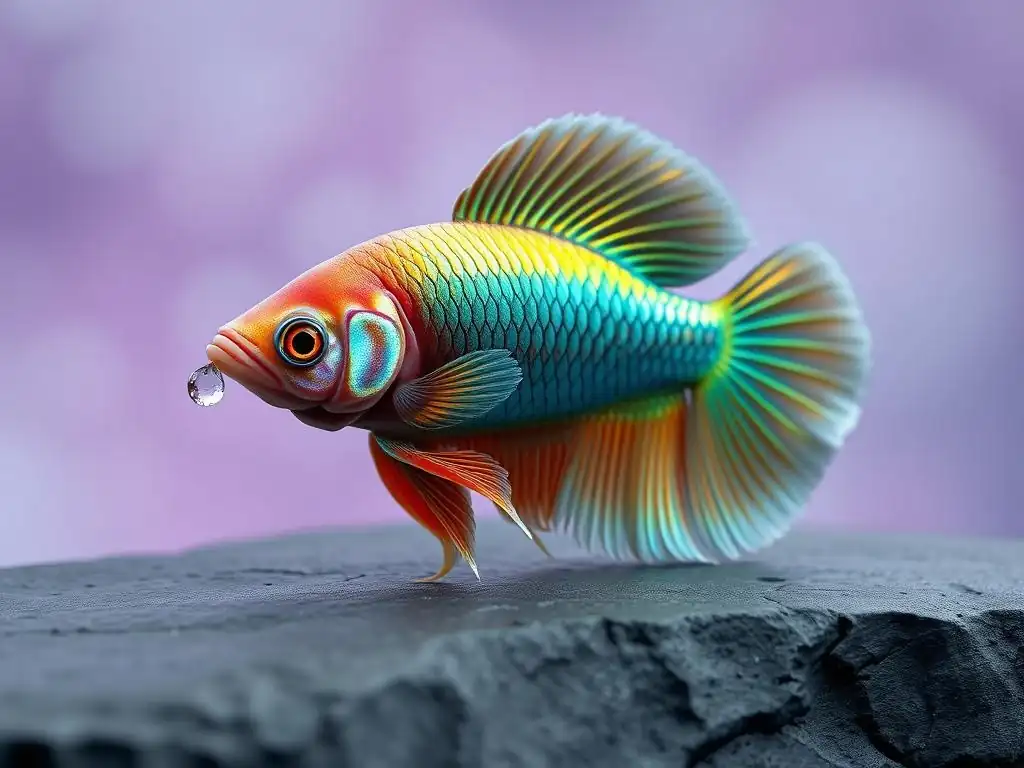
As Bettas age, one of the most common physical signs is a noticeable fading or dulling of their vibrant colors. This is often due to a natural decrease in melanin production and other pigment cells, similar to how hair grays in humans. A once brilliantly colored red or blue Betta might gradually appear muted, with less intensity in its hues.
In addition to color changes, the quality of their scales can also diminish. Older Bettas might develop scales that appear rougher, less iridescent, or even slightly opaque. While this is a normal part of Bettas aging gracefully, it's important to differentiate it from conditions like velvet or columnaris, which cause specific color loss patterns or slimy patches.
Decreased Fin Quality and Growth in Older Bettas
The elaborate fins of Betta fish are often one of their most striking features, but as they age, these too can show signs of wear and tear. Older Bettas may exhibit decreased fin quality, with their fins appearing more brittle, tattered, or less full than in their younger years, even in the absence of fin rot. The fin rays might become less resilient, making them more prone to minor tears from decor or even their own movements.
Furthermore, the rate of fin growth, which is typically quite robust in young Bettas, slows considerably in senior fish. Regenerative capabilities diminish, meaning that any damage to the fins takes much longer to heal, if it heals completely at all. This reduced regeneration is a key indicator of Bettas aging gracefully and reduced vitality.
Changes in Body Shape and Mobility in Aging Bettas
As Bettas age, their body shape can undergo subtle changes. They might appear slightly thinner due to muscle atrophy, even if they are eating regularly, or in some cases, develop a slight hunching of the spine. Their overall body structure might seem less robust and flexible than in their prime.
Mobility is also significantly impacted. Older Bettas will generally swim slower, with more deliberate and less agile movements. They may struggle to navigate through dense plant cover or against even a gentle current. Difficulty maintaining buoyancy or resting more often near the bottom or surface are also common signs, indicating that their muscles and swim bladder might not be functioning as efficiently as they once did.
Behavioral Changes Indicating Old Age in Bettas
Reduced Activity Levels and Lethargy in Older Bettas
One of the most telling behavioral changes in aging Bettas is a significant reduction in their overall activity levels. A young Betta is typically an active swimmer, patrolling its territory, flaring at its reflection, and constantly exploring. In contrast, an older Betta will spend considerably more time resting, often at the bottom of the tank, on a leaf, or near the surface.
This increased lethargy means less active swimming, reduced exploratory behavior, and a general lack of enthusiasm for activities they once enjoyed. They might still respond to your presence, but their movements will be slower and less energetic. This diminished vigor is a clear sign of Bettas aging gracefully, as their energy reserves naturally decrease.
Decreased Appetite and Feeding Difficulties in Senior Bettas
As Bettas age, their metabolism naturally slows down, which often leads to a decreased appetite. They may show less interest in food during feeding times, take longer to consume their meals, or even spit out food that they once readily accepted. This can make ensuring they receive adequate nutrition a challenge.
Beyond just a reduced appetite, older Bettas can also experience feeding difficulties due to weaker jaws or digestive issues. They might struggle to chew harder pellets or larger pieces of frozen food. Monitoring their food intake closely is crucial to prevent malnutrition, which can exacerbate other health issues.
Changes in Social Behavior and Interaction in Aging Bettas
While Bettas are generally solitary fish, they often show distinct personalities and interact with their owners. As they age, these interactions may diminish. An older Betta might become less responsive to your presence, show less interest in "dancing" or flaring at you, and generally prefer solitude.
If housed in a carefully chosen community tank (though this is often not recommended for Bettas, especially older ones), an aging Betta might become even more reclusive or, conversely, more irritable due to reduced tolerance for perceived threats or competition. Their once prominent personality might seem subdued, as their energy is conserved for essential functions rather than social engagement.
Common Health Issues Affecting Aging Bettas
Fin Rot and Other Infections in Older Bettas
Aging Bettas often have weakened immune systems, making them significantly more susceptible to common health issues like fin rot, fungal infections, and bacterial diseases. Even minor stress or slight deviations in water quality that a younger Betta could easily fight off can lead to severe infections in a senior fish. Fin rot, characterized by frayed or disintegrating fins, is particularly common due to their reduced healing capacity.
Fungal infections, often appearing as white, cotton-like growths on the body or fins, and various bacterial infections (e.g., columnaris, dropsy) are also more prevalent. Vigilant observation and maintaining pristine water conditions are paramount, as early detection and treatment are critical to prevent these infections from becoming life-threatening.
Tumors and Growths in Senior Bettas
As with many older animals, senior Betta fish are prone to developing various types of tumors or growths. These can appear as lumps or bumps on their body, fins, or even internally. While some growths may be benign and not significantly impact the fish's quality of life, others can be malignant or grow to a size that impedes movement, feeding, or organ function.
The exact cause of these tumors is often unknown, but genetics and environmental factors are believed to play a role. If a growth is observed, monitoring its size and impact on the Betta's behavior and mobility is important. Unfortunately, surgical removal is rarely an option for fish of this size, so management often focuses on supportive care.
Swim Bladder Disorder and Difficulty Swimming in Aging Bettas
Swim bladder disorder (SBD) is a common ailment in Bettas, and aging fish are particularly vulnerable. It manifests as difficulty maintaining buoyancy, causing the fish to float uncontrollably, sink to the bottom, or swim upside down. While SBD can be caused by bacterial infections, it is often linked to digestive issues such as constipation, which is more common in older Bettas due to their slower metabolism and potential feeding difficulties.
The weakened organs and muscles associated with Bettas aging gracefully can also contribute to SBD. If left untreated, severe SBD can prevent the Betta from reaching the surface for air, leading to suffocation, or make it impossible for them to eat. It is one of the more debilitating health issues senior Bettas face.
Providing Comfort and Care for Senior Bettas
Optimizing Tank Conditions for Older Bettas
Maintaining Ideal Water Parameters for Aging Bettas
Maintaining pristine and stable water parameters is absolutely crucial for the health and comfort of aging Bettas. Their weakened immune systems and reduced resilience mean they are far less tolerant of fluctuations or the presence of toxins. Ammonia and nitrite levels must consistently be at 0 parts per million (ppm), and nitrates should be kept below 20 ppm, ideally closer to 5-10 ppm. Regular water testing with a reliable liquid test kit is non-negotiable.
The water temperature should be kept stable between 78-80°F (25.5-26.7°C), as even slight swings can cause significant stress to an older Betta. A stable pH, ideally between 6.5 and 7.5, also contributes to their comfort. Consistent, high-quality water directly supports their overall health and helps prevent a myriad of potential health issues.
Lowering Water Levels and Adding Resting Places for Senior Bettas
As Bettas age, their mobility decreases, and swimming to the surface for air can become strenuous. To ease this burden, consider lowering the water level in their tank by an inch or two, especially if they show signs of labored breathing or difficulty reaching the surface. This seemingly small adjustment can significantly reduce the effort required for them to access atmospheric oxygen.
Additionally, providing ample resting places near the surface is vital. Betta hammocks, large-leafed live plants (such as Anubias or Java Fern), or soft, smooth decorations positioned just below the water line offer comfortable spots where they can rest without expending much energy. These resting spots help reduce stress and conserve energy, allowing senior Bettas to live out their days more comfortably.
Gentle Filtration and Water Changes for Aging Bettas
Strong water currents can be incredibly exhausting and stressful for older Bettas, whose swimming abilities are diminished. Opt for a gentle filtration system, such as a sponge filter, or baffle the outflow of a hang-on-back filter to reduce the current. The goal is to provide adequate filtration without creating a turbulent environment that forces the Betta to constantly fight against the flow.
While water quality is paramount, large, infrequent water changes can be shocking to an aging Betta's system. Instead, perform smaller, more frequent water changes – for example, 10-15% twice a week rather than a single 25-30% weekly change. This approach helps maintain consistent water parameters and cleanliness without causing undue stress or temperature fluctuations, supporting Bettas aging gracefully.
Adjusting Feeding Strategies for Older Bettas
Offering Smaller, More Frequent Meals to Aging Bettas
As Bettas age, their metabolism slows down, and their digestive system may become less efficient. Consequently, they may struggle to process larger quantities of food at once, and overfeeding can easily lead to digestive health issues like constipation or swim bladder disorder. To accommodate this, it's beneficial to offer smaller, more frequent meals.
Instead of one large feeding per day, try feeding two or three tiny meals throughout the day. This approach ensures they receive adequate nutrition without overwhelming their system. Monitor their intake closely to ensure they are actually eating and not just ignoring the food, adjusting portion sizes as needed to prevent uneaten food from fouling the water.
Soaking Food to Aid Digestion in Senior Bettas
Dry foods, such as pellets, expand significantly when they absorb water. If ingested dry, this expansion can occur in the Betta's stomach, potentially causing discomfort, bloating, or even constipation, which can lead to severe health issues like swim bladder disorder. For aging Bettas with potentially compromised digestive systems, this risk is amplified.
To mitigate this, always soak dry pellets or flakes in a small amount of tank water for 5-10 minutes before offering them to your senior Betta. This softens the food and allows it to expand fully before consumption, making it much easier for the fish to digest. This simple step can significantly improve their digestive health and comfort.
Choosing Easily Digestible Foods for Older Bettas
Selecting the right type of food is crucial for senior Bettas. Their digestive systems are not as robust as they once were, so highly digestible foods are preferred. High-quality Betta pellets formulated for optimal nutrition are a good base, but consider supplementing with soft, easily consumed options.
Frozen daphnia or bloodworms (thawed thoroughly before feeding) are excellent choices, as they are rich in protein and generally easy for Bettas to digest. Live brine shrimp, if available from a reputable source, also offer good nutrition and are highly palatable. Avoid hard, large, or overly fibrous foods, which can be difficult for an aging Betta to chew and process, ensuring they get the necessary nutrients to support Bettas aging gracefully.
Minimizing Stress and Providing a Calm Environment for Senior Bettas
Reducing Tank Mates and Aggression in Aging Bettas
For an aging Betta, a peaceful and solitary environment is almost always ideal. If your Betta is currently housed with tank mates, even seemingly docile ones like snails or certain small community fish, consider moving them or providing your Betta with its own dedicated tank. The presence of other fish, even if there's no overt aggression, can be a constant source of stress due to competition for food, space, or simply their presence.
An older Betta has less energy to cope with stress, and constant low-level anxiety can severely impact their immune system, making them more susceptible to health issues. A solitary environment allows them to rest undisturbed and conserves their precious energy.
Providing Ample Hiding Places and Dim Lighting for Older Bettas
Senior Bettas often feel more vulnerable and benefit greatly from a sense of security. Providing ample hiding places, such as soft, live plants (like Java moss or Anubias), smooth caves, or driftwood, allows them to retreat and feel safe whenever they wish. These spots offer refuge from perceived threats and provide a calm space for rest.
Additionally, consider dimming the tank lights or ensuring the tank is not in direct, harsh light. Intense lighting can be stressful for older Bettas, who may prefer a more subdued environment. A calm, dimly lit tank with plenty of cover helps reduce anxiety and promotes overall well-being, contributing to Bettas aging gracefully.
Avoiding Sudden Changes in the Tank Environment for Aging Bettas
Stability is paramount for the well-being of an aging Betta. Sudden or drastic changes to their tank environment can be incredibly stressful and potentially detrimental to their already fragile health. This includes abrupt temperature swings, large and rapid water parameter fluctuations, or sudden rearrangements of tank decor.
When performing maintenance, aim for consistency. If you need to make changes, introduce them gradually. For example, if adding new decor, do so slowly over a few days rather than entirely re-scaping the tank at once. Maintaining a predictable and stable environment helps minimize stress, allowing your senior Betta to live out its remaining time in comfort and peace.
Treating Common Ailments in Aging Bettas
Addressing Fin Rot and Infections in Senior Bettas
Salt Baths and Medication for Treating Fin Rot in Older Bettas
Fin rot is a common bacterial infection, and older Bettas are particularly susceptible due to their compromised immune systems. For mild cases, daily salt baths can be highly effective. Prepare a separate container with tank water at the same temperature and add 1 teaspoon of aquarium salt per gallon. Gently place the Betta in this bath for 10-15 minutes, once or twice a day, ensuring they don't show signs of severe distress.
For more severe or persistent fin rot, or other bacterial infections, broad-spectrum antibiotics are often necessary. Medications like Seachem Kanaplex or API Furan-2, administered according to package directions, can be effective. Always use a quarantine tank for treatment to avoid medicating the main tank and follow the full course of treatment, even if symptoms improve quickly.
Monitoring and Preventing Secondary Infections in Aging Bettas
A Betta with a weakened immune system from aging or an existing primary infection is highly vulnerable to secondary infections. For example, fin rot, if left untreated, can open the door for fungal infections (appearing as white, cottony growths) or more severe internal bacterial health issues. Daily, close monitoring of your senior Betta is critical to spot any new lesions, changes in breathing, or unusual growths.
Preventative measures are the best defense. Maintain impeccable water quality through consistent testing and appropriate water changes. Ensure the tank environment is calm and stress-free. Providing a nutritious diet also helps bolster their immune system. If a secondary infection is suspected, consult with a knowledgeable aquarist or aquatic veterinarian for appropriate treatment, as early intervention significantly improves outcomes.
Managing Swim Bladder Disorder in Older Bettas
Fasting and Pea Treatment for Swim Bladder Issues in Aging Bettas
Swim bladder disorder (SBD) in aging Bettas is often caused by constipation or diet-related issues. If your Betta is showing signs of SBD (difficulty swimming, floating, sinking), the first step is to fast them for 2-3 days. This allows their digestive system to clear. After fasting, offer a tiny piece (no larger than the Betta's eye) of blanched, deshelled pea. Peas act as a natural laxative and can help resolve buoyancy issues related to blockages.
If the SBD persists after this treatment, or if other symptoms like lethargy or clamped fins are present, the cause might be bacterial. In such cases, a broad-spectrum antibiotic like Maracyn Two or Kanaplex, administered in a hospital tank, may be required.
Adjusting Water Levels to Aid Swimming in Senior Bettas
For aging Bettas suffering from severe swim bladder disorder, the effort required to reach the surface for air can be exhausting and distressing. In such cases, temporarily lowering the water level in their tank can significantly alleviate this struggle. By reducing the vertical distance, you make it easier for them to access the vital atmospheric oxygen they need.
Additionally, providing large-leafed plants (live or silk) or a Betta hammock positioned just below the surface offers a convenient resting spot. This allows the Betta to rest near the air-water interface without expending excessive energy, providing comfort and preventing further exhaustion while they recover from their health issues.
Recognizing When to Consider Euthanasia for a Suffering Betta
Assessing Quality of Life and Chronic Pain in Aging Bettas
Making the decision to humanely euthanize a beloved pet is incredibly difficult, but it is an act of compassion when a Betta's quality of life has severely deteriorated with no hope of recovery. Signs to look for include prolonged and severe lethargy, complete refusal to eat for several days, constant gasping at the surface, severe and untreatable swim bladder disorder that prevents normal swimming, or visible tumors that impede vital functions or cause obvious discomfort. If the fish is clearly suffering, struggling daily, and all attempts at treatment have failed, then continued existence is likely causing chronic pain.
Chronic pain in fish is hard to definitively diagnose, but it can be inferred from consistent, abnormal behaviors like clamped fins, rapid and shallow breathing without an obvious cause, hiding constantly, or a complete lack of interest in their surroundings or the owner. When a Betta is no longer able to experience joy or comfort, and is instead enduring prolonged suffering from health issues, euthanasia becomes the most humane option.
Humane Euthanasia Options for Betta Fish
When the decision for euthanasia has been made, it's crucial to choose a humane method that minimizes stress and pain. The most widely accepted and recommended method for fish at home involves using clove oil (eugenol), which is a natural anesthetic. In a separate container, gently place the Betta in a small amount of tank water.
In another cup, mix a small amount of clove oil (e.g., 10 drops per liter of water) with tank water and shake vigorously to emulsify it. Slowly add this mixture to the Betta's container over 10-15 minutes. The Betta will gradually become sedated, then fall asleep, and eventually pass away peacefully.
Alternatively, for those who can perform it swiftly and decisively, a sharp, quick blow to the head can cause immediate brain death. However, this method requires precision and is often not recommended for inexperienced individuals, as it can cause further distress if not executed perfectly. The primary goal is always to provide a painless and dignified end when Bettas aging gracefully is no longer possible.
Promoting Bettas Aging Gracefully: Long-Term Care Tips
Regular Monitoring and Observation of Your Betta's Health
To promote Bettas aging gracefully and catch any health issues early, regular and diligent monitoring of your fish is paramount. Dedicate a few minutes each day to observe your Betta closely. Look for subtle changes in their color, fin condition, activity levels, and breathing patterns. Note any changes in appetite or unusual behaviors, such as rubbing against decor or hiding more than usual.
Beyond daily quick checks, perform a more detailed inspection weekly. Examine their body for any new growths, lesions, or signs of scale damage. Early detection of even minor changes allows for prompt intervention, which can prevent a small issue from escalating into a severe, life-threatening condition. This proactive approach significantly contributes to their longevity and quality of life.
Proactive Measures to Prevent Disease in Betta Fish
Preventing disease is far more effective than treating it, especially for aging Bettas with weakened immune systems. The cornerstone of disease prevention is maintaining pristine water quality through consistent testing and appropriate water changes. Ammonia and nitrite should always be zero, and nitrates kept low. Providing a balanced, high-quality diet tailored to their age and activity level ensures they receive essential nutrients to bolster their immune system.
Furthermore, ensure stable tank temperatures and a low-stress environment. Avoid overcrowding or incompatible tank mates. Quarantining any new fish or plants for several weeks before introducing them to the main tank is a crucial proactive measure to prevent the introduction of pathogens. These comprehensive preventative steps are vital for supporting Bettas aging gracefully and minimizing their susceptibility to common health issues.
Creating a Supportive and Enriching Environment for Your Betta Throughout Its Life
To ensure Bettas aging gracefully, it is essential to create a supportive and enriching environment from the very beginning of their lives. This starts with providing an appropriately sized tank, ideally a minimum of 5 gallons for a single Betta, equipped with a heater to maintain stable temperatures and a gentle filter. The tank should be decorated with varied elements like live or silk plants, smooth caves, and driftwood, offering both stimulation and ample hiding places.
Throughout their life, gentle interaction, such as talking to your Betta or offering a single, small treat by hand, can enhance their well-being. As they age, adapt the environment to their changing needs, providing more resting spots and reducing strong currents. By consistently offering a safe, clean, and stimulating habitat, you empower your Betta to live a full, comfortable, and happy life, even as they show the natural signs of aging.
Frequently Asked Questions
How can I tell if my Betta is getting old?
The signs of aging in Bettas include faded colors, decreased activity levels, and physical changes like spinal curvature. These are natural processes and indicate your Betta is entering its senior years.
What are some common health issues that affect aging Bettas?
Older Bettas are more susceptible to diseases like fin rot, dropsy, and tumors. They might also experience organ failure and weakened immune systems, making them more vulnerable to infections.
How can I provide a comfortable environment for my aging Betta?
Maintain pristine water quality through regular water changes and filtration. Offer a varied diet of high-quality foods and keep the tank temperature stable to reduce stress.
What changes should I make to my Betta's diet as it ages?
Consider switching to softer foods that are easier to chew and digest. You might also need to reduce the portion size to prevent overfeeding, as their metabolism slows down.
When is it time to consider euthanasia for my aging Betta?
If your Betta is experiencing chronic pain, has lost its appetite, and is no longer responsive to treatment, euthanasia might be the kindest option. Consult a veterinarian experienced with fish for guidance.
Final Reflection: Bettas Aging Gracefully
The journey of a Betta fish, from vibrant youth to serene old age, mirrors the universal cycle of life. Understanding the nuances of Bettas aging gracefully is not merely about recognizing physical signs; it's about acknowledging the profound responsibility we undertake when welcoming these creatures into our lives, ensuring their final chapter is filled with comfort and dignity. This awareness is crucial now, as the popularity of Betta keeping continues to rise, demanding a deeper commitment to their well-being beyond aesthetic appeal.
The subtle shifts in behavior and appearance that mark a Betta's senior years often go unnoticed, leading to unnecessary suffering. My own experiences observing these changes have underscored the importance of proactive care and a compassionate understanding of their needs. The greatness of a nation and its moral progress can be judged by the way its animals are treated.
- Mahatma Gandhi. This quote resonates deeply when considering the care we provide to our Betta companions, urging us to prioritize their comfort and quality of life as they navigate the challenges of aging.
As you reflect on the information shared, consider how you can apply these insights to your own Betta's life, or share this knowledge with fellow enthusiasts. Let us all strive to be more attentive, more compassionate, and more informed caregivers, ensuring that every Betta, regardless of age, experiences a life filled with comfort, dignity, and the gentle grace they so richly deserve.
Nurture Your Senior Betta: Extend Their Golden Years
Thank you for diving into the world of aging bettas and learning how to provide the best care for your finned friend. Now that you're equipped with the knowledge to recognize and address the unique needs of senior bettas, let's take action to ensure their comfort and well-being.
- Prioritize water quality like never before: Implement more frequent, smaller water changes to minimize stress on your aging betta's system, helping to keep their environment pristine and comfortable.
- Unveil new enrichment options: Introduce a resting platform near the surface or explore new gentle, flowing plant life to provide a sense of security and exploration in their twilight years.
- Share your newfound betta wisdom:Help fellow betta keepers by sharing this article with others who might be caring for senior fish, contributing to a community of informed and compassionate betta owners.
What small change will you make today to improve the quality of life for your aging betta?