
The Surprising Benefits of Keeping Snails in Your Freshwater Aquarium

Welcome to Aquarium Mastery!
Ever wondered about the unsung heroes of the freshwater aquarium? Beyond their slow and steady pace lies a world of surprising benefits. This article dives deep into the fascinating world of Freshwater aquarium snail benefits, uncovering how these often-overlooked invertebrates can contribute to a thriving and balanced ecosystem. Intrigued? Let's explore!
- Understanding the Role of Freshwater Snails in Your Aquarium Ecosystem
-
Top 5 Freshwater Aquarium Snail Benefits
- 1. Algae Control: Natural Algae Eaters for a Cleaner Tank
- 2. Detritus Removal: Keeping Your Aquarium Substrate Clean
- 3. Improved Water Quality: The Snail's Contribution to a Healthy Environment
- 4. Aeration of Substrate: Promoting Healthy Root Growth for Plants
- 5. Natural Beauty and Observation: Enhancing the Aesthetic Appeal
- Choosing the Right Freshwater Snail for Your Aquarium
- Responsible Snail Keeping: Avoiding Overpopulation and Maintaining a Balanced Ecosystem
- Potential Downsides of Keeping Snails in Freshwater Aquariums
- Enhancing Your Freshwater Aquarium with Snails: A Summary of Benefits
-
Frequently Asked Questions
- What are the primary benefits of keeping snails in a freshwater aquarium?
- Which types of snails are most recommended for a freshwater aquarium focused on algae control?
- Do snails help improve the water quality in a freshwater aquarium?
- Can snails overpopulate a freshwater aquarium, and if so, how can I manage it?
- Are there any potential downsides or risks associated with introducing snails to my freshwater aquarium?
- Final Reflection: The Silent Symphony of Snails
- Dive Deeper: Unleash the Power of Snails in Your Aquarium!
Understanding the Role of Freshwater Snails in Your Aquarium Ecosystem
Why Consider Adding Snails to Your Freshwater Tank?
For many aquarists, the thought of adding snails to a freshwater aquarium might immediately conjure images of uncontrolled populations and unsightly messes. However, this perception often overlooks the vital ecological roles these invertebrates play in aquatic environments, mirroring their contributions in natural ecosystems. Snails are natural scavengers and decomposers, constantly grazing on biofilm, algae, and decaying organic matter, which are all present in an aquarium. Integrating them can significantly enhance the overall health and stability of your freshwater aquarium.
Beyond their cleanup duties, snails contribute to the biological filtration process by breaking down waste into more manageable forms for beneficial bacteria. Their continuous movement across surfaces and through the substrate helps to distribute these bacteria and prevent stagnant areas. When understood and managed correctly, the advantages of freshwater snails in maintaining a balanced and thriving aquatic environment are numerous, making them far more than just decorative additions.
Debunking Common Myths About Aquarium Snails
One of the most persistent myths surrounding freshwater aquarium snails is that they are inherently "pests" that will inevitably overrun a tank. The reality is that snail overpopulation is almost always a symptom of an underlying issue, primarily overfeeding the fish. When excess food is available, snails have an abundant food source, leading to rapid reproduction. In a properly maintained freshwater aquarium with controlled feeding, snail populations typically remain at manageable levels, providing their beneficial services without becoming a nuisance.
Another common misconception is that snails will destroy live aquarium plants. While some snail species, like the invasive Apple Snail ( Pomacea canaliculata, often confused with the common Mystery Snail), are known to consume healthy plant tissue, the most common and beneficial aquarium snails, such as Nerite, Mystery ( Pomacea bridgesii), and Ramshorn snails, primarily feed on decaying plant matter, algae, and biofilm. They act as a cleanup crew, removing dead leaves before they can decompose and foul the water, thus contributing to the health of a planted freshwater aquarium rather than detracting from it.
Top 5 Freshwater Aquarium Snail Benefits
1. Algae Control: Natural Algae Eaters for a Cleaner Tank
Specific Algae Types Consumed by Different Snail Species
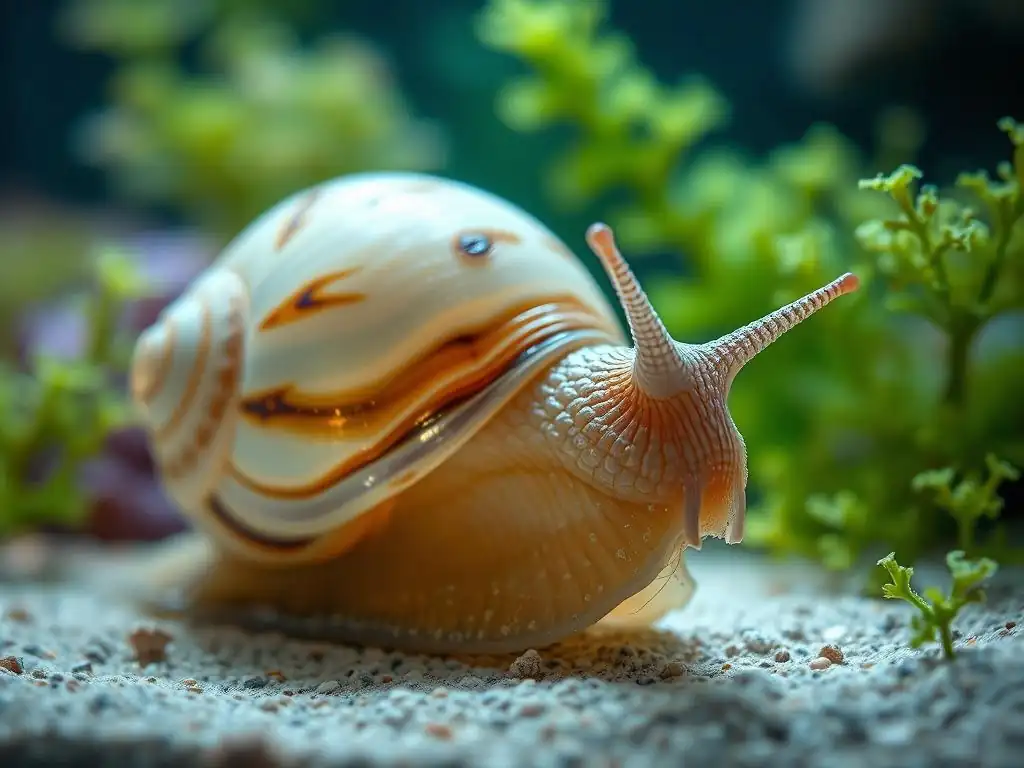
One of the most celebrated freshwater aquarium snail benefits is their unparalleled ability to control algae. Different snail species specialize in consuming various types of algae, making them highly effective natural cleaners. For instance, Nerite snails (e.g., Zebra Nerite, Horned Nerite, Tiger Nerite) are renowned for their voracious appetite for tough green spot algae, diatoms (brown algae), and even some forms of green hair algae that other tank inhabitants might ignore. Their rasping mouthparts are incredibly efficient at scraping these stubborn algae off glass, rocks, and plant leaves.
Ramshorn snails, while less powerful than Nerites for hard algae, excel at consuming softer green film algae, decaying plant matter, and biofilm. Mystery snails, though not primarily algae eaters, will graze on soft film algae found on surfaces. For a 20-gallon freshwater aquarium, two to three Nerite snails can significantly reduce diatom buildup within a few weeks, maintaining clearer viewing panes and healthier plant surfaces. This targeted grazing action is a key aspect of freshwater aquarium snail benefits.
Avoiding Algae Overgrowth with the Right Snail Population
Strategic stocking of snails can be a proactive measure against algae outbreaks, contributing significantly to a balanced freshwater aquarium. Instead of waiting for an algae problem to escalate, introducing a suitable number of snails from the outset can help prevent its establishment. For example, a single Nerite snail can effectively manage the algae growth in a 5-10 gallon tank, continuously grazing and preventing the buildup that often plagues newer setups.
However, it's crucial to match the snail population to the available algae and tank size. Overstocking snails in a tank with minimal algae can lead to starvation or necessitate supplemental feeding, which, if not managed, could contribute to nutrient excess. The goal is to create a harmonious balance where snails act as a constant maintenance crew, working alongside proper lighting, nutrient control, and regular water changes to ensure the long-term clarity and health of your freshwater aquarium.
2. Detritus Removal: Keeping Your Aquarium Substrate Clean
How Snails Help Break Down Organic Waste
Another significant freshwater aquarium snail benefit is their role as highly efficient detritus consumers. Snails, particularly species like Ramshorn snails, Bladder snails, and Mystery snails, constantly scour the aquarium for uneaten fish food, decaying plant leaves, and fish waste. Their continuous grazing and digestive processes break down larger organic particles into smaller, more manageable components. This action not only cleans up unsightly debris but also makes these organic compounds more accessible for beneficial nitrifying bacteria to process.
This constant breakdown of organic matter prevents it from accumulating and rotting, which can otherwise lead to detrimental water quality issues. For instance, a small colony of a dozen Ramshorn snails in a 10-gallon tank can noticeably reduce the visible detritus layer on the substrate within a few days, especially in areas where uneaten food might settle. This active consumption minimizes the potential for anaerobic decomposition, which can produce harmful gases.
Preventing Ammonia Spikes with Snail Detritus Consumption
The consumption of organic detritus by snails directly contributes to preventing dangerous ammonia spikes in a freshwater aquarium. When uneaten food and decaying plant matter decompose, they release ammonia, a highly toxic compound to fish. By actively consuming this detritus, snails reduce the overall bioload and the amount of material available for decomposition, thereby lessening the potential for ammonia to accumulate.
While snails do produce their own waste, their contribution to detritus removal often outweighs this, especially in a well-filtered and appropriately stocked tank. This action provides a critical buffer, particularly in tanks that might experience occasional slight overfeeding or during the initial cycling phase. The proactive removal of waste by snails enhances the stability of the nitrogen cycle, ensuring a safer and healthier environment for all inhabitants of the freshwater aquarium, highlighting a core freshwater aquarium snail benefit.
3. Improved Water Quality: The Snail's Contribution to a Healthy Environment
Snails as Bio-Indicators of Water Quality
Snails can serve as surprisingly effective bio-indicators of water quality in a freshwater aquarium, providing early warnings of potential issues. Many common aquarium snail species, such as Mystery snails and Nerite snails, are sensitive to sudden or drastic changes in water parameters like pH, temperature, or the presence of ammonia and nitrite. If water conditions become unfavorable, these snails may exhibit noticeable changes in behavior.
For example, a Mystery snail might become lethargic, withdraw into its shell for extended periods, or stop moving entirely for a day or two, even when healthy. Such behavior should prompt an aquarist to immediately test water parameters for ammonia, nitrite, and nitrate. This early warning system can allow the aquarist to address water quality issues before they severely impact more sensitive fish, making them an invaluable, albeit subtle, freshwater aquarium snail benefit.
The Role of Snails in the Nitrogen Cycle
Beyond being indicators, snails play an active, albeit indirect, role in the nitrogen cycle within a freshwater aquarium. As they consume organic waste and algae, they process these materials and excrete their own waste, which contains nitrogenous compounds. More importantly, their constant grazing on surfaces helps to maintain and distribute the beneficial nitrifying bacteria that are crucial for converting toxic ammonia and nitrite into less harmful nitrate.
By keeping surfaces free of thick, suffocating layers of detritus and algae, snails ensure that these bacteria have ample oxygen and surface area to colonize and thrive. While snails do add to the overall bioload, their continuous processing of waste and their contribution to a healthy bacterial ecosystem generally lead to a more efficient and stable nitrogen cycle. This comprehensive contribution to water health is a significant freshwater aquarium snail benefit, often underestimated by aquarists.
4. Aeration of Substrate: Promoting Healthy Root Growth for Plants
How Snails Help Prevent Anaerobic Pockets
One of the less obvious, yet highly valuable, freshwater aquarium snail benefits is their role in substrate aeration. Certain snail species, most notably Malaysian Trumpet Snails (MTS), are burrowing invertebrates that spend a significant portion of their time tunneling through the aquarium substrate. This constant movement prevents the substrate from compacting, which can lead to the formation of anaerobic pockets. These oxygen-deprived zones are dangerous because they can accumulate toxic hydrogen sulfide gas, identifiable by a rotten egg smell, which is harmful to both fish and plant roots.
A healthy population of 15-20 MTS in a 20-gallon planted tank can effectively churn the top 1-2 inches of substrate, ensuring continuous water circulation and oxygenation within the root zone. This natural tilling action is far gentler and more consistent than manual stirring, minimizing disturbance to the root systems of aquatic plants.
Benefits of Substrate Aeration for Planted Tanks
The aeration provided by burrowing snails like MTS is particularly beneficial for planted freshwater aquariums. Healthy plant root growth requires access to oxygen and nutrients. By preventing substrate compaction, snails ensure that oxygenated water can penetrate deeper into the substrate, allowing plant roots to breathe and absorb nutrients more efficiently. This leads to stronger, more robust plant growth and helps prevent common issues like root rot.
Furthermore, a well-aerated substrate prevents the "smothering" of beneficial bacteria that reside within the substrate and contribute to nutrient cycling. It also allows for better distribution and uptake of root tabs or other substrate fertilizers. The consistent, gentle churning by snails creates an optimal environment for aquatic plants to thrive, making them an excellent, low-maintenance asset for any planted freshwater aquarium.
5. Natural Beauty and Observation: Enhancing the Aesthetic Appeal
Different Snail Species and Their Unique Characteristics
Beyond their functional roles, freshwater aquarium snails add a unique dimension of natural beauty and visual interest to any tank. Many species boast stunning shell patterns and vibrant colors that can rival those of some fish. Nerite snails, for example, come in an array of captivating designs, including striped Zebra Nerites, spotted Tiger Nerites, and the charming Horned Nerites with their distinctive protrusions, offering diverse aesthetic appeal.
Mystery snails are known for their larger size (up to 2 inches) and graceful movements, available in striking colors such as blue, gold, ivory, and purple. Ramshorn snails, though smaller, also come in attractive shades of red, pink, blue, and brown, adding subtle pops of color. These varied appearances ensure that snails are not just hidden clean-up crews but active, visually engaging inhabitants that enhance the overall aesthetic of your freshwater aquarium.
Observing Snail Behavior and Life Cycle in the Aquarium
The presence of snails also offers a fascinating opportunity for observation, enriching the aquarist's experience. Their slow, deliberate movements provide a calming and meditative viewing experience. You can spend hours watching a Nerite snail meticulously scrape algae off the glass, or a Mystery snail extend its long siphon to breathe at the water surface, or a Ramshorn gracefully glide across a plant leaf. Each species exhibits unique behaviors, from grazing patterns to shell maintenance.
For families, especially those with children, observing the life cycle of snails, from tiny eggs (for species like Mystery or Ramshorn snails) to fully grown adults, can be an educational and rewarding experience. This direct insight into the mini-ecosystem of a freshwater aquarium fosters appreciation for aquatic life and the delicate balance within the tank. These often-overlooked aspects contribute significantly to the freshwater aquarium snail benefits, making them a source of endless fascination.
Choosing the Right Freshwater Snail for Your Aquarium
Nerite Snails: Effective Algae Eaters with Varied Patterns
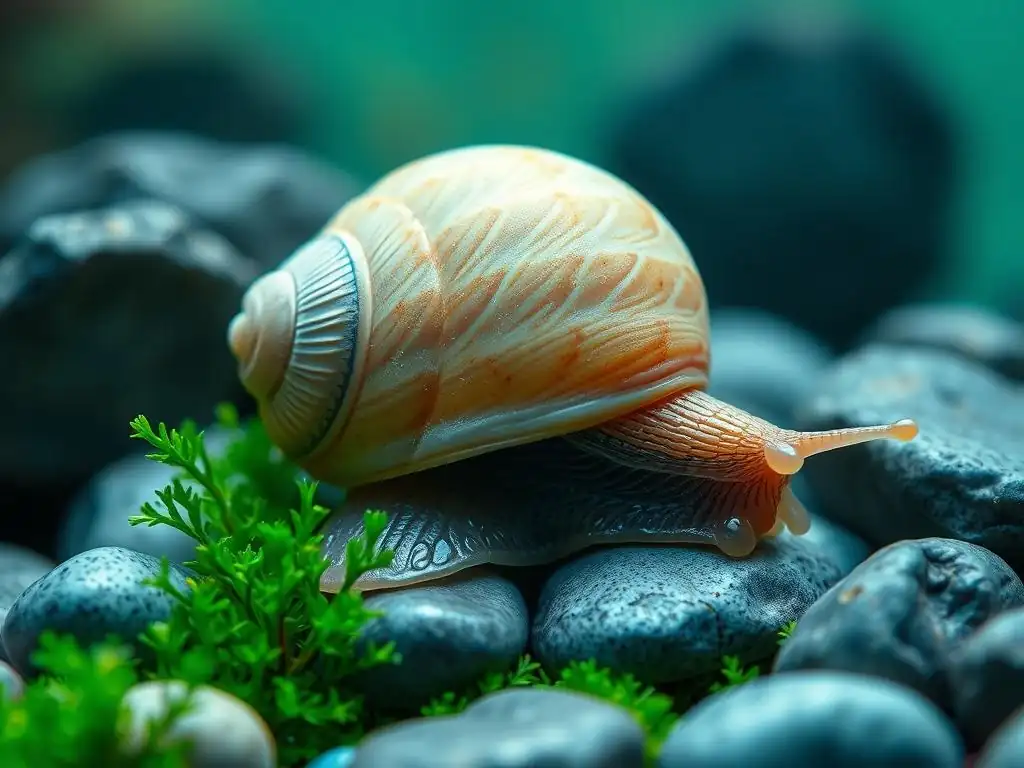
Nerite snails are arguably the most popular choice for algae control in freshwater aquariums, largely due to their incredible efficiency and inability to overpopulate. Species like the Zebra Nerite ( Neritina natalensis), Horned Nerite ( Clithon sp.), and Tiger Nerite ( Neritina pulligera) are celebrated for their distinctive shell patterns and their voracious appetite for tough algae, including green spot algae and diatoms. They are excellent at cleaning tank glass, rocks, and even hard-leaved plants without harming them.
A key advantage of Nerite snails is that they cannot reproduce in freshwater; their eggs require brackish or saltwater to hatch. This means you will never face an overpopulation issue with Nerites. They are hardy and relatively small, typically reaching about 1 inch in diameter, making them suitable for tanks as small as 5 gallons. They are peaceful and will not bother fish or other invertebrates, solidifying their status as a top choice for freshwater aquarium snail benefits.
Mystery Snails: Large and Active, Adding Personality to Your Tank
Mystery snails ( Pomacea bridgesii), often referred to as Apple snails (though distinct from the larger, invasive species), are another excellent addition to a freshwater aquarium. They are significantly larger than Nerites, often growing up to 2 inches in diameter, and are known for their active and engaging personalities. They are effective detritus eaters, consuming uneaten food and decaying plant matter, and will also graze on soft film algae.
Mystery snails come in a stunning array of colors, including blue, gold, ivory, and purple, adding vibrant visual appeal to the tank. They require calcium for healthy shell growth, so supplemental feeding with calcium-rich foods or adding crushed coral to the filter may be beneficial in soft water. They lay clutches of eggs above the waterline, which are easily removed if population control is desired, offering aquarists control over their numbers. They thrive in tanks 5-10 gallons and larger.
Ramshorn Snails: Beneficial Detritus Cleaners (But Can Multiply Quickly)
Ramshorn snails ( Planorbella spp.) are small to medium-sized snails, typically ranging from 0.5 to 1 inch, easily identifiable by their distinctive coiled, flat shell resembling a ram's horn. They are exceptionally efficient detritus cleaners and scavengers, voraciously consuming uneaten fish food, decaying plant matter, and various types of soft algae. They come in attractive colors such as red, pink, blue, and various shades of brown, adding a subtle touch of color.
While their cleaning abilities are a clear freshwater aquarium snail benefit, Ramshorn snails can reproduce very rapidly, especially if there's an abundant food source. They lay clear, gelatinous egg sacs on tank surfaces, which can be numerous. Aquarists considering Ramshorns should be mindful of their feeding habits to prevent overpopulation. They are ideal for tanks where a small, self-sustaining clean-up crew is desired, provided that food availability is strictly managed.
Assassin Snails: Controlling Pest Snail Populations
Assassin snails ( Anentome helena) are a unique and highly beneficial freshwater snail species, particularly for aquarists struggling with an overpopulation of other, smaller snails like bladder snails or ramshorns. These are carnivorous snails that actively hunt and consume other snails, providing a natural, chemical-free method of population control. They also scavenge on uneaten fish food and detritus, contributing to tank cleanliness.
Assassin snails are relatively small, typically growing up to 1 inch, and possess a striking yellow and black striped shell. Unlike many other snail species, they reproduce slowly in freshwater, so overpopulation is not a concern. They are peaceful towards fish and plants, making them an excellent choice for a community tank that needs snail population management. Their specialized diet and controlled reproduction make them a valuable addition, enhancing the overall freshwater aquarium snail benefits by maintaining ecological balance.
Responsible Snail Keeping: Avoiding Overpopulation and Maintaining a Balanced Ecosystem
Controlling Snail Population Growth: Methods and Considerations
The most effective and fundamental method for controlling snail population growth in a freshwater aquarium is managing food availability. Overfeeding fish directly leads to an excess food source for snails, which in turn triggers rapid reproduction, particularly for species like Ramshorn and Bladder snails. By reducing feeding to only what fish can consume within 2-3 minutes, once or twice daily, you significantly limit the snails' primary food source, naturally curbing their population.
Beyond food control, other methods can be employed. Manual removal is simple: place a blanched lettuce leaf or zucchini slice in the tank overnight to attract snails, then remove the leaf with the snails attached. Snail traps are also available. For persistent issues, introducing natural predators like Assassin Snails is a highly effective, biological solution. However, avoid chemical snail removers as they can be harmful to other invertebrates and even fish.
Providing the Right Diet for Your Aquarium Snails
While freshwater aquarium snails are excellent scavengers, relying solely on tank detritus may not always provide them with adequate nutrition, especially for larger species like Mystery snails or in very clean tanks. Supplemental feeding is often necessary to ensure their health and longevity. Offer sinking algae wafers, blanched vegetables such as zucchini, cucumber, or spinach, and calcium-rich foods.
Calcium is particularly crucial for healthy shell growth and maintenance. If your tap water is soft or has a low pH, snails may suffer from shell erosion or pitting. To counteract this, consider adding calcium supplements designed for aquariums, crushed coral, or cuttlebone to the filter or tank. A balanced diet and adequate calcium intake are essential for maximizing the freshwater aquarium snail benefits and ensuring their robust health.
Recognizing and Addressing Snail Health Issues
Like any other aquarium inhabitant, snails can experience health issues, often indicative of underlying problems in the freshwater aquarium environment. Common signs of distress include prolonged inactivity, withdrawal into the shell for extended periods, inability to right themselves if flipped, or visible shell damage such as pitting or thinning. Shell erosion is typically a sign of insufficient calcium or low pH in the water, which can dissolve their shells.
If you observe these symptoms, the first step is to test your water parameters immediately, focusing on pH, hardness (GH/KH), ammonia, and nitrite. Consistent water changes, maintaining stable parameters, and providing a calcium-rich diet are key preventative measures. If a snail dies, remove it promptly to prevent it from decomposing and contributing to ammonia spikes. Addressing these issues proactively ensures the snails continue to provide their freshwater aquarium snail benefits.
Potential Downsides of Keeping Snails in Freshwater Aquariums
Snail Overpopulation: When Snails Become a Pest
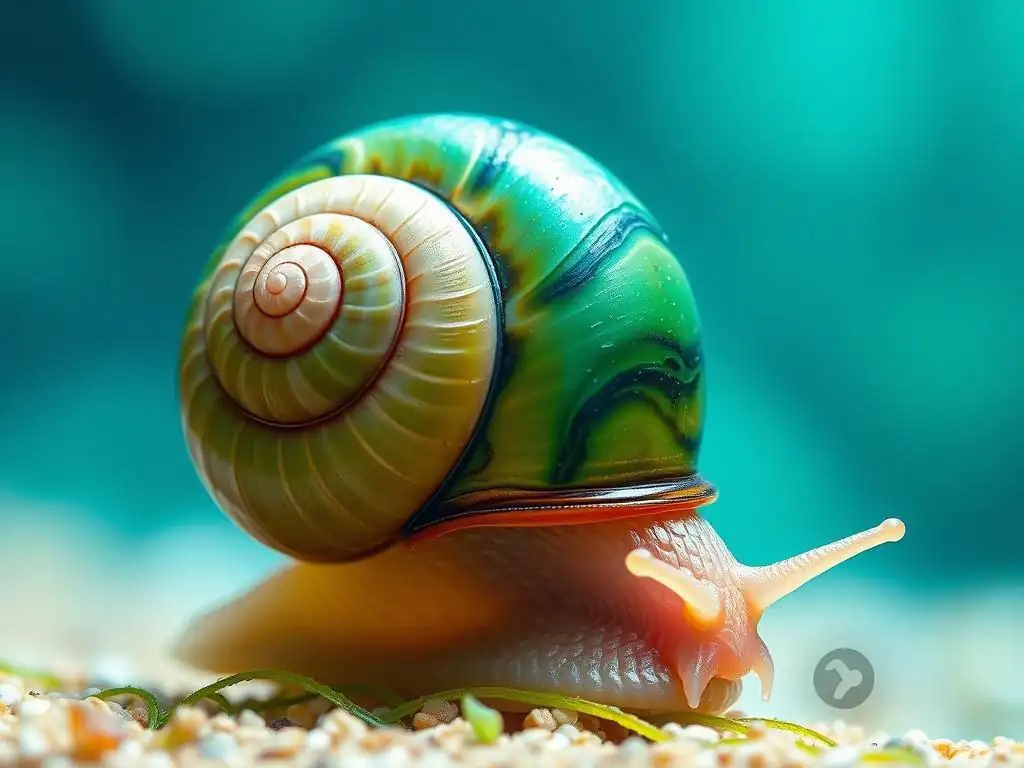
While the benefits of freshwater aquarium snails are numerous, the most significant potential downside is overpopulation. This typically occurs with prolific breeders like Ramshorn, Bladder, or Malaysian Trumpet Snails, especially when an abundant food source (e.g., uneaten fish food) is consistently available. A tank that initially houses a few dozen snails can quickly escalate to hundreds within a few weeks if unchecked, covering tank surfaces and becoming unsightly.
Beyond the aesthetic impact, a severe snail overpopulation can add a significant bioload to the freshwater aquarium, potentially overwhelming the beneficial bacteria in the filter and leading to compromised water quality. While individual snails contribute to cleaning, a massive number of them will produce a substantial amount of waste themselves, which can contribute to elevated nitrates and phosphates. This necessitates diligent management and understanding of the root cause (overfeeding) to prevent snails from transitioning from beneficial inhabitants to a nuisance.
Predation: Fish That Eat Snails
Another consideration when keeping freshwater aquarium snails is the risk of predation from certain fish species. While many community fish are peaceful towards snails, several popular aquarium fish are natural snail predators and will readily consume them. Loaches, particularly Clown Loaches ( Chromobotia macracanthus) and Yoyo Loaches ( Botia almorhae), are notorious for their ability to decimate snail populations, often consuming dozens in a single day.
Pufferfish, especially freshwater species like Dwarf Puffers ( Carinotetraodon travancoricus), are highly specialized snail eaters and will actively hunt and crush snail shells. Some larger cichlids may also view snails as a food source. Aquarists who wish to enjoy the freshwater aquarium snail benefits should research fish compatibility thoroughly and avoid housing snails with known snail-eating fish, as their presence will quickly eliminate the snail population.
Snail Eggs: Managing and Identifying
The presence of snail eggs can be a minor downside for some aquarists, particularly with species that reproduce readily. Mystery snails lay distinctive, pinkish-white clutches of eggs above the waterline, which are relatively easy to spot and remove by simply scraping them off. However, species like Ramshorn and Bladder snails lay numerous small, clear, gelatinous egg sacs on tank glass, plant leaves, and decorations. These egg sacs are often harder to detect and can contain dozens of tiny eggs.
While these eggs are harmless, their sheer number can be unsightly for some. Managing them requires diligence during routine tank maintenance, carefully inspecting surfaces and manually removing any visible egg sacs. For those who find the eggs aesthetically displeasing or are concerned about potential overpopulation, understanding the egg-laying habits of different species is crucial. This aspect, while manageable, is part of the considerations for maximizing freshwater aquarium snail benefits without undesired consequences.
Enhancing Your Freshwater Aquarium with Snails: A Summary of Benefits
The Positive Impact of Snails on Aquarium Health and Aesthetics
Integrating freshwater aquarium snails into your tank ecosystem offers a multitude of positive impacts on both the health and aesthetic appeal of your aquatic environment. From their tireless efforts in natural algae control, meticulously scraping away unsightly growths, to their vital role in detritus removal, breaking down organic waste before it can foul the water, snails are a powerful, natural cleaning crew. They contribute to improved water quality by aiding the nitrogen cycle and, in the case of burrowing species, aerating the substrate for healthier plant roots.
Beyond their functional contributions, the diverse forms, vibrant colors, and fascinating behaviors of various snail species add a unique dimension of natural beauty and engaging observation opportunities to any freshwater aquarium. When managed responsibly, these invertebrates become invaluable allies, reducing manual maintenance efforts and fostering a more stable, cleaner, and visually captivating habitat for all inhabitants.
Freshwater Aquarium Snail Benefits: A Recap
The comprehensive freshwater aquarium snail benefits underscore their value as more than just tank inhabitants; they are integral components of a balanced aquatic ecosystem. These advantages include:
- Natural Algae Control: Effectively consuming various types of algae, keeping surfaces clean.
- Efficient Detritus Removal: Breaking down uneaten food and decaying matter, reducing waste.
- Improved Water Quality: Contributing to the nitrogen cycle and acting as bio-indicators.
- Substrate Aeration: Preventing anaerobic pockets, especially beneficial for planted tanks.
- Enhanced Aesthetics & Observation: Adding beauty and providing fascinating behavioral insights.
Embracing snails in your freshwater aquarium, understanding their needs, and managing their populations responsibly will undoubtedly lead to a healthier, more vibrant, and more enjoyable aquatic experience.
Frequently Asked Questions
What are the primary benefits of keeping snails in a freshwater aquarium?
Snails offer numerous benefits including algae control, detritus removal, and aerating the substrate. They contribute to a balanced and healthy ecosystem within your tank.
Which types of snails are most recommended for a freshwater aquarium focused on algae control?
Nerite snails and Mystery snails are popular choices due to their efficient algae-eating abilities and relatively peaceful nature. However, research the specific needs of each species.
Do snails help improve the water quality in a freshwater aquarium?
Yes, snails indirectly improve water quality. By consuming algae and detritus, they reduce the buildup of organic waste, which can lead to lower ammonia and nitrate levels.
Can snails overpopulate a freshwater aquarium, and if so, how can I manage it?
Yes, some snail species can overpopulate. Managing their population involves limiting food availability, manually removing excess snails, and potentially introducing a snail-eating fish if appropriate.
Are there any potential downsides or risks associated with introducing snails to my freshwater aquarium?
Potential downsides include introducing parasites or diseases if snails aren't properly quarantined, and the possibility of them consuming live plants if algae isn't plentiful. Always research before adding any new species.
Final Reflection: The Silent Symphony of Snails
The exploration of freshwater aquarium snail benefits reveals more than just algae control; it unveils a miniature ecosystem thriving within glass walls, a testament to the delicate balance possible even in confined spaces. The surprising advantages, from nutrient cycling to aesthetic enhancement, underscore the profound impact these often-overlooked creatures have on the overall health and vibrancy of our aquatic environments.
The presence of snails in our aquariums has subtly, yet powerfully, reshaped our understanding of responsible fishkeeping. It's a reminder that even the smallest inhabitants play a crucial role in the grand scheme of things, teaching us about interdependence and the beauty of natural processes. In nature, nothing exists alone.
- Rachel Carson. This quote perfectly encapsulates the essence of a balanced aquarium, where snails contribute to a harmonious environment, enriching the lives of all its inhabitants.
As you consider the information presented, I encourage you to look beyond the surface of your own aquarium and contemplate the broader implications. How can you apply the principles of balance and interconnectedness to other aspects of your life? Embrace the opportunity to cultivate your own "silent symphony," fostering environments, both literal and metaphorical, where every element contributes to a thriving whole.
Dive Deeper: Unleash the Power of Snails in Your Aquarium!
Thanks for exploring the fascinating world of freshwater snails with us! We hope you've discovered some new insights into how these often-overlooked creatures can benefit your aquarium ecosystem. Ready to take your aquarium to the next level?
Here are a few ways to continue your snail journey:
- Take the Plunge: Carefully select and introduce your first snail species to your aquarium, paying close attention to their specific needs and your tank's parameters.
- Explore Snail Diversity: Research other snail varieties beyond what was mentioned, delving into their unique traits and aquarium compatibility.
- Share the Snail Love: Spark a conversation with fellow aquarium enthusiasts about your experiences with snails – what has worked, what hasn't, and what surprises you've encountered.
What unexpected benefits have you observed from snails in your own aquarium? Share your story in the comments below!