
Freshwater Snail Breeding Unveiled: From Eggs to Snailets

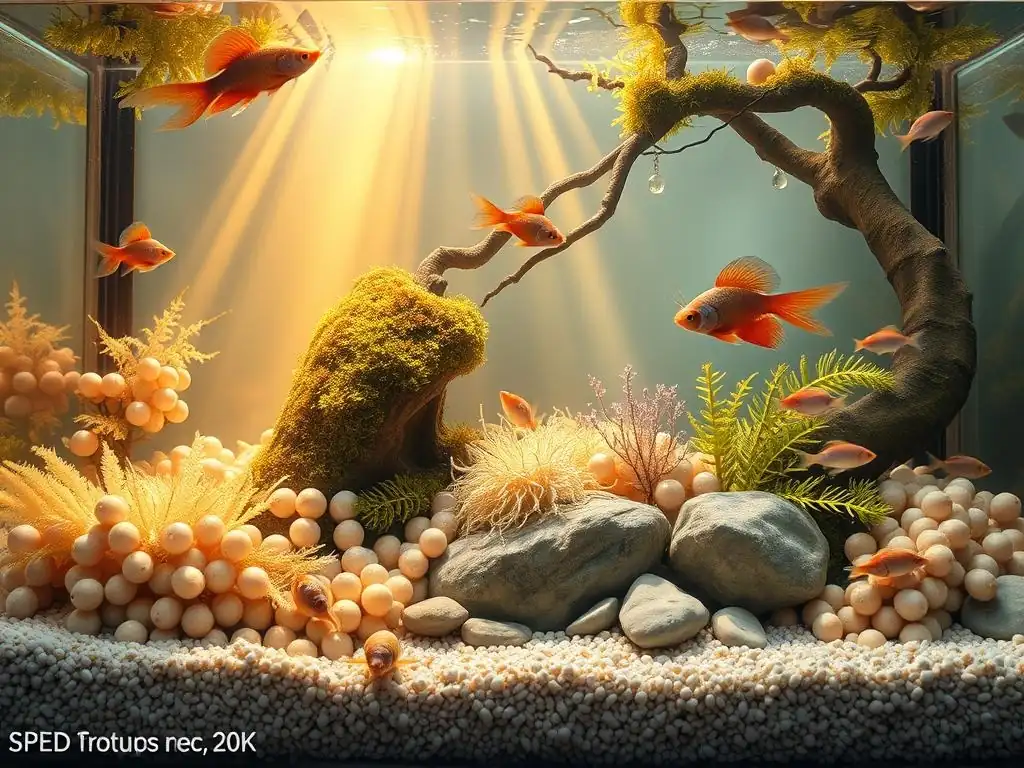
Welcome to Aquarium Mastery!
Ever wondered about the secret life of snails in your freshwater aquarium? Freshwater snail breeding can be a fascinating and rewarding experience, adding a new dimension to your underwater world. Dive in and discover essential tips and tricks to successfully nurture these incredible invertebrates, from the first eggs to adorable little "snailets." Get ready to unlock the secrets of thriving snail populations in your tank!
- Freshwater Shrimp Breeding Guide: From Berried Females to Shrimplets
- Understanding Freshwater Shrimp Reproduction for Aquarium Hobbyists
- Essential Freshwater Shrimp Breeding Tips for Success
- The Freshwater Shrimp Breeding Process: A Step-by-Step Guide
- Common Freshwater Shrimp Breeding Problems and Solutions
- Species-Specific Freshwater Shrimp Breeding Guides
- Mastering Freshwater Shrimp Breeding: Advanced Techniques
- Conclusion: Enjoying the Wonders of Freshwater Shrimp Breeding in Your Aquarium
- Frequently Asked Questions
- Final Reflection: The Delicate Dance of Life
- Unlock Your Snail Breeding Superpowers!
Freshwater Shrimp Breeding Guide: From Berried Females to Shrimplets
Understanding Freshwater Shrimp Reproduction for Aquarium Hobbyists
Why Breed Freshwater Shrimp in Your Aquarium? Benefits and Considerations
Breeding freshwater shrimp in your home aquarium offers numerous benefits, extending beyond simply increasing your colony size. For many aquarists, it provides a fascinating insight into the life cycle of these invertebrates, fostering a deeper connection with their aquatic inhabitants. Successfully breeding shrimp can also serve as a strong indicator of a healthy, stable aquarium environment, as these delicate creatures are highly sensitive to water parameters and overall tank conditions. It's a rewarding challenge that demonstrates mastery over various aspects of aquarium husbandry, from water chemistry to diet.
Beyond personal satisfaction, breeding can be a practical endeavor. A thriving shrimp colony can provide a natural clean-up crew, consuming algae and detritus, thus contributing to a cleaner tank.
Furthermore, if you're breeding popular species like Red Cherry Shrimp, surplus shrimplets can be a source of income, or they can be traded with other hobbyists for different species or aquarium supplies. For example, a well-established colony of Neocaridina shrimp can produce 20-30 shrimplets per female every 4-6 weeks, potentially leading to hundreds of new shrimp in a year, which can be shared or sold to local fish stores, typically fetching between $1 to $5 per shrimp depending on grade and color.
Different Types of Freshwater Shrimp and Their Breeding Habits
Freshwater shrimp encompass a diverse range of species, each with unique characteristics and breeding habits. Understanding these differences is crucial for successful reproduction. Generally, freshwater aquarium shrimp fall into two primary categories based on their reproductive strategies: the "easy breeders" that produce fully formed miniature versions of the adults, and the "harder breeders" that have a larval stage requiring specific conditions, often brackish water, for development. Most commonly kept species like Neocaridina and Caridina are direct breeders, making them popular choices for beginners interested in freshwater shrimp breeding tips.
For instance, Neocaridina davidi, commonly known as Red Cherry Shrimp, Blue Dream Shrimp, or Yellow Shrimp, are prolific breeders that produce miniature versions of themselves directly from eggs. A single female can carry 20-50 eggs, and these will hatch into tiny, fully formed shrimp within 3-4 weeks, provided optimal conditions. In contrast, species like Amano shrimp (Caridina multidentata) require a brackish water larval stage, making their breeding in a home aquarium significantly more challenging. This distinction is vital when planning a breeding project, as it dictates the complexity of the setup and the level of intervention required.
Caridina vs. Neocaridina: A Key Distinction
The distinction between Caridina and Neocaridina shrimp is fundamental to freshwater shrimp breeding tips. Neocaridina shrimp, such as the widely popular Red Cherry Shrimp (Neocaridina davidi), are known for their hardiness and ease of breeding. They tolerate a wider range of water parameters, typically thriving in TDS (Total Dissolved Solids) levels between 150-300 ppm and pH levels from 6.5 to 8.0.
Their breeding cycle is straightforward: females become "berried" (carrying eggs) for about 3-4 weeks, after which miniature, fully developed shrimplets emerge. These shrimplets can survive in the same tank as the adults, making them an excellent choice for beginner aquarists seeking to experience successful freshwater shrimp breeding.
Caridina shrimp, including species like Crystal Red Shrimp (CRS), Crystal Black Shrimp (CBS), and Taiwan Bees, are generally more sensitive and require stricter water parameters to breed successfully. They typically prefer softer, more acidic water, often with a pH below 7.0 and TDS levels between 90-150 ppm, often achieved using RO/DI water remineralized with specific products like SaltyShrimp GH/KH+.
While their breeding process is similar to Neocaridina in terms of carrying eggs, the more precise water conditions needed make their reproduction a greater challenge. However, the stunning colors and patterns of Caridina shrimp make the effort worthwhile for many dedicated enthusiasts looking for advanced freshwater shrimp breeding tips.
Essential Freshwater Shrimp Breeding Tips for Success
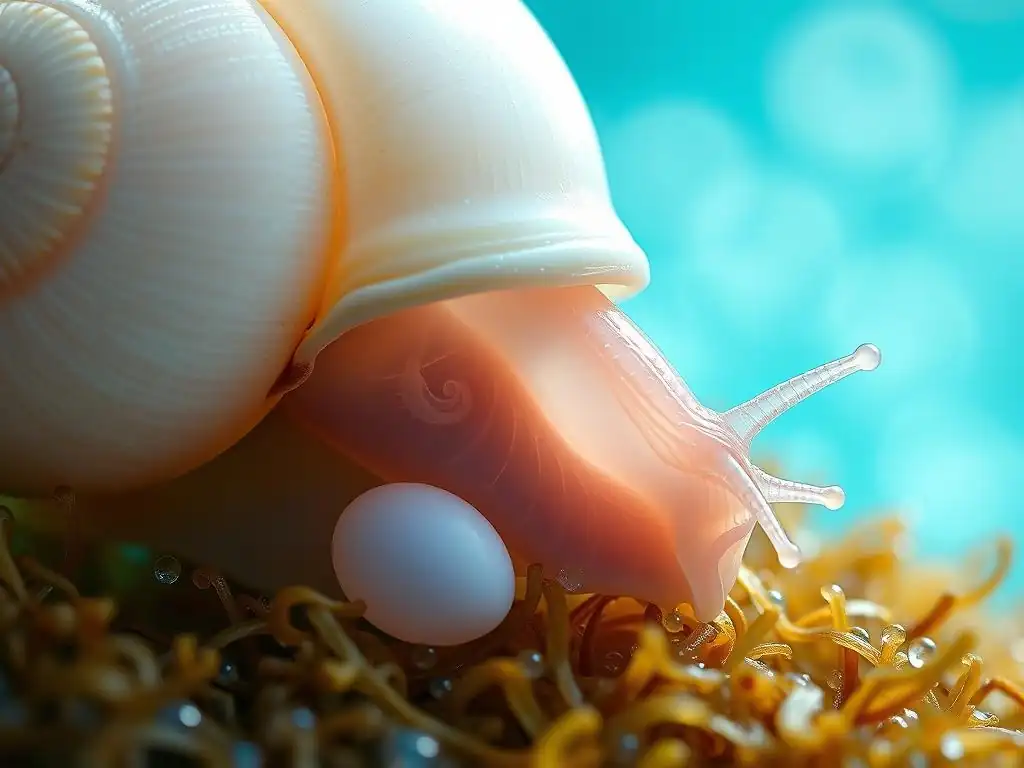
Setting Up a Breeding Tank for Freshwater Shrimp: Key Parameters
A dedicated breeding tank significantly increases the chances of successful freshwater shrimp breeding. While some shrimp may breed in a community tank, a separate setup minimizes stress, predation on shrimplets, and competition for food. The primary goal is to create a stable, pristine environment that mimics their natural habitat as closely as possible, focusing on consistent water parameters and ample hiding spots. This specialized environment allows breeders to precisely control conditions, which is paramount for species like Crystal Red Shrimp that are sensitive to even minor fluctuations.
When setting up a breeding tank, consider the specific needs of your chosen shrimp species. For instance, a 10-gallon tank is often sufficient for a small colony of Neocaridina or Caridina shrimp. Ensure the tank is fully cycled and stable before introducing any shrimp. Good filtration, consistent temperature (typically 70-78°F or 21-25°C), and appropriate lighting are all crucial. The stability of these parameters is more important than achieving exact numbers, as sudden changes can stress shrimp and inhibit breeding.
Tank Size and Substrate for Optimal Shrimp Breeding
For optimal freshwater shrimp breeding, tank size considerations are crucial. While shrimp have a small bioload, a tank of at least 5 to 10 gallons (approximately 19 to 38 liters) is recommended for a breeding colony. This size provides enough stable water volume to prevent rapid parameter swings and offers ample space for shrimplets to grow without overcrowding. Larger tanks, such as 20 gallons (76 liters), can accommodate bigger colonies and facilitate long-term breeding projects, allowing for greater genetic diversity and less inbreeding over generations.
The choice of substrate also plays a vital role. For Neocaridina shrimp, inert substrates like fine gravel or sand are suitable, as they do not significantly alter water chemistry. However, for Caridina shrimp, an active substrate like controsoil or other buffering aquasoils is highly recommended. These substrates are designed to lower and stabilize pH and KH, creating the soft, acidic water conditions (e.g., pH 5.5-6.5) that Caridina shrimp prefer for breeding. A 1-2 inch (2.5-5 cm) layer of substrate is generally sufficient, providing surface area for beneficial bacteria and a base for plants.
Water Quality: Maintaining Ideal Conditions for Shrimp Reproduction
Maintaining pristine water quality is arguably the most critical aspect of successful freshwater shrimp breeding. Shrimp are highly sensitive to nitrates, nitrites, and ammonia, so a fully cycled tank with undetectable levels of these compounds is non-negotiable.
Regular water changes, typically 10-20% weekly, using dechlorinated water that matches the tank's parameters, are essential for removing accumulated nitrates and replenishing essential minerals. For sensitive species like Caridina, many breeders opt for RO/DI (Reverse Osmosis/Deionized) water remineralized to specific GH (General Hardness) and TDS levels using products like SaltyShrimp GH+ or GH/KH+, aiming for GH values between 4-6 and TDS between 100-150 ppm.
Beyond basic parameters, temperature stability is also key; sudden fluctuations can stress shrimp and lead to failed breeding attempts or egg loss. A consistent temperature range of 70-78°F (21-25°C) is generally ideal for most common breeding species. Regular testing with reliable test kits for pH, GH, KH, ammonia, nitrite, and nitrate will help monitor water conditions and allow for prompt adjustments. For example, if nitrates consistently rise above 10-20 ppm, more frequent or larger water changes might be necessary to protect the breeding colony and ensure healthy shrimplet development.
Filtration and Aeration: Balancing Clarity and Shrimp Health
Effective filtration and aeration are vital for maintaining the stable, oxygen-rich environment necessary for freshwater shrimp breeding. Sponge filters are widely considered the best option for shrimp breeding tanks due to their gentle flow and large surface area for beneficial bacteria. Unlike hang-on-back or canister filters, sponge filters do not pose a risk of sucking in tiny shrimplets, which are often microscopic when first hatched. A dual sponge filter setup can provide excellent mechanical and biological filtration, ensuring clear water and optimal removal of waste products without creating strong currents that might stress the shrimp.
Aeration, often provided by the sponge filter itself via an air pump, ensures adequate dissolved oxygen levels, which are crucial for shrimp respiration and overall metabolic health, especially for berried females and developing eggs. While shrimp don't require high flow, gentle water movement created by the filter aids in gas exchange and distributes food throughout the tank. Ensuring an oxygen saturation of at least 70-80% is beneficial for active breeding and healthy shrimplet growth. Additionally, adding an air stone can supplement aeration, particularly in heavily planted tanks or those with a high bioload.
Providing the Right Diet to Encourage Shrimp Breeding
A comprehensive and nutritious diet is paramount for encouraging successful freshwater shrimp breeding. Just like any other animal, shrimp require a balanced intake of proteins, carbohydrates, fats, vitamins, and minerals to thrive and reproduce. A diet rich in high-quality ingredients will not only promote overall health but also enhance fertility, egg production, and the viability of shrimplets. Relying solely on algae in the tank or leftover fish food is often insufficient for a robust breeding program.
Offering a variety of foods ensures that all nutritional needs are met. This includes specialized shrimp pellets, blanched vegetables, and occasional protein sources. Consistency in feeding is also important; small amounts fed daily or every other day are better than large, infrequent meals, which can foul the water. For instance, feeding a high-quality shrimp pellet containing spirulina (a type of algae rich in protein and vitamins) 3-4 times a week, supplemented with blanched spinach or nettle leaves once a week, provides a well-rounded diet that supports active breeding.
Nutritional Needs of Breeding Freshwater Shrimp
Breeding freshwater shrimp have specific nutritional needs that go beyond general maintenance. For successful egg development and healthy shrimplet growth, a diet rich in high-quality proteins, essential fatty acids, and specific minerals is crucial. Proteins are vital for tissue development and egg formation; sources like spirulina, chlorella, and animal-based proteins found in specialized shrimp foods are highly beneficial. For instance, a protein content of 30-40% in their primary diet has been shown to support robust egg production and faster growth rates in breeding females.
Minerals, particularly calcium, are indispensable for molting and developing strong exoskeletons, which is a continuous process for growing shrimp and critical for females carrying eggs. While some calcium is absorbed from the water (GH), supplemental calcium through food can be beneficial. Feeding foods enriched with calcium or providing natural calcium sources like cuttlebone can help. Additionally, certain vitamins, especially Vitamin E, are linked to reproductive success in many invertebrates, making it important to choose shrimp foods that are nutritionally complete and formulated for breeding purposes.
Best Food Sources for Increased Fertility and Egg Production
To significantly boost fertility and egg production in freshwater shrimp, incorporating specific food sources into their diet is highly effective. High-quality commercial shrimp foods are formulated to meet these needs, often containing a blend of plant-based proteins, algae (like spirulina and chlorella), and various vitamins and minerals. For example, feeding a specialized "breeding food" or "growth food" that often has a higher protein content (e.g., >35%) and added vitamins can directly contribute to more frequent berried females and larger clutches of eggs.
Beyond commercial pellets, natural foods can also play a vital role. Blanched vegetables such as spinach, zucchini, and kale provide essential vitamins and fiber, contributing to overall shrimp health. Protein-rich natural supplements like bee pollen, which is packed with amino acids, vitamins, and minerals, can be offered sparingly as a boost to breeding colonies.
Some aquarists also report success with small amounts of crushed nettle leaves, which are rich in minerals and beneficial for molting and egg development. Offering a varied diet ensures that shrimp receive all necessary nutrients to maintain high fertility and consistent egg production, leading to more successful freshwater shrimp breeding outcomes.
The Freshwater Shrimp Breeding Process: A Step-by-Step Guide
Identifying Male and Female Shrimp: A Visual Guide
Accurately identifying male and female freshwater shrimp is the first crucial step in understanding and facilitating their breeding process. Sexual dimorphism, or differences in appearance between sexes, is quite pronounced in most common aquarium shrimp species, especially as they mature. Female shrimp are generally larger, rounder, and have a more robust appearance compared to their male counterparts. This is particularly noticeable in species like Neocaridina, where mature females often reach 1 to 1.5 inches (2.5-3.8 cm) in length, while males are typically smaller, slender, and less colorful.
One of the most reliable visual cues for identifying a female is the presence of a "saddle" – a yellowish or greenish patch located on the top of her back, behind the head. This saddle consists of undeveloped eggs. Once these eggs mature, the female will molt, and the eggs will move to her swimmerets (underside legs) for fertilization, at which point she becomes "berried."
Males, on the other hand, lack a saddle and have a much straighter, less curved underside. Their swimmerets are also less developed and appear smaller than those of females, which are designed to hold and aerate eggs.
Observing Mating Behavior in Freshwater Shrimp
Observing the mating behavior in freshwater shrimp is a fascinating aspect of the breeding process, typically initiated by the female. When a female shrimp is ready to mate, she releases pheromones into the water after molting. This release signals her receptiveness and attracts male shrimp. You might notice a sudden burst of activity in the tank, with male shrimp swimming frantically and erratically, often darting around in search of the pheromone source. This "mating dance" or "frenzy" can last for several minutes as males compete to find the receptive female.
Once a male locates the female, he will attempt to mount her, typically positioning himself underneath her and using his swimmerets to transfer sperm. The actual copulation is very brief, often lasting only a few seconds. After successful mating, the female will then transfer the fertilized eggs from her saddle to her swimmerets, where they will be held and fanned until they hatch. This entire sequence, from pheromone release to eggs being carried, usually occurs within a few hours of the female molting, highlighting the efficiency of their reproductive cycle.
Egg Development and Berried Females: What to Expect
After successful mating, the female shrimp becomes "berried," meaning she is carrying fertilized eggs attached to her swimmerets on her underside. This is a clear sign of successful freshwater shrimp breeding. The eggs, typically numbering between 20 and 50 depending on the species and size of the female, will initially be a bright yellow or greenish color. Over the course of the incubation period, which usually lasts about 3 to 4 weeks depending on water temperature (warmer temperatures can shorten the period), the eggs will gradually change color, becoming darker as the shrimplets develop inside.
During this period, the berried female will constantly fan her eggs with her swimmerets. This fanning action serves two crucial purposes: it provides essential aeration to the developing embryos, preventing fungal growth, and it helps to keep the eggs clean and free of debris. As hatching approaches, you may even be able to discern tiny eyes developing within the eggs, a clear indication that the shrimplets are nearing emergence. It's important to monitor berried females closely, ensuring they have access to ample food and a stress-free environment, as any disturbance can cause them to drop their eggs prematurely.
Identifying Freshwater Shrimp Eggs: Different Types and Characteristics
Identifying freshwater shrimp eggs is fairly straightforward once a female becomes berried. The appearance of the eggs can vary slightly depending on the shrimp species, but they generally share common characteristics. Most commonly, eggs are small, round to oval-shaped, and are firmly attached to the female's pleopods (swimmerets) on her underside. For instance, Neocaridina shrimp eggs are typically bright yellow or light green when first laid, becoming darker, often brownish or grey, as the embryos develop and grow larger within the egg casing.
The number of eggs can also vary significantly. A mature Red Cherry Shrimp female might carry 20-30 eggs, whereas a larger Amano shrimp female can carry hundreds, sometimes over 1,000, although these require brackish water for hatching. As the incubation progresses, usually over 3-4 weeks at typical aquarium temperatures (72-76°F or 22-24°C), you can observe the eggs changing color and becoming more translucent. Towards the end of the incubation period, tiny black dots, which are the developing eyes of the shrimplets, become visible through the egg membrane, indicating that hatching is imminent.
Protecting Berried Females from Stress and Predators
Protecting berried females from stress and potential predators is paramount for successful freshwater shrimp breeding and ensuring the survival of the eggs. Stress can lead a female to drop her eggs prematurely, effectively ending the breeding attempt. Common stressors include sudden changes in water parameters (temperature, pH, TDS), aggressive tank mates, and insufficient hiding spots. To mitigate stress, maintain stable water conditions, avoid large water changes, and ensure the tank is well-planted with plenty of mosses, leaf litter, or small caves where the female can retreat.
Predation is another significant threat, especially in community tanks. Fish, even small ones like neon tetras or guppies, can prey on newly hatched shrimplets or even harass berried females. Larger fish are a direct threat to the eggs and the female herself.
For optimal results, a dedicated breeding tank with only shrimp is highly recommended. If a separate tank is not feasible, ensure the tank is heavily planted with dense vegetation like Java moss, Christmas moss, or guppy grass, which provide excellent cover for berried females and offer safe havens for emerging shrimplets. This dense cover drastically increases the survival rate of the delicate offspring.
Hatching and Raising Shrimplets: From Egg to Juvenile
The hatching of freshwater shrimplets is a moment of triumph for any aquarist engaged in freshwater shrimp breeding. After the incubation period, tiny, miniature versions of the adult shrimp emerge directly from the eggs. For species like Neocaridina and Caridina, these shrimplets are fully formed, albeit tiny (often less than 2mm), and immediately begin to forage for food. Unlike some other aquatic invertebrates, there is no free-swimming larval stage in these common aquarium shrimp, simplifying their care immensely.
Once hatched, the shrimplets are highly vulnerable. Their survival largely depends on the safety of their environment and the availability of appropriate food. It's crucial to minimize disturbances in the tank during this period. The first few days are the most critical, as shrimplets are extremely delicate and susceptible to water parameter fluctuations or predation. A well-established, mature tank with plenty of biofilm and micro-organisms is ideal for their initial survival and growth, as these provide their first essential food sources.
Creating a Safe Environment for Baby Shrimp
Creating a safe environment for baby shrimp, or shrimplets, is crucial for their survival and growth in a freshwater shrimp breeding setup. Due to their minuscule size (often less than 2mm at hatching), shrimplets are highly vulnerable to being sucked into filters or preyed upon by even small fish. The most effective way to ensure their safety is to use a sponge filter, or to cover the intake of other filter types with a pre-filter sponge or fine mesh. This prevents them from being drawn into the filtration system.
Furthermore, providing ample hiding spots and surfaces for grazing is paramount. Heavily planted tanks with dense vegetation like Java moss, Christmas moss, or guppy grass are ideal. These plants offer both shelter from potential predators (if present) and a rich source of biofilm, which is a primary food source for newly hatched shrimplets. Leaf litter, such as Indian almond leaves or catappa leaves, also provides excellent grazing surfaces and releases beneficial tannins, which can contribute to a healthier environment for the delicate young shrimp.
Feeding Shrimplets: First Foods and Growing Strategies
Feeding shrimplets effectively is a critical component of successful freshwater shrimp breeding, as their survival and growth depend on a continuous supply of appropriate nutrition. Newly hatched shrimplets primarily feed on biofilm and microscopic organisms naturally occurring in a mature aquarium. Therefore, ensuring your breeding tank has been established for several months, allowing for the development of a healthy biofilm layer on all surfaces, is the best initial feeding strategy. This natural food source is often sufficient for the first few days.
As they grow, or to supplement their diet from day one, specialized powdered shrimp foods are highly recommended. These foods are finely milled to ensure that even the smallest shrimplets can consume them. Examples include powdered spirulina, finely crushed shrimp pellets, or specific shrimplet foods like SaltyShrimp Baby Shrimp Food. These should be fed sparingly, typically once a day, in tiny amounts that can be consumed within an hour to avoid fouling the water. Overfeeding can lead to detrimental water quality issues, which are especially harmful to sensitive shrimplets.
Common Freshwater Shrimp Breeding Problems and Solutions
Infertility Issues: Troubleshooting Breeding Failures
Infertility issues are a common frustration for aquarists attempting freshwater shrimp breeding, despite seemingly ideal conditions. One primary cause can be an imbalanced male-to-female ratio. If there are too few males, or if the males are too young or old, successful fertilization may not occur. A general guideline is to have at least 2-3 males for every 5-6 females to ensure adequate coverage. Observing male activity after a female molts can indicate if they are actively seeking out receptive females.
Another significant factor is water parameters. While shrimp may survive in a range of conditions, breeding often requires a narrower, more specific set of parameters. For instance, Neocaridina shrimp might live in hard water, but their breeding output significantly increases in medium-hard water with a pH around 7.0-7.5 and TDS between 150-250 ppm.
For Caridina, precise soft, acidic water (pH 5.5-6.5, TDS 90-150 ppm) is non-negotiable for consistent breeding. Consistent monitoring and adjustment of GH, KH, and pH are crucial. If females are saddled but never berried, it often points to a male issue or water chemistry that prevents successful fertilization.
Egg Loss or Damage: Prevention and Solutions
Egg loss or damage is a disheartening problem in freshwater shrimp breeding, often leading to a significant reduction in successful hatches. One of the most common reasons for a berried female to drop her eggs is stress. Sudden and drastic changes in water parameters, such as large temperature fluctuations, significant pH swings during water changes, or spikes in ammonia/nitrite, can cause immediate stress, leading the female to abandon her clutch. To prevent this, ensure water changes are slow and gentle, using water that closely matches the tank's existing parameters in terms of temperature, pH, and TDS.
Another factor contributing to egg loss can be insufficient nutrition or poor water quality. If the female is not receiving adequate minerals, particularly calcium, her ability to hold onto the eggs securely may be compromised. Ensuring a diet rich in essential nutrients and maintaining low nitrate levels (below 10-20 ppm) are vital.
Additionally, fungal infections on the eggs, often appearing as fuzzy white growths, can cause them to detach or fail to hatch. This is typically a sign of poor water circulation around the eggs or high organic waste. Increasing water flow around the female (without creating strong currents) or ensuring a clean tank environment can help prevent such infections.
Low Shrimplet Survival Rates: Identifying and Addressing the Causes
Low shrimplet survival rates are a common challenge in freshwater shrimp breeding, often indicating underlying issues in the aquarium environment. The delicate nature of newly hatched shrimplets makes them highly susceptible to a variety of adverse conditions. One of the primary culprits is predation; even small, seemingly peaceful fish can readily consume shrimplets. In community tanks, it's common for less than 10% of shrimplets to survive due to predation. A dedicated shrimp-only tank is the most effective solution to maximize survival.
Beyond predation, water quality and food availability are critical. Shrimplets are extremely sensitive to ammonia, nitrite, and high nitrates, making a fully cycled and stable tank with consistent water parameters non-negotiable. Fluctuations in pH or temperature can also be lethal. Furthermore, inadequate food supply, particularly the absence of biofilm in a newly set up tank, can lead to starvation. A tank matured for several months provides the necessary microscopic food sources. If shrimplets are still struggling, supplementing with finely powdered shrimp food can provide the essential nutrition needed for growth and survival.
Water Parameter Fluctuations and Shrimplet Mortality
Water parameter fluctuations are a leading cause of shrimplet mortality in freshwater shrimp breeding. Unlike adult shrimp, which can tolerate minor shifts, baby shrimplets are incredibly delicate and highly sensitive to any instability in their environment. Sudden changes in temperature, pH, GH (General Hardness), or KH (Carbonate Hardness) can quickly overwhelm their tiny systems, leading to shock and death. For instance, a rapid drop in temperature by just a few degrees, or a significant pH swing during a large water change, can be lethal to an entire batch of newly hatched shrimplets.
To mitigate this, consistency is key. Perform small, frequent water changes (e.g., 10% twice a week) rather than large, infrequent ones. Ensure the new water is precisely matched to the tank's existing parameters in terms of temperature and chemistry. Using a drip line for water top-offs or water changes can help acclimate new water slowly, preventing shock. Regular monitoring of water parameters with reliable test kits (pH, GH, KH, nitrates) allows for proactive adjustments, maintaining the stable environment crucial for robust shrimplet survival and successful freshwater shrimp breeding outcomes.
Inadequate Food Supply and Shrimplet Survival
Inadequate food supply is a significant contributor to low shrimplet survival rates in freshwater shrimp breeding. Newly hatched shrimplets are incredibly small and require a continuous source of microscopic food. Their primary diet consists of biofilm, algae, and micro-organisms that naturally develop on surfaces in a mature aquarium. If a tank is too new, too clean, or lacking in established biofilm, shrimplets may starve, even if adult shrimp appear well-fed. This is why a well-established, aged aquarium (at least 3-6 months old) is often recommended for breeding.
To supplement natural food sources and boost shrimplet survival, it's crucial to provide finely powdered specialty foods. These foods are designed to be easily consumed by the tiny shrimplets and often contain essential nutrients for growth. Examples include powdered spirulina, finely crushed high-quality shrimp pellets, or specific "baby shrimp" foods. These should be dosed in very small amounts, ensuring they disperse throughout the tank and reach all shrimplets. Overfeeding, however, can quickly foul the water, leading to its own set of problems, so a delicate balance must be maintained to ensure both adequate nutrition and pristine water quality.
Species-Specific Freshwater Shrimp Breeding Guides
Breeding Red Cherry Shrimp: A Comprehensive Guide
Breeding Red Cherry Shrimp (Neocaridina davidi var. Red) is one of the most rewarding and accessible freshwater shrimp breeding experiences for aquarists, making them an excellent choice for beginners. These hardy shrimp are prolific breeders and can thrive in a wide range of water parameters, though stable conditions optimize reproduction.
An ideal breeding setup involves a 5-10 gallon tank with a sponge filter, plenty of Java moss or other live plants for cover and biofilm, and a stable temperature around 72-76°F (22-24°C). While they tolerate pH from 6.5-8.0, maintaining it around 7.0-7.5 with a GH of 6-8 dGH (100-200 ppm TDS) will encourage consistent breeding.
Females become berried every 4-6 weeks, carrying 20-50 eggs, which hatch into fully formed miniature shrimp after approximately 3-4 weeks. No special care is needed for the shrimplets beyond ensuring a mature tank with biofilm and supplementing with finely powdered shrimp food. To maximize success, feed a varied diet of high-quality shrimp pellets, blanched vegetables, and occasional protein supplements. The key to successful Red Cherry Shrimp breeding lies in providing consistent, clean water, ample food, and a stress-free, predator-free environment, allowing their natural prolificacy to flourish.
Breeding Crystal Red Shrimp: A Detailed Overview
Breeding Crystal Red Shrimp (Caridina cantonensis var. Crystal Red) is a more advanced freshwater shrimp breeding endeavor, demanding precise water parameters and meticulous care due to their sensitivity. Unlike Neocaridina, CRS require soft, acidic water to thrive and reproduce consistently. The ideal water parameters for CRS breeding are a pH between 5.8-6.8, GH of 4-6 dGH (approximately 70-100 ppm), and a KH of 0-1 dKH, with a TDS range of 100-150 ppm. Achieving these parameters often necessitates the use of RO/DI water remineralized with a product like SaltyShrimp GH+ and an active, buffering substrate such as Aquasoil.
Females will become berried with 20-30 eggs every 4-6 weeks, and shrimplets hatch after about 3-4 weeks. While the breeding cycle is similar to Neocaridina, the extreme sensitivity of CRS shrimplets to water parameter fluctuations and impurities means maintaining pristine water quality is paramount. A dedicated, well-established tank with a sponge filter, plenty of mosses, and a consistent feeding regime of high-quality Caridina-specific foods is essential. Selective breeding for desired color patterns and grades is also a significant aspect of CRS keeping, requiring careful pairing of individuals to improve genetic lines over generations.
Breeding Amano Shrimp: Challenges and Solutions
Breeding Amano Shrimp (Caridina multidentata) presents a unique and significant challenge in freshwater shrimp breeding, primarily because their larval stage requires brackish to saltwater conditions to survive. Unlike most popular aquarium shrimp that produce miniature versions of adults, Amano shrimp larvae are planktonic and cannot develop in pure freshwater. A female Amano shrimp can carry hundreds, sometimes over a thousand, tiny eggs, which hatch into zoea larvae after about 3-4 weeks in freshwater. However, these larvae will perish within a few days if not transferred to a specialized brackish water setup.
The solution involves carefully siphoning the zoea larvae into a separate rearing tank with a salinity of approximately 1.024-1.025 specific gravity (similar to natural seawater), achieved by dissolving marine salt mix. The larvae require specific microscopic food sources, such as green water (phytoplankton) or powdered spirulina, and absolutely pristine water conditions with gentle aeration.
This larval stage can last for 4-6 weeks, during which the larvae undergo multiple molts before metamorphosing into miniature freshwater shrimp. This complex process makes Amano shrimp breeding one of the most difficult and rarely achieved successes in the home aquarium, requiring advanced dedication and specialized knowledge.
Breeding Ghost Shrimp: Understanding Their Breeding Habits
Breeding Ghost Shrimp (Palaemonetes paludosus), also known as Glass Shrimp, is relatively straightforward compared to Amano shrimp, but less prolific than Neocaridina. These transparent shrimp are generally hardy and can breed in a wide range of freshwater conditions, making them a good option for beginners interested in freshwater shrimp breeding tips with a slightly different species. Females are easily identifiable when berried, as their green eggs are clearly visible through their translucent bodies, typically carrying 20-50 eggs.
The breeding cycle is similar to other direct-breeding shrimp; eggs hatch into miniature versions of the adults after about 3-4 weeks. However, Ghost Shrimp shrimplets are often smaller and more delicate than Neocaridina shrimplets and can be more susceptible to predation by fish, even small ones. To maximize survival, a dedicated breeding tank with plenty of fine-leaved plants like Java moss and a sponge filter is highly recommended.
Feeding finely crushed flake food or powdered shrimp food will help ensure the shrimplets receive adequate nutrition. While not as colorful as other species, their ease of care and fascinating transparency make them an interesting subject for breeding experiments.
Mastering Freshwater Shrimp Breeding: Advanced Techniques
Selective Breeding for Color and Pattern Enhancement
Mastering freshwater shrimp breeding often leads to the advanced technique of selective breeding, particularly for enhancing color and pattern. This process involves carefully choosing specific shrimp with desirable traits (e.g., intense red color, defined white patterns, unique stripes) and breeding them together, while removing or culling individuals that do not meet the desired standards.
This systematic approach, typically performed over multiple generations, allows aquarists to create and stabilize new color morphs or improve the quality of existing lines. For instance, in Red Cherry Shrimp, breeders aim for solid, opaque red coverage, while in Crystal Red Shrimp, the focus is on crisp white patterns against a vibrant red background.
The key to successful selective breeding lies in maintaining detailed records of parentage and offspring quality. This often involves setting up multiple breeding tanks, each dedicated to a specific genetic line or breeding project. For example, a breeder might separate high-grade CRS from medium-grade ones to ensure that only the best genetics are passed on. Over time, through consistent culling of lower-grade or undesirable individuals (e.g., those with faded colors or incomplete patterns), the overall quality and consistency of the shrimp colony can be significantly improved, sometimes achieving grades that command a higher value in the hobbyist market.
Optimizing Environmental Factors for Faster Growth
Optimizing environmental factors is a crucial advanced technique for achieving faster growth rates in freshwater shrimp breeding, particularly beneficial for commercial breeders or those looking to accelerate their projects. Temperature plays a significant role; while most shrimp breed within a range of 70-78°F (21-25°C), keeping the temperature towards the higher end of this range (e.g., 76-78°F or 24-25°C) can speed up their metabolism, leading to faster growth and more frequent molts.
This also shortens the egg incubation period, allowing females to become berried more often. However, higher temperatures also mean a shorter lifespan for the shrimp, typically reducing it by several months from the average 1.5-2 years.
Beyond temperature, consistent and abundant food supply, coupled with pristine water quality, significantly impacts growth. Providing a varied diet rich in high-quality proteins and minerals, fed in small, frequent amounts, ensures continuous nutrition. Additionally, maintaining exceptionally low nitrate levels (ideally below 5-10 ppm) and stable water parameters minimizes stress, allowing shrimp to allocate more energy to growth rather than recovery. Overstocking should be avoided, as it can lead to competition for resources and stunt growth. A larger tank with plenty of surface area for grazing also contributes to faster development by providing more natural food sources and space.
Preventing Genetic Issues in Shrimp Breeding
Preventing genetic issues is a critical advanced consideration for long-term freshwater shrimp breeding success and maintaining the health and vigor of a colony. Continuous inbreeding within a small founding population can lead to genetic depression, resulting in smaller shrimp, reduced fertility, increased susceptibility to disease, and faded colors or less defined patterns over successive generations. For instance, after 5-7 generations of strict inbreeding without new blood, a line of once vibrant Red Cherry Shrimp might start producing offspring with duller colors and lower survival rates.
To mitigate inbreeding, introducing new, unrelated shrimp (outcrossing) from a different breeder or source is a common strategy. This brings fresh genetic material into the line, increasing diversity and vigor. However, it's crucial to quarantine new shrimp rigorously to prevent the introduction of diseases.
Another approach is to maintain multiple breeding lines within a large colony, occasionally swapping males between lines to ensure genetic mixing without fully outcrossing. For specific selective breeding projects, maintaining a large enough breeding population (e.g., 50-100 individuals) helps ensure a broader gene pool and reduces the impact of accidental inbreeding, promoting robust and healthy offspring.
Conclusion: Enjoying the Wonders of Freshwater Shrimp Breeding in Your Aquarium
Frequently Asked Questions
How do I encourage my freshwater snails to breed?
To encourage breeding, ensure optimal water parameters and a nutrient-rich diet. Some species also require specific water hardness or temperature.
What are the key signs that my freshwater snails are breeding?
Look for egg clutches, which vary in appearance depending on the snail species. Increased snail activity and larger appetites can also be indicators.
What types of freshwater snails are easiest to breed in an aquarium?
Mystery snails and bladder snails are generally considered easy to breed in a home aquarium environment due to their adaptability.
Do I need a separate tank for breeding freshwater snails?
A separate tank isn't always necessary, but it can help control snail population and protect eggs from being eaten by other tank inhabitants.
What should I feed baby freshwater snails (snailets)?
Snailets thrive on algae wafers, blanched vegetables, and finely crushed fish flakes. Ensure they have constant access to food.
Final Reflection: The Delicate Dance of Life
The journey from tiny egg to thriving snailet, as explored in this article, is more than just a biological process; it's a microcosm of the fragility and resilience of life itself. Understanding the nuances of freshwater snail breeding, as detailed here, underscores the importance of responsible aquarium keeping and a deeper appreciation for the delicate ecosystems we strive to replicate in our homes.
This exploration has not only provided practical freshwater snail breeding tips but has also illuminated the profound interconnectedness of life within our aquariums. It's a reminder that even the smallest creatures play a vital role in maintaining balance and harmony. In every walk with nature, one receives far more than he seeks.
- John Muir. This quote perfectly encapsulates the rewarding experience of observing and nurturing these fascinating invertebrates.
Now, armed with this knowledge, I invite you to reflect on your own role in the aquarium ecosystem. Consider the impact of your choices on the health and well-being of these creatures. Let the lessons learned here inspire you to cultivate not just a thriving snail population, but a deeper respect for the intricate web of life that connects us all.
Unlock Your Snail Breeding Superpowers!
Thanks for diving deep into the fascinating world of freshwater snail breeding! We hope you've found valuable insights and are ready to take your aquarium hobby to the next level. Now it's time to put that knowledge into action and watch your own snail family grow!
Here are a few things you can do right now:
- Begin your first breeding project by setting up a dedicated breeding tank following the advice in this article.
- Share your snail breeding knowledge by mentoring a friend who's interested in keeping freshwater snails.
- Explore uncommon snail varieties to add genetic diversity to your colony - have you considered assassin snails for population control?
What's the first small step you'll take today to unleash your inner snail breeder?