
The Interplay of Diet and Fertility in Swordtail & Variatus Breeding

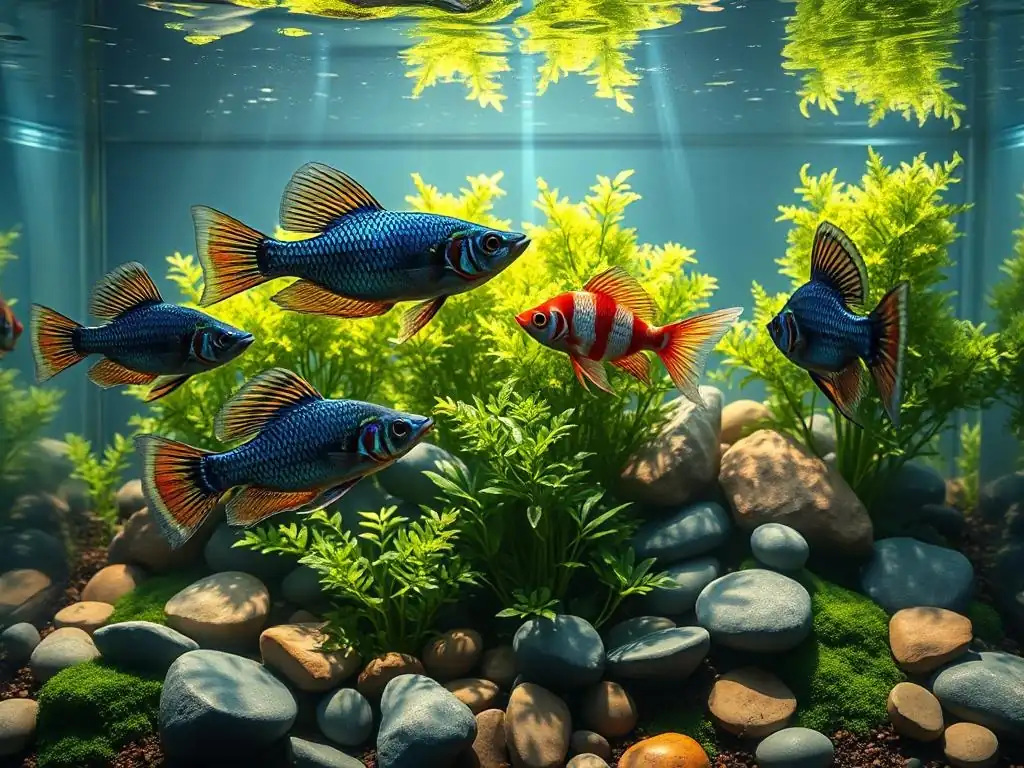
Welcome to Aquarium Mastery!
Ever wondered how much your feeding choices impact the vibrancy and breeding success of your Swordtails and Variatus? Discover the secrets to unlocking their full potential with our in-depth guide to the Swordtail & Variatus breeding diet. Get ready to dive deep into the fascinating interplay of nutrition and fertility, and learn how to cultivate a thriving aquarium environment. Curious to know what makes the difference? Let's explore!
- Understanding the Dietary Needs for Successful Swordtail & Variatus Breeding
- The Best Foods to Promote Breeding in Swordtails & Variatus
- Optimizing Feeding Schedules for Breeding Swordtails and Variatus
- The Impact of Diet on Swordtail & Variatus Fry Development
- Avoiding Dietary Deficiencies That Hinder Breeding Performance
- Advanced Feeding Techniques for Swordtail & Variatus Breeding
- Case Studies: Diet and Breeding Success in Swordtails & Variatus
- Troubleshooting Breeding Problems Related to Diet
- Maintaining Optimal Water Quality for Breeding, Supplementing Diet
- Conclusion: Mastering the Art of Swordtail & Variatus Breeding Through Proper Diet
-
Frequently Asked Questions
- What is the most important aspect of diet for successful Swordtail & Variatus breeding?
- How does a poor diet affect Swordtail & Variatus breeding?
- What are some recommended food sources for Swordtail & Variatus breeding diets?
- How often should I feed my Swordtail & Variatus during breeding season?
- Are there any specific supplements that can improve Swordtail & Variatus breeding success?
- Final Reflection: Nurturing Life Through Nutrition
- Unleash Your Breeding Potential!
Understanding the Dietary Needs for Successful Swordtail & Variatus Breeding
Why a Proper Diet is Crucial for Swordtail & Variatus Fertility
A proper Swordtail & Variatus breeding diet is the cornerstone of successful reproduction, directly influencing the health and productivity of your fish. Adequate nutrition provides the necessary energy reserves for the demanding processes of gamete production (eggs and sperm), courtship, gestation, and birthing. Without sufficient and balanced nutrients, fish may exhibit reduced spawning frequency, produce smaller or infertile clutches, or even cease breeding altogether, as their bodies prioritize survival over reproduction.
Beyond simply initiating breeding, a high-quality Swordtail & Variatus breeding diet profoundly impacts the quality of the offspring. For instance, a female swordtail's ability to carry a full brood to term, with a gestation period typically lasting 24-30 days, is directly tied to her nutritional intake. Poor maternal nutrition can lead to complications such as 'belly sliders' (fry with swim bladder issues), deformities, or significantly smaller and weaker fry, which subsequently have lower survival rates. While average fry survival might be 50-70% under optimal conditions, a deficient diet can drop this to below 20%.
Key Nutrients for Breeding Success in Swordtails and Variatus
For optimal Swordtail & Variatus breeding diet success, a balanced intake of macronutrients—protein, fats, and carbohydrates—is essential. Protein, ideally constituting 40-50% of the diet for breeding fish, is critical for tissue repair, muscle development, and the synthesis of reproductive cells. Fats provide concentrated energy, vital for the high metabolic demands of gravid females, and are crucial for hormone production. While carbohydrates offer readily available energy, they should not dominate the diet.
Micronutrients, including vitamins and minerals, play equally vital roles in a comprehensive Swordtail & Variatus breeding diet. Vitamin E is particularly renowned for its role in fertility, acting as a powerful antioxidant that protects reproductive tissues. Vitamin A supports vision and the health of mucous membranes, which are crucial for overall fish vitality. Calcium and phosphorus are indispensable for skeletal development in the rapidly growing fry and contribute to the structural integrity of the breeding female. Trace elements such as selenium and zinc also contribute to enzymatic functions and immune health, indirectly bolstering reproductive capabilities. For example, a documented deficiency in Vitamin E can reduce the average spawn size by approximately 20-30%.
The Best Foods to Promote Breeding in Swordtails & Variatus
Live Foods for Enhanced Swordtail & Variatus Breeding
Live foods are highly effective in stimulating breeding activity and providing superior nutrition for a Swordtail & Variatus breeding diet. Species like newly hatched brine shrimp (Artemia nauplii), daphnia, bloodworms, and mosquito larvae offer high protein content, natural enzymes, and exceptional palatability. The natural movement of live prey also triggers a stronger feeding response, which can act as a natural cue for initiating spawning behaviors in fish that might otherwise be reluctant to breed.
These live organisms boast impressive nutritional profiles. For instance, newly hatched brine shrimp are typically composed of 50-60% protein and 20-30% fat, making them an excellent choice for a robust Swordtail & Variatus breeding diet. Daphnia, while slightly lower in protein at around 40-50%, are rich in carotenoids that enhance fish coloration and vitality. Incorporating live foods into the diet 2-3 times per week can significantly boost breeding activity, with some breeders observing a 15-20% increase in spawn frequency.
Culturing Live Foods to Maximize Nutritional Value for Breeding
Culturing your own live foods, such as daphnia or brine shrimp, ensures a fresh and consistent supply for your Swordtail & Variatus breeding diet. This method allows you to harvest foods at their peak nutritional value, which is often superior to that of frozen or freeze-dried alternatives due to the preservation of delicate vitamins and enzymes. Simple setups, like a dedicated container for daphnia with green water or a basic brine shrimp hatchery, can yield substantial amounts of food.
Furthermore, culturing enables the practice of "gut loading," a technique where the live food organisms themselves are fed nutrient-rich substances before being offered to your fish. For example, feeding spirulina powder or specialized gut-loading diets to brine shrimp for 12-24 hours prior to feeding can dramatically increase the transfer of beneficial nutrients like Omega-3 fatty acids, Vitamin A, and carotenoids to your Swordtails and Variatus. This can boost the available Vitamin A or carotenoids by over 100% in the live food, directly contributing to a more effective Swordtail & Variatus breeding diet.
High-Quality Flake and Pellet Foods for Swordtail & Variatus Breeding
While live foods are excellent for boosting breeding, high-quality flake and pellet foods form the backbone of a consistent Swordtail & Variatus breeding diet. It is crucial to select commercial foods specifically designed for omnivorous fish or livebearers, which typically have a higher protein content (e.g., 45% or more) and a diverse ingredient list. Avoid generic foods that list excessive amounts of fillers like corn starch or wheat flour as primary ingredients, as these offer minimal nutritional value.
When selecting commercial foods, look for formulations that include high-quality animal proteins such as fish meal, krill, or shrimp meal, along with plant-based ingredients like spirulina or various algae. These ingredients provide a broad spectrum of amino acids, essential fats, and beneficial pigments. Small pellets or finely crushed flakes are generally preferred for ease of consumption. A well-chosen commercial food can provide a balanced nutritional base, reducing the need for constant supplementation, and ensuring a foundational Swordtail & Variatus breeding diet.
Selecting the Right Commercial Foods for Breeding Success
To ensure you're providing the best possible Swordtail & Variatus breeding diet with commercial foods, always scrutinize the ingredient list and nutritional analysis on the packaging. Prioritize foods where animal proteins (fish meal, krill, spirulina, shrimp meal) are listed as the first few ingredients. Also, check for a comprehensive list of added vitamins (especially A, D3, E, and C) and minerals, as these are critical for reproductive health and overall vitality.
Variety is key even with commercial foods. Relying solely on one type of flake or pellet, no matter how high-quality, might lead to subtle nutritional gaps over time. Instead, rotate between 2-3 different high-quality brands or types. For example, alternate a high-protein livebearer flake with a color-enhancing pellet and a spirulina-rich wafer. This rotation ensures a broader spectrum of nutrients and trace elements, contributing to a more complete Swordtail & Variatus breeding diet. Some breeders report up to a 10% increase in fry viability and growth rates when consistently rotating between diverse, high-quality dry food options.
Supplementing the Diet: Vegetables and Other Natural Foods for Swordtail & Variatus
As omnivores, Swordtails and Variatus benefit significantly from the inclusion of vegetable matter in their Swordtail & Variatus breeding diet. Plant-based foods provide essential fiber, aiding digestion and preventing issues like constipation, and supply a range of vitamins and carotenoids that enhance coloration and overall health. Suitable options include blanched zucchini, shelled peas, spirulina flakes or wafers, and specialized algae wafers.
Preparation is simple: small pieces of blanched zucchini or cucumber can be weighted down with a veggie clip or rock to sink. Peas should be blanched, shelled, and mashed before offering. Spirulina flakes can be fed directly or crumbled. Offer these supplements in small amounts 2-3 times per week. Spirulina, for instance, is not only rich in protein (60-70%) but also packed with B vitamins, iron, and beta-carotene, all of which contribute to a robust Swordtail & Variatus breeding diet and can improve reproductive output and fry vitality.
Optimizing Feeding Schedules for Breeding Swordtails and Variatus
How Often to Feed Breeding Swordtails and Variatus
For breeding Swordtails and Variatus, a feeding schedule that involves more frequent, smaller meals is generally more beneficial than one or two large feedings. This approach helps maintain consistent nutrient levels in the fish's system, supporting their high metabolic demands during reproduction, and minimizes the risk of overfeeding which can quickly degrade water quality. Feeding 2-3 times per day is typically recommended for breeding pairs or groups.
Livebearers, especially gravid females, have a relatively fast metabolism and require a steady supply of energy to support the development of their broods. Frequent small feedings ensure that the fish have a continuous intake of the nutrients needed for gamete production and gestation. For example, a gravid female swordtail may require up to 20% more caloric intake than a non-breeding female to sustain herself and the developing fry, making consistent nutrient delivery through optimized feeding crucial for a successful Swordtail & Variatus breeding diet.
Portion Control: Preventing Overfeeding in Breeding Tanks
Effective portion control is paramount in any Swordtail & Variatus breeding diet to prevent overfeeding, which can lead to rapid deterioration of water quality. Excess food decomposes quickly, releasing ammonia and nitrites, which are highly toxic to fish and can cause significant stress, disease, and a complete cessation of breeding activity. As a general rule, offer only what your fish can consume entirely within 2-3 minutes.
Observing your fish during feeding is key to mastering portion control. If any food remains on the substrate or floating after 5 minutes, you are likely overfeeding. For a typical breeding pair in a 10-20 gallon tank, a small pinch of high-quality flake food or about 1/4 teaspoon of live food per feeding is often sufficient. Adhering to this principle prevents a buildup of organic waste that can elevate nitrates by 20-30 ppm rapidly, thereby maintaining a healthy environment that complements the Swordtail & Variatus breeding diet.
The Impact of Diet on Swordtail & Variatus Fry Development
Nutritional Requirements for Swordtail & Variatus Fry Growth
The initial weeks of a Swordtail or Variatus fry's life are critical for rapid growth and development, making their nutritional requirements distinct and demanding. Fry require a high-protein, easily digestible Swordtail & Variatus breeding diet to support their accelerated growth rate. Protein content for fry food should ideally be in the range of 50-60% to facilitate the rapid cellular division and tissue formation necessary for healthy development.
Beyond protein, specific micronutrients are crucial for preventing developmental issues. Docosahexaenoic acid (DHA) and Eicosapentaenoic acid (EPA), both omega-3 fatty acids, are vital for proper brain and eye development. Calcium and phosphorus are indispensable for robust skeletal growth, while Vitamin D facilitates their absorption. Deficiencies in these key nutrients during early development can lead to stunted growth, skeletal deformities, or swim bladder issues in as many as 10-15% of a brood, underscoring the importance of a specialized Swordtail & Variatus breeding diet for fry.
First Foods for Swordtail & Variatus Fry: Ensuring Healthy Development
Choosing the right first foods is paramount for the healthy development and survival of Swordtail and Variatus fry. Newly hatched brine shrimp (Artemia nauplii) are widely considered the gold standard due to their small size (approximately 0.5mm), high protein content, and natural movement, which stimulates the fry's feeding instincts. Other suitable options include micro-worms, vinegar eels, or finely crushed, high-quality flake food (powdered to a dust-like consistency).
Fry require frequent feeding to support their rapid metabolism and growth. They should be fed small amounts 3-5 times a day. Consistency in feeding is crucial to ensure uniform growth among the siblings and to minimize the risk of cannibalism, which can occur if larger, better-fed fry outcompete their smaller counterparts. A consistent and nutrient-rich Swordtail & Variatus breeding diet from day one significantly improves overall fry survival rates and leads to stronger, healthier adult fish.
Avoiding Dietary Deficiencies That Hinder Breeding Performance
Recognizing Signs of Malnutrition in Breeding Swordtails and Variatus
Recognizing the signs of malnutrition is crucial for maintaining a successful Swordtail & Variatus breeding diet. Visibly, fish suffering from dietary deficiencies may exhibit faded colors, general lethargy, and emaciation, characterized by a sunken belly or a 'razorback' appearance. Other physical symptoms include clamped fins, fin rot, and stunted growth compared to healthy tank mates. In breeding females, specific signs might include smaller brood sizes, a higher percentage of infertile eggs, or prolonged and difficult birthing processes.
Behavioral indicators also provide important clues. Malnourished fish often show a lack of interest in food, reduced activity levels, and may spend more time hiding. Specific to breeding, males might show reduced vigor in courtship displays, or females may fail to develop a prominent gravid spot or show no signs of pregnancy after apparent mating. A male's diminished courtship vigor, for example, can reduce successful breeding attempts by 30-40% if his Swordtail & Variatus breeding diet is insufficient.
Addressing Common Dietary Deficiencies for Improved Fertility
Once dietary deficiencies are suspected in your breeding Swordtails or Variatus, prompt action is necessary to restore their fertility and overall health. If a protein deficiency is indicated, significantly increase the frequency of high-protein live foods (like newly hatched brine shrimp or bloodworms) or high-quality frozen foods (such as Mysis shrimp). For suspected vitamin deficiencies, incorporate a vitamin-enriched flake food or apply liquid vitamin supplements directly to their food before feeding.
The most effective strategy to address general dietary deficiencies is to introduce a greater variety into the Swordtail & Variatus breeding diet. If your fish have been on a monotonous diet of a single food type, gradually introduce 2-3 new, high-quality options. For instance, if a swordtail breeding diet was solely based on dry flakes, adding live daphnia and blanched zucchini can often revive breeding interest and improve overall fish health within 1-2 weeks, demonstrating the power of a diversified nutritional approach.
Advanced Feeding Techniques for Swordtail & Variatus Breeding
Gut Loading Live Foods for Maximum Nutritional Benefit
Gut loading is an advanced feeding technique that significantly enhances the nutritional value of live foods before they are fed to your Swordtails and Variatus. This process involves feeding the live prey organisms (e.g., brine shrimp, daphnia, or even feeder crickets for larger fish) with nutrient-dense substances for a period, typically 12-24 hours, before offering them to your fish. Suitable gut-loading diets include spirulina powder, specialized phytoplankton cultures, or commercially available gut-loading formulas rich in vitamins and essential fatty acids.
The primary benefit of gut loading is the dramatic increase in the nutritional profile of the live food, which then directly transfers to your breeding fish. For example, gut-loaded brine shrimp can deliver significantly higher levels of Omega-3 fatty acids, Vitamin C, and carotenoids compared to non-gut-loaded brine shrimp. This enriched nutrient transfer directly supports the demanding physiological processes of reproduction, potentially improving fry survival rates by up to 25% and enhancing the overall health and vigor of your breeding stock, making it a powerful component of a sophisticated Swordtail & Variatus breeding diet.
Formulating a Balanced Diet for Enhanced Swordtail & Variatus Breeding
Formulating a truly balanced and varied Swordtail & Variatus breeding diet involves systematically integrating different food types throughout the week to ensure comprehensive nutrient intake. A sample weekly plan might include high-quality flake or pellet foods as a base on Monday, Wednesday, and Friday. On Tuesday and Thursday, live foods like newly hatched brine shrimp or daphnia can be offered. Saturday could be reserved for frozen foods such as bloodworms or Mysis shrimp, and Sunday for blanched vegetables or spirulina wafers.
This approach ensures a broad spectrum of proteins, fats, carbohydrates, vitamins, and minerals. It's crucial to remain adaptable and adjust the feeding plan based on your fish's condition, observed breeding activity, and water parameters. For example, a breeding tank containing 3-4 adult Swordtails or Variatus might consume approximately 1.5-2 grams of dry food daily, supplemented by 1-2 milliliters of concentrated live food. This holistic and flexible approach to the Swordtail & Variatus breeding diet is key to maximizing reproductive success and maintaining the long-term health of your breeding colony.
Case Studies: Diet and Breeding Success in Swordtails & Variatus
Case Study 1: Impact of Increased Protein on Swordtail Fry Survival
A dedicated hobbyist in the Midwest reported consistent breeding from their Swordtail colony, but struggled with low fry survival rates, averaging only 30-40% per brood, and slow growth. Their existing Swordtail & Variatus breeding diet primarily consisted of a standard community flake food with a protein content of around 35%. Despite seemingly healthy adults, the fry were often weak and prone to early mortality.
To address this, the hobbyist implemented a significant dietary change, supplementing the daily flake feedings with newly hatched brine shrimp and bloodworms offered 3-4 times a week. This increased the overall protein intake for the breeding adults to an estimated 50%. Within two subsequent breeding cycles, the fry survival rates dramatically improved, consistently reaching 70-80%. Furthermore, the fry from these broods reached marketable size approximately 10-15 days faster, clearly demonstrating the profound impact of a protein-enriched Swordtail & Variatus breeding diet on offspring viability and growth.
Case Study 2: Effect of Algae Supplementation on Variatus Breeding Frequency
A long-term aquarist observed that their Variatus colony, while generally healthy, bred infrequently—approximately once every 40-50 days—and exhibited somewhat dull coloration. Their Swordtail & Variatus breeding diet was varied, including high-quality flakes and frozen foods, but lacked a consistent source of plant-based nutrition. The fish seemed reluctant to engage in courtship behaviors as often as expected for a livebearer species.
To stimulate more frequent breeding and enhance coloration, the aquarist introduced spirulina flakes and blanched zucchini into the diet 3 times a week, significantly boosting the vegetable and carotenoid content. Within a month of this dietary adjustment, the breeding frequency of the Variatus increased to approximately every 30-35 days, aligning more closely with optimal livebearer breeding cycles. Additionally, the coloration of both the adult fish and the subsequent fry became notably more vibrant, highlighting how a balanced Swordtail & Variatus breeding diet that includes ample plant matter can positively influence both reproductive output and aesthetic qualities.
My Swordtails/Variatus Aren't Breeding: Could Diet Be the Problem?
Yes, if your Swordtails or Variatus are not breeding despite seemingly stable water parameters and appropriate tank conditions, diet is very often a primary culprit. A lack of specific essential nutrients, such as Vitamin E or high-quality protein, can directly inhibit gonadal development or significantly reduce the fish's libido and reproductive drive. Fish that are nutritionally deficient may simply not have the energy reserves or physiological readiness to engage in breeding behaviors or produce viable gametes.
Beyond specific nutrient deficiencies, other dietary issues can hinder breeding. Underfeeding, where the fish are not receiving enough food to meet their basic metabolic demands, will divert energy away from reproduction. A monotonous diet, even if seemingly complete, can lead to subtle long-term deficiencies if it lacks the broad spectrum of nutrients found in a varied food regimen. Furthermore, poor-quality food, laden with fillers and lacking essential vitamins and minerals, can lead to a complete halt in breeding within 2-3 months, regardless of the quantity fed, because the fish simply aren't getting the building blocks for reproduction from their Swordtail & Variatus breeding diet.
Addressing Common Breeding Issues Through Dietary Adjustments
If your Swordtails or Variatus are not breeding, the first dietary adjustment should be to review and potentially increase the protein content of their Swordtail & Variatus breeding diet, aiming for 45-50%. Introduce live foods daily for a week or two, such as newly hatched brine shrimp or daphnia, as their high nutritional value and natural movement can act as a powerful breeding stimulant. Ensure the diet is rich in a variety of vitamins, especially Vitamin E, which can be found in many high-quality flake foods or supplemented via liquid drops.
For issues like small broods or unhealthy fry, focus on enhancing the female's nutrition throughout her gestation period. This includes gut-loading live foods to maximize nutrient transfer and ensuring she receives ample high-quality fats and proteins. Supplementing the main food with vitamin drops can also be beneficial. For example, increasing the protein content in a female's Swordtail & Variatus breeding diet by 10-15% during gestation can lead to a 5-10% increase in the size of the fry at birth, contributing to their overall vigor and survival.
Maintaining Optimal Water Quality for Breeding, Supplementing Diet
The Importance of Water Parameters for Breeding Success
While a meticulously planned Swordtail & Variatus breeding diet is fundamental, it cannot compensate for poor water quality. Pristine and stable water parameters are absolutely non-negotiable for successful breeding. Ideal conditions for Swordtails and Variatus typically include a temperature range of 75-80°F (24-27°C), a pH between 7.0-8.0, and a general hardness (GH) of 10-25 dGH. Stable parameters minimize stress on the fish, allowing them to allocate their energy reserves efficiently towards reproduction rather than constantly fighting environmental stressors.
Conversely, fluctuating or unfavorable water quality, characterized by elevated levels of ammonia, nitrites, or rapidly shifting pH, causes chronic stress in fish. This stress diverts significant energy from reproductive processes to basic survival mechanisms, effectively negating the benefits of even the most perfect Swordtail & Variatus breeding diet. Such conditions can lead to reduced fertility, increased susceptibility to disease, and a complete cessation of breeding. For instance, ammonia levels above 0.25 ppm can completely halt breeding activity in livebearers, regardless of their feeding regimen.
How Water Quality Affects the Efficacy of Diet
The efficacy of your Swordtail & Variatus breeding diet is intrinsically linked to the quality of the water in which your fish reside. Fish living in substandard water conditions often exhibit suppressed appetites, leading to reduced food intake. Even if they do eat, their ability to properly digest and absorb nutrients can be severely impaired. Toxins present in poor water, such as nitrates exceeding 40 ppm, can damage internal organs, making it harder for the fish's metabolic processes to efficiently utilize the food consumed.
A healthy, stable aquatic environment ensures that a fish's digestive and metabolic systems function optimally. This allows them to fully absorb and convert the nutrients from their Swordtail & Variatus breeding diet into energy for growth, maintenance, and crucially, reproduction. Regular water changes (e.g., 25% weekly) and robust filtration are therefore not just maintenance tasks; they are essential complements to a high-quality feeding regimen, ensuring that every morsel of food contributes maximally to the breeding success of your Swordtails and Variatus.
Conclusion: Mastering the Art of Swordtail & Variatus Breeding Through Proper Diet
Frequently Asked Questions
What is the most important aspect of diet for successful Swordtail & Variatus breeding?
The most important aspect is a balanced and nutritious diet that supports both the overall health and reproductive capabilities of the fish. This includes both live and high-quality flake foods.
How does a poor diet affect Swordtail & Variatus breeding?
A poor diet can lead to decreased fertility, smaller spawns, and weaker fry. It can also make the parent fish more susceptible to diseases, impacting their breeding potential.
What are some recommended food sources for Swordtail & Variatus breeding diets?
Recommended food sources include live foods like brine shrimp and daphnia, high-quality flake food specifically formulated for livebearers, and vegetable matter like blanched spinach. These are all essential components.
How often should I feed my Swordtail & Variatus during breeding season?
During breeding season, you should feed your Swordtail & Variatus smaller portions more frequently, typically 2-3 times per day. This provides them with a consistent supply of energy and nutrients.
Are there any specific supplements that can improve Swordtail & Variatus breeding success?
While not always necessary, supplements like vitamin-enriched foods or commercially available breeding supplements can sometimes improve breeding success. However, focus primarily on providing a varied and balanced diet first.
Final Reflection: Nurturing Life Through Nutrition
The intricate dance between diet and fertility, as explored within the context of Swordtail & Variatus breeding, resonates far beyond the confines of the aquarium. Understanding the precise nutritional needs of these vibrant fish illuminates a broader truth: that life, in all its forms, thrives on a foundation of carefully balanced sustenance. The principles of optimal feeding, meticulously applied to Swordtails and Variatus, serve as a microcosm of the profound impact nutrition has on reproductive success across the animal kingdom, including our own.
This exploration has highlighted the delicate balance required to foster healthy breeding populations. The realization that seemingly small dietary adjustments can yield significant improvements in fertility underscores the importance of mindful consumption, not just for our aquatic companions, but for ourselves. Let food be thy medicine and medicine be thy food.
- Hippocrates. This ancient wisdom, so clearly demonstrated in the context of Swordtail & Variatus breeding, reminds us that the food we choose shapes our well-being and our capacity to create new life.
As you consider the lessons learned from the world of Swordtail & Variatus breeding, I invite you to reflect on your own relationship with nutrition. How can you apply the principles of balanced diets and targeted supplementation to enhance your own health and vitality? Just as careful attention to diet unlocks the reproductive potential of these fascinating fish, so too can it unlock your own potential for a healthier, more fulfilling life. Embrace the power of nutrition, and nurture the life within and around you.
Unleash Your Breeding Potential!
Thank you for diving into the world of swordtail and variatus breeding! We hope you've gained valuable insights to boost your success. Now, let's translate that knowledge into action.
Here are some practical steps you can take right now:
- Revamp your fish food strategy: Experiment with high-protein and vitamin-rich diets and carefully monitor the impact on your fish's reproductive health and fry survival. This is your #1 game changer!
- Share your unique food recipes and breeding secrets on online aquarium forums, contributing to the collective knowledge of the aquarium community.
- Start a small journal or use a spreadsheet to log dietary changes and breeding outcomes. Track everything, even the small details.
What's the first dietary change you're going to implement to kickstart your swordtail and variatus breeding program?