
Brazos Dwarf Crayfish (Cambarellus texanus): A Small Wonder with Big Personality

Welcome to Aquarium Mastery!
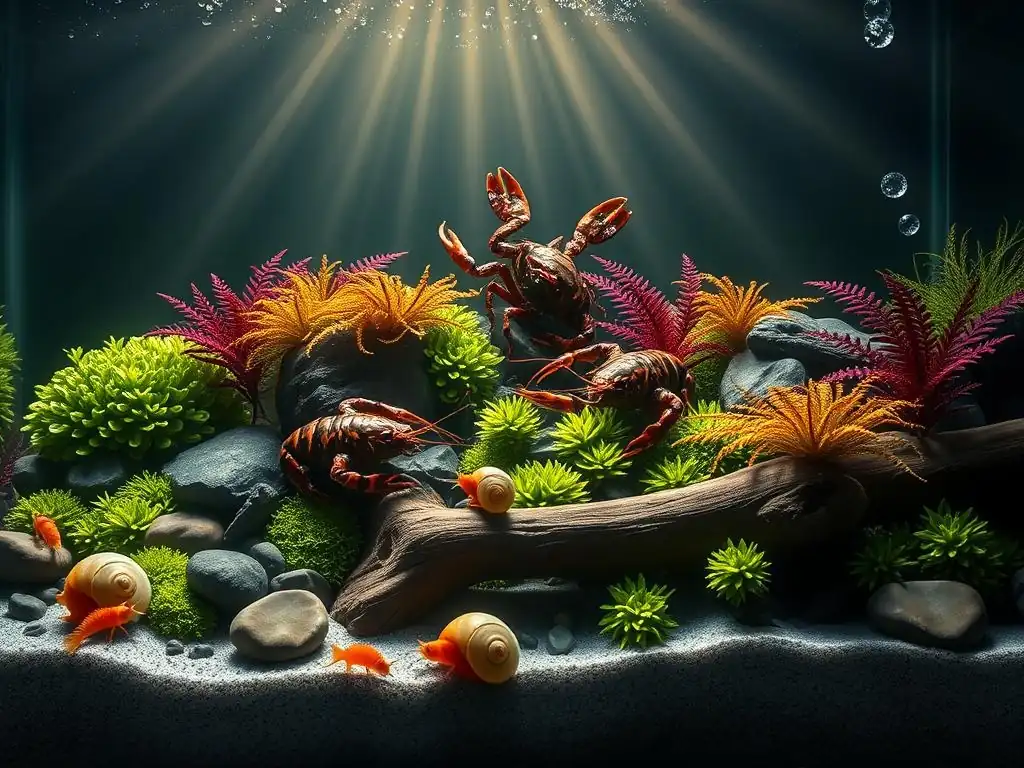
Intrigued by the miniature marvels of the aquatic world? Ever considered the Brazos dwarf crayfish? These tiny crustaceans pack a punch when it comes to personality and are becoming increasingly popular in freshwater aquariums. But are you ready to provide the perfect habitat for these captivating creatures? Dive in and discover essential Brazos dwarf crayfish care tips to ensure your little friend thrives!
- Introduction to the Brazos Dwarf Crayfish
- Brazos Dwarf Crayfish Care Tips: Essential Guidelines
- Brazos Dwarf Crayfish: Appearance and Behavior
- Breeding Brazos Dwarf Crayfish
- Common Health Issues and Prevention
- Where to Buy Brazos Dwarf Crayfish
- The Benefits of Keeping Brazos Dwarf Crayfish
- Conclusion: Mastering Brazos Dwarf Crayfish Care
-
Frequently Asked Questions
- What are the key considerations when setting up a tank for Brazos dwarf crayfish?
- What do Brazos dwarf crayfish eat, and how often should I feed them?
- How do I maintain proper water quality for my Brazos dwarf crayfish tank?
- Are Brazos dwarf crayfish compatible with other aquarium inhabitants?
- How do I breed Brazos dwarf crayfish in my aquarium?
- Final Reflection: Appreciating the Tiny Treasures of Our Ecosystems
- Unleash the Tiny Titan: Your Crayfish Adventure Begins!
Introduction to the Brazos Dwarf Crayfish
Discovering the Charm of Cambarellus texanus
The Brazos Dwarf Crayfish, scientifically known as Cambarellus texanus, is a captivating freshwater invertebrate native to specific river systems in Texas, USA, particularly the Brazos River basin. Unlike their larger, more aggressive cousins, these miniature crustaceans rarely exceed 1.5 to 2 inches (approximately 3.8 to 5 cm) in length, making them an ideal inhabitant for smaller aquariums. Their compact size, coupled with a generally peaceful demeanor, sets them apart from most other crayfish species commonly found in the aquarium hobby.
These delightful creatures exhibit a range of natural behaviors, from diligently scavenging the substrate for food particles to meticulously grooming their antennae. Their coloration typically varies from earthy browns and tans to reddish-browns, often adorned with subtle mottling or darker spots that provide excellent camouflage within a naturalistic setup. Observing a Brazos Dwarf Crayfish navigate its environment, explore crevices, and even interact with tank mates offers a unique and enriching experience for any aquarist.
Why Choose a Brazos Dwarf Crayfish for Your Aquarium?
Opting for a Brazos Dwarf Crayfish brings a unique dynamic to your freshwater aquarium, especially if you're working with limited space. Their diminutive size means they can thrive in tanks as small as 5 to 10 gallons, a significant advantage over larger crayfish species that require considerably more room. This makes them an excellent choice for nano tanks or as an intriguing addition to a community setup with appropriate tank mates.
Beyond their practical size, Cambarellus texanus possesses a surprisingly engaging personality. They are active scavengers, constantly sifting through the substrate and exploring their surroundings, providing continuous entertainment. Furthermore, their bioload is minimal, meaning they contribute very little to the overall waste production in the tank, which simplifies the critical Brazos dwarf crayfish care tips related to water quality. For aquarists seeking a fascinating, low-maintenance invertebrate that adds both character and utility to their aquatic ecosystem, the Brazos Dwarf Crayfish is an exceptional candidate.
Brazos Dwarf Crayfish Care Tips: Essential Guidelines
Optimal Tank Setup for Brazos Dwarf Crayfish
Tank Size Recommendations for Dwarf Crayfish
When considering the optimal environment for your Brazos Dwarf Crayfish, tank size is a crucial first step. For a single individual, a minimum tank size of 5 gallons (approximately 19 liters) is generally recommended. This provides sufficient space for exploration and establishing a small territory without feeling confined. However, if you plan to keep a pair or a small group of two to three Cambarellus texanus, a 10-gallon (approximately 38 liters) aquarium or larger is preferable.
While these dwarf crayfish are known for their relatively peaceful nature, providing ample space in a larger tank helps minimize any potential territorial disputes, especially during molting periods or when food is introduced. A larger footprint also offers more surface area for foraging and allows for a more stable aquatic environment, which is a key component of effective Brazos dwarf crayfish care tips.
Substrate and Decoration for a Thriving Crayfish Habitat
The choice of substrate and decorations plays a vital role in creating a comfortable and secure habitat for your Brazos Dwarf Crayfish. A fine gravel or sand substrate is highly recommended, as it allows these small crustaceans to exhibit their natural burrowing behaviors. They enjoy sifting through the substrate in search of food particles and will often dig small depressions or burrows, particularly when feeling vulnerable, such as after molting.
Beyond the substrate, providing an abundance of hiding spots is paramount. Incorporate various decorations like small caves, driftwood, smooth rocks, and live plants. Plants such as Java Moss, Anubias, and Cryptocoryne species offer excellent cover and foraging grounds. These hiding places are essential for the crayfish's sense of security, especially during the vulnerable molting process, and contribute significantly to their overall well-being and natural behavior.
Water Parameters: Maintaining Ideal Conditions for Cambarellus texanus
Maintaining stable and appropriate water parameters is arguably the most critical aspect of Brazos dwarf crayfish care tips. These invertebrates thrive in temperatures ranging from 65-78°F (18-25°C), with a pH level between 6.5 and 8.0. While they are relatively adaptable, sudden fluctuations can cause significant stress. The water hardness should ideally be within 5-15 dGH (general hardness) and 3-10 dKH (carbonate hardness), as adequate mineral content is essential for healthy exoskeleton development and successful molting.
Regular water changes, typically 20-30% weekly, are crucial for keeping nitrate levels low and preventing the buildup of harmful toxins. Brazos Dwarf Crayfish are sensitive to ammonia and nitrite, which should always be at zero parts per million (ppm). Utilizing a reliable filtration system that provides gentle flow, such as a sponge filter, is also important to maintain water clarity and oxygenation without creating strong currents that might stress these small creatures.
Brazos Dwarf Crayfish Diet and Feeding
What to Feed Your Dwarf Crayfish: A Balanced Diet
A balanced and varied diet is essential for the long-term health and vibrant coloration of your Brazos Dwarf Crayfish. These omnivorous scavengers are not picky eaters and will readily consume a wide range of foods. High-quality sinking pellets or algae wafers specifically formulated for invertebrates are excellent staples, as they provide necessary nutrients and sink to the bottom where crayfish forage.
Supplementing their diet with blanched vegetables like zucchini, spinach, or cucumber provides essential vitamins and fiber. Additionally, occasional offerings of small live or frozen foods such as bloodworms, brine shrimp, or daphnia will supply crucial protein and encourage natural hunting behaviors. Aim for a mix of these food types to ensure they receive all the necessary nutrients for robust growth and successful molting, which is vital for comprehensive Brazos dwarf crayfish care tips.
Feeding Frequency and Portion Control
When it comes to feeding Brazos Dwarf Crayfish, consistency and portion control are key to preventing water quality issues. It is generally recommended to feed them once a day, or every other day, depending on the tank's bioload and the presence of other inhabitants. The amount provided should be small enough to be consumed within a few minutes, typically no more than five to ten minutes.
Overfeeding is a common mistake that can lead to an accumulation of uneaten food, which then decomposes and contributes to spikes in ammonia and nitrite. These elevated toxin levels are highly detrimental to all aquarium inhabitants, especially sensitive invertebrates like Cambarellus texanus. Observing your crayfish's feeding habits will help you gauge the appropriate portion size, ensuring they are well-fed without compromising water quality.
Supplementing Their Diet: Ensuring Optimal Health
Beyond a foundational diet, specific supplements can significantly contribute to the optimal health and longevity of your Brazos Dwarf Crayfish. Calcium is particularly vital for these crustaceans, as it is a primary component of their exoskeleton. Adequate calcium intake directly supports the molting process, reducing the risk of molting complications, which can often be fatal. You can ensure sufficient calcium by offering calcium-rich foods such as blanched kale or spinach, or by placing a small piece of cuttlebone in the tank.
A varied diet overall is the best form of supplementation, ensuring they receive a broad spectrum of vitamins, minerals, and trace elements. For instance, incorporating spirulina-based foods can enhance their immune system and coloration. Regularly varying their food sources according to these Brazos dwarf crayfish care tips helps prevent nutritional deficiencies and keeps your crayfish in peak condition.
Tank Mates for Brazos Dwarf Crayfish
Compatible Fish and Invertebrates
Choosing appropriate tank mates is a critical consideration in Brazos dwarf crayfish care tips, as their small size and generally peaceful nature make them vulnerable to larger or more aggressive species. Ideal companions include small, peaceful, and fast-swimming fish that primarily inhabit the upper or mid-water column. Good examples include Neon Tetras, Ember Tetras, Endler's Livebearers, Guppies, and small Rasboras. Otocinclus catfish are also generally compatible, as they are peaceful algae eaters that won't directly compete for space.
When considering other invertebrates, dwarf shrimp species like Cherry Shrimp ( Neocaridina davidi) or Amano Shrimp ( Caridina multidentata) can co-exist, provided the tank is sufficiently large (10 gallons or more) and offers an abundance of hiding spots. While Cambarellus texanus are not typically predatory towards healthy, adult shrimp, they are opportunistic and might occasionally attempt to catch slow, sick, or newly molted individuals.
Avoiding Aggression: Choosing the Right Companions
Despite their dwarf status, Brazos Dwarf Crayfish possess claws and can be opportunistic if presented with an easy meal. To avoid aggression and potential predation, it is crucial to steer clear of slow-moving, long-finned fish, or any fish that primarily occupies the bottom of the tank where the crayfish forage. Fish like Betta fish, fancy Guppies with elaborate tails, or larger, territorial bottom-dwellers such as certain cichlids or larger catfish are unsuitable tank mates.
The key to successful cohabitation lies in selecting species that are too fast for the crayfish to catch and do not perceive the crayfish as a food source or threat. Providing ample hiding spots for both the crayfish and any vulnerable tank mates also significantly reduces stress and potential conflict, allowing all inhabitants to thrive in a harmonious environment, a cornerstone of effective Brazos dwarf crayfish care tips.
Considering the Temperament of Cambarellus texanus
Understanding the natural temperament of Cambarellus texanus is vital when selecting tank mates. While generally peaceful, they are also somewhat shy and reclusive, especially after molting when their new exoskeleton is soft and vulnerable. During these periods, they will seek out the safety of their hiding spots. Their activity levels tend to be higher during dawn and dusk, when they actively forage for food.
In a well-decorated tank with plenty of cover, their natural behaviors, such as scavenging, climbing on decorations, and even occasional harmless territorial displays between themselves, can be observed. However, if housed with inappropriate or overly boisterous tank mates, the Brazos Dwarf Crayfish may become stressed, hide excessively, or even struggle to find enough food, impacting their overall health and lifespan. Prioritizing their comfort and security is a central tenet of proper Brazos dwarf crayfish care tips.
Brazos Dwarf Crayfish: Appearance and Behavior
Identifying Characteristics of Cambarellus texanus
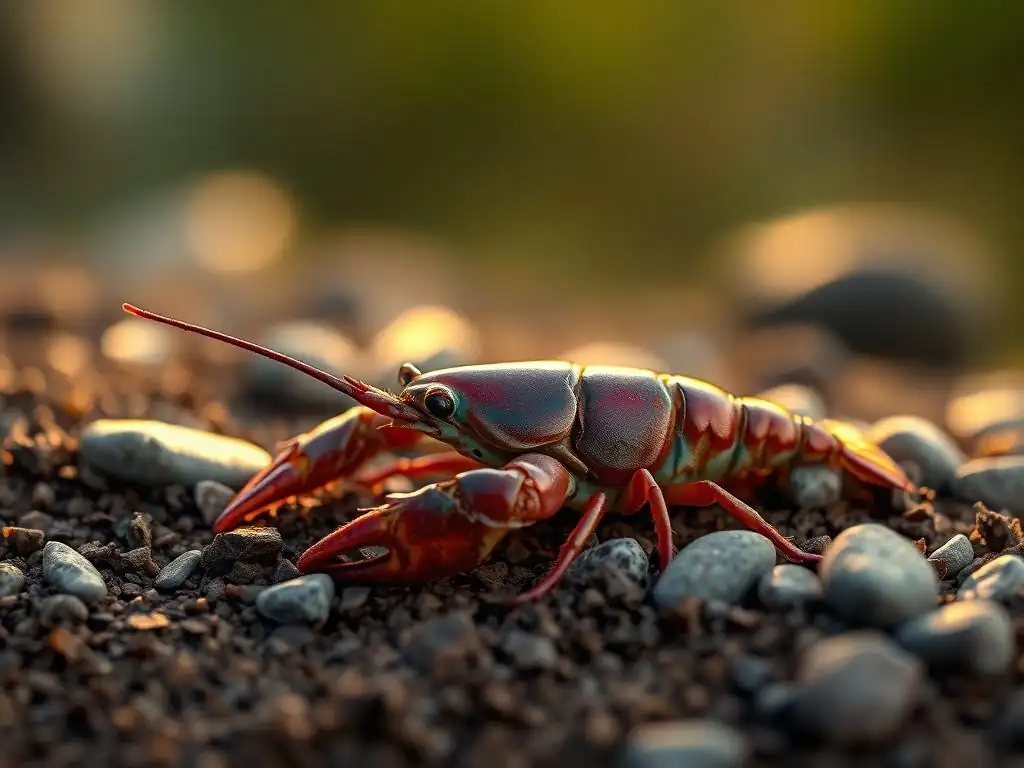
The Brazos Dwarf Crayfish ( Cambarellus texanus) is characterized by its small stature, typically reaching an adult size of 1.5 to 2 inches (3.8 to 5 cm) from the tip of its rostrum to the end of its tail. Their coloration is quite variable, ranging from a light tan or beige to various shades of brown, often with reddish or orange undertones. Many individuals display subtle patterns, such as faint stripes, mottling, or darker spots along their carapace and abdomen, which provide natural camouflage.
Their body shape is typical of a crayfish, with a segmented abdomen, a pair of prominent claws (chelae) that are relatively small and slender compared to larger crayfish species, and multiple pairs of walking legs. Sexual dimorphism is present but can be subtle: males are often slightly smaller than females and possess modified first pleopods (gonopods) that are used for reproduction. Females, when "berried" (carrying eggs), will have a noticeable cluster of eggs tucked under their tail.
Natural Behavior in the Aquarium Environment
In a well-maintained aquarium, Brazos Dwarf Crayfish exhibit a range of fascinating natural behaviors that make them a joy to observe. They are primarily scavengers and detritivores, constantly sifting through the substrate with their claws and antennae in search of food particles, fallen plant matter, and micro-organisms. This diligent foraging behavior contributes to the cleanliness of the tank by consuming decaying organic matter.
They are also adept climbers and will often be seen scaling driftwood, rocks, and even plant stems in search of food or new hiding spots. While generally peaceful, they may display brief, harmless territorial interactions with other crayfish, often involving a gentle pushing or waving of their small claws. When startled or threatened, they can rapidly propel themselves backward using their tail fan, a classic crayfish escape maneuver.
Molting Process: Understanding and Supporting Your Crayfish
Molting is a fundamental and critical physiological process for all crustaceans, including the Brazos Dwarf Crayfish. As they grow, their rigid exoskeleton cannot expand, so they must shed it periodically to allow for an increase in size. This process typically occurs every few weeks for juveniles and less frequently for adults, perhaps every 1-2 months, depending on growth rate and environmental conditions.
Before molting, a crayfish may appear lethargic or hide more frequently. The actual molting process involves the crayfish extracting itself from its old shell, which can take anywhere from a few minutes to an hour.
The newly shed exoskeleton, a ghostly replica of the crayfish, should not be immediately removed from the tank, as the crayfish may consume it to reabsorb valuable calcium and other minerals, which are essential for hardening its new, soft shell. During the post-molt period, which can last a few days, the crayfish is extremely vulnerable to predation and stress, making ample hiding spots particularly important.
Breeding Brazos Dwarf Crayfish
Creating a Breeding-Friendly Environment
Breeding Brazos Dwarf Crayfish ( Cambarellus texanus) in a home aquarium is relatively straightforward, provided optimal conditions are met. A dedicated breeding tank is not strictly necessary but can significantly increase the survival rate of the fry, as adults may occasionally prey on their offspring. If breeding in a community tank, ensure it is at least 10 gallons and densely planted with fine-leaved plants like Java Moss, Guppy Grass, or hornwort, which offer essential hiding spots for the tiny fry.
Stable and pristine water parameters are crucial for encouraging breeding. Maintain temperatures around 72-76°F (22-24°C) and a neutral to slightly alkaline pH (7.0-7.5). A slightly higher protein diet for the adults can also stimulate breeding activity. Providing plenty of crevices, small caves, and leaf litter will give the female secure places to retreat and protect her eggs.
Recognizing Signs of Breeding
The most definitive sign of breeding in Brazos Dwarf Crayfish is observing a female carrying eggs, a state commonly referred to as being "berried." After successful mating, the female will extrude eggs and attach them to the pleopods (swimmerets) on the underside of her tail. These eggs are typically dark brown or black and are meticulously fanned by the female to ensure proper oxygenation and to prevent fungal growth.
The female will carry these eggs for an incubation period that usually lasts between three to four weeks, depending on the water temperature. During this time, she will often be more reclusive, seeking out secluded hiding spots to protect her precious clutch. Observing a berried female is a clear indication that your Brazos dwarf crayfish care tips are effectively supporting their reproductive cycle.
Caring for Baby Crayfish (Crayfish Fry)
Once the incubation period is complete, the tiny baby crayfish, or "fry," will hatch. These miniature versions of the adults are incredibly small, typically measuring only about 1/8 inch (approximately 3 mm) in length. At this stage, they are highly vulnerable and require specific care to ensure their survival. In a community tank, providing an abundance of fine-leaved plants and dense mosses is paramount, as these offer crucial micro-hiding spots that protect the fry from predation by adult crayfish or fish.
For feeding, the fry require finely crushed flakes, specialized fry foods, spirulina powder, or micro-pellets. They are constant grazers, so a continuous source of microscopic food is beneficial. While they are relatively hardy for their size, the mortality rate can be high, especially in tanks with larger inhabitants or insufficient cover. Maintaining stable water parameters and performing very small, gentle water changes are also critical Brazos dwarf crayfish care tips for raising healthy fry.
Common Health Issues and Prevention
Recognizing Signs of Illness in Brazos Dwarf Crayfish
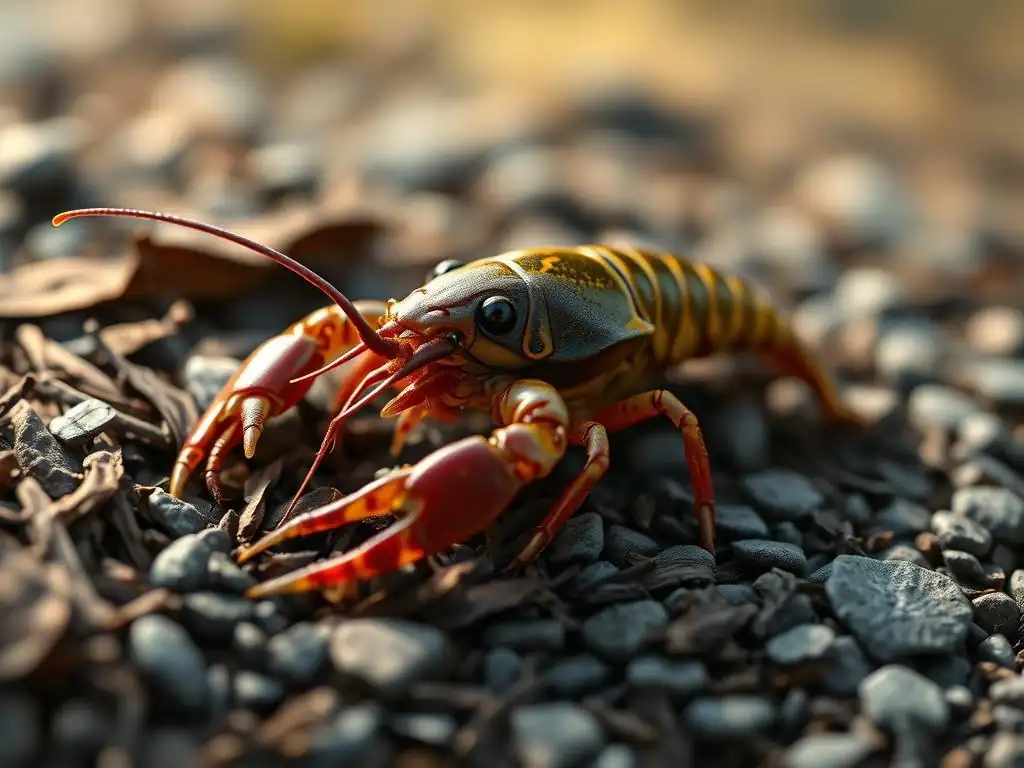
Early detection of illness is crucial for effective Brazos dwarf crayfish care tips. Healthy crayfish are typically active, constantly foraging, and display vibrant, consistent coloration. Signs of distress or illness can manifest in several ways. Lethargy, a significant decrease in activity, or prolonged hiding are common indicators. Discoloration, such as patchy or dull coloration, or the appearance of white spots (which could indicate fungal infections), warrants immediate attention.
Difficulty molting, where the crayfish struggles to shed its old exoskeleton completely or becomes stuck, is a serious issue that can be fatal. Other signs include loss of appetite, missing limbs (though these can regenerate over time if the crayfish is otherwise healthy), or a general lack of responsiveness. Observing any of these symptoms should prompt a review of your tank's parameters and overall care routine.
Preventing Common Diseases
Preventing common diseases in Brazos Dwarf Crayfish largely revolves around maintaining optimal environmental conditions and providing a balanced diet. The most effective preventative measure is consistently excellent water quality. This means performing regular water changes (e.g., 20-30% weekly), ensuring your filtration system is adequate, and routinely testing for ammonia, nitrite, and nitrate to keep them at safe levels. Ammonia and nitrite should always be zero, and nitrates below 20 ppm.
A varied and nutritious diet, as outlined in Brazos dwarf crayfish care tips, strengthens their immune system and supports healthy molting. Avoiding overstocking and ensuring compatible tank mates also reduces stress, which is a major contributor to weakened immunity. Finally, always quarantine new aquatic inhabitants for at least two to three weeks before introducing them to your main tank to prevent the introduction of pathogens.
Addressing Water Quality Issues That Affect Crayfish Health
Water quality issues are the most frequent cause of health problems and mortality in Brazos Dwarf Crayfish. Ammonia and nitrite spikes, often due to overfeeding or inadequate filtration, are highly toxic. If detected, immediate large water changes (50% or more) are necessary, along with addressing the root cause. Elevated nitrate levels, while less acutely toxic, can lead to chronic stress and a compromised immune system; regular water changes are the best defense.
Incorrect pH or water hardness can also impact crayfish health, particularly their ability to molt successfully. While Cambarellus texanus are somewhat adaptable, extreme deviations from their preferred range (pH 6.5-8.0, GH 5-15 dGH) can cause stress. Any adjustments to water parameters should be made gradually over several days to avoid shocking the crayfish. Consistent monitoring and proactive maintenance, informed by sound Brazos dwarf crayfish care tips, are paramount to their well-being.
Where to Buy Brazos Dwarf Crayfish
Finding Reputable Breeders and Suppliers
When looking to acquire Brazos Dwarf Crayfish, finding reputable breeders or suppliers is paramount to ensuring you receive healthy, ethically sourced specimens. Local fish stores with a strong reputation for knowledgeable staff and well-maintained tanks are a good starting point. Observe their invertebrate tanks for signs of healthy animals and clean water.
Online aquatic retailers specializing in invertebrates are another excellent option, as they often have a wider selection and may ship directly from their breeding facilities. Look for suppliers with positive customer reviews, clear shipping policies, and a guarantee on live arrival. Reputable sources prioritize the health of their animals, which directly impacts the success of your Brazos dwarf crayfish care tips.
Selecting Healthy Specimens
Once you've identified a potential source, carefully selecting healthy Brazos Dwarf Crayfish is the next step. A healthy specimen will be active and alert, constantly exploring its surroundings and exhibiting natural foraging behaviors. Their coloration should be consistent and vibrant for their species, without any dullness, white patches (which could indicate fungus), or unusual spots.
Visually inspect the crayfish for any missing limbs or antennae, though occasional regeneration is normal. Avoid any individuals that appear lethargic, are constantly hiding excessively (beyond normal shyness), have cloudy eyes, or show any signs of physical damage or disease. A robust and active crayfish is more likely to acclimate well to its new environment and thrive under your Brazos dwarf crayfish care tips.
Acclimation Process: Introducing Your New Crayfish to the Tank
Proper acclimation is critical for the survival of any new aquatic inhabitant, especially sensitive invertebrates like Brazos Dwarf Crayfish. The drip acclimation method is highly recommended over simply floating the bag, as it slowly equalizes the water parameters between the shipping bag and your aquarium, minimizing stress from sudden changes in temperature, pH, or hardness.
To perform drip acclimation, place the new crayfish (still in its shipping water) in a clean container. Use airline tubing to siphon water from your main aquarium into the container, tying a knot in the tubing to create a slow drip (e.g., 1-2 drops per second). Allow this process to continue for at least 1-2 hours, gradually doubling the volume of water in the container.
Once complete, gently net the crayfish and place it into your aquarium, discarding the water from the container. This meticulous process significantly improves their chances of survival and sets them up for success with your Brazos dwarf crayfish care tips.
The Benefits of Keeping Brazos Dwarf Crayfish
Natural Algae Control
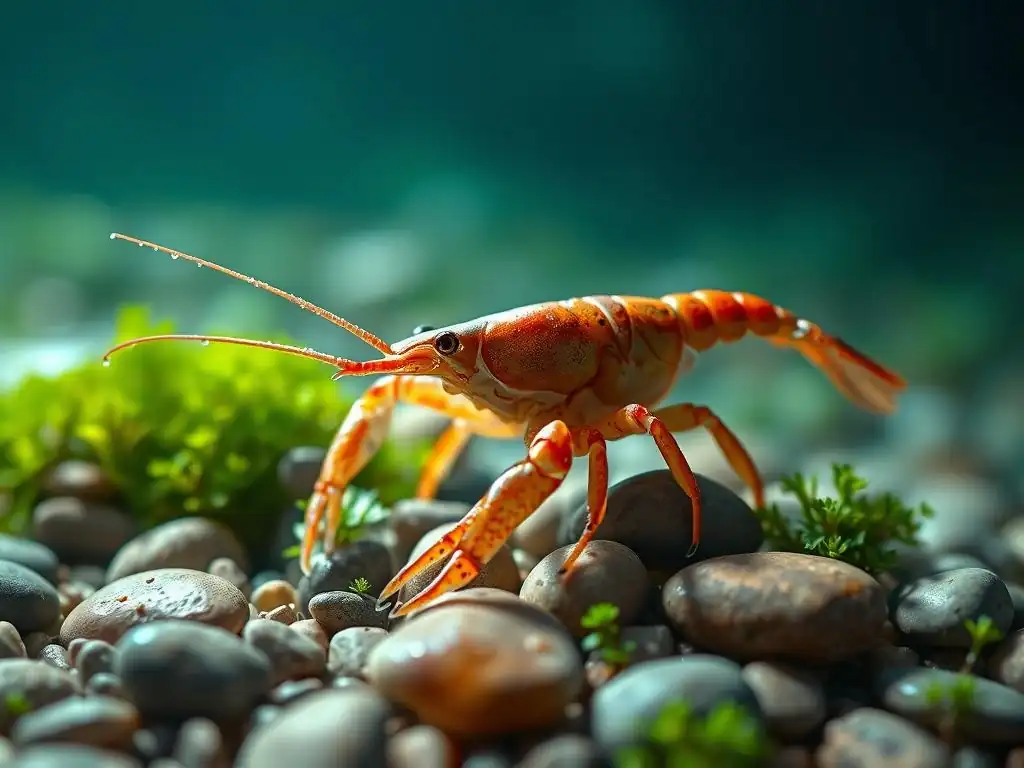
One of the practical benefits of keeping Brazos Dwarf Crayfish in your aquarium is their contribution to natural algae control. While they are not as efficient as dedicated algae eaters like Otocinclus catfish or Amano shrimp, these small crustaceans will actively graze on soft algae films that form on substrate, decorations, and plant leaves. Their constant scavenging behavior means they are always sifting through the tank, consuming detritus and small algal growths that might otherwise accumulate.
This natural foraging helps to maintain the overall cleanliness of the aquarium and can reduce the need for manual algae scrubbing. It's important to note, however, that they are primarily detritivores and opportunistic omnivores, so they won't tackle severe algae outbreaks. Nevertheless, their consistent grazing contributes positively to the tank's ecosystem, making them a beneficial addition to your Brazos dwarf crayfish care tips.
Adding Biodiversity to Your Aquarium
Introducing Brazos Dwarf Crayfish significantly enhances the biodiversity of a freshwater aquarium. Beyond fish and shrimp, these unique invertebrates offer a different form of life and behavior, creating a more complex and engaging ecosystem. Their distinct morphology, movement patterns, and foraging habits add an interesting dimension that other aquatic pets might not provide.
This increased biodiversity contributes to a more balanced and resilient aquarium environment. Different species occupy different niches, processing waste and interacting with the environment in unique ways. A diverse tank is often more stable and visually appealing, allowing aquarists to observe a wider array of natural interactions, further enriching the experience of implementing Brazos dwarf crayfish care tips.
Observing Unique Behaviors
Perhaps one of the most compelling reasons to keep Brazos Dwarf Crayfish is the opportunity to observe their unique and captivating behaviors. Unlike many fish that primarily swim, Cambarellus texanus actively explore every surface of the tank. You can watch them meticulously sift through the substrate with their antennae and small claws, climb gracefully over driftwood and rocks, and even scale plant stems.
Their molting process is a particularly fascinating biological event, offering a rare glimpse into the growth cycle of crustaceans. They also exhibit subtle territorial displays, often involving a comical raising of their small claws, which are usually harmless. These distinct behaviors provide continuous entertainment and a deeper appreciation for the complex lives of aquatic invertebrates, making adherence to Brazos dwarf crayfish care tips a truly rewarding endeavor.
Conclusion: Mastering Brazos Dwarf Crayfish Care
Ensuring a Long and Healthy Life for Your Cambarellus texanus
Mastering Brazos dwarf crayfish care involves a commitment to providing a stable, clean, and enriched environment that mimics their natural habitat. By adhering to essential guidelines regarding tank size, substrate, and decorations, you create a secure and stimulating home for your Cambarellus texanus. Consistent maintenance of pristine water parameters—including appropriate temperature, pH, and hardness, coupled with regular water changes—is paramount to their health and successful molting cycles.
A balanced and varied diet, supplemented with calcium-rich foods, supports their growth and vitality. Careful consideration of compatible tank mates prevents stress and potential harm, allowing these small wonders to thrive. By diligently following these Brazos dwarf crayfish care tips, you can ensure a long, healthy, and engaging life for these fascinating invertebrates, turning your aquarium into a vibrant display of their unique personality and charm.
Further Resources for Brazos Dwarf Crayfish Keepers
For those dedicated to providing the best possible care for their Brazos Dwarf Crayfish, continuing to educate yourself is key. Aquarium Mastery offers a wealth of additional resources that can deepen your understanding of freshwater invertebrate care. Explore articles on advanced water chemistry techniques, detailed profiles of various aquatic plants that provide ideal habitats, and troubleshooting guides for common aquarium issues.
Delving into topics like invertebrate nutrition and disease prevention will further enhance your expertise. A comprehensive approach to learning, building upon these Brazos dwarf crayfish care tips, will empower you to create a thriving and harmonious aquatic environment for all your tank inhabitants.
Frequently Asked Questions
What are the key considerations when setting up a tank for Brazos dwarf crayfish?
The most important considerations are tank size (minimum 5 gallons for a few individuals), water parameters suitable for freshwater invertebrates (pH 6.5-7.5, moderate hardness), and plenty of hiding places like caves and plants.
What do Brazos dwarf crayfish eat, and how often should I feed them?
Brazos dwarf crayfish are omnivores. A diet consisting of sinking pellets, algae wafers, and occasional protein sources like bloodworms is ideal. Feed them a small amount every other day, ensuring they consume all the food within a few hours.
How do I maintain proper water quality for my Brazos dwarf crayfish tank?
Regular water changes (25% weekly), a good filtration system, and avoiding overfeeding are crucial. Test your water regularly for ammonia, nitrite, and nitrate to ensure levels are safe.
Are Brazos dwarf crayfish compatible with other aquarium inhabitants?
Generally, they are peaceful, but it's best to avoid housing them with aggressive or large fish that might see them as food. Small, peaceful fish and snails are usually compatible.
How do I breed Brazos dwarf crayfish in my aquarium?
Providing stable water parameters, a nutritious diet, and plenty of hiding places will often encourage breeding. The female will carry the eggs under her tail until they hatch into miniature crayfish.
Final Reflection: Appreciating the Tiny Treasures of Our Ecosystems
The journey into understanding the Brazos dwarf crayfish, Cambarellus texanus, reveals more than just practical care tips; it illuminates the critical role even the smallest creatures play in the intricate web of life. These miniature crustaceans, often overlooked, are vital components of their ecosystem, and their well-being reflects the health of our environment as a whole. Understanding their needs is not merely about keeping a pet; it's about fostering a deeper appreciation for biodiversity and responsible stewardship.
The ongoing fascination with these tiny crayfish underscores our inherent connection to the natural world. Their diminutive size and captivating behavior offer a unique window into the complexities of aquatic ecosystems. The increasing interest in responsible care practices highlights a growing awareness of our responsibility to protect these vulnerable species. In the end, we will conserve only what we love; we will love only what we understand; and we will understand only what we are taught.
- Baba Dioum. This quote perfectly encapsulates the importance of education and awareness in safeguarding the future of the Brazos dwarf crayfish and countless other species.
Now, consider the lessons learned about the Brazos dwarf crayfish and their delicate habitat. How can you translate this understanding into action? Perhaps it's supporting local conservation efforts, advocating for responsible water management, or simply sharing your newfound knowledge with others. Let's all strive to be mindful stewards of our planet, ensuring that future generations can marvel at the beauty and importance of even the smallest wonders, like the Brazos dwarf crayfish.
Unleash the Tiny Titan: Your Crayfish Adventure Begins!
Thanks for diving into the captivating world of the Brazos Dwarf Crayfish! We hope you've discovered just how much personality and charm these miniature crustaceans can bring to your aquarium. Now, let's turn that knowledge into action!
Here are a few ways you can continue your crayfish journey:
- Set up a mini-haven for your own Brazos Dwarf Crayfish: Use our recommended plants, substrate, and decorations to create the perfect environment.
- Dive deeper into the fascinating world of dwarf crayfish: Research the unique behaviors of Cambarellus species and compare them to other popular aquarium invertebrates.
- Share your newfound crayfish knowledge with the community:Create a post on social media showcasing a fun fact or a beautiful photo from this article with #AquariumMastery.
Ready to transform your aquarium into a haven for these tiny titans?