
White Specter Crayfish: The Ghostly Beauty of Your Freshwater Setup

Welcome to Aquarium Mastery!
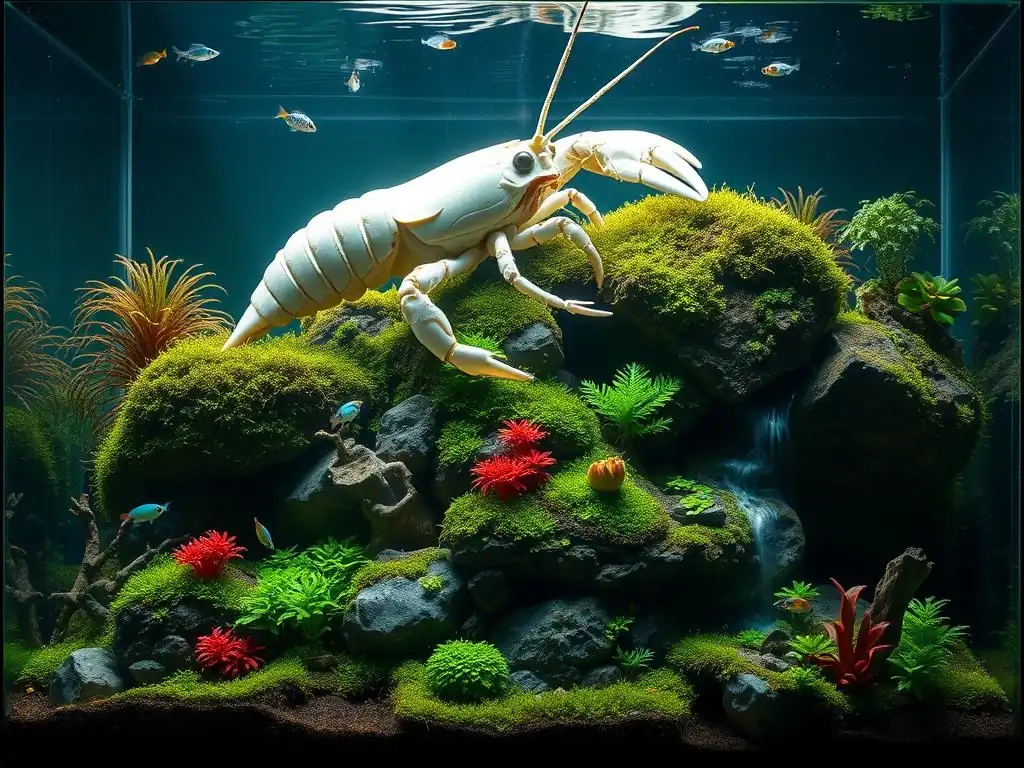
Intrigued by the ethereal beauty that can grace your freshwater aquarium? Dive in and discover everything you need to know about White Specter crayfish care. These captivating crustaceans add a unique touch to any tank, but understanding their specific needs is key. Ready to unlock the secrets to keeping these ghostly wonders thriving? Let's get started!
- Cherax Snowball: The Pristine Beauty of Your Freshwater Setup
- Introducing the Cherax Snowball: A Captivating Addition to Your Aquarium
- Cherax Snowball Care: Essential Guidelines for a Thriving Crustacean
- Cherax Snowball Tank Mates: Compatibility and Considerations
- Cherax Snowball Breeding: A Guide to Reproduction
- Common Cherax Snowball Health Issues and Prevention
- Where to Buy Cherax Snowball and Selecting Healthy Specimens
- The Allure of the Pristine: Why Cherax Snowball are Popular Among Aquarists
- Troubleshooting Common Cherax Snowball Keeping Problems
- Conclusion: Mastering Cherax Snowball Care for a Rewarding Aquarium Experience.
-
Frequently Asked Questions
- How difficult is it to care for a White Specter crayfish compared to other freshwater invertebrates?
- What are the ideal water parameters for a White Specter crayfish?
- What should I feed my White Specter crayfish?
- Can I keep White Specter crayfish with other fish or invertebrates?
- How often should I perform water changes in a White Specter crayfish tank?
- Final Reflection: Embracing the Ethereal
- Embrace the Ghostly Allure: Transform Your Aquarium Today!
Cherax Snowball: The Pristine Beauty of Your Freshwater Setup
Introducing the Cherax Snowball: A Captivating Addition to Your Aquarium
Unveiling the Mystique: What Makes the Cherax Snowball Unique?
The Cherax Snowball, also widely known as the White Specter crayfish, is a truly captivating freshwater invertebrate renowned for its striking, almost ethereal white coloration. This pristine hue is a result of a leucistic or albino genetic trait, setting it apart from its wild-type counterparts, Cherax cainii, which typically exhibit darker, mottled patterns.
Originating from the freshwater lakes and rivers of Papua New Guinea, particularly the Ajamaru Lakes region, these crayfish have been selectively bred for their unique aesthetic appeal in the aquarium hobby. They can reach an impressive size of approximately 5 to 6 inches (12-15 cm) in body length, excluding their claws, making them a substantial and eye-catching inhabitant in a well-maintained freshwater setup.
Beyond their mesmerizing appearance, Cherax Snowball crayfish exhibit fascinating behaviors that contribute to their allure. They are primarily nocturnal scavengers, constantly exploring their environment, sifting through substrate, and interacting with their surroundings. While generally considered semi-aggressive, especially towards other crayfish or slow-moving bottom dwellers, their individual personalities can vary. Their active foraging habits and distinct white form provide a dynamic contrast against lush green plants or dark substrate, making them a focal point in any aquascape.
Why Choose a Cherax Snowball for Your Freshwater Tank?
Choosing a Cherax Snowball for your freshwater aquarium offers a unique blend of aesthetic beauty and engaging behavior. Their brilliant white shell provides a stunning visual contrast, instantly drawing attention and adding a sophisticated, minimalist touch to your aquatic display. Unlike many other aquarium inhabitants, their ghostly appearance is truly one-of-a-kind, making them a conversation starter for anyone viewing your tank. This distinct coloration also allows for easier observation of their fascinating daily activities, from meticulously cleaning their antennae to diligently searching for food.
Furthermore, the Cherax Snowball can be a relatively hardy and rewarding pet for aquarists who understand their specific care requirements. Their active scavenging nature can even contribute to tank cleanliness by consuming detritus and uneaten food, albeit not as a primary clean-up crew. For those seeking a creature that is both beautiful and interactive without being overly demanding, mastering White Specter crayfish care can lead to a highly gratifying experience. Their moderate lifespan, often reaching 2-3 years with optimal care, ensures a lasting presence in your aquatic world.
Cherax Snowball Care: Essential Guidelines for a Thriving Crustacean
Understanding the Cherax Snowball's Natural Habitat and Needs
The natural habitat of the Cherax Snowball, or White Specter crayfish, primarily consists of clear, well-oxygenated freshwater environments in Papua New Guinea. These areas often feature rocky substrates, abundant leaf litter, and numerous crevices, providing ample hiding spots and foraging grounds. The water in these regions is typically stable, with moderate temperatures and a slightly acidic to neutral pH. Replicating these conditions in an aquarium is paramount for successful Cherax Snowball care. Providing a stable environment minimizes stress, promotes healthy molting, and reduces the likelihood of disease.
Understanding their natural tendencies also informs tank setup. These crayfish are naturally reclusive and territorial, especially during vulnerable periods like molting. Therefore, creating a habitat with plenty of secure hiding places is not merely decorative but a fundamental aspect of their well-being. Their scavenging nature means they will actively explore the substrate, so a suitable bottom layer is essential. By mirroring their native environment as closely as possible, aquarists can ensure their Cherax Snowball thrives, exhibiting natural behaviors and maintaining their vibrant health.
Optimal Water Parameters for Cherax Snowball Health
Maintaining precise and stable water parameters is critical for the health and longevity of your Cherax Snowball. Fluctuations in water chemistry can cause significant stress, leading to molting issues, disease, and even death. Regular water testing with reliable kits is indispensable for effective White Specter crayfish care, ensuring that conditions remain within the optimal ranges. Consistency is key, as sudden changes are far more detrimental than slightly off-target but stable parameters.
Temperature and pH: Maintaining a Stable Environment
For Cherax Snowball crayfish, a stable water temperature is crucial. The ideal range is between 68°F and 78°F (20°C to 25.5°C). Temperatures outside this range can stress the crayfish, leading to lethargy, reduced appetite, and increased susceptibility to illness. For instance, prolonged exposure to temperatures above 80°F (26.7°C) can reduce oxygen levels and accelerate metabolism, potentially shortening their lifespan. Conversely, temperatures below 65°F (18.3°C) can lead to inactivity and a weakened immune system.
The optimal pH level for Cherax Snowball is slightly acidic to neutral, generally ranging from 6.5 to 7.5. While they can tolerate a small deviation, maintaining a consistent pH is more important than hitting an exact number. A pH outside this range, particularly below 6.0, can inhibit calcium absorption, leading to molting difficulties and soft shell syndrome. Regular water changes and appropriate buffering agents, if necessary, can help stabilize both temperature and pH, creating a healthy environment for your freshwater crayfish.
Water Hardness and Ammonia Levels: Critical Factors for Crayfish Well-being
Water hardness, specifically General Hardness (GH) and Carbonate Hardness (KH), plays a vital role in Cherax Snowball health. A GH range of 5-15 dGH (degrees of General Hardness) and a KH range of 3-10 dKH (degrees of Carbonate Hardness) are generally recommended. Adequate GH ensures sufficient minerals, particularly calcium, for proper shell development and successful molting. Low GH can lead to weak shells and failed molts, a common issue in Cherax Snowball care. KH, or alkalinity, acts as a buffer against pH swings, contributing to overall water stability.
Ammonia, nitrite, and nitrate levels are perhaps the most critical water quality parameters. Ammonia (NH3) and nitrite (NO2) must always be at 0 ppm (parts per million), as even trace amounts are highly toxic to crayfish, causing gill damage and death. Nitrates (NO3), the end product of the nitrogen cycle, should be kept below 20 ppm, ideally closer to 10 ppm, through regular partial water changes. For example, a weekly 25-30% water change is often sufficient for a moderately stocked tank to maintain low nitrate levels, ensuring pristine conditions for your White Specter crayfish.
Feeding Your Cherax Snowball: Diet and Nutrition
Proper nutrition is fundamental to the health and vibrant coloration of your Cherax Snowball. As omnivorous scavengers, they require a varied diet that includes both plant and animal matter to thrive. A well-balanced feeding regimen supports strong shell growth, successful molting, and overall vitality, making it a cornerstone of effective White Specter crayfish care. Avoid overfeeding, as excess food can quickly degrade water quality and contribute to health issues.
What Do Cherax Snowball Eat? A Balanced Diet
A balanced diet for Cherax Snowball crayfish should include high-quality sinking pellets or wafers specifically designed for crustaceans or bottom feeders. These typically provide essential vitamins and minerals. Supplement this with blanched vegetables such as spinach, zucchini, cucumber, or peas, which provide necessary plant matter and fiber. For protein sources, occasional treats like frozen bloodworms, brine shrimp, or earthworms are excellent. Some aquarists also offer small pieces of unsalted, unseasoned fish or shrimp.
It is important to note that while they are omnivores, their diet should lean more towards plant matter than excessive protein. A good rule of thumb is to offer a base of sinking pellets daily, supplemented with vegetables 2-3 times a week, and protein treats once a week. For instance, a small quarter-inch piece of blanched zucchini can be offered every other day, while 3-4 frozen bloodworms could be given on a weekend. This varied approach ensures they receive all necessary nutrients for optimal health.
How Often to Feed Your Cherax Snowball
Cherax Snowball crayfish should generally be fed once a day, or every other day, depending on their size and activity level. The key is to provide only as much food as they can consume within a few minutes, typically 5 to 10 minutes, to prevent uneaten food from fouling the water. For a full-grown 5-inch specimen, this might equate to 2-3 sinking pellets or a small pinch of flake food. Observe their eating habits; if food remains after 15 minutes, you are likely overfeeding and should reduce the quantity at the next feeding.
Younger, growing crayfish may require more frequent feeding, perhaps twice daily, to support their rapid development and more frequent molting cycles. However, as they mature, their metabolic rate slows down, and daily feeding becomes sufficient. It's also normal for a Cherax Snowball to refuse food for a few days before and after molting, as they are vulnerable and focused on shedding their old shell. Understanding these feeding patterns is crucial for successful White Specter crayfish care and maintaining pristine water conditions.
Tank Setup for Cherax Snowball: Creating the Perfect Habitat
A thoughtfully designed tank setup is paramount for the well-being and security of your Cherax Snowball. Providing an environment that mimics their natural habitat with ample space and numerous hiding spots will significantly reduce stress, encourage natural behaviors, and prevent aggression, especially during the vulnerable molting process. The right setup is a cornerstone of effective White Specter crayfish care, ensuring your crustacean thrives.
Tank Size Recommendations for Cherax Snowball
For a single Cherax Snowball crayfish, a minimum tank size of 20 gallons long (approximately 30x12x12 inches or 76x30x30 cm) is recommended. The "long" dimension is crucial as these crayfish are bottom dwellers and require more floor space for exploration and territory establishment than vertical height. A 20-gallon long provides about 360 square inches of floor area. While a 10-gallon tank might seem sufficient for a small specimen initially, they grow quickly and will become stressed in cramped quarters, leading to aggression or escape attempts.
If you plan to keep multiple Cherax Snowball crayfish, a significantly larger tank is necessary to mitigate territorial disputes. For two individuals, a 40-gallon breeder tank (approximately 36x18x16 inches or 91x46x41 cm), offering 648 square inches of floor space, is a good starting point. For three or more, consider tanks 75 gallons or larger, always ensuring ample individual hiding spots. Overcrowding is a primary cause of stress and aggression in freshwater crayfish, so providing generous space is non-negotiable for their long-term health.
Substrate and Decorations: Enhancing the Environment
The choice of substrate and decorations plays a crucial role in creating a comfortable and stimulating environment for your Cherax Snowball. A fine gravel or sand substrate is ideal, as these crayfish enjoy sifting through the bottom for food particles and can even dig small burrows. Avoid sharp or coarse gravel, which could injure their delicate undersides or antennae. A substrate layer of at least 2-3 inches (5-7.5 cm) deep allows for natural digging behaviors.
Decorations should include a variety of items that provide visual barriers and structural complexity. Rocks, driftwood, PVC pipes, ceramic caves, and even broken terracotta pots make excellent hiding places. Arrange these elements to create multiple distinct territories and dark crevices. For example, stacking several smooth, aquarium-safe rocks to form a cave can offer a secure retreat. While live plants can be used, be aware that Cherax Snowball crayfish are notorious for uprooting them or nibbling on softer varieties. Hardier plants like Anubias species or Java Fern, often attached to driftwood or rocks, may fare better.
Providing Hiding Places: Minimizing Stress and Promoting Security
Providing an abundance of secure hiding places is perhaps the single most critical aspect of Cherax Snowball tank setup. These freshwater crayfish are highly vulnerable during molting, when they shed their old exoskeleton and are soft-bodied for several days. Without adequate hiding spots, they are susceptible to predation from tank mates or even cannibalism from other crayfish. A good rule of thumb is to provide at least one more hiding spot than the number of crayfish in the tank. For instance, if you have two Cherax Snowballs, aim for three or more distinct caves or shelters.
These hiding spots should be sturdy and difficult to move by the crayfish themselves. PVC pipes of 2-3 inches (5-7.5 cm) diameter, cut into 6-8 inch (15-20 cm) lengths, are excellent, inexpensive, and easy to clean options. Ceramic log caves or coconut shells also work well. Distribute these hiding places throughout the tank to break up line of sight and allow each crayfish to establish its own territory. This strategy significantly reduces stress, promotes a sense of security, and is fundamental to effective White Specter crayfish care, leading to a more active and well-adjusted inhabitant.
Cherax Snowball Tank Mates: Compatibility and Considerations
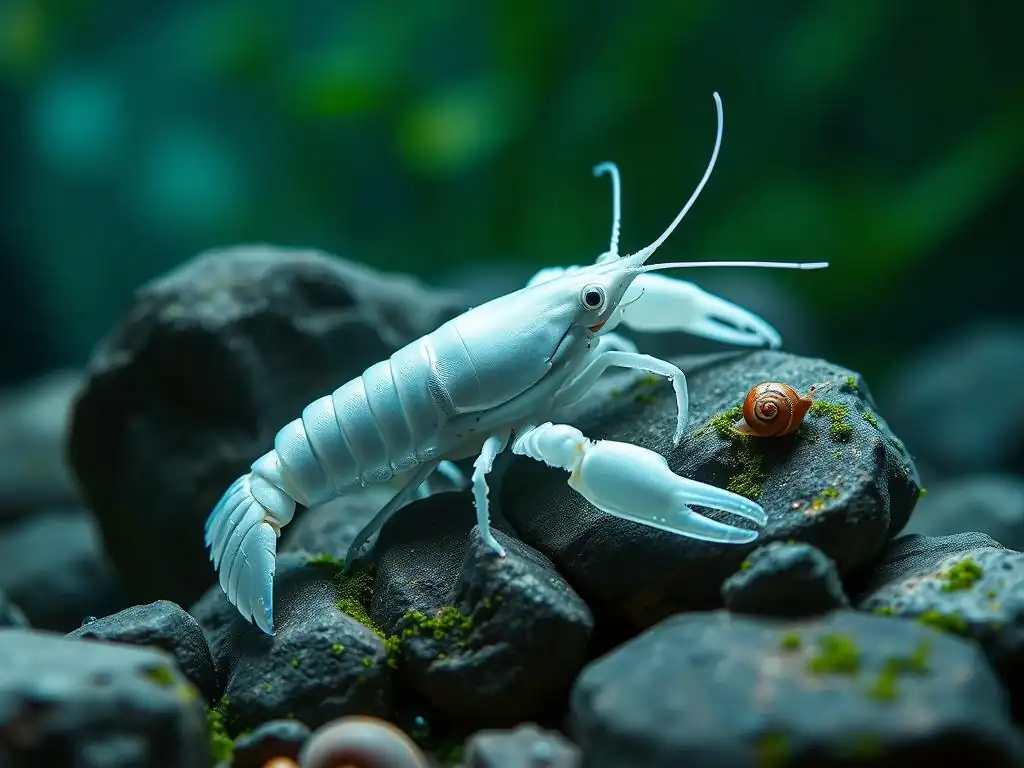
Choosing appropriate tank mates for your Cherax Snowball requires careful consideration due to their semi-aggressive and opportunistic nature. While they are not inherently vicious, they are bottom-dwelling omnivores with powerful claws, and anything slow-moving, small enough to catch, or that invades their personal space is at risk. Successful Cherax Snowball care in a community tank hinges on selecting tank mates that can avoid becoming a meal or a target of aggression.
Choosing the Right Tank Mates for Your Cherax Snowball
When selecting tank mates for your Cherax Snowball, prioritize fast-moving, mid-to-top dwelling fish species. These fish are less likely to venture into the crayfish's territory at the bottom of the tank and can evade capture if the crayfish attempts to strike. Good options include various species of Danios (e.g., Zebra Danios, Giant Danios), larger Tetras (e.g., Congo Tetras, Black Skirt Tetras), and some Rasboras (e.g., Harlequin Rasboras). For example, a school of 6-8 Zebra Danios in a 20-gallon long tank would typically be safe, as they spend most of their time darting near the surface.
Livebearers like Platies or Swordtails can also be considered, provided they are not overly small. Ensure the tank is sufficiently large, ideally 30 gallons or more, to provide ample space for both the fish and the crayfish to establish their territories. Regular observation is crucial, especially during feeding times, to ensure that the Cherax Snowball is not actively hunting or harassing its tank mates. While a peaceful community is the goal, always have a backup plan, such as a separate tank, in case aggression becomes unmanageable.
Fish and Invertebrates to Avoid with Cherax Snowball
Several types of fish and invertebrates are generally unsuitable as tank mates for Cherax Snowball crayfish due to their vulnerability. Avoid any slow-moving or bottom-dwelling fish, as they are prime targets. This includes popular species like Corydoras catfish, Plecos (especially smaller ones), and most types of loaches. For instance, a Corydoras catfish, while peaceful, spends its time at the bottom where the crayfish resides, making it highly susceptible to being grabbed by a claw. Similarly, small, delicate fish like Neon Tetras or Guppies, despite being mid-water swimmers, can easily become prey if they venture too close.
Other invertebrates are almost universally incompatible with Cherax Snowball. This includes snails, which will be consumed as a food source, and other crayfish or crabs, which will likely result in territorial battles leading to injury or death. Even large shrimp like Amano or Cherry Shrimp are at significant risk. For instance, a large Cherax Snowball can decimate a colony of even robust freshwater shrimp within days. The general rule for White Specter crayfish care is: if it's small enough to catch or slow enough to be trapped, it's probably not a good tank mate.
Monitoring Aggression: Ensuring a Peaceful Community Tank
Even with carefully selected tank mates, continuous monitoring for aggression is a vital part of Cherax Snowball care. Crayfish personalities can vary, and what works for one individual may not work for another. Observe your Cherax Snowball closely during feeding times, as this is often when territorial disputes or predatory instincts are most evident. Look for signs of chasing, nipping, or attempts to grab fish. For example, if you consistently see your crayfish lunging at fish passing by, it's a clear indicator of potential issues.
If aggression becomes a recurring problem, several steps can be taken. First, ensure there are more than enough hiding places for the crayfish, at least one more than the number of individuals, to reduce territorial stress. Second, verify the tank size is adequate, as overcrowding is a common trigger for aggression.
If aggression persists despite these measures, or if fish begin to show signs of stress or injury (e.g., torn fins), it may be necessary to remove the Cherax Snowball or its tank mates to a separate aquarium. Sometimes, a Cherax Snowball is simply too aggressive for a community setting and thrives best in a species-only tank.
Cherax Snowball Breeding: A Guide to Reproduction
Breeding Cherax Snowball crayfish can be a fascinating and rewarding aspect of the hobby, offering a deeper insight into their life cycle. While not overly complex, successful reproduction requires stable conditions, proper nutrition, and a suitable environment. Understanding the signs of a berried female and the subsequent care for juveniles is essential for increasing your population of these unique White Specter crayfish.
Creating Breeding Conditions for Cherax Snowball
To encourage Cherax Snowball breeding, the primary focus should be on maintaining optimal and stable water parameters, coupled with a nutrient-rich diet. Ensure the temperature remains consistently within the ideal range of 68-78°F (20-25.5°C) and pH between 6.5-7.5. Good water quality, with ammonia and nitrite at 0 ppm and nitrates below 20 ppm, is paramount. A slightly cooler temperature, around 70°F (21°C), can sometimes stimulate breeding activity, mimicking seasonal changes. Provide plenty of varied food, including protein sources, to ensure both male and female are in peak condition.
A male and female Cherax Snowball are required for breeding. Males typically have larger, more robust claws and a V-shaped gonopod (reproductive organ) located between their walking legs, while females have smaller claws and a circular opening (gonopore). For successful breeding, a ratio of one male to two or three females is often recommended in a sufficiently large tank (e.g., 40 gallons or more for a trio).
Provide an abundance of hiding spots for the females to retreat to after mating and during the incubation period, as males can be aggressive. For instance, multiple PVC pipes or rock caves should be available, ensuring each female has a secure place.
Identifying a Berried Female Cherax Snowball
Identifying a "berried" female Cherax Snowball, meaning she is carrying eggs, is a clear sign of successful breeding. After mating, the female will extrude her eggs and attach them to the swimmerets (pleopods) located on the underside of her tail (abdomen). These eggs are typically small, round, and dark in color, often appearing black or dark brown, resembling a cluster of tiny berries. She will constantly fan them with her swimmerets to ensure proper oxygenation and to keep them free from debris and fungus.
The incubation period for Cherax Snowball eggs typically ranges from 3 to 6 weeks, depending on the water temperature. Cooler temperatures will prolong the incubation, while warmer temperatures will shorten it. During this time, the female will be highly reclusive and protective of her clutch.
It is crucial not to disturb her and to ensure she has a safe, undisturbed hiding spot. For example, a female might retreat into a specific PVC pipe or under a large rock and only emerge briefly for food. Observing this fanning behavior and the visible egg clutch is the definitive sign that your White Specter crayfish is successfully brooding.
Caring for Cherax Snowball Juveniles: Raising the Next Generation
Once the eggs hatch, tiny, miniature versions of the Cherax Snowball crayfish, known as juveniles or "craylings," will emerge. They initially remain attached to the mother's swimmerets for a few days, absorbing their yolk sac and undergoing their first few molts. After this initial period, they will detach and begin to explore independently. It is highly recommended to move the berried female to a separate breeding tank before the eggs hatch, or to remove the juveniles to a dedicated grow-out tank once they detach, as adult crayfish, including the mother, may prey on the young.
Caring for Cherax Snowball juveniles requires specific attention to diet and environment to minimize cannibalism and maximize survival rates. Provide a fine substrate or bare bottom tank for easier cleaning. Feed them finely crushed sinking pellets, spirulina powder, powdered shrimp food, or freshly hatched brine shrimp nauplii several times a day.
Ample hiding places are even more critical for juveniles than for adults; consider using small PVC pipe sections (e.g., 1-inch diameter), small stones, or even dense clumps of Java Moss. For instance, a 10-gallon tank can house 30-50 juveniles initially, but they will need to be thinned out as they grow, as Cherax Snowball juveniles are notoriously cannibalistic towards each other, especially after molting. High water quality is also paramount, with small, frequent water changes to avoid stressing the delicate young.
Common Cherax Snowball Health Issues and Prevention
Even with diligent Cherax Snowball care, these freshwater crayfish can occasionally face health issues. Recognizing the signs of illness early and understanding preventive measures are crucial for their long-term well-being. Most problems stem from poor water quality, inadequate diet, or stress, highlighting the importance of consistent maintenance.
Recognizing Signs of Illness in Cherax Snowball
Observing your Cherax Snowball regularly is key to recognizing early signs of illness. A healthy crayfish is active, alert, and constantly exploring its environment. Signs of distress or disease include lethargy, spending excessive time motionless in one spot, or a significant decrease in appetite. Discoloration, such as patches of dark spots or a dulling of their typically vibrant white, can indicate bacterial or fungal infections. For instance, fuzzy white patches are often a sign of fungal growth, while small, dark necrotic spots might indicate shell rot.
Other indicators include unusual posture, difficulty moving, or the presence of white, cotton-like growths on their body or gills. If a crayfish is missing multiple limbs without recent molting, it could be a sign of fighting, stress, or a severe nutritional deficiency. Any deviation from their normal behavior or appearance warrants immediate investigation of water parameters and general tank conditions. Prompt action can often prevent minor issues from escalating into life-threatening problems, ensuring effective White Specter crayfish care.
Preventing Common Diseases in Your Cherax Snowball Tank
Prevention is always better than cure when it comes to Cherax Snowball health. The vast majority of common diseases in freshwater crayfish are preventable through diligent husbandry. Foremost among preventive measures is maintaining pristine and stable water quality. This means consistent 0 ppm ammonia and nitrite, and nitrates below 20 ppm, achieved through regular partial water changes (e.g., 25-30% weekly) and effective filtration. A well-cycled tank is non-negotiable.
Secondly, a balanced and varied diet is crucial. Ensuring your Cherax Snowball receives adequate calcium, protein, and plant matter strengthens its immune system and promotes healthy shell development. For instance, supplementing with calcium-rich foods or a cuttlebone in the tank can significantly reduce molting complications.
Thirdly, minimizing stress through proper tank setup (ample hiding places, appropriate tank size) and compatible tank mates reduces susceptibility to illness. Finally, always quarantine new specimens for at least 2-4 weeks before introducing them to your main tank to prevent the introduction of pathogens. This simple step can save your entire aquarium from potential outbreaks.
Addressing Shell Problems and Molting Difficulties
Molting is a critical and vulnerable process for Cherax Snowball crayfish, and difficulties here are common health issues. A healthy crayfish will shed its old exoskeleton cleanly, emerging with a new, soft shell that quickly hardens. Signs of molting difficulty include incomplete molts (part of the old shell remaining attached), a soft or malformed new shell, or the crayfish struggling for an extended period without shedding. This is often indicative of "soft shell disease."
The primary causes of molting problems are usually related to water chemistry or nutrition. Insufficient calcium and iodine in the water are major culprits. To address this, ensure your water hardness (GH) is adequate (5-15 dGH) and consider adding a calcium source like a cuttlebone or crushed coral to the filter media or directly to the tank. For example, a small piece of cuttlebone (available from pet stores for birds) can be placed in the tank, dissolving slowly to release calcium.
Trace element supplements containing iodine can also be beneficial, as iodine plays a role in the molting process. Providing numerous secure hiding spots is also vital, as the crayfish is extremely vulnerable during the post-molt period. If a crayfish is struggling to molt, do not attempt to assist it, as this can cause fatal injury. Focus on optimizing water parameters and diet, and ensure a stress-free environment.
Where to Buy Cherax Snowball and Selecting Healthy Specimens
Acquiring a healthy Cherax Snowball is the first step towards successful White Specter crayfish care. The source and initial condition of your new pet significantly impact its ability to thrive in your aquarium. Taking the time to research reputable sellers and carefully inspect specimens before purchase can prevent many future problems.
Finding Reputable Sources for Cherax Snowball
Finding a reputable source for Cherax Snowball crayfish is crucial for ensuring you acquire a healthy and properly identified specimen. Avoid impulse purchases from stores with questionable tank conditions or unknowledgeable staff. Local fish stores (LFS) can be a good option if they specialize in invertebrates and maintain high standards of animal care. Ask about their sourcing, quarantine procedures, and return policy. A good LFS will have clean tanks, active animals, and staff who can answer detailed questions about Cherax Snowball care.
Specialized online retailers are often an excellent choice, as they frequently have a wider selection and more experience with shipping live invertebrates. Look for sellers with positive reviews, clear shipping policies, and a live arrival guarantee. For instance, some dedicated invertebrate breeders sell directly online, offering potentially healthier, captive-bred specimens. While prices may vary, expect to pay around $30-$60 USD for a juvenile Cherax Snowball, depending on size and availability. This investment is worthwhile for a healthy animal from a reliable source, reducing the risk of introducing diseases or purchasing misidentified species.
Identifying Healthy Cherax Snowball Before Purchase
Before purchasing a Cherax Snowball, take the time to carefully observe the individual crayfish you intend to buy. A healthy specimen will be active and alert, moving around its tank, exploring, or showing curiosity. Avoid crayfish that appear lethargic, are constantly hiding (unless recently molted), or are exhibiting unusual swimming patterns. Their white coloration should be vibrant and uniform, without any dark spots, discolored patches, or fuzzy growths that could indicate fungal or bacterial infections.
Examine their physical condition closely. All limbs, including claws, walking legs, and antennae, should be present and intact. While crayfish can regenerate lost limbs over successive molts, a specimen missing multiple limbs might indicate recent severe stress, fighting, or poor conditions. Their eyes should be clear and bright.
For example, if you see a Cherax Snowball with a cloudy eye or a missing antenna, it might be stressed or have been through a recent skirmish. Observe how it interacts with its environment and any tank mates. A healthy Cherax Snowball will generally appear robust and responsive, making it a good candidate for your freshwater setup.
Acclimating Your New Cherax Snowball to Your Aquarium
Proper acclimation is a vital, yet often overlooked, step in Cherax Snowball care, minimizing the shock of transitioning to a new environment. Drastic changes in water parameters (temperature, pH, hardness) can severely stress and even kill a newly acquired crayfish. The drip acclimation method is highly recommended for sensitive invertebrates like crayfish, as it slowly introduces your tank water to the bag water, allowing the animal to gradually adjust.
To drip acclimate, first, float the sealed bag containing the crayfish in your aquarium for 15-20 minutes to equalize the temperature. Then, open the bag, pour the crayfish and its water into a clean bucket or container. Use an airline tube and an air valve to create a slow drip from your main aquarium into the bucket, aiming for about 1-2 drips per second.
Allow this process to continue for at least 1 to 2 hours, or until the volume of water in the bucket has quadrupled. For instance, if you start with 1 cup of water, let it drip until you have 4 cups. Once acclimated, gently net the Cherax Snowball and place it into your tank, discarding the water from the bucket.
Avoid pouring the transport water into your tank, as it may contain ammonia or pathogens. This gradual acclimation significantly increases the chances of a smooth transition and long-term success for your White Specter crayfish.
The Allure of the Pristine: Why Cherax Snowball are Popular Among Aquarists
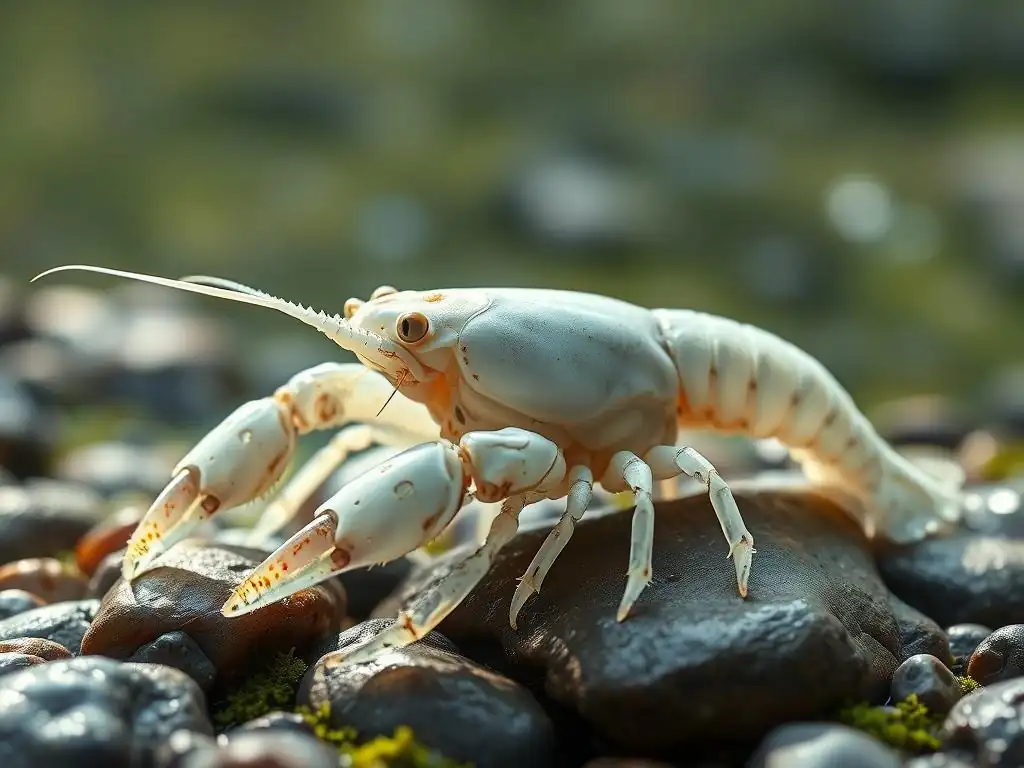
The Cherax Snowball crayfish has steadily grown in popularity among freshwater aquarists, captivating enthusiasts with its unique blend of aesthetic appeal and engaging personality. Its striking appearance and active demeanor make it a standout addition to many home aquariums, providing a distinct focal point. This growing interest also highlights the importance of responsible White Specter crayfish care to ensure their continued presence in the hobby.
The Aesthetic Appeal of the Cherax Snowball
The primary draw of the Cherax Snowball is undoubtedly its stunning, pristine white coloration. This ghostly hue creates a dramatic visual contrast against the typical greens of live plants, the dark tones of driftwood, or the varied colors of other aquatic inhabitants. In a well-lit aquarium, their bright white exoskeleton truly pops, making them an instant focal point. For instance, a single Cherax Snowball against a backdrop of lush Java Fern and dark substrate can transform a simple tank into a captivating display.
This unique aesthetic appeal allows aquarists to create distinct aquascapes that emphasize the crayfish's beauty. They fit seamlessly into minimalist setups, high-tech planted tanks, or even naturalistic biotope-inspired aquariums. The Cherax Snowball's clean, almost sculptural form adds an element of elegance and sophistication, appealing to those who appreciate unique and visually striking aquatic pets. Their ability to stand out and draw the eye is a significant factor in their widespread popularity.
The Unique Behavior and Personality of Cherax Snowball
Beyond their striking appearance, Cherax Snowball crayfish exhibit a range of fascinating behaviors that contribute to their popularity. They are active and curious creatures, constantly exploring their environment, sifting through substrate, and investigating new additions to the tank. Unlike some more reclusive invertebrates, Cherax Snowball are often out and about, especially during feeding times, providing ample opportunities for observation. For example, watching them meticulously clean their antennae or carefully manipulate food with their small mouthparts can be surprisingly engaging.
While they possess a semi-aggressive reputation, individual Cherax Snowball can develop distinct personalities. Some may be more bold and inquisitive, while others remain more shy and reclusive. Their interactions with tank decorations and occasional attempts to redecorate (by moving small stones or digging) add a dynamic element to the aquarium. This combination of active foraging, curious exploration, and individual temperament makes them more than just a static display piece; they become a truly interactive and rewarding pet for aquarists dedicated to proper White Specter crayfish care.
Contributing to Conservation: Responsible Cherax Snowball Keeping
The popularity of the Cherax Snowball also presents an opportunity for aquarists to contribute to responsible pet keeping and, indirectly, conservation efforts. The vast majority of Cherax Snowball crayfish available in the aquarium trade today are captive-bred, meaning they are not taken from wild populations. This is a significant advantage, as it reduces pressure on their natural habitats in Papua New Guinea, which can be vulnerable to environmental changes.
By purchasing captive-bred specimens from reputable sources and providing excellent White Specter crayfish care, aquarists support sustainable practices within the hobby. Responsible keeping includes not only providing optimal living conditions but also preventing escapes and never releasing non-native species into local waterways, where they could become invasive. Educating other enthusiasts about the specific needs of these freshwater crayfish further promotes ethical practices. Thus, owning a Cherax Snowball is not just about enjoying a beautiful pet; it's about participating in a hobby that values the health and sustainability of aquatic life.
Troubleshooting Common Cherax Snowball Keeping Problems
Even experienced aquarists can encounter challenges when keeping Cherax Snowball crayfish. Understanding common problems and knowing how to troubleshoot them effectively is a crucial aspect of comprehensive White Specter crayfish care. Many issues can be resolved with prompt action and attention to environmental factors.
Crayfish Escaping the Tank
Cherax Snowball crayfish are notorious escape artists, a common problem for many aquarists. Their strong claws and ability to climb surprisingly well make them adept at finding any small opening in a tank lid. They are often driven to escape by poor water quality, inadequate hiding places, or a lack of food, as they instinctively seek better conditions. For instance, if ammonia or nitrite levels are elevated, a crayfish might attempt to leave the water in search of a more hospitable environment.
To prevent escapes, ensure your aquarium has a tight-fitting lid with no gaps. Any openings for filters, heaters, or airline tubing should be as small as possible. Use mesh or sponge material to block larger gaps. Check that no equipment, such as heater suction cups or airline tubing, provides a "ladder" that the crayfish can climb.
For example, tying down airline tubing or securing heaters away from the tank edges can prevent them from being used as escape routes. Regularly inspect the tank for potential escape points and address any water quality issues promptly. A secure lid is non-negotiable for Cherax Snowball care.
Crayfish Not Eating
A Cherax Snowball crayfish refusing to eat can be a sign of various issues, from normal behavior to serious health problems. It's common for crayfish to stop eating for a few days before and after molting, as they are focused on shedding their old shell and then allowing their new one to harden. During this period, they are highly vulnerable and often remain hidden. If your crayfish has recently molted, a temporary loss of appetite is usually not a cause for concern.
However, if your Cherax Snowball is not eating outside of a molting cycle, it warrants investigation. First, check all water parameters (ammonia, nitrite, nitrate, pH, temperature, GH, KH). Poor water quality is a frequent cause of stress and loss of appetite. Second, observe for other signs of illness, such as lethargy, discoloration, or unusual posture. It could also be a sign of bullying from tank mates or insufficient hiding places leading to stress.
For instance, if a crayfish is constantly being harassed, it may be too stressed to eat. Offer a variety of foods to ensure it's not simply being picky. If water parameters are good and no other signs of illness are present, try offering a favorite treat or a different type of food. Persistent refusal to eat, especially with other symptoms, requires closer inspection and potentially isolating the crayfish for observation.
Crayfish Fighting
Fighting among Cherax Snowball crayfish, particularly if multiple individuals are kept together, is a common problem rooted in their territorial nature. While generally semi-aggressive, aggression can escalate, leading to injury or even death, especially after molting when one crayfish is vulnerable. Insufficient space and a lack of adequate hiding places are the primary triggers for conflict. For example, if two crayfish are forced to share a single small cave, aggression is almost guaranteed.
To mitigate fighting, ensure your tank is sufficiently large for the number of crayfish you keep (e.g., 40 gallons or more for two). Provide an abundance of hiding spots, aiming for at least one more shelter than the number of crayfish, strategically placed to break up lines of sight and create distinct territories. PVC pipes, rock caves, and driftwood pieces are excellent for this.
If a specific crayfish is consistently aggressive, or if a crayfish is frequently losing limbs from fights, it may be necessary to separate the individuals into their own tanks. While Cherax Snowball can sometimes be kept in groups, providing ample space and multiple retreats is paramount for minimizing conflict and ensuring peaceful White Specter crayfish care.
Conclusion: Mastering Cherax Snowball Care for a Rewarding Aquarium Experience.
Frequently Asked Questions
How difficult is it to care for a White Specter crayfish compared to other freshwater invertebrates?
White Specter crayfish are generally considered moderately easy to care for. They are more forgiving than some sensitive invertebrates, but require stable water parameters and a well-maintained tank.
What are the ideal water parameters for a White Specter crayfish?
Ideal parameters include a temperature of 65-75°F, pH between 6.5 and 7.5, and low levels of ammonia and nitrites. Regular water changes are crucial for maintaining these conditions.
What should I feed my White Specter crayfish?
They are omnivores and will accept a variety of foods, including sinking pellets, algae wafers, and occasional treats of blanched vegetables or frozen foods. Avoid overfeeding to prevent water quality issues.
Can I keep White Specter crayfish with other fish or invertebrates?
It depends on the temperament of the other inhabitants. White Specter crayfish can be aggressive, especially towards smaller or slower-moving fish. Avoid keeping them with long-finned or bottom-dwelling fish.
How often should I perform water changes in a White Specter crayfish tank?
A 25-50% water change should be performed weekly or bi-weekly, depending on the tank size and bioload. Always use dechlorinated water to avoid harming your crayfish.
Final Reflection: Embracing the Ethereal
The allure of the White Specter crayfish, as we've explored, extends far beyond its striking appearance; it represents a captivating intersection of aesthetics and responsibility in the aquarium hobby. Understanding and providing proper White Specter crayfish care is not merely about maintaining a pet, but about fostering a miniature ecosystem and appreciating the delicate balance of life within our tanks. This commitment to responsible aquascaping elevates the hobby from simple ownership to a genuine act of stewardship.
The fascination with these ghostly crustaceans speaks volumes about our desire to connect with the unique and beautiful aspects of the natural world, even within the confines of our homes. My own journey with these creatures has underscored the importance of diligent research and mindful observation, transforming what began as a simple interest into a profound appreciation for the intricacies of aquatic life. In the end, we will conserve only what we love; we will love only what we understand; and we will understand only what we are taught.
- Baba Dioum. This quote perfectly encapsulates the responsibility we bear as aquarists to educate ourselves and others about the creatures we choose to keep.
Now, as you embark on, or continue, your journey with the White Specter crayfish, I urge you to reflect on the principles we've discussed. Let the knowledge gained not only guide your care practices, but also inspire a deeper connection with the natural world. Consider how your actions, however small, contribute to the well-being of these fascinating creatures and the broader aquatic ecosystem. Embrace the ethereal beauty of the White Specter, and let it serve as a constant reminder of the responsibility and reward that comes with nurturing life.
Embrace the Ghostly Allure: Transform Your Aquarium Today!
Thank you for diving into the captivating world of the White Specter Crayfish! We hope you've discovered the unique beauty and fascinating quirks of these ghostly crustaceans. Now, let's bring that inspiration to life.
Here are a few spectral suggestions for your next steps:
- Unleash your inner aquascaper and create a dedicated White Specter Crayfish habitat: A tank with plenty of hiding spots and suitable substrate will showcase their beauty and ensure their well-being.
- Share this article with fellow aquarium enthusiasts and spark a conversation about the unique appeal of these ghostly crustaceans.
- Research compatible tank mates. Could these "ghosts" coexist peacefully with other unexpected aquatic inhabitants?
Ready to unveil the ghostly beauty in your own aquarium? What's the first step you'll take to introduce the White Specter Crayfish to your aquatic world?