
Reversing Fin Rot: Uncovering Causes and Restoring Your Fish's Glory

Welcome to Aquarium Mastery, fellow aquarist!
Worried about ragged fins and a cloudy appearance on your beloved fish? You're in the right place. Dive in, and let's unravel the mystery behind fin rot. Our Fin Rot Treatment Guide will take you step-by-step through identifying the causes, implementing effective treatments, and restoring your fish's vibrant health. Ready to get started and bring your fish back to their fin-tastic best?
- Understanding Fin Rot in Aquarium Fish
- Causes of Fin Rot: Pinpointing the Culprits
- Fin Rot Treatment Guide: Restoring Your Fish's Health
-
Preventing Fin Rot: Maintaining a Healthy Aquarium Environment
- Regular Water Changes: The Cornerstone of Prevention
- Proper Filtration and Aeration: Ensuring Optimal Water Quality
- Maintaining a Balanced Aquarium Ecosystem: Promoting Fish Health
- Quarantine New Fish: Preventing the Introduction of Disease
- Avoiding Overcrowding: Providing Adequate Space for Your Fish
- Step-by-Step Fin Rot Treatment Plan
- Advanced Fin Rot Cases: Addressing Stubborn Infections
- Products and Tools to Consider for Fin Rot Treatment
- Common Mistakes to Avoid During Fin Rot Treatment
- Frequently Asked Questions
- Final Reflection: Restoring Hope, One Fin at a Time
- Revive Your Fish: Reclaim Their Radiance!
Understanding Fin Rot in Aquarium Fish
What is Fin Rot and How Does it Affect Fish?
Fin rot is a common bacterial infection that affects the fins and tails of aquarium fish. It is primarily caused by opportunistic bacteria such as Aeromonas, Pseudomonas, and Flexibacter columnaris, which are naturally present in most aquarium environments. These bacteria typically only cause problems when a fish is stressed or has a compromised immune system, allowing the pathogens to proliferate and attack delicate fin tissue. The infection manifests as a progressive erosion of the fins, making them appear ragged, frayed, or even completely absent in advanced stages.
The impact of fin rot on fish can be severe if left untreated. Initially, it causes discomfort and stress, further weakening the fish's immune response. As the infection progresses, it can lead to secondary fungal or bacterial infections, body sores, and eventually, systemic organ failure. Fish commonly affected include Bettas, Goldfish, and Angelfish, largely due to their flowing finnage which can be more susceptible to injury or poor water conditions. Without a proper fin rot treatment guide, the condition can be fatal, making early intervention crucial for your fish's survival and well-being.
Identifying Fin Rot: Early Signs and Symptoms
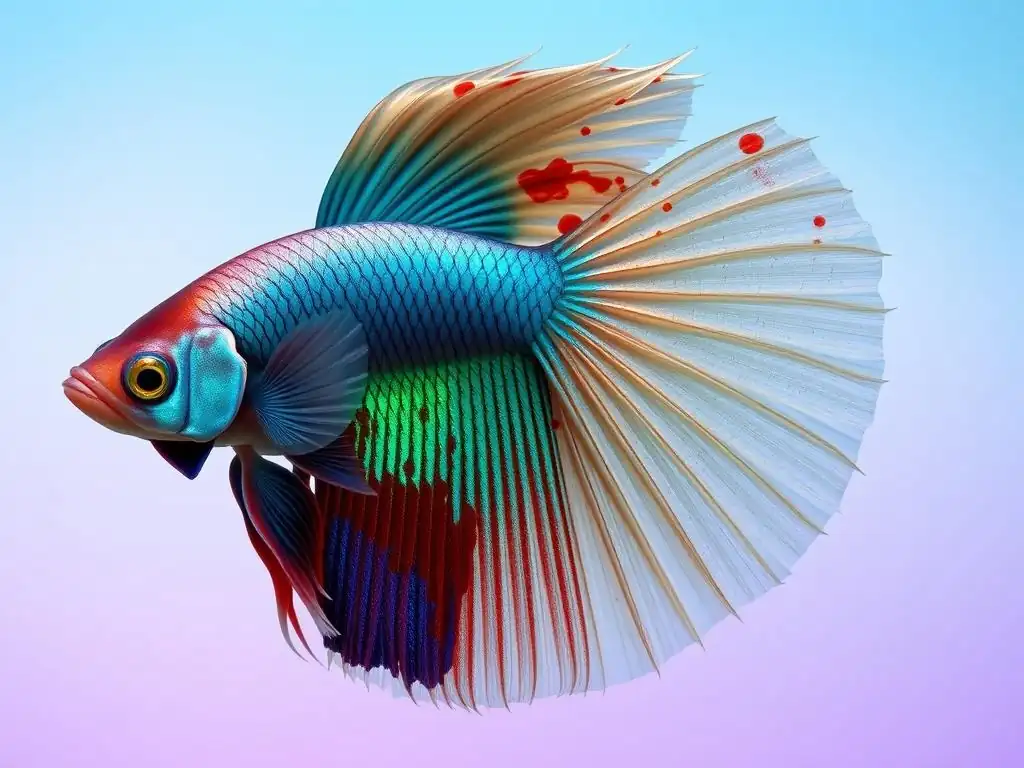
Recognizing fin rot in its early stages is key to a successful fin rot treatment guide. The initial signs often include a slight fraying or tattering of the fin edges, resembling small tears. The tips of the fins may also appear milky white, opaque, or even reddish at the base due to inflammation. For instance, a Betta fish might show a noticeable reduction in its flowing tail, with the edges looking somewhat translucent and uneven.
As the condition advances, the erosion becomes more pronounced, and the fins may shorten significantly, appearing ragged and stubby. In some cases, the edges of the damaged fins can develop a black or dark red outline, indicating tissue necrosis or severe inflammation. Beyond physical changes, affected fish may exhibit behavioral symptoms such as lethargy, clamping their fins close to their body, losing their appetite, or isolating themselves from tank mates. Observing these subtle changes is vital for prompt diagnosis and initiating a fin rot treatment guide.
Fin Rot vs. Fin Melt: Distinguishing Between Common Fish Ailments
While often used interchangeably, fin rot and fin melt are distinct, though related, conditions that require different considerations in a fin rot treatment guide. Fin rot, as discussed, is a bacterial infection characterized by a gradual erosion of fin tissue, often presenting with white, opaque, or reddish edges as the tissue slowly decays. It's typically a slower process, allowing for more time to intervene.
Fin melt, on the other hand, is a much more aggressive and rapid form of fin deterioration, often caused by highly virulent strains of bacteria, particularly Columnaris (also known as Cottonmouth disease). With fin melt, the fin tissue appears to dissolve very quickly, sometimes overnight, leaving behind a clear, almost gelatinous residue. It can quickly spread to the fish's body, causing lesions and rapid decline. While both are bacterial, fin melt demands immediate and often stronger antibiotic intervention, making the distinction crucial for an effective fin rot treatment guide.
Causes of Fin Rot: Pinpointing the Culprits
Poor Water Quality: The Primary Driver of Fin Rot
Poor water quality is arguably the most common and significant factor contributing to fin rot. Elevated levels of ammonia and nitrite, which are highly toxic to fish, directly stress their immune systems, making them vulnerable to opportunistic bacterial infections. For instance, even ammonia levels above 0.25 parts per million (ppm) can begin to compromise a fish's health, and anything above 0.5 ppm is considered dangerous. High nitrate levels, though less acutely toxic than ammonia or nitrite, can also cause chronic stress if consistently above 20-40 ppm, particularly for sensitive species.
Furthermore, unstable pH levels or sudden, drastic temperature fluctuations can severely stress fish, depleting their energy reserves and weakening their natural defenses against pathogens. A sudden drop in pH from 7.5 to 6.5, for example, can be a major stressor for fish accustomed to stable conditions. These suboptimal water parameters create an environment where the beneficial bacteria that maintain a healthy nitrogen cycle struggle, while harmful bacteria, which cause fin rot, thrive. Therefore, maintaining pristine water conditions is a cornerstone of any effective fin rot treatment guide.
Stress Factors: How Stress Weakens Fish Immune Systems and Leads to Fin Rot
Beyond water quality, various other stressors can severely compromise a fish's immune system, making it susceptible to fin rot. Chronic stress can be induced by factors like improper tank size (e.g., a Goldfish kept in a 10-gallon tank when it requires significantly more space), inadequate filtration leading to low oxygen levels, or constant aggression from incompatible tank mates. A Betta fish, for instance, housed with fin-nipping species like Tiger Barbs, will experience perpetual stress from harassment.
Additionally, an inappropriate diet lacking essential nutrients, or even excessive noise and vibrations near the aquarium, can contribute to a fish's stress levels. When a fish is under continuous stress, its body diverts energy away from immune function to cope with the perceived threat, leaving it vulnerable to diseases like fin rot. Recognizing and mitigating these stress factors is a critical component of a holistic fin rot treatment guide, as even the best medication will struggle if the underlying stressors persist.
Injuries and Fin Nipping: Creating Entry Points for Bacterial Infections
Physical injuries to a fish's fins, whether from sharp aquarium décor or aggressive tank mates, provide direct entry points for the opportunistic bacteria that cause fin rot. Even a minor tear on a fin from brushing against a jagged rock or a sharp plastic plant can become infected within hours in a bacteria-laden environment. Common examples include Bettas tearing their long fins on rough filter intakes or Plecos getting scraped on poorly-smoothed driftwood.
Fin nipping, a prevalent behavior among certain fish species like many types of Barbs or even some Cichlids, also creates open wounds that are highly susceptible to infection. For instance, a school of five Cherry Barbs might constantly nip at the flowing fins of an Angelfish, leading to repeated injuries. These open wounds bypass the fish's natural external protective slime coat, allowing bacteria to easily colonize the damaged tissue and initiate fin rot. Addressing the source of injury, whether it's adjusting decor or rehoming aggressive fish, is an essential step in any comprehensive fin rot treatment guide.
Overcrowding and Ammonia Spikes: Contributing Factors to Fin Rot
Overcrowding is a significant stressor and a direct contributor to fin rot due to its immediate impact on water quality and fish behavior. When too many fish are housed in a confined space, the biological load on the aquarium system increases dramatically. This leads to a rapid accumulation of fish waste, uneaten food, and decaying plant matter, which in turn causes sharp spikes in toxic ammonia and nitrite levels. For example, placing ten adult Guppies in a 10-gallon tank, when a more appropriate stocking level might be five or six, will inevitably lead to chronic ammonia issues.
Beyond water quality degradation, overcrowding also increases aggression among tank inhabitants, leading to more frequent fin nipping and territorial disputes. The reduced available oxygen and increased competition for resources further stress the fish, suppressing their immune systems. This creates a perfect storm where fish are physically injured, stressed, and living in toxic water, making them prime targets for fin rot. Avoiding overcrowding is a fundamental preventative measure and a key piece of advice in any effective fin rot treatment guide.
Fin Rot Treatment Guide: Restoring Your Fish's Health
Immediate Actions: Isolating the Affected Fish and Adjusting Water Parameters
Upon noticing signs of fin rot, immediate action is crucial for a successful fin rot treatment guide. The very first step is to isolate the affected fish by moving it to a separate hospital or quarantine tank. This prevents the spread of infection to healthy tank mates and allows for targeted treatment without impacting the main aquarium's biological filter or other inhabitants. A simple 5-10 gallon tank with a small heater and air stone is usually sufficient for a hospital tank.
Concurrently, perform a large partial water change (25-50%) in both the main display tank and the hospital tank (if already set up). Use a reliable liquid test kit to measure ammonia, nitrite, nitrate, and pH levels. The goal is to bring ammonia and nitrite levels down to 0 ppm and nitrates below 20 ppm. Stable, clean water is the foundation of recovery, as it reduces stress on the fish and removes the very toxins that contribute to the disease. Without addressing water parameters, any other fin rot treatment will be significantly less effective.
Aquarium Salt Treatment for Fin Rot: A Natural Remedy
Aquarium salt (non-iodized sodium chloride) is a widely recommended natural remedy and an effective component of many fin rot treatment guides, especially for mild to moderate cases. It works by acting as a mild antiseptic, reducing the bacterial load in the water, and aiding the fish's osmoregulation by reducing osmotic stress. This means the fish expends less energy on maintaining its internal salt-water balance, allowing more energy to be directed towards healing.
For fin rot, a common dosage is 1-3 teaspoons of non-iodized aquarium salt per gallon of water in the hospital tank. It's generally best to start with 1 teaspoon per gallon for sensitive fish and gradually increase over 24-48 hours if no adverse reactions are observed. Always dissolve the salt completely in a small amount of tank water before slowly adding it to the hospital tank to avoid shocking the fish.
While generally safe for most freshwater fish, scaleless fish (like Corydoras catfish) and some sensitive plant species may not tolerate higher concentrations, so monitor closely. This method is often the first line of defense in a fin rot treatment guide before resorting to stronger medications.
Antibiotic Medications for Fin Rot: When and How to Use Them
When fin rot is severe, rapidly progressing, or unresponsive to aquarium salt and improved water quality, antibiotic medications become a necessary part of the fin rot treatment guide. These medications target the specific bacterial pathogens responsible for the infection, halting their spread and allowing the fish to heal. It's crucial to understand that antibiotics are powerful tools and should be used judiciously, as overuse can lead to resistant bacterial strains and can harm the beneficial bacteria in a cycled aquarium.
Antibiotics are typically administered in the hospital tank to ensure accurate dosing and prevent damage to the main tank's biological filter. Common broad-spectrum antibiotics used for fin rot include Erythromycin (often sold as Maracyn), Nitrofurazone (found in Furan-2), and Kanamycin (available as Seachem Kanaplex). Always remove activated carbon from the filter during treatment, as it will absorb the medication, rendering it ineffective. A typical course of treatment might last 5-7 days, with specific instructions varying by product.
Choosing the Right Antibiotic for Fin Rot
Selecting the appropriate antibiotic is a critical step in a comprehensive fin rot treatment guide. While many over-the-counter medications are broad-spectrum, targeting a wide range of bacteria, some are more effective against specific types. For instance, Erythromycin (e.g., Maracyn) is often effective against gram-positive bacteria, while Nitrofurazone (e.g., Furan-2) and Kanamycin (e.g., Kanaplex) are effective against a broader range, including many gram-negative bacteria commonly implicated in fin rot. If one antibiotic doesn't show improvement after 3-5 days, switching to another with a different active ingredient may be necessary.
It is also important to consider the fish species being treated. Some fish, particularly scaleless varieties or those with delicate systems, can be more sensitive to certain medications. Always research the specific antibiotic and its compatibility with your fish species. For example, some medications can be harsher on labyrinth fish like Bettas or Anabantoids. Reading product labels carefully and understanding the active ingredients is paramount for a successful fin rot treatment guide.
Administering Antibiotics Safely and Effectively
Proper administration of antibiotics is vital to ensure efficacy and minimize harm to your fish. Always follow the manufacturer's instructions precisely regarding dosage, frequency, and duration of treatment. Overdosing can be fatal, while underdosing can lead to resistant bacterial strains and ineffective treatment. For example, if a medication calls for one dose every 24 hours for five days, adhere strictly to that schedule.
Before adding medication, ensure all activated carbon has been removed from the filter, as it will adsorb the medication. Perform prescribed water changes between doses if the medication instructions call for it, typically to remove accumulated waste and maintain water quality. After the treatment course is complete, a large water change (e.g., 50%) is often recommended to remove residual medication. Monitor your fish closely throughout the treatment period for any signs of adverse reactions or improvement, as detailed in this fin rot treatment guide.
Natural Fin Rot Treatments: Exploring Alternative Approaches
Beyond salt and antibiotics, some aquarists explore natural fin rot treatments as supplementary or mild remedies, particularly for very early or minor cases. Indian Almond Leaves (IAL), also known as Catappa leaves, are a popular choice. When steeped in aquarium water, they release beneficial tannins that impart a natural antiseptic quality, lower pH slightly, and are believed to boost fish immunity and reduce stress. Many Betta keepers use IAL regularly as a preventative measure and as part of their fin rot treatment guide for minor fraying.
Other alternative approaches might include specific herbal remedies or commercial products derived from natural extracts. While these can contribute to a healthier environment and potentially aid in recovery by reducing stress or offering mild antibacterial properties, it's crucial to understand that they are generally not potent enough to cure advanced or severe fin rot infections. They are best used in conjunction with pristine water quality and, if necessary, conventional medications, rather than as standalone solutions for significant bacterial issues. This fin rot treatment guide emphasizes a multi-faceted approach.
Preventing Fin Rot: Maintaining a Healthy Aquarium Environment
Regular Water Changes: The Cornerstone of Prevention
Regular water changes are the single most important preventative measure against fin rot and numerous other fish diseases. They effectively dilute and remove accumulated nitrates, phosphates, and other dissolved organic compounds that can stress fish and provide a breeding ground for harmful bacteria. For most established aquariums, a weekly partial water change of 20-30% is ideal. For example, in a 20-gallon tank, changing 4-6 gallons of water every week can drastically improve water quality.
Consistent water changes also help to replenish essential trace minerals and electrolytes that are utilized by fish and plants, contributing to overall fish health and a robust immune system. Without regular water changes, even the best filtration system cannot prevent the gradual buildup of pollutants that ultimately compromise water quality and make fish susceptible to fin rot. This fundamental practice forms the bedrock of any effective fin rot treatment guide and prevention strategy.
Proper Filtration and Aeration: Ensuring Optimal Water Quality
Effective filtration and adequate aeration are indispensable for maintaining the pristine water quality necessary to prevent fin rot. A robust filtration system, combining mechanical, biological, and sometimes chemical filtration, ensures the removal of physical debris, the conversion of toxic ammonia and nitrite into less harmful nitrate, and the absorption of dissolved pollutants. For instance, a hang-on-back filter rated for a tank size larger than your actual tank can provide superior biological filtration capacity, processing more waste efficiently.
Sufficient aeration, typically achieved through an air stone or by ensuring the filter outflow agitates the water surface, is crucial for maintaining high dissolved oxygen levels. Fish under stress from low oxygen are more susceptible to disease. Proper oxygenation also supports the beneficial aerobic bacteria responsible for biological filtration. A well-filtered and aerated tank creates a stable, healthy environment where fish are less stressed and better able to resist infections like fin rot, making these elements vital in any fin rot treatment guide.
Maintaining a Balanced Aquarium Ecosystem: Promoting Fish Health
Maintaining a balanced aquarium ecosystem is a holistic approach to promoting fish health and preventing fin rot. This involves careful consideration of stocking levels, ensuring that the tank is not overcrowded and that fish have adequate space to thrive without undue stress. A common guideline, though simplistic for all species, suggests one inch of adult fish per gallon of water for smaller fish; exceeding this significantly increases bioload and stress.
Furthermore, selecting compatible fish species is crucial to prevent aggression and fin nipping, which create open wounds susceptible to infection. For example, housing long-finned Bettas with fast-moving fin-nippers like Tiger Barbs is an invitation for trouble. Providing a high-quality, varied diet appropriate for each species ensures optimal nutrition, boosting the fish's immune system. A healthy, balanced ecosystem minimizes stress and maximizes natural defenses, making fin rot prevention a proactive endeavor.
Quarantine New Fish: Preventing the Introduction of Disease
Quarantining all new fish before introducing them to your main display tank is a critical, yet often overlooked, preventative measure that can save your entire aquarium from outbreaks like fin rot. A dedicated quarantine tank, even a simple 5-10 gallon setup with a heater and small filter, allows you to observe new fish for signs of illness in isolation. A typical quarantine period lasts 2-4 weeks.
During this time, new fish may exhibit symptoms of diseases they carried from the pet store, such as fin rot, ich, or velvet. If any signs of disease appear, they can be treated in the quarantine tank without exposing your established, healthy fish. This practice significantly reduces the risk of introducing pathogens into your main aquarium, thereby preventing widespread outbreaks and minimizing the need for extensive fin rot treatment guide interventions in your primary tank.
Avoiding Overcrowding: Providing Adequate Space for Your Fish
Avoiding overcrowding is paramount for preventing fin rot and maintaining a healthy aquarium environment. When fish are kept in tanks that are too small for their size and number, several issues arise that directly contribute to disease. Firstly, the bioload (the amount of waste produced by the fish) quickly overwhelms the filtration system, leading to rapid accumulation of toxic ammonia and nitrite. A tank designed for 5 small fish, if housing 15, will struggle to maintain clean water.
Secondly, overcrowding leads to increased stress among fish due to limited space, constant competition for resources, and heightened aggression. This chronic stress suppresses their immune systems, making them highly susceptible to opportunistic bacterial infections like fin rot. For instance, a single adult Oscar fish requires a tank of at least 75 gallons, not 20 gallons, to thrive without stress. Providing adequate space ensures fish can establish territories, reduces aggression, and facilitates better water quality, all contributing to robust health and effective fin rot prevention.
Step-by-Step Fin Rot Treatment Plan
Step 1: Diagnose and Isolate the Affected Fish
The initial step in any effective fin rot treatment guide is accurate diagnosis and prompt isolation. Carefully observe your fish for classic fin rot symptoms: frayed, tattered, or eroded fins, white or reddish edges, and potentially clamped fins or lethargy. Once fin rot is suspected, immediately prepare a separate hospital or quarantine tank.
This temporary setup, typically a 5-10 gallon aquarium, should include a heater to maintain stable temperature (around 78-80°F for most tropicals) and an air stone for aeration, but no substrate or complex decor to simplify cleaning and medication. Gently net the affected fish and transfer it to the hospital tank.
Step 2: Perform a Large Water Change (25-50%)
Following isolation, a crucial step in the fin rot treatment guide is to perform a significant water change in both the hospital tank (if the fish was transferred to fresh water) and the main display tank. Change 25-50% of the water in each. Always use a dechlorinator to neutralize chlorine and chloramines in the tap water, which are harmful to fish and beneficial bacteria.
This large water change effectively reduces the concentration of harmful bacteria and toxins like ammonia and nitrite, which are primary contributors to fin rot. It immediately improves the environment for the sick fish and helps prevent the spread of infection in the main tank.
Step 3: Adjust Water Parameters and Add Aquarium Salt
After the water change, meticulously test the water parameters in the hospital tank using a reliable liquid test kit. Ensure ammonia and nitrite levels are at 0 ppm, and nitrates are below 20 ppm. Adjust pH to the optimal range for your specific fish species. Once parameters are stable, begin the aquarium salt treatment.
Dissolve 1-2 teaspoons of non-iodized aquarium salt per gallon of water in a small cup of tank water, then slowly add it to the hospital tank. Monitor the fish closely for the next 24-48 hours. This step in the fin rot treatment guide provides a mild antiseptic effect and reduces stress on the fish.
Step 4: Monitor Progress and Consider Antibiotic Treatment if Necessary
Over the next 3-5 days, diligently monitor your fish for signs of improvement. Look for a halt in fin erosion and, ideally, the beginning of clear, new fin regrowth. Fin regeneration can appear as a transparent fringe.
If, after 3-5 days of clean water and salt treatment, there is no improvement, or the condition worsens, it's time to consider a broad-spectrum antibiotic medication. Refer to the specific instructions for medications like Seachem Kanaplex or API Fin & Body Cure, ensuring you remove activated carbon from the filter before dosing. This is a critical decision point in the fin rot treatment guide.
Step 5: Continue Preventative Measures to Avoid Recurrence
Once the fish shows full recovery, with fins largely regrown and normal behavior resumed (which can take several weeks), do not rush to return it to the main tank. Continue to maintain pristine water quality and monitor for at least one full week after the visible signs of fin rot have disappeared. In the main tank, reinforce all preventative measures: regular weekly water changes (25-30%), ensure proper filtration and aeration, avoid overfeeding, and address any overcrowding or aggression issues. This final step in the fin rot treatment guide is crucial for long-term health and preventing future outbreaks.
Advanced Fin Rot Cases: Addressing Stubborn Infections
Identifying and Treating Secondary Infections
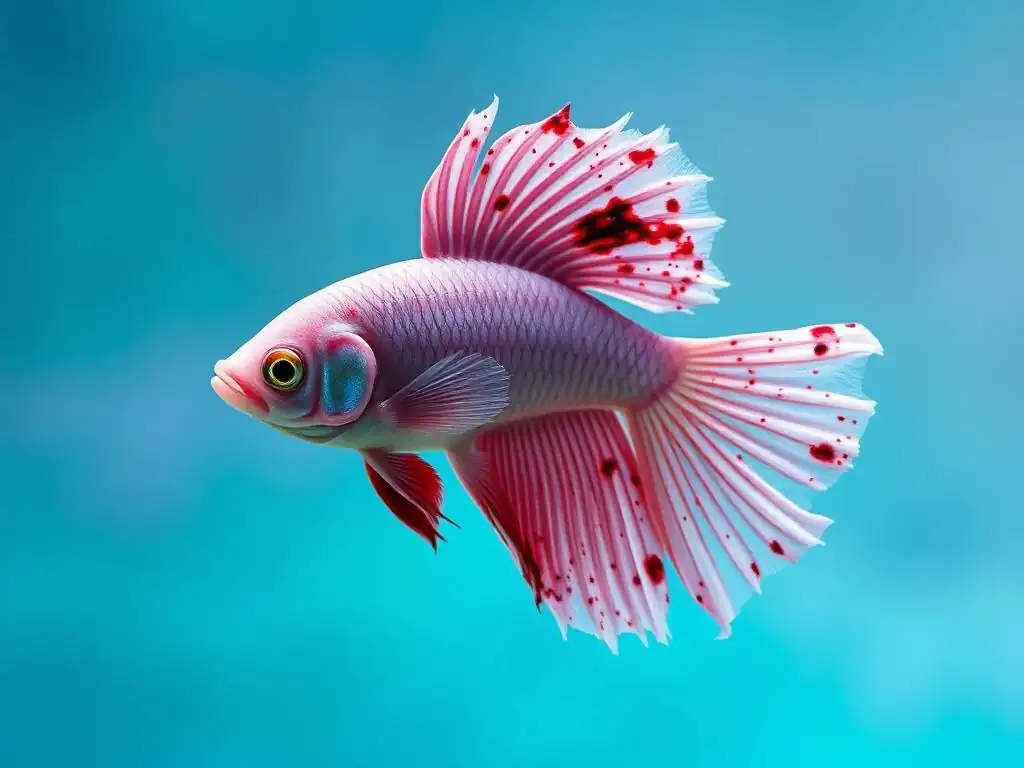
In advanced fin rot cases, the primary bacterial infection can weaken the fish's immune system to such an extent that it becomes susceptible to secondary infections. These often manifest as fuzzy, cotton-like growths on the fins or body (fungal infections, often Saprolegnia), or as open sores, ulcers, and systemic issues like dropsy (bloating with scales protruding). For instance, a fish with severe fin erosion might also develop a white, fluffy patch near the base of its tail.
Treating secondary infections usually requires a multi-faceted approach. If a fungal infection is present, an anti-fungal medication (e.g., API Fungus Cure or Seachem Paraguard) may be needed in conjunction with the primary antibiotic for fin rot. For severe body sores or signs of systemic infection (like dropsy), stronger antibiotics or a combination of medications might be necessary. It's crucial to identify these co-occurring issues as they complicate the fin rot treatment guide and require a more aggressive intervention.
When to Consult a Veterinarian for Fish Health
While many fin rot cases can be successfully treated at home with a detailed fin rot treatment guide, there are instances when consulting a specialized aquatic veterinarian becomes necessary. This is particularly true if: 1) home treatments have failed to show improvement after 7-10 days, despite strict adherence to the protocol; 2) the infection is rapidly worsening, affecting multiple fish, or causing severe systemic symptoms (e.g., extreme lethargy, loss of balance, or sudden death); or 3) you suspect a highly virulent or unusual pathogen that requires specific diagnostic testing.
Aquatic veterinarians have access to advanced diagnostic tools, such as microscopy, bacterial cultures, and sensitivity testing, which can identify the exact pathogen and determine the most effective antibiotic. They can also prescribe medications not available over-the-counter. While fish vet services can be costly (e.g., an initial consultation might range from $100-$300), for valuable or beloved fish, or for widespread tank issues, their expertise can be invaluable in saving lives and providing a tailored fin rot treatment guide.
Long-Term Care and Recovery After Fin Rot
Long-term care and recovery after a severe fin rot infection are just as important as the initial treatment itself. Even after the infection is cleared, the fish's immune system may still be compromised, and fin regrowth can be a slow process. It can take several weeks to many months for fins to fully regenerate, depending on the severity of the damage and the fish species. For example, a Betta with severe fin loss might show noticeable regrowth in 2-4 weeks, but complete restoration could take 3-6 months.
During this recovery period, maintaining impeccable water quality (0 ppm ammonia/nitrite, nitrates below 20 ppm) is paramount, as clean water actively promotes tissue regeneration and prevents relapse. A high-quality, varied diet rich in vitamins (e.g., vitamin C, which aids in tissue repair) and occasional vitamin supplements can also boost the fish's immune system and support healing. Reducing all forms of stress – through stable parameters, appropriate tank mates, and adequate space – is crucial for a full and lasting recovery, ensuring the efforts of the fin rot treatment guide are sustained.
Products and Tools to Consider for Fin Rot Treatment
Water Testing Kits: Monitoring Water Quality
A reliable water testing kit is the most essential tool for both preventing and treating fin rot. Liquid-based test kits, such as the API Freshwater Master Test Kit, are highly recommended over test strips due to their superior accuracy and longevity. These kits typically measure ammonia, nitrite, nitrate, and pH, which are the critical parameters for assessing water quality and identifying stressors that contribute to fin rot.
Regular testing, ideally weekly, allows aquarists to detect harmful chemical buildups before they become problematic, enabling proactive water changes. During a fin rot treatment guide, daily testing is often necessary to ensure medications aren't negatively impacting the nitrogen cycle and that toxins are not accumulating. Investing in a quality test kit empowers aquarists to maintain stable, healthy water conditions, which is the foundation of fish health.
Medications for Fin Rot
A variety of over-the-counter medications are available specifically formulated for fin rot treatment. These commonly include broad-spectrum antibiotics and antibacterial agents. Popular choices include:
- Seachem Kanaplex (Kanamycin): Effective against a wide range of gram-negative and some gram-positive bacteria. It's often favored for its efficacy and relatively lower impact on the biological filter compared to some other medications.
- API Fin & Body Cure (Doxycycline): Another broad-spectrum antibiotic that targets many common bacterial infections causing fin rot.
- Fritz Mardel Maracyn (Erythromycin): Primarily targets gram-positive bacterial infections, though some gram-negative strains can also be affected.
When selecting a medication, it's crucial to read the active ingredients and ensure it's suitable for your specific fish species. Always follow the dosage instructions precisely to ensure effective treatment and prevent harm to your fish, as outlined in this fin rot treatment guide.
Aquarium Salt
Non-iodized aquarium salt is a widely used and effective natural remedy in many fin rot treatment guides, particularly for mild cases or as a supportive therapy. It is pure sodium chloride, free of anti-caking agents, iodine, or other additives found in table salt that can be harmful to fish. Brands like API Aquarium Salt are specifically formulated for aquarium use.
Aquarium salt helps fish by reducing osmotic stress, making it easier for them to regulate their internal fluids, and acts as a mild antiseptic to reduce bacterial load in the water. Typical dosages for fin rot range from 1-3 teaspoons per gallon, dissolved completely before adding to the hospital tank. It's important to note that while beneficial for many freshwater fish, it should be used with caution for scaleless fish (e.g., Corydoras) or in planted tanks.
Quarantine Tanks: Isolating Sick Fish
A quarantine tank is an indispensable tool for any serious aquarist and a vital component of a fin rot treatment guide. It is a separate, dedicated tank used to house new fish before introducing them to the main aquarium, or to isolate sick fish for observation and treatment. A basic setup typically consists of a 5-10 gallon tank, a small sponge filter, a heater, and an air stone.
The benefits of a quarantine tank are numerous:
- Disease Prevention: It prevents the introduction of diseases like fin rot from new fish to your established main tank.
- Targeted Treatment: Allows for precise dosing of medications without affecting the main tank's biological filter or healthy inhabitants.
- Observation: Provides a controlled environment to closely monitor sick fish without stress from tank mates.
Having a quarantine tank readily available can significantly improve the success rate of fin rot treatment and overall aquarium health management.
Common Mistakes to Avoid During Fin Rot Treatment
Over-Medicating Your Fish
One of the most common and detrimental mistakes in a fin rot treatment guide is over-medicating your fish. While the instinct is to eradicate the disease quickly, exceeding recommended dosages or using multiple medications simultaneously without proper knowledge can be far more harmful than the disease itself. Overdosing can lead to organ damage, severe stress, or even death in fish, as their systems are highly sensitive to chemical imbalances.
Furthermore, using antibiotics unnecessarily or incorrectly can contribute to the development of antibiotic-resistant bacterial strains, making future treatments much more difficult. Always adhere strictly to the product's instructions regarding dosage, frequency, and duration. For instance, if a medication specifies a 5-day course, do not extend it to 10 days unless explicitly instructed by a professional. Patience and adherence to the fin rot treatment guide are key.
Neglecting Water Quality
Another critical error during fin rot treatment is to focus solely on medication while neglecting the underlying issue of poor water quality. Medications can kill the bacteria, but if the fish remains in water with high levels of ammonia, nitrite, or nitrates, its immune system will remain compromised, preventing proper healing and making relapse highly likely. For example, administering antibiotics without performing regular water changes will likely yield little long-term success.
Pristine water conditions are the foundation of any successful fin rot treatment guide. This means consistently monitoring water parameters with a test kit and performing regular partial water changes (e.g., 25-50% every few days in the hospital tank, depending on medication instructions) to keep toxins at 0 ppm. Medication is a tool to fight the infection, but clean water is what allows the fish to recover and rebuild its immune defenses.
Returning Fish to the Main Tank Too Soon
A common mistake driven by impatience is returning a fish to the main tank prematurely after fin rot treatment. While the visible signs of infection might have subsided, the fish's immune system may still be recovering, and new fin tissue might still be fragile. Returning it too soon can lead to a relapse of the infection or stress from tank mates, hindering full recovery. For instance, if new fin regrowth is barely visible, the fish is still highly vulnerable.
The general rule of thumb is to keep the fish in the hospital tank for at least one full week after all visible symptoms of fin rot have disappeared and significant fin regrowth is evident. The new fin tissue should appear clear and healthy, without any cloudiness or redness. This allows the fish to fully recuperate in a stress-free environment and ensures it's robust enough to re-enter the main aquarium, solidifying the success of your fin rot treatment guide.
Frequently Asked Questions
How can I tell if my fish has fin rot?
Fin rot is typically identified by ragged or frayed fins. You might also notice discoloration or white edges on the fins. In severe cases, the fins may appear significantly shorter.
What is the primary cause of fin rot in aquarium fish?
Fin rot is usually caused by poor water quality in the aquarium. High levels of ammonia and nitrites stress the fish, making them susceptible to bacterial infections.
What are some effective treatments for fin rot?
Treatment typically involves improving water quality through frequent water changes. You can also use antibacterial medications specifically formulated for fish, following the product instructions carefully.
How often should I perform water changes to prevent fin rot?
Regular water changes are crucial. Aim for 25-50% water changes every 1-2 weeks, depending on the size of your tank and the fish population, to maintain optimal water parameters.
Can fin rot spread to other fish in the aquarium?
Yes, fin rot can be contagious. It's crucial to isolate the affected fish if possible to prevent the spread of the bacterial infection. Also, address the underlying water quality issues in the main tank.
Final Reflection: Restoring Hope, One Fin at a Time
The journey through understanding and treating fin rot, as we've explored, isn't just about saving a fish; it's about reclaiming vitality and restoring balance within a miniature ecosystem. The principles of prevention, early detection, and appropriate treatment highlighted throughout this guide resonate far beyond the confines of an aquarium, reminding us of the interconnectedness of health and environment in all living things.
This exploration has underscored the profound responsibility we undertake when caring for another living being. The dedication required to reverse fin rot mirrors the commitment needed to nurture any relationship, be it with a pet, a person, or even our own well-being. The meticulous observation, the careful adjustments, and the unwavering patience all speak to a deeper understanding of life's delicate balance. The greatness of a nation and its moral progress can be judged by the way its animals are treated.
- Mahatma Gandhi. This quote, while often applied to larger animals, holds equal weight when considering the care we provide to even the smallest creatures under our charge.
Now, armed with this knowledge and understanding, I encourage you to look beyond the immediate task of fin rot treatment. Consider the broader implications of responsible pet ownership, the importance of environmental stewardship, and the power of proactive care. Let this guide serve not just as a fin rot treatment guide, but as a reminder to cultivate empathy, practice diligence, and strive to create a healthier, more harmonious world, one fin, one tank, one life at a time.
Revive Your Fish: Reclaim Their Radiance!
Thank you for diving into the world of fin rot and learning how to nurse your aquatic friends back to health. Now that you’re equipped with the knowledge, let's put that expertise into action!
Here's how you can continue your journey:
- Take immediate action by carefully assessing your fish's condition and tank environment. Pinpoint the underlying cause of the fin rot, whether it’s poor water quality, stress, or a secondary infection.
- Explore advanced aquarium practices. Delve deeper into preventative measures by researching and implementing regular water testing, effective filtration methods, and appropriate tank mate selection to ensure a thriving environment for all your aquatic inhabitants.
- Share your success! Document your fish's recovery journey with before-and-after photos on social media or aquarium forums. Help other fishkeepers by sharing your insights and the specific treatments that worked for you.
Ready to transform your aquarium into a haven for happy, healthy fish?