
The Art of Selection: Spotting Healthy Fish & Avoiding Future Heartache

Welcome to Aquarium Mastery!
Ever wondered how to guarantee a thriving aquarium from the start? Before you even think about water parameters or decorations, it all begins with choosing the right fish. Dive into our Healthy Fish Selection Guide and unlock the secrets to spotting vibrant, disease-free additions to your aquatic family. Learn how to avoid costly mistakes and set yourself up for long-term success. Ready to build your dream aquarium? Let's get started!
- Introduction: Why a Healthy Fish Selection Guide is Crucial for Aquarium Success
- Understanding Fish Health: Key Indicators of a Thriving Specimen
- Avoiding Future Heartache: Recognizing Signs of Unhealthy Fish
- Choosing the Right Fish Species for Your Aquarium
- Selecting Fish from Reputable Sources
- Acclimation: Ensuring a Smooth Transition for Your New Fish
- Conclusion: Investing in Healthy Fish for a Thriving Aquarium
-
Frequently Asked Questions
- How can I identify a healthy fish at the pet store?
- What are some key signs of disease I should watch out for when choosing fish?
- What role does a quarantine tank play in selecting healthy fish?
- What water parameters should I consider when selecting fish to ensure their long-term health?
- Why is researching fish species important before purchasing them?
- Final Reflection: Navigating the Waters of Healthy Choices
- Dive Deeper: Transform Your Aquarium Today!
Introduction: Why a Healthy Fish Selection Guide is Crucial for Aquarium Success
Embarking on the journey of aquarium keeping is a rewarding experience, but its success hinges significantly on one critical initial step: the careful selection of your aquatic inhabitants. Many new aquarists, eager to populate their tanks, overlook the subtle yet vital signs of fish health, often leading to disheartening outcomes like disease outbreaks, fish loss, and the added expense of treatments. A robust and reliable healthy fish selection guide is not just a recommendation; it's an indispensable tool that forms the bedrock of a thriving, vibrant, and sustainable aquatic ecosystem.
Choosing healthy fish from the outset minimizes the risk of introducing pathogens into your established aquarium, safeguarding your existing aquatic community from potential devastation. It also reduces stress on the new arrivals, allowing them to acclimate more smoothly and display their natural beauty and behavior. This proactive approach, guided by a comprehensive healthy fish selection guide, ensures that your investment of time, effort, and resources translates into a joyful and enduring hobby, rather than a cycle of frustration and loss.
Understanding Fish Health: Key Indicators of a Thriving Specimen
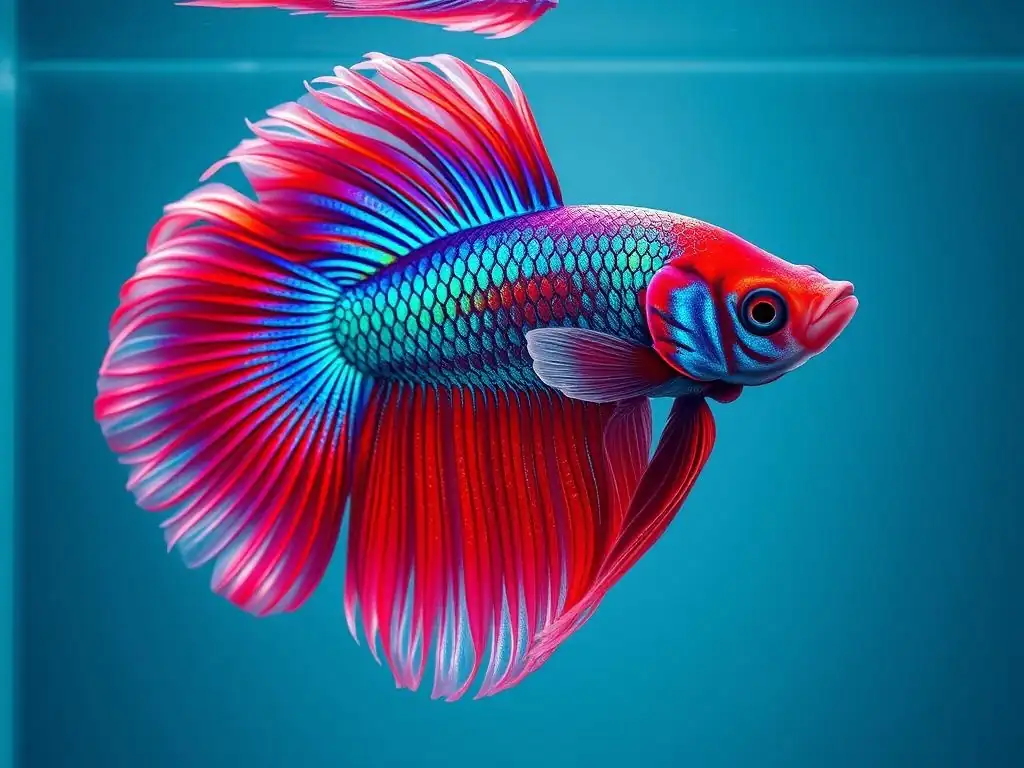
Observing Physical Characteristics: Visual Clues to Fish Health
Assessing Body Shape and Fin Condition for Healthy Fish
When evaluating fish for purchase, their body shape and fin condition offer immediate visual insights into their overall well-being. A healthy fish should exhibit a robust, full body, appropriate for its species, without any signs of emaciation (sunken belly) or abnormal bloating, unless it's a naturally rotund species like a balloon molly. For instance, a healthy neon tetra should have a sleek, torpedo-shaped body with vibrant coloration, while an adult guppy should appear well-fed but not distended.
Fins should be fully extended, symmetrical, and free from any tears, nips, or fraying, which often indicate aggression, poor water quality, or bacterial infections like fin rot. Observe closely: a healthy Betta splendens (Siamese fighting fish) will display magnificent, flowing fins that are intact and not clamped tightly against its body, a common stress indicator.
Furthermore, clamped fins—where a fish holds its fins tightly against its body—are a universal sign of discomfort, stress, or illness, irrespective of species. Even subtle fraying on the edges of a clownfish's caudal fin or a goldfish's dorsal fin can signal the onset of a bacterial infection. A good healthy fish selection guide emphasizes scrutinizing these details, as even minor imperfections can escalate into significant health issues once the fish is introduced to a new environment. Look for fish that are actively fanning their fins, displaying natural movements, and showing no signs of deterioration.
Examining Skin and Scales: Signs of Disease or Parasites on Aquarium Fish
The condition of a fish's skin and scales provides critical clues to its health, often revealing the presence of external parasites or bacterial and fungal infections. Healthy fish should have smooth, unblemished skin with vibrant, species-appropriate coloration. Any dullness in color, patches of discoloration, or unusual growths are red flags.
For example, the presence of small, white, salt-like spots scattered across the body and fins is a definitive sign of Ichthyophthirius multifiliis, commonly known as Ich or white spot disease, a highly contagious parasitic infection. Cotton-like growths on the body or fins typically indicate a fungal infection, often secondary to an injury or stress.
Additionally, lifted, protruding, or missing scales can indicate severe bacterial infections like dropsy, or external trauma. A healthy fish selection guide advises against purchasing any fish exhibiting these symptoms. Even subtle changes, such as a slight cloudiness to the skin or an excess slime coat (which can appear as a whitish film), might suggest parasitic infestations or poor water quality in the vendor's tank. A healthy fish's skin should appear clear and vibrant, reflecting light evenly without any abnormal textures or visible parasites.
Eye Clarity and Appearance: What to Look for in Healthy Fish Eyes
The eyes of a fish are often described as windows to its soul, but in the context of a healthy fish selection guide, they are windows to its physical well-being. Healthy fish should have clear, bright, and alert eyes that are free from any cloudiness, haziness, or film. The pupils should be distinct, and the eyes should not appear sunken into the head or, conversely, bulging outwards (a condition known as "Popeye" or exophthalmia), which can indicate internal bacterial infections, severe gas bubble disease, or poor water quality.
Any signs of damage, such as missing parts of the eye, or a general dullness, suggest poor health or chronic stress. For instance, a healthy angelfish will have clear, inquisitive eyes that move independently, scanning its surroundings. If a fish's eyes appear glazed over, unfocused, or are covered in a white film, it is likely experiencing significant health problems. A keen observation of the eyes is a crucial step in a comprehensive healthy fish selection guide, helping to identify underlying issues that might not be immediately apparent elsewhere on the fish's body.
Behavioral Observations: How Healthy Fish Act in the Store
Active Swimming and Interaction: Identifying Lively and Healthy Fish
Beyond physical attributes, the behavior of fish within the display tank offers invaluable insights into their health. A healthy fish should exhibit active, coordinated swimming patterns characteristic of its species. Schooling fish, like neon tetras or zebra Danios, should be swimming together in cohesive groups, displaying synchronized movements and a general sense of purpose. Solitary species, such as a Betta, should be actively exploring their environment, perhaps flaring occasionally or interacting with tank decor. Avoid fish that are listless, hovering motionless near the bottom or surface, or exhibiting erratic, jerky movements.
Fish that are clamped (holding their fins tight to their body), struggling to maintain buoyancy, or rubbing against tank decorations (a behavior known as "flashing") are likely stressed or ill. For example, a healthy guppy will dart playfully through the water, while an unhealthy one might be observed sitting at the bottom, breathing heavily. A good healthy fish selection guide emphasizes observing the fish for at least 10-15 minutes, if possible, to get a true sense of their typical behavior and identify any anomalies.
Feeding Response: A Key Indicator of Fish Health Before Purchase
The eagerness of fish to feed is one of the most reliable indicators of their overall health and vitality. If possible, ask the store staff to feed the fish you are considering. Healthy fish, especially those that are well-established in the store's tanks, should respond enthusiastically to food, actively competing for flakes or pellets. Their feeding response should be strong and immediate, demonstrating a healthy appetite and digestive system.
Fish that show no interest in food, spit out food after taking it in, or are slow to react when food is offered, are often experiencing stress, internal parasites, or other underlying health issues. For instance, a healthy platy will eagerly snatch food from the surface, while one suffering from an internal ailment might ignore it completely or pick at it half-heartedly. A healthy fish selection guide recommends this observation as a crucial step, as a fish that refuses to eat is a significant concern and indicates potential long-term problems.
Social Behavior: Observing How Fish Interact with Others in the Tank
Observing the social dynamics within the display tank can also provide clues about the health and temperament of individual fish. For schooling species, a healthy group will stick together, moving cohesively. Any individuals ostracized by the group, or those constantly being bullied and hiding, might be stressed or sick. Conversely, if a normally peaceful species is excessively aggressive or withdrawn, it could indicate an underlying issue.
In community tanks, assess how the fish interact with their tank mates. Are there any fish being relentlessly chased or nipped? Are all fish able to access food and swimming space? While some minor squabbles are normal, prolonged or severe aggression can be a sign of overcrowding or incompatible species, which leads to chronic stress and weakens immune systems. A comprehensive healthy fish selection guide advises against choosing fish from tanks where aggression is rampant or where a significant number of fish appear stressed and isolated from the group.
Avoiding Future Heartache: Recognizing Signs of Unhealthy Fish
Identifying Common Fish Diseases Before You Buy
Recognizing Ich (White Spot Disease) Symptoms in Fish
Ich, caused by the parasite Ichthyophthirius multifiliis, is perhaps the most common and recognizable fish disease, often appearing as small, white, salt-like spots on the fish's body and fins. These spots are actually cysts containing the parasites. Beyond the visible spots, affected fish may exhibit behavioral changes such as "flashing" – rubbing their bodies against tank decorations or substrate in an attempt to dislodge the irritating parasites. They might also show clamped fins, lethargy, and rapid gill movements due to gill irritation from the parasites.
While early stages might only show a few spots, the disease can quickly proliferate, especially under stressful conditions. A healthy fish selection guide strongly advises against purchasing any fish from a tank where even one fish shows signs of Ich, as the parasite's life cycle involves free-swimming stages that can infect all fish in the system. The incubation period for Ich can vary from 3 days to several weeks depending on water temperature, meaning a seemingly healthy fish could still be carrying the parasite.
Spotting Fin Rot and Other Bacterial Infections
Bacterial infections, particularly fin rot, are also frequently observed in fish stores, often stemming from poor water quality, stress, or injuries. Fin rot manifests as frayed, ragged, or disintegrating fins, sometimes with a white, cloudy, or reddish inflamed edge. The infection can progress to the body, causing open sores, ulcers, or a general reddening of the skin. Affected fish may also exhibit lethargy, clamped fins, and a loss of appetite.
Other common bacterial infections include Columnaris (cottonmouth disease), which appears as white or grayish patches on the mouth, body, or fins, sometimes resembling a fungal growth but with a more defined, often fuzzy, margin. Pop-eye (exophthalmia) and dropsy (severe abdominal swelling with protruding scales) are also bacterial in origin, often indicating serious internal infections. A thorough healthy fish selection guide emphasizes avoiding any fish with these visible signs, as they are often difficult to treat and can quickly spread to other tank inhabitants.
Identifying Parasitic Infections: Anchor Worms, Fish Lice, and More
Beyond Ich, other external parasites can plague aquarium fish and are often visible upon close inspection. Anchor worms ( Lernaea species) are crustacean parasites that embed themselves into the fish's skin, appearing as small, thread-like worms (often 1-2 cm long) protruding from the body, sometimes with a reddish inflamed area around the point of attachment. Fish lice ( Argulus species) are flat, disc-shaped crustaceans, typically 0.5-1 cm in diameter, that cling to the fish's body and feed on its blood. Both can cause irritation, secondary bacterial infections, and significant stress to the host.
Internal parasites are harder to spot but can manifest as emaciation despite a healthy appetite, white stringy feces, or abnormal swelling. Gill flukes, while microscopic, can cause rapid gill movements, gasping at the surface, or rubbing of the gill covers due to irritation. A diligent healthy fish selection guide encourages looking for these specific signs. If any fish in a display tank shows these types of parasitic infections, it's a clear indication that the overall health management in that facility is compromised, and it's best to look elsewhere.
Quarantine Protocols: Protecting Your Existing Aquarium from New Fish Diseases
Setting Up a Quarantine Tank: Essential Steps for New Fish Acclimation
A dedicated quarantine tank is arguably the most crucial tool in a healthy fish selection guide strategy, acting as a vital buffer between newly acquired fish and your established display aquarium. This separate setup allows for observation, acclimation, and potential treatment of new arrivals without risking your main tank's inhabitants. A 10-20 gallon tank is usually sufficient for most common fish species, equipped with a heater to maintain stable temperature (e.g., 78-80°F for tropicals), a small sponge filter or hang-on-back filter for biological filtration, and a few PVC pipes or artificial plants for hiding spots to reduce stress.
Crucially, avoid using substrate in a quarantine tank, as this simplifies cleaning and makes it easier to observe any parasites or medications that settle. Maintaining consistent water parameters (pH, ammonia, nitrite, nitrate) is just as important in the quarantine tank as in the main display. Pre-cycling the filter media (e.g., by running it in your main tank's filter for a few weeks) can help establish beneficial bacteria, preventing ammonia and nitrite spikes during the quarantine period, which can further stress new fish.
Quarantine Period Length and Observation Tips
The recommended quarantine period typically ranges from 2 to 4 weeks, though some experienced aquarists extend it to 6 weeks for particularly sensitive species or if a disease outbreak has been prevalent at the source. This duration allows sufficient time for most common fish diseases to manifest, given their typical life cycles. During this period, daily, meticulous observation is paramount. Look for any changes in behavior (lethargy, flashing, gasping), physical appearance (spots, lesions, fin damage, discoloration), or feeding habits.
Keeping a small log or notebook to record observations can be incredibly helpful, noting the date, any symptoms observed, and the fish's overall activity level. This detailed record aids in tracking the progression of any potential illness and determining if treatment is necessary. A robust healthy fish selection guide emphasizes patience during this stage; rushing a fish into the main tank prematurely is a common mistake that can lead to widespread disease and significant heartache.
Treating Potential Diseases in Quarantine: Proactive Measures
The quarantine tank also serves as a safe environment for proactive treatment or for addressing any diseases that emerge. Many aquarists opt for a prophylactic treatment regime, even if no symptoms are visible, using a broad-spectrum anti-parasitic medication (e.g., one containing praziquantel or metronidazole) and/or an antibacterial agent. This can help eradicate common latent parasites or bacterial infections that might only manifest under the stress of a new environment. However, it's crucial to research the specific medications and their compatibility with the fish species you are quarantining.
If specific symptoms appear, the quarantine tank allows for targeted treatment without exposing your main tank's inhabitants to medication, which can often harm invertebrates or beneficial bacteria. For instance, if Ich appears, the fish can be treated with a specific Ich medication. If fin rot develops, an antibiotic can be administered. This controlled environment for treatment is a cornerstone of a responsible healthy fish selection guide, ensuring that only truly healthy and disease-free fish are introduced to your established aquatic ecosystem.
Choosing the Right Fish Species for Your Aquarium
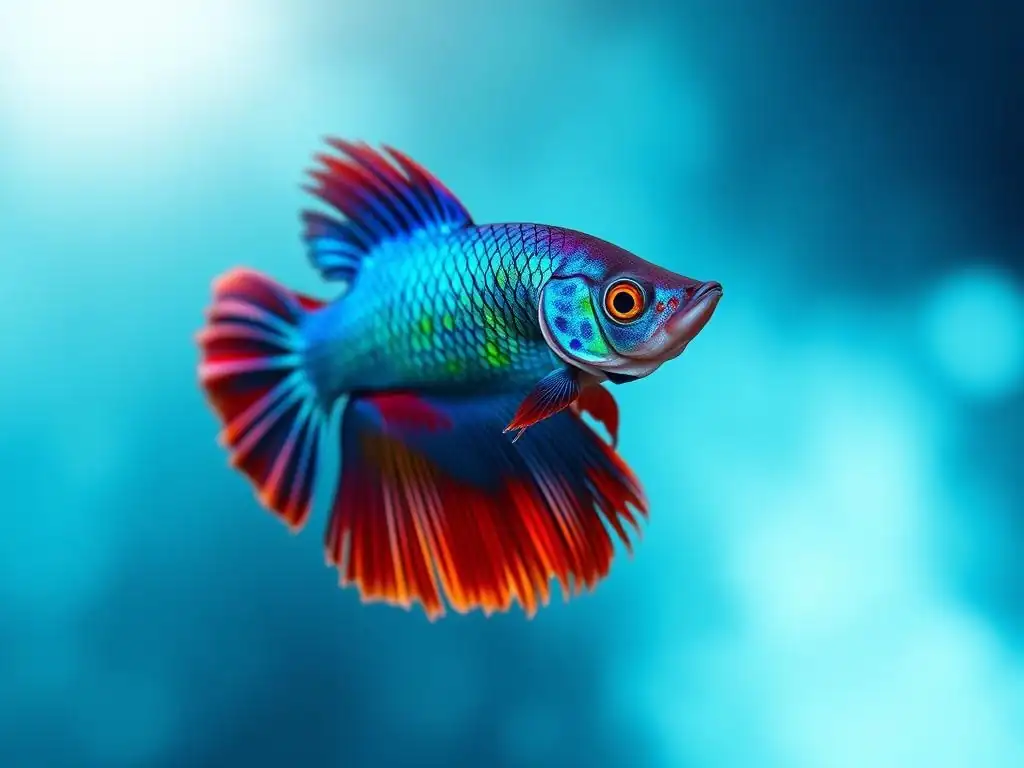
Researching Species-Specific Health Requirements
Understanding Water Parameter Needs for Different Fish Types
A fundamental aspect of ensuring long-term fish health, beyond initial selection, is matching the fish species to your aquarium's specific water parameters. Different fish originate from diverse aquatic environments globally, each with unique requirements for temperature, pH, and water hardness (GH/KH). For example, South American cichlids like Discus ( Symphysodon spp.) thrive in soft, acidic water (pH 6.0-6.5, GH 1-5 dGH) and high temperatures (82-86°F or 28-30°C), while African cichlids from the Rift Lakes (e.g., Malawi cichlids) require hard, alkaline water (pH 7.8-8.6, GH 10-20 dGH) and temperatures around 76-82°F (24-28°C).
Attempting to keep fish in water parameters significantly outside their natural range will lead to chronic stress, weakened immune systems, and a heightened susceptibility to disease, even if they were initially selected using a rigorous healthy fish selection guide. Thorough research on each species' specific needs before purchase is paramount. This includes not only pH and hardness but also temperature stability, salinity for brackish or saltwater species, and acceptable levels of nitrates. Consistency in these parameters is often more critical than hitting an exact number, as sudden fluctuations are highly stressful.
Recognizing Potential Genetic Predispositions to Disease
Beyond environmental factors, some fish species or specific strains within a species may have genetic predispositions to certain diseases or health issues due to selective breeding. For instance, fancy guppies and bettas, bred for their elaborate, flowing fins, are often more susceptible to fin rot and fungal infections because their large fins are easily damaged and can impede swimming, leading to stress. Similarly, some highly inbred ornamental goldfish varieties can suffer from swim bladder issues, digestive problems, or impaired vision.
While a healthy fish selection guide focuses on immediate health, understanding these long-term genetic vulnerabilities can influence your choice of species. Opting for hardier, less selectively bred varieties, or being prepared for the specific care challenges these predispositions entail, can save future heartache. Researching common ailments associated with a particular species can help you make an informed decision and be better prepared for preventative care.
Avoiding Overcrowding: The Impact of Tank Size on Fish Health
Overcrowding is one of the most common mistakes in aquarium keeping and a primary cause of fish stress, disease, and premature death. A tank that is too small for its inhabitants leads to a rapid accumulation of waste products (ammonia, nitrite, nitrate), even with adequate filtration, pushing water parameters out of safe ranges. This constant exposure to toxins severely compromises fish immune systems. Furthermore, insufficient space can lead to increased aggression, territorial disputes, and chronic stress as fish are unable to establish adequate territories or escape dominant tank mates.
While the old "one inch of fish per gallon" rule is a very rough starting point, a more nuanced healthy fish selection guide emphasizes considering the adult size of the fish, its activity level, bioload (waste production), and social requirements. For example, a single adult Oscar ( Astronotus ocellatus) requires a minimum of 75 gallons due to its large size and significant waste output, whereas a 20-gallon tank might comfortably house a small school of 6-8 neon tetras.
Providing ample space is crucial for both physical and psychological well-being, allowing fish to grow to their full potential and exhibit natural behaviors.
Selecting Fish from Reputable Sources
Identifying Responsible Fish Stores and Breeders
Evaluating Tank Conditions and Fish Care Practices
The source from which you purchase your fish is as critical as the fish themselves. A reputable fish store or breeder will maintain impeccable tank conditions, reflecting their commitment to animal welfare. When visiting a store, observe the display tanks: the water should be crystal clear, free from excessive algae, detritus, or cloudiness. Filtration systems should be appropriate for the tank size and stocking level, and there should be no strong, foul odors emanating from the tanks.
Crucially, scan all tanks for signs of disease, dead fish, or emaciated specimens. A single sick fish in one tank can indicate a systemic problem within the store's entire aquatic system, as many stores use shared filtration or water systems. A truly responsible vendor will have clean, well-maintained tanks with appropriately stocked fish that are active and alert. This scrutiny forms a vital part of any effective healthy fish selection guide, as it provides insight into the overall health management practices of the supplier.
Asking Questions About Fish Origins and Health History
A responsible fish dealer will be knowledgeable and transparent about their stock. Do not hesitate to ask questions about the fish's origin (wild-caught vs. tank-bred), how long they have had the fish in their care, and their feeding regimen. Tank-bred fish are often hardier and more accustomed to aquarium life, having been raised in controlled environments, making them a preference for many aquarists using a healthy fish selection guide.
Inquire about their quarantine procedures for new arrivals and how they handle sick fish. A good store will have a dedicated quarantine area for new shipments and will promptly remove any visibly ill fish from display tanks. Their willingness to discuss these practices openly indicates confidence in their stock and a commitment to animal health. If a store employee is evasive, unhelpful, or seems uninformed, it's a strong indicator to seek fish elsewhere.
Looking for Guarantee Policies and Return Options
Reputable fish stores often stand behind the health of their livestock by offering a short-term guarantee or return policy on fish. While not every store offers this, a guarantee (e.g., 24-48 hours, or even a few days) demonstrates the store's confidence in the health of their fish and their willingness to address issues if they arise shortly after purchase. This kind of policy reflects a proactive approach to customer satisfaction and fish welfare.
Understand the terms of any guarantee before purchasing. Typically, it covers fish that die within the specified period due to pre-existing conditions, assuming proper acclimation and tank conditions on your end. While a guarantee doesn't replace the need for a thorough healthy fish selection guide or proper quarantine, it provides an additional layer of assurance and indicates a vendor who values their reputation and the well-being of the animals they sell.
Acclimation: Ensuring a Smooth Transition for Your New Fish
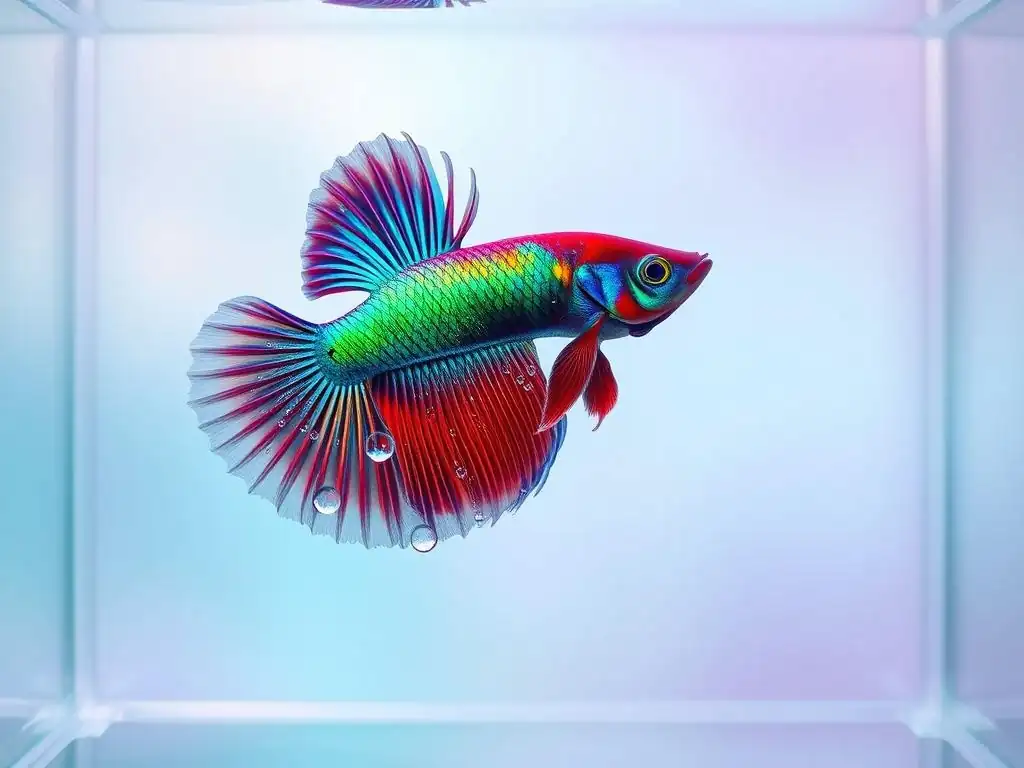
Proper Acclimation Techniques to Minimize Stress
Drip Acclimation: A Gentle Method for Introducing Fish to New Water
Once you've selected healthy fish, the transition from the store's water to your quarantine tank is a critical step that can significantly impact their stress levels and subsequent health. Drip acclimation is widely considered the gentlest and most effective method for minimizing osmotic shock, which occurs when fish are abruptly exposed to different water parameters (pH, temperature, hardness). To perform drip acclimation, float the sealed bag in your quarantine tank for 15-20 minutes to equalize temperature. Then, carefully open the bag and pour its contents (fish and water) into a clean bucket or container.
Using a piece of airline tubing and an air stone or a simple knot to regulate flow, siphon water from your quarantine tank into the bucket, allowing it to drip slowly. The goal is to gradually introduce your tank's water to the fish over a period of 30-60 minutes, aiming to at least double the original volume of water in the bucket.
This slow, steady exchange allows the fish's osmoregulation system to adjust to the new water chemistry, significantly reducing stress. This meticulous process is a key component of any comprehensive healthy fish selection guide that prioritizes the fish's well-being.
Monitoring Water Parameters During Acclimation
While drip acclimation helps, monitoring key water parameters during the process provides an extra layer of assurance. Before starting the drip, test the pH and temperature of both the water in the fish bag and your quarantine tank. Significant differences, particularly in pH, can be highly stressful. For instance, a pH difference of 0.5 or more between the bag water and your tank water warrants a slower, more extended drip acclimation period.
For saltwater fish, it's also crucial to test salinity (specific gravity) in both waters. A difference of even 0.001-0.002 can be stressful. Ensuring that the temperature slowly equalizes and that the chemical parameters gradually shift minimizes shock to the fish's delicate systems. A responsible healthy fish selection guide emphasizes that even the healthiest fish can succumb to stress if acclimation is rushed or improperly executed.
Observing Fish Post-Acclimation: What to Watch For
After the drip acclimation is complete, gently net the fish from the bucket (avoiding pouring the bag water into your tank) and release them into the quarantine tank. Immediately after introduction, it's normal for new fish to be shy, hide, or display some temporary color loss due to stress. Turn off the quarantine tank lights for the first few hours to help them settle in without further agitation. Over the next 24-48 hours, observe them closely.
Healthy fish should gradually begin to explore their new surroundings, show improved coloration, and within a day or so, start accepting food. Watch for persistent hiding, clamped fins, gasping at the surface, or any signs of physical distress. If a fish remains listless or shows signs of illness after 24 hours, it may indicate a pre-existing condition or severe acclimation stress that needs immediate attention. This vigilant post-acclimation observation is a final, critical step in the healthy fish selection guide to ensure your new aquatic companions are truly thriving.
Conclusion: Investing in Healthy Fish for a Thriving Aquarium
Prioritizing Fish Health for Long-Term Aquarium Enjoyment
The journey of aquarium keeping is a continuous learning process, but its foundation rests firmly on the initial decision to prioritize the health of your aquatic inhabitants. By diligently following a comprehensive healthy fish selection guide, you are not merely purchasing fish; you are making a crucial investment in the long-term vitality and enjoyment of your aquarium. Starting with robust, disease-free specimens significantly reduces the likelihood of costly and heartbreaking disease outbreaks, minimizing the need for stressful treatments and the potential loss of your beloved fish.
This proactive approach fosters a stable and thriving ecosystem where your fish can display their natural behaviors, vibrant colors, and full potential. A well-stocked aquarium of healthy fish provides endless hours of peaceful observation and aesthetic pleasure, transforming your tank into a living, breathing piece of art. It is a testament to the aquarist's dedication and understanding that a successful aquarium begins long before the first fish enters the main display tank.
The Importance of Preventative Care and Observation
While a thorough healthy fish selection guide is paramount, it is important to remember that it is just the first step in a lifelong commitment to responsible fish keeping. Ongoing preventative care, consistent water parameter maintenance, a balanced and nutritious diet, and vigilant daily observation are equally vital for ensuring the continued well-being of your aquatic community. Even the healthiest fish can succumb to illness if housed in suboptimal conditions or if early signs of distress are overlooked.
Regularly testing your water, performing routine water changes, and observing your fish for any subtle changes in behavior or appearance will allow you to catch potential issues early, often before they become critical. By combining careful initial selection with diligent ongoing care, you create an environment where your fish can truly thrive, bringing sustained joy and success to your aquarium hobby. The effort invested in selecting and maintaining healthy fish pays dividends in the form of a beautiful, dynamic, and enduring aquatic world.
Frequently Asked Questions
How can I identify a healthy fish at the pet store?
Look for clear, bright eyes, smooth scales, and active swimming behavior. Avoid fish with cloudy eyes, torn fins, or erratic movements, as these are signs of illness.
What are some key signs of disease I should watch out for when choosing fish?
Common signs include white spots (ich), fin rot, and bloated bellies. Also, observe if the fish are gasping for air or isolating themselves.
What role does a quarantine tank play in selecting healthy fish?
A quarantine tank allows you to observe new fish for any signs of disease before introducing them to your main aquarium. This prevents the spread of potential illnesses to your existing fish population.
What water parameters should I consider when selecting fish to ensure their long-term health?
Consider the fish's preferred temperature, pH, and hardness. Ensure your aquarium's water parameters are compatible with the species you're selecting to minimize stress and promote health.
Why is researching fish species important before purchasing them?
Researching helps you understand their specific needs, including tank size, diet, and compatibility with other fish. Choosing the right fish for your aquarium is crucial for their well-being.
This guide has illuminated the path to informed and responsible fish selection, a skill more crucial now than ever. With increasing pressures on our aquatic ecosystems and the growing awareness of the link between diet and health, understanding how to choose healthy fish is not just a hobbyist pursuit, but a vital step towards personal well-being and environmental stewardship. The choices we make at the pet store ripple outwards, impacting both the lives of the creatures we bring home and the health of our planet.
The art of selection, as we've explored, extends far beyond simply picking the prettiest fish. It's about understanding the subtle signs of health, recognizing potential problems, and making informed decisions that promote the well-being of our aquatic companions. This knowledge empowers us to become better caretakers and more responsible consumers, contributing to a more sustainable and ethical aquarium hobby. The greatness of a nation and its moral progress can be judged by the way its animals are treated.
- Mahatma Gandhi. This quote, though often applied to larger animals, resonates deeply with the care we extend to even the smallest inhabitants of our tanks.
Now, armed with this knowledge, I encourage you to reflect on your own practices. Consider how you can apply these principles to your future fish selections, not just for the immediate health of your aquarium, but for the long-term well-being of the aquatic world. Let this guide be a starting point, a catalyst for continued learning and a commitment to making informed, compassionate choices. Embrace the art of selection, and together, we can cultivate healthier aquariums and a more sustainable future for all.
Dive Deeper: Transform Your Aquarium Today!
Thank you for exploring the secrets of selecting healthy fish with us! We hope you've gained valuable insights to create a thriving underwater world. Now, let's turn that knowledge into action.
- Visit your local trusted fish store armed with your newfound knowledge and confidently select a vibrant new addition to your aquarium this week!
- Share your experience and the #AquariumMastery hashtag on social media, highlighting your successful selection and tips.
- Research one fascinating fish species you’ve never considered before and plan your next aquarium adventure!
What crucial health sign will you prioritize when choosing your next fish?