
The Indispensable Importance of Quarantine for All New Cardinalfish and Anthias

Welcome to Aquarium Mastery!
Ever wondered if you're really doing everything you can to ensure the health and longevity of your vibrant saltwater aquarium? In this article, we dive deep into the new cardinalfish quarantine process, a crucial step often overlooked but vital for the well-being of these stunning fish and your entire tank ecosystem. Discover why quarantine is non-negotiable for all new cardinalfish and anthias, and unlock the secrets to a thriving, disease-free aquarium. Ready to learn more?
- The Indispensable Importance of Quarantine for All New Fish
- Why Quarantine is Essential for New Fish in Reef Tanks
- Understanding the Risks of Skipping the Quarantine Process
- The Complete Quarantine Process: A Step-by-Step Guide
- Advanced Quarantine Techniques
- Beyond Quarantine: Long-Term Health Management
- The Benefits of a Rigorous Quarantine Program
- Troubleshooting Common Quarantine Issues
-
Frequently Asked Questions
- How vital is quarantine for new cardinalfish entering my aquarium?
- What are some common diseases I should watch for during the quarantine period?
- How long should I quarantine new cardinalfish before introducing them to my main tank?
- What size quarantine tank is appropriate for cardinalfish and anthias?
- What are some critical water parameters to monitor during the quarantine process?
- Final Reflection: Safeguarding Reefs, One Fish at a Time
- Ignite Your Reef: Start Your Perfect Quarantine Now!
The Indispensable Importance of Quarantine for All New Fish
Why Quarantine is Essential for New Fish in Reef Tanks
Preventing Disease Introduction: Protecting Your Existing Reef Aquarium
Introducing any new fish, especially delicate species like cardinalfish and anthias, directly into a established reef aquarium without a proper quarantine period is akin to playing a high-stakes game of chance with your entire ecosystem. The vast majority of marine fish, even those appearing perfectly healthy, can harbor parasites or bacterial infections from their collection point, holding facilities, or transport. These unseen pathogens, such as Cryptocaryon irritans (Marine Ich) or Amyloodinium ocellatum (Velvet), can rapidly spread throughout your main display tank, potentially infecting and even wiping out your entire existing fish population, as well as stressing corals and invertebrates.
A rigorous new cardinalfish quarantine process acts as a critical barrier, isolating new arrivals in a sterile environment where they can be observed for signs of illness without risking the health of established inhabitants. This proactive measure is significantly more cost-effective and less stressful than treating a full-blown disease outbreak in a large, complex reef system.
For example, a severe Marine Ich outbreak can cost hundreds, if not thousands, of dollars in lost livestock and medication, not to mention the immense stress on the aquarist. By preventing disease introduction, you safeguard your long-term investment in your reef aquarium and maintain a stable, thriving environment.
Minimizing Stress: Acclimation and Observation in a Controlled Environment
The journey from ocean to aquarium can be incredibly stressful for marine fish, particularly for schooling species like cardinalfish and anthias which are accustomed to open water and specific social structures. This stress, often compounded by fluctuating water parameters, confinement, and unfamiliar surroundings, severely compromises their immune systems, making them highly susceptible to disease. Placing them directly into a bustling main display tank, with established territories and competitive feeding, can exacerbate this stress, leading to a higher likelihood of succumbing to pathogens they might already be carrying.
A dedicated quarantine tank provides a calm, controlled environment where new cardinalfish and anthias can acclimate to aquarium life without additional pressure. Here, they are free from competition for food, aggression from existing tank mates, and the complex currents and lighting of a reef system. This allows them to recover from shipping stress, begin feeding consistently, and regain their strength. During this critical period, aquarists can closely observe their behavior, feeding habits, and physical condition, catching any subtle signs of illness or stress early, before they become life-threatening or spread to other fish.
Understanding the Risks of Skipping the Quarantine Process
Common Reef Fish Diseases: Identifying Potential Threats
Skipping the new cardinalfish quarantine process leaves your main display tank vulnerable to a host of devastating marine diseases. Many of these pathogens are highly contagious and can rapidly decimate a fish population if not identified and treated promptly in isolation. Understanding the common threats is the first step in appreciating the value of a dedicated quarantine period.
Marine Ich (White Spot Disease)
Marine Ich, caused by the protozoan Cryptocaryon irritans, is arguably the most common and feared parasitic disease in saltwater aquariums. It manifests as small, white spots resembling grains of salt on the fish's body, fins, and gills. While often appearing innocuous at first, these parasites burrow into the fish's skin and gills, causing irritation, difficulty breathing, and eventually secondary bacterial infections.
The life cycle of Cryptocaryon involves free-swimming stages (theronts) that seek out new hosts, and encysted stages (tomites) that fall off the fish and multiply, making it incredibly difficult to eradicate once it's established in a display tank. A single life cycle can complete in as little as 3-5 days at warmer reef temperatures (around 78-80°F), meaning an outbreak can explode rapidly.
Velvet Disease (Amyloodinium ocellatum)
Velvet disease, caused by the dinoflagellate Amyloodinium ocellatum, is even more aggressive and deadly than Marine Ich, often leading to rapid mortality within 24-48 hours of noticeable symptoms. Infected fish typically display a dusty, golden or brownish film over their bodies, rapid breathing, clamped fins, and lethargy. The parasitic dinoflagellates attach to the fish's gills and skin, feeding on their tissues and causing severe respiratory distress.
Like Ich, Velvet has a free-swimming stage that quickly spreads throughout the water column, making it highly contagious. Its rapid progression means that by the time visible symptoms appear in a main tank, it may already be too late for many of your inhabitants.
Brooklynella hostilis Infections
Brooklynella hostilis is a ciliate parasite that primarily affects clownfish but can infect other marine species, including cardinalfish and anthias, especially when their immune systems are compromised by stress. This highly virulent parasite causes an excessive slime coat production, leading to large patches of white or grey mucus sloughing off the fish's body. Other symptoms include rapid breathing, lethargy, clamped fins, and refusal to eat.
Brooklynella can also lead to rapid death, often within days, due to severe gill damage and secondary bacterial infections. Unlike Ich or Velvet, Brooklynella does not have a free-swimming infective stage in the water column; direct contact between fish or contact with shed mucus is required for transmission, but this can still happen quickly in a confined tank.
The Domino Effect: How One Sick Fish Can Impact Your Entire Reef
The introduction of just one sick cardinalfish or anthias without proper quarantine can initiate a devastating "domino effect" throughout your entire reef aquarium. A single infected fish can release thousands of parasites or bacteria into the water column daily, rapidly overwhelming the immune systems of your existing, often expensive, fish and even stressing your corals and invertebrates. For instance, a Cryptocaryon outbreak can quickly spread to every susceptible fish in a 100-gallon display tank within days, leading to a widespread infestation that is incredibly challenging to treat without removing all fish for external medication.
Beyond the immediate threat to fish life, a widespread disease outbreak can severely impact the delicate balance of your reef ecosystem. Medications required to treat diseases in a display tank (e.g., copper) are often toxic to corals, anemones, and other invertebrates, necessitating their removal or risking their demise. This can lead to significant financial losses, not only from dead fish but also from dead or damaged corals.
Furthermore, the stress of a disease outbreak can compromise water quality, lead to algae blooms, and disrupt the overall stability of your system, requiring extensive recovery time and effort. The time, effort, and financial investment in a robust new cardinalfish quarantine process pales in comparison to the potential losses of a disease-ridden main tank.
The Complete Quarantine Process: A Step-by-Step Guide
Step 1: Setting Up Your Quarantine Tank for New Arrivals
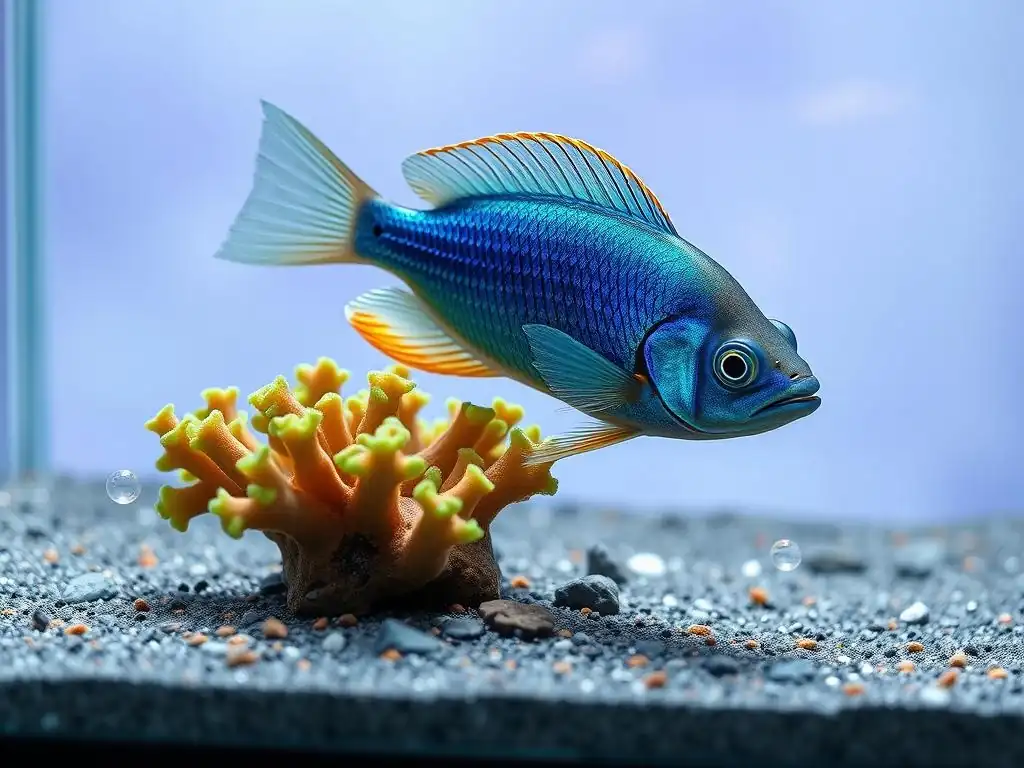
A well-prepared quarantine tank is the foundation of a successful new cardinalfish quarantine process. This dedicated system provides a controlled environment for observation, acclimation, and potential treatment, ensuring the safety of your main display tank. Careful planning and setup are crucial before any new fish arrive.
Choosing the Right Size Quarantine Tank
The size of your quarantine tank depends on the number and adult size of the fish you plan to quarantine. For individual cardinalfish or smaller anthias, a 10 to 20-gallon aquarium is often sufficient. However, for multiple schooling cardinalfish or larger anthias species, a 30 to 40-gallon tank might be more appropriate to reduce stress and provide adequate swimming space.
While the goal is temporary housing, overcrowding can lead to stress, poor water quality, and increased susceptibility to disease. Consider the adult size of the species; a juvenile Banggai cardinalfish (up to 3 inches) will be comfortable in a 10-gallon, but a group of Lyretail anthias (up to 5 inches each) would require a larger setup.
Essential Equipment for a Quarantine Tank: Heater, Filter, and Lighting
A basic quarantine tank setup requires minimal but essential equipment to maintain stable water parameters. A reliable heater is critical to maintain a consistent temperature, typically between 76-80°F (24-27°C), which is optimal for most cardinalfish and anthias and can accelerate the life cycle of some parasites, making them easier to target. Filtration is best achieved with a simple air-driven sponge filter or a small hang-on-back (HOB) filter containing only sponge media; avoid carbon or chemical media as they can remove medications.
A small powerhead can provide gentle water circulation. Lighting should be minimal – a simple LED strip or even ambient room light is sufficient, as bright lights can stress new arrivals. Include PVC pipes or other inert, easy-to-clean hiding spots to provide security for the fish.
Maintaining Water Quality in the Quarantine Tank: Parameters and Testing
Maintaining pristine water quality is paramount in a quarantine tank, especially since it's a smaller, often less biologically mature system than a display tank. Regular water changes are essential, typically 25-50% every few days, depending on the bioload and tank size. Use RODI (Reverse Osmosis Deionized) water mixed with a high-quality marine salt mix to match the parameters of your main display tank (or slightly lower salinity if planning hyposalinity treatment).
Test water parameters daily or every other day, focusing on ammonia, nitrite, and nitrate. Even trace amounts of ammonia and nitrite can severely stress fish and compromise their immune systems. A small amount of beneficial bacteria starter culture can be added initially to help establish some biological filtration, but consistent water changes are your primary defense against water quality degradation.
Step 2: Acclimating New Fish to the Quarantine Tank
The acclimation process is a critical bridge between the fish's journey and its new temporary home. A gentle and careful approach will significantly reduce stress and improve the chances of a successful new cardinalfish quarantine process. Rushing this step can lead to immediate complications.
Drip Acclimation: A Gentle Introduction to New Water Parameters
Drip acclimation is the preferred method for introducing new marine fish, including cardinalfish and anthias, to their quarantine tank. This slow and steady process minimizes the shock of sudden changes in temperature, pH, and salinity. Begin by floating the sealed bag in the quarantine tank for 15-20 minutes to equalize temperature. Then, transfer the fish and its original water into a clean bucket or container.
Using airline tubing with a knot or valve, siphon water from the quarantine tank into the bucket, allowing it to drip slowly at a rate of 1-2 drops per second. The goal is to gradually replace the bag water with tank water over 60-90 minutes, doubling or tripling the initial volume in the bucket. Once acclimated, gently net the fish and transfer it to the quarantine tank, discarding the original bag water to prevent introducing any potential pathogens.
Observing Initial Behavior: Signs of Stress and Disease
Upon introduction to the quarantine tank, immediate observation of the new cardinalfish or anthias is crucial. Healthy fish, even when stressed from transport, should eventually settle down and explore their new surroundings. Look for signs of stress such as clamped fins, rapid breathing (gilling), hiding excessively, or erratic swimming. Observe their body for any visible spots, lesions, frayed fins, or unusual coloration.
Healthy cardinalfish and anthias should begin to show interest in food within 24-48 hours. Any refusal to eat, continuous hiding, or persistent abnormal behavior should raise a red flag and prompt closer inspection. This initial observation period sets the baseline for the remainder of the new cardinalfish quarantine process.
Step 3: Observation and Treatment During the Quarantine Period
This phase is the core of the new cardinalfish quarantine process, where the aquarist actively monitors for signs of disease and initiates treatment if necessary. Patience and diligence during this period are paramount to ensuring healthy fish for your main display.
The Recommended Quarantine Period Length
The recommended quarantine period for new cardinalfish and anthias, or any marine fish, is typically a minimum of 3-4 weeks, though 6 weeks is often preferred, and even longer for certain species or if active treatment is underway. This duration allows sufficient time for the life cycles of common parasites like Marine Ich and Velvet to complete, making their presence evident. For example, Cryptocaryon irritans can take up to 28 days to complete its life cycle at cooler temperatures (e.g., 72°F), but only 3-5 days at warmer reef temperatures (78-80°F).
A longer quarantine period (e.g., 6 weeks at 78°F) provides a much safer buffer, ensuring that any hidden parasites have a chance to manifest and be treated before the fish enters the main display. If any disease is detected and treated, the quarantine period restarts from the last day of successful treatment.
Identifying and Treating Common Diseases in Quarantine
The isolation of the quarantine tank makes it an ideal environment for treating diseases without harming sensitive corals or invertebrates in the main display. Early identification is key, as is having appropriate medications on hand.
Treating Marine Ich (White Spot Disease) Effectively
If Marine Ich is identified on your new cardinalfish or anthias, effective treatment typically involves copper-based medications or hyposalinity. Copper medications like Cupramine or Copper Power are highly effective against the free-swimming stages of Cryptocaryon. The fish should be exposed to a therapeutic copper concentration (e.g., 0.5 ppm for Cupramine, 0.75-1.0 ppm for Copper Power) for a minimum of 14-21 days to ensure all life stages of the parasite are eradicated.
Consistent daily testing of copper levels is crucial to maintain efficacy and prevent overdosing, which can be fatal to fish. Alternatively, hyposalinity (reducing salinity to 1.008-1.009 specific gravity) can also be effective, but requires precise monitoring and should be maintained for 4-6 weeks.
Addressing Velvet Disease in Quarantine
Velvet disease is rapid and aggressive, demanding immediate action. Copper-based medications are also the primary treatment for Amyloodinium ocellatum, used at the same concentrations and durations as for Ich. Formalin dips (e.g., a 60-minute dip in a separate container with a calculated dose of formalin) can provide immediate relief by killing external parasites, followed by transfer back to the copper-treated quarantine tank. Due to Velvet's rapid progression, swift and decisive treatment is essential. Always ensure good aeration during formalin dips as it reduces oxygen levels.
Managing Brooklynella Infections with Appropriate Medications
Brooklynella hostilis infections are typically treated with formalin or Metronidazole. Formalin baths or dips are often the most effective immediate treatment. A 30-60 minute bath in a separate container with a specific formalin concentration (e.g., 1 ml per 10 gallons) can be highly effective at killing the external parasites.
This can be repeated daily or every other day, as needed, in conjunction with maintaining the fish in a quarantine tank treated with Metronidazole. Metronidazole can be dosed into the water or mixed with food if the fish is eating. It's important to monitor water parameters closely and provide strong aeration during formalin treatments.
Step 4: Gradual Introduction to the Main Display Tank
Once the new cardinalfish quarantine process is complete and the fish are deemed healthy, the final step is a careful transition to the main display tank. This prevents stress and ensures smooth integration into their permanent home.
Monitoring for Recurrence of Disease After Quarantine
Even after a successful quarantine, it's prudent to continue monitoring the newly introduced cardinalfish and anthias for any signs of stress or disease recurrence for several weeks. While a thorough quarantine significantly reduces the risk, no process is 100% foolproof. Pay close attention to their feeding habits, behavior, and physical appearance.
Any sudden changes, such as clamped fins, rapid breathing, or visible spots, should prompt immediate action, which might involve temporarily removing the fish back to a hospital tank if the main tank shows no signs of infection. This continued vigilance ensures the long-term health of your entire reef system.
Ensuring Compatibility with Existing Tank Mates
Before introducing the quarantined cardinalfish or anthias, consider their compatibility with existing tank mates. While cardinalfish are generally peaceful, and anthias are often semi-aggressive, some established fish can be territorial. Introducing new fish, even healthy ones, can cause stress if they are immediately harassed. Observe the temperament of your existing fish.
If there are known aggressive species, consider rearranging some rockwork in the main tank just before introduction; this can disrupt existing territories and reduce aggression. Introduce the new fish when the lights are dim or off, allowing them to settle in more discreetly. Provide ample hiding spots in the main tank to give them refuge during the initial integration phase.
Advanced Quarantine Techniques
The Use of Copper Medications: Benefits and Risks
Copper-based medications are a cornerstone of the new cardinalfish quarantine process for treating external parasites like Ich and Velvet. Their primary benefit lies in their high efficacy against these pervasive protozoans, effectively disrupting their life cycles and preventing outbreaks. Copper is typically administered as a chelated solution (e.g., copper sulfate or copper gluconate) to maintain stable concentrations in the water.
When used correctly and monitored diligently with a reliable copper test kit (e.g., Seachem Cupramine Test Kit), copper can eradicate these parasites within a few weeks. A typical therapeutic range for chelated copper is around 0.35-0.5 ppm for Cupramine, or 0.75-1.0 ppm for Copper Power.
However, copper medications come with significant risks. They are highly toxic to invertebrates (corals, anemones, shrimp, snails, crabs) and beneficial bacteria, making them unsuitable for use in a main reef display tank. Even in a bare-bottom quarantine tank, overdosing or fluctuating copper levels can be fatal to fish, especially sensitive species like anthias.
Copper can also permanently stain silicone and rockwork, necessitating a dedicated quarantine system. Furthermore, some fish species, such as certain wrasses or dwarf angels, are more sensitive to copper than others, requiring careful monitoring and potentially lower therapeutic levels. Always ensure precise dosing and consistent testing when employing copper.
Prophylactic Treatments: Preventing Disease Before it Starts
Prophylactic treatment, often integrated into a robust new cardinalfish quarantine process, involves administering medication to new fish even if no visible signs of disease are present. The rationale is that many fish carry sub-clinical infections or parasites that only manifest under stress. Common prophylactic protocols include a 3-4 week course of copper treatment to eliminate Ich and Velvet, combined with a broad-spectrum antibiotic (like Metronidazole or Nitrofurazone) to address potential bacterial infections or internal parasites. Some aquarists also opt for praziquantel treatments to target internal flukes.
While prophylactic treatments can significantly reduce the risk of introducing pathogens, they are not without debate. Critics argue that unnecessary medication can stress fish, potentially weaken their immune systems, or lead to antibiotic resistance. However, for high-value fish, delicate species like cardinalfish and anthias, or tanks with a history of disease, the benefits of proactive treatment often outweigh the risks. The key is to select medications appropriate for the species, adhere strictly to dosage instructions, and maintain pristine water quality throughout the treatment period.
Maintaining a Stress-Free Environment: Reducing Mortality Rates
A critical, yet often overlooked, aspect of any new cardinalfish quarantine process is the maintenance of a stress-free environment. Stress directly compromises a fish's immune system, making it more susceptible to disease and less responsive to treatment. Even with perfect water parameters and medication, a highly stressed fish may not recover. Strategies to minimize stress include providing ample hiding places, such as PVC pipes or inert plastic containers, which offer security and refuge.
Dim lighting is also beneficial, especially during the initial acclimation period and throughout treatment. Bright lights can be overwhelming for new arrivals. Ensuring stable water parameters, minimizing sudden movements around the tank, and avoiding aggressive tank mates (if quarantining multiple fish) are also vital. A calm and quiet environment allows the fish to recover from the ordeal of shipping and focus its energy on acclimating and fighting off any potential pathogens, significantly reducing mortality rates during quarantine.
Beyond Quarantine: Long-Term Health Management
Proper Diet and Nutrition: Supporting a Strong Immune System
Even after a successful new cardinalfish quarantine process, long-term health management is crucial for maintaining vibrant and disease-resistant fish. A cornerstone of this is providing a proper, varied diet. Malnutrition is a leading cause of compromised immune systems in aquarium fish, making them susceptible to opportunistic infections. Cardinalfish and anthias, being carnivorous planktivores, require a diet rich in high-quality marine proteins.
Offer a variety of foods, including frozen mysis shrimp, brine shrimp (fortified), finely chopped krill, and high-quality pellet or flake foods specifically formulated for marine carnivores. Feed small amounts multiple times a day, particularly for anthias, which have high metabolisms and benefit from frequent feedings (2-3 times daily). Ensuring a diverse and nutrient-dense diet provides essential vitamins, minerals, and fatty acids that bolster the fish's immune system, allowing them to naturally ward off pathogens and recover more quickly from any minor stressors.
Maintaining Optimal Water Parameters: Preventing Stress and Disease
Consistent maintenance of optimal water parameters is fundamental to the long-term health of cardinalfish, anthias, and the entire reef ecosystem. Fluctuating or suboptimal water quality is a primary stressor for marine fish, directly weakening their immune response and making them vulnerable to disease. Key parameters to monitor regularly include salinity (1.024-1.026 specific gravity), temperature (76-80°F or 24-27°C), pH (8.0-8.4), alkalinity (7-12 dKH), calcium (400-450 ppm), and magnesium (1250-1350 ppm).
Regular testing and consistent top-offs with RODI water, along with scheduled water changes (e.g., 10-20% bi-weekly or monthly), are essential to prevent the buildup of nitrates and other undesirable compounds. Ammonia and nitrite should always be undetectable. A stable environment, free from drastic swings in chemistry, allows fish to thrive, reduces their stress levels, and empowers their natural defenses against potential pathogens, complementing the benefits gained from a thorough new cardinalfish quarantine process.
Choosing Compatible Tank Mates: Minimizing Aggression and Competition
The social dynamics within a reef tank significantly impact the long-term health and well-being of its inhabitants. Choosing compatible tank mates is crucial to minimize aggression, reduce stress, and ensure that all fish have adequate access to food and territory. Cardinalfish are generally peaceful schooling fish, while anthias can be semi-aggressive, especially males defending harems or territories. Introducing overly aggressive species, or too many fish for the tank size, can lead to constant harassment, fin nipping, and suppressed feeding for less dominant individuals.
Stress from aggressive tank mates can weaken a fish's immune system, making it more susceptible to disease, even after a successful new cardinalfish quarantine process. Research the temperament, adult size, and specific needs of each species before adding them to your tank. For example, avoid housing cardinalfish or anthias with known fin-nippers or highly territorial species like some damselfish or triggers. Providing adequate space and plenty of hiding spots can also help diffuse potential conflicts and ensure a harmonious environment where all fish can thrive.
The Benefits of a Rigorous Quarantine Program
Healthier, More Vibrant Fish
Implementing a rigorous new cardinalfish quarantine process is the single most effective measure an aquarist can take to ensure the long-term health and vibrancy of their fish. Quarantined fish, having undergone a period of observation, recovery from stress, and potential treatment in isolation, are introduced to the main display tank in optimal condition. They are free from parasites and bacterial infections, allowing their immune systems to function at peak efficiency. This results in fish that are not only disease-free but also exhibit their natural colors more brilliantly, swim more energetically, and display healthier appetites.
Furthermore, fish that have successfully completed quarantine are typically less stressed and more resilient. They adapt more readily to their new environment, reducing the likelihood of secondary infections or succumbing to minor environmental fluctuations. This translates into a more active and engaging display, where your cardinalfish and anthias can truly flourish and showcase their natural beauty and behaviors, without the constant threat of illness looming over them.
Reduced Risk of Disease Outbreaks
The most profound benefit of a comprehensive new cardinalfish quarantine process is the dramatic reduction in the risk of devastating disease outbreaks in your main display tank. By isolating new arrivals, you create a buffer zone that prevents unseen pathogens from entering your established ecosystem. This means your existing fish, corals, and invertebrates remain safe from highly contagious diseases like Marine Ich, Velvet, or Brooklynella.
Consider the economic and emotional toll of a tank-wide disease outbreak: the potential loss of hundreds or even thousands of dollars in livestock, the intensive and often difficult treatment regimens, and the immense stress on the aquarist. A thorough quarantine mitigates these risks, saving you money, time, and heartache in the long run. It is an investment in prevention that pays dividends in peace of mind and a stable, healthy reef environment.
A Thriving and Sustainable Reef Aquarium Ecosystem
Ultimately, a well-executed new cardinalfish quarantine process contributes significantly to creating a thriving and sustainable reef aquarium ecosystem. When new fish are introduced without disease, the entire system benefits from increased stability and reduced stress. Healthy fish are less prone to secondary infections, which can otherwise lead to a cascade of problems including poor water quality and compromised biological filtration.
A disease-free environment allows corals to grow optimally, invertebrates to flourish, and all inhabitants to interact naturally without the constant threat of illness. This fosters a balanced and resilient ecosystem that is more capable of withstanding minor fluctuations or challenges. By prioritizing the health of each individual fish through quarantine, you cultivate a robust and beautiful reef aquarium that will provide years of enjoyment and serve as a testament to responsible aquatic husbandry.
Troubleshooting Common Quarantine Issues
Problem: Fish Not Eating in Quarantine
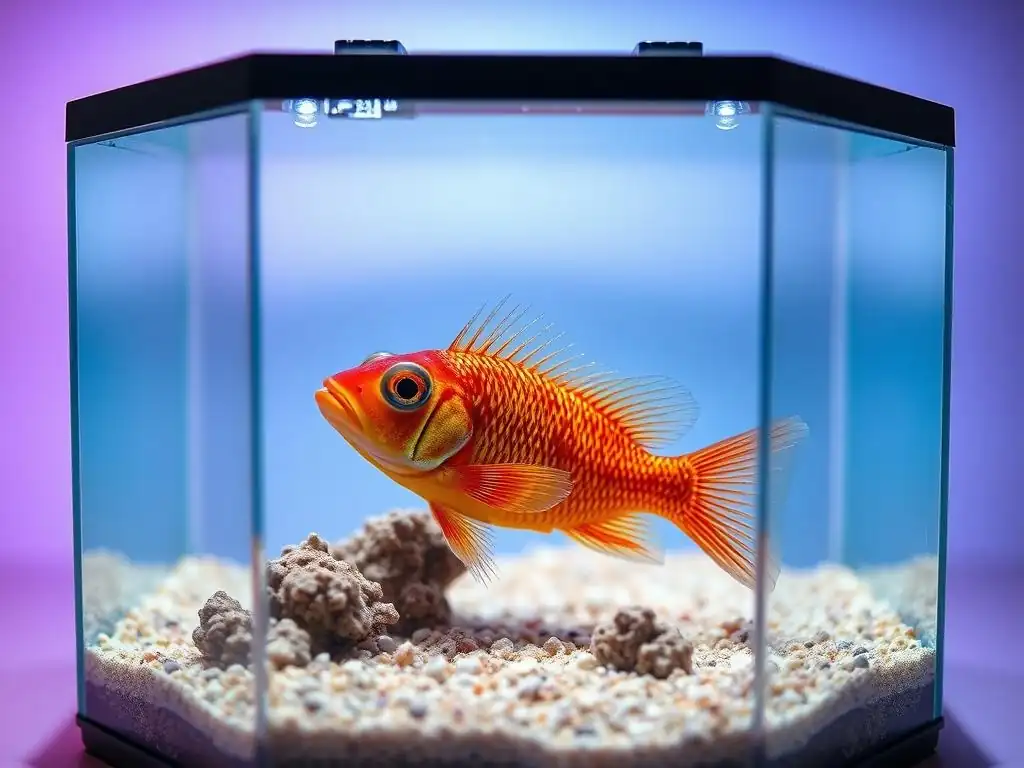
It's common for new cardinalfish and anthias to refuse food for the first few days in a quarantine tank due to stress from shipping and acclimation. If a fish is not eating after 24-48 hours, try offering a variety of high-quality frozen foods like mysis shrimp, enriched brine shrimp, or finely chopped krill, as they might have a preference or be accustomed to specific foods. For anthias, which are planktivores, try small, frequent feedings throughout the day. Ensure the food is appropriately sized for their mouths.
To reduce stress, dim the aquarium lights, provide ample hiding spots (e.g., PVC pipes or inert plastic containers), and minimize activity around the tank. Ensure water parameters are stable and pristine (ammonia and nitrite at zero). If the fish continues to refuse food after several days, consider offering live brine shrimp or blackworms as a last resort to entice them to eat, but these should not be a staple diet. Persistent refusal to eat can also be a sign of underlying illness, warranting closer observation for other symptoms.
Problem: Cloudy Water in Quarantine Tank
Cloudy water in a quarantine tank often indicates a bacterial bloom, which can be caused by overfeeding, insufficient filtration, or an incomplete nitrogen cycle. If the water becomes cloudy, immediately perform a 25-50% water change using fresh, properly mixed saltwater. This will help reduce the organic load and dilute any harmful compounds.
Next, assess your filtration. Ensure your sponge filter is clean and functioning correctly, or that your HOB filter media isn't clogged. Avoid overfeeding, as uneaten food quickly breaks down and contributes to water turbidity and ammonia spikes. If the tank is newly set up, a bacterial starter product can help establish the biological filter more quickly, but regular water changes remain the primary method for maintaining water quality in a quarantine system. Continue daily monitoring of ammonia and nitrite levels until the cloudiness clears and parameters stabilize.
Problem: Fish Showing Signs of Stress
If your new cardinalfish or anthias are exhibiting signs of stress such as clamped fins, rapid breathing, hiding excessively, or darting erratically, immediate action is needed to alleviate their discomfort. First, dim the aquarium lights significantly or turn them off completely for a period. Bright illumination can be very stressful for newly introduced fish, especially those from deeper waters.
Second, ensure the fish has ample hiding places within the quarantine tank. Simple PVC pipes (cleaned thoroughly) or inert plastic containers cut in half can provide the necessary security and refuge. These hiding spots allow the fish to feel safe and reduce anxiety. Additionally, verify that water parameters are perfect (zero ammonia, zero nitrite, stable temperature and salinity). Minimize sudden movements around the tank and avoid startling the fish. A calm, secure environment is crucial for stressed fish to recover and acclimate.
Frequently Asked Questions
How vital is quarantine for new cardinalfish entering my aquarium?
Quarantine is absolutely vital for new cardinalfish. It allows you to observe them for signs of disease, preventing the spread of infections to your established tank. This is especially important for delicate species like cardinalfish and anthias.
What are some common diseases I should watch for during the quarantine period?
During quarantine, keep an eye out for signs of Ich (white spot disease), Brooklynella, and other parasitic or bacterial infections. Early detection significantly increases the chances of successful treatment and prevents a tank-wide outbreak.
How long should I quarantine new cardinalfish before introducing them to my main tank?
A standard quarantine period of 4 to 6 weeks is recommended. This allows ample time for any latent diseases to manifest and be treated effectively before introducing them to your main aquarium.
What size quarantine tank is appropriate for cardinalfish and anthias?
A 10-20 gallon tank is generally sufficient for quarantining a small group of cardinalfish or anthias. Ensure adequate filtration, water flow, and hiding places to minimize stress during their quarantine period.
What are some critical water parameters to monitor during the quarantine process?
Maintain stable water parameters within the recommended ranges for cardinalfish and anthias. This includes monitoring temperature, salinity, pH, ammonia, nitrite, and nitrate levels. Regular water changes are also crucial for maintaining water quality.
Final Reflection: Safeguarding Reefs, One Fish at a Time
The meticulous process of quarantine, as outlined throughout this article, is not merely a suggestion but a critical imperative for the health of our aquariums and the sustainability of wild reef populations. Ignoring the "New cardinalfish quarantine process" risks introducing devastating diseases and parasites, potentially decimating entire tank ecosystems and contributing to the decline of already vulnerable species in their natural habitats.
The impact of responsible aquarists cannot be overstated. Choosing to diligently quarantine new cardinalfish and anthias is an act of conservation, a commitment to the well-being of the delicate ecosystems we strive to recreate. This commitment extends beyond our glass boxes and resonates with the broader movement towards ethical and sustainable practices within the aquarium hobby. We are tied to the ocean. And when we go back to the sea, whether it is to sail or to watch it, we are going back from whence we came.
- John F. Kennedy. This quote reminds us of our inherent connection to the ocean and our responsibility to protect it.
Now, consider the power you hold as an aquarist. The choices you make, from selecting a healthy specimen to implementing a robust quarantine protocol, have far-reaching consequences. Let us all commit to embracing the "New cardinalfish quarantine process" not as a burden, but as an opportunity to contribute to a healthier, more vibrant future for our reefs and the captivating creatures that call them home. Let your actions reflect a deep respect for the ocean's delicate balance and inspire others to do the same.
Ignite Your Reef: Start Your Perfect Quarantine Now!
Thank you for diving into the world of cardinalfish and anthias quarantine! Now that you understand the critical role quarantine plays in protecting your reef ecosystem, it's time to take the plunge and ensure your next additions thrive.
- Immediately establish a dedicated quarantine tank – don't wait until your next purchase!
- Share this article with a fellow reef enthusiast to spread awareness and help prevent the spread of disease.
- Research unconventional quarantine methods like observation tanks to detect subtle symptoms early.
What specific quarantine strategy will you implement first to safeguard your reef's vibrant health?