
Acclimating Your New Betta: A Gentle Start to a Long Life

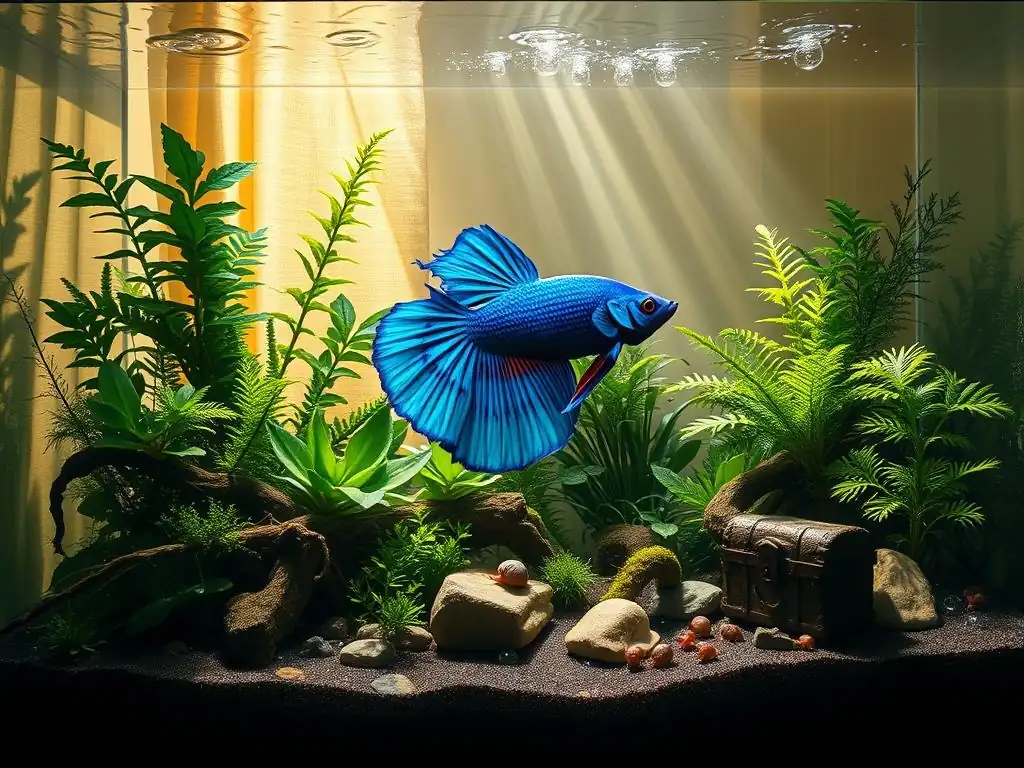
Welcome to Aquarium Mastery!
Ever wondered how to ensure your new Betta thrives from day one? Acclimating your vibrant new fish is more than just floating the bag – it's about creating a stress-free transition to their forever home. Dive into our Bettas acclimation tips guide and unlock the secrets to a happy, healthy, and long-lived Betta. Are you ready to give your Betta the best possible start? Let's begin!
- Introduction to Betta Acclimation: Why It's Crucial for Your Fish's Health
-
Step-by-Step Betta Acclimation Guide: A Detailed Process
- Step 1: Dimming the Lights: Preparing Your Betta's New Home
- Step 2: Floating the Bag: Temperature Acclimation for Bettas
- Step 3: Gradual Water Introduction: Drip Acclimation Method for Bettas
- Step 4: Releasing Your Betta into the Aquarium: Minimizing Stress
- Step 5: Observing Your Betta After Acclimation: Monitoring for Stress Signs
- Essential Betta Acclimation Tips for a Smooth Transition
- Post-Acclimation Care: Ensuring Your Betta Thrives
- Troubleshooting Acclimation Problems: What to Do When Things Go Wrong
- Conclusion: Providing the Best Start for Your Betta's Life in Your Aquarium
-
Frequently Asked Questions
- How long should I float the bag containing my new Betta in the aquarium water?
- Why is it important to drip acclimate a Betta fish?
- What signs should I watch for that indicate my Betta is stressed during acclimation?
- Can I add aquarium salt during the acclimation process for my Betta?
- How long after acclimation should I wait before feeding my new Betta?
- Final Reflection: Nurturing a Thriving Betta Life
- Nurture Your Betta's New Beginning!
Introduction to Betta Acclimation: Why It's Crucial for Your Fish's Health
Understanding the Stress of Transportation on Bettas
The journey from a breeding facility or supplier to a pet store, and then to your home, is incredibly stressful for Betta fish. During transportation, Bettas are often confined to small containers, subjected to fluctuating temperatures, jostling, and changes in water chemistry. This environment can significantly elevate their cortisol levels, a primary stress hormone, which in turn compromises their immune system. Such conditions make them highly vulnerable to disease and shock upon arrival.
Furthermore, the water in their transport bag rapidly deteriorates, accumulating ammonia from waste products and experiencing shifts in pH and oxygen levels. A Betta transported for more than 4-6 hours can experience significant physiological stress, leading to a 30-50% increased risk of shock or disease if not properly acclimated. Understanding these stressors is the first step in providing the best possible care.
The Importance of Proper Acclimation for Betta Fish Survival
Proper acclimation is not just a recommendation; it's a critical process for ensuring your new Betta's survival and long-term health. The goal is to gradually introduce your Betta to the water parameters of its new aquarium, minimizing the shock that can occur from sudden changes in temperature, pH, and mineral content. Without this gentle transition, a Betta can suffer from osmotic shock, where its cells are unable to regulate water balance, leading to organ failure or even immediate death.
Consider a real case: a Betta moved directly from a pet store bag, often maintained at around 72°F (22°C), into a home aquarium heated to a comfortable 78°F (25.5°C) without acclimation. The sudden 6°F temperature increase can cause immediate thermal shock, manifesting as lethargy, clamped fins, or rapid death within hours. Applying thorough Bettas acclimation tips guide helps prevent such tragic outcomes by allowing the fish's system to adjust slowly and safely.
Step-by-Step Betta Acclimation Guide: A Detailed Process
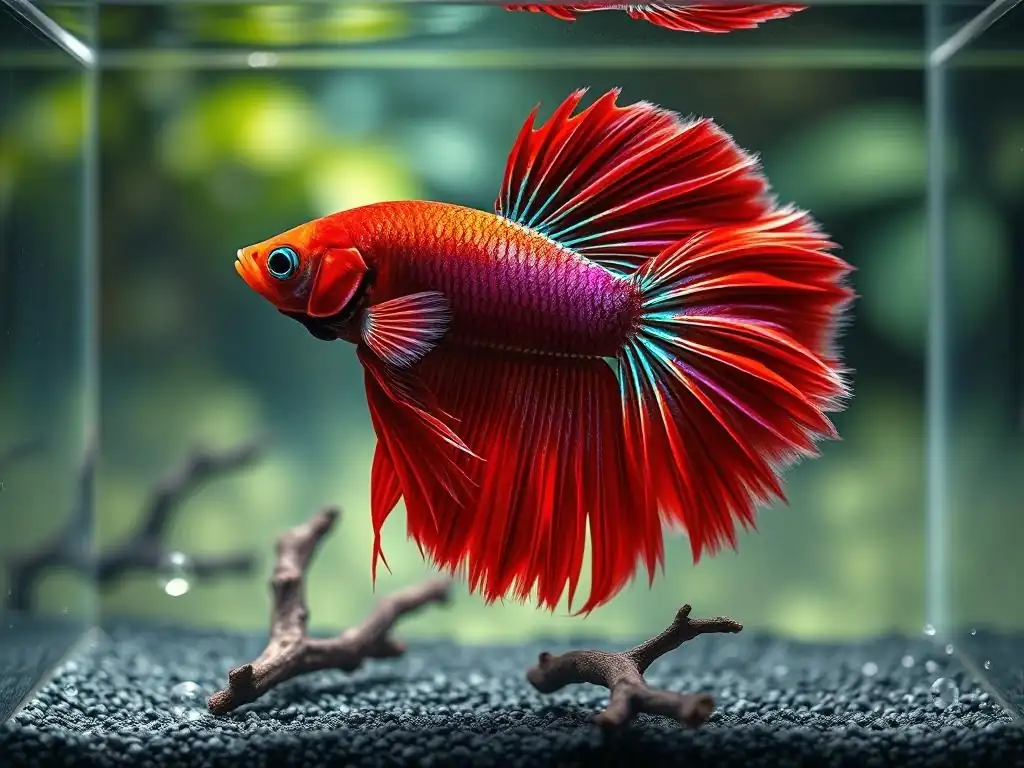
Step 1: Dimming the Lights: Preparing Your Betta's New Home
Before you even bring your new Betta home, it's wise to prepare its new environment. Upon arrival, dim the lights in the room where the aquarium is located, and turn off the aquarium lights. This simple action significantly reduces visual stress for your new fish, which has just endured the trauma of transportation. Bettas are naturally curious but can also be shy, and a sudden bright, unfamiliar environment can cause panic and further elevate their stress levels.
Allowing your Betta to adjust to its new surroundings in a subdued lighting condition helps it feel more secure and less overwhelmed. Keep the lights dim for at least 30-60 minutes before you begin the physical acclimation process. This initial period of calm sets a positive tone for the entire transition, making the subsequent steps more effective.
Step 2: Floating the Bag: Temperature Acclimation for Bettas
Once the lights are dimmed, the first physical step in your Bettas acclimation tips guide is temperature acclimation. Place the sealed bag containing your Betta directly into the aquarium water. Ensure the bag is floating securely, allowing it to remain upright and stable. The purpose of this step is to slowly equalize the water temperature inside the bag with the temperature of your aquarium water.
Temperature differences, even as slight as 2-3°F (1-1.5°C), can be significant enough to cause thermal shock to a sensitive Betta. By floating the bag, heat exchange occurs gradually through the plastic, preventing a sudden temperature shift when the fish is eventually released. Aim for a temperature difference of less than 1°F before proceeding to the next step, ensuring a gentle thermal transition.
How Long to Float the Bag? A Temperature Guide
The ideal duration for floating the bag is typically between 15 to 30 minutes. This timeframe usually allows sufficient heat transfer for the water temperatures to equalize without depleting oxygen levels in the bag. For larger temperature discrepancies, you might extend this to 45 minutes, but never exceed one hour, as the oxygen supply within the sealed bag will become critically low, potentially suffocating the fish.
It is crucial not to open the bag during this floating period. Opening the bag exposes the transport water to the air, allowing for gas exchange that can rapidly alter the pH level within the bag. This sudden pH shift, combined with the stress of temperature change, can be more detrimental than the temperature difference itself. Patience during this phase is paramount for successful Betta acclimation.
Step 3: Gradual Water Introduction: Drip Acclimation Method for Bettas
After temperature acclimation, the most effective method for acclimating your Betta to its new water chemistry is drip acclimation. This technique slowly introduces your aquarium water into the Betta's transport water, allowing the fish to gradually adjust to differences in pH, hardness, and other parameters. It's particularly beneficial for sensitive fish like Bettas, as it minimizes the shock from sudden changes in water chemistry.
To set up a drip acclimation system, you'll need a clean, dedicated bucket or container, an airline tube, and a method to control the drip rate, such as an airline control valve or by simply tying a loose knot in the tubing. This method ensures a controlled and gentle transition, safeguarding your Betta's health.
Setting Up a Drip Acclimation System: A Simple Guide
To set up your drip acclimation system, first, carefully empty your Betta and its transport water from the bag into your clean bucket or container. Ensure there's just enough water to comfortably cover the fish. Place the bucket on the floor or a lower surface, below the level of your aquarium. Next, use a clean airline tube to siphon water from your main aquarium into the bucket. You can start the siphon by submerging one end in the tank, sucking gently on the other end until water flows, then quickly placing that end into the bucket.
Control the flow rate using an airline control valve or by tying a loose knot in the tubing to achieve a slow drip, aiming for approximately 1-2 drops per second. This process might take an additional 5-10 minutes to set up correctly, but the precision it offers is invaluable for your Betta's well-being.
How Much Water to Add and How Often?
For most Bettas, the goal of drip acclimation is to slowly double the original volume of water in the bucket over a period of 30 to 60 minutes. This gradual introduction allows the Betta's system to adapt to the new water parameters without stress. For particularly sensitive Bettas, or if there's a significant difference in water parameters (e.g., a pH difference greater than 0.5), you might extend this process to 1-2 hours, aiming to triple the original water volume.
Throughout this process, continuously observe your Betta for any signs of stress, such as rapid breathing, erratic swimming, or clamped fins. If the fish appears overly stressed, slightly slow down the drip rate. This patience is a hallmark of effective Bettas acclimation tips guide, ensuring a smooth and safe transition for your new aquatic companion.
Step 4: Releasing Your Betta into the Aquarium: Minimizing Stress
Once the drip acclimation process is complete and the water volume in the bucket has significantly increased, it's time to gently introduce your Betta to its new home. Using a clean, small net, carefully scoop your Betta out of the acclimation bucket. Be extremely gentle to avoid damaging its delicate fins or scales. Hold the net over the aquarium and gently lower it, allowing the Betta to swim out into the tank on its own terms.
The critical point here is to avoid pouring any of the transport or acclimation water from the bucket into your main aquarium. This step is often overlooked but is paramount for maintaining the health of your established tank.
Avoid Pouring the Bag Water into the Tank
Never pour the water from the transport bag or the acclimation bucket directly into your aquarium. This water, even after drip acclimation, often contains elevated levels of ammonia, nitrites, and nitrates, which accumulate during the fish's journey. It may also harbor parasites, bacteria, or other pathogens that you do not want to introduce into your pristine aquarium environment.
Introducing contaminated water can lead to an ammonia spike, disrupt your tank's nitrogen cycle, or introduce diseases that could harm your new Betta and any existing tank inhabitants. Dispose of the acclimation water safely, reinforcing this crucial Betta acclimation tip for a healthy tank ecosystem.
Step 5: Observing Your Betta After Acclimation: Monitoring for Stress Signs
After your Betta has been gently released into its new aquarium, the acclimation process isn't entirely over. The next crucial step is observation. For the first few hours, and ideally the first day, closely monitor your Betta's behavior. Look for signs of normal activity: exploring its new surroundings, swimming calmly, and exhibiting bright, vibrant colors. It's normal for a new Betta to be a bit shy or hide initially, but prolonged lethargy or staying in one spot are signs to watch for.
Avoid the temptation to feed your Betta immediately after release. Its digestive system is likely under stress, and introducing food too soon can lead to digestive upset or uneaten food fouling the water. Keeping the aquarium lights dim for a few more hours after the release can further help your Betta settle in without additional visual stress.
Essential Betta Acclimation Tips for a Smooth Transition
Maintaining Optimal Water Parameters During Acclimation
Prior to beginning the acclimation process, it is absolutely essential to ensure that your aquarium's water parameters are optimal and stable. This means having a fully cycled tank, where the beneficial bacteria colony is robust enough to process ammonia and nitrites effectively. Testing your tank water beforehand provides a baseline and helps you understand any significant discrepancies with the water your Betta arrived in.
The closer your tank's parameters match the ideal conditions for Bettas, the less stressful the transition will be. Even the most meticulous Bettas acclimation tips guide won't fully compensate for a poorly maintained or uncycled aquarium.
Importance of pH, Ammonia, Nitrite, and Nitrate Levels
For Bettas, specific water parameters are critical. The ideal pH range is typically between 6.5 and 7.5. Sudden shifts in pH, even by as little as 0.5, can be extremely detrimental and even fatal due to pH shock. Ammonia (NH3/NH4+) and nitrite (NO2-) levels must be 0 ppm (parts per million) in your established tank, as even trace amounts are highly toxic to fish. The transport water your Betta arrives in will likely have elevated levels of these compounds, making the gradual drip acclimation crucial.
Nitrate (NO3-), the end product of the nitrogen cycle, should be kept below 20 ppm through regular water changes. Ensuring these parameters are pristine in your aquarium before introducing your Betta significantly reduces the risk of stress and illness, providing a safe haven for your new fish.
Avoiding Common Acclimation Mistakes with Betta Fish
Even with the best intentions, aquarists can make common mistakes during the acclimation process that jeopardize their Betta's health. Recognizing and avoiding these pitfalls is just as important as following the correct steps. These mistakes often stem from impatience or a lack of understanding of a Betta's delicate physiology.
Adhering strictly to a well-researched Bettas acclimation tips guide helps prevent these errors, ensuring a smoother and safer introduction to their new home. Prevention is always superior to attempting a cure for stress-induced ailments.
Rushing the Process: A Recipe for Disaster
One of the most common and detrimental mistakes is rushing the acclimation process. Attempting to acclimate a Betta in less than 30 minutes, or skipping the drip acclimation entirely, significantly increases the risk of shock, illness, or death by up to 70-80%. The physiological adjustments required for a fish to adapt to new water chemistry take time, and forcing a rapid change overwhelms their system.
While it might seem convenient to quickly transfer your new Betta, taking an extra 30-60 minutes for a thorough drip acclimation can literally be the difference between a thriving fish and a deceased one. Patience is not just a virtue in fish keeping; it's a necessity.
Overcrowding During Acclimation (If Applicable)
While Bettas are typically housed individually, if you are acclimating multiple Bettas for a sorority tank (which requires significant experience and specific tank conditions) or temporarily housing them in a shared acclimation container, overcrowding during the process can add immense stress. Each Betta needs sufficient space to avoid perceived threats or physical contact with other fish.
Even in a temporary acclimation bucket, providing enough water volume and space per fish (e.g., at least 1-2 gallons per Betta in a temporary setup if drip acclimating multiple simultaneously) is important to minimize additional stress. The ideal Betta tank size is a minimum of 5 gallons per fish, and this principle of adequate space should extend to the acclimation phase to reduce stress-related issues.
Recognizing Signs of Stress in Bettas Post-Acclimation
Even after a careful acclimation process, it's crucial to continuously monitor your Betta for signs of stress or illness in the days following its introduction to the tank. Stress can manifest in various ways, and early recognition allows for prompt intervention, potentially preventing more serious health issues.
Understanding these common symptoms is a key part of any comprehensive Bettas acclimation tips guide, enabling you to respond effectively if your new fish isn't adjusting well.
Common Symptoms and What They Indicate
Common signs of stress in a newly acclimated Betta include lethargy (remaining motionless at the bottom or top of the tank), clamped fins (fins held tightly against the body), rapid or labored breathing (gasping at the surface or flared gills), and fading or dulling of colors. While some initial shyness or lethargy is normal as they adjust, prolonged periods of these symptoms, especially if accompanied by loss of appetite, are concerning.
More severe signs include white spots (Ich), fin rot (frayed or disintegrating fins), or velvet (a dusty, gold-colored coating), which often indicate a compromised immune system due to stress. If you observe these symptoms, it's crucial to check water parameters immediately and consider appropriate treatment or further professional advice.
Post-Acclimation Care: Ensuring Your Betta Thrives
Feeding Your Betta After Acclimation: A Gentle Start
Once your Betta has been successfully acclimated and released into its new home, resist the urge to feed it immediately. Its digestive system has been under considerable stress from transport and the acclimation process. Introducing food too soon can lead to digestive upset or, if uneaten, will quickly foul the water, adding more stress to an already delicate environment.
It is generally recommended to wait at least 12-24 hours before offering your Betta its first meal in its new tank. When you do feed, start with a very small amount—perhaps 2-3 high-quality Betta pellets or a tiny pinch of flake food. Observe if it eats readily. If not, remove any uneaten food promptly to maintain water quality. This gentle approach to feeding is a vital part of comprehensive Bettas acclimation tips guide for long-term health.
Observing Behavior and Adjusting Care as Needed
The period immediately following acclimation is critical for observing your Betta's long-term adjustment. Continue to watch for normal behaviors such as exploring, swimming actively (though not erratically), and displaying vibrant colors. Male Bettas might even begin building a bubble nest, a strong indicator of comfort and health. Pay attention to its interaction with its environment, including any tank mates if applicable (though Bettas are best kept alone).
If you notice persistent signs of stress, such as clamped fins or prolonged hiding, consider subtle adjustments to its environment. This might include ensuring adequate hiding spots, slightly adjusting the water temperature within the optimal range (76-82°F or 24-28°C), or re-checking water parameters. Avoid drastic changes, as consistency is key to a Betta's well-being.
Maintaining a Healthy Aquarium Environment for Long-Term Betta Well-being
The success of your Betta's acclimation is merely the first step in ensuring a long, healthy life. Ongoing, diligent aquarium maintenance is paramount. This includes performing regular partial water changes—typically 25% of the tank's volume weekly for a 5-gallon tank—to keep nitrate levels low and replenish essential minerals. Consistent water temperature within the ideal range, achieved with a reliable heater, prevents thermal stress.
Furthermore, proper filtration that provides gentle flow, along with live plants and appropriate hiding spots, creates a stimulating yet secure environment for your Betta. A well-maintained, stable aquarium environment is the ultimate "Betta acclimation tips guide" for ensuring your fish not only survives its initial transition but truly thrives for years to come.
Troubleshooting Acclimation Problems: What to Do When Things Go Wrong
Even with the most careful acclimation, sometimes things don't go as planned, and your Betta may show signs of severe stress or illness. Recognizing these issues early and knowing how to respond is crucial for giving your fish the best chance of recovery. It's important to differentiate between temporary shyness and genuine distress or disease.
Having a plan for troubleshooting common acclimation problems is an essential component of any comprehensive Bettas acclimation tips guide, preparing you for potential challenges.
Dealing with Shocked Bettas: Immediate Steps
If your Betta appears to be in shock—lying on its side, gasping at the surface, showing rapid and significant color loss, or erratic, uncontrolled movements—immediate action is required. First, ensure your tank's temperature is stable and within the optimal range (76-82°F). Check water parameters for any sudden spikes, particularly ammonia or nitrite. Keep the tank lights dim or off to reduce visual stress, and avoid any further handling or disturbances.
Some aquarists find that adding a product containing aloe vera or a stress coat formula (ensure it's safe for Bettas) can help reduce stress and aid in slime coat regeneration. Do not attempt to feed a shocked Betta. The most important thing is to provide a stable, pristine environment and give the fish time to recover, observing closely for any improvement or deterioration.
Addressing Potential Diseases Post-Acclimation
Stress significantly weakens a Betta's immune system, making it highly susceptible to common fish diseases after acclimation. White spots (Ich), fin rot, velvet, and columnaris are frequently observed in newly introduced, stressed fish. If you notice symptoms such as small white spots resembling salt grains (Ich), frayed or deteriorating fins (fin rot), or a dusty, golden-brown coating on the body (velvet), prompt action is necessary.
Isolate the affected Betta in a separate quarantine tank if possible to prevent the spread of disease to other tank inhabitants. Research the specific disease and administer appropriate medication following product instructions carefully. Remember that prevention through meticulous Bettas acclimation tips guide is always preferable to treating an illness.
When to Seek Expert Advice for Your Betta Fish
There are times when despite your best efforts, your Betta's condition may worsen, or you might be unsure about a diagnosis or treatment plan. If your Betta's symptoms persist for more than 24-48 hours without improvement, if its condition rapidly deteriorates, or if you're dealing with an unfamiliar or aggressive illness, it's time to seek expert advice.
Consult experienced aquarists, reputable local fish stores, or even an aquatic veterinarian if available in your area. Providing them with details about your tank setup, water parameters, and the Betta's symptoms will help them offer accurate guidance. Do not delay in seeking help, as early intervention can significantly improve your Betta's chances of recovery.
Conclusion: Providing the Best Start for Your Betta's Life in Your Aquarium
Acclimating your new Betta is more than just a routine; it's a critical act of care that lays the foundation for your fish's health and happiness in its new home. By understanding the stressors of transportation and meticulously following a step-by-step acclimation process, you can significantly reduce the risk of shock and illness, ensuring a gentle and successful transition.
The patience invested in temperature equalization, gradual water introduction through drip acclimation, and careful observation post-release pays dividends in the form of a vibrant, thriving Betta. Remember that a stable, well-maintained aquarium environment, coupled with these essential Bettas acclimation tips guide, is the key to providing the best possible start and ensuring a long, enriching life for your aquatic companion.
Frequently Asked Questions
How long should I float the bag containing my new Betta in the aquarium water?
Floating the bag for about 15-30 minutes helps to equalize the water temperature between the bag and the aquarium, reducing shock to the Betta. It's a crucial first step in acclimation.
Why is it important to drip acclimate a Betta fish?
Drip acclimation slowly introduces the Betta to your tank's water chemistry, minimizing stress caused by sudden changes in pH, hardness, and other parameters. This is better than simply pouring the Betta into the tank.
What signs should I watch for that indicate my Betta is stressed during acclimation?
Signs of stress include rapid breathing, lethargy, and paleness in coloration. If these are observed, slow down the acclimation process.
Can I add aquarium salt during the acclimation process for my Betta?
While some aquarists use aquarium salt, it's generally not necessary for acclimation and can even be stressful for some Bettas. Focus on temperature and water chemistry equalization.
How long after acclimation should I wait before feeding my new Betta?
Wait at least 24 hours after acclimation before offering food. This allows the Betta to settle in and de-stress before introducing feeding into the new environment.
Final Reflection: Nurturing a Thriving Betta Life
The journey of bringing a Betta fish into your home is more than just acquiring a pet; it's about embracing the responsibility of providing a thriving environment. Understanding and implementing proper acclimation techniques is paramount to ensuring a healthy and happy life for your new aquatic companion. Neglecting these crucial initial steps can have lasting consequences, impacting their well-being and longevity.
This delicate process of acclimation profoundly influences the Betta's ability to adapt and flourish in its new surroundings. It's a testament to our capacity for empathy and our commitment to responsible pet ownership. The greatness of a nation and its moral progress can be judged by the way its animals are treated.
- Mahatma Gandhi. This quote resonates deeply when considering the care we provide to even the smallest creatures, highlighting the importance of treating every life with respect and compassion.
As you embark on this rewarding journey of Betta ownership, remember that patience and attentiveness are key. Take the lessons learned from this guide and apply them not only to your Betta's acclimation but to every aspect of their care. Let us all strive to create environments where these magnificent creatures can thrive, enriching our lives with their beauty and grace.
Nurture Your Betta's New Beginning!
Thanks for diving into the world of Betta acclimation with us! Now that you're equipped with the knowledge to ensure a stress-free transition, let's make it happen. Here are a few things you can do to create the perfect start for your new finned friend:
- Begin the Acclimation Process Now! Place your Betta's bag in the tank to regulate temperature, begin the drip acclimation, and get them ready for their new environment.
- Share Your Acclimation Success! Post a picture of your Betta in their new home on social media using #AquariumMastery to inspire others!
- Research plants and natural decorations for your Betta’s tank. Add natural elements to help your Betta feel safe and comfortable.
What exciting element will you add to your Betta's tank to make them feel truly at home?