
Creating the Perfect Spawning Haven: Tank Setups for Prolific Marine Breeders

Welcome to Aquarium Mastery!
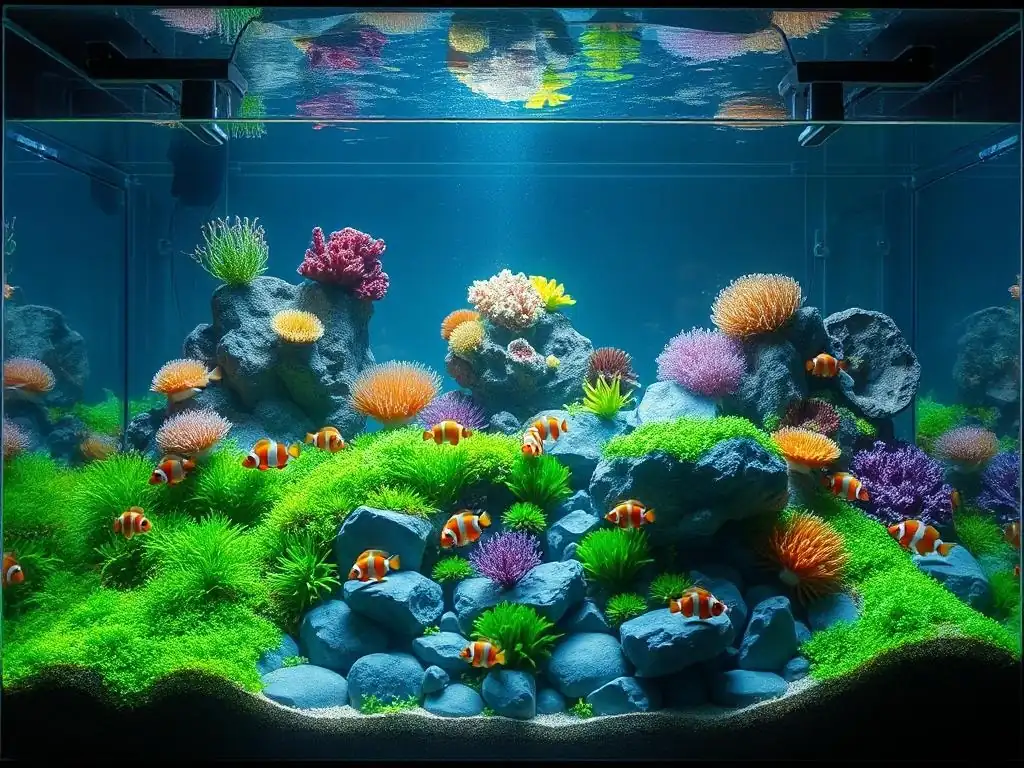
Ever dreamt of witnessing the miracle of life bloom in your own saltwater tank? This is where your journey begins! Dive into our Marine Breeding Tank Setup Guide and unlock the secrets to creating a thriving environment where your fish will not only survive, but thrive and reproduce. Ready to transform your aquarium into a vibrant spawning haven? Let's explore!
- Introduction to Marine Fish Breeding Tank Setups
- Planning Your Marine Breeding Tank: Essential Considerations
- Essential Equipment for a Marine Breeding Tank Setup Guide
- Designing the Ideal Spawning Environment
- Specific Tank Setups for Different Marine Fish Species
- Water Quality Management for Marine Fish Reproduction
- Larval Rearing Tank Setup: From Spawn to Fry
- Troubleshooting Common Marine Breeding Challenges
- Advanced Techniques in Marine Fish Breeding
- Conclusion: Mastering Marine Fish Breeding Tank Setups
-
Frequently Asked Questions
- What are the key differences between a standard saltwater aquarium and a marine breeding tank?
- What specific water parameters are crucial for successful marine breeding?
- What type of filtration system is recommended for a marine breeding tank, and why?
- How important is the substrate and aquascaping in a marine breeding tank?
- What are some common challenges faced when breeding marine fish in captivity, and how can they be overcome?
- Final Reflection: Cultivating Life's Beginnings
- Ignite Your Reef: Become a Master Marine Breeder!
Introduction to Marine Fish Breeding Tank Setups
Why a Dedicated Breeding Tank is Crucial for Marine Fish
Creating a specialized marine breeding tank setup is paramount for aquarists aiming for successful reproduction of saltwater fish. Unlike a general display tank, a dedicated breeding environment allows for precise control over critical parameters, minimizing stress on the breeding pair and maximizing the chances of successful spawning and larval survival.
This isolation from the main display tank also prevents predation on eggs or fry by other tank inhabitants, which is a common occurrence in community setups. For instance, species like Ocellaris Clownfish ( Amphiprion ocellaris) often lay their eggs on a flat surface near their host anemone or a surrogate like a clay pot; in a community tank, these eggs would almost certainly be consumed within hours by opportunistic feeders.
Furthermore, a dedicated breeding tank facilitates targeted feeding and specialized husbandry practices essential for conditioning adult fish for spawning and rearing delicate larvae. In a typical display tank, it's challenging to provide the high-protein, varied diet necessary to induce spawning without impacting water quality for other inhabitants. By isolating the breeding pair, aquarists can offer specific foods, control lighting cycles more effectively, and maintain pristine water conditions tailored precisely to the reproductive needs of the species, significantly improving the yield from a marine breeding tank setup.
Understanding the Challenges of Saltwater Fish Reproduction
Saltwater fish reproduction presents a unique set of challenges compared to freshwater species, primarily due to the pelagic nature of many marine fish eggs and the microscopic size and fragile nature of their larvae. A significant hurdle is the precise environmental control required; even slight fluctuations in salinity, temperature, or pH can be detrimental to developing eggs and newly hatched fry. For example, many marine fish larvae, such as those of tangs or angelfish, are less than 2 millimeters long at hatching and are highly sensitive to water flow and quality.
Another major challenge lies in providing appropriate live food for the first feeding stages of marine larvae. Unlike many freshwater fry that can consume finely crushed flakes, the mouthparts of most marine larvae are incredibly small, necessitating a diet of rotifers ( Brachionus plicatilis) or copepod nauplii. Culturing these live foods requires additional dedicated setups and consistent maintenance, adding complexity to the overall marine breeding tank setup guide. Without a readily available and nutritious live food source, fry mortality rates are exceptionally high, often reaching 90% or more in the first few days post-hatch.
Planning Your Marine Breeding Tank: Essential Considerations
Choosing the Right Tank Size for Breeding Marine Species
Selecting the appropriate tank size is a foundational step in any marine breeding tank setup guide, as it directly impacts water stability, space for the breeding pair, and ease of management. For smaller, more commonly bred species like Ocellaris Clownfish, a 20-gallon long (30"x12"x12") or 29-gallon (30"x12"x18") aquarium often suffices, providing ample swimming space and a stable environment.
These dimensions allow for good horizontal movement, which is beneficial for pair bonding and spawning behaviors. Larger species, such as some angelfish or tangs, if attempted, would require significantly larger setups, potentially 75 gallons or more, to accommodate their size and territorial needs.
However, "bigger is always better" isn't strictly true for all breeding scenarios. For species like Banggai Cardinalfish ( Pterapogon kauderni), a 20-gallon or 30-gallon breeder tank (36"x18"x12") can be ideal, as they are mouthbrooders and don't require extensive swimming space once paired. The key is to balance the species' adult size, territorial requirements, and the need for water volume stability. While larger volumes offer more buffer against parameter swings, they also necessitate more robust filtration and larger water changes, which can be a double-edged sword in a sensitive marine breeding tank setup.
Selecting Appropriate Filtration for a Breeding Tank
Filtration for a marine breeding tank setup requires a delicate balance between maintaining pristine water quality and avoiding systems that could harm delicate eggs or larvae. Biological filtration is paramount, often achieved through mature live rock (approximately 1-1.5 pounds per gallon) or bio-media in a small sump or hang-on-back (HOB) filter.
The goal is to efficiently convert ammonia and nitrite into less toxic nitrate without creating excessive flow or trapping small organisms. Sponge filters, while often associated with freshwater setups, are excellent for marine breeding tanks due to their gentle flow and large surface area for beneficial bacteria, and their inability to suck in fry.
Mechanical filtration should be minimal and easily cleanable, usually consisting of filter floss or sponges within a HOB filter, primarily to remove particulate matter. Chemical filtration, such as activated carbon, can be used intermittently to remove dissolved organics, but it should be used cautiously, especially during larval stages, as it can remove beneficial compounds or essential phytoplankton added for feeding. The emphasis for a successful marine breeding tank setup guide is on gentle, effective, and consistent filtration that can be easily modified or removed if eggs or larvae are present in the water column.
The Importance of Water Chemistry in a Marine Breeding Environment
Maintaining precise and stable water chemistry is arguably the most critical factor for success in any marine breeding tank setup. Minor fluctuations in parameters that might be tolerated by adult fish in a display tank can be catastrophic for developing eggs and fragile larvae. Salinity, for instance, should be kept extremely stable, typically between 1.025 and 1.026 specific gravity, mimicking natural oceanic conditions. Regular testing with a refractometer is essential, and an auto top-off (ATO) system is highly recommended to compensate for evaporation and prevent salinity creep.
Temperature stability is equally vital, usually maintained between 78-80°F (25.5-26.7°C), as specific temperatures can trigger spawning and influence the metabolic rate of developing embryos. Furthermore, parameters such as pH (8.1-8.4), alkalinity (8-12 dKH), calcium (400-450 ppm), and magnesium (1200-1350 ppm) must be within optimal ranges and remain consistent. These parameters are crucial for egg development, larval skeleton formation, and overall physiological health of both breeders and their offspring. Daily monitoring and precise dosing, if necessary, are key components of a robust marine breeding tank setup guide.
Essential Equipment for a Marine Breeding Tank Setup Guide
Setting Up a Reliable Marine Aquarium Heater
A reliable and accurately calibrated marine aquarium heater is indispensable for maintaining the stable temperatures crucial for inducing spawning and ensuring the healthy development of marine fish eggs and larvae. For a typical 20-gallon breeding tank, a single 50-75 watt heater is often sufficient, but for larger tanks or colder rooms, a general rule of thumb is 3-5 watts per gallon.
Many experienced breeders opt for redundant heating systems, utilizing two smaller heaters rather than one large one. For example, two 25-watt heaters in a 20-gallon tank provide a safety net; if one fails, the other can often maintain a safe temperature until the issue is addressed, preventing a catastrophic temperature crash that could halt spawning or kill developing eggs.
Accurate temperature control is not just about keeping the water warm; it's about consistency. Fluctuations of even a few degrees can stress fish and prevent spawning. Therefore, investing in a high-quality, submersible heater with an external thermostat or a separate controller is highly recommended. Regular calibration of the heater's thermostat against a known accurate thermometer (digital or glass) ensures the tank is consistently maintained within the ideal range of 78-80°F (25.5-26.7°C), a critical aspect of any effective marine breeding tank setup guide.
Lighting Considerations for Marine Fish Spawning
Lighting in a marine breeding tank setup serves multiple purposes: it establishes a natural photoperiod, influences the fish's circadian rhythms, and can even act as a spawning trigger for certain species. For most marine fish, a consistent photoperiod of 12-14 hours of light followed by 10-12 hours of darkness mimics natural cycles and is generally sufficient to encourage spawning. Excessive lighting intensity or duration can stress fish, while insufficient light can disrupt their biological clock. A simple LED fixture designed for low to moderate light levels, or even a basic fluorescent fixture, is often ideal.
Advanced breeders might experiment with lunar cycle simulation, gradually increasing and decreasing light intensity or duration to mimic moonlight phases, which can trigger spawning in some species like Mandarinfish. However, for most common breeders like clownfish, a consistent on/off cycle with a timer is adequate. The focus should be on providing a predictable light environment without creating glare or hot spots that could cause stress, making lighting a deliberate, yet often simple, component of a successful marine breeding tank setup.
Protein Skimmers: A Must-Have for Marine Breeding
A protein skimmer is a vital piece of equipment for maintaining high water quality in a marine breeding tank setup, particularly during the conditioning phase of adult fish. These devices efficiently remove dissolved organic compounds, such as excess food waste and fish excretions, before they can break down into ammonia and nitrite.
By reducing the organic load, protein skimmers significantly lower nitrate levels and help maintain stable pH and alkalinity, creating a healthier environment for spawning. For a 20-gallon breeding tank, a small hang-on-back or in-sump skimmer rated for 30-50 gallons is often appropriate, ensuring efficient waste removal without being oversized.
However, it's crucial to note that while skimmers are indispensable for adult conditioning, they might need to be temporarily turned off or removed during the larval rearing phase. The fine bubbles produced by skimmers can be harmful to delicate fry, and they can also remove essential live foods like rotifers or phytoplankton from the water column. Therefore, a good marine breeding tank setup guide will advise on the strategic use of a protein skimmer, leveraging its benefits for adults while understanding its potential drawbacks for larvae.
Circulation Pumps: Maintaining Optimal Water Flow
Optimal water flow is essential in a marine breeding tank setup, but its requirements shift depending on the stage of the breeding process. For adult conditioning and spawning, moderate, turbulent flow is generally beneficial, mimicking natural reef currents and promoting gas exchange. A flow rate equivalent to 5-10 times the tank volume per hour is often a good starting point for adult tanks. For a 20-gallon tank, this would mean a powerhead or circulation pump producing 100-200 gallons per hour (GPH) of flow, positioned to create varied flow patterns without dead spots.
However, once eggs have hatched and larvae are free-swimming, water flow must be drastically reduced. Most marine fish larvae are extremely small and weak swimmers; strong currents can exhaust them, prevent them from feeding, or even physically damage them. In larval rearing tanks, only the gentlest aeration from an air stone is often sufficient, or a very low-flow internal pump that creates just enough circulation to prevent stagnation without creating a current. This precise control over water movement is a nuanced but critical aspect of designing an effective marine breeding tank setup guide.
Designing the Ideal Spawning Environment
Substrate Selection: Bare Bottom vs. Specialized Substrates
When designing a marine breeding tank setup, the choice of substrate is a crucial consideration, with a strong preference for bare bottom tanks in many scenarios. A bare bottom tank offers significant advantages for cleanliness and fry collection. Without sand or gravel, detritus, uneaten food, and waste products are easily siphoned out, preventing the build-up of harmful nitrates and phosphates.
This simplified maintenance is invaluable in preventing water quality issues that could stress delicate breeding pairs or harm developing eggs. Furthermore, for species that lay demersal eggs (eggs that settle on the bottom or a surface), a bare bottom makes egg collection much easier and minimizes the risk of fungal growth on eggs hidden within a substrate.
However, specialized substrates are necessary for certain species. For example, garden eels or certain gobies require deep sand beds for burrowing and nesting. For species like Jawfish ( Opistognathus spp.
), a mix of fine sand and rubble is essential for them to construct their burrows, which often serve as spawning sites. In such cases, the marine breeding tank setup guide must account for the specific needs of the species, balancing the benefits of a bare bottom with the biological requirements of the fish. If substrate is used, it should be kept meticulously clean to prevent it from becoming a nutrient sink.
Aquascaping for Breeding: Providing Shelter and Spawning Sites
Strategic aquascaping in a marine breeding tank setup is not about aesthetics but about providing functional elements crucial for spawning and security. Live rock, PVC pipes, or ceramic tiles can serve as excellent spawning sites for demersal egg layers like clownfish. For example, a small, cured piece of live rock or an overturned clay pot provides a preferred flat, sheltered surface for clownfish to lay their eggs. These elements also offer hiding places for the breeding pair, reducing stress and aggression, particularly during pre-spawning rituals or after spawning when one parent might become territorial.
For species that require specific structures, such as seahorses, hitching posts are essential. These can include artificial corals, specific macroalgae like Chaetomorpha, or even simple plastic plants that provide a vertical structure for seahorses to grasp with their tails.
For mouthbrooders like Banggai Cardinalfish, providing numerous small caves or crevices using PVC elbows or small rock formations can offer the male a secure place to brood the eggs without feeling exposed. The goal of aquascaping in a marine breeding tank setup is to create an environment that feels safe and natural, encouraging the fish to exhibit their full range of breeding behaviors.
Introducing Spawning Triggers: Simulating Natural Conditions
Inducing spawning in marine fish often requires simulating natural environmental cues that signal optimal breeding conditions. One of the most effective triggers is a gradual increase in water temperature by a degree or two (e.g., from 78°F to 80°F), mimicking seasonal warming in their natural habitat.
Coupled with this, large, frequent water changes (e.g., 20-30% every few days) with fresh, high-quality saltwater can simulate rainfall or tidal flushing, which often carries an influx of nutrients and signals a favorable period for reproduction. This combination of temperature and water chemistry changes can significantly stimulate spawning activity in a marine breeding tank setup.
Another potent trigger is a consistent and varied high-quality diet. Feeding a diverse range of nutritious foods, including live foods like enriched Artemia (brine shrimp), mysis shrimp, and copepods, along with high-quality frozen and pellet foods, provides the essential energy and nutrients for gonad development. For some species, manipulating the photoperiod to simulate lunar cycles (gradually increasing and decreasing light intensity over a 28-day period) can also be an effective spawning trigger, as many marine fish synchronize their reproduction with lunar phases. Implementing these natural cues is a key strategy within any comprehensive marine breeding tank setup guide.
Specific Tank Setups for Different Marine Fish Species
Clownfish Breeding Tank Setup: A Detailed Guide
The Ocellaris Clownfish ( Amphiprion ocellaris) is one of the most popular and relatively straightforward marine species to breed, making its marine breeding tank setup a common subject. A typical setup involves a 20-gallon long (30"x12"x12") or 29-gallon aquarium dedicated solely to a bonded pair. The tank should ideally be bare bottom for ease of cleaning and egg collection. Essential equipment includes a reliable heater (e.g., 50W), gentle filtration such as a small sponge filter or a hang-on-back filter with a pre-filter sponge to prevent fry intake, and a small powerhead set to low flow to provide gentle circulation.
For spawning, a terracotta pot, a piece of PVC pipe, or a smooth ceramic tile should be placed in the tank as a surrogate anemone, providing a flat surface for the pair to lay their eggs. Clownfish typically attach their eggs to this surface, which the male then guards and tends. Lighting should be a consistent 12-14 hour photoperiod.
Water parameters must be stable: salinity at 1.025 SG, temperature 78-80°F, pH 8.1-8.4, and alkalinity 8-12 dKH. Conditioning the pair with a high-protein diet of mysis shrimp, enriched brine shrimp, and high-quality pellets is crucial for consistent spawning every 10-14 days. This specific marine breeding tank setup guide is proven to yield high success rates for clownfish.
Seahorse Breeding Tank Setup: Unique Requirements
Breeding seahorses, such as the Reidi Seahorse ( Hippocampus reidi), demands a marine breeding tank setup tailored to their unique morphology and behaviors. A tall tank, at least 20-30 gallons for a pair, is preferable to accommodate their vertical swimming habits. Filtration must be exceptionally gentle; strong currents can exhaust seahorses and prevent them from feeding. Sponge filters, small internal filters, or very low-flow sumps are ideal. A bare bottom is usually recommended to simplify cleaning, as seahorses are messy eaters.
The aquascape should primarily consist of abundant hitching posts – vertical structures like artificial corals, macroalgae (e.g., Chaetomorpha), or even simple PVC pipes, which allow them to anchor themselves. Live rock should be minimal to prevent entrapment and facilitate cleaning. Lighting should be moderate, following a natural photoperiod.
Feeding is critical: seahorses primarily eat live, enriched foods like adult Artemia and live mysis shrimp multiple times a day. Maintaining stable water parameters (salinity 1.025 SG, temperature 75-77°F, pH 8.1-8.3) and ensuring a peaceful environment, free from aggressive tank mates, are paramount for successful seahorse reproduction in a specialized marine breeding tank setup.
Mandarin Dragonet Breeding Tank Setup: Tailored Considerations
Breeding Mandarin Dragonets ( Synchiropus splendidus) is notoriously challenging due to their specific feeding requirements and unique spawning behaviors, necessitating a highly tailored marine breeding tank setup. A dedicated tank of at least 20-30 gallons, established for several months, is crucial. The most critical element is a thriving, continuous source of copepods, their primary diet. This often means running a large, mature refugium plumbed into the breeding tank, specifically cultivated with various copepod species ( Tisbe, Tigriopus, Apocyclops). The refugium should be much larger than the display, perhaps 50-75 gallons itself, to ensure a constant supply.
Filtration should be minimal and gentle, typically just a small powerhead for circulation and perhaps a small sponge filter. A protein skimmer is generally avoided as it can remove beneficial copepods. The tank should have ample live rock with plenty of crevices and hiding spots, mimicking their natural reef environment. Lighting should be moderate.
Spawning usually occurs at dusk, requiring a gradual dimming light cycle. Water parameters must be pristine and stable, consistent with typical reef tank conditions (salinity 1.025 SG, temperature 76-78°F). Success with a Mandarin Dragonet marine breeding tank setup hinges almost entirely on the consistent availability of live copepods for both adults and their incredibly small, planktonic larvae.
Banggai Cardinalfish Breeding Tank Setup: Specific Needs
The Banggai Cardinalfish ( Pterapogon kauderni) is a mouthbrooding species, and its marine breeding tank setup requires attention to specific needs that facilitate pair bonding, spawning, and safe brooding. A dedicated 20-30 gallon aquarium is suitable for a single pair, providing enough space without being overly large. The tank should have plenty of vertical structures and hiding places, such as small pieces of live rock arranged to form caves, or even PVC pipes. These provide security for the pair and a safe retreat for the male while he is brooding the eggs.
Filtration should be gentle, with a small hang-on-back filter or sponge filter providing adequate biological filtration without strong currents that could stress the fish or interfere with the male's brooding behavior. A protein skimmer can be used, but flow should be moderate. Water parameters should be stable and consistent: salinity at 1.025 SG, temperature 76-78°F, and pH 8.1-8.3.
Conditioning the pair with a varied diet of mysis shrimp, enriched brine shrimp, and high-quality pellets is important. Unlike many other marine fish, Banggai Cardinalfish fry are relatively large at hatching and can often consume newly hatched Artemia immediately, simplifying the larval rearing aspect of this particular marine breeding tank setup guide.
Water Quality Management for Marine Fish Reproduction
Maintaining Stable Water Parameters in a Breeding Tank
Maintaining unwavering stability in water parameters is the cornerstone of a successful marine breeding tank setup. Even minor fluctuations can induce stress, halt spawning, or be lethal to developing eggs and larvae. Salinity, for instance, should be kept within a very narrow range, ideally 1.025-1.026 specific gravity, and checked daily with a calibrated refractometer. An auto top-off (ATO) system is highly recommended to replace evaporated freshwater, preventing salinity creep and ensuring consistency. Similarly, temperature should be maintained within a precise 1-2°F window, typically 78-80°F (25.5-26.7°C), using a reliable heater and a separate temperature controller for added safety.
Beyond salinity and temperature, the core chemistry of alkalinity, calcium, and magnesium must also be stable and within optimal ranges (e.g., 8-12 dKH, 400-450 ppm Ca, 1200-1350 ppm Mg). Regular testing (at least weekly) using accurate test kits is essential. If parameters begin to drop, small, consistent daily or every-other-day dosing of balanced two-part solutions can prevent swings. The goal for any effective marine breeding tank setup guide is to create an environment where the fish are never exposed to sudden changes, allowing them to focus their energy on reproduction rather than physiological adaptation.
Regular Water Changes: Best Practices for Marine Breeding
Regular water changes are a fundamental practice in maintaining excellent water quality within a marine breeding tank setup, serving to replenish trace elements, reduce accumulated nitrates, and remove dissolved organic compounds. However, the frequency and volume of water changes in a breeding tank often differ from a display tank. Instead of large, infrequent changes, smaller, more frequent changes are generally preferred to minimize stress on the breeding pair and avoid abrupt shifts in water parameters. For example, a 10-15% water change weekly is often more beneficial than a 25% bi-weekly change.
When performing water changes, it's crucial to use freshly mixed, high-quality saltwater that matches the tank's existing parameters (salinity, temperature, and pH) as closely as possible. Using a dedicated mixing station with a heater and powerhead to ensure proper dissolution and temperature matching is highly recommended. For tanks with delicate eggs or larvae, water changes must be performed with extreme care, siphoning water from areas free of eggs/fry and slowly adding new water to avoid disturbing the tank inhabitants. Adhering to these best practices is a critical component of any successful marine breeding tank setup guide.
Avoiding Common Water Quality Issues in Breeding Tanks
Several common water quality issues can derail a marine breeding tank setup, and proactive prevention is far more effective than reactive treatment. Overfeeding is a primary culprit, leading to excess nutrients, ammonia spikes, and rapid nitrate accumulation. Breeders often feed high-protein, energy-rich diets multiple times a day, but any uneaten food must be promptly removed via siphoning. Regular siphoning of the bare bottom or gentle vacuuming of substrate (if present) helps prevent detritus buildup.
Another common issue is rapid parameter swings, often caused by inconsistent top-offs, large unbuffered water changes, or equipment malfunctions. This underscores the need for an ATO system, precise water change protocols, and redundant heating. Furthermore, the introduction of contaminants from unrinsed hands, uncleaned equipment, or poor-quality source water can introduce toxins or pathogens.
Using only RODI (Reverse Osmosis Deionized) water for mixing saltwater and top-offs, along with meticulous hygiene for all equipment, are non-negotiable practices for a pristine marine breeding tank setup. Regular testing for ammonia, nitrite, and nitrate, even in seemingly stable tanks, provides early warning signs of impending problems.
Larval Rearing Tank Setup: From Spawn to Fry
Designing a Separate Larval Rearing Tank
A dedicated larval rearing tank is a crucial component of any comprehensive marine breeding tank setup guide, as the delicate fry require an environment distinctly different from the adult breeding tank. These tanks are typically small, ranging from 5 to 20 gallons, and are almost always bare bottom. The small volume allows for precise control over water parameters and makes it easier to concentrate live foods for the tiny fry. Often, the sides of the tank are painted black or covered with black acrylic to reduce reflections and make it easier for the larvae to spot their microscopic food.
Filtration in a larval rearing tank is minimal to non-existent, often relying solely on gentle aeration from an air stone connected to an air pump. This provides oxygenation and just enough circulation to keep food particles suspended without creating currents strong enough to harm the fragile larvae. Protein skimmers are never used in larval tanks, as they would remove essential live foods and potentially harm the fry. Maintaining a consistent temperature (e.g., 78-80°F) with a small, reliable heater is vital. The design prioritizes simplicity, cleanliness, and the unique needs of newly hatched marine fish larvae.
Setting Up a Rotifer Culture for Larval Feeding
For most marine fish larvae, rotifers ( Brachionus plicatilis) are the indispensable first food, making the setup of a continuous rotifer culture an integral part of a successful marine breeding tank setup guide. Rotifers are microscopic zooplankton (typically 100-300 microns in size) that are perfectly sized for the tiny mouths of newly hatched marine fry. A basic rotifer culture setup involves several plastic containers (e.g., 1-gallon jars or 5-gallon buckets), an air pump with an air stone for aeration, and a light source.
Rotifers are typically fed with phytoplankton, such as Nannochloropsis oculata or Tetraselmis chuii, which can be purchased as concentrated cultures. Daily feeding, coupled with harvesting and partial water changes in the culture vessels, ensures a continuous supply. Maintaining a dense, healthy rotifer culture requires attention to detail: consistent temperature (75-80°F), good aeration, and prevention of contamination. Without a robust and reliable rotifer culture, the success rate of raising marine fish larvae from a marine breeding tank setup plummets dramatically, as most species cannot survive on inert foods in their initial stages.
Maintaining Optimal Water Quality in the Larval Rearing Tank
Maintaining optimal water quality in the larval rearing tank is arguably the most challenging aspect of a marine breeding tank setup, given the high metabolic rate of rapidly growing fry and the constant introduction of live food. Ammonia and nitrite can quickly accumulate from uneaten rotifers and fry waste, even in small amounts, and are highly toxic to larvae. Daily, small-volume water changes (e.g., 10-20% of the tank volume) are often necessary. This is typically done by siphoning detritus from the bare bottom and then slowly dripping in freshly mixed, temperature-matched saltwater.
Careful feeding is also crucial; while rotifers must be kept at a high density (e.g., 10-15 rotifers per mL) for fry to graze effectively, overfeeding the rotifers' phytoplankton can foul the water. Monitoring the water's clarity and performing regular, albeit gentle, siphoning of waste are key. Some advanced breeders use very gentle drip-through systems where fresh water is continuously added and overflows, providing constant water exchange. The delicate balance between providing sufficient food and maintaining pristine water quality is a constant battle in the larval rearing phase of any successful marine breeding tank setup.
Troubleshooting Common Marine Breeding Challenges
Identifying and Addressing Spawning Issues
When a marine breeding tank setup doesn't yield the expected spawning activity, identifying the root cause is the first step. Lack of spawning can often be attributed to improper pair conditioning. Ensure the breeding pair is truly male and female (for species with sexual dimorphism) and that they are mature enough to reproduce. For clownfish, this typically means they are at least 1.5 to 2 years old. Inadequate nutrition is a common culprit; increase the frequency and variety of high-quality, protein-rich foods, including live foods.
Environmental factors are also critical. Instability in water parameters (temperature, salinity, pH) or a lack of appropriate spawning sites can deter fish from breeding. Review your marine breeding tank setup guide to confirm all parameters are stable and within optimal ranges, and that suitable spawning surfaces or structures are available and secure. Sometimes, simply increasing the frequency of water changes or introducing a subtle temperature bump can trigger spawning. If aggression between the pair is observed, providing more hiding spots or even a temporary divider might be necessary to allow them to bond without excessive stress.
Preventing and Treating Diseases in Breeding Tanks
Disease prevention is paramount in a marine breeding tank setup, as stressed breeding fish are more susceptible to illness, and many treatments are harmful to eggs and larvae. Strict quarantine protocols for all new fish are non-negotiable; observe new arrivals in a separate tank for at least 30 days, treating any signs of disease before introduction. Maintaining pristine water quality through consistent water changes, proper filtration, and avoiding overfeeding significantly reduces bacterial loads and parasitic outbreaks.
If disease does occur, treatment options must be carefully considered. Many common medications (e.g., copper-based treatments for ich) are highly toxic to invertebrates, including beneficial bacteria in the biological filter, and especially to delicate eggs and larvae. For this reason, a separate hospital tank is essential for treating sick breeding fish, allowing the main marine breeding tank setup to remain free of harsh chemicals. If fry become ill, specific, less toxic treatments might be available, but often, improving water quality and nutrition is the first line of defense. Proactive prevention through excellent husbandry is always the best strategy.
Maximizing Fry Survival Rates: Tips and Tricks
Maximizing fry survival rates in a marine breeding tank setup involves a multi-faceted approach, addressing predation, nutrition, and environmental stability. The most critical step is typically removing eggs to a separate larval rearing tank or, for mouthbrooders, removing the male once fry are released. This eliminates predation by adult fish or other tank inhabitants. For demersal layers like clownfish, the egg clutch can often be carefully moved to the larval tank just before hatching.
Nutritional success hinges on providing appropriately sized live foods at the correct densities from the moment of first feeding. For most species, this means a continuous supply of rotifers, followed by progressively larger foods like newly hatched Artemia and then larger copepods or micro-pellets. Maintaining consistently high densities of these live foods is crucial so fry don't expend too much energy searching for food.
Water quality in the larval tank must be meticulously managed with frequent, small water changes to remove waste and uneaten food. Gentle aeration, minimal flow, and blacking out the tank sides also help reduce stress and improve feeding success, all contributing to a higher fry yield from your marine breeding tank setup guide.
Advanced Techniques in Marine Fish Breeding
Using Hormones to Induce Spawning
The use of hormones to induce spawning in marine fish is an advanced technique primarily employed in aquaculture research facilities or by highly experienced breeders attempting to reproduce particularly challenging species. The most common hormone used is Gonadotropin-Releasing Hormone analogue (GnRHa or LHRHa), which stimulates the pituitary gland to release hormones that trigger final egg maturation and ovulation in females, and sperm production in males. Dosing is typically done via injection, either intramuscularly or into the peritoneal cavity, and requires precise calculation based on fish weight and species.
While effective, hormone induction carries risks, including potential harm to the fish if administered incorrectly, or the production of unviable eggs. It also does not guarantee successful fertilization or larval survival, as post-spawning care and larval rearing challenges remain. This technique is typically reserved for species that are difficult to breed naturally in captivity, or to synchronize spawning for large-scale production. It is not generally recommended for the hobbyist aiming for a typical marine breeding tank setup due to the specialized knowledge, precise dosing, and controlled environment required.
Implementing Advanced Filtration Systems
For larger or more complex marine breeding tank setups, implementing advanced filtration systems can provide superior water quality control, though they add complexity and cost. Beyond standard sumps and protein skimmers, techniques like algae scrubbers (ATS) can be highly effective for nitrate and phosphate reduction. An ATS uses intense light to grow nuisance algae on a screen, which absorbs excess nutrients from the water. When the algae is harvested, these nutrients are physically removed from the system. This passive, natural filtration can significantly reduce the need for large water changes.
Another advanced option is a denitrification filter, which creates an anoxic environment to convert nitrates into harmless nitrogen gas. These can range from simple sulfur-based reactors to complex coils or bio-pellet reactors. While highly effective at reducing nitrates, they require careful monitoring to prevent hydrogen sulfide production. Ozone generators can also be used to significantly reduce dissolved organic compounds and pathogens. These advanced systems, while not strictly necessary for all marine breeding tank setups, can greatly enhance water quality stability and reduce maintenance burden in larger, more intensive breeding operations.
Genetic Considerations in Marine Breeding
Genetic considerations play a vital role in long-term success and sustainability within a marine breeding tank setup, particularly for species being bred over multiple generations. Inbreeding, which occurs when closely related individuals are repeatedly bred, can lead to inbreeding depression, manifesting as reduced growth rates, lower fertility, increased susceptibility to disease, and deformities. To combat this, breeders should aim to introduce new genetic material periodically by acquiring new broodstock from different sources, a practice known as outcrossing.
Conversely, selective breeding can be used to enhance desirable traits, such as vibrant coloration, disease resistance, or faster growth. For example, specific color morphs of clownfish have been developed through generations of selective breeding within a marine breeding tank setup. However, this must be done carefully to avoid inadvertently selecting for undesirable traits or reducing genetic diversity too much. Maintaining detailed breeding records, including parentage and offspring characteristics, is crucial for informed genetic management, ensuring a healthy and robust lineage of captive-bred marine fish.
Conclusion: Mastering Marine Fish Breeding Tank Setups
Frequently Asked Questions
What are the key differences between a standard saltwater aquarium and a marine breeding tank?
A marine breeding tank is specifically designed to optimize spawning conditions and fry survival. This often involves specialized filtration, lower flow, and dedicated areas for egg deposition or fry rearing, unlike a standard display tank.
What specific water parameters are crucial for successful marine breeding?
Maintaining stable and optimal water parameters is vital. Key parameters include pH levels, salinity, and temperature, all of which must be carefully monitored and adjusted to suit the specific species being bred.
What type of filtration system is recommended for a marine breeding tank, and why?
A sponge filter or a gentle biological filter is often preferred in breeding tanks. These filters provide sufficient filtration without creating strong currents that can stress the breeding pair or harm delicate fry.
How important is the substrate and aquascaping in a marine breeding tank?
The substrate and aquascaping play a crucial role in providing hiding places for the breeding pair and potential fry. The selection should be species-appropriate and avoid anything that might impact water quality.
What are some common challenges faced when breeding marine fish in captivity, and how can they be overcome?
Common challenges include low fry survival rates and difficulty inducing spawning. These can be overcome by providing the correct environmental conditions, optimal nutrition, and minimizing stress factors.
Final Reflection: Cultivating Life's Beginnings
The journey into marine breeding, as we've explored, is more than just setting up a tank; it's about creating a sanctuary where life can flourish. The principles outlined in this guide, from water parameters to meticulous feeding schedules, are not merely technical instructions, but rather a testament to our dedication to nurturing the delicate dance of reproduction in the marine world. These carefully crafted ecosystems, these spawning havens, represent our commitment to understanding and supporting the intricate web of life beneath the waves.
This dedication extends beyond the confines of our tanks. The act of breeding marine life fosters a deeper appreciation for the fragility and resilience of our oceans. It reminds us that even the smallest creatures play a vital role in the health of our planet. In the end, we will conserve only what we love; we will love only what we understand; and we will understand only what we are taught.
- Baba Dioum. This quote underscores the importance of education and hands-on experience in fostering a conservation mindset, and marine breeding offers a unique avenue for achieving just that.
Now, armed with this knowledge, I invite you to reflect on your own connection to the marine world. Consider how you can translate the principles of creating a thriving breeding environment into other aspects of your life. Can you cultivate a more nurturing space for growth, creativity, or connection? The dedication and attention to detail required for marine breeding can serve as a powerful metaphor for fostering life in all its forms. Embrace the challenge, observe the subtle nuances, and discover the profound satisfaction of nurturing life's beginnings.
Ignite Your Reef: Become a Master Marine Breeder!
Thanks for diving deep into the world of marine breeding! We hope this article equipped you with the knowledge to create thriving spawning havens. Now, let’s put that knowledge into action and unlock the secrets of the reef in your own home.
Here are some ways to get started:
- Start Small, Dream Big: Dedicate a nano tank specifically for breeding a hardy species like clownfish. It's a manageable way to learn the ropes!
- Share your newfound knowledge: Write a post about the most interesting thing you learned about marine breeding from this article, and share it on social media using #AquariumMastery.
- Explore Advanced Techniques: Research the use of copepods and rotifers as live food cultures to maximize the survival rate of your fry.
Ready to transform your aquarium into a vibrant nursery? What species are you most excited to breed, and what innovative spawning setup will you design?