
Essential Quarantine & Disease Prevention for New Saltwater Broodstock

Welcome to Aquarium Mastery!
Ever wondered how professional breeders ensure the health and vitality of their prized saltwater broodstock? Dive into our essential guide on saltwater broodstock quarantine procedures and unlock the secrets to preventing disease and maximizing your breeding success. Discover the critical steps and best practices that will safeguard your investment and keep your aquatic ecosystem thriving. Ready to learn more?
- Introduction to Saltwater Broodstock Quarantine for Successful Breeding
- Selecting Healthy Saltwater Broodstock Candidates
- Setting Up a Dedicated Saltwater Broodstock Quarantine Tank
- Saltwater Broodstock Quarantine Procedures: A Step-by-Step Guide
- Identifying and Treating Common Saltwater Broodstock Diseases
- Advanced Disease Prevention Strategies for Saltwater Broodstock
- Monitoring and Record Keeping During Saltwater Broodstock Quarantine
- Troubleshooting Common Quarantine Challenges
- Integrating Quarantined Broodstock into the Breeding Program
- Conclusion: Ensuring Healthy Saltwater Broodstock for Successful Breeding Programs
-
Frequently Asked Questions
- How long should new saltwater broodstock be quarantined?
- What are the essential quarantine tank requirements for saltwater broodstock?
- What are some common diseases to watch out for during broodstock quarantine?
- What preventative treatments are often used during saltwater broodstock quarantine?
- Why is quarantine so important for saltwater broodstock?
- Final Reflection: Safeguarding the Future of Saltwater Aquaculture
- Transform Your Aquarium: Take Control Now!
Introduction to Saltwater Broodstock Quarantine for Successful Breeding
The Importance of Quarantine for Saltwater Fish Breeding Programs
The successful propagation of saltwater fish species hinges significantly on the health and vitality of the broodstock. Introducing new fish, even if they appear healthy, carries an inherent risk of introducing pathogens such as Cryptocaryon irritans (marine Ich), Amyloodinium ocellatum (Velvet), or various bacterial and viral agents into an established breeding system. A single infected individual can quickly decimate an entire population, leading to substantial financial losses, wasted effort, and potential setbacks in breeding programs that often take years to develop. Therefore, implementing stringent saltwater broodstock quarantine procedures is not merely a recommendation but a critical safeguard.
A dedicated quarantine period allows for the isolation and observation of new broodstock candidates, providing a controlled environment to detect, diagnose, and treat any latent or active diseases before they can spread. This proactive approach minimizes the risk of cross-contamination to valuable existing broodstock or delicate larval systems. For instance, a typical quarantine period of 4 to 6 weeks for new marine fish can significantly reduce the incidence of major outbreaks, protecting an investment that can range from hundreds to thousands of dollars per pair of rare or desirable breeding fish.
Understanding Disease Prevention in Saltwater Broodstock
Disease prevention in saltwater broodstock extends beyond just treating active infections; it encompasses a holistic approach to maintaining optimal health and resilience. This involves creating an environment that minimizes stress, provides superior nutrition, and adheres to strict biosecurity protocols. A healthy broodstock is inherently more resistant to opportunistic pathogens, making them less susceptible to succumbing to illnesses even when exposed to low levels of common aquarium diseases.
Effective disease prevention strategies include rigorous water quality management, ensuring stable parameters such as salinity (typically 1.024-1.026 specific gravity), temperature (76-78°F or 24-26°C), and pH (8.1-8.4). Furthermore, providing a varied and nutrient-rich diet, often supplemented with vitamins like Vitamin C and spirulina, strengthens the immune system of the broodstock. By integrating these preventative measures with well-executed saltwater broodstock quarantine procedures, breeders can significantly enhance the long-term viability and productivity of their breeding operations.
Selecting Healthy Saltwater Broodstock Candidates
Assessing Visual Health Indicators in Potential Broodstock
When acquiring new saltwater broodstock, a thorough visual inspection is the first crucial step in preventing the introduction of diseases. Healthy fish typically exhibit clear, bright eyes without cloudiness or sunken appearance, and their fins should be fully intact, free of tears, fraying, or white spots. The body should be plump and well-rounded, indicating good nutrition, rather than pinched or emaciated. Observe their swimming pattern: it should be smooth, steady, and without any erratic movements, labored breathing, or listlessness.
Furthermore, pay close attention to the fish's coloration; it should be vibrant and characteristic of the species, without any dullness, unusual blotches, or faded patches. Gills should be free of swelling or excess mucus, and the operculum (gill cover) should not be flared. Check for any external lesions, ulcers, or visible parasites such as copepods or leeches. A fish that actively explores its environment and shows a keen interest in food is generally a good sign of overall health and vitality, whereas a fish hiding excessively or clamped fins are red flags.
Avoiding Common Mistakes When Choosing Broodstock
One of the most common mistakes when selecting saltwater broodstock is rushing the decision or being swayed by a "good deal" on seemingly stressed or compromised specimens. Acquiring fish that are already exhibiting signs of stress, such as rapid breathing, faded colors, or hiding in corners, significantly increases the likelihood of disease manifestation during or after the quarantine period. It is far more cost-effective in the long run to invest in healthy, robust individuals, even if they come at a higher initial price, as they are more likely to thrive and contribute successfully to your breeding program.
Another frequent error is failing to inquire about the fish's origin, previous tank mates, and feeding history. While not always possible to obtain detailed information, understanding if the fish came from a known reputable source, if it was wild-caught or aquaculture-bred, and its dietary habits can provide valuable insights. For instance, wild-caught fish often carry a heavier parasite load than captive-bred specimens, necessitating a more rigorous quarantine protocol. Always prioritize fish that appear alert, have a good feeding response, and show no immediate signs of distress or disease, as these are foundational elements for effective saltwater broodstock quarantine procedures.
Setting Up a Dedicated Saltwater Broodstock Quarantine Tank
Tank Size and Equipment Recommendations for Quarantine
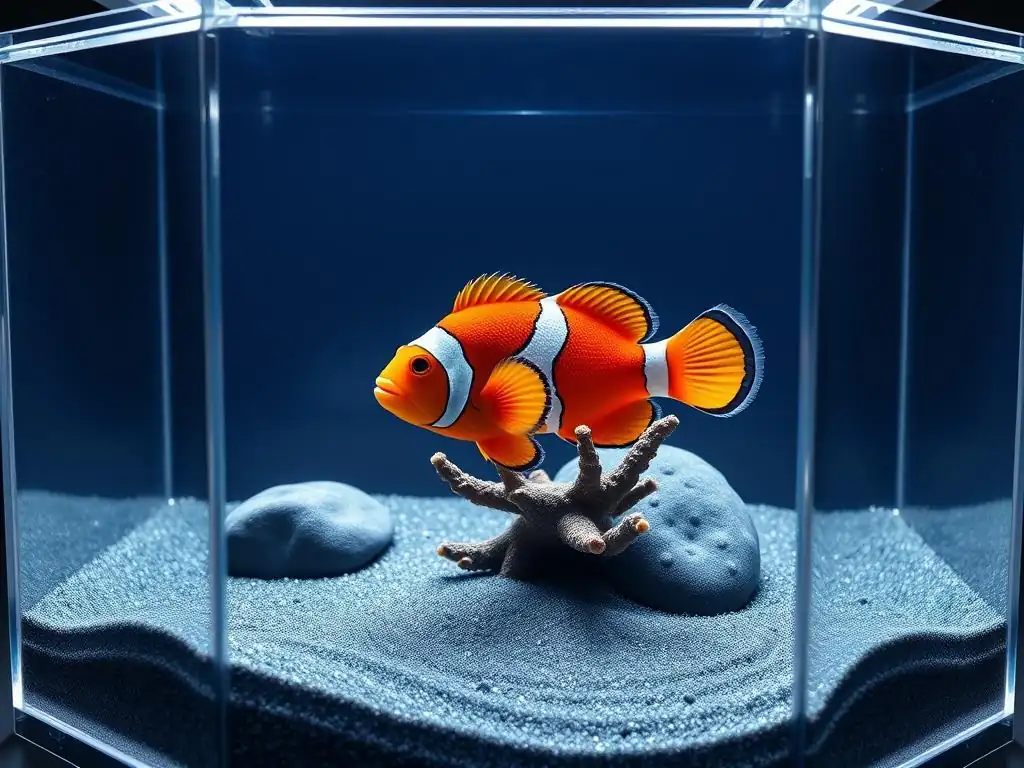
A dedicated quarantine tank is non-negotiable for effective saltwater broodstock quarantine procedures. For most medium-sized broodstock pairs (e.g., clownfish, damselfish, smaller gobies), a 20-gallon (approx. 75 liters) or 30-gallon (approx. 113 liters) bare-bottom aquarium is often sufficient. Larger species or multiple individuals will require a proportionately larger tank, perhaps 40-75 gallons (approx. 150-280 liters). The bare bottom facilitates observation of waste, detritus, and any parasites shed by the fish, and makes cleaning and medication removal much easier. Essential equipment includes a reliable heater to maintain stable temperatures, a thermometer, and adequate filtration.
For filtration, a simple sponge filter or a hang-on-back (HOB) filter with bio-media is typically adequate, providing both mechanical and biological filtration. Avoid using carbon or other chemical filtration during medication phases, as they will remove the treatments. A small powerhead can be added for circulation, and a tight-fitting lid is essential to prevent jumpers.
Minimal PVC pipes or inert plastic decor can be provided as hiding spots to reduce stress, but avoid porous rock or substrate that can absorb medications or harbor pathogens. Lighting should be dim to moderate, especially during the initial observation phase, further reducing stress on the newly introduced fish.
Maintaining Optimal Water Parameters During Quarantine
Maintaining stable and optimal water parameters is paramount throughout the saltwater broodstock quarantine procedures, as fluctuating conditions can significantly stress fish and compromise their immune systems. The salinity should be kept consistent, ideally between 1.020 and 1.025 specific gravity, to match or slightly lower than the main breeding system to ease eventual transfer. Temperature should be stable, typically within the range of 76-78°F (24-26°C), as higher temperatures can accelerate parasite life cycles, making them more susceptible to treatment.
pH levels should be maintained between 8.1 and 8.4. Regular testing for ammonia, nitrite, and nitrate is critical, especially in a bare-bottom tank with limited biological filtration. Ammonia and nitrite should always be at zero parts per million (ppm). If spikes occur, immediate action is required, such as performing a 25-50% water change with pre-mixed, aged saltwater, or using an ammonia-binding product. Having a ready supply of properly mixed and heated saltwater is crucial for these emergency water changes and for routine maintenance, which should occur regularly to dilute accumulated waste and ensure water quality.
Saltwater Broodstock Quarantine Procedures: A Step-by-Step Guide
Phase 1: Initial Observation and Acclimation
The first phase of saltwater broodstock quarantine procedures begins immediately upon the arrival of new fish. Upon introduction to the quarantine tank, it is vital to acclimate them slowly to the tank's water parameters using a drip acclimation method, typically over 1-2 hours, to minimize osmotic shock. Once released, the lights should be kept dim or off for the first 24-48 hours, and disturbance to the tank should be kept to an absolute minimum. This initial period, usually lasting 7 to 10 days, is dedicated solely to observation.
During this time, closely monitor the fish for any signs of stress, disease, or abnormal behavior. Look for changes in breathing rate, coloration, fin condition, swimming patterns, and appetite. Offer small amounts of high-quality, varied foods (e.g., frozen mysis shrimp, brine shrimp, pellets) to encourage feeding and assess their feeding response. This observation period is critical for establishing a baseline of health and determining if any immediate treatments are necessary before initiating prophylactic measures.
Phase 2: Prophylactic Treatments for Common Saltwater Fish Diseases
After the initial observation period, and assuming no overt signs of severe disease requiring immediate intervention, prophylactic treatments are typically initiated as part of comprehensive saltwater broodstock quarantine procedures. This phase aims to eliminate common external and internal parasites that may be latent or subclinical. A common approach involves a broad-spectrum anti-parasitic treatment regimen, often targeting Cryptocaryon irritans (Ich), Amyloodinium ocellatum (Velvet), and various flukes.
The duration and specific medications used in this phase depend on the species being quarantined and the breeder's specific protocols. For example, a copper-based medication (e.g., chelated copper or copper sulfate) is often used for 3-4 weeks at a therapeutic level of 0.20-0.25 ppm to eradicate Ich and Velvet. Simultaneously, or sequentially, a broad-spectrum dewormer like Praziquantel can be administered for 24-48 hours to target internal and external flukes. It is crucial to monitor copper levels daily with a reliable test kit, as both under-dosing (ineffective) and over-dosing (toxic) can be detrimental.
Choosing Appropriate Medications for Quarantine
Selecting the right medications is a critical component of successful saltwater broodstock quarantine procedures. For external protozoan parasites like marine Ich ( Cryptocaryon irritans) and Marine Velvet ( Amyloodinium ocellatum), copper-based medications (e.g., Copper Power, Cupramine) are highly effective and widely used. Alternatively, hyposalinity (reducing specific gravity to 1.008-1.009 for 4-6 weeks) or Chloroquine Phosphate can be employed, though each has its own set of advantages, disadvantages, and risks. For flukes (monogeneans) and some internal parasites, Praziquantel is the drug of choice, often administered as a bath or mixed with food.
For potential internal bacterial infections or flagellates, Metronidazole can be used, often by soaking food in the medication. It's important to research the specific sensitivities of the broodstock species to certain medications; for instance, some invertebrates and certain fish like mandarinfish or lionfish are highly sensitive to copper. Always consult reliable sources and understand the life cycles of the target pathogens to ensure the chosen medication and treatment duration will be effective against all life stages of the parasite.
Administering Medications Safely and Effectively
Proper administration is key to the efficacy and safety of medications during saltwater broodstock quarantine procedures. Always follow the manufacturer's instructions precisely regarding dosage and frequency. Before adding any medication, ensure that activated carbon or other chemical filter media are removed from the filtration system, as they will adsorb the medication. It is often recommended to perform a significant water change (e.g., 25-50%) just before starting a new round of medication to ensure water quality is pristine and to dilute any residual old medication.
When using copper, daily testing of the copper concentration is non-negotiable to maintain the therapeutic range and prevent toxicity. Medications should be added slowly to the tank, often in a high-flow area, to ensure even distribution. Observe the fish closely for any signs of distress after medication administration, such as rapid breathing, loss of appetite, or erratic swimming, which could indicate an adverse reaction. If such signs appear, a large water change and carbon filtration may be necessary to remove the medication quickly.
Phase 3: Extended Observation and Feeding
Following the prophylactic treatment phase, the saltwater broodstock quarantine procedures enter an extended observation period, typically lasting another 2-4 weeks. This phase is crucial for ensuring that the treatments have been successful and that the fish have fully recovered from any stress induced by the medications. During this time, chemical filtration (like activated carbon) can be reintroduced to remove any residual medications from the water column, and water changes should be performed regularly to maintain pristine conditions.
The primary focus during this phase is to observe the fish's appetite, behavior, and overall condition. Ensure they are actively feeding on a varied diet, showing good coloration, and exhibiting natural swimming patterns. This period allows their immune systems to fully rebound and for any latent issues that might have been suppressed by the treatments to manifest. Only after a minimum of 4-6 weeks (or longer for certain species or suspected pathogens) of health, vigor, and no signs of disease should the fish be considered ready for integration.
Phase 4: Gradual Integration into the Breeding System
The final step in successful saltwater broodstock quarantine procedures is the careful and gradual integration of the quarantined fish into the main breeding system. This transition can be a significant source of stress if not managed properly. Before transfer, ensure that the water parameters in the quarantine tank (temperature, salinity, pH) are precisely matched to those of the breeding system to minimize osmotic and thermal shock. A slow drip acclimation from the quarantine tank water to the breeding system water over several hours is highly recommended.
Introducing the new broodstock during periods of low activity in the main tank, such as late evening or early morning, can help reduce initial aggression from existing tank mates. Providing plenty of hiding spots in the breeding tank can also help the new arrivals feel secure. Continue to monitor the newly integrated fish closely for several days to weeks, observing their interactions with existing fish, feeding habits, and any signs of stress or disease. This final monitoring ensures a smooth transition and the continued health of your valuable broodstock.
Identifying and Treating Common Saltwater Broodstock Diseases
Recognizing Early Signs of Disease in Quarantined Fish
Early detection is paramount in managing diseases during saltwater broodstock quarantine procedures, allowing for timely intervention and preventing widespread outbreaks. Beyond obvious physical signs like white spots or lesions, pay close attention to subtle behavioral changes. These include reduced appetite or refusal to eat, increased respiration rate (rapid gill movement), scratching or "flashing" against tank decorations, clamped fins, listlessness, or unusual hiding.
Other indicators include changes in coloration, such as fading or darkening, which can be stress responses or signs of internal distress. Cloudy eyes, frayed fins, or a general dullness to the fish's appearance also warrant immediate investigation. Maintaining daily logs of feeding, behavior, and water parameters helps establish a baseline, making it easier to identify deviations that signal potential health issues. Prompt recognition of these early signs significantly increases the success rate of treatment.
Treating Parasitic Infections in Saltwater Broodstock
Parasitic infections are among the most common ailments in saltwater fish and a primary target of saltwater broodstock quarantine procedures. Cryptocaryon irritans (marine Ich) manifests as small white spots resembling salt grains; it can be treated with copper (0.20-0.25 ppm for 3-4 weeks) or Chloroquine Phosphate. Amyloodinium ocellatum (Velvet) appears as a fine, dusty coating, often with rapid breathing, and is also effectively treated with copper or Chloroquine, sometimes with adjunctive formalin dips.
Flukes (Monogeneans) can cause scratching, clamped fins, and excess mucus. These are typically treated with Praziquantel, either as a bath (24-48 hours) or mixed into food. Brooklynella hostilis (Clownfish Disease) causes excessive mucus and skin sloughing; it requires immediate treatment with formalin dips or Metronidazole. For all parasitic treatments, it is crucial to understand the parasite's life cycle to ensure the medication duration is sufficient to eliminate all stages, including those not visible on the fish.
Managing Bacterial Infections in Saltwater Broodstock
Bacterial infections in saltwater broodstock are often secondary to parasitic infestations, poor water quality, or physical injury, making them a concern during saltwater broodstock quarantine procedures. Common signs include fin rot (frayed or decaying fins), cloudy eyes, open sores or ulcers, red streaks on the body, or general lethargy. Internal bacterial infections can lead to bloating, loss of appetite, and abnormal swimming.
Treatment typically involves broad-spectrum antibiotics, which should ideally be administered in a dedicated hospital tank to avoid impacting the beneficial bacteria in the main system. Medications like Nitrofurazone, Erythromycin, or Furan-2 can be effective, often administered as bath treatments or, for internal infections, by soaking food in the antibiotic. It is crucial to address the underlying cause of the bacterial infection, such as improving water quality or treating a primary parasitic issue, to prevent recurrence.
Addressing Fungal Infections in Saltwater Broodstock
Fungal infections in saltwater broodstock, though less common as primary pathogens than parasites or bacteria, can sometimes occur, especially in fish already stressed or with compromised immune systems. They typically appear as white, cotton-like growths on the fins, body, or mouth, often following a physical injury or a parasitic infestation. These infections are almost always secondary, meaning they capitalize on an existing weakness or wound.
Treatment for fungal infections often involves antifungal agents such as Malachite Green or Phenoxyethanol, administered as a bath treatment. However, the most effective approach is to identify and address the primary stressor or underlying disease that allowed the fungal infection to take hold. Maintaining pristine water quality, ensuring a nutritious diet, and treating any primary parasitic or bacterial issues will significantly reduce the likelihood of fungal outbreaks during saltwater broodstock quarantine procedures.
Advanced Disease Prevention Strategies for Saltwater Broodstock
Implementing Biosecurity Protocols in the Hatchery
Beyond the initial saltwater broodstock quarantine procedures, robust biosecurity protocols are essential for long-term disease prevention in a breeding facility. This involves creating physical barriers and implementing strict operational procedures to prevent the introduction and spread of pathogens. Dedicated equipment for each tank or system (e.g., nets, siphons, buckets) should be a standard practice, or equipment must be thoroughly disinfected (e.g., with a 10% bleach solution followed by rinsing) between uses.
Foot baths containing a disinfectant solution at the entrance to each room or section of the hatchery can prevent the tracking of pathogens. Staff should wear dedicated clothing and footwear for the facility, and hand washing or sanitizing should be rigorously enforced between handling different tanks or species. Any new live food cultures or water sources should also be quarantined or sterilized before introduction to prevent the inadvertent introduction of parasites or bacteria.
Optimizing Water Quality to Boost Broodstock Immunity
Consistent, high-quality water parameters are fundamental to maintaining strong immune systems in saltwater broodstock, thereby enhancing their natural resistance to disease. Fluctuations in salinity, temperature, or pH can cause significant stress, suppressing the immune response and making fish more vulnerable to opportunistic pathogens. Therefore, maintaining stable conditions within optimal ranges (e.g., specific gravity 1.024-1.026, temperature 76-78°F, pH 8.1-8.4) is crucial.
Effective filtration, including robust biological filtration to process ammonia and nitrite, and mechanical filtration to remove particulate matter, is vital. Regular partial water changes (e.g., 10-20% weekly) help dilute nitrates and replenish essential trace elements. Adequate oxygenation, achieved through surface agitation or air stones, is also critical for fish health and metabolic function. Proactive water quality management is a cornerstone of advanced disease prevention, complementing formal saltwater broodstock quarantine procedures.
Nutritional Considerations for Enhanced Disease Resistance
A high-quality, varied, and nutritionally balanced diet is a powerful tool in enhancing the disease resistance of saltwater broodstock. Fish with robust immune systems are better equipped to fend off pathogens encountered even after rigorous saltwater broodstock quarantine procedures. The diet should include a mix of high-protein pellets, frozen foods (e.g., mysis shrimp, brine shrimp, krill), and potentially live foods (e.g., enriched copepods, rotifers) to provide a full spectrum of essential amino acids, fatty acids, and vitamins.
Particular emphasis should be placed on providing adequate levels of Vitamin C (ascorbic acid) and Vitamin E, which are known antioxidants and immune boosters. Many commercially prepared frozen foods are enriched, or supplements can be added to foods before feeding. Overfeeding should be avoided as it can lead to poor water quality, but ensuring broodstock receive sufficient, easily digestible nutrients helps build energy reserves and supports their physiological processes, including immune function, making them less susceptible to illness.
Monitoring and Record Keeping During Saltwater Broodstock Quarantine
Tracking Water Parameters and Treatment Regimes
Detailed and consistent record-keeping is an indispensable part of effective saltwater broodstock quarantine procedures. Daily logging of key water parameters—such as temperature, specific gravity, pH, ammonia, nitrite, and nitrate—provides a clear historical overview of the tank's conditions. This data allows for the early detection of trends or deviations that could indicate a problem, such as a failing filter or overfeeding.
Equally important is meticulous documentation of all treatments administered. This includes the name of the medication, the precise dosage, the date and time of administration, the duration of treatment, and any water changes performed in conjunction with the treatment. Such records are invaluable for ensuring correct treatment protocols are followed, preventing accidental over-dosing, and for troubleshooting if a treatment proves ineffective or if adverse reactions occur.
Documenting Fish Behavior and Appearance
Beyond water parameters and treatments, a comprehensive log of the fish's behavior and physical appearance is critical during saltwater broodstock quarantine procedures. Daily observations should be recorded, noting details such as appetite (e.g., "eats vigorously," "picks at food," "refuses food"), swimming patterns (e.g., "active," "hiding," "labored breathing," "flashing"), and any changes in coloration or fin condition.
Specific observations like "small white spots appearing on fins," "cloudy eyes," or "excessive mucus production" should be noted with the date of first observation. This detailed behavioral and appearance log serves as a chronological health history for each individual fish. It allows for quick identification of the onset of disease, assessment of treatment efficacy, and provides valuable data for future quarantine protocols.
Using Data to Improve Quarantine Protocols
The comprehensive data collected during saltwater broodstock quarantine procedures—from water parameters and treatment logs to detailed fish observations—is not just for current management; it is a powerful tool for continuous improvement. By analyzing past quarantine records, breeders can identify common patterns, such as specific diseases frequently encountered with certain species or from particular sources. For example, if a specific supplier consistently yields fish with Cryptocaryon, a longer or more aggressive copper treatment might be warranted for future imports from that source.
This historical data allows for the refinement of medication dosages, treatment durations, and overall quarantine lengths to optimize efficacy and minimize stress on the fish. It can also highlight correlations between specific water parameter fluctuations and disease outbreaks, leading to adjustments in maintenance routines. Ultimately, leveraging this data transforms quarantine from a static process into a dynamic, evidence-based system that continually enhances the health and success of saltwater broodstock breeding programs.
Troubleshooting Common Quarantine Challenges
Dealing with Stress and Appetite Loss in Quarantined Fish
Stress and appetite loss are common challenges encountered during saltwater broodstock quarantine procedures, often triggered by the new environment, handling, or medication. To mitigate stress, ensure the quarantine tank has adequate hiding spots (e.g., PVC pipes, inert plastic decor) and that lighting is dim initially. Minimize sudden movements or loud noises around the tank. A consistent, gentle routine for feeding and observation can also help.
If fish are refusing food, try offering a variety of high-quality foods, including live options if available (e.g., enriched brine shrimp, copepods) which can often entice reluctant eaters. Soak frozen foods in a vitamin supplement or garlic extract, which can act as an appetite stimulant. If appetite loss persists, assess water quality for any issues (e.g., ammonia spikes) and consider if the medication being used is causing undue stress. Sometimes, a partial water change can help alleviate stress and encourage feeding.
Managing Ammonia and Nitrite Spikes in the Quarantine Tank
Ammonia and nitrite spikes are frequently encountered during saltwater broodstock quarantine procedures, especially in bare-bottom tanks with limited biological filtration and during medication cycles that can impact beneficial bacteria. Elevated levels of these compounds are highly toxic to fish, causing gill damage and compromising immune function. Regular daily testing for ammonia and nitrite is therefore critical.
If levels are detected, immediate action is required. Perform a significant water change (e.g., 25-50%) with pre-mixed, temperature-matched saltwater. Consider using an ammonia-binding product (e.g., AmGuard, Prime) as a temporary measure, but do not rely on them as a primary solution. Ensure that the filtration system is adequate and properly cycled before introducing fish. In some cases, a small, cured piece of live rock or a mature sponge filter from a healthy system can be added temporarily to boost biological filtration, provided it is free of pests or diseases.
Addressing Secondary Infections During Quarantine
Secondary infections are a common complication during saltwater broodstock quarantine procedures, often arising when a fish's immune system is weakened by a primary infection, stress, or medication. For example, a fish battling Ich might develop a bacterial fin rot, or a fish recovering from a parasitic treatment might become susceptible to a fungal growth on a minor abrasion. Recognizing these secondary issues is crucial for effective overall treatment.
When a secondary infection appears, the primary focus should still be on resolving the initial problem or stressor that compromised the fish's immune system. Simultaneously, the secondary infection needs to be addressed with appropriate medication (e.g., antibiotics for bacterial issues, antifungals for fungal growths). It's important to select medications that are compatible and won't exacerbate the fish's stress or interfere with existing treatments. Maintaining impeccable water quality and providing nutrient-rich foods are vital supportive measures to help the fish recover from both primary and secondary ailments.
Integrating Quarantined Broodstock into the Breeding Program
Minimizing Stress During Transfer
The successful transfer of quarantined saltwater broodstock into the main breeding system is the final, delicate step in the saltwater broodstock quarantine procedures. Minimizing stress during this transition is paramount to prevent disease relapse or aggression from existing tank inhabitants. First, ensure that the water parameters (temperature, salinity, pH) in the quarantine tank are precisely matched to those of the breeding system. Any significant discrepancies can induce osmotic shock.
A slow, controlled drip acclimation method is highly recommended, allowing the fish to gradually adjust to the breeding tank's water chemistry over several hours. Introducing the fish during periods of low activity in the main tank, such as late evening or early morning, can help reduce initial territorial disputes. Providing ample hiding spots and visual breaks within the breeding system will also help the new arrivals feel secure and reduce aggression from established residents. Avoiding feeding for a few hours before and after transfer can also reduce stress and aggression.
Monitoring Post-Quarantine Health and Performance
Even after rigorous saltwater broodstock quarantine procedures and successful integration, continuous monitoring of the broodstock's health and performance is essential. For the first few weeks, observe the newly introduced fish daily for any signs of stress, disease, or abnormal behavior. This includes checking their feeding response, coloration, fin condition, and interactions with other fish. Any signs of clamped fins, labored breathing, or hiding should prompt immediate investigation.
Beyond general health, monitor their breeding behavior and success. Are they pairing up as expected? Are they showing signs of spawning readiness (e.g., egg laying, courtship rituals)? Documenting these observations will help assess the overall success of the quarantine process and the broodstock's contribution to the breeding program. Consistent water quality, a high-quality diet, and ongoing biosecurity measures in the breeding system are crucial for maintaining the long-term health and productivity of your valuable saltwater broodstock.
Conclusion: Ensuring Healthy Saltwater Broodstock for Successful Breeding Programs
Establishing and rigorously adhering to comprehensive saltwater broodstock quarantine procedures is not merely an optional step but a cornerstone for the long-term success and sustainability of any marine fish breeding program. From the meticulous selection of healthy candidates and the precise setup of a dedicated quarantine environment to the systematic application of prophylactic treatments and diligent post-quarantine monitoring, each stage plays a vital role in safeguarding your valuable investment. These proactive measures significantly reduce the risk of devastating disease outbreaks that can cripple a hatchery, ensuring that your broodstock remain vibrant, productive, and capable of yielding healthy offspring.
The commitment to robust saltwater broodstock quarantine procedures, coupled with advanced biosecurity protocols and optimal husbandry, creates a resilient foundation for your breeding efforts. By prioritizing the health of your broodstock through these detailed and essential steps, aquarists can confidently pursue the rewarding endeavor of marine fish propagation, contributing to both the hobby and conservation through sustainable aquaculture.
Frequently Asked Questions
How long should new saltwater broodstock be quarantined?
New broodstock should undergo a minimum quarantine period of 4-6 weeks to observe for any signs of disease. This allows time for latent infections to manifest.
What are the essential quarantine tank requirements for saltwater broodstock?
Essential requirements include a biologically filtered tank, stable water parameters, and separate equipment (nets, buckets, etc.) to prevent cross-contamination. A heater and protein skimmer are also highly recommended.
What are some common diseases to watch out for during broodstock quarantine?
Common diseases include Ich (white spot disease), Brooklynella hostilis, and internal parasites. Careful observation for abnormal behavior and physical symptoms is crucial.
What preventative treatments are often used during saltwater broodstock quarantine?
Copper treatments or chloroquine phosphate may be used prophylactically, but only after careful consideration of the species' sensitivity and potential side effects. Hyposalinity can also be effective against certain parasites.
Why is quarantine so important for saltwater broodstock?
Quarantine prevents the introduction of diseases and parasites into the established breeding system, which could decimate existing populations and compromise breeding efforts. It is a critical biosecurity measure.
Okay, here's a final reflection designed to conclude your article "Essential Quarantine & Disease Prevention for New Saltwater Broodstock," keeping in mind the target keyword "Saltwater broodstock quarantine procedures" and the provided structure.
Final Reflection: Safeguarding the Future of Saltwater Aquaculture
The meticulous procedures outlined in this article, focusing on essential quarantine and disease prevention, are not merely academic exercises. They represent a critical investment in the long-term health and sustainability of saltwater aquaculture. In a world increasingly reliant on aquaculture to meet growing food demands, the health of our broodstock is paramount, and neglecting these protocols can have devastating consequences for entire populations and the livelihoods that depend on them.
The importance of rigorous saltwater broodstock quarantine procedures extends far beyond the individual tanks and facilities. It's about recognizing our responsibility to protect the delicate balance of marine ecosystems and ensuring the responsible growth of this vital industry. The future of aquaculture lies not just in increasing production, but in ensuring that production is sustainable and environmentally sound.
This quote underscores the ethical imperative to prioritize disease prevention and responsible broodstock management.
Now, as you consider the information presented here, I urge you to reflect on your own practices and their potential impact. Are you implementing the most effective quarantine procedures? Are you prioritizing the health and well-being of your broodstock? The future of saltwater aquaculture depends on the collective commitment of each individual involved. Let us all strive to uphold the highest standards of biosecurity, ensuring a healthy and prosperous future for this vital industry.
Transform Your Aquarium: Take Control Now!
Thank you for exploring the essentials of quarantine and disease prevention for your new saltwater broodstock. We hope you've gained valuable insights into safeguarding the health of your future generations. Now, let's put that knowledge into action!
Here are some concrete steps you can take today:
- Immediately review and refine your quarantine protocols based on the best practices outlined. Prioritize setting up a dedicated quarantine tank if you haven't already.
- Share this article with fellow aquarists to spread awareness about the importance of proper quarantine procedures.
- Consider keeping a detailed log of your quarantine process, including observations and any treatments administered. This will help you refine your strategy for future broodstock.
What specific quarantine challenge are you currently facing with your broodstock, and how can we help you overcome it?