
Aquarium Mastery: Weaning Saltwater Fry Onto Prepared Diets – The Tricky Transition

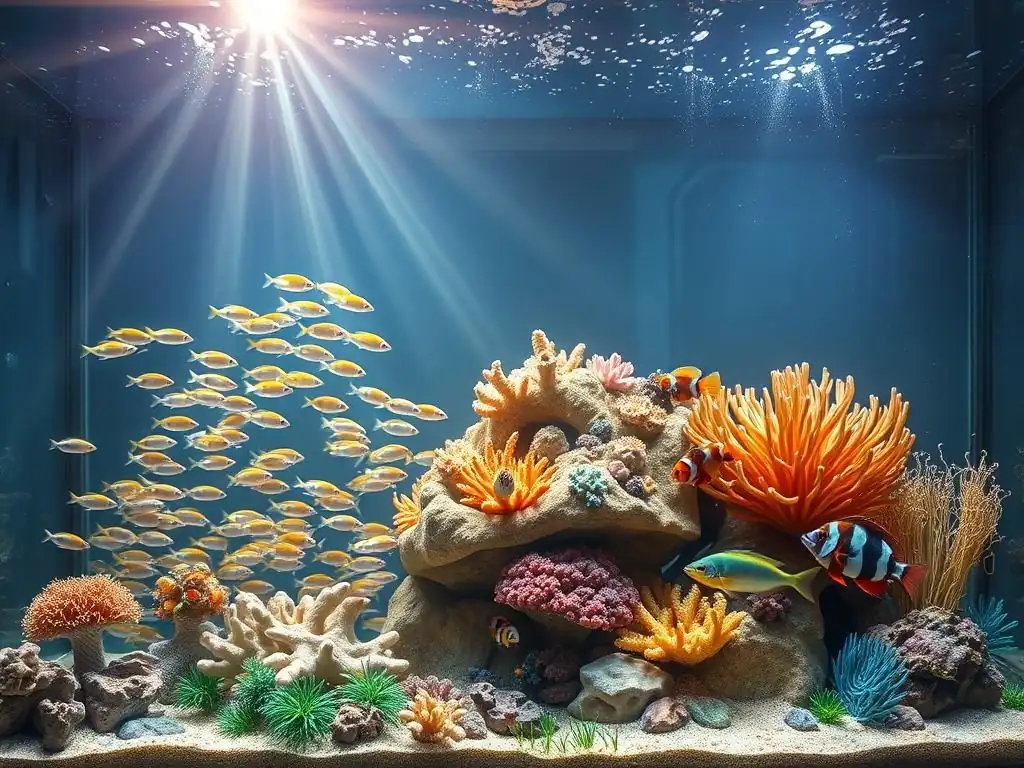
Welcome to Aquarium Mastery!
Ever wondered how to successfully navigate the delicate journey of weaning saltwater fry onto prepared diets? It's a crucial, often challenging, step in raising these tiny marine wonders. Dive into our comprehensive guide on Saltwater Fry Diet Transition and unlock the secrets to ensuring their healthy growth and vibrant future. Ready to conquer this tricky transition? Let's get started!
- Understanding the Challenges of Saltwater Fry Diet Transition
- Preparing for the Saltwater Fry Diet Transition: A Step-by-Step Guide
- Types of Prepared Foods for Saltwater Fry: Pros and Cons
- Troubleshooting Common Issues During Saltwater Fry Diet Transition
- Advanced Techniques for Saltwater Fry Weaning
- Long-Term Care and Feeding of Saltwater Fry After Weaning
- Conclusion: Mastering the Saltwater Fry Diet Transition for Success
-
Frequently Asked Questions
- What is the biggest challenge in transitioning saltwater fry to prepared diets?
- Why is a successful Saltwater Fry Diet Transition so important for aquarists?
- What types of prepared foods are generally recommended for initial Saltwater Fry Diet Transition?
- How slowly should the Saltwater Fry Diet Transition process be implemented?
- What are some signs that the Saltwater Fry Diet Transition is not going well, and what should I do?
- Final Reflection: Navigating the Delicate Dance of Life
- Ignite Your Fry-Raising Passion!
Understanding the Challenges of Saltwater Fry Diet Transition
Why the Saltwater Fry Diet Transition is So Difficult
The process of weaning saltwater fry onto prepared diets presents a formidable challenge for even experienced aquarists. Unlike their freshwater counterparts, many marine fish species produce exceptionally small, delicate larvae with undeveloped digestive systems and highly specific nutritional requirements.
In their natural habitat, these fry primarily consume live planktonic organisms, such as copepod nauplii and rotifers, which are perfectly sized and offer a complete nutritional profile, including critical highly unsaturated fatty acids (HUFAs) vital for neural and visual development. When attempting a saltwater fry diet transition in captivity, replicating this precise nutritional intake and particle size with inert foods becomes incredibly complex.
Furthermore, the rapid growth rates and high metabolic demands of saltwater fry mean they require constant access to food. Any period of starvation, even for a few hours, can lead to irreversible damage or mortality. Their tiny mouths and primitive digestive tracts struggle to process foods that are too large or lack the necessary enzymes for breakdown. This physiological immaturity, coupled with the inherent stress of a new food source, makes the saltwater fry diet transition a critical bottleneck in marine aquaculture, often leading to significant losses if not managed meticulously.
Key Considerations for Successful Fry Weaning
Successful weaning of saltwater fry hinges on a multi-faceted approach that addresses their biological needs and minimizes environmental stressors. Paramount among these considerations is maintaining impeccable water quality. Saltwater fry are exquisitely sensitive to ammonia, nitrite, and even elevated nitrates, with levels as low as 0.05 ppm ammonia often proving lethal. The introduction of prepared foods, which can quickly degrade if uneaten, exacerbates the risk of water quality deterioration, making diligent monitoring and frequent water changes non-negotiable during the saltwater fry diet transition.
Another crucial factor is consistency in feeding. Fry require frequent, small meals throughout the day to sustain their high metabolic rates. Irregular feeding schedules or insufficient food availability can lead to stunted growth, increased aggression among siblings, and ultimately, higher mortality rates. Additionally, minimizing stress through stable environmental parameters (temperature, salinity), gentle water flow, and a calm rearing environment contributes significantly to the fry's willingness to accept new foods. Careful observation of feeding behavior and overall health is essential to identify and address issues promptly, ensuring a smoother saltwater fry diet transition.
Preparing for the Saltwater Fry Diet Transition: A Step-by-Step Guide
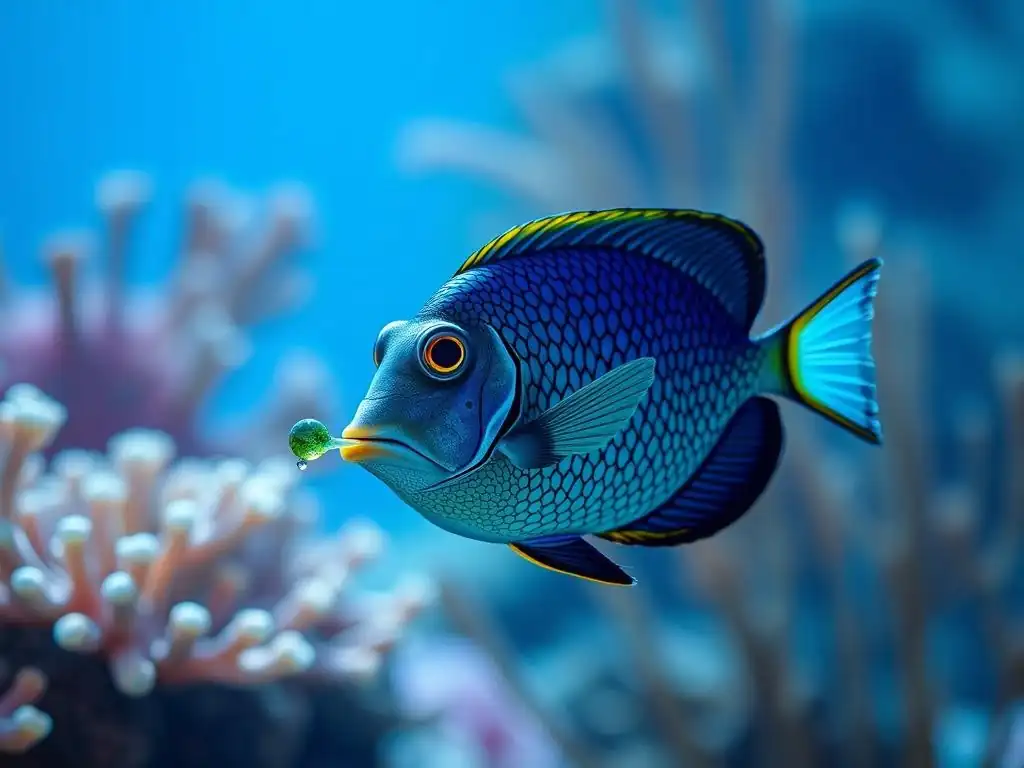
Step 1: Selecting the Right Prepared Food for Saltwater Fry
Size Matters: Choosing the Appropriate Particle Size for Fry
The initial selection of prepared food is perhaps the most critical decision in the saltwater fry diet transition. The primary determinant for success is matching the food particle size precisely to the fry's mouth gape. Newly hatched marine fry, such as those of clownfish ( Amphiprion ocellaris) or gobies ( Gobiodon spp.), can have mouth openings as small as 50-70 microns (0.05-0.07 millimeters). Attempting to feed particles larger than this will result in refusal or choking. As the fry grow, their mouth gape increases, necessitating a gradual transition to larger particle sizes.
For example, a clownfish larva might start on a powdered diet of 50-100 microns for the first week, then transition to 100-200 micron particles by week two, and finally to micro-pellets of 200-300 microns by week three or four. Overlooking this detail is a common pitfall; even a perfectly nutritious food is useless if the fry cannot physically ingest it. Therefore, having a range of micronized diets on hand, and potentially a fine-mesh sieve set to grade them, is essential for a successful saltwater fry diet transition.
Nutritional Needs of Saltwater Fry: Understanding Essential Nutrients
Beyond size, the nutritional composition of the prepared diet is paramount for the healthy development of saltwater fry. Marine fry have very specific and demanding dietary requirements, particularly for highly unsaturated fatty acids (HUFAs) like Docosahexaenoic Acid (DHA) and Eicosapentaenoic Acid (EPA). These fatty acids are critical for the development of their nervous system, eyes, and overall organ function. A deficiency can lead to deformities, poor swimming ability, and high mortality. Therefore, prepared foods chosen for the saltwater fry diet transition should explicitly list a high HUFA content.
Protein content is also crucial, often needing to be above 50-60% crude protein, derived from highly digestible marine sources. Additionally, a complete vitamin and mineral profile, including Vitamin C and B-complex vitamins, is necessary to support rapid growth and immune function. Some premium fry diets include immunostimulants or probiotics to further enhance health and digestion. Prioritizing foods that are specifically formulated for marine larvae, rather than general ornamental fish foods, provides the best foundation for a successful saltwater fry diet transition.
Step 2: Establishing a Consistent Feeding Schedule for Saltwater Fry
Frequency and Amount: Optimizing Feeding for Growth
Saltwater fry possess incredibly high metabolic rates and limited energy reserves, meaning they must feed almost continuously. Establishing a rigorous and consistent feeding schedule is critical for their survival and growth during the saltwater fry diet transition. For most species, feeding 6-10 times daily is recommended, with some breeders even opting for continuous drip feeding systems or automated feeders to ensure food is always available. The goal is to provide enough food so that some particles are always present in the water column for the fry to consume, but not so much that it rapidly fouls the water.
Each feeding should be a small amount, observed closely to ensure consumption. Overfeeding can quickly lead to water quality degradation, while underfeeding results in starvation and cannibalism among siblings. For instance, in a 10-gallon rearing tank with 50 clownfish fry, a mere pinch (approximately 0.1-0.2 grams) of micronized food, dispersed evenly, might be sufficient for a single feeding. Adjustments should be made based on the fry's apparent satiation and the presence of uneaten food after 15-30 minutes, refining the total daily amount to optimize growth without compromising water quality during the saltwater fry diet transition.
Monitoring Water Quality During the Diet Transition
Maintaining pristine water quality is non-negotiable throughout the saltwater fry diet transition, as the introduction of prepared foods significantly increases the bioload. Uneaten food particles and fry waste rapidly decompose, releasing ammonia and nitrite, which are highly toxic to delicate larvae. Daily monitoring of ammonia, nitrite, nitrate, pH, salinity, and temperature is essential. Ammonia and nitrite should always be undetectable (0 ppm), while nitrates should be kept below 10-20 ppm.
To achieve this, frequent, small water changes are often necessary. For instance, a 10-20% daily water change is common practice in many larval rearing setups, especially during the initial stages of weaning. Utilizing gentle air-driven sponge filters or specialized larval filters can provide biological filtration without harming the fragile fry. Additionally, ensuring proper aeration and water circulation helps distribute food evenly and prevents anoxic zones. Diligent water quality management is the backbone of a successful saltwater fry diet transition, directly impacting survival rates.
Step 3: Introducing Prepared Foods Gradually to Saltwater Fry
The Slow and Steady Approach: Minimizing Stress
The transition from live foods to prepared diets should be a gradual, unhurried process to minimize stress and maximize acceptance. Abruptly switching food sources can shock the fry, leading to refusal to eat, stunted growth, and increased mortality. A common strategy for the saltwater fry diet transition involves a co-feeding period where prepared foods are introduced alongside their familiar live prey. This allows fry to slowly acclimate to the new food's smell, taste, and texture without the immediate pressure of starvation.
Begin by introducing a very small percentage of the prepared food—perhaps 5-10% of the total feed volume—for several days. For example, if you're feeding enriched rotifers, add a tiny pinch of micronized dry food during one or two of the daily feedings. Over the course of 7-14 days, gradually increase the proportion of the prepared diet while simultaneously decreasing the amount of live food. This slow and steady approach allows the fry's digestive system to adapt and helps them associate the new food with sustenance, significantly improving the success rate of the saltwater fry diet transition.
Co-Feeding Live Foods and Prepared Diets: A Balanced Strategy
Co-feeding is a cornerstone strategy for successful saltwater fry diet transition, providing both nutritional completeness and a 'training wheel' effect for the fry. By offering live foods (like enriched rotifers or Artemia nauplii) alongside prepared diets, you ensure that the fry continue to receive vital nutrients from a source they readily recognize and consume. This minimizes nutritional gaps and stress during the adaptation phase. The presence of live prey also stimulates a feeding response, which can inadvertently encourage fry to mouth or consume the inert particles.
Many successful breeders maintain a co-feeding regimen for 1-2 weeks, depending on the species and its inherent difficulty in weaning. For instance, for species like clownfish, rotifers might be fed for the first 10-14 days, with prepared food introduced around day 5. By day 12-14, the rotifer proportion is significantly reduced, with prepared food making up 80-90% of the diet. For more challenging species, this co-feeding period might extend longer. This balanced strategy supports robust growth and acclimates fry to the prepared diet, making the overall saltwater fry diet transition much smoother and more successful.
Types of Prepared Foods for Saltwater Fry: Pros and Cons
Powdered Fry Foods: A Common Starting Point
Powdered fry foods are often the first type of prepared diet introduced to newly hatched saltwater fry due to their extremely fine particle size, typically ranging from 20 to 150 microns. These foods are usually made from highly digestible marine proteins, often including spirulina, krill, and fish meal, providing a concentrated nutrient source suitable for tiny mouths. Their primary advantage is their ability to deliver nutrition to the smallest larval stages that cannot consume larger particles.
However, powdered foods come with significant drawbacks. Their fine nature means they can quickly disperse and become suspended in the water column, making it challenging for fry to capture them efficiently. More critically, uneaten powder rapidly degrades, leading to severe water quality issues, including ammonia spikes and bacterial blooms, if not managed with meticulous water changes. For example, a common issue is the "white film" on the water surface caused by bacterial growth on uneaten powder. Therefore, while essential for initial feeding during the saltwater fry diet transition, precise dosing and vigilant water quality management are paramount.
Liquid Fry Foods: Ease of Use and Limitations
Liquid fry foods are suspensions of micronized nutrients designed for ease of dispersion and suitability for exceptionally small fry. They typically consist of a concentrated blend of proteins, fats, and vitamins in a liquid carrier, allowing for precise dosing via a dropper or syringe. Their main advantage lies in their ability to deliver nutrients to the smallest mouth gapes and their ease of application, as they can be directly added to the rearing water.
Despite their convenience, liquid fry foods have notable limitations. Like powdered foods, they can contribute significantly to water fouling if overfed, as the nutrients are highly soluble and quickly break down. Their shelf life once opened is often very short, requiring refrigeration and prompt use to maintain nutritional integrity.
Furthermore, while easy to disperse, ensuring that fry actually ingest sufficient quantities can be challenging, as the food particles are often too small to be easily seen or targeted. While useful in specific scenarios for the initial phases of the saltwater fry diet transition, they are generally not a long-term solution and require careful monitoring of water parameters.
Micro-Pellets: A More Advanced Option for Saltwater Fry
Micro-pellets represent a significant advancement in prepared diets for saltwater fry, becoming suitable as fry grow larger and their mouth gape increases, typically from 150-200 microns upwards. These pellets are often manufactured through extrusion or agglomeration processes, resulting in denser, more stable particles that retain their nutritional integrity longer in the water column compared to powders or liquids. This stability significantly reduces water fouling and allows fry more time to consume the food.
The advantages of micro-pellets include their superior nutritional density, often formulated with high levels of digestible proteins, essential fatty acids (like DHA), and vitamins tailored for juvenile marine fish. They are also easier to handle and store. Brands like Otohime or Ziegler offer a range of sizes that allow for a smooth progression as fry grow, simplifying the saltwater fry diet transition. While not suitable for the earliest larval stages, micro-pellets are an invaluable tool for weaning and grow-out, providing a robust and clean food source that supports rapid growth and health in juvenile marine fish.
Rotifers and Artemia Enrichment for Enhanced Nutrition
While not strictly "prepared foods" in the dry sense, enriched live feeds like rotifers ( Brachionus plicatilis) and Artemia nauplii are indispensable components of the saltwater fry diet transition, serving as a bridge to inert diets and ensuring optimal nutrition. Rotifers are typically fed to newly hatched fry due to their small size (50-200 microns), while Artemia nauplii (around 400-500 microns) are introduced as fry grow. The key to their nutritional value lies in their enrichment.
Enriching rotifers or Artemia involves feeding them with a highly concentrated nutritional supplement, often rich in HUFAs (DHA and EPA), for 12-24 hours before feeding to the fry. This bioencapsulation process significantly boosts their nutritional profile. For example, enriching Artemia with specific lipid emulsions can increase their DHA content by up to 300% compared to unenriched nauplii, making them a powerhouse of essential fatty acids critical for larval development. This enhanced nutritional delivery from live prey minimizes deficiencies and boosts survival rates, making the saltwater fry diet transition much more successful.
Troubleshooting Common Issues During Saltwater Fry Diet Transition
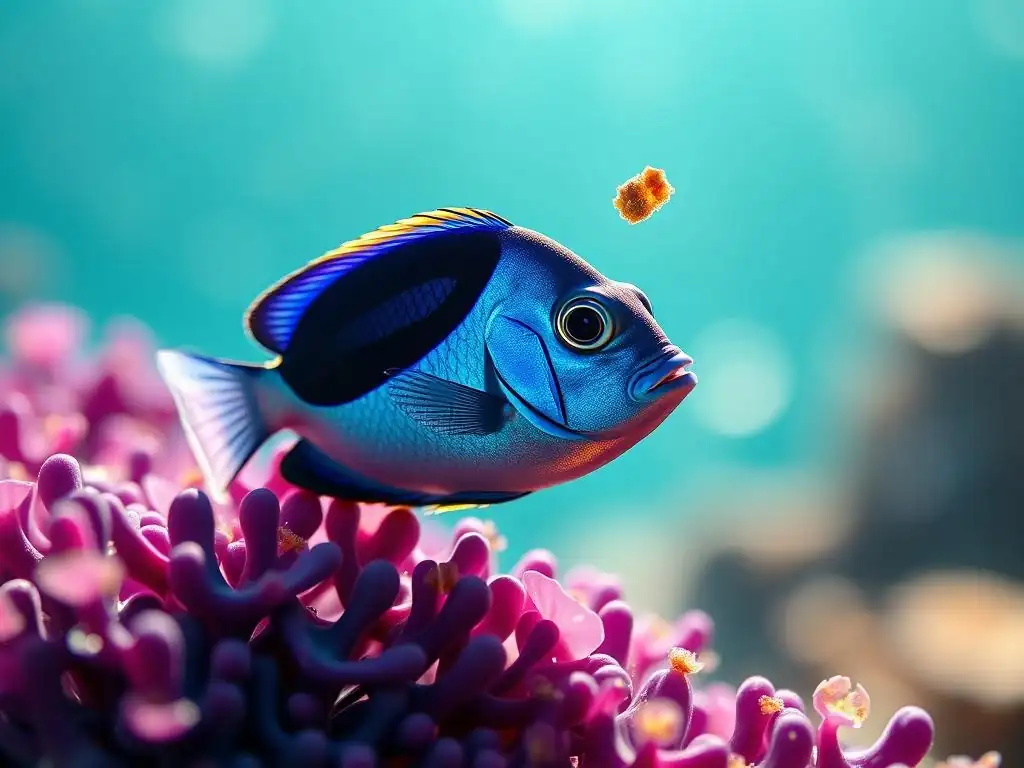
Fry Refusal to Eat Prepared Foods: Possible Causes and Solutions
Fry refusal to eat prepared foods is a common and frustrating issue during the saltwater fry diet transition, often signaling underlying problems. One primary cause is incorrect particle size; if the food is too large for the fry's mouth gape, they simply cannot ingest it. For instance, trying to feed 200-micron food to a fry that can only manage 100 microns will result in consistent rejection. The solution is to immediately switch to a finer particle size, potentially sifting or grinding existing food.
Another cause is poor palatability or an unfamiliar scent. Some fry are highly selective. Trying different brands or formulations known for high palatability (e.g., Otohime for clownfish) can help.
Stress, often induced by poor water quality (ammonia spikes above 0.1 ppm) or inappropriate flow, also suppresses appetite. Addressing water parameters, reducing light intensity, or ensuring gentle circulation can alleviate stress. If fry are still refusing, a temporary return to a higher proportion of enriched live foods while slowly reintroducing the prepared diet, coupled with the use of feeding attractants, might be necessary to restart the saltwater fry diet transition effectively.
Water Quality Problems During Weaning: Prevention and Correction
Water quality degradation is arguably the most significant hurdle during the saltwater fry diet transition, primarily due to the rapid breakdown of uneaten prepared foods and the high metabolic waste of the growing fry. Prevention is always superior to correction. This involves meticulous feeding practices (small, frequent meals to minimize uneaten food), robust filtration (gentle sponge filters or air stones to promote gas exchange and circulation), and consistent, daily water changes. For example, daily 10-20% water changes are often required in typical 10-gallon larval rearing tanks to maintain pristine conditions.
If water quality problems arise—evidenced by rising ammonia (even 0.05 ppm can be problematic), nitrite, or a visible film on the water surface—immediate corrective action is vital. Perform a significant water change (e.g., 50%) using perfectly matched, aged saltwater. Reduce feeding immediately or cease it temporarily.
Increase aeration to boost oxygen levels and aid in the breakdown of organic waste. If the issue persists, evaluate the feeding amount and frequency, and consider if the filtration is adequate for the current bioload. Consistent vigilance is key to navigating the delicate balance of the saltwater fry diet transition without catastrophic water quality crashes.
Slow Growth Rates: Identifying and Addressing Nutritional Deficiencies
Slow growth rates in saltwater fry during the diet transition can be an indicator of nutritional deficiencies, insufficient food intake, or chronic stress. If fry are noticeably smaller than expected for their age (e.g., only growing 0.5 mm per week when 1 mm is typical for their species), it's crucial to investigate the cause. One common deficiency is in essential fatty acids (HUFAs), particularly DHA and EPA, which are critical for rapid development. If using prepared foods, ensure their HUFA content is high; if relying on live feeds, verify their enrichment protocol is effective.
Insufficient food intake, even if the food is nutritionally complete, will also lead to slow growth. This can stem from feeding too little, feeding too infrequently, or the fry simply not accepting the food efficiently. Increase feeding frequency and ensure particles are readily available and consumed.
Chronic stress from poor water quality (even sub-lethal levels of ammonia or nitrates above 20 ppm), unsuitable flow, or overcrowding can also divert energy from growth. Addressing these environmental factors, coupled with a review of the diet's nutritional profile and feeding strategy, is essential to rectify slow growth and ensure a successful saltwater fry diet transition.
Advanced Techniques for Saltwater Fry Weaning
Using Attractants to Encourage Feeding
For particularly finicky or challenging saltwater fry species, employing feeding attractants can significantly improve the acceptance of prepared diets during the saltwater fry diet transition. These attractants often contain natural compounds like krill hydrolysates, squid meal, or other highly palatable marine extracts that stimulate the fry's chemoreceptors, making the inert food more appealing. They mimic the natural scent cues that fry associate with live prey.
Attractants can be incorporated in several ways. Some commercial fry foods already contain them. Alternatively, a small amount of a liquid attractant (e.g., 0.1 ml per 10 gallons) can be added to the rearing water just before introducing the prepared food, creating a stimulating feeding environment. Another method is to pre-soak the dry food in a dilute solution of the attractant for a few minutes before feeding. This imbues the food particles with the desirable scent, making them more readily accepted by hesitant fry and significantly boosting the efficiency of the saltwater fry diet transition.
Creating a Biofilm-Rich Environment for Fry
Creating a biofilm-rich environment offers a supplementary, continuous food source for developing saltwater fry, particularly beneficial for species that graze or those undergoing a difficult saltwater fry diet transition. Biofilm, a complex matrix of bacteria, microalgae, and protozoa, naturally forms on submerged surfaces and provides a constant supply of micronutrients and microbial proteins. This can be especially helpful during periods when prepared food might be scarce or when fry are still learning to identify inert particles.
To encourage biofilm growth, inert surfaces such as PVC pipes, ceramic media, or even the walls of the rearing tank can be introduced. Culturing beneficial microalgae (e.g., Nannochloropsis) directly in the rearing tank can further enhance the biofilm and provide additional nutritional benefits. While biofilm should not replace a primary prepared diet, it acts as a valuable 'insurance policy,' ensuring fry always have something to graze on, reducing stress, and potentially bridging nutritional gaps. This natural approach supports the overall health and resilience of fry during the critical saltwater fry diet transition.
Implementing a Quarantine Protocol for New Fry
While primarily focused on preventing disease, implementing a strict quarantine protocol for new batches of saltwater fry, especially if sourced externally or from different breeding groups, is an advanced technique that indirectly supports a smoother saltwater fry diet transition. Introducing diseased or stressed fry into a main rearing system can lead to devastating outbreaks that compromise the health of the entire batch, making them less likely to accept prepared foods.
A typical quarantine protocol involves housing new fry in a separate, sterile observation tank for a period of 3-5 days. During this time, they are closely monitored for any signs of disease (e.g., unusual swimming, lethargy, external lesions). This isolation period allows for early detection and intervention without risking the established rearing system.
Maintaining optimal water quality and a consistent feeding schedule in the quarantine tank also helps acclimate the fry to captive conditions, reducing stress before they are introduced to the main weaning setup. This proactive health management significantly increases the overall success rate of the saltwater fry diet transition.
Long-Term Care and Feeding of Saltwater Fry After Weaning
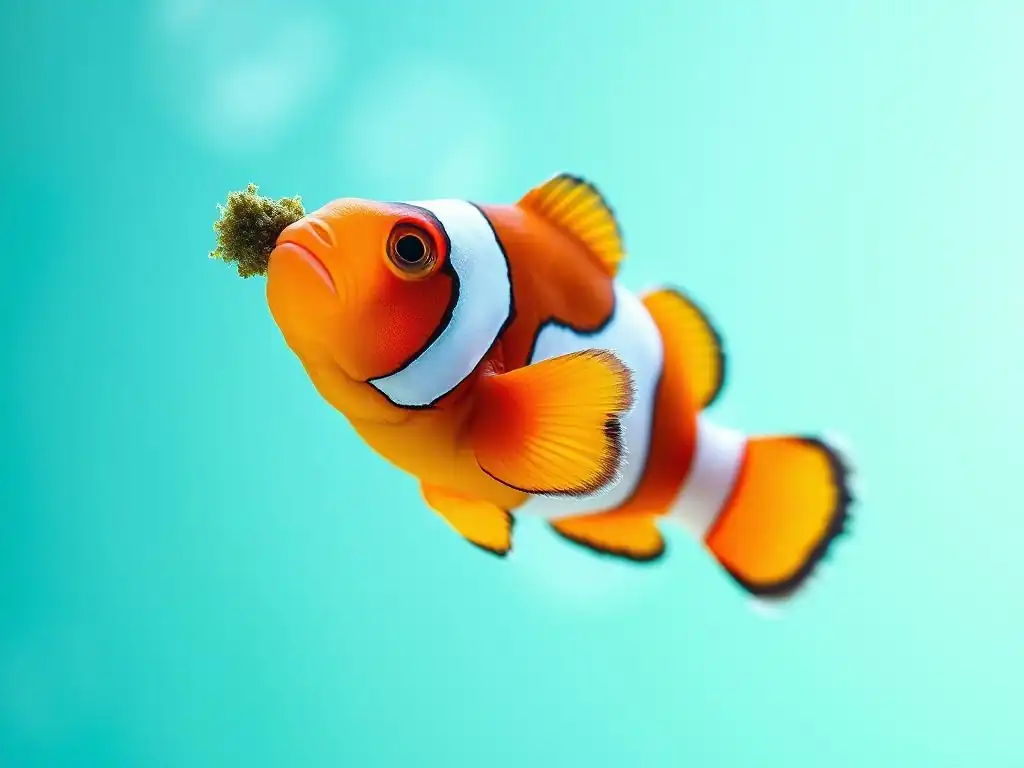
Transitioning to Larger Food Particles
Once saltwater fry have successfully weaned onto prepared diets, the journey continues with a systematic transition to larger food particles as they grow into juveniles. This progression is vital to meet their increasing caloric and nutritional demands and to accommodate their expanding mouth gape. Typically, this involves moving from micronized powders (e.g., 100-200 microns) to small micro-pellets (e.g., 300-500 microns), and then eventually to larger pellets or flakes (e.g., 1 mm or more) as they approach adult size.
The transition should be gradual, often mixing the current food size with a small percentage of the next larger size for several days before increasing the proportion. For instance, a clownfish fry that has successfully transitioned to 300-micron pellets might be offered a mix of 80% 300-micron and 20% 500-micron pellets for a week, then gradually shift to a 50/50 mix, and so on.
Careful observation of feeding behavior is crucial; if fry are spitting out food or ignoring the larger particles, slow down the transition. This continuous adaptation of food size ensures optimal growth and health beyond the initial saltwater fry diet transition.
Maintaining Optimal Water Parameters for Growth
While juvenile saltwater fish are more resilient than their larval counterparts, maintaining optimal and stable water parameters remains critical for their continued growth and health after the saltwater fry diet transition. Consistency in the aquatic environment minimizes stress, allowing the fish to allocate more energy towards growth and immune function. Key parameters to monitor regularly include salinity, temperature, pH, ammonia, nitrite, and nitrate.
Salinity should be kept stable, typically within the range of 1.023-1.026 specific gravity, matching the natural environment of most marine species. Temperature should be maintained within the species-specific optimal range, commonly around 76-78°F (24.5-25.5°C), as fluctuations can cause stress and suppress appetite. Ammonia and nitrite must remain at undetectable levels (0 ppm), and nitrates should be kept below 20 ppm through consistent water changes (e.g., 25% weekly) and effective filtration. Providing a stable, clean environment is paramount for robust development post-saltwater fry diet transition.
Preventing Disease Outbreaks in Juvenile Saltwater Fish
Even after a successful saltwater fry diet transition and robust growth, juvenile marine fish remain susceptible to disease outbreaks. Prevention is multifaceted, focusing on maintaining excellent husbandry practices, proper nutrition, and minimizing stress. Overfeeding is a common culprit, as uneaten food degrades and fouls the water, creating a breeding ground for pathogenic bacteria. A good rule of thumb is to feed only what can be consumed within 2-3 minutes.
Avoiding overcrowding is also vital; high stocking densities lead to increased waste, stress, and facilitate the rapid spread of disease. For example, maintaining a density of no more than one small juvenile fish per gallon in grow-out tanks can significantly reduce stress. Regular tank cleaning, siphoning detritus, and performing consistent water changes help remove potential pathogens and maintain a healthy environment.
A well-balanced diet, rich in essential nutrients, strengthens the fish's immune system, making them more resistant to common ailments. By adhering to these practices, aquarists can significantly reduce the risk of disease outbreaks in their valuable juvenile fish after the successful saltwater fry diet transition.
Conclusion: Mastering the Saltwater Fry Diet Transition for Success
Key Takeaways for Successful Saltwater Fry Rearing
Mastering the saltwater fry diet transition is a cornerstone of successful marine aquaculture, demanding patience, meticulous attention to detail, and a deep understanding of larval biology. The journey from live planktonic prey to inert prepared diets is fraught with challenges, yet it is entirely achievable with the right strategies. Key takeaways for aquarists aiming for success include the paramount importance of precise particle size matching, ensuring that food is physically consumable by the tiny fry. Equally vital is the nutritional completeness of the diet, particularly the inclusion of essential highly unsaturated fatty acids (HUFAs) crucial for development.
Furthermore, impeccable water quality management through frequent, small water changes and gentle filtration is non-negotiable to counteract the rapid fouling caused by prepared foods. A gradual, co-feeding approach with live and prepared diets minimizes stress and encourages acceptance, acting as a critical bridge. Finally, consistent feeding schedules and vigilant observation of fry behavior are essential for early detection and resolution of issues. By meticulously applying these principles, aquarists can navigate the complexities of the saltwater fry diet transition, fostering healthy, robust juvenile marine fish and contributing to the advancement of captive breeding.
Frequently Asked Questions
What is the biggest challenge in transitioning saltwater fry to prepared diets?
The biggest challenge is getting the fry to accept non-living food. Newly hatched fry often only recognize and consume live food, making the transition a critical and delicate process.
Why is a successful Saltwater Fry Diet Transition so important for aquarists?
A successful transition is crucial for long-term fry survival and growth. Relying solely on live food is unsustainable in the long run and can limit the variety of nutrients fry receive.
What types of prepared foods are generally recommended for initial Saltwater Fry Diet Transition?
Finely ground or powdered commercial fry foods are often recommended. Rotifers and newly hatched brine shrimp are also commonly used as a bridge between live and prepared diets.
How slowly should the Saltwater Fry Diet Transition process be implemented?
The transition should be gradual, ideally over a period of several days to weeks. Slowly decreasing the amount of live food while increasing the prepared food encourages acceptance.
What are some signs that the Saltwater Fry Diet Transition is not going well, and what should I do?
Signs include fry refusing to eat, slowing growth, or increased mortality. If this happens, reduce the amount of prepared food and increase live food, then try again slower.
The journey from microscopic larvae to thriving reef inhabitants is fraught with challenges, and as we've explored, the saltwater fry diet transition is arguably the most critical. Understanding the nuances of this process, from live food to prepared diets, is not just about keeping fish alive; it's about ensuring their long-term health, vibrancy, and contribution to the delicate balance of our aquariums and, by extension, our understanding of marine ecosystems. This transition is a testament to our dedication as aquarists and a reflection of our commitment to responsible reef keeping.
This delicate dance between survival and sustenance has profoundly influenced the way we approach aquaculture and marine conservation. The ability to successfully wean saltwater fry onto prepared diets unlocks immense potential for sustainable practices and reduces our reliance on wild-caught specimens. In the end, we will conserve only what we love; we will love only what we understand; and we will understand only what we are taught.
- Baba Dioum. This quote underscores the importance of sharing knowledge and fostering a deeper appreciation for the intricacies of marine life, starting with the smallest and most vulnerable.
Now, as you close this article, I invite you to reflect on your own role in this intricate ecosystem. Consider how you can apply these insights to improve your own practices, share your knowledge with fellow aquarists, and contribute to a more sustainable future for our oceans.
The success of the saltwater fry diet transition is not just a technical achievement; it's a testament to our collective responsibility to protect and cherish the wonders of the underwater world. Embrace the challenge, learn from your experiences, and continue to nurture the delicate dance of life within your own slice of the ocean.
Ignite Your Fry-Raising Passion!
Thank you for diving into the fascinating world of saltwater fry rearing! We hope you've gleaned valuable insights into navigating the critical transition to prepared diets. Now, it’s time to put that knowledge into action and truly elevate your aquarium game.
Here are a few ways to continue your journey:
- Start Small, Observe Closely: Begin introducing a high-quality, finely crushed prepared food to your fry, meticulously monitoring their feeding behavior and adjusting the food size accordingly.
- Document Your Success: Keep a detailed log of your fry's growth, feeding responses, and water parameters. Share your observations and challenges in aquarium forums or with fellow hobbyists, enriching the community's collective knowledge.
- Embrace Experimentation: Research alternative, unconventional prepared foods, such as spirulina powder or rotifer cultures, to see if they offer superior growth or coloration benefits for your fry.
What unexpected hurdle did you encounter while weaning your fry onto prepared foods, and how did you overcome it?