
Emerald Brochis (Brochis splendens): The Gentle Giant of Armored Catfish

Welcome to Aquarium Mastery!
Ever wondered how to keep those stunning, emerald-green flashes of life thriving in your freshwater tank? Dive into our ultimate Emerald Brochis care guide and unlock the secrets to keeping these gentle giants happy and healthy. From ideal tank conditions to perfect tank mates, we'll guide you every step of the way. Ready to discover the magic of Brochis splendens? Let's explore!
- Understanding the Emerald Brochis: An In-Depth Care Guide
- Setting Up the Ideal Aquarium for Emerald Brochis
- Emerald Brochis Care: Essential Husbandry Practices
- Breeding Emerald Brochis: A Comprehensive Overview
- Maintaining a Thriving Emerald Brochis Aquarium: Long-Term Care
-
Frequently Asked Questions
- What is an Emerald Brochis and why are they called the "Gentle Giant"?
- What are the ideal aquarium conditions for Emerald Brochis?
- What should I feed my Emerald Brochis?
- How many Emerald Brochis should I keep together?
- What are some common health problems affecting Emerald Brochis and how can I prevent them?
- Final Reflection: Appreciating the Emerald's Glow
- Dive Deeper: Start Your Emerald Brochis Journey!
Understanding the Emerald Brochis: An In-Depth Care Guide
What is an Emerald Brochis? Taxonomy and Origin
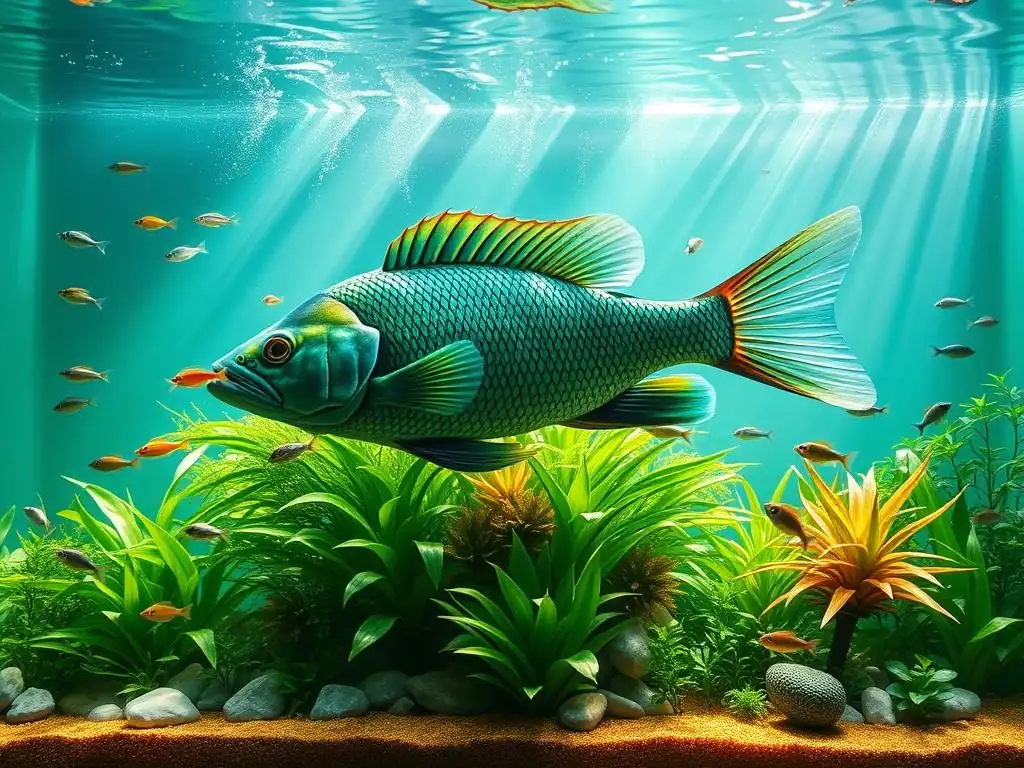
The Emerald Brochis, scientifically known as Brochis splendens, is a captivating freshwater fish belonging to the Callichthyidae family, often mistaken for a large Corydoras species. Its common name perfectly describes its striking metallic green or blue-green iridescence, which becomes particularly vibrant under proper lighting. Unlike many smaller armored catfish, the Emerald Brochis earns its "gentle giant" moniker by reaching a more substantial size, typically between 3 to 4 inches (7.5 to 10 cm), while maintaining a remarkably peaceful demeanor.
This fascinating species hails from the vast and intricate river systems of South America, primarily within the Amazon basin. Its natural habitat spans across countries like Brazil, Peru, and Ecuador, where it can be found in tributaries, slow-moving rivers, and even flooded forest areas. They thrive in environments characterized by soft, silty or sandy substrates, dense vegetation, and abundant leaf litter, which provide both food sources and ample hiding spots. In the wild, they are typically found in large schools, emphasizing their highly social nature.
Distinguishing Emerald Brochis from Corydoras: Key Differences
While frequently grouped with Corydoras catfish due to their similar bottom-dwelling habits and armored bodies, Emerald Brochis possess several key distinctions. The most obvious difference lies in their size; Brochis splendens are considerably larger and more robust than most Corydoras species, which rarely exceed 2.5 inches (6.3 cm). Beyond mere length, Emerald Brochis exhibit a more elongated, streamlined body profile and a notably taller, more pointed dorsal fin, giving them a distinct silhouette in the aquarium.
Further examination reveals anatomical differences in their fin structure and scale count. The dorsal fin of an Emerald Brochis typically boasts a higher number of rays, often 10 to 12, compared to the 6 to 8 found in most Corydoras. Their body is covered in larger, overlapping bony plates, contributing to their pronounced "armored" appearance. Behaviorally, while both are bottom dwellers, Brochis splendens are observed to swim more frequently in the mid-water column, especially during feeding or exploration, showcasing a slightly different activity pattern than their strictly benthic Corydoras cousins, making their Emerald Brochis care guide unique.
Setting Up the Ideal Aquarium for Emerald Brochis
Tank Size and Dimensions for a School of Emerald Brochis
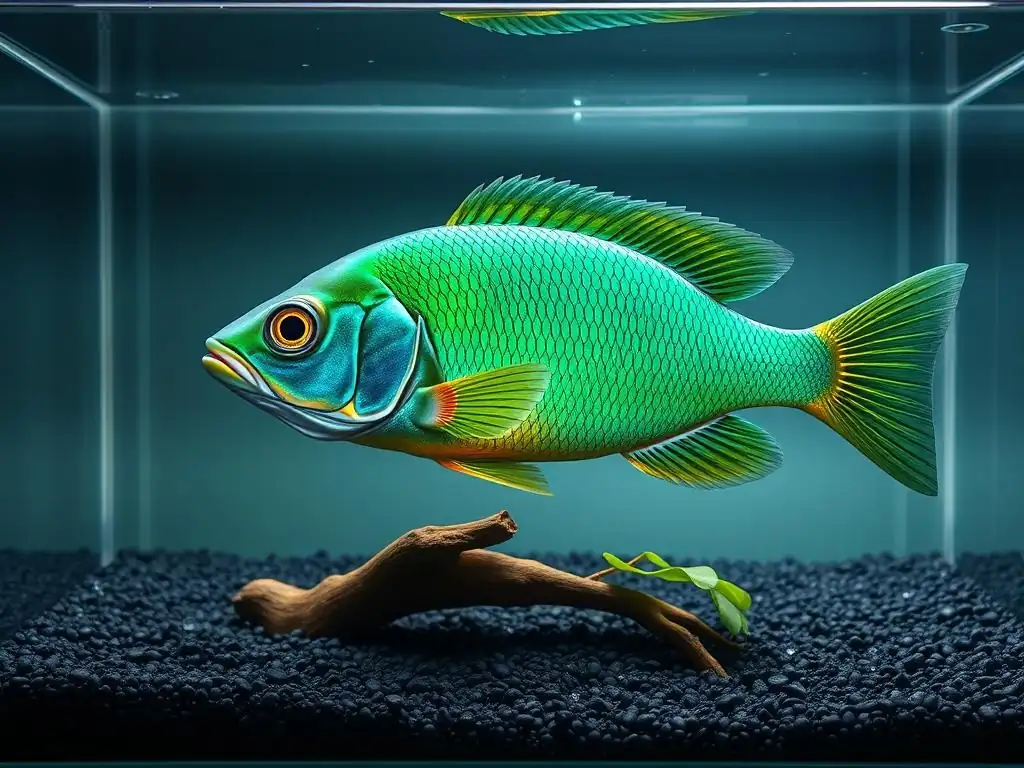
Given their potential size and strong schooling instincts, providing ample space is crucial for the well-being of Emerald Brochis. For a small group of 5-6 individuals, which is the minimum recommended school size to ensure their comfort and natural behavior, a 30-gallon (approximately 113 liters) aquarium should be considered the absolute minimum. However, a 40-gallon breeder tank (typically 36" L x 18" W x 16" H) or larger is highly recommended, as it offers a significantly greater footprint and more horizontal swimming space, which these active bottom dwellers truly appreciate.
The dimensions of the tank are arguably more important than its sheer volume for Brochis splendens. Since they are primarily bottom-dwelling fish that spend their time foraging and sifting through the substrate, a longer and wider tank provides more crucial floor space than a tall, narrow one. For instance, a 40-gallon breeder tank offers 648 square inches of bottom area, whereas a standard 40-gallon tall tank, despite having the same volume, might only provide around 432 square inches of bottom space. This extra real estate reduces competition and stress within the school, contributing significantly to successful Emerald Brochis care.
Water Parameters: Achieving Optimal Conditions for Brochis splendens
Replicating their natural South American habitat is key to the health and longevity of Emerald Brochis. They thrive in stable tropical freshwater conditions. The ideal temperature range for Brochis splendens is between 72-79°F (22-26°C). Maintaining a consistent temperature within this range is more important than hitting an exact number, as sudden fluctuations can cause stress and weaken their immune system.
Regarding water chemistry, Emerald Brochis prefer slightly acidic to neutral pH levels, ideally ranging from 6.0 to 7.5. The general hardness (GH) should be soft to medium, typically between 2-15 dGH, and carbonate hardness (KH) around 3-10 dKH. Crucially, like all fish, they require pristine water quality with zero ammonia (NH3) and nitrites (NO2), and nitrates (NO3) kept consistently below 20 ppm. Regular testing with a reliable liquid test kit is essential for monitoring these parameters and ensuring proper Emerald Brochis care.
Substrate and Decorations: Creating a Natural Habitat
Choosing the Right Substrate for Brochis: Sand vs. Gravel
The choice of substrate is paramount for Emerald Brochis due to their unique feeding habits. These armored catfish are natural sifters, constantly sifting through the substrate with their delicate barbels in search of food particles. For this reason, a fine, soft substrate like play sand, pool filter sand, or specialized aquarium sand is highly recommended. A depth of at least 2-3 inches (5-7.5 cm) allows them to engage in their natural digging and sifting behaviors without damaging their sensitive sensory organs.
Coarse or sharp gravel, on the other hand, poses several risks. It can abrade and damage their delicate barbels, leading to infections, stress, and hindering their ability to find food. Furthermore, larger gravel can trap uneaten food and detritus, creating anaerobic pockets that release harmful gases into the water, which can be detrimental to the fish's health. Prioritizing fine sand is a fundamental aspect of effective Emerald Brochis care, ensuring their comfort and preventing potential health issues.
Decorating the Tank: Plants, Rocks, and Driftwood
To truly mimic their natural environment and provide comfort, the aquarium for Emerald Brochis should be thoughtfully decorated with plenty of hiding spots and shaded areas. Smooth river rocks, carefully arranged to create caves and crevices, are excellent additions. Various types of driftwood, such as Mopani or Malaysian driftwood, not only provide visual appeal but also release beneficial tannins that slightly lower pH and add a natural, murky tint to the water, which Brochis splendens appreciate. Ensure all decor is smooth and free of sharp edges to prevent any injury to these bottom dwellers.
Live plants are also highly beneficial and contribute significantly to water quality and fish well-being. Dense planting, particularly with broad-leafed species like Anubias, Java Fern, and Amazon Swords, offers ample cover and helps to absorb nitrates, keeping the water cleaner. Floating plants, such as Salvinia minima or Dwarf Water Lettuce, can diffuse overhead light, creating a more subdued environment that mimics the shaded areas of their natural habitat, further enhancing the overall Emerald Brochis care experience.
Filtration and Water Quality: Maintaining a Healthy Environment
Selecting the Appropriate Filter for Your Brochis Aquarium
Effective filtration is non-negotiable for maintaining the health of Emerald Brochis. A good quality hang-on-back (HOB) filter or a canister filter is generally suitable, provided it offers robust mechanical, chemical, and biological filtration. The filter should be rated for the tank size or slightly larger, aiming to process the entire tank volume at least 4-6 times per hour to ensure efficient removal of waste and pollutants. While strong filtration is needed, it's crucial to select a filter that doesn't create an overly strong current, as Brochis splendens prefer calmer water conditions.
A robust biological filter, rich in beneficial bacteria, is paramount for breaking down toxic ammonia and nitrites into less harmful nitrates. Consider utilizing filter media specifically designed to maximize biological colonization, such as ceramic rings or bio-balls. Additionally, a gentle sponge filter can be added for supplementary biological filtration and mild water movement, which can be particularly beneficial for these peaceful bottom dwellers. This combination ensures optimal water clarity and chemical balance, essential for comprehensive Emerald Brochis care.
Water Changes: Frequency and Volume for Optimal Health
Regular partial water changes are the cornerstone of maintaining pristine water quality for Emerald Brochis. A weekly water change of 25-30% of the tank's total volume is highly recommended as a standard practice. For tanks with a higher bioload, perhaps due to a larger school or more inhabitants, it may be beneficial to perform two smaller water changes per week (e.g., 15-20% twice a week) to prevent nitrate accumulation.
Consistent water changes remove accumulated nitrates, phosphates, and other dissolved organic compounds that can build up over time, even with efficient filtration. This practice not only keeps harmful substances at bay but also replenishes essential trace elements that are utilized by fish and plants. Using a reliable water conditioner to neutralize chlorine and chloramines in tap water during each change is vital. Adhering to this routine significantly reduces stress on the fish and prevents many common ailments, making it a critical aspect of successful Emerald Brochis care.
Emerald Brochis Care: Essential Husbandry Practices
Feeding Your Emerald Brochis: Diet and Nutrition
What Do Emerald Brochis Eat? A Balanced Diet Explained
In their natural habitat, Emerald Brochis are omnivores, primarily foraging for small invertebrates, insect larvae, detritus, and some plant matter found in the substrate. To replicate this varied diet in the aquarium, a balanced and diverse feeding regimen is crucial. The staple of their diet should consist of high-quality sinking pellets or wafers specifically formulated for bottom-feeding catfish, ensuring the food reaches them and is easily digestible. Look for brands that list fish meal, spirulina, and various vitamins as key ingredients.
Supplementing their staple diet with a variety of live or frozen foods 2-3 times a week will provide essential proteins and nutrients. Excellent choices include bloodworms, brine shrimp, daphnia, and tubifex worms. These provide enrichment and mimic their natural foraging behaviors. Occasionally, blanched vegetables like zucchini slices or spirulina flakes can also be offered to provide necessary plant matter and fiber, contributing to a comprehensive Emerald Brochis care diet.
Feeding Frequency and Portion Control
Emerald Brochis should be fed once or twice a day. The key to proper feeding is portion control: offer only what they can consume completely within 2-3 minutes. Overfeeding is a common mistake that leads to excess uneaten food decaying in the tank, which in turn causes ammonia and nitrite spikes, deteriorating water quality. This can severely stress the fish and lead to health issues.
Observe their feeding behavior closely. If food is left uneaten after the specified time, reduce the portion size for the next feeding. Ensure that the sinking foods actually reach the bottom of the tank, where the Brochis can access them, as faster-swimming mid-water fish can sometimes consume all the food before it sinks. Consistent observation and adjustment are vital for maintaining optimal health and water quality as part of your Emerald Brochis care routine.
Ideal Tank Mates for Peaceful Community Aquariums
Emerald Brochis are remarkably peaceful and social fish, making them excellent additions to a community aquarium, provided their tank mates are equally docile and occupy different water columns. Ideal companions include small to medium-sized, non-aggressive species such as various types of Tetras (e.g., Neon Tetras, Cardinal Tetras, Rummy Nose Tetras, Black Skirt Tetras), Rasboras (e.g., Harlequin Rasboras, Chili Rasboras), peaceful Danios, and Otocinclus catfish. These fish typically swim in the mid-to-upper levels of the tank, minimizing competition for space with the bottom-dwelling Brochis.
Other peaceful bottom dwellers, such as smaller Corydoras species, can also coexist well with Emerald Brochis, provided the tank is sufficiently large to accommodate multiple schools and offers ample floor space. Dwarf Gouramis, certain species of small Rainbowfish, and even peaceful Dwarf Cichlids (like Apistogrammas, with caution and sufficient hiding spots) can also be considered. The primary goal is to ensure all tank inhabitants have similar water parameter requirements and do not exhibit aggressive or territorial behavior that could stress the Emerald Brochis, a key consideration for successful Emerald Brochis care.
Fish to Avoid Keeping with Emerald Brochis
When selecting tank mates for Emerald Brochis, it is crucial to avoid any species that are aggressive, highly territorial, or large enough to view the Brochis as prey. Large, predatory Cichlids, such as most African Cichlids or larger South American Cichlids (e.g., Oscar fish, Jack Dempseys), are unsuitable as they will harass, injure, or even consume the gentle Brochis. Similarly, fin-nipping species like Tiger Barbs or certain larger Barbs can cause significant stress and damage to the Brochis' fins.
Additionally, avoid very large or boisterous fish that might inadvertently injure or stress the Brochis through their rapid movements, especially during feeding times. Fish that require significantly different water parameters (e.g., very hard, alkaline water) should also be avoided, as maintaining inconsistent conditions will compromise the health of one or both species. Prioritizing peaceful and compatible tank mates is essential to prevent stress and ensure the long-term well-being of your Brochis splendens.
Common Diseases and Health Issues in Emerald Brochis
Recognizing Symptoms of Illness in Brochis splendens
Early detection of illness is crucial for successful treatment and prevention of spread in Emerald Brochis aquariums. Aquarists should regularly observe their fish for any changes in behavior or physical appearance. Symptoms of illness can include lethargy, loss of appetite, hiding excessively, unusual swimming patterns (e.g., rubbing against decor, erratic darting), or rapid gill movement indicating respiratory distress.
Physical symptoms to watch for include clamped fins (fins held close to the body), faded or dull coloration, the presence of white spots (Ich), cotton-like growths (fungal infections), red streaks on fins or body (bacterial infections), fin rot (frayed or decaying fins), or a swollen abdomen (dropsy, internal parasites). Any persistent deviation from their normal, active behavior or healthy appearance warrants immediate investigation of water parameters and consideration of appropriate treatment, forming a vital part of proactive Emerald Brochis care.
Treating Common Brochis Diseases: A Practical Guide
Upon recognizing symptoms of illness, the first step should always be to re-test all water parameters (ammonia, nitrite, nitrate, pH, temperature) as poor water quality is a leading cause of stress and disease. If possible, quarantine the affected fish in a separate tank to prevent the spread of illness and allow for focused treatment without impacting the main display tank. For common ailments like Ich (white spot disease), treatment often involves slowly raising the water temperature to 82-84°F (28-29°C) for several days (if compatible with other tank inhabitants) and using an appropriate commercial Ich medication.
For bacterial infections such as fin rot or columnaris, broad-spectrum antibacterial medications are typically required. Fungal infections, which appear as white, cottony growths, can be treated with antifungal medications. Always follow the medication instructions carefully, paying close attention to dosage and duration. During treatment, it is usually necessary to remove activated carbon from the filter, as it can absorb the medication. Maintaining impeccable water quality and providing a stable, stress-free environment are critical for recovery and preventing recurrence, highlighting the importance of thorough Emerald Brochis care.
Breeding Emerald Brochis: A Comprehensive Overview
Creating the Right Conditions for Brochis Spawning
Breeding Emerald Brochis in a home aquarium can be a rewarding experience, though it requires specific conditions to trigger spawning. Spawning is often induced by simulating the heavy rainfall and environmental changes of their natural habitat. This typically involves a significant drop in temperature followed by a large, cool water change. Lowering the tank temperature to around 70°F (21°C) for a few days, then performing a substantial water change (50% or more) with water that is slightly warmer (75-77°F or 24-25°C) and very soft (GH 2-5, pH 6.0-6.5), can often trigger spawning behavior within 24-48 hours.
A dedicated breeding tank, typically 10-20 gallons (38-76 liters), is highly recommended for optimal success. This tank should have a bare bottom or a very fine sand substrate, along with plenty of broad-leafed plants (like Anubias or Java Fern) or spawning mops where the fish can deposit their adhesive eggs. Good aeration and a gentle sponge filter are essential to maintain water quality without creating strong currents. A breeding group of 4-6 individuals, ideally with more males than females (e.g., 2 females and 4 males), increases the chances of successful spawning.
Identifying Male and Female Emerald Brochis
Distinguishing between male and female Emerald Brochis is important for successful breeding efforts. Generally, females are noticeably larger and rounder than males, especially when they are gravid (carrying eggs). A mature female can reach up to 4 inches (10 cm) in length and will appear significantly plumper when viewed from above. Their bodies tend to be broader and more robust overall.
Males, on the other hand, are typically smaller and more slender, usually maxing out around 3 inches (7.5 cm). While less pronounced than in some other fish species, males may also exhibit a slightly more pointed dorsal fin or a more elongated anal fin compared to females. Observing the fish from above, particularly during the breeding season when females become visibly swollen with eggs, is the most reliable method for sexing your Emerald Brochis.
Spawning Behavior and Egg Care
The spawning behavior of Emerald Brochis is quite similar to that of Corydoras catfish. The courtship typically involves a "T-position" dance, where the male embraces the female, often near the surface or against tank decor. The female then collects the fertilized eggs in a pouch formed by her pelvic fins and proceeds to deposit them on various surfaces throughout the tank.
This can include broad plant leaves, the aquarium glass, driftwood, or spawning mops. A single spawning event can yield a significant number of adhesive eggs, often ranging from 100 to 300, which are typically light amber to brownish in color.
After the eggs have been laid, it is advisable to remove the adult Emerald Brochis from the breeding tank, as they may consume the eggs. The eggs usually hatch within 3-5 days, depending on the water temperature (around 75°F or 24°C is ideal). During the incubation period, ensure gentle aeration and maintain pristine water quality to prevent fungal growth, which can quickly ruin a clutch of eggs. A few drops of methylene blue can also be added to the water to inhibit fungal development.
Raising Emerald Brochis Fry: From Hatching to Adulthood
Once the Emerald Brochis fry hatch, they are incredibly small and delicate. For the first 2-3 days, they will feed on their yolk sacs, requiring no external food. After the yolk sac is absorbed, they become free-swimming and require microscopic foods. Infusoria, liquid fry food, or very finely crushed spirulina flakes are suitable initial foods. It is crucial to feed them multiple times a day in very small quantities to avoid polluting the water.
As the fry grow, typically within a week or two, they can be transitioned to larger foods such as newly hatched brine shrimp, microworms, or finely powdered high-quality fry pellets. Maintaining excellent water quality is paramount during this critical growth phase; perform small, frequent water changes (10-15% daily) to remove waste and replenish fresh water. Providing a consistent food supply and stable conditions will significantly increase the survival rate of the fry and guide them from hatching to adulthood, which is an advanced aspect of comprehensive Emerald Brochis care.
Maintaining a Thriving Emerald Brochis Aquarium: Long-Term Care
Regular Maintenance Tasks for a Healthy Brochis Tank
Maintaining a thriving Emerald Brochis aquarium requires a consistent schedule of maintenance tasks. On a daily basis, observe your fish for any signs of illness or unusual behavior, check the water temperature, and feed them. Weekly tasks are crucial: perform a 25-30% partial water change, ensuring the new water is dechlorinated and temperature-matched. During the water change, use a gravel vacuum to clean the substrate, paying extra attention to areas where food might accumulate. Lightly rinse filter media in old tank water to remove detritus without killing beneficial bacteria.
On a monthly basis, test all key water parameters including ammonia, nitrite, nitrate, pH, GH, and KH to ensure they remain within the optimal range for Brochis splendens. Bi-monthly or quarterly, perform a more thorough cleaning of filter components, replacing chemical media (like activated carbon) as needed, and prune live plants to prevent overgrowth. Consistency in these tasks is the bedrock of long-term Emerald Brochis care, preventing problems before they arise.
Troubleshooting Common Problems in Emerald Brochis Aquariums
Even with diligent Emerald Brochis care, problems can sometimes arise. If you detect ammonia or nitrite in your tank, the first and most critical step is to perform a large water change (50% or more) immediately. This indicates an issue with your biological filtration or overfeeding. Reduce feeding amounts and check your filter for clogs or signs of malfunction. If nitrates are consistently high (above 20 ppm), you may need to increase the frequency or volume of your water changes, or consider adding more live plants to absorb excess nitrates.
For signs of fish health issues, such as lethargy, clamped fins, or white spots, always begin by checking your water parameters, as poor water quality is often the underlying cause of stress and susceptibility to disease. If the symptoms persist after water quality is rectified, identify the specific disease if possible and apply the appropriate aquarium medication in a quarantine tank. Always ensure proper Emerald Brochis care by addressing the root cause of the problem, rather than just treating the symptoms, to prevent recurrence.
The Endearing Appeal of Emerald Brochis: Why They're Great Aquarium Inhabitants
The Emerald Brochis truly earns its title as the "gentle giant" of armored catfish, making it an incredibly appealing and valuable addition to many freshwater aquariums. Their peaceful and non-aggressive temperament ensures they integrate seamlessly into community setups, posing no threat to even the smallest or most delicate tank mates. Their larger size, compared to the more common Corydoras, coupled with their stunning metallic green to bluish iridescence, makes them a visually striking presence that catches the eye without dominating the tank.
Beyond their aesthetic appeal, Emerald Brochis are also highly beneficial for the aquarium ecosystem. As active bottom dwellers, they constantly sift through the substrate in search of food, which helps to aerate the sand and prevent the buildup of anaerobic pockets. With proper Emerald Brochis care, including stable water parameters and a balanced diet, they are relatively hardy fish that can live for several years, offering long-term enjoyment to aquarists. Their social nature, best observed when kept in a school, adds dynamic and engaging behaviors to the tank, making them a truly endearing and rewarding species to keep.
Frequently Asked Questions
What is an Emerald Brochis and why are they called the "Gentle Giant"?
Emerald Brochis (Brochis splendens) are a type of armored catfish known for their peaceful nature and larger size compared to other Corydoras species. The "Gentle Giant" nickname comes from their docile temperament and relatively large adult size, reaching up to 3 inches.
What are the ideal aquarium conditions for Emerald Brochis?
They require a well-established freshwater aquarium with soft, slightly acidic water. The ideal temperature range is between 72-79°F (22-26°C). Good filtration and regular water changes are crucial for their health.
What should I feed my Emerald Brochis?
Emerald Brochis are omnivores and will accept a variety of foods. A balanced diet should include sinking pellets, flakes, and live or frozen foods like bloodworms and daphnia.
How many Emerald Brochis should I keep together?
Emerald Brochis are social fish and should be kept in groups of at least six individuals. This will help them feel secure and display their natural schooling behavior.
What are some common health problems affecting Emerald Brochis and how can I prevent them?
Common issues include bacterial infections and parasitic infestations. Maintaining pristine water quality through regular water changes and avoiding overcrowding are key to prevention. Quarantine new fish before introducing them to the main tank.
Final Reflection: Appreciating the Emerald's Glow
The journey into understanding the Emerald Brochis, as detailed in this care guide, reveals more than just the specifics of aquarium maintenance; it underscores the delicate balance within our ecosystems and the responsibility we bear as custodians of these miniature worlds. This isn't simply about keeping a fish alive; it's about fostering an environment where these magnificent creatures can thrive, reflecting the beauty and complexity of the natural world.
The enduring appeal of the Emerald Brochis, and the dedication of aquarists to their well-being, highlights a deeper connection to nature and a growing awareness of the importance of responsible pet ownership. This connection transcends mere hobbyism; it's a testament to our innate desire to connect with the natural world and to preserve its wonders. In the end, we will conserve only what we love; we will love only what we understand; and we will understand only what we are taught.
- Baba Dioum. This quote perfectly encapsulates the spirit of understanding and care that drives the aquarist community.
As you embark on, or continue, your journey with the Emerald Brochis, remember that your dedication extends beyond the confines of your aquarium. Let this guide serve as a reminder to appreciate the intricate beauty of these gentle giants and to advocate for the preservation of their natural habitats. Embrace the opportunity to learn, to share, and to inspire others to cherish the emerald glow of these remarkable creatures.
Dive Deeper: Start Your Emerald Brochis Journey!
Thank you for exploring the fascinating world of the Emerald Brochis with us! We hope you've gained valuable insights into caring for these gentle giants. Now, let's translate that knowledge into action.
Here's how you can further connect with Emerald Brochis:
- Begin Planning Your Brochis-Friendly Tank: Research tankmates, plants, and substrate best suited for their needs to create the ideal environment.
- Share Your Enthusiasm: Spread the word about these captivating catfish by sharing this article with fellow aquarium enthusiasts.
- Explore Similar Species: Research other armored catfish species with similar temperaments and care requirements to see if any fit into your aquarium goals.
What unique detail about Emerald Brochis inspired you the most, and how might you incorporate that into your aquascaping plans?