
Red Wine Taiwan Bee Shrimp: A Guide to Their Rich Coloration & Care

Welcome to Aquarium Mastery!
Ever been captivated by the intense, ruby-red hue of a creature that seems to glow from within? Dive in and discover the secrets to keeping Red Wine Taiwan Bee Shrimp, a true gem of the freshwater aquarium. This article unveils everything you need to know about their care, from maintaining pristine water parameters to achieving that breathtaking coloration. Intrigued? Let's unlock the mysteries of these vibrant invertebrates!
- Understanding Red Wine Taiwan Bee Shrimp
- Achieving Vibrant Red Coloration in Red Wine Taiwan Bee Shrimp
- Setting Up the Ideal Aquarium for Red Wine Taiwan Bee Shrimp
- Caring for Red Wine Taiwan Bee Shrimp: A Comprehensive Guide
- Breeding Red Wine Taiwan Bee Shrimp
- Maintaining Genetic Quality and Color in Red Wine Strains
- Troubleshooting Common Issues with Red Wine Taiwan Bee Shrimp
- Where to Buy Red Wine Taiwan Bee Shrimp
- Advanced Tips for Red Wine Taiwan Bee Shrimp Keepers
- Frequently Asked Questions
- Final Reflection: The Enduring Allure of Scarlet Shrimps
- Unleash the Beauty of Red Wine Taiwan Bee Shrimp!
Understanding Red Wine Taiwan Bee Shrimp
What are Red Wine Taiwan Bee Shrimp? A Detailed Introduction
Red Wine Taiwan Bee Shrimp are a highly sought-after freshwater dwarf shrimp variety, renowned for their striking and unique coloration. These captivating invertebrates belong to the Caridina cantonensis species, a lineage that has given rise to many popular and visually stunning shrimp strains. Characterized by a deep, opaque red body contrasted with crisp white patterns, the Red Wine Taiwan Bee Shrimp stands out in any dedicated aquarium.
Adult Red Wine Taiwan Bee Shrimp typically reach a size of 2 to 3 centimeters (approximately 0.8 to 1.2 inches), making them ideal for nano aquariums or peaceful community tanks. Their peaceful demeanor ensures they do not pose a threat to other tank inhabitants. However, due to their specific water parameter requirements and sensitivity, they are generally considered an intermediate to advanced species for aquarists. Under optimal conditions, a healthy Red Wine Taiwan Bee Shrimp can live for 1 to 2 years, providing a long-lasting aesthetic appeal to the aquarium.
Red Wine Taiwan Bee Shrimp: Origin and Genetics
The Red Wine Taiwan Bee Shrimp originates from selective breeding efforts in Taiwan, hence the "Taiwan Bee" designation. They are a cultivated variant derived from the broader Caridina cantonensis genetic pool, which includes other famous Taiwan Bee strains such as King Kong, Panda, and Red Ruby shrimp. These shrimp were developed by meticulously breeding individuals exhibiting desirable mutations in coloration and pattern, specifically focusing on intensifying the red and white pigments.
The distinctive "Red Wine" coloration is a stabilized genetic trait, meaning that when bred true, offspring typically inherit the vibrant red and white characteristics of their parents. This genetic stability is the result of years of dedicated selective breeding by aquarists aiming to refine and fix the desired traits. While generally stable, minor variations in color intensity or pattern can occasionally occur, a common aspect of Caridina genetics that underscores the importance of continuous selective breeding to maintain the high quality of a Red Wine Taiwan Bee Shrimp line.
Distinguishing Red Wine Taiwan Bee Shrimp from Other Taiwan Bee Varieties
Distinguishing Red Wine Taiwan Bee Shrimp from other Taiwan Bee varieties primarily involves observing their specific color palette and pattern definition. While many Taiwan Bee shrimp exhibit red and white hues, the Red Wine variant is characterized by its exceptionally deep, opaque red that often appears almost burgundy, paired with a bright, often chalky white. This rich, solid red coverage is a key differentiator.
For instance, while a Red Ruby Taiwan Bee Shrimp might display a vibrant red, it often lacks the profound opacity and depth seen in a high-grade Red Wine Taiwan Bee Shrimp. Similarly, other common Taiwan Bee strains like King Kong and Panda shrimp are predominantly black and white, and Blue Bolt shrimp feature blue and white patterns, making the Red Wine's distinct red and white combination unmistakable.
Breeders often grade Red Wine Taiwan Bee Shrimp based on the intensity and coverage of their red coloration, as well as the crispness and extent of their white patterns. An SSS-grade Red Wine might exhibit near-perfect opaque red coverage, potentially 90% or more, with sharply defined white markings, ensuring they truly live up to their name.
Achieving Vibrant Red Coloration in Red Wine Taiwan Bee Shrimp
The Role of Genetics in Red Wine Shrimp Color Intensity
The intensity and vibrancy of a Red Wine Taiwan Bee Shrimp's coloration are fundamentally rooted in its genetic makeup. High-quality parent stock is paramount; shrimp bred from individuals with naturally deep, opaque red and crisp white patterns are far more likely to produce offspring exhibiting similar superior coloration. This highlights the critical role of responsible breeding practices and sourcing shrimp from reputable breeders who prioritize genetic quality.
While genetics establish the potential for vibrant coloration, environmental factors significantly influence the full expression of these genes. A genetically superior Red Wine Taiwan Bee Shrimp may still display dull or faded colors if kept in suboptimal conditions. Therefore, while selecting shrimp with strong genetic predispositions is the first step, providing an ideal habitat is equally crucial to unlock and maintain their full chromatic potential. Breeders often employ selective breeding techniques, carefully pairing individuals that demonstrate the most desirable color traits, to continuously enhance and stabilize the rich red pigmentation across generations.
Optimizing Water Parameters for Enhanced Red Coloration
Maintaining precise and stable water parameters is one of the most critical factors for enhancing and preserving the vibrant red coloration of Red Wine Taiwan Bee Shrimp. Stress, often induced by fluctuating or unsuitable water conditions, is a primary cause of color fading. These shrimp thrive in soft, slightly acidic water, with specific targets typically being a pH between 5.5 and 6.5, ideally around 6.0-6.2.
General Hardness (GH) should be kept in the range of 4-6 dGH, providing essential minerals like calcium and magnesium necessary for healthy molting and overall vitality. Carbonate Hardness (KH) should be very low, ideally 0-1 dKH, to prevent significant pH swings, though this requires diligent monitoring. Total Dissolved Solids (TDS) are also a key indicator, with an optimal range of 100-180 ppm often achieved by remineralizing RO/DI (Reverse Osmosis/Deionized) water with specialized products like SaltyShrimp GH+.
Maintaining a stable temperature between 20-24°C (68-75°F) is also vital, as higher temperatures can accelerate metabolism and potentially shorten lifespan, impacting color over time. For example, many successful Red Wine Taiwan Bee Shrimp breeders specifically target a GH of 5 dGH and a TDS of 130 ppm to ensure peak color and health.
Diet and Supplementation: Enhancing Red Pigmentation in Taiwan Bee Shrimp
Diet plays a significant role in the overall health and, crucially, the color intensity of Red Wine Taiwan Bee Shrimp. To achieve the most vibrant red pigmentation, their diet must include components rich in astaxanthin, a powerful carotenoid pigment. This pigment is naturally found in various algae and crustaceans and is directly responsible for the red and orange hues in many aquatic animals.
High-quality, specialized shrimp foods are formulated to provide the necessary nutrients, often including natural sources of astaxanthin. Examples include spirulina, chlorella, krill-based foods, and specific color-enhancing pellets from brands like Shirakura or GlasGarten. Providing a varied diet, such as feeding specialized shrimp pellets 2-3 times a week and supplementing with blanched organic spinach or mulberry leaves once a week, ensures a comprehensive nutritional intake. Some advanced keepers also use concentrated astaxanthin powders or other natural carotenoid supplements, derived from sources like Haematococcus pluvialis algae, to further boost the red coloration in their Red Wine Taiwan Bee Shrimp.
Lighting Considerations for Displaying Red Wine Shrimp
While lighting does not directly influence the production of pigments within the Red Wine Taiwan Bee Shrimp itself, it plays a crucial role in how their vibrant coloration is perceived and displayed within the aquarium. The right lighting can significantly enhance the visual appeal of their deep red and crisp white patterns, making them truly pop against the tank's backdrop.
Full-spectrum LED lights are generally recommended, as they provide a balanced light output that accurately renders colors. Lights with a slightly higher red or warm spectrum can particularly accentuate the deep red hues of the Red Wine Taiwan Bee Shrimp. Moderate light intensity is sufficient; overly bright lighting can stress the shrimp and also promote excessive algae growth.
A consistent photoperiod of 8-10 hours per day is standard. Furthermore, selecting a dark substrate or background, such as black or dark blue, creates a strong contrast that makes the red and white coloration of the Red Wine Taiwan Bee Shrimp appear even more vivid and defined, optimizing their visual impact in the display tank.
Setting Up the Ideal Aquarium for Red Wine Taiwan Bee Shrimp
Tank Size and Substrate Recommendations for Taiwan Bee Shrimp
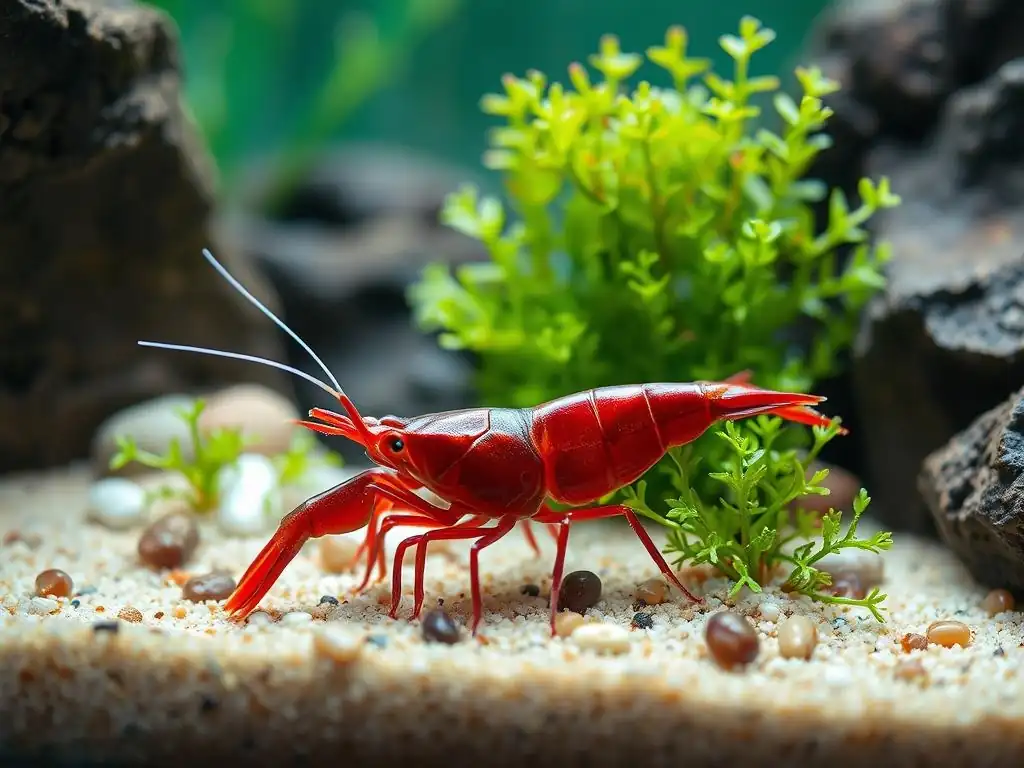
For Red Wine Taiwan Bee Shrimp, a tank size of at least 5 gallons (approximately 19 liters) is recommended for a small colony of 10-15 individuals. While they are small, a larger tank provides greater stability in water parameters, which is crucial for these sensitive Caridina shrimp. For a breeding colony or a larger group, a 10-gallon (38-liter) tank or larger is preferable, offering more space for exploration and reducing territorial disputes, though these shrimp are generally peaceful.
The choice of substrate is paramount for Red Wine Taiwan Bee Shrimp, as it directly impacts water chemistry. Active substrates, often referred to as "buffered" or "pH-lowering" substrates, are highly recommended. These substrates, such as ADA Aqua Soil Amazonia or Fluval Stratum, are designed to buffer the pH down to the acidic range (typically 5.5-6.5) and soften the water, creating the ideal environment for Caridina shrimp.
These soils slowly release humic and fulvic acids, mimicking the natural conditions of their ancestral habitats. Inert substrates like sand or gravel can be used but would require constant chemical adjustments to achieve the desired water parameters, making them significantly more challenging for maintaining Red Wine Taiwan Bee Shrimp.
Essential Equipment: Filtration, Heating, and Lighting
Setting up an ideal aquarium for Red Wine Taiwan Bee Shrimp requires specific equipment to ensure stable and pristine water conditions. For filtration, a sponge filter is highly recommended. These filters provide excellent biological filtration, are gentle enough not to harm tiny shrimp or fry, and offer a large surface area for beneficial bacteria to colonize. Air-driven sponge filters are particularly popular due to their simplicity and effectiveness. Alternatively, small hang-on-back (HOB) filters can be used if fitted with a pre-filter sponge over the intake to prevent shrimp from being sucked in.
Heating is crucial to maintain a stable temperature between 20-24°C (68-75°F). A reliable aquarium heater with an accurate thermostat is essential to prevent temperature fluctuations, which can stress Red Wine Taiwan Bee Shrimp and lead to health issues. For lighting, moderate LED lighting is sufficient. As discussed, while lighting doesn't directly affect shrimp color production, it is important for any live plants in the tank and for viewing the shrimp. A timer should be used to ensure a consistent photoperiod of 8-10 hours daily, promoting stability in the aquarium ecosystem.
Water Parameter Requirements: Maintaining a Stable Environment
Maintaining precise and stable water parameters is the cornerstone of successful Red Wine Taiwan Bee Shrimp keeping. These shrimp are highly sensitive to fluctuations, making consistency key. The ideal pH range is slightly acidic, typically between 5.5 and 6.5, with many experienced keepers aiming for a stable pH of 6.0-6.2. This acidity helps mimic their natural soft water habitats and supports their overall health and coloration.
General Hardness (GH) should be in the range of 4-6 dGH, providing the essential minerals required for successful molting and shell development. Carbonate Hardness (KH) should be kept very low, ideally 0-1 dKH, as high KH can buffer the pH upwards, which is undesirable for Caridina species. Total Dissolved Solids (TDS) should be monitored and maintained between 100-180 ppm.
Most keepers achieve these precise parameters by using RO/DI water remineralized with a product specifically designed for Caridina shrimp, such as SaltyShrimp GH+. Regular testing with reliable liquid test kits for pH, GH, and KH, along with a TDS meter, is indispensable for monitoring and making necessary adjustments to ensure a consistently stable environment for the Red Wine Taiwan Bee Shrimp.
Choosing the Right Plants and Decorations for Red Wine Shrimp
Selecting appropriate plants and decorations for a Red Wine Taiwan Bee Shrimp aquarium not only enhances the aesthetic appeal but also provides crucial benefits for the shrimp. Live plants are highly recommended as they offer hiding places, grazing surfaces for biofilm, and help to absorb nitrates, contributing to better water quality. Mosses, such as Java Moss ( Taxiphyllum barbieri), Christmas Moss ( Vesicularia montagnei), and Fissidens, are excellent choices. They are easy to care for, provide ample surface area for shrimp to graze on algae and biofilm, and offer shelter for newly hatched Red Wine Taiwan Bee Shrimp fry.
Other suitable plants include Anubias species, Bucephalandra, and Ferns like Java Fern ( Microsorum pteropus), which can be attached to driftwood or rocks. These plants are slow-growing and do not require intense lighting or CO2 injection, making them ideal for a low-tech shrimp tank. For decorations, natural elements such as driftwood and inert rocks (e.g., Seiryu Stone, Dragon Stone) can provide additional hiding spots and visual interest.
Avoid sharp or rough decorations that could potentially injure the delicate shrimp. Indian Almond Leaves (Catappa leaves) are also highly beneficial; they release tannins, which have mild anti-bacterial and anti-fungal properties, lower pH slightly, and provide an additional food source as they decompose. Typically, one medium-sized Indian Almond Leaf per 10 gallons of water is a good starting point, replaced every 2-3 weeks.
Caring for Red Wine Taiwan Bee Shrimp: A Comprehensive Guide
Feeding Schedule and Dietary Needs of Red Wine Shrimp
The feeding schedule and dietary needs of Red Wine Taiwan Bee Shrimp are crucial for their health, growth, and vibrant coloration. These omnivorous detritivores primarily graze on biofilm and algae that naturally grow in the aquarium. However, supplemental feeding is necessary to ensure they receive a balanced diet. It is generally recommended to feed them small amounts 2-3 times per week, rather than daily, to prevent overfeeding and subsequent water quality degradation.
Their diet should consist of high-quality, specialized shrimp pellets or sticks formulated for Caridina species. These foods often contain essential nutrients, minerals, and color enhancers like astaxanthin. Supplement their diet with blanched vegetables such as spinach, zucchini, or kale once a week. Organic mulberry leaves or Indian almond leaves can also be offered; shrimp will graze on the biofilm that develops on them and eventually consume the leaf itself.
Always remove uneaten food after a few hours (typically 2-4 hours) to prevent it from fouling the water, as Red Wine Taiwan Bee Shrimp are sensitive to ammonia and nitrites. For example, a colony of 15 Red Wine Taiwan Bee Shrimp might consume one small shrimp pellet (approx. 2-3mm) every other day.
Water Change Protocol for Maintaining Optimal Water Quality
A consistent and careful water change protocol is paramount for maintaining the pristine water quality that Red Wine Taiwan Bee Shrimp require. Unlike hardier shrimp species, they are highly sensitive to sudden shifts in water parameters. Therefore, small, frequent water changes are preferred over large, infrequent ones. A typical recommendation is to perform a 10-15% water change weekly.
The most critical aspect of the water change protocol for Red Wine Taiwan Bee Shrimp is ensuring the new water precisely matches the existing tank water's parameters, especially pH, GH, KH, and temperature. This typically involves using RO/DI water remineralized to the exact target parameters (e.g., GH 5-6, TDS 120-150 ppm) using a product like SaltyShrimp GH+.
The new water should be added slowly, often using a drip line or a small cup, over a period of 15-30 minutes to minimize stress on the shrimp. For example, for a 10-gallon tank, a 1-gallon water change per week, slowly dripped in, is a common and effective strategy to maintain stable conditions and prevent shock to the sensitive Red Wine Taiwan Bee Shrimp.
Monitoring Water Parameters: A Crucial Aspect of Red Wine Shrimp Care
Consistent and accurate monitoring of water parameters is not just recommended but absolutely crucial for the long-term health and vibrant coloration of Red Wine Taiwan Bee Shrimp. These Caridina shrimp are highly sensitive to deviations from their ideal water conditions, and even slight fluctuations can cause stress, leading to faded colors, reduced activity, and increased susceptibility to disease. Regular testing allows aquarists to detect issues early and make timely adjustments.
Key parameters to monitor weekly include pH, General Hardness (GH), Carbonate Hardness (KH), Total Dissolved Solids (TDS), ammonia, nitrite, and nitrate. A reliable liquid test kit should be used for pH, GH, KH, ammonia, nitrite, and nitrate, while a TDS meter is essential for measuring total dissolved solids. For instance, aiming for a stable pH of 6.0, GH of 5 dGH, KH of 0-1 dKH, and TDS of 130 ppm, a weekly check ensures these targets are met.
If ammonia or nitrite are detected, immediate action is required, such as a small, slow water change and investigating the cause (e.g., overfeeding, filter malfunction). Nitrate levels should ideally be kept below 10-20 ppm for optimal Red Wine Taiwan Bee Shrimp health.
Identifying and Treating Common Diseases in Taiwan Bee Shrimp
While Red Wine Taiwan Bee Shrimp are generally hardy once established in stable conditions, they can be susceptible to common shrimp ailments, often triggered by poor water quality or stress. Identifying these issues early is vital for successful treatment. One common problem is molting difficulties, where a shrimp struggles to shed its old exoskeleton. This is often indicated by a shrimp lying on its side, unable to move, or a visible ring of un-shed shell. Molting issues are frequently caused by incorrect GH levels or insufficient minerals in the water, emphasizing the need for precise remineralization.
Bacterial infections can manifest as cloudy bodies, lethargy, or visible lesions. Fungal infections might appear as fuzzy growths on the shrimp's body. Protozoan parasites, like Vorticella, can look like small white cotton-like tufts attached to the shrimp's rostrum or body.
Treatment often involves improving water quality drastically, reducing stress, and in some cases, using very specific medications designed for invertebrates, as many common fish medications are toxic to shrimp. For instance, a common bacterial infection might be addressed by a very slow, small water change with precisely matched parameters and ensuring no uneaten food is left. Prevention through stable parameters, a clean tank, and a high-quality diet is the best defense against diseases in Red Wine Taiwan Bee Shrimp.
Breeding Red Wine Taiwan Bee Shrimp
Creating a Breeding Environment for Taiwan Bee Shrimp
Creating an optimal breeding environment for Red Wine Taiwan Bee Shrimp involves replicating their preferred stable, pristine conditions and providing specific elements conducive to reproduction. A dedicated breeding tank, typically 5-10 gallons, is highly recommended to prevent predation on fry and allow for precise environmental control. The water parameters must be consistently within their ideal range: pH 5.5-6.5 (ideally 6.0-6.2), GH 4-6 dGH, KH 0-1 dKH, and TDS 100-180 ppm, achieved with remineralized RO/DI water.
The breeding tank should feature an active substrate like ADA Aqua Soil, which buffers the pH and softens the water. Dense plantings of mosses, such as Java Moss or Christmas Moss, are essential. These mosses provide abundant hiding spots for newly hatched Red Wine Taiwan Bee Shrimp fry, protect them from adult shrimp, and offer a rich surface for biofilm growth, which is a primary food source for the tiny offspring. A gentle sponge filter is crucial for filtration, ensuring no fry are sucked into the filter. Maintaining a stable temperature around 22-24°C (72-75°F) can also encourage breeding activity.
Identifying Male and Female Red Wine Shrimp
Accurately identifying male and female Red Wine Taiwan Bee Shrimp is crucial for successful breeding. While not always immediately apparent, several distinguishing characteristics typically become more pronounced as the shrimp mature. Female Red Wine Taiwan Bee Shrimp are generally larger and more robust than males, often reaching their full adult size of 2.5-3 cm. Their body shape is also noticeably different; females tend to have a rounder, broader underbelly, particularly in the saddle area (the back of the carapace), which is designed to hold eggs.
Males, conversely, are usually smaller, slimmer, and have a more streamlined body shape. Their underbelly is less rounded, and they lack the distinct saddle area. In mature females, a "saddle" (a yellow or greenish patch of undeveloped eggs visible through the carapace behind the head) can often be seen before they become berried. Once berried, the female will carry the eggs under her swimmerets, making her identification undeniable. Observing the shrimp from above can also help; females often appear wider and more pear-shaped compared to the narrower, more torpedo-like males.
The Breeding Process: From Mating to Hatching
The breeding process for Red Wine Taiwan Bee Shrimp begins when a mature female, having developed a saddle of eggs, molts. This molting releases pheromones into the water, signaling her readiness to breed and attracting males. Male Red Wine Taiwan Bee Shrimp will then become highly active, swimming frantically around the tank in search of the female. Once a male finds a receptive female, mating occurs, typically a brief encounter where the male deposits sperm onto the female's underside.
Following successful mating, the female will move the fertilized eggs from her saddle to her swimmerets (tiny legs under her abdomen), where they become "berried." She will carry and fan these eggs for approximately 25-35 days, depending on the water temperature (warmer temperatures can shorten the gestation period). During this period, the female diligently aerates the eggs and removes any unfertilized or diseased ones.
Towards the end of the gestation period, tiny eyes can often be seen developing within the eggs. Once hatched, the Red Wine Taiwan Bee Shrimp fry are miniature versions of the adults, immediately independent and ready to graze on biofilm and micro-organisms in the tank. A single berried female can typically release 15-30 fry per clutch, though clutch size can vary.
Caring for Red Wine Taiwan Bee Shrimp Fry: A Step-by-Step Guide
Caring for Red Wine Taiwan Bee Shrimp fry requires attention to detail, as these tiny creatures are particularly vulnerable in their early stages. Unlike some other shrimp species, Red Wine Taiwan Bee Shrimp fry hatch as miniature versions of the adults, completely independent and ready to forage. Their primary food source in the first few weeks is biofilm and micro-organisms that naturally grow on tank surfaces, plants, and substrate. Therefore, a well-established tank with plenty of mosses and other surfaces is crucial.
Supplemental feeding for fry should be minimal and consists of specialized powdered fry food or finely crushed adult shrimp food. These should be dosed very sparingly, perhaps once every 2-3 days, to avoid fouling the water. Maintaining pristine water quality is paramount; small, frequent water changes (5-10% weekly) with precisely matched parameters are essential.
Sponge filters are ideal as they prevent fry from being sucked in and provide additional grazing surfaces. Keeping the tank temperature stable around 22-24°C (72-75°F) also supports optimal fry development. By providing abundant biofilm, minimal targeted feeding, and stable, clean water, Red Wine Taiwan Bee Shrimp fry have the best chance of survival and growth into healthy adults.
Maintaining Genetic Quality and Color in Red Wine Strains
Selective Breeding Techniques for Red Wine Taiwan Bee Shrimp
Maintaining and enhancing the vibrant red coloration and distinct patterns of Red Wine Taiwan Bee Shrimp requires diligent selective breeding techniques. The core principle involves carefully choosing which individuals to breed, thereby guiding the genetic direction of the colony. Aquarists typically select shrimp that exhibit the most desirable traits: the deepest, most opaque red coloration, the crispest and most defined white patterns, and robust overall health and vigor.
Conversely, any Red Wine Taiwan Bee Shrimp that display undesirable traits, such as faded colors, patchy patterns, deformities, or a lack of vitality, should be "culled" (removed from the breeding pool). Culling involves moving these shrimp to a separate tank, often referred to as a "cull tank," to prevent them from breeding and passing on their less desirable genetics.
This rigorous selection process, consistently applied over multiple generations, is essential to purify the Red Wine Taiwan Bee Shrimp line, intensify the desired characteristics, and prevent genetic degradation. For example, a breeder might only select the top 20% of offspring from each generation that exhibit superior red opacity and white coverage for future breeding.
Avoiding Genetic Bottlenecks and Inbreeding
While selective breeding is crucial for maintaining color quality in Red Wine Taiwan Bee Shrimp, it carries the risk of creating genetic bottlenecks and excessive inbreeding if not managed carefully. A genetic bottleneck occurs when a breeding population becomes too small, leading to a significant reduction in genetic diversity. This can make the colony more susceptible to diseases and reduce overall vitality. Excessive inbreeding, which results from continuously breeding closely related individuals, can lead to inbreeding depression, manifesting as reduced fertility, smaller clutch sizes, slower growth rates, increased deformities, and a general weakening of the shrimp line.
To avoid these issues, aquarists should periodically introduce new bloodlines from reputable, genetically diverse Red Wine Taiwan Bee Shrimp sources. This "outcrossing" introduces new genes into the colony, increasing genetic diversity and vigor without necessarily diluting the desired traits if the new stock is of high quality. Maintaining a sufficiently large breeding colony (e.g., at least 20-30 breeding adults) also helps to naturally preserve more genetic diversity within the pool. Careful record-keeping of lineage and breeding pairs can further assist in planning outcrosses and preventing excessively close pairings.
Identifying and Removing Unwanted Variations
In the pursuit of maintaining a high-quality Red Wine Taiwan Bee Shrimp line, it is essential to identify and promptly remove any unwanted variations that appear within the colony. These variations, often referred to as "throwbacks" or "culls," can include shrimp with less intense or patchy red coloration, unclear or faded white patterns, or even individuals that revert to a more basic, wild-type bee shrimp appearance (e.g., clear bodies with minimal color). Deformities, such as bent rostrums or unusual shell shapes, also warrant removal from the breeding pool.
The process of "culling" involves carefully observing the Red Wine Taiwan Bee Shrimp colony and systematically removing any individuals that do not meet the desired standards for color, pattern, and health. These culled shrimp are typically moved to a separate "cull tank" where they can live out their lives without contributing to the breeding population.
This continuous removal of undesirable traits prevents them from being passed on to subsequent generations, thereby preserving and enhancing the purity and quality of the Red Wine Taiwan Bee Shrimp line over time. Consistent culling, perhaps monthly or bi-monthly depending on the colony's growth, is a cornerstone of maintaining a top-tier Red Wine shrimp strain.
Troubleshooting Common Issues with Red Wine Taiwan Bee Shrimp
Sudden Shrimp Deaths: Investigating Potential Causes
Sudden, unexplained deaths among Red Wine Taiwan Bee Shrimp are a distressing but sometimes common issue for aquarists, often signaling a critical problem within the aquarium environment. The most frequent culprit is unstable or incorrect water parameters. Rapid fluctuations in pH, GH, KH, or temperature can shock these sensitive shrimp, leading to stress and eventual demise. For instance, a sudden pH drop from 6.0 to 5.0 due to an unchecked active substrate can decimate a colony within hours.
Another significant cause is the presence of toxins in the water. Even trace amounts of ammonia, nitrite, or high nitrates are lethal. Heavy metals (e.g., copper from tap water or certain medications), pesticides (from household sprays or unwashed plants), or chlorine/chloramines can also be highly toxic.
Overfeeding, which leads to decaying food and ammonia spikes, is a common indirect cause. Insufficient oxygen, often due to high temperatures or inadequate aeration, can also contribute. When sudden deaths occur, the first step is always to perform a full suite of water tests (pH, GH, KH, TDS, ammonia, nitrite, nitrate) and check for any recent changes to the tank or its surroundings, such as new plants, decorations, or cleaning products used nearby.
Loss of Color: Addressing Fading Red Pigmentation
The fading of the vibrant red pigmentation in Red Wine Taiwan Bee Shrimp is a common concern and typically indicates underlying stress or suboptimal conditions rather than a permanent genetic change. Stress is the primary driver of color loss; this can stem from unstable water parameters, sudden temperature swings, or the presence of ammonia, nitrite, or high nitrates. For instance, if the pH drifts significantly from the ideal 6.0-6.2 range, the shrimp may appear dull and less intensely colored within a few days.
Nutritional deficiencies also play a significant role. A diet lacking essential pigments like astaxanthin, or a generally poor-quality diet, will prevent the Red Wine Taiwan Bee Shrimp from fully expressing their genetic coloration. Ensure they receive high-quality, specialized shrimp foods rich in natural color enhancers. Additionally, inadequate lighting for display purposes (e.g., very dim lights) or a light-colored substrate can make the shrimp's colors appear less vibrant, even if the shrimp themselves are healthy. Addressing these factors—stabilizing water parameters, providing a balanced diet with color-enhancing foods, and optimizing display conditions—will typically restore the rich red coloration over time.
Breeding Challenges: Identifying and Resolving Issues
Encountering challenges during the breeding of Red Wine Taiwan Bee Shrimp can be frustrating but often points to specific environmental or genetic issues that can be resolved. One common problem is a lack of breeding activity, meaning females aren't becoming berried. This is frequently due to suboptimal water parameters; if the pH is too high (above 6.5), or if GH/KH are not within the ideal range, shrimp may be stressed and unwilling to reproduce. Ensuring a stable temperature around 22-24°C (72-75°F) can also stimulate breeding.
Another issue is females becoming berried but then dropping their eggs. This is almost always a sign of severe stress, often caused by sudden water parameter shifts, poor water quality (e.g., ammonia/nitrite spikes), or molting difficulties. For example, a female might drop eggs if a large water change with unacclimated water is performed.
Low survival rates of fry are often linked to insufficient biofilm for them to graze on, lack of hiding places (making them vulnerable to adults), or the presence of predators. Addressing these challenges involves meticulously maintaining stable, pristine water, providing ample food sources for fry, and ensuring a secure, stress-free environment for the entire Red Wine Taiwan Bee Shrimp colony.
Where to Buy Red Wine Taiwan Bee Shrimp
Selecting Reputable Breeders and Suppliers
When purchasing Red Wine Taiwan Bee Shrimp, selecting reputable breeders and suppliers is paramount to ensuring you receive healthy, high-quality specimens with true-to-type coloration. A reputable source will prioritize the health and genetic purity of their shrimp. Look for breeders who openly share their water parameters, feeding regimens, and breeding practices. They should be knowledgeable about Red Wine Taiwan Bee Shrimp care and willing to answer your questions thoroughly.
Online forums and dedicated shrimp-keeping communities are excellent resources for finding trusted suppliers, as fellow hobbyists often share their experiences and recommendations. Websites like AquaBid or specialized shrimp stores often have reviews that can guide your choice. Avoid sellers with unusually low prices, as this can sometimes indicate poor quality or unhealthy shrimp. A reputable breeder, for example, might specialize in a specific grade of Red Wine Taiwan Bee Shrimp, such as SSS-grade, and provide detailed photos of their actual breeding stock, rather than generic stock photos.
Evaluating the Health and Quality of Shrimp Before Purchase
Before finalizing a purchase of Red Wine Taiwan Bee Shrimp, it is crucial to carefully evaluate the health and quality of the shrimp, whether in person or through detailed photographs/videos. Healthy Red Wine Taiwan Bee Shrimp should exhibit vibrant, opaque red and crisp white coloration appropriate for their grade. Faded or dull colors can be a sign of stress or poor health. Their bodies should appear plump and well-formed, with no visible deformities or missing limbs (though a recently molted shrimp might have regrowing limbs).
Observe their activity level: healthy shrimp are typically active, constantly grazing on surfaces, and moving around the tank. Avoid shrimp that are lethargic, lying on their sides, or exhibiting unusual swimming patterns. Check for any signs of disease, such as fungal growths, cloudy bodies, or parasites. If purchasing online, request current photos or videos of the actual shrimp you will receive, not just stock images. For instance, when evaluating a Red Wine Taiwan Bee Shrimp, look for a solid, deep red coverage that extends evenly across the body, with sharp, distinct white patterns that don't appear patchy or translucent.
Quarantine Procedures for New Red Wine Shrimp
Implementing a strict quarantine procedure for new Red Wine Taiwan Bee Shrimp is one of the most critical steps to protect your existing colony from potential diseases and parasites. Even shrimp from reputable breeders can carry pathogens that might be harmless to them but devastating to your established tank. A separate quarantine tank, ideally 2-5 gallons, is essential. This tank should be fully cycled and set up with the exact same water parameters (pH, GH, KH, TDS, temperature) as your main display tank to minimize stress on the new arrivals.
New Red Wine Taiwan Bee Shrimp should be quarantined for a minimum of 2-4 weeks. During this period, observe them daily for any signs of illness, unusual behavior, or parasites. Avoid adding any new plants or decorations directly from the source tank to the quarantine tank.
If any signs of disease appear, treat the shrimp in the quarantine tank before considering moving them. For example, if a new batch of Red Wine Taiwan Bee Shrimp shows signs of a bacterial infection, it can be treated in the quarantine tank with a shrimp-safe medication, preventing the spread to your main colony. Only after the quarantine period, with no visible signs of illness, should the new shrimp be slowly acclimated and introduced to the main aquarium.
Advanced Tips for Red Wine Taiwan Bee Shrimp Keepers
Using Specialized Substrates for Optimal Growth
For advanced Red Wine Taiwan Bee Shrimp keepers, leveraging specialized substrates is key to optimizing growth, coloration, and breeding success. Beyond standard active buffering soils, some advanced keepers utilize specific types of active substrates or combinations that offer additional benefits. These substrates are designed not only to lower and buffer pH but also to provide essential minerals and trace elements that are gradually released into the water column, supporting robust shrimp health and promoting vibrant coloration.
For instance, some premium active soils contain higher concentrations of humic and fulvic acids, which are beneficial for Caridina shrimp by mimicking their natural blackwater habitats and potentially boosting their immune systems. Others may have specific mineral compositions tailored for Caridina cantonensis species.
Some advanced setups even involve layering different types of active substrates, such as a base layer for long-term buffering and a top layer rich in readily available nutrients. This precise control over substrate composition significantly contributes to maintaining the stable, slightly acidic, and mineral-rich environment that Red Wine Taiwan Bee Shrimp thrive in, leading to visibly healthier shrimp with more intense red pigmentation and higher breeding yields.
Implementing CO2 Injection for Planted Tanks
While CO2 injection is typically associated with high-tech planted aquariums and not directly for shrimp health, advanced Red Wine Taiwan Bee Shrimp keepers who maintain heavily planted tanks might consider its careful implementation. CO2 injection significantly boosts plant growth, leading to healthier, more robust plants. Lush plant growth, in turn, offers numerous benefits for shrimp: abundant hiding spots, increased surface area for biofilm and algae grazing, and enhanced natural filtration by plants absorbing nitrates.
However, implementing CO2 in a Red Wine Taiwan Bee Shrimp tank requires extreme caution. CO2 lowers pH, and rapid or drastic pH swings can be lethal to sensitive Caridina shrimp. Therefore, precise control with a pH controller and a reliable solenoid valve is absolutely essential to maintain a stable pH within the shrimp's narrow tolerance range (e.g., 6.0-6.2).
The CO2 should be injected slowly and consistently, ideally only during the light cycle, and carefully monitored. For example, a hobbyist might target a pH of 6.2 with CO2 injection, ensuring it never drops below 6.0, to support both lush plant growth and the delicate Red Wine Taiwan Bee Shrimp population.
Advanced Filtration Techniques for Pristine Water Quality
For advanced Red Wine Taiwan Bee Shrimp keepers, achieving and maintaining pristine water quality goes beyond basic sponge filtration. While sponge filters are excellent, integrating advanced filtration techniques can provide an even more stable and clean environment, crucial for these sensitive Caridina shrimp. One such technique involves the use of external canister filters, often supplemented with specialized filter media. Canister filters offer larger media capacities, allowing for extensive biological filtration and the inclusion of various chemical filter media.
Within a canister filter, advanced keepers might utilize specialized media such as Seachem Purigen for chemical filtration, which absorbs organic waste and helps keep water crystal clear without removing essential minerals. Bio-media with extremely high surface areas, like BioHome Ultimate or Matrix, can further enhance beneficial bacterial colonization, leading to superior nitrate reduction.
Additionally, some setups incorporate sumps or refugiums, which provide even larger volumes for filtration and can house beneficial macroalgae (like Chaetomorpha) to naturally consume nitrates and phosphates. For example, an advanced setup for Red Wine Taiwan Bee Shrimp might feature a small canister filter filled with Purigen and high-porosity bio-media, running alongside a gentle sponge filter, to ensure exceptionally stable and clean water parameters.
Frequently Asked Questions
What are Red Wine Taiwan Bee Shrimp and what makes them special?
Red Wine Taiwan Bee Shrimp are a popular variety of Taiwan Bee shrimp known for their intense, deep red coloration. Their striking appearance makes them highly sought after by aquarists.
What are the ideal water parameters for keeping Red Wine Taiwan Bee Shrimp?
They require very specific water parameters: a pH of 6.0-6.8, a GH (general hardness) of 4-6 dGH, and a KH (carbonate hardness) of 0-2 dKH. Maintaining stable and pristine water is crucial.
What should I feed Red Wine Taiwan Bee Shrimp?
They are omnivores and benefit from a varied diet of high-quality shrimp food, supplemented with algae wafers and blanched vegetables like spinach or zucchini. Avoid overfeeding!
Are Red Wine Taiwan Bee Shrimp difficult to breed?
Yes, they are considered moderately difficult to breed. Stable water parameters, a mature aquarium, and a dedicated breeding setup are essential for success.
What tankmates are suitable for Red Wine Taiwan Bee Shrimp?
They are best kept in a species-only tank to avoid predation or competition for resources. If you must add tankmates, consider small, peaceful snails like Nerite snails.
Final Reflection: The Enduring Allure of Scarlet Shrimps
The captivating beauty of Red Wine Taiwan Bee Shrimp, as we've explored, isn't just about aesthetics; it's a testament to the dedication and artistry of aquarists. The vibrant red hues, meticulously cultivated, represent a miniature ecosystem thriving under our care, reflecting our commitment to understanding and preserving the delicate balance of nature, even within the confines of a glass tank. This pursuit of beauty and balance resonates deeply in a world increasingly disconnected from the natural world.
The ongoing fascination with these miniature jewels highlights a deeper human desire for connection and creation. The joy of witnessing a thriving colony, each shrimp a tiny masterpiece, is a profound reminder of the beauty and complexity of life. In every walk with nature, one receives far more than he seeks.
- John Muir. This quote encapsulates the essence of shrimp keeping; it's not just about owning a pet, but about engaging with a living, breathing ecosystem and learning from its intricate processes.
Now, as you close this guide, consider the potential for beauty and connection within your own life. Whether you choose to embark on the journey of keeping Red Wine Taiwan Bee Shrimp or simply appreciate the artistry and dedication they represent, remember that cultivating beauty, understanding delicate ecosystems, and fostering a connection with nature are all within your reach. Let the vibrant red of these tiny creatures inspire you to create your own pockets of beauty and balance in the world.
Unleash the Beauty of Red Wine Taiwan Bee Shrimp!
Thank you for exploring the captivating world of Red Wine Taiwan Bee Shrimp! Now that you're armed with the knowledge to appreciate and care for these vibrant creatures, it's time to take the next step and truly immerse yourself in their beauty.
Here are some ways to deepen your connection with Red Wine Taiwan Bee Shrimp:
- Transform your aquarium by creating a dedicated Red Wine Taiwan Bee Shrimp biotope, focusing on optimal water parameters and substrate.
- Delve deeper into genetics! Research the specific breeding lines within Red Wine Taiwan Bee Shrimp to understand how to enhance their coloration even further.
- Share your passion! Join an online shrimp keeping forum and post pictures of your own Red Wine Taiwan Bee Shrimp, inspiring others with their vibrant hues.
What unique aquascaping element will you incorporate to showcase the striking red of your Red Wine Taiwan Bee Shrimp?