
Shrimp Diseases Uncovered: Symptoms, Effective Treatment, and Prevention

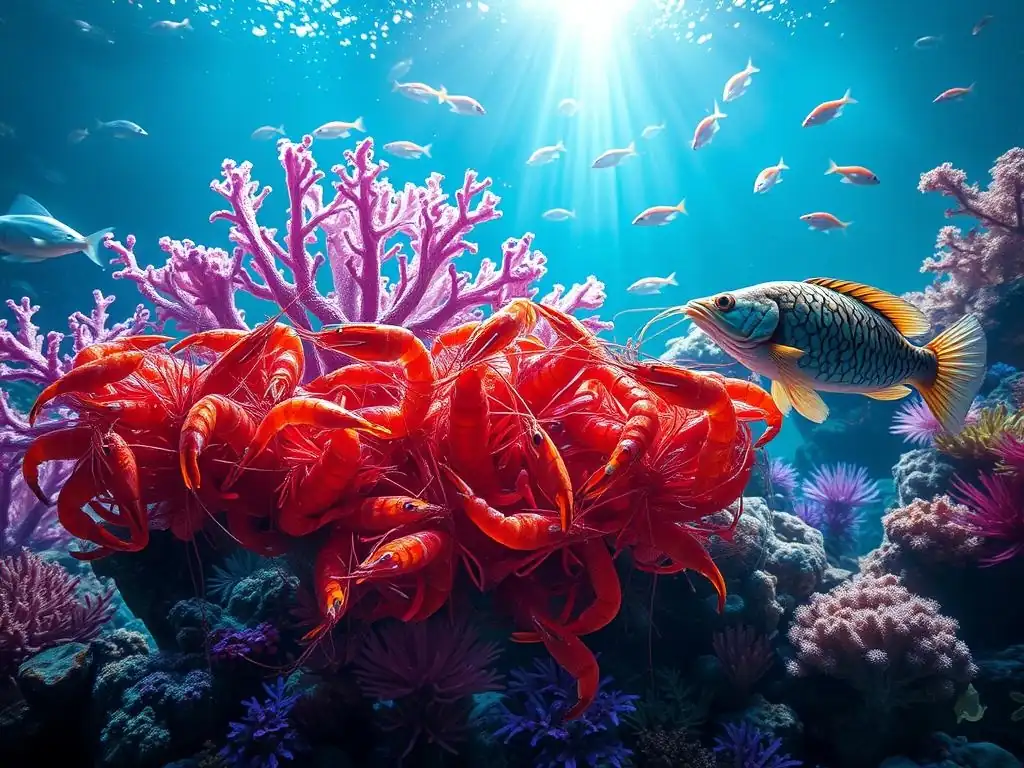
Welcome to Aquarium Mastery, where we unlock the secrets to thriving aquatic ecosystems! Ever wondered what to do when your beloved shrimp start acting… off? Dive into our comprehensive Shrimp Disease Treatment Guide to uncover the symptoms, effective treatments, and preventative measures you need to keep your invertebrate friends healthy and vibrant. What are the early warning signs you should be looking for, and what steps can you take right now to protect your shrimp? Let's explore the fascinating world of shrimp health together!
- Shrimp Diseases: Identification, Treatment, and Prevention
- Introduction to Shrimp Health
-
Frequently Asked Questions
- What are some common symptoms that might indicate my shrimp have a disease?
- What are some effective treatment methods for common shrimp diseases?
- How can I prevent diseases from entering my shrimp aquarium?
- What role does water chemistry play in shrimp disease prevention?
- Where can I find more detailed information about specific shrimp diseases and their treatments?
- Final Reflection: Safeguarding the Future of Shrimp Aquaculture
- Unleash Your Shrimp-Keeping Potential!
Shrimp Diseases: Identification, Treatment, and Prevention
Introduction to Shrimp Health
Why Shrimp Health Matters
The health of your freshwater shrimp, such as Neocaridina and Caridina species, is paramount not only for their individual well-being but also for the stability and aesthetic appeal of your entire aquarium ecosystem. Healthy shrimp are active, exhibit vibrant coloration, and contribute significantly to algae control and substrate cleaning, acting as essential members of the tank's clean-up crew.
When shrimp fall ill, their weakened state can quickly lead to mortality, and diseases can spread rapidly through a confined environment, potentially affecting other invertebrates and even fish if not addressed promptly. A robust shrimp population is a clear indicator of a well-maintained and balanced aquatic habitat.
Furthermore, for aquarists involved in breeding, maintaining optimal shrimp health is crucial for successful reproduction and the propagation of desired genetic traits. Unhealthy shrimp are less likely to breed, and any offspring produced may inherit weaknesses or be more susceptible to diseases. For example, a single outbreak of a common bacterial infection, if left untreated, can decimate a colony of hundreds of Cherry Shrimp (Neocaridina davidi) within a matter of days, representing a significant loss for hobbyists and breeders alike. Therefore, understanding the nuances of shrimp disease treatment guide principles is fundamental to long-term success in shrimp keeping.
Understanding Disease Prevention
Effective disease prevention in shrimp aquariums hinges on creating and maintaining an environment that minimizes stressors and inhibits the proliferation of pathogens. This proactive approach is far more effective and less stressful for the shrimp than attempting to cure an established illness.
Key pillars of prevention include maintaining stable water parameters, providing a balanced and nutritious diet, implementing strict quarantine protocols for new inhabitants, and practicing diligent tank hygiene. For instance, ensuring a stable pH range of 6.5-7.5 for Neocaridina shrimp and 6.0-7.0 for Caridina species, along with consistent GH and KH levels, significantly reduces physiological stress that can compromise their immune systems.
Beyond water chemistry, understanding the sources of potential pathogens is vital. Many diseases are introduced into an aquarium through new plants, substrate, or unquarantined livestock. Even seemingly healthy new shrimp can carry dormant pathogens that become active under stress or when introduced to a new environment. Implementing a minimum two-week quarantine period for all new shrimp, during which they are observed for any signs of illness, is a simple yet incredibly effective preventive measure. This diligent approach forms the cornerstone of a comprehensive shrimp disease treatment guide, emphasizing that prevention is always the best cure.
Frequently Asked Questions
What are some common symptoms that might indicate my shrimp have a disease?
Look for changes in behavior such as lethargy, loss of appetite, or erratic swimming. Physical signs include discoloration, spots, or unusual growths.
What are some effective treatment methods for common shrimp diseases?
Treatment varies depending on the disease, but often involves quarantine, water changes, and medications specifically formulated for invertebrates. Always research the specific disease before administering treatment.
How can I prevent diseases from entering my shrimp aquarium?
Proper quarantine of new shrimp, maintaining excellent water quality, and providing a balanced diet are crucial for preventing disease outbreaks. Avoid overcrowding.
What role does water chemistry play in shrimp disease prevention?
Maintaining stable and appropriate water parameters (pH, ammonia, nitrite, nitrate) is vital. Poor water quality weakens shrimp, making them more susceptible to diseases.
Where can I find more detailed information about specific shrimp diseases and their treatments?
AquariumMastery.com offers a comprehensive resource with articles on various shrimp diseases, their symptoms, and recommended treatments in our Shrimp disease treatment guide.
Final Reflection: Safeguarding the Future of Shrimp Aquaculture
The insights shared within this Shrimp Disease Treatment Guide are more crucial than ever, as the global demand for shrimp continues to rise while the threat of disease outbreaks intensifies. Understanding the symptoms, effective treatments, and preventative measures outlined here is not just about protecting individual farms; it's about securing the future of a vital food source and the livelihoods of countless individuals who depend on shrimp aquaculture.
This exploration into shrimp diseases has profoundly underscored the interconnectedness of our food systems and the delicate balance required for sustainable aquaculture. Witnessing the devastating impact of diseases firsthand highlights the urgent need for proactive and informed management practices. The best way to avoid a disease outbreak is to prevent it from happening in the first place.
This simple truth encapsulates the core message: vigilance, knowledge, and responsible practices are paramount in safeguarding the health and productivity of shrimp farms worldwide.
Now, armed with this knowledge, consider how you can contribute to a more resilient and sustainable future for shrimp aquaculture. Whether you're a farmer, researcher, consumer, or simply someone who appreciates the importance of food security, reflect on the role you can play in promoting responsible practices and supporting efforts to combat shrimp diseases. Let's work together to ensure that this valuable resource remains available for generations to come.
Unleash Your Shrimp-Keeping Potential!
Thank you for diving into the world of shrimp health! We hope you've gained valuable insights into identifying, treating, and preventing common shrimp diseases. Now, let's put that knowledge into action.
Here are some steps you can take right now:
- Implement a bi-weekly water testing schedule in your shrimp tank to proactively monitor water parameters and catch potential imbalances before they lead to disease.
- Share this article with fellow shrimp enthusiasts! Help spread awareness and create a healthier shrimp-keeping community.
- Experiment with adding Indian Almond Leaves (IAL) to your shrimp tank, known for their antibacterial and antifungal properties, as a natural preventative measure.
What's the first preventative measure you'll implement in your shrimp tank this week?