
Best Hardy Plants for a Thriving Neocaridina Shrimp Tank Ecosystem

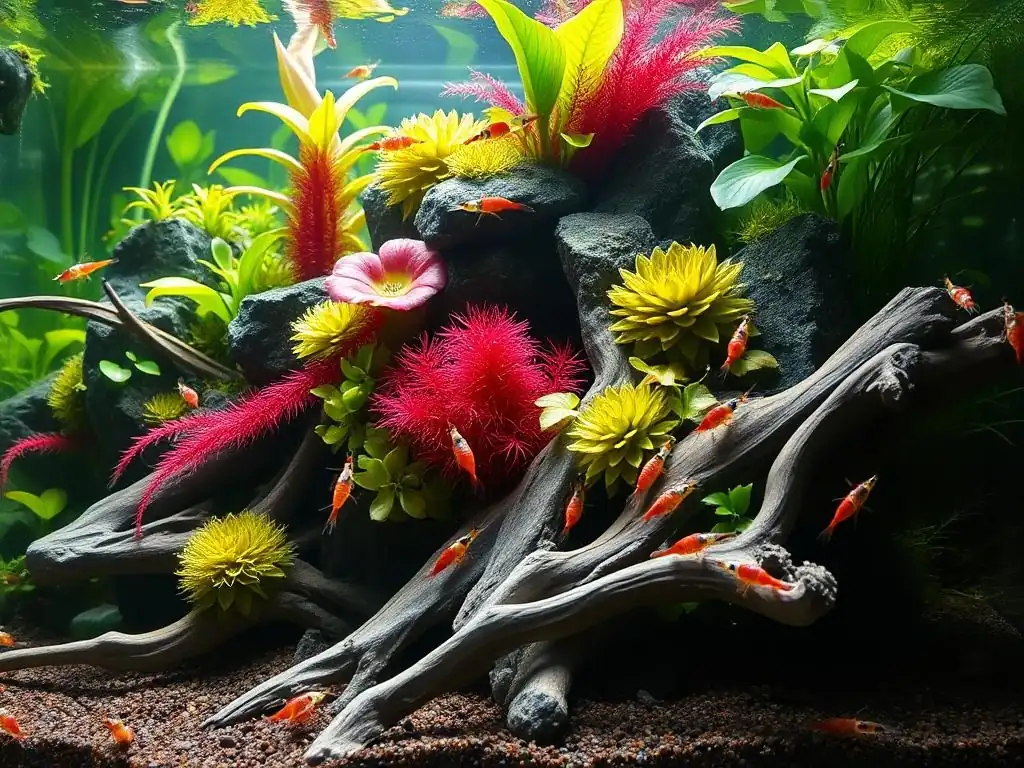
Welcome to Aquarium Mastery!
Ever wondered how to create a vibrant, self-sustaining ecosystem in your shrimp tank? We're diving deep into the world of Neocaridina shrimp and unveiling the secrets to a thriving environment. Curious about how to ensure your hardy shrimp plants thrive and contribute to a balanced aquatic haven? Let's explore the best plant choices and practices to keep your shrimp happy and your aquarium beautiful!
1. Java Moss (Taxiphyllum barbieri): The Shrimp's Best Friend
Taxiphyllum barbieri, commonly known as Java Moss, is an exceptionally versatile and resilient aquatic plant, making it a cornerstone for any thriving Neocaridina shrimp aquarium. These hardy shrimp plants thrive in a wide spectrum of water conditions, from soft, acidic environments to harder, more alkaline setups, which closely mirrors the adaptability of popular Neocaridina species like Cherry, Blue Dream, and Yellow shrimp. Its dense, tangled growth habit provides an invaluable microhabitat, offering both shelter and a continuous food source within the aquatic ecosystem.
The minimal care requirements of Java Moss are a significant advantage for aquarists aiming for a stable, low-maintenance shrimp tank. It flourishes under low to moderate lighting, typically requiring only 10-20 PAR, and does not necessitate CO2 injection or complex fertilization regimens. This ease of cultivation, combined with its profound benefits for shrimp, solidifies its reputation as one of the best choices for fostering a robust and healthy Neocaridina colony.
Benefits of Java Moss for Shrimp Fry and Adults
The intricate, feathery structure of Java Moss offers unparalleled refuge, especially for newly hatched Neocaridina shrimp fry. Within its dense network of stems, tiny fry find immediate hiding spots, protecting them from potential predation by larger tank inhabitants, including adult shrimp, or from being drawn into filter intakes. Aquarists often report significantly higher fry survival rates, sometimes an increase of 30-50%, in tanks heavily planted with Java Moss compared to those with sparse vegetation.
Beyond physical protection, Java Moss serves as an expansive surface for the proliferation of beneficial microorganisms and biofilm. Shrimp, both adults and juveniles, constantly graze on this biofilm, which is a crucial component of their natural diet, providing essential nutrients, detritus, and microscopic food particles. This natural, continuous food source can reduce the reliance on supplemental feeding, contributing to cleaner water parameters and promoting the overall health and vibrant coloration of your Neocaridina shrimp.
How to Plant and Maintain Java Moss in a Shrimp Tank
Java Moss is remarkably flexible in how it can be incorporated into your shrimp tank's aquascape. It can be loosely placed as a free-floating mass, allowing shrimp to explore its depths, or anchored to driftwood, rocks, or even small ceramic ornaments using cotton thread or fishing line. Over time, the moss will attach itself, creating a natural, established appearance. For a carpet effect, a thin layer can be spread over a plastic mesh or slate and weighed down, allowing it to grow horizontally and cover the substrate.
Maintenance for Java Moss is straightforward. It prefers stable water parameters and benefits from good water circulation to prevent detritus accumulation within its dense clumps. While it tolerates a wide range of lighting, excessive light can encourage algae growth on the moss itself. Regular trimming, typically once every 3-4 weeks depending on its growth rate, is essential to prevent it from becoming too thick and trapping excessive debris, which could lead to anaerobic pockets. Simply use sharp scissors to prune unwanted sections, and remove the clippings from the tank to prevent them from scattering and clogging filters.
- What are some of the best hardy plants to include in a Neocaridina shrimp tank?
- Why is plant selection so important for a thriving Neocaridina shrimp tank ecosystem?
- How do I ensure the plants I choose will actually thrive in my shrimp tank?
- What are some common mistakes people make when selecting plants for their Neocaridina shrimp tank?
- Where can I find more detailed information about specific plant care and maintenance for a shrimp tank?
Frequently Asked Questions
What are some of the best hardy plants to include in a Neocaridina shrimp tank?
Several hardy plants thrive in shrimp tanks. Some top choices include Java Moss, Anubias, and Java Fern. These plants provide shelter and grazing surfaces for your shrimp.
Why is plant selection so important for a thriving Neocaridina shrimp tank ecosystem?
Plants play a crucial role in a shrimp tank. They help maintain water quality by absorbing nitrates, provide hiding places for shrimp, and offer biofilm as a food source.
How do I ensure the plants I choose will actually thrive in my shrimp tank?
Ensure your tank parameters are suitable for both shrimp and plants. Provide adequate lighting and consider using aquarium fertilizer specifically designed for planted tanks. A good substrate is also very important.
What are some common mistakes people make when selecting plants for their Neocaridina shrimp tank?
A common mistake is choosing plants that are too demanding or require CO2 injection. Also, ensure plants are shrimp-safe by avoiding those treated with harmful pesticides or medications.
Where can I find more detailed information about specific plant care and maintenance for a shrimp tank?
AquariumMastery.com offers in-depth articles on plant care. You can find resources on water chemistry, lighting requirements, and fertilization schedules tailored to different plant species.
Final Reflection: Cultivating Resilience, Nurturing Life
The journey into selecting hardy plants for a thriving Neocaridina shrimp tank reveals more than just horticultural advice; it underscores the profound interconnectedness of ecosystems, even within the confines of a glass enclosure. The principles of resilience, adaptability, and balance, so crucial for a successful shrimp tank, mirror the very challenges and opportunities we face in the larger world.
This exploration has highlighted how carefully chosen flora not only enhances the aesthetic appeal of a shrimp tank but also plays a vital role in its health and stability. It reminds us that even seemingly small actions, like selecting the right plants, can have a significant impact on the well-being of a delicate ecosystem. The best time to plant a tree was 20 years ago. The second best time is now.
This ancient proverb resonates deeply, urging us to embrace proactive stewardship, whether it's tending to a miniature aquatic world or addressing the larger environmental concerns that surround us.
As you consider the lessons learned about creating a thriving environment for Neocaridina shrimp, I invite you to reflect on the ecosystems you cultivate in your own life. What hardy "plants" – relationships, habits, or perspectives – can you nurture to foster greater resilience, balance, and beauty in your personal world? Embrace the opportunity to cultivate your own thriving ecosystem, one seed of intention at a time.
Cultivate Your Dream Shrimp Paradise!
Thanks for diving into the world of hardy plants and vibrant shrimp! We hope you're feeling inspired to create a thriving ecosystem for your Neocaridina. Now, let's translate that inspiration into action!
- Start with one hardy plant: Choose from Anubias, Java Fern, or Hornwort and watch your shrimp explore their new home.
- Share your progress! Post a picture of your newly planted tank on social media with the hashtag #AquariumMastery and inspire others.
- Research unusual tank mates that complement Neocaridina shrimp and hardy plants for a truly unique biotope.
What plant will you introduce to your shrimp tank first, and how do you envision your future shrimp paradise evolving?