
The Fish Health Journal: Why Documenting Symptoms Can Be a Lifesaver


Welcome to Aquarium Mastery!
Ever felt helpless watching your fish behave strangely, unsure what's wrong? The secret to thriving aquatic life might just be in the details. Dive into our guide and discover why keeping a meticulous fish symptom tracking journal can be a game-changer for your aquarium's health. Let's unlock the power of observation together and ensure your finned friends live long and prosper! Ready to become a true aquarium master?
- Aquarium Health Log: Proactive Fishkeeping Through Symptom Tracking
- Introduction: The Value of Consistent Observation in Aquarium Management
- Benefits of Maintaining an Aquarium Health Log
- Creating Your Aquarium Health Log: A Practical Guide
- Interpreting Your Aquarium Health Log: Identifying Trends and Anomalies
- Enhancing Your Aquarium Health Documentation
- Real-World Applications of Aquarium Health Logs
- Conclusion: Empowering Responsible Fishkeeping Through Diligent Record Keeping
-
Frequently Asked Questions
- How can a Fish Health Journal help me as an aquarist?
- What kind of information should I record in my Fish Health Journal?
- How often should I update my Fish Health Journal?
- What if I don't know what the symptoms mean? How can the journal help me?
- Where can I find a good Fish Symptom Tracking Journal format?
- Final Reflection: The Power of Observation
- Transform Your Tank: Document, Discover, and Dive Deeper!
Aquarium Health Log: Proactive Fishkeeping Through Symptom Tracking
Introduction: The Value of Consistent Observation in Aquarium Management
In the intricate world of aquarium keeping, the health and well-being of your aquatic inhabitants hinge significantly on consistent observation. Fish, by nature, are remarkably adept at concealing signs of illness, a survival instinct that can make early disease detection a considerable challenge for even experienced aquarists. Without a structured approach to monitoring, subtle changes in behavior or appearance often go unnoticed until a condition has progressed to an advanced, and potentially critical, stage.
This is precisely where the concept of a dedicated fish health journal becomes indispensable. Far more than just a casual notebook, a comprehensive fish symptom tracking journal serves as a vital diagnostic tool, a historical record, and an invaluable aid for proactive aquarium management. By systematically documenting observations, water parameters, and any interventions, aquarists gain an unparalleled insight into their tank's ecosystem, transforming reactive problem-solving into informed, preventative care.
Benefits of Maintaining an Aquarium Health Log
Early Disease Detection Through Behavioral and Physical Monitoring
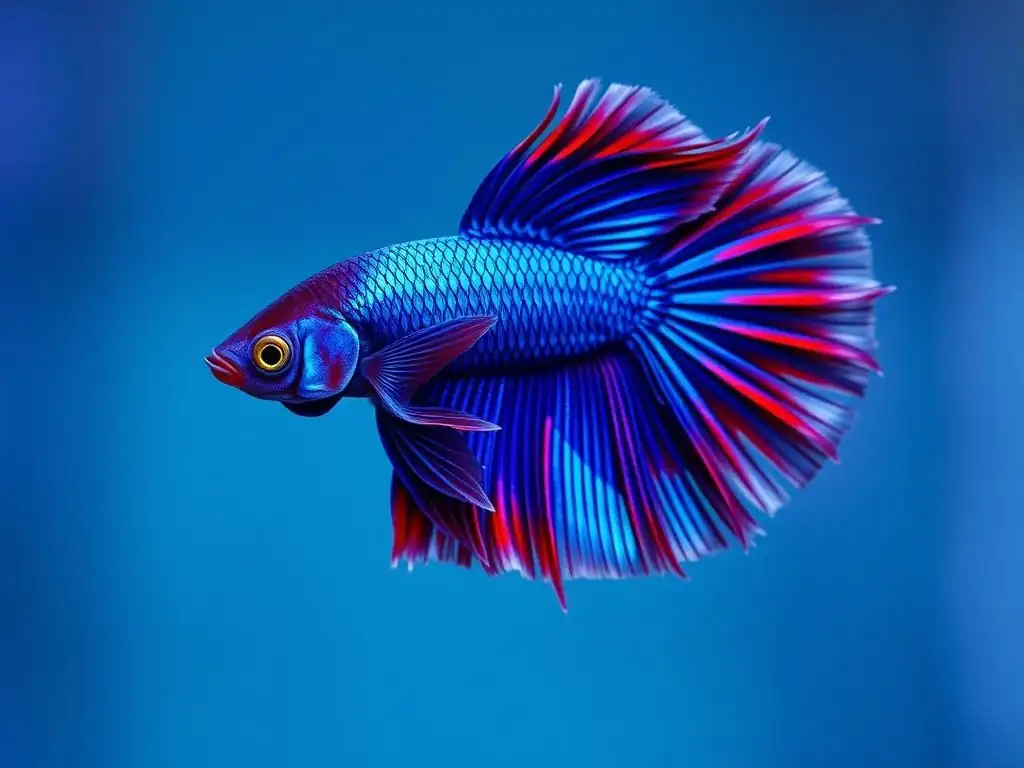
Maintaining a diligent fish symptom tracking journal empowers aquarists to identify the most subtle deviations from normal behavior and appearance, often days before overt symptoms manifest. For instance, a slight dulling of a fish's vibrant colors, a minor reduction in its typical swimming activity, or an occasional "flash" against décor could be the initial, almost imperceptible, indicators of stress or an impending parasitic infection. Without a consistent baseline established through regular logging, these crucial early warnings are frequently overlooked.
Capturing these minute changes in your fish health journal allows for immediate comparison with previous entries, enabling prompt action. For example, if a normally boisterous clownfish begins hiding more frequently for two consecutive days, or if a guppy's fins appear slightly clamped compared to its usual relaxed posture, these entries trigger an investigation.
Early detection, facilitated by such detailed documentation, can dramatically improve outcomes: anecdotal data from experienced aquarists suggests that treating common ailments like Ich or fin rot in their nascent stages can reduce treatment duration by up to 50-70% and increase survival rates from a potential 20-30% in advanced cases to 80-90% or higher.
Improved Diagnosis with Comprehensive Historical Data
A detailed fish symptom tracking journal transforms vague observations into a precise medical history, which is invaluable for accurate diagnosis. Instead of a general statement like "my fish has been sick for a while," a log provides a chronological narrative: "On October 1st, water pH dropped from 7.5 to 6.8 after a large water change. By October 3rd, the Neon Tetra exhibited clamped fins and labored breathing. On October 5th, visible white spots appeared." This timeline allows for the identification of potential triggers and the progression of symptoms.
This comprehensive historical data is particularly crucial when consulting with an aquatic veterinarian or an experienced mentor. They can analyze the sequence of events, correlate symptoms with specific environmental changes or tank introductions, and differentiate between acute and chronic conditions. For example, if a fish consistently develops symptoms after specific tank maintenance activities, the log helps pinpoint the underlying cause, whether it's poor water quality, nutritional deficiencies, or the introduction of a pathogen. This level of detail significantly reduces diagnostic guesswork, leading to more targeted and effective interventions.
Optimized Treatment Strategies Based on Documented Responses
The effectiveness of any treatment, whether it's a medication, a water parameter adjustment, or a dietary change, can be precisely evaluated when meticulously documented in a fish symptom tracking journal. Recording the exact medication name, dosage, administration method, and duration allows aquarists to track the fish's response over time. For instance, if a specific dose of Metronidazole successfully alleviated internal parasites in a Gourami within 5 days, and the log notes a slight lethargy as a temporary side effect, this information is invaluable for future treatment protocols.
This historical data prevents repetitive trial-and-error, which can be stressful for fish and costly for the aquarist. By noting which treatments were effective, which had adverse reactions, and at what concentrations, aquarists can refine their approach. Data from hobbyist forums and anecdotal reports indicate that treatments informed by prior documented responses in a fish health journal often achieve success rates of 75-85%, compared to 40-60% for reactive, undocumented approaches. This systematic documentation helps in adjusting dosages, extending treatment durations, or switching medications based on clear, recorded evidence of improvement or lack thereof.
Prevention of Future Issues Through Data-Driven Adjustments
Perhaps one of the most powerful benefits of maintaining a fish symptom tracking journal is its role in proactive problem prevention. By consistently logging water parameters, feeding habits, and fish health, discernible patterns often emerge. For example, an aquarist might observe that every time nitrate levels in their tank exceed 40 parts per million (ppm), their Rasboras develop fin erosion within a few days. This correlation, clearly visible in the log, provides actionable insight.
Armed with this data, the aquarist can implement preventative measures, such as increasing the frequency or volume of water changes to keep nitrates consistently below 20 ppm. Similarly, if new fish introductions without a strict quarantine protocol consistently lead to outbreaks of Ich, the log serves as a compelling argument for establishing a dedicated quarantine tank. This data-driven approach moves aquarists from merely reacting to problems to actively preventing them, leading to a more stable, healthier, and thriving aquarium ecosystem over the long term.
Creating Your Aquarium Health Log: A Practical Guide
Log Format: Choosing a Method That Suits Your Needs
The first step in creating your fish symptom tracking journal is selecting a format that best suits your personal preference and routine. Options range from traditional physical notebooks to sophisticated digital solutions. A simple spiral-bound notebook provides the tactile satisfaction of writing and is always readily available near the tank.
Alternatively, a dedicated spreadsheet program like Microsoft Excel or Google Sheets offers excellent capabilities for sorting, filtering, and even graphing data, making trends easier to spot. Some aquarists opt for specialized mobile applications designed for aquarium management, which often include pre-set fields for common data points and reminders for tasks.
Regardless of the chosen format, consistency is paramount. A beautifully designed but unused digital app is less effective than a simple, regularly updated paper log. Consider your comfort level with technology and the ease of access when making your choice. For instance, a digital fish symptom tracking journal allows for quick searches and data analysis, while a physical notebook might be preferred by those who enjoy disconnecting from screens. The most effective format is the one you will consistently use to document your observations.
Essential Data Points for Comprehensive Tracking
For your fish symptom tracking journal to be truly effective, it must capture a consistent set of essential data points. These elements provide a holistic view of your aquarium's health and allow for meaningful analysis over time.
Fish Species and Individual Identifiers (e.g., Name or Number)
In a community tank, it's crucial to identify which specific fish is exhibiting symptoms. A general note like "one of my tetras looks sick" is far less useful than "Neon Tetra #3 (the one with the slightly faded stripe) is lethargic." Assigning a unique identifier, whether a numerical designation (e.g., Fish A, Fish B) or even a distinct name if you have only a few fish, allows for precise tracking of individual health trajectories.
This specificity helps in understanding if an issue is isolated to one fish or spreading throughout the tank. For example, if only one particular Angelfish consistently develops fin rot, despite stable water parameters, it might indicate a specific stressor or underlying susceptibility unique to that individual. Documenting this in your fish symptom tracking journal allows for targeted observation and intervention for that specific fish.
Water Chemistry: pH, Ammonia, Nitrite, Nitrate, Temperature
Water parameters are the foundation of aquatic health. Regular testing and meticulous recording of pH, ammonia, nitrite, nitrate, and temperature are non-negotiable. These readings provide a snapshot of the tank's chemical environment, which directly impacts fish well-being. For instance, a sudden spike in ammonia (e.g., from 0 ppm to 0.5 ppm) or nitrite (e.g., from 0 ppm to 0.25 ppm) can quickly lead to stress, gill damage, and susceptibility to disease.
It's recommended to test and log these parameters at least weekly for established tanks, and daily for new setups or tanks experiencing issues. Note the time of day the tests were conducted, as pH can fluctuate. Maintaining stable parameters within the ideal range for your specific species (e.g., pH 6.5-7.5 for most freshwater community fish, ammonia and nitrite always 0 ppm, nitrates below 20 ppm for freshwater and 10 ppm for sensitive marine fish) is critical, and your fish symptom tracking journal will highlight any deviations from this stability.
Feeding Regimen: Food Type, Quantity, and Frequency
The diet of your fish significantly influences their health and vitality. Documenting what you feed (e.g., Omega One Flakes, Hikari Bloodworms), how much (e.g., a pinch, half a cube), and how often (e.g., twice daily, every other day) can help identify potential issues related to nutrition or overfeeding. Inadequate nutrition can lead to weakened immune systems, while overfeeding can rapidly degrade water quality due to uneaten food.
For example, if a fish starts exhibiting signs of bloating or constipation, reviewing the feeding log might reveal a recent change in diet or an increase in the quantity of dry foods. Conversely, if a fish shows dull colors and lack of energy, the log might suggest a need to diversify its diet with vitamin-enriched or live foods. This section of your fish symptom tracking journal helps you correlate dietary habits with physical condition.
Detailed Observation of Fish Behavior, Appetite, and Physical Appearance
This is the heart of your fish symptom tracking journal. Move beyond generic descriptions and strive for specificity. Instead of "fish looks sick," describe exactly what you see:
- Behavior:
Lethargic, resting on bottom,Rapid gill movement (approx. 90 breaths/min),Flashing against gravel,Erratic swimming (corkscrewing),Hiding more than usual,Aggression towards tank mates. - Appetite:
Refusing all food,Eating sparingly,Spitting out food,Reduced interest in feeding. - Physical Appearance:
Small white spots (approx. 1mm) on fins and body, resembling salt grains,Cloudy eyes,Bloated abdomen,Fins clamped/ragged,Red streaks on fins,Faded or darkened coloration,Excessive slime coat,Visible lesions or sores.
Use bullet points or a checklist format for easy and consistent logging. For example:
- [ ] Lethargy
- [ ] Clamped fins
- [X] White spots (3-5 spots on caudal fin)
- [ ] Refusing food
- [X] Rapid breathing
Treatments Administered: Medication, Dosage, and Duration
When a treatment becomes necessary, meticulous documentation in your fish symptom tracking journal is essential for evaluating its efficacy and preventing future complications. Record the following:
- Date and Time of Treatment:
2023-10-15, 10:00 AM - Medication Name:
Seachem Paraguard - Active Ingredient (if known):
Aldehyde-based - Dosage:
1ml per 10 gallons - Duration:
Daily for 7 days - Tank Preparation:
Carbon removed, 25% water change before first dose - Fish's Response:
Day 1: No change. Day 3: Spots reduced by 50%. Day 7: Spots gone, behavior normal. - Post-Treatment Actions:
Water change, carbon replaced
This detailed record allows you to assess the success of the treatment, note any adverse reactions, and build a reliable reference for similar issues in the future. It's a critical component for refining your approach to disease management.
Interpreting Your Aquarium Health Log: Identifying Trends and Anomalies
Recognizing Subtle Changes Indicative of Potential Problems
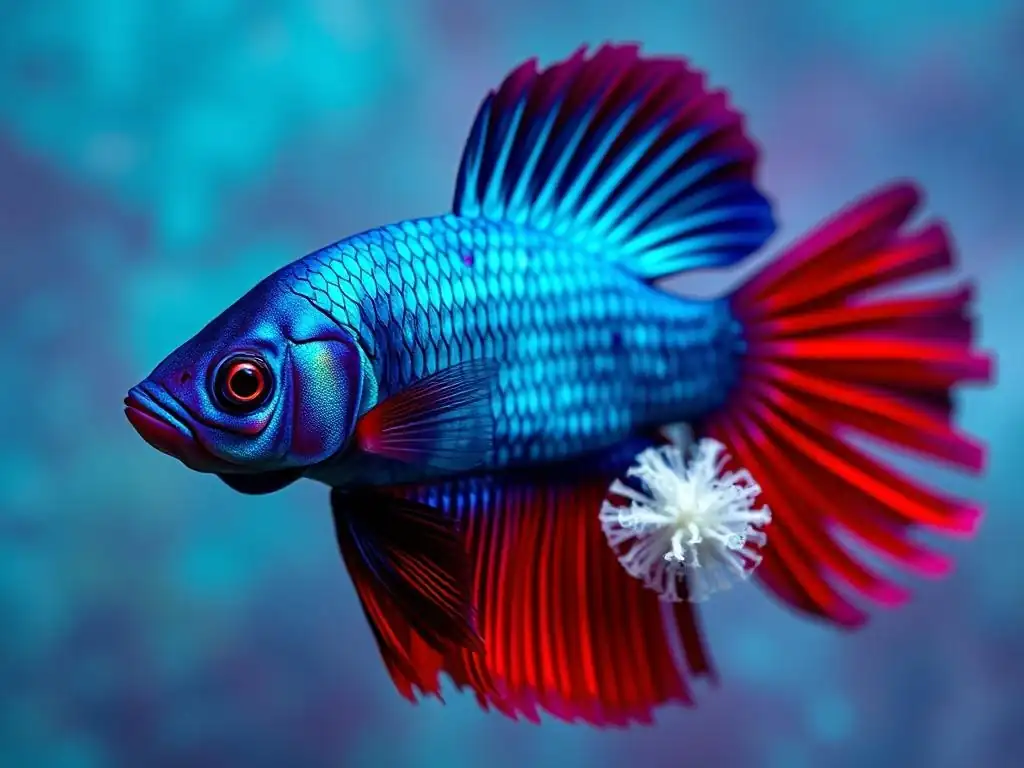
The true power of a fish symptom tracking journal lies not just in data collection, but in data interpretation. Regularly reviewing your log allows you to recognize subtle shifts that, in isolation, might seem insignificant but collectively signal an emerging problem. For instance, a fish that typically consumes its food within 30 seconds might, over several days, take a full minute to finish its meal, or show slightly less enthusiasm. This gradual decrease in appetite, when consistently logged, can be an early indicator of internal parasites or digestive issues before any visible physical symptoms appear.
Similarly, a healthy fish typically maintains a consistent breathing rate. A slight, sustained increase in gill movement (e.g., from an average of 60 breaths per minute to 75 breaths per minute for a specific species) could indicate early gill irritation from poor water quality or the presence of a gill fluke, long before the fish starts gasping at the surface. These subtle deviations from established baselines, meticulously recorded in your fish symptom tracking journal, provide a crucial window for intervention, often preventing minor issues from escalating into full-blown health crises.
Identifying Correlations Between Symptoms and Environmental Factors
Your fish health journal acts as a powerful tool for connecting observed symptoms with specific environmental conditions or recent tank activities. By cross-referencing entries, you can identify patterns that might otherwise remain hidden. For example, you might notice that every time you perform a large water change (e.g., 50% or more), your more sensitive fish, like Discus, exhibit temporary stress symptoms such as darkening of color or hiding. This correlation suggests that perhaps smaller, more frequent water changes (e.g., 25% twice a week) would be less stressful.
Another common correlation often revealed by a detailed fish symptom tracking journal is the link between rising nitrate levels and the onset of fin rot or general lethargy. If your log consistently shows that when nitrates climb above 30 ppm, certain fish become listless, it clearly indicates that your current maintenance schedule is insufficient. These types of correlations transform your log from a simple record into a predictive and analytical instrument, guiding your decisions for a healthier tank environment.
Using Historical Data to Optimize Water Quality and Tank Conditions
The historical data accumulated in your fish symptom tracking journal is invaluable for fine-tuning your aquarium's environment to its optimal state. By reviewing past entries, you can establish the ideal parameters under which your specific fish species have thrived, rather than just surviving. For instance, if your log indicates that your African Cichlids were most active and vibrant when the pH was consistently around 8.2 and the temperature at 78°F, you have a clear target for ongoing maintenance.
This historical perspective allows for proactive adjustments to your tank conditions. If your log shows that your tank's nitrate levels typically rise from 10 ppm to 35 ppm over a two-week period, you can adjust your water change schedule to be weekly, or increase the volume of water changed, ensuring nitrates never exceed 20 ppm.
Similarly, if you notice a consistent drop in carbonate hardness (KH) over time, leading to pH instability, your log prompts you to investigate adding a buffering agent or making dietary adjustments. Leveraging your fish symptom tracking journal in this way transforms aquarium keeping from a reactive chore into a data-driven, proactive science.
Enhancing Your Aquarium Health Documentation
Utilizing Photography to Document Physical Changes
While written descriptions in your fish symptom tracking journal are vital, visual documentation through photography adds an unparalleled layer of detail and objectivity. A high-resolution photograph can capture subtle physical changes that are difficult to articulate precisely in words, such as the exact color of a lesion, the texture of a developing fungus, or the precise extent of fin erosion. For example, a series of photos taken daily of a fish recovering from Ich can visually demonstrate the reduction in white spots, providing undeniable proof of treatment efficacy.
These visual records are incredibly useful for comparison over time, allowing you to track the progression or regression of a condition with accuracy. They also serve as an invaluable resource when seeking advice from other experienced aquarists or consulting an aquatic veterinarian. A picture of a fish exhibiting a specific symptom, alongside its date-stamped log entry, often conveys more information than pages of text alone, streamlining the diagnostic process.
Employing Video Recording for Behavioral Analysis
Just as photography enhances the documentation of physical changes, short video clips can provide critical insights into behavioral symptoms that are dynamic and difficult to capture in a static image. Erratic swimming patterns, specific types of flashing or scratching motions, labored breathing, or unusual social interactions can all be accurately recorded. For instance, a 30-second video of a fish "shimming" (a side-to-side rocking motion) can immediately signal stress or disease, whereas a written description might not fully convey the nuance of the behavior.
Video recording is particularly useful for diagnosing neurological issues, swim bladder problems, or subtle signs of discomfort that manifest only in movement. By reviewing these clips alongside your written fish symptom tracking journal entries, you can gain a deeper understanding of the fish's condition. These recordings also serve as excellent evidence for professional consultation, allowing an expert to observe the exact behavior in question without being present at the tank.
Facilitating Veterinary Consultation with Comprehensive Records
When a fish's condition warrants professional veterinary attention, a comprehensive fish symptom tracking journal becomes your most powerful asset. Rather than relying on potentially vague or incomplete recollections, you can present a meticulously organized record of the fish's history. This includes the initial onset of symptoms, their progression, all water parameter readings, feeding habits, any previous treatments administered, and even photographic or video evidence.
This organized documentation allows the aquatic veterinarian to quickly grasp the timeline of the illness, rule out common environmental causes, and focus on specific diagnostic tests. It transforms a potentially lengthy and frustrating diagnostic process into an efficient, informed assessment. Having such detailed records from your fish health journal can save valuable time and resources, significantly increasing the chances of an accurate diagnosis and successful treatment for your ailing aquatic pet.
Real-World Applications of Aquarium Health Logs
Case Study: Identifying and Resolving a Parasitic Outbreak Through Log Analysis
Consider a 75-gallon community tank housing various tetras, corydoras, and a pair of angelfish. The aquarist, committed to proactive care, maintains a diligent fish symptom tracking journal. On October 1st, the journal entry notes: "Angelfish Apollo observed occasionally 'flashing' against driftwood. Water parameters: pH 7.0, Ammonia 0, Nitrite 0, Nitrate 15 ppm. Fed usual flakes." By October 3rd, the entry reads: "Apollo flashing more frequently, slight white spots visible on caudal fin, resembling fine salt grains. Other angelfish, Artemis, also showing very subtle flashing. Parameters stable."
The log's detailed progression of symptoms, from subtle flashing to visible spots, immediately points towards Ich (Ichthyophthirius multifiliis). Crucially, the log also shows no new fish introductions in the past month, suggesting the parasite might have been dormant or introduced on a new plant. Based on the documentation, the aquarist initiates a heat and medication treatment, increasing temperature from 76°F to 82°F gradually and administering a malachite green-based medication.
Subsequent log entries track the daily reduction of spots and cessation of flashing, leading to full recovery by October 10th. This detailed fish symptom tracking journal allowed for rapid identification and effective resolution, preventing a widespread, severe outbreak.
Proactive Management: Using Logs to Prevent Algae Blooms
A freshwater planted tank owner began using a fish symptom tracking journal not just for fish health, but also for overall tank conditions. Their log included daily lighting duration, weekly nitrate levels, and observations on plant growth and algae. For several months, entries showed consistent nitrate levels below 10 ppm, 8 hours of light, and minimal algae. However, starting in June, the aquarist, wanting to boost plant growth, increased lighting to 10 hours daily, documented in the log.
Subsequent entries revealed a pattern: "June 15: Nitrates 15 ppm, slight green dust algae on front glass." "June 22: Nitrates 25 ppm, green hair algae strands appearing on plants." "June 29: Nitrates 35 ppm, significant hair algae bloom, fish seem less vibrant."
The fish symptom tracking journal clearly correlated the increase in lighting duration with the rising nitrate levels (due to increased plant nutrient uptake and fish metabolism, but also potentially more light for algae) and the subsequent algae explosion. Using this data, the aquarist proactively reduced lighting back to 8 hours and increased weekly water changes to maintain nitrates below 15 ppm. Within two weeks, the algae receded significantly, demonstrating how the log enabled data-driven preventative action rather than reactive cleanup.
Conclusion: Empowering Responsible Fishkeeping Through Diligent Record Keeping
The act of maintaining a fish symptom tracking journal transcends mere documentation; it is a fundamental pillar of responsible and proactive aquarium keeping. By committing to consistent observation and meticulous record-keeping, aquarists gain an unparalleled understanding of their aquatic ecosystem, transforming reactive problem-solving into informed, preventative care. This diligent approach not only enhances the well-being of individual fish but also fosters a more stable and thriving aquatic environment overall.
Embracing the practice of keeping a detailed fish health journal empowers you to detect subtle changes, accurately diagnose issues, optimize treatment strategies, and, most importantly, prevent future problems before they escalate. It is an investment of time that pays dividends in the health, longevity, and vibrancy of your cherished aquatic inhabitants, ultimately leading to a more rewarding and successful fishkeeping journey.
Frequently Asked Questions
How can a Fish Health Journal help me as an aquarist?
A Fish Health Journal helps you track potential health issues in your fish, allowing for early detection and a faster response to problems. This helps you prevent disease and keep your fish healthy.
What kind of information should I record in my Fish Health Journal?
You should record changes in fish behavior, any visible symptoms like fin rot or spots, water parameters (pH, ammonia, etc.), and any recent changes to the tank (new fish, plants, or medications).
How often should I update my Fish Health Journal?
Ideally, you should update your Fish Health Journal daily or every other day, especially if you notice any changes in your fish's behavior or appearance. This allows you to track the progression of any issue.
What if I don't know what the symptoms mean? How can the journal help me?
Even if you don't recognize the symptoms, documenting them will help you research possible causes and seek advice from other aquarists. It provides a clear timeline to share with experts.
Where can I find a good Fish Symptom Tracking Journal format?
AquariumMastery.com provides templates and guides to help you create your own Fish Health Journal. You can also adapt existing journal formats or use a simple notebook or spreadsheet.
Final Reflection: The Power of Observation
The journey through understanding and documenting fish health, as highlighted in this article, underscores the critical importance of proactive observation in aquarium keeping. What begins as a simple log of symptoms can quickly transform into a powerful tool for early detection, effective treatment, and ultimately, the preservation of aquatic life. Ignoring subtle changes in behavior or appearance can have devastating consequences, making a dedicated "Fish Symptom Tracking Journal" not just a helpful tool, but a vital necessity.
This practice extends beyond the aquarium glass, influencing our broader understanding of animal welfare and responsible pet ownership. The act of meticulously recording observations fosters a deeper connection with our aquatic companions, encouraging empathy and a more nuanced appreciation for their well-being. The greatest service we can render to any creature, living or dying, is to know them and to help them know themselves.
This quote, though not specifically about fish, encapsulates the essence of attentive care and the profound impact of understanding the needs of those under our care.
Now, consider the power you hold as an aquarist. By embracing the practice of fish symptom tracking, you are not only safeguarding the health of your own aquatic ecosystem, but also contributing to a more informed and compassionate approach to fishkeeping. Let the lessons learned here inspire you to become a more observant, proactive, and ultimately, more successful guardian of these fascinating creatures. Start your "Fish Symptom Tracking Journal" today and unlock a deeper understanding of the underwater world in your care.
Transform Your Tank: Document, Discover, and Dive Deeper!
Thanks for exploring the intricacies of fish health with us! We hope this guide has illuminated the importance of meticulous observation in maintaining a thriving aquarium. Now, let's put that knowledge into action:
- First and foremost, start a fish health journal today! Dedicate a notebook or digital document to meticulously record any unusual behaviors or physical symptoms you observe in your fish.
- Unearth hidden patterns! Review your journal entries regularly to identify recurring issues or potential environmental stressors affecting your aquatic companions.
- Share your insights! Connect with fellow aquarium enthusiasts on forums or social media to discuss your observations and learn from their experiences. Collaboration breeds success!
What's the first subtle change you'll be looking for in your tank tonight?