
Is Your Fish Sick? Unmasking the Subtle Early Warning Signs of Disease

Welcome to Aquarium Mastery!
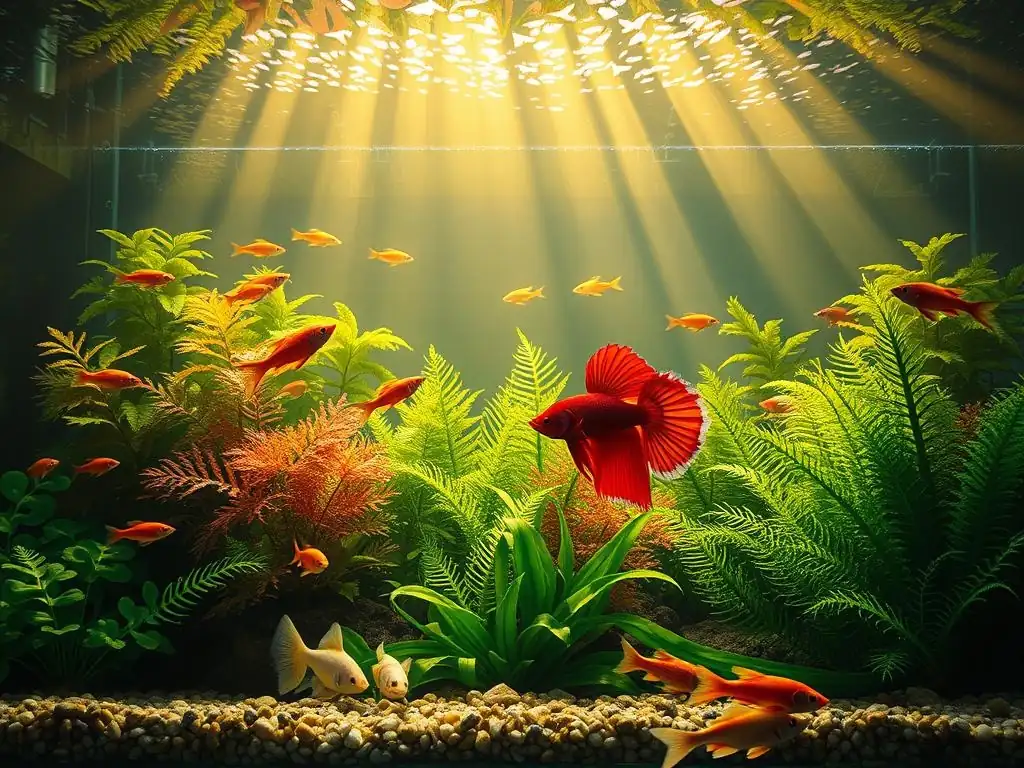
Worried about your finned friend? Is something just not quite right with your fish? This article dives deep into sick fish early symptoms, helping you identify those subtle clues that could save their life. Don't wait until it's too late; uncover the secrets to a healthy aquarium and learn how to spot the warning signs before they become a crisis. Let's get started!
- Recognizing the First Signs of Illness in Your Aquarium Fish
- Subtle Behavioral Changes: Key Indicators of a Sick Fish
- Physical Symptoms: Visible Clues Your Fish Might Be Ill
- Identifying Potential Causes of Fish Sickness
- Taking Action: What to Do When You Suspect Your Fish is Sick
- Preventing Fish Disease: Long-Term Strategies for a Healthy Aquarium
-
Frequently Asked Questions
- What are some of the first signs that my fish might be sick, before obvious symptoms appear?
- How important is water quality in preventing fish diseases, and what parameters should I monitor?
- What are some common behavioral changes that indicate a fish is potentially sick?
- If I suspect my fish is sick, what is the first step I should take to diagnose the problem?
- Where can I find more detailed information on specific fish diseases and their corresponding treatments?
- Final Reflection: The Silent Plea of Our Aquatic Companions
- Revive Your Reef: Take Action Now to Save Your Sick Fish!
Recognizing the First Signs of Illness in Your Aquarium Fish
Why Early Detection of Fish Disease is Crucial for Aquarium Health
Recognizing the subtle early warning signs of disease in your aquarium fish is not just beneficial; it is absolutely crucial for the overall health and longevity of your aquatic ecosystem. Fish diseases can progress at an alarming rate, often turning a minor issue into a severe outbreak within a matter of days.
For instance, a common parasitic infection like Ich (White Spot Disease) can spread from one fish to an entire tank in less than 48 hours if not detected and addressed promptly. Early intervention means you can often treat individual fish or initiate mild, less stressful whole-tank treatments before the disease escalates, saving not only the affected fish but also preventing widespread suffering and potential fatalities among your entire aquatic community.
Furthermore, ignoring these initial indicators can lead to more complex and costly problems. A disease that affects a single fish, if caught early, might only require a simple salt bath or a targeted medication in a quarantine tank. However, if it spreads, you might face the daunting task of treating an entire display tank, which can be significantly more expensive in terms of medication, more stressful for all inhabitants, and disruptive to the tank's delicate biological balance. Learning to spot sick fish early symptoms is therefore an essential skill for any responsible aquarist, transforming potential disasters into manageable situations.
Understanding Baseline Fish Behavior: Knowing What's Normal
Before you can identify sick fish early symptoms, you must first establish a clear understanding of what constitutes normal, healthy behavior for your specific fish species. Every fish has a unique personality and typical daily routines. For example, a healthy neon tetra typically swims actively in a school, exhibiting vibrant coloration, while a healthy betta fish might patrol its territory with flared fins or rest calmly on a leaf. Observing your fish for at least 5-10 minutes daily during feeding times or general tank maintenance is key to understanding their individual baselines.
This regular observation allows you to notice deviations immediately. When a normally active fish becomes lethargic, or a schooling fish isolates itself, these are significant red flags. Healthy fish usually display clear eyes, intact fins, and a strong appetite, and their gill movements are steady and unlabored. By committing to consistent observation, you train your eye to spot the nuanced changes that serve as the earliest indicators of an underlying health issue, empowering you to respond effectively and prevent further complications.
Subtle Behavioral Changes: Key Indicators of a Sick Fish
Changes in Swimming Patterns: A Red Flag for Fish Health
One of the most telling early indicators of a sick fish is an alteration in its typical swimming patterns. Healthy fish move with purpose, whether darting, hovering, or cruising. Any deviation from this norm should immediately capture your attention, as it often signals stress, parasitic infestation, or internal discomfort.
Erratic Swimming: Darting, Jerking, or Spinning
Erratic swimming, characterized by sudden, uncontrolled darting movements, jerking motions, or even spinning, is a common early symptom of various afflictions. Fish might appear to "flash" or rub their bodies against substrate, plants, or decorations in an attempt to dislodge external parasites. This behavior is frequently observed with parasitic infestations like Ich, Velvet, or flukes.
For instance, a fish infected with Ich might repeatedly dart across the tank, then suddenly stop and rub its side against a rock, a clear sign of irritation. If you notice a fish spinning uncontrollably or swimming in tight circles, this can indicate severe neurological damage or advanced internal infections, requiring immediate attention.
Lethargic Movement: Reduced Activity and Listlessness
Conversely, a significant reduction in activity, or listlessness, is another critical behavioral change. A normally active fish that suddenly becomes sluggish, hovers aimlessly, or rests excessively on the bottom or near the surface might be ill. This lethargy can be a general symptom of stress, poor water quality, or the onset of systemic bacterial infections. For example, a typically energetic group of zebra Danios might suddenly become still, with individual fish hovering motionless in the water column, indicating a widespread problem within the tank, potentially related to deteriorating water conditions.
Staying at the Surface or Bottom: Abnormal Positioning
Abnormal positioning, such as constantly staying at the surface or persistently resting on the bottom, often indicates distress. Fish gasping at the surface, especially if there's adequate aeration, suggests a lack of oxygen, which could be due to high ammonia/nitrite levels, high water temperature reducing dissolved oxygen, or gill damage.
For instance, if your fish are constantly at the water's surface, gulping air, and water tests show zero ammonia and nitrite, it might point to a severe gill parasite or bacterial infection impairing their ability to extract oxygen. Conversely, a fish that spends an unusual amount of time lying listlessly on the substrate, perhaps tucked away in a corner, often signals profound weakness, severe internal illness, or even swim bladder issues.
Altered Feeding Habits: Loss of Appetite or Refusal to Eat
Changes in a fish's feeding habits are among the most straightforward and earliest indicators of a potential health problem. A healthy fish is typically eager for food and will readily consume its meals. Any deviation from this behavior warrants immediate investigation.
Sudden Loss of Interest in Food: A Common Symptom
A sudden and unexplained loss of interest in food is a common sick fish early symptom. If your fish, which usually rushes to the surface or eagerly takes food, suddenly ignores it, swims away from it, or simply doesn't react to feeding time, it's a strong sign that something is amiss.
This can be attributed to various factors, including internal parasites, bacterial infections, severe stress, or even simply poor water quality that makes them feel unwell. For instance, if a group of normally voracious mollies suddenly refuse their flakes, even after a small water change, it might indicate a more serious underlying issue like a systemic infection that's affecting their digestive system or overall vitality.
Difficulty Eating: Spitting Food or Struggling to Swallow
Beyond a complete refusal, you might observe your fish attempting to eat but exhibiting difficulty. This could manifest as taking food into its mouth only to spit it out repeatedly, struggling to swallow, or showing discomfort during the feeding process.
This specific behavior can point towards internal blockages, mouth infections, or even advanced internal parasitic infestations that make digestion painful or impossible. For example, a goldfish might repeatedly take in a pellet, chew it for an extended period, and then expel it whole, suggesting a blockage or an infection within its mouth or digestive tract preventing proper consumption and absorption of nutrients.
Isolation and Hiding: A Sign of Stress and Potential Illness
Fish, even solitary species, often exhibit predictable social and spatial behaviors. Any deviation where a fish uncharacteristically withdraws from its usual activities or tank mates is a significant indicator of stress or impending illness.
Uncharacteristic Hiding: Seeking Refuge More Often
If a fish that is typically visible and active suddenly begins to hide more frequently, spending an unusual amount of time tucked away behind decorations, plants, or filter equipment, it's a clear sign of distress. This behavior often suggests the fish feels vulnerable, is experiencing discomfort, or is in the early stages of a systemic disease that saps its energy and confidence.
For example, a normally outgoing Oscar cichlid, known for its bold personality, might begin to spend most of its time wedged behind a heater or filter intake, indicating it feels unwell and is seeking security. This hiding is often a coping mechanism for a fish that is feeling poorly and attempting to conserve energy or avoid perceived threats.
Avoiding Other Fish: Social Withdrawal as an Indicator
In community tanks, a fish's interaction with its tank mates can provide crucial clues. If a schooling fish separates itself from its group, or a normally social fish begins to actively avoid other fish, it can be an early indicator of a problem. This social withdrawal suggests the fish feels weakened, potentially vulnerable to aggression from others, or might even be instinctively isolating itself if it is contagious.
A group of corydoras catfish, usually seen foraging together, might suddenly have one individual consistently staying away from the rest, perhaps even shying away if another cory approaches. This disassociation from the group dynamic is a notable sick fish early symptom, signaling that the fish's immune system might be compromised or it is experiencing significant internal discomfort.
Physical Symptoms: Visible Clues Your Fish Might Be Ill
Changes in Appearance: Spotting Abnormalities
While behavioral changes are often the first sick fish early symptoms, physical alterations provide undeniable visual evidence of illness. Regular, close inspection of your fish's body, fins, and eyes is paramount to catching these signs early.
Fin Clamping: Held Close to the Body
Fin clamping is a very common and easily identifiable physical symptom where a fish holds its fins stiffly and unnaturally close to its body, rather than fanning them out as they normally would. This is a general sign of stress, irritation, or the onset of various diseases, including Ich, fin rot, or poor water quality.
For instance, a healthy guppy's caudal (tail) fin typically flows freely, but a stressed or sick guppy will hold it tightly folded, appearing much smaller. This behavior is the fish's attempt to reduce surface area, potentially to conserve energy or minimize irritation from external factors like parasites.
Cloudy Eyes: A Sign of Infection or Poor Water Quality
Cloudy eyes, where one or both eyes appear hazy, opaque, or even develop a white film, are a serious indicator of underlying issues. This symptom can point to bacterial infections (often systemic), internal parasites, or severe and prolonged exposure to poor water quality, particularly high levels of nitrates or ammonia.
For example, if a normally clear-eyed discus fish develops a milky film over its eyes, it could signify a bacterial infection or chronic stress from suboptimal water conditions. In some severe cases, the eyes might even bulge (popeye), indicating fluid buildup behind the eye, often associated with systemic bacterial infections or internal organ failure.
Bloated Abdomen: Potential Internal Issues or Dropsy
A bloated abdomen, where the fish's belly appears unnaturally swollen, is a distressing physical symptom that can indicate a range of serious internal issues. This can range from simple constipation to more severe conditions like internal bacterial infections, organ failure, or the dreaded Dropsy (ascites). Dropsy is characterized by a severely bloated body accompanied by scales that stand out from the body, resembling a pinecone.
This "pinecone effect" is caused by fluid retention within the body cavity, often a symptom of kidney failure or severe internal bacterial infection. For example, a normally streamlined neon tetra developing a noticeably distended belly, especially if its scales begin to protrude, is a critical sign requiring immediate isolation and diagnosis.
Skin and Scale Issues: Ulcers, Spots, and Discoloration
The skin and scales of a fish are its primary protective barrier. Any abnormalities in this area are direct indicators of external parasites, bacterial infections, or fungal growths.
White Spots on Fins or Body: Ich (White Spot Disease)
The appearance of small, distinct white spots on the fins or body, resembling grains of salt or sugar, is the classic symptom of Ichthyophthirius multifiliis, commonly known as Ich or White Spot Disease. This is one of the most common and recognizable parasitic infections in freshwater aquariums. These spots are actually cysts embedded in the fish's skin.
A fish with an Ich infestation might also exhibit flashing behavior (rubbing against objects) due to irritation. For instance, if you notice a guppy with several tiny white dots scattered across its tail fin and body, it's highly likely to be Ich, which is highly contagious and requires prompt treatment to prevent it from spreading throughout the tank.
Fuzzy Growth: Fungal Infections
The presence of white, gray, or brownish cotton-like growths on the fish's skin, fins, or mouth is a clear sign of a fungal infection. Fungal infections, such as Saprolegnia, are typically secondary infections, meaning they often take hold when a fish is already weakened by stress, injury, or another primary disease.
They thrive in poor water quality and can quickly spread if left untreated. For example, a fish that has a recent scrape from a sharp decoration might develop a small patch of fuzzy white growth on the wound, indicating a fungal infection taking advantage of the compromised skin barrier.
Red Streaks or Sores: Bacterial Infections
Red streaks, open sores, ulcers, or inflamed patches on the body or fins are strong indicators of bacterial infections. These can range from localized infections like fin rot (where fins appear frayed, ragged, and sometimes red at the edges) to more systemic issues like hemorrhagic septicemia, which causes widespread redness and bleeding under the skin.
For example, if your fish's fins, particularly the caudal fin, show signs of erosion with red, inflamed edges, it's a classic case of fin rot, often caused by poor water quality. Large, open sores or red lesions on the body can signify more severe bacterial infections that require immediate and aggressive treatment.
Respiratory Distress: Signs of Breathing Difficulty
Fish breathe by extracting oxygen from the water through their gills. Any signs of labored breathing or difficulty in respiration are critical sick fish early symptoms that warrant immediate attention, often pointing to issues with water quality, gill health, or oxygen levels.
Rapid Gill Movement: Increased Respiration Rate
Observing your fish's gills can provide crucial insights into its health. A healthy fish's gills open and close at a steady, rhythmic pace. If you notice your fish's gills moving significantly faster than normal, even when the fish is resting, it indicates an increased respiration rate.
This is often a sign that the fish is struggling to take in enough oxygen, which can be due to low dissolved oxygen levels in the water, the presence of toxins like ammonia or nitrite, or an infestation of gill parasites. For example, a normal goldfish might have a gill beat rate of 60-80 movements per minute, but if it's struggling, this could easily jump to 100-150 movements per minute.
Gasping at the Surface: Lack of Oxygen or Gill Disease
One of the most obvious signs of respiratory distress is a fish constantly staying at the water's surface, gulping or "gasping" for air. This behavior indicates a severe lack of oxygen in the water or a significant impairment of the fish's gills, preventing efficient oxygen uptake.
While sometimes caused by high water temperatures or insufficient aeration, it can also be a symptom of severe gill infections (bacterial or parasitic) that damage the gill tissue. If multiple fish are exhibiting this behavior, it's a strong indicator of a widespread water quality problem, such as dangerously high ammonia or nitrite levels, or critically low dissolved oxygen.
Identifying Potential Causes of Fish Sickness
Poor Water Quality: The Number One Culprit
Over 90% of fish diseases can be directly linked back to poor water quality. Maintaining stable and optimal water parameters is the cornerstone of fish health, as deviations create stress, weaken immune systems, and directly poison fish.
Ammonia and Nitrite Poisoning: Understanding the Nitrogen Cycle
Ammonia (NH3/NH4+) and nitrite (NO2-) are highly toxic compounds that accumulate in an aquarium as a result of fish waste, uneaten food, and decaying organic matter. In a healthy, cycled aquarium, beneficial bacteria convert ammonia into nitrite, and then nitrite into much less harmful nitrate (NO3-). If this nitrogen cycle is incomplete or disrupted (e.g., in a new tank, after a filter crash, or due to overfeeding), ammonia and nitrite levels can spike.
Ammonia directly burns fish gills and internal organs, while nitrite impairs the blood's ability to carry oxygen. Even low concentrations, such as ammonia above 0.25 ppm or nitrite above 0.5 ppm, can cause severe stress, gill damage, and make fish highly susceptible to secondary infections, often leading to rapid decline and death.
pH Imbalance: Maintaining Optimal Water Parameters
The pH level of aquarium water, which measures its acidity or alkalinity, is crucial for fish health. Most freshwater fish thrive within a specific pH range (e.g., 6.5-7.5 for many community fish, 8.0-8.2 for African cichlids). Sudden or drastic fluctuations in pH can cause severe stress and pH shock, which damages gills and internal organs, making fish vulnerable to disease.
For instance, a sudden drop in pH from 7.5 to 6.0 within a few hours, perhaps due to neglected water changes or an unnoticed decaying organism, can be lethal to many species. While some fish can adapt to a stable pH outside their ideal range, rapid changes of even 0.5-1.0 pH units over a short period are highly detrimental. Consistent monitoring and maintaining a stable pH within the species' preferred range are vital for preventing stress and sickness.
Stress Factors: Weakening the Immune System
Stress is a major contributing factor to fish disease because it severely weakens a fish's immune system, making them highly susceptible to pathogens that they might otherwise easily fight off. Identifying and mitigating stress factors is crucial for prevention.
Overcrowding: Insufficient Space for Fish
Overcrowding is a pervasive stressor in many home aquariums. Placing too many fish in a tank not only increases the bioload (amount of waste produced), leading to rapid deterioration of water quality, but also creates physical and psychological stress.
Insufficient space can lead to aggression among tank mates, constant competition for resources like food and hiding spots, and a general lack of personal territory. For example, housing 15 guppies in a 10-gallon tank, when a maximum of 5-7 is generally recommended, will inevitably lead to stress, stunted growth, and increased susceptibility to diseases like fin rot and Ich due to the constant stress and poor water conditions.
Aggression from Tank Mates: Bullying and Harassment
Aggression from tank mates, whether due to incompatible species, territorial disputes, or simply bullying, is a significant source of chronic stress for fish. Constant chasing, nipping at fins, or preventing a fish from accessing food or hiding spots can lead to physical injuries, exhaustion, and a compromised immune system.
A fish constantly harassed by a dominant tank mate will display classic sick fish early symptoms like hiding, clamped fins, and refusal to eat. For instance, if a normally peaceful community tank includes a semi-aggressive species like a Convict Cichlid in too small a tank, it might relentlessly bully smaller fish, leading to torn fins, scale damage, and chronic stress that predisposes them to opportunistic infections.
Sudden Changes in Water Temperature: Temperature Shock
Fish are ectothermic, meaning their body temperature is regulated by their environment. Sudden or drastic fluctuations in water temperature, often referred to as temperature shock, can cause immense physiological stress. This can occur during large, unheated water changes or due to heater malfunctions.
A rapid temperature swing of even 5-10°F (3-5°C) within a short period can severely weaken a fish's immune system, making it highly vulnerable to diseases like Ich, which thrives when fish are stressed by temperature changes. For example, adding cold tap water directly to an aquarium during a water change without proper temperature matching can shock tropical fish, causing immediate stress and potentially triggering an Ich outbreak within days.
Introduction of New Fish: Quarantine is Essential
The introduction of new fish is one of the most common ways diseases enter an established aquarium. Even seemingly healthy new arrivals can carry dormant pathogens or external parasites that can quickly devastate an existing, healthy population.
The Importance of Quarantining New Arrivals
Quarantining new fish in a separate, dedicated quarantine tank for a period of 2 to 4 weeks is a non-negotiable best practice for responsible aquarists. This isolation period allows you to observe the new fish closely for any sick fish early symptoms, such as behavioral changes, physical abnormalities, or signs of disease.
During quarantine, you can treat any emerging illnesses without exposing your main display tank. For instance, if a newly acquired fish develops Ich spots during its 3-week quarantine, you can treat it effectively in the smaller, less complex quarantine setup, preventing the highly contagious parasite from entering and potentially wiping out your established community.
Preventing the Spread of Disease to Established Fish
The primary goal of quarantine is to act as a crucial barrier, preventing the introduction and subsequent spread of pathogens from new arrivals to your established fish population. Many common fish diseases, including Ich, Velvet, and various bacterial infections, are highly contagious. Without quarantine, a single infected new fish can introduce a pathogen that rapidly infects and potentially kills every other fish in your main tank. A proper quarantine protocol, including observation and prophylactic treatments if necessary, significantly reduces the risk of devastating outbreaks, protecting your existing aquatic investment and ensuring the long-term health of your entire aquarium ecosystem.
Taking Action: What to Do When You Suspect Your Fish is Sick
Immediate Steps: Isolating the Affected Fish
When you first notice sick fish early symptoms, swift action can make a significant difference in the outcome. The very first step should almost always be to isolate the affected fish.
Setting Up a Quarantine Tank: A Safe Haven for Treatment
A dedicated quarantine tank is an invaluable tool for any serious aquarist. This separate setup, typically a 5-10 gallon tank for smaller fish, should be equipped with a small heater, a simple sponge filter (often run in the main tank for biological media), and an air stone for aeration.
It should ideally be bare-bottomed, making cleaning and observation easier. Moving the sick fish to this tank immediately serves multiple purposes: it prevents the potential spread of disease to healthy tank mates, reduces stress on the sick fish by removing it from competition or aggression, and allows for precise medication dosages without affecting the main tank's biological filter or sensitive invertebrates.
Observing the Fish Closely: Monitoring Symptoms and Progress
Once isolated, the next crucial step is to observe the affected fish even more closely. Keep a detailed log of its symptoms, including any changes in behavior, appetite, or physical appearance. Note the exact time of day, how much it eats (or doesn't), and the progression or regression of its symptoms.
This meticulous observation is vital for accurate diagnosis and for assessing the effectiveness of any treatment. For example, if a fish with fin rot shows improvement after 24-48 hours in a salt bath, with less inflammation and some regrowth, it indicates the treatment is working. This close monitoring allows you to adjust treatments as needed and provides valuable data for future reference.
Testing Water Parameters: Ensuring Optimal Conditions
Regardless of the suspected illness, the very next step after isolation should be to thoroughly test your main tank's water parameters. Poor water quality is the leading cause of fish stress and disease.
Using a Water Testing Kit: Checking Ammonia, Nitrite, Nitrate, and pH
A reliable liquid-based water testing kit is an essential piece of equipment. Immediately test your main tank water for ammonia, nitrite, nitrate, and pH. These four parameters provide a comprehensive snapshot of your water quality and biological filter's health. Ammonia and nitrite should always read 0 ppm.
Nitrates should ideally be below 20 ppm for most freshwater tanks. The pH should be stable and within the preferred range for your specific fish species. For instance, if your tests reveal ammonia at 0.5 ppm and nitrite at 1.0 ppm, you've identified a major stressor and potential direct cause of your fish's illness.
Adjusting Water Chemistry: Correcting Imbalances
Based on your water test results, take immediate steps to correct any imbalances. The most effective method for reducing high levels of ammonia, nitrite, or nitrate is performing a partial water change. For example, a 25-50% water change can significantly dilute toxin concentrations.
Ensure the new water is dechlorinated and temperature-matched to avoid further stress. If pH is unstable or outside the ideal range, gradual adjustments can be made using appropriate buffers, though stability is more important than hitting an exact number. Consistent water changes and proper filtration are foundational to preventing water quality issues from being a recurring cause of sick fish early symptoms.
Considering Treatment Options: Medications and Natural Remedies
Once the fish is isolated and water quality checked, you can begin to consider specific treatment options. This requires careful consideration and, ideally, an accurate diagnosis.
Identifying the Specific Disease: Accurate Diagnosis is Key
Effective treatment hinges on accurate diagnosis. While some sick fish early symptoms are general, others are highly indicative of specific diseases. For example, white spots confirm Ich, while fuzzy growth points to fungus. Consult reputable aquarium health guides or online resources (like AquariumMastery.com) to match your fish's symptoms to known diseases. Misdiagnosing a bacterial infection as a parasitic one, for instance, will lead to ineffective treatment and potentially worsen the fish's condition. If you're unsure, it's often safer to start with broad-spectrum treatments or focus on improving water quality and reducing stress, which benefits most conditions.
Using Appropriate Medications: Following Dosage Instructions Carefully
If a specific disease is identified, select an appropriate medication. Always read and follow the dosage instructions on the medication packaging precisely. Overdosing can be as harmful as the disease itself, potentially leading to organ damage or death.
Many medications require a full course of treatment, often lasting 3-7 days, even if symptoms appear to improve after the first dose. For example, a common Ich treatment might require daily dosing for 5 days with a 25% water change before each dose; adhering to this schedule is critical to break the parasite's life cycle. Remove carbon filtration during treatment, as it will absorb the medication, rendering it ineffective.
Natural Remedies: Salt Baths for Fin Rot
In some cases, or as a first line of defense for less severe conditions, natural remedies can be effective. Aquarium salt (sodium chloride, non-iodized) is a versatile and gentle treatment for many external parasites and bacterial infections, particularly fin rot or minor injuries. A salt bath involves placing the fish in a separate container with a higher concentration of aquarium salt (e.g., 1-3 teaspoons per gallon) for a limited time (10-30 minutes), then returning it to the quarantine tank.
This can help reduce osmotic stress, kill external parasites, and aid in healing. For instance, a daily salt bath for a fish with mild fin rot can often resolve the issue within a week without resorting to stronger medications.
Preventing Fish Disease: Long-Term Strategies for a Healthy Aquarium
Maintaining Pristine Water Quality: Regular Water Changes and Filtration
The most effective strategy for preventing fish disease is consistently maintaining pristine water quality. This involves a combination of regular maintenance and effective filtration.
Performing Weekly Water Changes: Removing Waste and Toxins
Regular partial water changes are the single most important maintenance task for a healthy aquarium. They remove accumulated nitrates, phosphates, and other dissolved organic compounds that filtration alone cannot fully eliminate. For most community tanks, a weekly water change of 20-30% of the tank's volume is an excellent general guideline.
For example, in a 20-gallon tank, changing 4-6 gallons weekly will significantly dilute pollutants and replenish essential minerals, keeping the water parameters stable and reducing stress on your fish. This consistent removal of toxins directly contributes to a stronger immune system for your fish, making them far less susceptible to sick fish early symptoms.
Choosing an Appropriate Filter: Biological, Mechanical, and Chemical Filtration
Selecting and maintaining an appropriate filter is crucial for water quality. A good filter provides three types of filtration:
- Mechanical filtration removes physical debris (uneaten food, waste) using sponges or filter floss, preventing water cloudiness and decomposition.
- Biological filtration (the most critical) uses media with high surface area (e.g., ceramic rings, bio-balls, sponge) to house beneficial bacteria that convert toxic ammonia and nitrite into less harmful nitrate, completing the nitrogen cycle.
- Chemical filtration (e.g., activated carbon, Purigen) removes dissolved organic pollutants, odors, and discoloration.
For example, using a hang-on-back filter rated for a tank size larger than your actual aquarium (e.g., a filter for a 40-gallon tank on a 20-gallon setup) often provides superior mechanical and biological capacity, ensuring clearer water and a more stable environment, thereby proactively preventing conditions that lead to sick fish early symptoms.
Providing a Balanced Diet: Proper Nutrition for Fish Health
Just like humans, fish need a balanced and varied diet to maintain a strong immune system and overall vitality. Poor nutrition can lead to deficiencies, stunted growth, and increased susceptibility to disease.
Offering a Variety of Foods: Flakes, Pellets, and Frozen Foods
A balanced diet should consist of high-quality flakes or pellets as a staple, supplemented with a variety of other foods. Offering different types of food ensures a broad spectrum of nutrients, vitamins, and minerals. For instance, supplementing your fish's daily flake diet with frozen brine shrimp or bloodworms 2-3 times a week provides essential proteins and fats, enhancing their coloration and boosting their immune response. Live foods, if sourced safely, can also offer beneficial enrichment. This dietary diversity strengthens your fish's natural defenses, making them more resilient against pathogens and less likely to exhibit sick fish early symptoms.
Avoiding Overfeeding: Preventing Water Contamination
While providing a varied diet is important, avoiding overfeeding is equally crucial. Overfeeding leads to uneaten food decaying in the tank, which rapidly pollutes the water by releasing ammonia and nitrite. This not only stresses fish but also fuels the growth of harmful bacteria and algae.
A good rule of thumb is to feed only what your fish can consume entirely within 2-3 minutes, once or twice a day. For example, if you notice flakes sinking to the bottom and remaining there after a few minutes, you are likely overfeeding. Feeding smaller, more frequent meals is often better than one large meal, as it allows fish to digest properly and minimizes waste, thereby preventing water quality issues that can trigger sick fish early symptoms.
Observing Your Fish Regularly: Early Detection Saves Lives
The most powerful tool an aquarist possesses in preventing and managing fish disease is consistent, diligent observation. This simple habit can literally save lives.
Daily Observation: Looking for Subtle Changes in Behavior and Appearance
Make it a daily ritual to spend at least 5-10 minutes observing your fish closely. This isn't just about admiring them; it's about actively looking for any subtle deviations from their normal behavior or appearance. Pay attention during feeding time: are they all eating eagerly? Are any fish hiding more than usual?
Do their fins look healthy and open? Are there any spots, discolorations, or unusual growths? For example, noticing a single fish with slightly clamped fins or a faint white spot, even before it affects its swimming, can allow you to intervene immediately, isolating and treating the individual before the condition spreads to the entire tank.
Maintaining a Healthy and Thriving Aquarium: A Rewarding Experience
By consistently applying these long-term strategies—maintaining pristine water quality, providing a balanced diet, and observing your fish regularly—you create a robust and resilient environment. A healthy aquarium is a joy to behold, with vibrant, active fish that exhibit their natural behaviors. This proactive approach minimizes stress, strengthens immune systems, and significantly reduces the likelihood of disease outbreaks. The reward for your diligence is a thriving aquatic ecosystem where your fish live out their full lifespans, often reaching 3-5 years or more for common species, providing countless hours of serene enjoyment and a profound sense of accomplishment.
Frequently Asked Questions
What are some of the first signs that my fish might be sick, before obvious symptoms appear?
Early signs of a sick fish often include subtle changes like decreased appetite, lethargy or reduced activity, and slight changes in coloration or fin appearance. Observing your fish's normal behavior is crucial for noticing these subtle changes.
How important is water quality in preventing fish diseases, and what parameters should I monitor?
Maintaining optimal water quality is paramount in preventing disease. Regularly monitor parameters like ammonia, nitrite, nitrate, and pH, as imbalances can stress fish and make them susceptible to illness.
What are some common behavioral changes that indicate a fish is potentially sick?
Beyond lethargy, look for signs like isolation from the group, erratic swimming, flashing (rubbing against objects), or gasping at the surface, all of which can indicate underlying health issues.
If I suspect my fish is sick, what is the first step I should take to diagnose the problem?
The first step is to isolate the sick fish in a quarantine tank to prevent potential spread of disease. Then, carefully observe the fish and research potential causes based on the observed symptoms.
Where can I find more detailed information on specific fish diseases and their corresponding treatments?
AquariumMastery.com provides comprehensive articles on a variety of fish diseases, including symptoms, causes, and treatment options. Use the site's search function or browse the troubleshooting guides for specific information.
Final Reflection: The Silent Plea of Our Aquatic Companions
The information presented throughout this article highlights the critical importance of proactive observation in maintaining the health of our fish. Recognizing sick fish early symptoms isn't just about preserving a pet; it's about understanding and responding to the needs of a living creature that depends entirely on our care. The ability to identify these subtle signs empowers us to intervene before a minor ailment escalates into a life-threatening situation, fostering a deeper connection with our aquatic ecosystems, however small they may be.
This understanding extends beyond the individual aquarium and ripples into a broader awareness of animal welfare. The responsibility we undertake when bringing an animal into our lives, be it a dog, a cat, or a fish, demands that we become informed and attentive caregivers. The greatness of a nation and its moral progress can be judged by the way its animals are treated.
- Mahatma Gandhi. This quote, though often applied to larger animals, holds equal weight for the smaller, often overlooked creatures in our care.
So, as you observe your fish swimming gracefully in their underwater world, remember the lessons shared in this article. Let your awareness be heightened, your observation keen, and your response swift. By becoming vigilant guardians of their health, we not only ensure their well-being but also cultivate a deeper appreciation for the delicate balance of life within our own homes and beyond. Take the knowledge you've gained and transform it into action, becoming a champion for the silent plea of your aquatic companions.
Revive Your Reef: Take Action Now to Save Your Sick Fish!
Thanks for diving deep into the world of fish health with us! We hope this article empowered you to recognize those subtle warning signs early on. Now, let's translate that knowledge into action to ensure your aquatic friends thrive!
Here's what you can do right now:
- Isolate the potentially sick fish into a quarantine tank. This single action prevents the spread of disease to the rest of your aquarium's inhabitants.
- Carefully observe all your fish for the next 48 hours, noting any changes in behavior, appetite, or physical appearance.
- Share this article with fellow aquarium enthusiasts to spread awareness and potentially help them save their fish!
What's the first concrete step you'll take to improve your aquarium's health today?