
Biotope Aquarium Challenges: Overcoming Obstacles in Recreating Wild Habitats

Welcome to Aquarium Mastery!
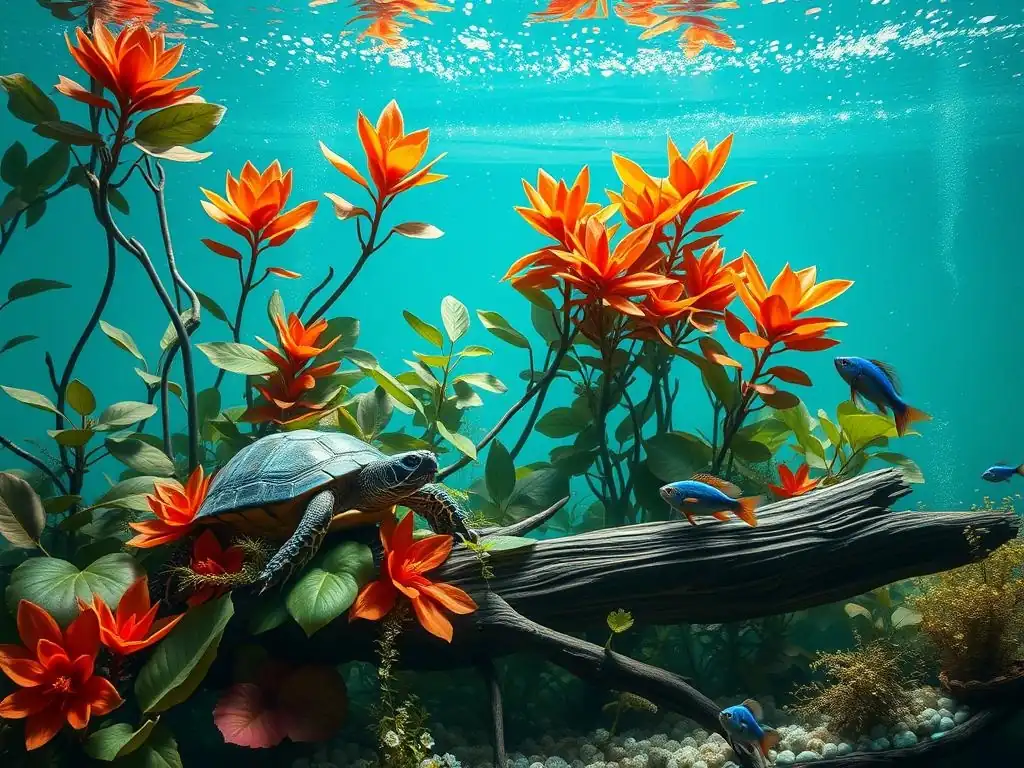
Ever dreamt of recreating a slice of the Amazon, a shimmering reef, or the depths of Lake Tanganyika in your living room? That's the allure of a biotope aquarium. But before you dive in, be prepared! Our latest article tackles the Biotope aquarium setup challenges head-on, uncovering the hidden hurdles and offering practical solutions. Are you ready to master the art of replicating nature's beauty? Let's explore!
- Understanding the Biotope Aquarium Concept
- Key Challenges in Biotope Aquarium Setup
- Challenges Related to Fish Selection for Biotope Aquariums
- Plant Selection Challenges in Biotope Aquariums
- Overcoming Substrate and Hardscape Challenges
- Water Chemistry and Parameter Control Challenges
- Addressing Lighting Challenges in Biotope Aquariums
- Long-Term Maintenance of Biotope Aquariums: Sustainability and Monitoring
- Troubleshooting Common Biotope Aquarium Problems
- Advanced Biotope Aquarium Techniques
- Case Studies: Successful Biotope Aquarium Recreations
- Resources for Biotope Aquarium Enthusiasts
-
Frequently Asked Questions
- What are some of the biggest challenges in setting up a biotope aquarium?
- Why is accurate research so crucial for a successful biotope aquarium setup?
- What are some common mistakes that aquarists make when trying to replicate water chemistry in a biotope aquarium?
- How difficult is it to source the correct plants and fish for a particular biotope aquarium?
- What are the long-term maintenance challenges associated with biotope aquariums?
- Final Reflection: Embracing the Complexity of Nature
- Craft Your Underwater Paradise
Understanding the Biotope Aquarium Concept
What is a Biotope Aquarium? Defining the Authentic Ecosystem
A biotope aquarium is a specialized aquatic setup designed to meticulously replicate a specific natural aquatic habitat, including its water chemistry, substrate, hardscape, flora, and fauna. The goal is to create an authentic microcosm of a particular geographical location, whether it's a stretch of the Amazon River, a segment of an African Rift Lake, or a quiet Asian rice paddy. This goes beyond simply housing fish and plants; it's about understanding and recreating the complex interdependencies found in a wild ecosystem.
Unlike a general community tank, a biotope aquarium focuses on biological accuracy, aiming to provide environmental conditions that are as close as possible to the species' native range. This often means replicating specific water parameters like pH, hardness, and temperature, as well as incorporating authentic elements such as specific types of wood, rocks, or leaf litter found in that exact region. The dedication to this level of detail is what truly defines a biotope setup.
The Appeal of Biotope Aquariums: Why Recreate Natural Habitats?
The allure of biotope aquariums stems from several factors, primarily the deep satisfaction of recreating a slice of nature and observing aquatic life in its most natural state. Enthusiasts are drawn to the educational aspect, learning about specific ecosystems, their inhabitants, and the intricate relationships between them. It offers a unique window into biodiversity, fostering a greater appreciation for conservation and the delicate balance of aquatic environments.
Furthermore, biotope aquariums often encourage more natural behaviors from fish, including breeding, schooling, and territorial displays, which may not be observed in a general community tank. The aesthetic appeal is also significant; a well-executed biotope can be breathtakingly beautiful, showcasing the subtle elegance of a natural environment rather than a collection of disparate species. This immersive experience makes overcoming biotope aquarium setup challenges a rewarding endeavor.
Key Challenges in Biotope Aquarium Setup
Difficulty in Researching Specific Biotopes: Accurate Data Gathering
One of the foremost biotope aquarium setup challenges is the extensive and precise research required to accurately identify and replicate a specific habitat. Information on exact water parameters, substrate composition, prevalent plant species, and the full range of fish inhabitants for a precise micro-biotope can be scarce or scattered across various scientific papers, field reports, and anecdotal accounts. This often necessitates cross-referencing multiple sources and interpreting data that might not be directly tailored for aquarium use.
For instance, finding precise pH, GH, KH, and temperature ranges for a small tributary of the Rio Negro in a specific season, along with the exact types of driftwood and leaf litter present, demands significant investigative work. Aquarists must sift through ichthyological studies, botanical surveys, and even geographical data to piece together a comprehensive picture. The lack of a single, definitive database for every conceivable biotope makes this initial data gathering a time-consuming and often complex hurdle.
Sourcing Authentic Biotope Elements: Plants, Substrates, and Hardscape
Another significant biotope aquarium setup challenge lies in sourcing authentic materials that truly belong to the chosen habitat. While common aquarium plants and decor are readily available, finding species-specific plants, unique types of wood, or particular rock formations indigenous to a precise biotope can be incredibly difficult and expensive. For example, recreating a specific Southeast Asian blackwater stream might require very particular types of Cryptocoryne species that are not widely cultivated or easily imported.
Similarly, obtaining the correct substrate, such as fine, dark silica sand for an Amazonian biotope or specific crushed coral for a Lake Tanganyika setup, often means searching specialized suppliers. Wild-collected hardscape elements like rare driftwood shapes or specific river stones need to be sourced responsibly and prepared meticulously to ensure they are safe for the aquarium environment, free from pesticides or unwanted organisms. This often involves extensive cleaning, boiling, or soaking processes to prevent contamination.
Replicating Water Chemistry: Achieving the Correct Parameters
Replicating the precise water chemistry of a natural biotope is a critical and often demanding aspect of a biotope aquarium setup. Natural habitats can exhibit extreme variations in pH, hardness (GH and KH), and dissolved mineral content, which are challenging to consistently maintain in a closed system. For instance, an Amazonian blackwater biotope might require a pH as low as 4.5-6.0 with virtually no hardness (0-2 dGH), while a Lake Malawi biotope demands a high pH of 7.8-8.5 and significant hardness (10-20 dGH).
Achieving these specific parameters often involves using specialized water sources like reverse osmosis (RO) or deionized (DI) water, which then needs to be carefully remineralized to the exact specifications. Buffering agents, peat, specific substrates, or mineral additives are employed to adjust and stabilize these levels. The constant monitoring with accurate test kits and precise adjustments needed to prevent fluctuations can be a continuous and demanding task, adding considerably to biotope aquarium setup challenges.
Maintaining Water Quality in a Biotope Aquarium: Long-Term Stability
Beyond initially replicating water chemistry, maintaining pristine water quality and long-term stability is an ongoing biotope aquarium setup challenge. The delicate balance of a biotope can be easily disrupted by factors such as fish waste, uneaten food, decaying plant matter, and even the natural breakdown of organic hardscape elements like driftwood or leaf litter. Accumulation of nitrates, phosphates, and other dissolved organic compounds can quickly lead to imbalances, affecting the health of sensitive biotope species.
Effective filtration tailored to the biotope's needs, regular partial water changes, and diligent substrate cleaning are paramount. For example, a heavily planted Amazonian biotope might require less frequent substrate vacuuming due to the plants' nutrient uptake, but still needs consistent water changes to manage dissolved organics. Conversely, a rock-heavy Lake Malawi setup with a higher bioload will demand more rigorous waste removal. Constant monitoring of parameters like ammonia (ideally 0 ppm), nitrite (ideally 0 ppm), and nitrate (typically below 20 ppm) is essential to ensure the long-term health and stability of the simulated ecosystem.
Finding Biotope-Correct Fish Species: Availability and Legality
One of the significant biotope aquarium setup challenges involves finding fish species that are genuinely native to the specific biotope being recreated. While some popular species like Cardinal Tetras ( Paracheirodon axelrodi) are widely available for Amazonian setups, many other, more specialized or rarer fish are difficult to source. This often means searching for reputable breeders or specialized importers who deal in less common wild-caught or specific locality specimens.
Furthermore, the legality of acquiring certain species can be a hurdle. Some fish are protected under international conventions like CITES (Convention on International Trade in Endangered Species of Wild Fauna and Flora), requiring special permits for trade. Ethical considerations regarding wild-caught versus captive-bred specimens also come into play, with many hobbyists preferring captive-bred fish to reduce environmental impact, though these may not always be available for every desired biotope species.
Ensuring Compatibility: Species Interactions in a Confined Space
Even when biotope-correct fish are found, ensuring their long-term compatibility within the confines of an aquarium is another complex biotope aquarium setup challenge. Fish from the same natural biotope can still exhibit aggression, territoriality, or specific social dynamics that need careful consideration in a limited space. For instance, while many Mbuna cichlids are native to Lake Malawi, mixing overly aggressive species or failing to provide enough rockwork and territories can lead to severe conflict and stress.
Understanding the natural schooling sizes, dietary needs, and preferred water column levels for each species is crucial. A group of 15-20 schooling fish might be necessary to dilute aggression or encourage natural behavior, rather than just 3-4 individuals. Researching species-specific behaviors and providing ample hiding spots, broken lines of sight, and appropriate tank size are vital to prevent stress-related diseases and ensure a harmonious biotope community.
Quarantine Procedures for Biotope Fish: Preventing Disease Introduction
Introducing new fish to an established biotope aquarium without proper quarantine is a major risk and a potential cause of significant biotope aquarium setup challenges. Even seemingly healthy fish can carry parasites, bacteria, or viruses that, once introduced, can quickly decimate an entire biotope, especially one housing sensitive or rare species. A dedicated quarantine tank is essential, separate from the main biotope.
A typical quarantine period of 4-6 weeks is recommended, during which new fish are closely observed for signs of disease, such as clamped fins, white spots (Ich), abnormal swimming, or labored breathing. Prophylactic treatments for common parasites like Ich or external bacterial infections may be administered during this period. This proactive step significantly reduces the risk of introducing pathogens that could destabilize the carefully balanced biotope ecosystem and lead to widespread health issues among its inhabitants.
Plant Selection Challenges in Biotope Aquariums
Locating Biotope-Appropriate Aquatic Plants: Rarity and Cost
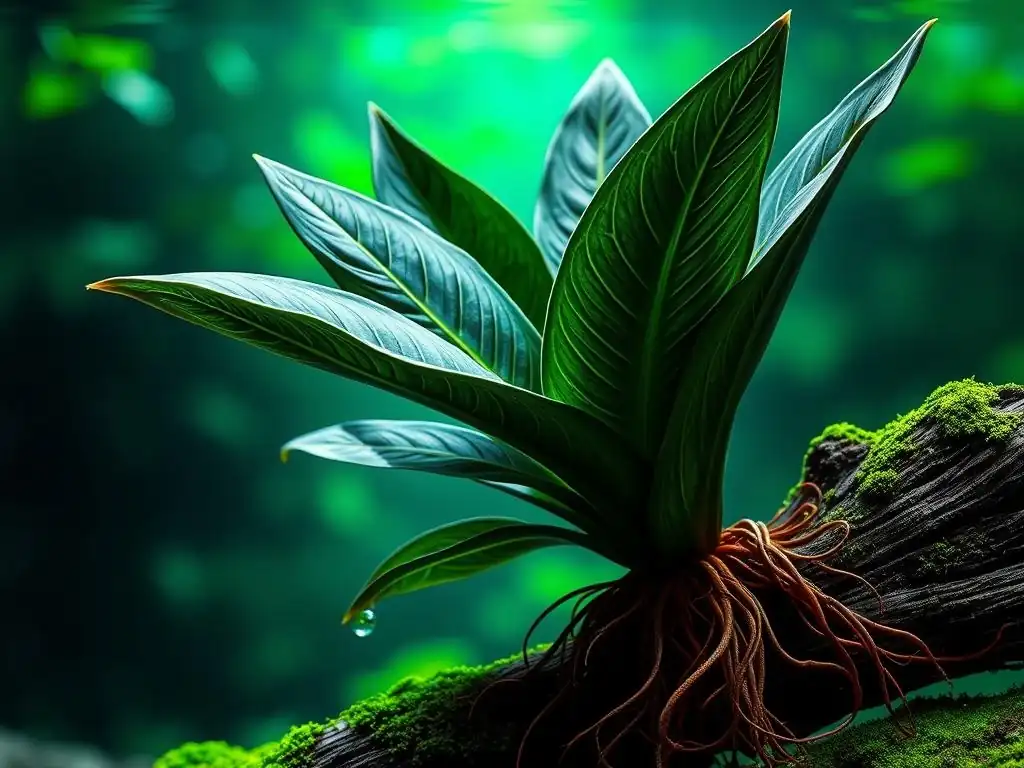
Finding aquatic plant species that are truly authentic to a specific biotope can be as challenging as sourcing the correct fish. Many common aquarium plants are hybrids or cultivated varieties not found in specific wild habitats, or they originate from entirely different continents. For example, recreating a true Amazonian blackwater biotope would mean limiting plant choices to a select few Echinodorus species, Cabomba, or Nymphaea, rather than the wide variety of Asian stem plants often seen in planted tanks.
Some biotope-specific plants are rare in the aquarium trade, either because they are difficult to cultivate commercially, have very specific growth requirements, or are subject to import restrictions. This rarity often translates to higher costs. Aquarists may need to seek out specialized nurseries or fellow hobbyists who propagate these less common species, adding another layer of complexity to the biotope aquarium setup challenges.
Meeting Specific Plant Needs: Light, Nutrients, and Substrate
Once biotope-appropriate plants are acquired, meeting their precise environmental needs is another significant hurdle. Plants from different biotopes have vastly different requirements for light intensity and spectrum, CO2 levels, nutrient availability in the water column, and substrate composition. For instance, a plant like Cryptocoryne wendtii from Southeast Asia thrives in moderate light and nutrient-rich substrate, while a Cabomba aquatica from the Amazon prefers brighter light and can draw nutrients from the water column.
The challenge intensifies when a biotope requires a mix of plant types with diverse needs. Balancing high light for one species and moderate light for another, or ensuring specific trace elements are available for all, requires careful planning and monitoring. Substrate choice is also crucial; some plants are heavy root feeders and require nutrient-rich soil, while others are epiphytic and prefer to attach to wood or rocks. Incorrect parameters can lead to stunted growth, deficiency symptoms, or ultimately, plant death.
Preventing Invasive Species: Responsible Plant Sourcing
Beyond meeting specific plant needs, responsible plant sourcing is vital to prevent the introduction of invasive species or unwanted pests into a biotope aquarium. Plants often come with hitchhikers such as snails, algae, or even tiny insect larvae that can disrupt the delicate balance of a biotope. More critically, if non-native aquatic plants are accidentally introduced into local waterways through improper disposal, they can become highly invasive, outcompeting native flora and disrupting ecosystems.
To mitigate this, new plants should always be thoroughly inspected and ideally quarantined in a separate container for a period. Methods like a potassium permanganate dip or a brief bleach dip (followed by thorough rinsing) can kill snails and algae. It is also imperative to research the origin and potential invasiveness of any plant species before adding it to an aquarium and to ensure proper disposal of any unwanted plant material, never flushing it down the drain or releasing it into natural bodies of water.
Overcoming Substrate and Hardscape Challenges
Sourcing Biotope-Accurate Substrates: Gravel, Sand, and Soil Composition
The substrate is a foundational element of any biotope aquarium, and sourcing biotope-accurate gravel, sand, or soil can be a significant biotope aquarium setup challenge. The type, color, and grain size of the substrate must match the specific natural habitat. For example, a true Amazonian biotope often features very fine, light-colored silica sand, while a Lake Malawi setup might use coarser, lighter sand or crushed coral to maintain high pH. Some biotopes require nutrient-rich soil for specific plant growth, while others are dominated by bare rock.
The primary challenge is finding inert materials that will not leach unwanted chemicals or alter water parameters outside the desired range. Many decorative gravels can contain minerals that impact water hardness or pH. Aquarists must carefully research and select substrates, often opting for specialized aquarium-grade sands or inert gravels. For planted biotopes, the choice between inert sand with root tabs or a nutrient-rich aquasoil must be carefully weighed against the biotope's specific requirements.
Replicating Natural Hardscape: Rocks, Wood, and Leaf Litter
Replicating the natural hardscape—the rocks, wood, and leaf litter—is crucial for biotope authenticity and poses its own set of biotope aquarium setup challenges. The shapes, sizes, and types of rocks and wood must accurately reflect the chosen habitat. For a Rio Negro biotope, abundant driftwood (like Malaysian or Manzanita wood) and Indian almond leaves are essential to release tannins and create a blackwater effect. In contrast, a Lake Tanganyika biotope demands large, stable rock formations to create caves and territories for cichlids.
Sourcing these specific hardscape elements can be difficult, especially unique or large pieces. Many types of wood need extensive preparation, including prolonged soaking and boiling, to leach out tannins (if a clearwater biotope is desired) and prevent fungal growth or buoyancy issues. Rocks must be inert and free from sharp edges that could injure fish. The aesthetic arrangement of these elements is also an art form, aiming to mimic natural flow and provide appropriate shelter and visual barriers for the inhabitants.
Preventing Contamination: Preparing Substrates and Hardscape
Preventing contamination is a critical step in the biotope aquarium setup process, particularly when dealing with natural substrates and hardscape. Unprepared materials can introduce unwanted pathogens, parasites, or chemicals into the carefully balanced ecosystem. For instance, wild-collected rocks or wood might harbor pesticides, heavy metals, or harmful bacteria that can decimate an aquarium. Even commercially available substrates can have dust or fine particles that cloud water or alter chemistry if not properly cleaned.
Therefore, meticulous preparation is essential. All sand and gravel should be thoroughly rinsed, often multiple times, until the water runs completely clear to remove dust and debris. Wood should be soaked for weeks or boiled for several hours to leach tannins and kill any potential spores or bacteria. Rocks should be scrubbed clean and, if collected from the wild, disinfected with a dilute bleach solution (followed by thorough rinsing and dechlorination) or baked to sterilize them. This painstaking preparation is vital to ensure a healthy and stable biotope environment from the outset.
Water Chemistry and Parameter Control Challenges
Achieving and Maintaining pH Levels: Buffering Capacity
One of the most persistent biotope aquarium setup challenges is achieving and consistently maintaining the specific pH levels required by a biotope. pH is a measure of acidity or alkalinity, and different natural habitats vary wildly. For example, Amazonian blackwater streams can have a pH as low as 4.5-6.0, while African Rift Lakes often range from 7.8-8.5. Maintaining such specific levels in a closed system, especially those at the extremes, requires careful management of the water's buffering capacity.
The buffering capacity, largely determined by carbonate hardness (KH), resists changes in pH. To lower pH and reduce buffering, aquarists often use RO/DI water, peat, or driftwood. To raise pH and increase buffering, crushed coral, aragonite, or specific mineral salts can be added. The challenge lies in preventing sudden pH swings, which can be highly stressful and even fatal to sensitive biotope species. Regular testing (daily or every few days) is crucial, as even factors like CO2 injection for plants or the breakdown of organic waste can subtly alter pH over time.
Managing Water Hardness (GH and KH): Mineral Composition
Managing water hardness, specifically General Hardness (GH) and Carbonate Hardness (KH), is intrinsically linked to pH control and presents its own set of biotope aquarium setup challenges. GH measures the concentration of dissolved mineral ions (primarily calcium and magnesium), while KH measures carbonate and bicarbonate ions, which act as buffers. Biotopes can range from extremely soft water (GH 0-2 dGH, KH 0-1 dKH) found in many South American rivers, to very hard water (GH 10-20 dGH, KH 8-15 dKH) typical of African Rift Lakes.
To achieve soft water, many aquarists start with RO/DI water and then remineralize it with specific salts to reach the desired GH without significantly affecting KH. For hard water, mineral additives like Epsom salts (magnesium sulfate), calcium chloride, or buffering salts are used. The difficulty lies in maintaining these precise mineral compositions consistently, as water changes will dilute or add minerals. Substrates and hardscape elements can also influence hardness; for instance, limestone rocks will slowly dissolve and increase GH and KH, while inert sand will not.
Controlling Ammonia, Nitrite, and Nitrate: The Nitrogen Cycle in a Biotope
Controlling the byproducts of the nitrogen cycle—ammonia, nitrite, and nitrate—is fundamental to water quality in any aquarium, but it's a particularly crucial biotope aquarium setup challenge due to the sensitivity of many biotope species. Ammonia (NH3/NH4+) and nitrite (NO2-) are highly toxic, even in small concentrations, and must ideally be at 0 ppm. Nitrate (NO3-), while less toxic, can accumulate and become problematic, especially for species from oligotrophic (nutrient-poor) natural environments.
A fully established nitrogen cycle, where beneficial bacteria convert ammonia to nitrite and then to nitrate, is non-negotiable. This requires proper tank cycling before adding fish. Long-term control relies on adequate biological filtration, appropriate stocking levels for the tank size, and consistent partial water changes (e.g., 25-50% weekly or bi-weekly). Heavily planted biotopes can help reduce nitrates through plant uptake, but regular testing is still necessary to ensure these critical parameters remain stable and within safe limits for the biotope's inhabitants.
Addressing Lighting Challenges in Biotope Aquariums
Matching Natural Lighting Conditions: Spectrum and Intensity
Matching the natural lighting conditions of a specific biotope is a nuanced biotope aquarium setup challenge that goes beyond simply turning on a light. Different natural habitats receive varying amounts of sunlight, filtered through dense canopy, shallow water, or cloud cover, resulting in distinct light spectrums and intensities. For example, a blackwater biotope mimicking a shaded Amazonian stream would require very low light intensity (low PAR, Photosynthetically Active Radiation), while a sun-dappled Asian riverbed might need moderate to high light for its aquatic plants.
The light's color temperature (measured in Kelvin, K) and spectrum (the range of colors it emits) also play a vital role. A light with a higher Kelvin rating (e.g., 6500K-10000K) mimics daylight and promotes plant growth, but a lower Kelvin light (e.g., 3000K-4000K) might better replicate the warmer, dim light of a heavily tannin-stained blackwater environment. Achieving this balance is crucial for the health of both plants and fish, influencing their coloration, growth, and natural behaviors.
Preventing Algae Blooms: Balancing Light and Nutrients
Preventing unsightly and potentially harmful algae blooms is a common biotope aquarium setup challenge, directly linked to the balance of light, nutrients, and CO2. Algae thrive on excess light and nutrients (primarily nitrates and phosphates). In a biotope, where specific lighting is desired, it's easy to inadvertently create conditions favorable for algae if other factors are not controlled. For example, too much light intensity or duration (e.g., more than 8-10 hours daily) without sufficient plant mass or CO2 can quickly lead to an algae outbreak.
The key is to find the "sweet spot" where plants thrive, but algae do not. This involves consistent monitoring of nutrient levels (maintaining nitrates typically between 5-20 ppm and phosphates between 0.5-2 ppm), ensuring adequate CO2 if plants require it, and carefully controlling the light photoperiod. Manual removal of algae, introducing algae-eating invertebrates or fish (if biotope-appropriate), and addressing the underlying cause of imbalance are essential steps to maintain a clean and healthy biotope.
Selecting Appropriate Lighting Fixtures: LED vs. Other Options
Selecting the appropriate lighting fixture is a critical decision in overcoming biotope aquarium setup challenges related to illumination. The choice often comes down to balancing cost, energy efficiency, control, and the specific needs of the biotope. Traditional fluorescent lights (T5HO, T8) are affordable but offer less control over spectrum and intensity. Metal halide lights provide intense illumination but generate significant heat and consume more power.
LED (Light Emitting Diode) fixtures have become increasingly popular for biotope aquariums due to their energy efficiency, long lifespan, and unparalleled control. Many modern LED units allow for precise adjustment of light intensity, spectrum (e.g., red, green, blue, white channels), and even programmable day/night cycles and cloud effects, enabling aquarists to mimic natural light patterns more accurately. This level of customization makes LEDs ideal for tailoring the lighting to the exact requirements of a specific biotope, from dim blackwater to brightly lit planted tanks.
Long-Term Maintenance of Biotope Aquariums: Sustainability and Monitoring
Regular Water Changes: Maintaining Water Quality
Regular water changes are the cornerstone of long-term biotope aquarium maintenance and crucial for overcoming ongoing biotope aquarium setup challenges. Even with efficient filtration, dissolved organic compounds, nitrates, and other impurities will accumulate over time, slowly degrading water quality and stressing sensitive biotope inhabitants. The frequency and volume of water changes depend on the bioload, tank size, and specific biotope requirements, but a general guideline is 25-50% of the tank volume weekly or bi-weekly.
During water changes, it's vital to use water that is temperature-matched to the aquarium to prevent thermal shock, and to ensure it is properly dechlorinated or dechloraminated. For very specific biotopes, the replacement water may also need to be pre-treated to match the exact pH and hardness parameters. Consistent water changes dilute pollutants, replenish essential trace elements, and help maintain the stable water chemistry vital for a thriving and sustainable biotope ecosystem.
Substrate Vacuuming: Removing Detritus and Waste
Substrate vacuuming is an important maintenance task for most biotope aquariums, though its frequency and intensity vary depending on the biotope type and the presence of live plants. Detritus, uneaten food, and fish waste can accumulate in the substrate, breaking down and contributing to elevated nitrates and phosphates. For biotopes with bare sand or fine gravel, regular vacuuming (e.g., weekly or bi-weekly) helps remove this organic buildup and prevent anaerobic pockets.
However, in heavily planted biotopes or those with deep substrate layers, care must be taken not to disturb plant roots or disrupt the beneficial bacterial colonies that thrive within the substrate. In such cases, lighter surface vacuuming or focusing on areas without dense plant growth is preferred. Biotopes rich in leaf litter, like some blackwater setups, might intentionally leave detritus as part of the natural breakdown process, requiring minimal substrate disturbance, making this a nuanced biotope aquarium setup challenge.
Plant Trimming and Pruning: Encouraging Healthy Growth
For planted biotopes, regular plant trimming and pruning are essential for maintaining aesthetic appeal, encouraging healthy growth, and preventing overcrowding. Uncontrolled plant growth can block light from lower-lying plants, reduce water circulation, and make it difficult to observe fish. Different plant types require specific trimming techniques: stem plants are typically cut above a node and replanted, while rosette plants like Cryptocorynes may only need old or decaying leaves removed.
Pruning also helps direct growth and maintain the desired biotope aesthetic, ensuring plants contribute to the natural feel without overwhelming the space. For instance, in a dense Amazonian biotope, trimming can help maintain clear swimming lanes for fish while still providing ample cover. Consistent pruning, typically every 1-3 weeks depending on growth rate, ensures that all plants receive adequate light and nutrients, contributing to the overall health and stability of the biotope.
Monitoring Fish Health: Early Disease Detection
Diligent monitoring of fish health is paramount for the long-term success of a biotope aquarium. Many biotope species, especially wild-caught or highly specialized ones, can be particularly sensitive to stress or environmental fluctuations, making them more susceptible to disease. Daily observation of fish behavior, appetite, coloration, and physical condition is crucial for early disease detection.
Signs of distress or illness include clamped fins, rapid breathing, flashing (rubbing against objects), lethargy, loss of appetite, white spots (Ich), frayed fins, or bloating. Identifying these symptoms early allows for prompt intervention, potentially isolating affected fish in a hospital tank and treating them before the disease spreads throughout the entire biotope. Maintaining stable water parameters, providing a balanced, biotope-appropriate diet, and minimizing stress are the best preventative measures against common ailments.
Troubleshooting Common Biotope Aquarium Problems
Algae Outbreaks: Identifying the Cause and Implementing Solutions
Algae outbreaks are one of the most common and frustrating biotope aquarium setup challenges. While some algae are natural, excessive growth indicates an imbalance in the ecosystem. The primary causes are typically too much light (intensity or duration), excess nutrients (nitrates, phosphates) from overfeeding or insufficient water changes, or a lack of CO2 for planted tanks. Identifying the specific type of algae (e.g., green spot, hair, black beard) can often help pinpoint the underlying issue.
Solutions involve a multi-pronged approach. Reduce light duration (e.g., to 7-8 hours daily) or intensity. Increase water change frequency to export nutrients. Ensure proper filtration and avoid overfeeding. For planted tanks, ensure adequate CO2 and balanced fertilization. Manual removal of algae is often necessary initially. Introducing biotope-appropriate algae-eating species (e.g., Otocinclus for Amazonian, specific snails) can also help, but they are a supplement, not a cure for the root cause.
Fish Diseases: Diagnosing and Treating Common Ailments
Despite best efforts, fish diseases can still emerge in a biotope aquarium, posing a significant biotope aquarium setup challenge. Common ailments include Ich (Ichthyophthirius multifiliis), fin rot, dropsy, and various bacterial or fungal infections. Accurate diagnosis is crucial, as misdiagnosis can lead to ineffective or harmful treatments. Symptoms like white spots, frayed fins, bloating, labored breathing, or abnormal swimming should prompt immediate investigation.
Treatment typically involves moving affected fish to a separate hospital tank to avoid medicating the main biotope, which can harm beneficial bacteria, plants, or invertebrates. Administering appropriate medications (e.g., malachite green for Ich, antibiotics for bacterial infections) as per instructions is vital. Prevention is always better: maintaining stable, pristine water parameters, providing a balanced diet, and minimizing stress are the most effective ways to keep biotope fish healthy and resilient against common diseases.
Water Parameter Fluctuations: Preventing Swings and Maintaining Stability
Water parameter fluctuations are highly detrimental to biotope aquariums and represent a critical biotope aquarium setup challenge. Sudden swings in pH, temperature, or hardness can cause severe stress, weaken fish immune systems, and even lead to fatalities, particularly in species accustomed to very stable natural environments. Common causes of fluctuations include inconsistent water changes, overstocking, inadequate buffering capacity, or the use of unstable source water.
Preventing swings requires a proactive approach. Use a reliable source of water (e.g., RO/DI water remineralized to target parameters) for water changes and top-offs. Perform consistent, regular partial water changes to prevent the buildup of pollutants that can acidify the water. Ensure adequate buffering (KH) for the desired pH. Avoid large, sudden adjustments to parameters; instead, make gradual changes over several days. Consistent monitoring with accurate test kits allows for early detection and correction of any creeping parameter drift.
Advanced Biotope Aquarium Techniques
Creating a Blackwater Biotope: Tannins and Humic Substances
Creating a blackwater biotope is an advanced technique that captures the essence of specific natural habitats, such as those found in the Amazon basin or parts of Southeast Asia, and adds a unique dimension to biotope aquarium setup challenges. These biotopes are characterized by their tea-stained, acidic, and soft water, rich in tannins and humic substances derived from decaying organic matter. The primary challenge is maintaining the specific water chemistry and aesthetic consistently.
This is achieved by introducing a significant amount of natural botanicals, such as Indian almond leaves ( Terminalia catappa), alder cones, dried oak leaves, and various types of driftwood (e.g., Malaysian, Manzanita). These materials slowly release tannins, which lower pH, soften water, and impart the characteristic amber hue. Regular replenishment of these botanicals and careful monitoring of pH and GH/KH are essential to sustain the unique blackwater environment and its specific inhabitants like Cardinal Tetras or Discus.
Simulating Seasonal Changes: Temperature and Lighting Adjustments
Simulating seasonal changes is an advanced biotope aquarium technique that can encourage natural behaviors, especially breeding, in biotope-specific fish. In their natural habitats, many species experience subtle shifts in temperature, water levels, or photoperiod (light duration) throughout the year, which act as triggers for spawning or migration. Replicating these subtle changes in the aquarium adds a layer of complexity to biotope aquarium setup challenges.
For example, a slight reduction in water temperature by 1-2°C for a few weeks, followed by a gradual increase and a large water change, can mimic the onset of a rainy season and trigger spawning in certain characins or cichlids. Similarly, adjusting the lighting photoperiod by an hour or two over several weeks can simulate changing seasons. These nuanced environmental cues, when carefully implemented, can lead to more successful breeding outcomes and a deeper understanding of the fish's natural life cycles.
Breeding Biotope-Specific Fish: Encouraging Natural Behaviors
The ultimate reward for many biotope enthusiasts is successfully breeding biotope-specific fish, encouraging their natural behaviors within the replicated habitat. This is an advanced biotope aquarium setup challenge, as many species require very precise environmental conditions and specific spawning sites to reproduce. Successfully breeding fish in a biotope indicates that the environment is truly optimized for their well-being.
Achieving this often requires not only precise water chemistry and temperature but also the correct substrate (e.g., fine sand for egg-scatterers, specific rocks for cave spawners), appropriate hardscape (e.g., driftwood for egg-layers), and a biotope-accurate diet. For instance, successfully breeding Discus in a blackwater biotope requires meticulous attention to water parameters, diet, and providing suitable spawning surfaces. The satisfaction of observing natural breeding rituals within a meticulously recreated habitat is a testament to the aquarist's dedication and skill.
Case Studies: Successful Biotope Aquarium Recreations
Rio Negro Biotope: Cardinal Tetras and Driftwood
One of the most popular and iconic biotope aquarium recreations is the Rio Negro biotope, a classic example of overcoming biotope aquarium setup challenges to create a stunning blackwater environment. This biotope, native to the Amazon basin, is characterized by its extremely soft and acidic water (pH typically 4.5-6.0, GH 0-2 dGH), stained dark by tannins from decaying leaves and wood. The substrate is usually fine, dark sand, and the hardscape is dominated by abundant driftwood and leaf litter.
Key inhabitants include the vibrant Cardinal Tetra ( Paracheirodon axelrodi), Discus ( Symphysodon spp. ), and various dwarf cichlids like Apistogramma. Successful recreation involves using RO/DI water remineralized to minimal hardness, adding Indian almond leaves and alder cones for tannins, and arranging dense driftwood to provide shelter and visual breaks. The dim lighting often enhances the fish's natural colors, creating a truly immersive and authentic display.
Lake Malawi Biotope: Mbuna Cichlids and Rock Formations
The Lake Malawi biotope is another widely attempted and highly successful recreation, presenting a different set of biotope aquarium setup challenges. This African Rift Lake is known for its hard, alkaline water (pH typically 7.8-8.5, GH 10-20 dGH) and vast underwater rock formations. The substrate is usually fine sand, often mixed with crushed coral to maintain the high pH.
The primary inhabitants are the colorful and territorial Mbuna cichlids ( Maylandia, Pseudotropheus, Labeotropheus), which are rock-dwelling and graze on algae. A successful Lake Malawi biotope requires extensive rockwork, creating numerous caves, crevices, and territories for the cichlids, while ensuring the rock structures are stable and safe. Filtration must be robust to handle the high bioload, and regular water changes are crucial to maintain pristine water quality, allowing these vibrant fish to display their natural behaviors.
Mekong River Biotope: Rasboras and Dense Vegetation
Recreating a Mekong River biotope, particularly a slow-moving flood plain or tributary, offers a different aesthetic and a unique array of biotope aquarium setup challenges. These habitats typically feature moderate to soft water, fine sand or gravel substrate, and can be densely planted with aquatic vegetation. The water parameters are generally more neutral to slightly acidic (pH 6.5-7.5), and hardness can vary.
Common inhabitants include various species of Rasboras ( Trigonostigma, Rasbora spp. ), Danios, and Loaches. Successful recreation involves using appropriate fine substrate, incorporating driftwood and smooth river stones, and planting a variety of aquatic plants native to the region, such as Cryptocoryne species, Hygrophila, and Rotala. The challenge lies in creating a balanced planted environment that provides ample cover for the fish while maintaining good water circulation and light penetration for plant health.
Resources for Biotope Aquarium Enthusiasts
Books and Publications on Biotope Aquariums
For those embarking on biotope aquarium setup challenges, a wealth of knowledge can be found in specialized books and scientific publications. Authors like Heiko Bleher are renowned for their extensive field research and detailed documentation of aquatic biotopes worldwide, offering invaluable insights into specific habitats, their flora, and fauna. These resources often provide precise water parameters, geographical data, and stunning photography that serve as direct inspiration and reference.
Beyond dedicated biotope books, ichthyological journals, botanical guides specific to aquatic plants, and regional natural history publications can offer granular details on specific species and their environmental requirements. Searching academic databases for scientific papers on particular river systems or lakes can also yield highly accurate and detailed information, albeit sometimes in a more technical format. These authoritative sources are indispensable for achieving true biotope accuracy.
Online Forums and Communities for Biotope Keepers
Online forums and communities dedicated to biotope aquariums are invaluable resources for enthusiasts, offering a platform to share experiences, ask questions, and learn from a global network of experienced keepers. These communities often feature discussions on specific biotope aquarium setup challenges, troubleshooting common issues, and sharing successful layouts. Members can provide advice on sourcing rare species, achieving specific water parameters, or identifying unknown plants.
Platforms like the Biotope Aquarium Project, various Facebook groups, and dedicated subreddits allow hobbyists to connect, exchange knowledge, and even trade biotope-specific livestock or plants. The collaborative nature of these communities means that solutions to obscure problems or information on less-documented biotopes can often be found through collective experience, making them an essential support system for both beginners and advanced biotope aquarists.
Reputable Suppliers of Biotope-Specific Products
Sourcing biotope-specific products is often one of the most persistent biotope aquarium setup challenges. Reputable suppliers are crucial for obtaining healthy, authentic, and ethically sourced fish, plants, and hardscape materials. Specialized aquarium stores or online vendors who focus on wild-caught fish (when ethical and legal) or captive-bred specific locality variants are often the best choice for fish.
For plants, seek out nurseries or online retailers that specialize in rare or difficult-to-find aquatic species and can guarantee their origin. Similarly, for hardscape, look for suppliers who offer inert rocks, specific types of driftwood, and botanicals known to be safe for aquariums and relevant to the chosen biotope. Prioritizing suppliers with strong reputations for quality, ethical practices, and accurate product descriptions will significantly enhance the success and authenticity of any biotope aquarium project.
Frequently Asked Questions
What are some of the biggest challenges in setting up a biotope aquarium?
The major challenges often involve accurately researching and sourcing the correct flora and fauna specific to the biotope. Another hurdle is replicating the water parameters and environmental conditions found in the natural habitat.
Why is accurate research so crucial for a successful biotope aquarium setup?
Without thorough research, you risk introducing incompatible species or creating an environment that doesn't support their survival. Accurate research ensures the authenticity and long-term health of your biotope.
What are some common mistakes that aquarists make when trying to replicate water chemistry in a biotope aquarium?
Common mistakes include neglecting the specific pH and hardness levels found in the target biotope. Also, failing to account for the presence or absence of certain minerals and trace elements can lead to issues.
How difficult is it to source the correct plants and fish for a particular biotope aquarium?
Sourcing can be challenging, especially for rare or geographically restricted species. It often requires specialized suppliers and careful consideration of ethical sourcing practices.
What are the long-term maintenance challenges associated with biotope aquariums?
Maintaining a biotope aquarium requires consistent monitoring of water parameters and regular adjustments to mimic seasonal changes in the natural habitat. It also demands careful observation of the health and behavior of all inhabitants.
Final Reflection: Embracing the Complexity of Nature
The journey of recreating a biotope aquarium, as we've explored, is fraught with challenges, yet profoundly rewarding. Today, the urgency to understand and preserve our planet's diverse ecosystems is more critical than ever. The dedication required to accurately mimic a specific habitat in our homes reflects a growing awareness of the interconnectedness of life and the fragility of natural environments. This isn't just about keeping fish; it's about fostering a deeper appreciation for the intricate beauty and delicate balance of the wild.
This pursuit of authenticity in biotope aquariums has not only enriched the hobby but has also subtly shifted our perspective on conservation. It's a constant reminder that even small-scale efforts can contribute to a larger understanding and respect for the natural world. In the end, we will conserve only what we love; we will love only what we understand; and we will understand only what we are taught.
- Baba Dioum. This quote encapsulates the essence of biotope aquariums: a pathway to understanding, and ultimately, to loving and protecting the wild places that inspire us.
So, as you contemplate your own biotope aquarium setup, or perhaps even just your next visit to a natural environment, I invite you to consider the lessons learned. Let the challenges we've discussed not deter you, but rather, inspire you to delve deeper, to learn more, and to contribute, in your own way, to the preservation of our planet's incredible biodiversity. Embrace the complexity, celebrate the beauty, and remember that every effort, no matter how small, makes a difference.
Craft Your Underwater Paradise
Thanks for diving into the world of biotope aquariums! We hope you found inspiration and valuable insights to bring nature's artistry into your own home. Now, it's time to turn those dreams into reality.
Here are a few steps you can take right now:
- Blueprint your biotope! Start by researching a specific region and the aquatic life it supports.
- Share your biotope vision! Connect with other aquarists online to exchange ideas, ask questions, and build your knowledge base.
- Experiment with unconventional elements. Try sourcing natural materials from ethical sources to closely match the specific biotope you have in mind.
What unique biotope will you recreate, and what's the first element you'll add to make it truly authentic?