
AiptasiaEating Nudibranch (Berghia verrucicornis): The Ultimate Pest Annihilator?

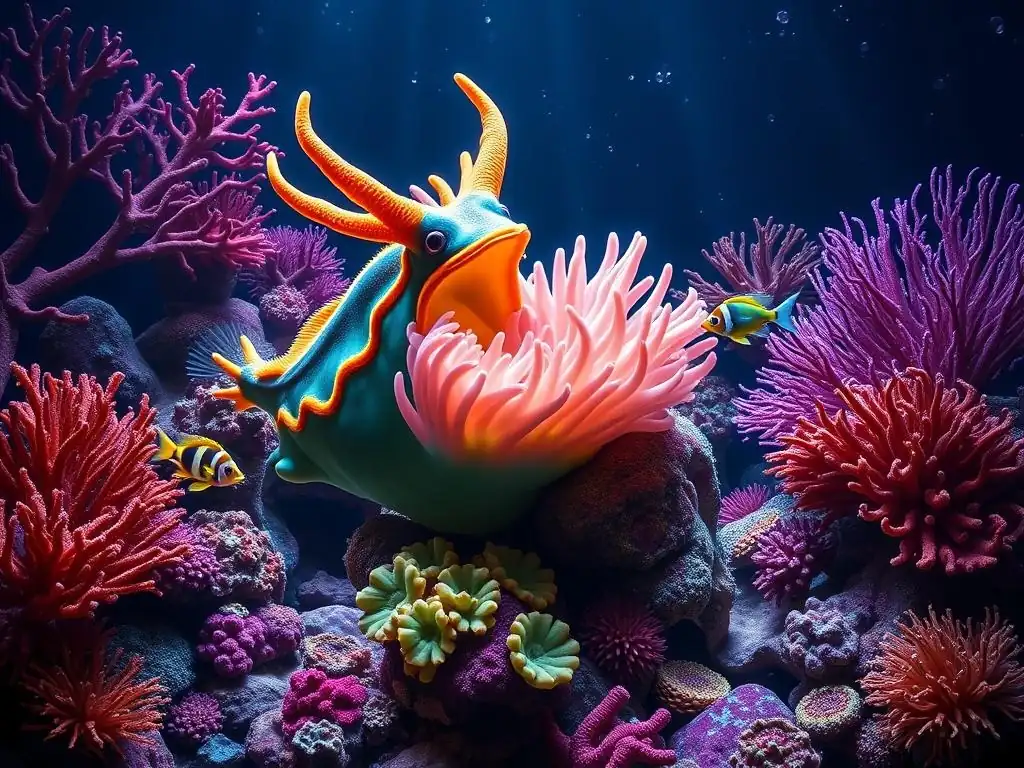
Welcome to Aquarium Mastery, where we unlock the secrets to thriving aquatic ecosystems!
Tired of pesky Aiptasia ruining your reef tank? You've come to the right place! In this article, we dive deep into the fascinating world of Berghia verrucicornis, exploring how this tiny nudibranch can become your ultimate weapon against these unwanted anemones. Discover everything you need to know about using Berghia verrucicornis eats aiptasia effectively, from their care requirements to their incredible appetite. Ready to reclaim your reef? Let's get started!
- Introduction to Berghia Nudibranchs: Your Aiptasia Solution
-
Frequently Asked Questions
- How effective are Berghia verrucicornis nudibranchs at controlling Aiptasia anemones?
- How many Berghia verrucicornis nudibranchs do I need for my aquarium?
- What are the ideal water parameters for Berghia verrucicornis?
- What do Berghia verrucicornis eat after they've eradicated all the Aiptasia?
- Are Berghia verrucicornis reef safe?
- Final Reflection: The Enduring Power of Natural Balance
- Unleash the Berghia: Eradicate Aiptasia Today!
Introduction to Berghia Nudibranchs: Your Aiptasia Solution
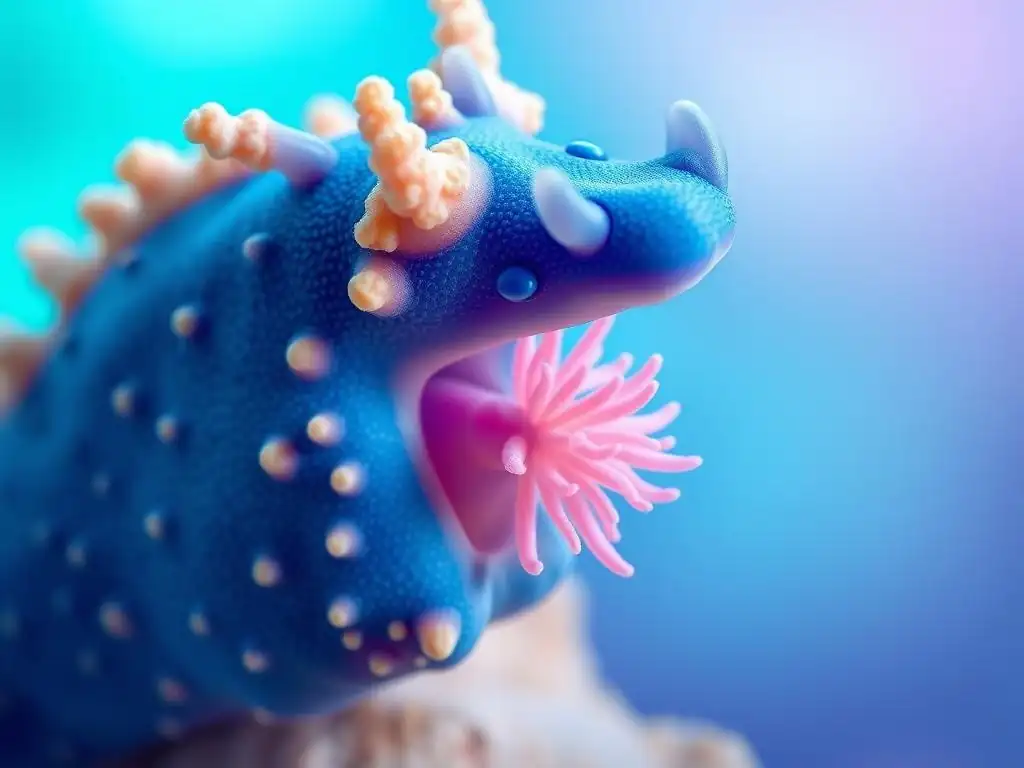
Understanding Aiptasia Anemones: The Reef Tank Plague
Aiptasia anemones, often referred to as "pest anemones," are a pervasive and highly problematic nuisance in many saltwater reef aquariums. These small, brown, translucent anemones possess potent stinging nematocysts that can harm or even kill corals, sessile invertebrates, and even small fish upon contact.
Their rapid asexual reproduction, primarily through pedal laceration (where fragments of the foot detach and grow into new anemones) and budding, allows a single Aiptasia to quickly proliferate into hundreds, or even thousands, within weeks or months, completely overwhelming a reef tank. For instance, a small Aiptasia measuring just 1-2 cm can release numerous motile spores daily, making eradication a significant challenge for aquarists.
The presence of Aiptasia not only poses a direct threat to the health and survival of desirable reef inhabitants but also detracts significantly from the aesthetic appeal of a meticulously curated reef environment. Many reef keepers have experienced the frustration of watching these pests spread from a single hitchhiker on a new coral frag to an infestation covering rockwork and even aquarium glass.
Traditional methods of removal, such as manual extraction or chemical injections, often prove temporary, as even the smallest remaining tissue fragment can regenerate into a full-sized anemone. This relentless propagation underscores the urgent need for a truly effective and sustainable solution, which is where the specialized diet of Berghia verrucicornis eats Aiptasia comes into play, offering a glimmer of hope for besieged reef tanks.
Why Berghia verrucicornis are Superior Aiptasia Control Agents
Berghia verrucicornis nudibranchs stand out as one of the most effective and reef-safe biological control agents for Aiptasia anemones, primarily due to their highly specialized diet and non-aggressive nature. Unlike chemical treatments that can negatively impact water quality and harm beneficial invertebrates or corals, Berghia nudibranchs exclusively prey on Aiptasia species, leaving all other tank inhabitants, including various corals (SPS, LPS, soft corals), clams, and ornamental shrimp, completely untouched. This selective predation means aquarists can introduce Berghia directly into a thriving reef ecosystem without fear of collateral damage, a critical advantage over broad-spectrum pest control methods.
Furthermore, the effectiveness of Berghia verrucicornis eats Aiptasia is amplified by their methodical hunting strategy. They systematically consume Aiptasia anemones from the largest to the smallest, including those hidden within rock crevices, which are often inaccessible to manual removal or chemical spot treatments. While a single Berghia can consume multiple Aiptasia per day, a small colony of these nudibranchs can clear a moderately infested tank within several weeks to a few months.
For example, a tank with 50-100 Aiptasia might see significant reduction within 4-8 weeks with a starter colony of 3-5 Berghia, demonstrating their efficiency. This targeted, continuous predation makes Berghia verrucicornis a superior, long-term solution for eradicating Aiptasia and preventing future outbreaks, offering a sustainable alternative to repetitive and often unsuccessful manual or chemical interventions.
Frequently Asked Questions
How effective are Berghia verrucicornis nudibranchs at controlling Aiptasia anemones?
Berghia verrucicornis are highly effective at controlling Aiptasia. They exclusively feed on these anemones, eliminating them from your aquarium if enough nudibranchs are present.
How many Berghia verrucicornis nudibranchs do I need for my aquarium?
The number depends on the size of your Aiptasia infestation and tank volume. A general rule is 1 nudibranch per 5-10 gallons for a moderate infestation, but more may be needed for larger outbreaks.
What are the ideal water parameters for Berghia verrucicornis?
Berghia verrucicornis thrive in stable saltwater conditions, similar to reef aquariums. Maintain a salinity of 1.024-1.026, a temperature of 72-78°F (22-26°C), and good water quality with low nitrates and phosphates.
What do Berghia verrucicornis eat after they've eradicated all the Aiptasia?
Once Aiptasia is gone, Berghia verrucicornis will starve and die. It is crucial to either introduce more Aiptasia or move them to another tank with Aiptasia.
Are Berghia verrucicornis reef safe?
Yes, Berghia verrucicornis are considered reef safe. They only eat Aiptasia and will not harm corals, fish, or other invertebrates in your aquarium.
Final Reflection: The Enduring Power of Natural Balance
The journey of understanding Berghia verrucicornis and its role in controlling Aiptasia infestations highlights the enduring power of natural solutions in complex ecosystems. While technology and chemical treatments often offer quick fixes, the delicate dance between predator and prey, as exemplified by this tiny nudibranch, reminds us that sustainable solutions often lie in understanding and harnessing the inherent balance of nature. This is a principle that extends far beyond the confines of our aquariums, resonating with broader environmental concerns and the need for mindful intervention.
This exploration of Berghia verrucicornis has not only provided practical knowledge for aquarists but has also underscored the profound interconnectedness of life. Witnessing the effectiveness of this natural predator has reinforced my belief in the beauty and resilience of ecological systems. In nature, nothing exists alone.
- Rachel Carson. This quote perfectly encapsulates the essence of our findings: the Berghia doesn't just eat Aiptasia; it participates in a complex web of life, contributing to the overall health and stability of its environment.
As we conclude this exploration, I invite you to consider the lessons learned from the Berghia verrucicornis. How can we apply this understanding of natural balance to other challenges we face, both within our aquariums and in the wider world? Let us strive to be mindful stewards, seeking solutions that respect and enhance the intricate web of life that sustains us all. Embrace the power of observation, appreciate the delicate balance, and become a champion for sustainable solutions, one Berghia at a time.
Unleash the Berghia: Eradicate Aiptasia Today!
Thank you for diving into the world of Berghia nudibranchs and their Aiptasia-eating prowess! Now that you're equipped with the knowledge to tackle those pesky anemones, it's time to take action and reclaim your reef tank. Here's how you can get started:
- Act now and acquire your own Berghia nudibranchs to begin naturally controlling Aiptasia populations. Consider purchasing from a reputable breeder to ensure healthy specimens.
- Explore local reefing groups and forums to connect with fellow hobbyists who have experience with Berghia. Share tips and learn from their successes (and challenges! ).
- Document your Berghia journey! Take before-and-after photos of your Aiptasia infestation and share your results online to help other reefers battling the same problem.
What's the first step you'll take to welcome these tiny titans into your aquarium ecosystem?