
Koran Angelfish (Pomacanthus semicirculatus): Juvenile to Adult Transformation

Welcome to Aquarium Mastery!
Ever been captivated by the dramatic transformation of a Koran Angelfish? These stunning creatures undergo a remarkable change from juvenile to adult, and understanding their specific needs is crucial for their well-being. Dive into our detailed Koran Angelfish Care Guide and unlock the secrets to successfully keeping this magnificent saltwater species. Ready to witness their vibrant beauty thrive in your aquarium? Let's get started!
- Koran Angelfish Care Guide: Juvenile to Adult Transformation in Your Saltwater Aquarium
- Introduction to the Koran Angelfish (Pomacanthus semicirculatus)
- Juvenile Koran Angelfish: Distinctive Markings and Care Requirements
- The Transformation: From Juvenile to Adult Koran Angelfish
- Adult Koran Angelfish Care: Maintaining a Healthy and Thriving Specimen
- Koran Angelfish Tank Mates: Compatibility and Considerations
- Common Health Issues in Koran Angelfish and How to Address Them
- Maintaining Optimal Water Quality for Koran Angelfish: A Crucial Aspect of Care
- Breeding Koran Angelfish: Challenges and Opportunities
- Conclusion: Mastering Koran Angelfish Care for a Rewarding Aquarium Experience
- Frequently Asked Questions
- Final Reflection: Embracing the Cycle of Transformation
- Unlock the Secrets of the Koran Angelfish!
Koran Angelfish Care Guide: Juvenile to Adult Transformation in Your Saltwater Aquarium
Introduction to the Koran Angelfish (Pomacanthus semicirculatus)
Understanding the Appeal of the Koran Angelfish for Saltwater Aquariums
The Koran Angelfish, Pomacanthus semicirculatus, stands out as a highly sought-after species among saltwater aquarists, primarily due to its dramatic transformation from a strikingly patterned juvenile to a majestic adult. This species offers a unique visual journey within the home aquarium, captivating observers with its dynamic color shifts and elegant presence. Its appeal lies not only in its beauty but also in the challenge and reward of successfully nurturing it through its distinct life stages, making it a centerpiece for many dedicated enthusiasts.
Beyond its aesthetic allure, the Koran Angelfish presents an engaging subject for those passionate about marine biology and animal husbandry. Observing its metamorphosis, from the intricate blue and white swirls of its youth to the more subdued yet equally stunning adult patterns, provides a tangible connection to the wonders of natural development. This journey underscores the importance of a comprehensive Koran angelfish care guide, ensuring that the fish thrives and exhibits its full potential.
Overview of Pomacanthus semicirculatus: Size, Lifespan, and Natural Habitat
Pomacanthus semicirculatus is a large marine angelfish species, capable of reaching an impressive size. In a well-maintained aquarium, adults typically grow to about 12-15 inches (approximately 30-38 cm) in length, though some individuals may exceed this. With optimal care, these fish can enjoy a remarkably long lifespan, often living for 15-20 years in captivity, and potentially even longer in their natural reef environments.
Native to the Indo-Pacific region, the Koran Angelfish's natural habitat spans from the Red Sea and East Africa across to Samoa and the Great Barrier Reef. They are commonly found in lagoons, outer reef slopes, and rocky areas at depths ranging from 3 to 20 meters (10 to 65 feet). In the wild, their diet primarily consists of sponges, tunicates, and various types of marine algae, a crucial detail for any effective Koran angelfish care guide focused on nutrition.
Juvenile Koran Angelfish: Distinctive Markings and Care Requirements
Identifying Juvenile Koran Angelfish: Recognizing the Striking Blue and White Pattern
The juvenile Koran Angelfish is unmistakable, boasting an incredibly vivid and intricate coloration that differs dramatically from its adult form. Its body is an intense, deep blue, adorned with a series of concentric white or light blue bands that swirl across its body, resembling fingerprints or an abstract map. A small, distinct black spot is often present at the base of the caudal (tail) fin, further emphasizing its unique pattern.
These striking patterns are not just for show; they likely serve as a form of camouflage or mimicry, possibly deterring predators by resembling poisonous flatworms or other unpalatable organisms. As the fish matures, these patterns gradually dissolve and are replaced by the more uniform adult coloration, signifying a significant developmental milestone for the species and a key aspect to monitor in any Koran angelfish care guide.
Setting Up a Suitable Aquarium for Juvenile Koran Angelfish
Tank Size Considerations for Young Koran Angelfish
While juvenile Koran Angelfish are relatively small when first acquired, they possess a rapid growth rate, often growing several inches within their first year. For this reason, a minimum tank size of 75-100 gallons (approximately 280-380 liters) is recommended for a single juvenile. This initial space allows for adequate swimming room and helps reduce stress during their crucial early development.
However, it is vital for aquarists to plan for a significant upgrade as the fish matures. A juvenile Koran Angelfish can reach 6-8 inches in length within its first 18-24 months, quickly outgrowing smaller setups. An appropriately sized adult tank, typically 180-250 gallons or more, should be prepared well in advance to accommodate their eventual size and territorial needs, a cornerstone of responsible Koran angelfish care.
Essential Water Parameters for Juvenile Koran Angelfish Health
Maintaining stable and pristine water parameters is paramount for the health and vitality of juvenile Koran Angelfish. The ideal temperature range is 72-78°F (22-26°C), with a specific gravity of 1.020-1.025. The pH level should consistently remain between 8.1 and 8.4. Crucially, ammonia and nitrite levels must be undetectable (0 ppm), and nitrates should be kept below 20 ppm, ideally under 10 ppm.
Consistent monitoring of these parameters is essential, often requiring weekly testing with reliable aquarium test kits. Fluctuations in water chemistry can cause significant stress to young fish, compromising their immune systems and making them susceptible to common diseases like Ich or fin rot. A stable environment is a foundational element of any effective Koran angelfish care guide.
Feeding Juvenile Koran Angelfish: Ensuring Proper Nutrition and Growth
Recommended Diet for Young Pomacanthus semicirculatus
A varied and nutritious diet is critical for the healthy growth and vibrant coloration of young Pomacanthus semicirculatus. High-quality marine flakes and pellets specifically formulated for angelfish should form the base of their diet. Supplement this with a range of frozen foods such as finely chopped mysis shrimp, brine shrimp (enriched with spirulina or other vitamins), and various marine algae preparations.
Incorporating vegetable matter is also vital; offer blanched spinach, nori seaweed, or specialized angelfish foods that contain sponges and tunicates, which are significant components of their natural diet. This diverse feeding regimen ensures they receive all necessary vitamins, minerals, and proteins for robust development and to support the eventual transformation into their adult form.
Feeding Schedule and Techniques for Juvenile Angelfish
Juvenile Koran Angelfish should be fed small amounts frequently, typically 2-3 times per day. Each feeding portion should be consumed within 2-3 minutes to prevent overfeeding and the accumulation of uneaten food, which can quickly degrade water quality. Observing their feeding behavior is crucial to ensure all fish are actively eating and receiving adequate nutrition.
It is beneficial to rotate food types to maintain interest and ensure a balanced intake of nutrients. For example, offer flakes in the morning, frozen foods in the afternoon, and nori clip in the evening. This consistent and varied feeding strategy supports rapid growth and prepares them for the dietary needs of adulthood, making it a key component of a successful Koran angelfish care guide.
The Transformation: From Juvenile to Adult Koran Angelfish
Understanding the Metamorphosis: Color Change and Behavioral Shifts
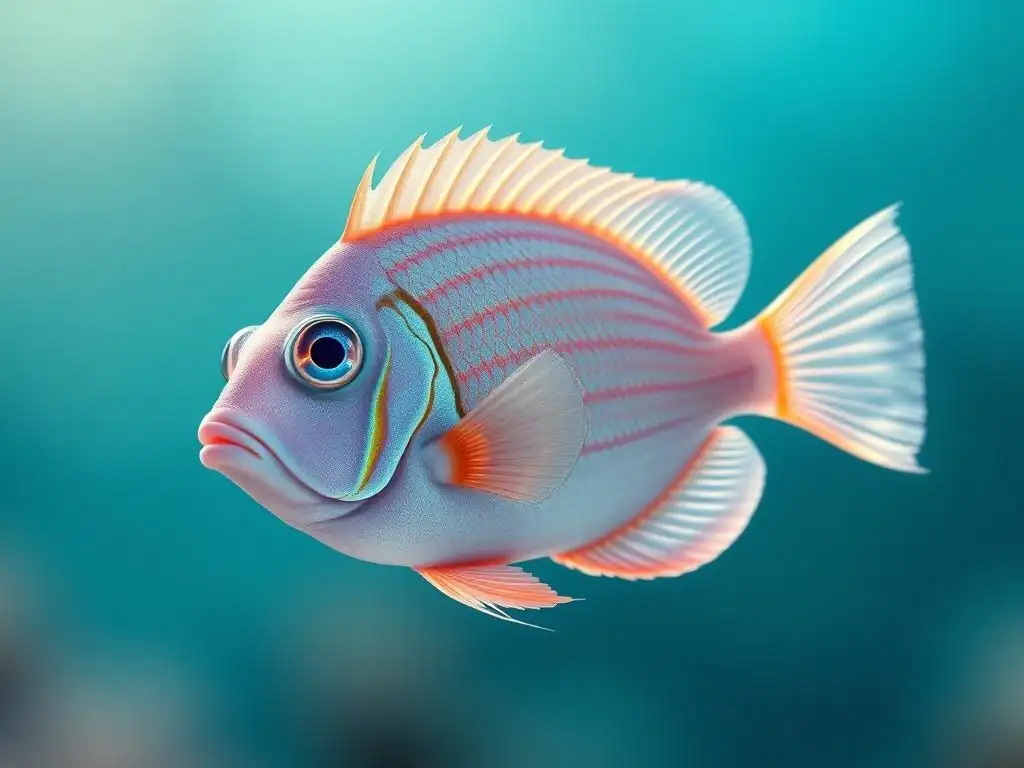
The metamorphosis of the Koran Angelfish is one of the most remarkable transformations in the marine aquarium hobby. The initial deep blue body of the juvenile gradually begins to fade, being replaced by a base color of greenish-brown or yellowish-brown. The distinctive white or light blue swirling lines start to break up, becoming less defined before eventually disappearing almost entirely.
As the transformation progresses, a new pattern emerges: a dense network of fine blue and black spots and lines develops across the body, particularly on the face, dorsal, and anal fins. Concurrently, behavioral shifts may become apparent; as they mature, Koran Angelfish can become more territorial, especially towards other angelfish or similarly shaped fish. Their foraging habits may also evolve, reflecting a broader diet.
Timeline of the Color Transformation Process in Koran Angelfish
The color transformation in Koran Angelfish typically begins when the fish reaches a length of approximately 4-6 inches (10-15 cm). This usually occurs between 1.5 to 3 years of age, though individual timelines can vary based on factors such as diet, water quality, and overall health. The process is not instantaneous but rather a gradual shift.
Once initiated, the complete transformation can take several months, often extending up to a year, for the adult coloration to fully manifest and stabilize. During this period, the fish may exhibit a mottled or mixed pattern as the juvenile markings recede and the adult patterns emerge. Providing optimal conditions throughout this phase is crucial for the vibrancy and clarity of the final adult colors, emphasizing the importance of an ongoing Koran angelfish care guide.
Caring for Transforming Koran Angelfish: Adjusting to Adult Needs
During the transformation phase, it is paramount to continue providing the highest standards of water quality and a consistently varied, nutritious diet. As the fish grows, its bioload increases, necessitating vigilant monitoring of water parameters and possibly more frequent or larger water changes. Ensure the aquarium size is already adequate or plan for an imminent upgrade to accommodate their rapidly increasing size and potential activity levels.
Monitor the fish for any signs of stress or aggression, particularly if housed with other tank mates. The physical changes can be taxing on the fish, and a stable, low-stress environment is essential. Rearranging live rock or adding new hiding spots can help alleviate territorial disputes. Adapting your Koran angelfish care guide to account for these transitional needs ensures a smooth and successful development into adulthood.
Adult Koran Angelfish Care: Maintaining a Healthy and Thriving Specimen
Adult Koran Angelfish Appearance: The Development of Adult Coloration
The adult Koran Angelfish is a striking specimen, showcasing a mature coloration that is vastly different from its juvenile form. The body typically takes on a green-brown or yellowish-brown hue, often with a subtle iridescence. This base color is intricately overlaid with a dense, net-like pattern of fine blue and black spots and squiggly lines, particularly prominent on the head, body, and fins.
One of the most distinguishing features of the adult is the development of a bright yellow crescent shape on the caudal fin, which becomes more pronounced with age. The face often develops a darker mask, highlighted with electric blue accents around the eyes and mouth. This complex and unique pattern is said to resemble Arabic script, which is believed to be the origin of its common name, making it a truly unique fish in any Koran angelfish care guide.
Aquarium Setup for Adult Koran Angelfish: Providing Ample Space and Hiding Places
Replicating Natural Habitat Conditions for Adult Pomacanthus semicirculatus
An adult Koran Angelfish requires a substantial aquarium to thrive, with a minimum tank size of 180-250 gallons (approximately 680-950 liters) being widely recommended for a single specimen. These large fish are active swimmers and need ample open space for cruising, combined with abundant live rock structures that mimic their natural reef habitat. Providing numerous caves, overhangs, and crevices is crucial, as these serve as vital hiding spots and territories.
Strong water movement is also important, replicating the currents found on natural reef slopes. Aim for a flow rate of 10-15 times the tank volume per hour, which can be achieved with multiple powerheads strategically placed. This robust flow aids in oxygenation and prevents dead spots within the aquarium, contributing to the overall well-being of the fish and supporting a comprehensive Koran angelfish care guide.
Importance of Live Rock and Coral Compatibility
Live rock is an indispensable component of an adult Koran Angelfish aquarium, serving multiple critical functions. It provides extensive surface area for biological filtration, supporting the beneficial bacteria that process ammonia and nitrite. Furthermore, live rock offers natural foraging opportunities, hiding places, and a complex environment that reduces stress. A general guideline is to include 1-1.5 pounds of live rock per gallon (0.45-0.68 kg per 3.78 liters) of tank volume.
Regarding coral compatibility, adult Koran Angelfish are generally considered "not reef safe." While some individuals may coexist peacefully with certain stony corals (SPS like Acropora or LPS like Euphyllia), they are notorious for nipping at soft corals (e.g., Zoanthids, Xenia), clam mantles, and some anemones. Their natural diet includes sponges and tunicates, and corals can resemble these food sources. Therefore, they are best suited for fish-only-with-live-rock (FOWLR) setups, or very large mixed reefs where the aquarist is prepared for potential coral damage.
Diet and Feeding for Adult Koran Angelfish: Meeting Dietary Needs
Best Food Choices for Adult Koran Angelfish: A Varied Diet
For a healthy and vibrant adult Koran Angelfish, a diverse and high-quality diet is absolutely paramount. Their natural diet of sponges and tunicates must be mimicked in captivity. Offer a variety of angelfish-specific frozen foods that contain sponge material, along with high-quality marine pellets and flakes. Supplement this with frozen mysis shrimp, brine shrimp, finely chopped clam, squid, and krill.
Vegetable matter is also critical; provide marine algae sheets (nori), spirulina flakes, and blanched spinach. Feeding 2-3 times daily in small portions that can be consumed within a few minutes helps maintain water quality while ensuring adequate nutrition. This comprehensive approach to feeding is a cornerstone of any effective Koran angelfish care guide.
Avoiding Nutritional Deficiencies in Adult Angelfish
Nutritional deficiencies can lead to serious health issues in adult Koran Angelfish, including faded coloration, fin erosion, and increased susceptibility to diseases. One common concern is Lateral Line Erosion (LLE) or Head and Lateral Line Erosion (HLLE), which is often linked to poor diet, lack of essential vitamins (especially Vitamin C), and inadequate water quality.
To prevent such issues, ensure their diet is rich in essential vitamins, amino acids, and fatty acids. Supplementing their food with vitamin enrichments (like Selcon or other marine vitamin supplements) can significantly improve their overall health and bolster their immune system. Regularly rotating food types and ensuring fresh, high-quality ingredients are used are key proactive measures for long-term health.
Koran Angelfish Tank Mates: Compatibility and Considerations
Choosing Suitable Tank Mates for Koran Angelfish: Temperament and Size
When selecting tank mates for Koran Angelfish, it is crucial to consider their potential for territoriality and aggression, particularly as they mature. Ideal tank mates are robust, similarly sized fish that can hold their own without being overly aggressive themselves. Good choices often include large tangs (e.g., Yellow Tang, Sailfin Tang), certain non-aggressive triggerfish species, and larger wrasses.
It is generally best to introduce tank mates before the Koran Angelfish, or introduce them simultaneously as juveniles, to help establish territories and reduce potential disputes. Providing ample swimming space and numerous hiding spots within the live rock structure can also help diffuse aggression and create a more harmonious environment.
Fish to Avoid: Aggressive Species and Potential Conflicts
Avoid housing Koran Angelfish with overly aggressive or predatory species that might harass them or pose a threat, such as certain large groupers or highly territorial triggerfish (e.g., Clown Triggerfish). Conversely, extremely small or timid fish might become targets of bullying or be outcompeted for food, leading to stress and malnutrition.
Housing multiple large angelfish, especially other Pomacanthus species, in the same aquarium is generally not recommended unless the tank is exceptionally large (500+ gallons) and all individuals are introduced as juveniles simultaneously. Inter-species aggression, particularly between angelfish, is common and can lead to severe stress or even death for the weaker fish.
Reef Compatibility: Assessing the Risk to Corals and Invertebrates
As previously highlighted in this Koran angelfish care guide, Pomacanthus semicirculatus is generally considered a significant risk to corals and other invertebrates in a reef aquarium. While individual temperaments vary, adult Koran Angelfish are known to nip at or consume soft corals, zoanthids, polyps, clam mantles, and certain large polyp stony (LPS) corals.
Their natural diet includes sponges and tunicates, and they may perceive various corals as similar food sources. If a mixed reef environment is attempted, it should be a very large system with a substantial investment in coral, and the aquarist must be prepared for potential losses. For guaranteed reef safety, a dedicated fish-only-with-live-rock (FOWLR) system is the most prudent choice for keeping an adult Koran Angelfish.
Common Health Issues in Koran Angelfish and How to Address Them
Identifying Signs of Illness in Koran Angelfish: Early Detection is Key
Early detection of illness is crucial for successful treatment in Koran Angelfish. Aquarists should regularly observe their fish for changes in behavior, such as lethargy, loss of appetite, unusual hiding, or rapid gill movement (indicating respiratory distress). Physical signs of illness include faded or patchy coloration, white spots (Ich), cloudy eyes, fin rot (frayed or deteriorating fins), abnormal growths, or unusual lesions on the body.
For instance, a Koran Angelfish repeatedly "flashing" or rubbing against rocks or decor often indicates the presence of external parasites. Stringy, white feces can be a sign of internal parasites or bacterial infection. Any deviation from normal behavior or appearance warrants immediate investigation and, if necessary, isolation in a quarantine tank.
Treating Common Diseases: Parasites, Bacterial Infections, and Nutritional Deficiencies
Common health issues in Koran Angelfish often include external parasites like marine Ich ( Cryptocaryon irritans) or velvet ( Amyloodinium ocellatum), bacterial infections, and nutritional deficiencies. Treatments for Ich can involve copper-based medications (used carefully in a hospital tank), hyposalinity, or the tank transfer method. Bacterial infections often require broad-spectrum antibiotics, sometimes administered through medicated food.
Nutritional deficiencies, such as Lateral Line Erosion (LLE), are best addressed by improving diet quality, ensuring a varied intake of marine algae and sponge-based foods, and supplementing with vitamins. Always accurately diagnose the specific disease before initiating treatment, and ensure the chosen medication is safe for angelfish. Consulting a comprehensive Koran angelfish care guide or a marine veterinarian can provide invaluable assistance.
Quarantine Procedures: Preventing the Spread of Disease in Your Aquarium
Implementing a strict quarantine procedure for all new fish, including Koran Angelfish, is the single most effective way to prevent the introduction and spread of diseases in your main display tank. A dedicated quarantine tank (QT) of at least 30-50 gallons (113-190 liters) is recommended, equipped with basic filtration, a heater, and PVC pipes for hiding.
New fish should be quarantined for a minimum of 4-6 weeks. During this period, observe for any signs of illness, perform prophylactic treatments if deemed necessary (e.g., for external parasites), and ensure the fish is eating well and behaving normally before being introduced to the main system. This proactive step is an indispensable part of any responsible Koran angelfish care guide.
Maintaining Optimal Water Quality for Koran Angelfish: A Crucial Aspect of Care
Water Chemistry Parameters: Ammonia, Nitrite, Nitrate, and pH Levels
Maintaining stable and pristine water quality is the cornerstone of successful Koran Angelfish care. Ammonia (NH3/NH4+) and nitrite (NO2-) levels must always be undetectable (0 ppm), as these compounds are highly toxic. Nitrate (NO3-) levels should be kept as low as possible, ideally below 10 ppm, and certainly no higher than 20 ppm, to prevent long-term stress and health issues.
The pH level should be consistently maintained within a narrow range of 8.1 to 8.4. Regular testing of these parameters, at least weekly using reliable test kits, is non-negotiable. Any significant fluctuations or elevated readings indicate a problem that needs immediate attention, such as increased water changes or a review of filtration efficiency.
Regular Water Changes: Maintaining a Stable and Healthy Environment
Consistent partial water changes are vital for maintaining optimal water quality and replenishing essential trace elements that are consumed by the fish and biological processes. For a Koran Angelfish aquarium, a 10-20% water change weekly or bi-weekly is generally recommended, depending on the tank's bioload and filtration system.
Always use high-quality RO/DI (Reverse Osmosis/Deionized) water mixed with a reputable marine salt mix to prepare new saltwater. This ensures that no unwanted contaminants, such as phosphates or heavy metals, are introduced into the aquarium. Regular water changes dilute accumulated nitrates and other dissolved organic compounds, contributing significantly to the long-term health of your Koran Angelfish.
Filtration Systems: Choosing the Right Equipment for Your Angelfish Tank
A robust and efficient filtration system is essential for a large, active fish like the Koran Angelfish, which produces a significant bioload. A comprehensive system typically includes three types of filtration:
- Mechanical Filtration: Filter socks, sponges, or filter floss remove particulate matter and uneaten food, preventing their breakdown into harmful compounds. These should be cleaned or replaced regularly.
- Biological Filtration: Live rock, bio-balls, or ceramic media provide vast surface areas for beneficial bacteria to colonize, which convert toxic ammonia and nitrite into less harmful nitrate.
- Chemical Filtration: Activated carbon removes dissolved organic compounds and yellowing agents, while GFO (granular ferric oxide) can remove phosphates.
A sump system is highly recommended for larger Koran Angelfish tanks. Sumps increase the overall water volume, providing greater stability, and allow for the discreet placement of essential equipment like heaters, refugiums, and, most importantly, a powerful protein skimmer. A protein skimmer sized for 2-3 times the tank volume is crucial for removing dissolved organic waste before it can break down and pollute the water, a key component in any advanced Koran angelfish care guide.
Breeding Koran Angelfish: Challenges and Opportunities
Understanding Koran Angelfish Breeding Behavior in the Wild
In their natural habitat, Koran Angelfish are pelagic spawners, meaning they release their eggs and sperm into the open water column, where the fertilized eggs drift as planktonic larvae. They typically form monogamous pairs for breeding. Spawning usually occurs at dusk, with the pair rising towards the surface of the water, releasing their gametes, and then quickly descending back to the reef.
The larval stage is highly dependent on ocean currents for dispersal and finding microscopic food sources. This complex reproductive strategy, involving vast open water and a prolonged larval development period, makes breeding these fish in a confined aquarium environment particularly challenging.
Challenges of Breeding Koran Angelfish in Captivity
Breeding Koran Angelfish in captivity is exceedingly rare and considered one of the most significant challenges in marine aquaculture. The primary hurdles include:
- Inducing Spawning: Replicating the precise environmental cues necessary to encourage a pair to spawn in an aquarium is difficult.
- Egg Fragility and Size: The eggs are incredibly small and delicate, requiring very specific water parameters and gentle handling.
- Larval Rearing: The most significant challenge lies in providing appropriate food for the microscopic larval stages. These larvae require specific sizes and types of live feeds (e.g., rotifers, copepods) that are often difficult to culture in sufficient quantities and maintain with the exact nutritional profile needed. The larval period can last for several weeks, demanding continuous, highly specialized care.
These complexities mean that successful captive breeding of Pomacanthus semicirculatus is largely confined to advanced public aquariums and research facilities, not typically achievable by the average home aquarist, even with the most detailed Koran angelfish care guide.
Potential for Future Breeding Success: Research and Innovation
Despite the formidable challenges, ongoing research and innovation in marine aquaculture offer promising avenues for future success in breeding large marine angelfish like the Koran Angelfish. Advances in larval nutrition, particularly the development of new and improved live feed cultures and enrichment techniques, are slowly unraveling the mysteries of rearing these delicate fry.
Increased understanding of their specific environmental requirements for spawning and larval development also contributes to breakthroughs. Successful captive breeding would have a profound positive impact on the marine aquarium hobby by reducing reliance on wild-caught specimens, thereby easing pressure on natural reef populations and providing more robust, disease-resistant fish for aquarists. This area represents a vital frontier for the future of the Koran angelfish care guide.
Conclusion: Mastering Koran Angelfish Care for a Rewarding Aquarium Experience
Recap of Key Care Requirements for Healthy Koran Angelfish
Mastering Koran Angelfish care is a rewarding endeavor that requires dedication and adherence to specific guidelines. Key requirements include providing a very large aquarium, ideally 180-250 gallons or more for an adult, to accommodate their size and active swimming. Maintaining pristine and stable water parameters—0 ppm ammonia/nitrite, low nitrates (under 20 ppm), and a pH of 8.1-8.4—is absolutely critical. A robust filtration system, including a powerful protein skimmer, is essential to manage their bioload.
Furthermore, a highly varied and nutritious diet, rich in marine algae, sponge-based foods, and quality frozen preparations, is paramount for their health and vibrant coloration. Understanding and planning for their dramatic juvenile-to-adult transformation, including the associated changes in appearance and potential temperament, is also vital. Careful consideration of tank mates and their generally "not reef safe" nature ensures a harmonious and healthy environment.
Resources for Further Learning About Pomacanthus semicirculatus
For aquarists seeking to deepen their understanding and truly master Koran Angelfish care, continuous learning is highly encouraged. Reputable online marine aquarium forums and communities offer valuable insights and practical advice from experienced hobbyists. Consulting scientific journals focusing on marine biology and ichthyology can provide in-depth information on their natural history, diet, and behavior.
Specialized books dedicated to large marine angelfish or comprehensive saltwater aquarium husbandry also serve as excellent resources. Engaging with local fish stores that specialize in marine fish can provide personalized advice and access to high-quality livestock. By leveraging these resources, aquarists can continually refine their Koran angelfish care guide practices and provide the best possible environment for these magnificent creatures.
Frequently Asked Questions
How difficult is it to care for a Koran Angelfish?
Koran Angelfish are generally considered moderately difficult to care for. They require a large, well-established tank and specific water parameters, making them unsuitable for beginners.
What size tank does a Koran Angelfish need?
A juvenile Koran Angelfish can start in a 75-gallon tank, but adults require a minimum of 125 gallons, preferably larger. This provides enough space for swimming and reduces aggression.
What do Koran Angelfish eat?
They are omnivores and need a varied diet. Offer a mix of high-quality marine flake food, frozen foods, and live foods like brine shrimp and mysis shrimp to ensure proper nutrition.
How does the appearance of a Koran Angelfish change as it matures?
Juveniles have striking blue and white concentric circles, while adults develop yellow and blue horizontal stripes. This dramatic transformation is a key characteristic of the species.
Are Koran Angelfish reef safe?
Generally, no. They are not considered reef safe because they may nip at corals and invertebrates. They are better suited for a fish-only or fish-only with live rock tank.
Final Reflection: Embracing the Cycle of Transformation
The journey of the Koran Angelfish, from its humble juvenile beginnings to its vibrant adult splendor, mirrors the transformative potential within us all. Understanding this metamorphosis, as detailed in this care guide, is not just about keeping a fish alive; it's about appreciating the inherent beauty and complexity of growth itself. Just as the Koran Angelfish sheds its juvenile stripes for the regal patterns of adulthood, we too are constantly evolving, shaped by our environment and experiences.
This fascinating transformation reminds us that change is not something to be feared, but rather embraced as an integral part of life. Witnessing this process in the microcosm of an aquarium can be a powerful reminder of our own capacity for growth and adaptation. The only constant in life is change.
This ancient wisdom resonates deeply when observing the Koran Angelfish, a living testament to the beauty and necessity of evolution.
So, as you embark on the rewarding journey of caring for a Koran Angelfish, remember that you are not just tending to a creature, but participating in a cycle of transformation. Let the vibrant colors and intricate patterns of this magnificent fish inspire you to reflect on your own journey, to embrace the changes that come your way, and to cultivate the beauty and resilience within yourself.
Unlock the Secrets of the Koran Angelfish!
Thank you for diving deep into the fascinating world of the Koran Angelfish! We hope you’ve enjoyed learning about their incredible transformation from juvenile to adult. Now, it’s time to put that knowledge into action.
Here are a few things you can do to continue your Angelfish adventure:
- Carefully consider if your aquarium is ready to support a Koran Angelfish's full lifespan. They require specific conditions to thrive. Research thoroughly and ensure you can provide the appropriate environment.
- Share this article with fellow aquarium enthusiasts! Help spread awareness about the unique needs of these amazing fish.
- Surprise us all! Design a theoretical aquascape that maximizes the natural behaviours of Pomacanthus semicirculatus and post it on your preferred social network with the hashtag #AquariumMasteryKoran.
What unique challenge would keeping a Koran Angelfish present in your specific aquarium setup? Share your thoughts in the comments below!