
Favia Coral Care: Illuminating the Path to Thriving Colonies

Welcome to Aquarium Mastery!
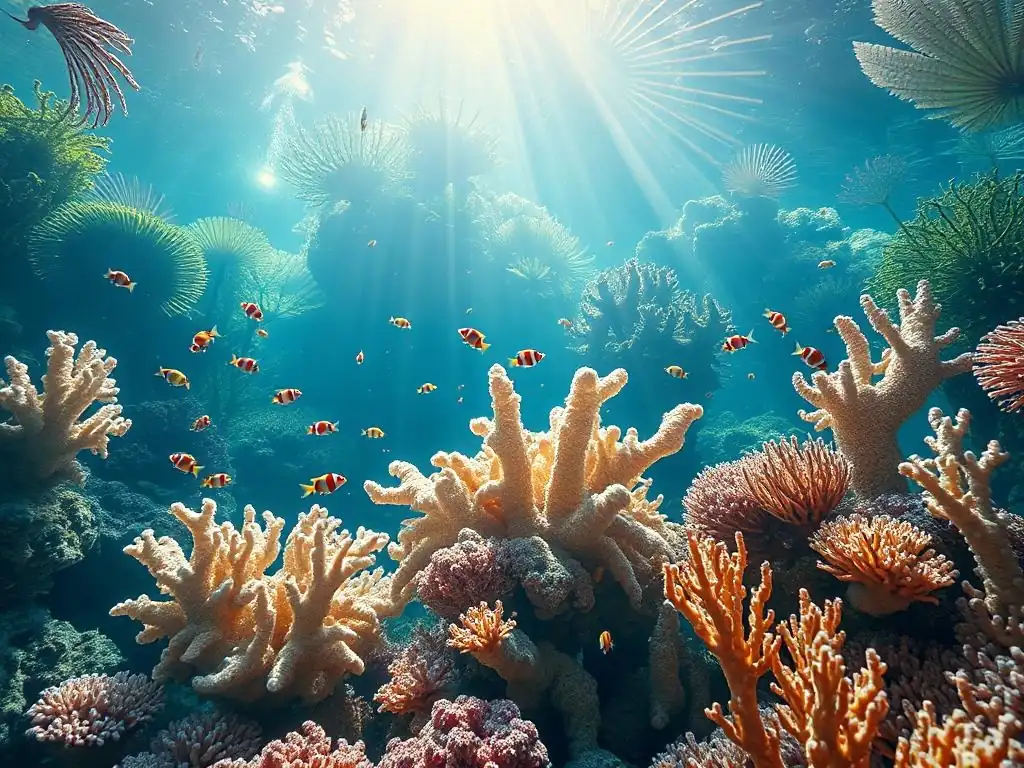
Ever wondered how to unlock the vibrant beauty of Favia corals in your reef tank? You've come to the right place! Dive into our comprehensive guide on Favia coral care tips and discover the secrets to nurturing these captivating LPS corals. Get ready to illuminate the path to thriving colonies and transform your aquarium into a mesmerizing underwater paradise. Ready to learn more?
- Understanding Favia Corals: An Introduction for Reef Aquarists
- Essential Favia Coral Care Tips for a Healthy Reef
- Feeding Your Favia Coral: Promoting Growth and Coloration
- Favia Coral Health and Troubleshooting: Identifying and Addressing Common Issues
- Choosing the Right Favia Coral for Your Aquarium
- Advanced Favia Coral Care: Taking Your Reef to the Next Level
- Mastering Favia Coral Care: A Summary of Key Takeaways
- Frequently Asked Questions
- Final Reflection: Cultivating Resilience, One Polyp at a Time
- Ignite Your Favia's Brilliance!
Understanding Favia Corals: An Introduction for Reef Aquarists
What are Favia Corals? Identifying Key Characteristics
Favia corals are a popular genus of large polyp stony (LPS) corals, renowned for their vibrant colors and distinctive growth patterns. Scientifically classified within the family Merulinidae (formerly Faviidae), these colonial corals typically form massive, encrusting, or dome-shaped structures composed of individual corallites that often share walls. Their unique appearance, with polygonal or irregular corallites tightly packed together, gives them a brain-like or honeycomb texture, making them a captivating addition to any reef aquarium.
These corals showcase an impressive palette of colors, including striking greens, fiery reds, deep blues, and rich purples, often with contrasting "eyes" or centers. While their polyps are generally retracted during the day, they extend at night to capture food from the water column. Favia corals are considered relatively hardy for LPS, making them an accessible entry point for intermediate aquarists looking to expand their coral collection, provided consistent Favia coral care tips are followed.
Why Choose Favia for Your Reef Tank? Benefits and Considerations
Choosing Favia corals for your reef tank offers numerous benefits, making them a favored choice among aquarists. Their remarkable hardiness compared to some other LPS species means they can tolerate a slightly wider range of parameters, making them more forgiving for those still refining their husbandry skills. The sheer diversity of colors and patterns available, such as the popular "War Favia" with its striking red and green hues, allows for incredible aesthetic versatility and the creation of visually stunning reefscapes. They also contribute significantly to the biodiversity and structural complexity of a mixed reef.
However, there are considerations when adding Favia to your aquarium. Like many LPS corals, Favia can exhibit aggressive behavior, extending long sweeper tentacles at night that can sting and damage neighboring corals. This necessitates careful placement, ensuring ample space (typically 4-6 inches or 10-15 cm) between them and other corals. Furthermore, while hardy, they still require stable water parameters, moderate lighting, and appropriate water flow to truly thrive, making consistent Favia coral care tips crucial for their long-term health.
Essential Favia Coral Care Tips for a Healthy Reef
Maintaining Optimal Water Parameters for Favia Growth
Ideal Temperature, Salinity, and pH Levels for Favia Corals
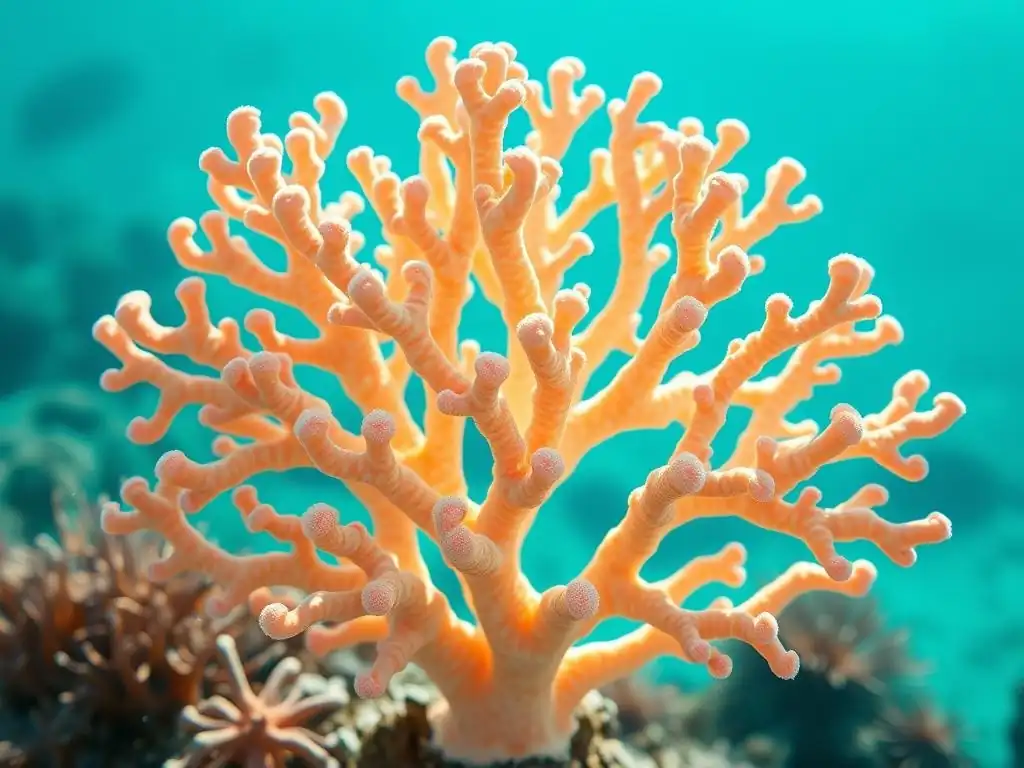
Maintaining stable and optimal water parameters is fundamental to successful Favia coral care, directly influencing their health and growth. For temperature, a consistent range of 75-80°F (24-27°C) is ideal. Fluctuations exceeding 1-2°F (0.5-1°C) within a 24-hour period can induce stress, leading to issues like bleaching or tissue necrosis. Using a reliable heater with a controller and monitoring with an accurate thermometer is essential to prevent thermal shock.
Salinity should be maintained within a specific gravity range of 1.024-1.026, which corresponds to 33-35 parts per thousand (ppt) of dissolved salts. A high-quality refractometer calibrated regularly is recommended for accurate measurements. The pH level, indicating the water's acidity or alkalinity, should ideally hover between 8.0 and 8.4. Consistent monitoring and stability across these parameters are more important than achieving exact numbers, as rapid changes can be detrimental to Favia corals.
The Importance of Water Chemistry: Alkalinity, Calcium, and Magnesium
Beyond temperature and salinity, the precise balance of alkalinity, calcium, and magnesium is critical for the calcification process, which allows Favia corals to build and maintain their stony skeletons. Alkalinity, typically measured in dKH (degrees of carbonate hardness), should be kept between 8-12 dKH. This parameter represents the water's buffering capacity and its ability to prevent drastic pH swings, directly impacting the coral's ability to deposit calcium carbonate.
Calcium levels should be maintained between 400-450 ppm (parts per million). Calcium is the primary building block for the coral's skeleton, and insufficient levels can lead to stunted growth or weak skeletal structures. Magnesium, ideally between 1250-1350 ppm, plays a crucial role in preventing calcium carbonate from precipitating out of the water prematurely, thus making calcium and alkalinity more available for the coral. Regular testing (at least weekly for Alk, Ca, Mg) and consistent dosing, if needed, are vital Favia coral care tips to ensure these elements are readily available for robust growth.
Lighting Requirements for Favia Corals: Achieving the Perfect Balance
PAR Levels and Spectrum: Choosing the Right Lighting System
Favia corals, like most stony corals, host symbiotic zooxanthellae within their tissues, which perform photosynthesis to provide the coral with energy. Therefore, appropriate lighting is a cornerstone of Favia coral care. They generally thrive under moderate lighting conditions, with Photosynthetically Active Radiation (PAR) levels typically ranging from 100 to 250 PAR. While they can adapt to slightly higher or lower PAR, consistency and avoiding sudden changes are key. LED fixtures are popular due to their customizable spectrum and intensity, but T5 HO fluorescent lights or even metal halide lamps can also be suitable.
Regarding the spectrum, a full-spectrum light with a strong emphasis on the blue wavelengths (around 450-470nm) is highly beneficial. Blue light promotes photosynthesis and also enhances the vibrant coloration of Favia corals, making their reds, greens, and blues pop. Too much light can cause bleaching, where the coral expels its zooxanthellae, while too little can lead to "brown out" (loss of vibrant color) or slow, stunted growth. Carefully observe your coral's response to lighting and adjust intensity or duration as needed.
Acclimation to Lighting: Preventing Bleaching and Stress
Introducing new Favia corals to your tank or upgrading your lighting system requires careful acclimation to prevent stress and bleaching. Corals, especially those coming from different lighting environments, need time to adjust to new light intensities. Start by placing new Favia corals in a lower light area of your tank, perhaps on the sand bed or in a shaded spot, for the first few days to a week.
Gradually move the coral to its desired, higher-light location over a period of several weeks, or slowly increase the intensity of your new lighting system. Modern LED controllers often have acclimation modes that can automate this process. Signs of too much light include tissue retraction, paling of colors, or outright bleaching. Conversely, if the coral appears dull or its polyps are consistently shrunken, it may be receiving too little light. Patience during the acclimation phase is a critical Favia coral care tip that ensures the coral's long-term health and vibrant appearance.
Favia Coral Placement: Optimizing Flow and Light Exposure
Understanding Flow Patterns: Benefits of Moderate Water Movement
Optimal water flow is another crucial environmental factor for Favia coral care, impacting everything from nutrient delivery to waste removal. Favia corals generally prefer moderate, indirect, and turbulent water flow. This type of flow helps to prevent detritus from settling on their polyps, which can lead to tissue irritation and infection. It also ensures that food particles, whether naturally occurring or target-fed, are effectively brought to the coral's feeding polyps.
Avoid direct, laminar (straight-line) flow, as this can be too harsh, causing tissue damage, preventing polyp extension, or even dislodging the coral. Instead, use wavemakers or powerheads to create random, oscillating flow patterns that mimic natural reef conditions. Observe your Favia's polyp extension; if polyps are fully extended and gently swaying, the flow is likely appropriate. If they are constantly retracted or appear stressed, adjust the flow intensity or direction.
Avoiding Aggression: Placement Considerations with Other Corals
Favia corals, while beautiful, are known for their aggressive nature, particularly at night. They possess powerful sweeper tentacles that can extend several inches (typically 5-10 cm, but sometimes more) and sting neighboring corals, leading to tissue necrosis and potential loss of the affected coral. This aggressive behavior necessitates careful placement within a mixed reef aquarium to prevent conflict.
When positioning your Favia, ensure there is ample space around it, ideally at least 4-6 inches (10-15 cm) from any other LPS or SPS corals. Consider placing them in areas where their sweepers will not easily reach other valuable inhabitants, perhaps near the sand bed or against the back wall if space allows. Some aquarists create "coral islands" for aggressive species. Proactive planning of coral placement is a vital Favia coral care tip to maintain harmony and prevent damage in your reef tank.
Feeding Your Favia Coral: Promoting Growth and Coloration
What Do Favia Corals Eat? Natural Diet and Supplemental Feeding
Favia corals are mixotrophs, meaning they derive energy from two primary sources. The majority of their energy comes from the symbiotic zooxanthellae residing within their tissues, which perform photosynthesis using light. This makes adequate lighting a critical component of their energy intake. However, Favia corals are also carnivorous filter feeders, actively capturing microscopic organisms and particulate matter from the water column.
In a closed reef system, the natural supply of plankton and other food sources may not be sufficient to meet all of the coral's nutritional needs, especially in ultra-low nutrient systems (ULNS). Therefore, supplemental feeding is highly beneficial and often necessary to promote optimal growth rates, enhance coloration, and ensure robust health. A well-rounded feeding regimen complements their photosynthetic capabilities, leading to more vibrant and thriving Favia colonies.
Target Feeding Techniques: Ensuring Your Favia Receives Nutrients
Target feeding is an effective way to ensure your Favia coral receives adequate nutrients, especially for larger colonies or in tanks with high competition for food. This technique involves directly delivering food to the coral's extended polyps. Favia polyps typically extend more fully at night or when the tank lights are dimming, making these times ideal for feeding.
To target feed, use a pipette, turkey baster, or specialized coral feeder. Before feeding, it's advisable to turn off powerheads and return pumps for 10-15 minutes to prevent the food from being swept away too quickly. Gently squirt the food directly onto the coral's polyps. Observe as the polyps react by retracting and consuming the food. Feeding 1-3 times per week, depending on your tank's nutrient levels and the coral's appearance, is a good general guideline. Avoid overfeeding, as this can lead to nutrient spikes and water quality issues.
Best Foods for Favia Corals: From Zooplankton to Coral Foods
A diverse diet is key to promoting the best growth and coloration in Favia corals. Excellent food choices include a variety of frozen zooplankton, such as enriched mysis shrimp, brine shrimp, copepods, and rotifers. These offer a good range of proteins and fatty acids that are vital for coral health. Ensure the food particles are appropriately sized for Favia polyps, generally in the range of 50-200 microns.
In addition to frozen foods, specialized dry coral foods like Reef Roids, Polyp Lab's Reef-Roids, or similar powdered formulas designed for LPS corals are highly effective. These products are formulated with specific nutritional profiles to meet coral needs. Liquid coral foods and phytoplankton, while not directly consumed by Favia in large quantities, can also be beneficial as they contribute to the overall food web in the aquarium, supporting the microfauna that Favia might indirectly feed upon. Regular, varied feeding is a crucial Favia coral care tip for thriving colonies.
Favia Coral Health and Troubleshooting: Identifying and Addressing Common Issues
Recognizing Signs of Stress in Favia Corals
Color Loss, Tissue Recession, and Polyp Bailout
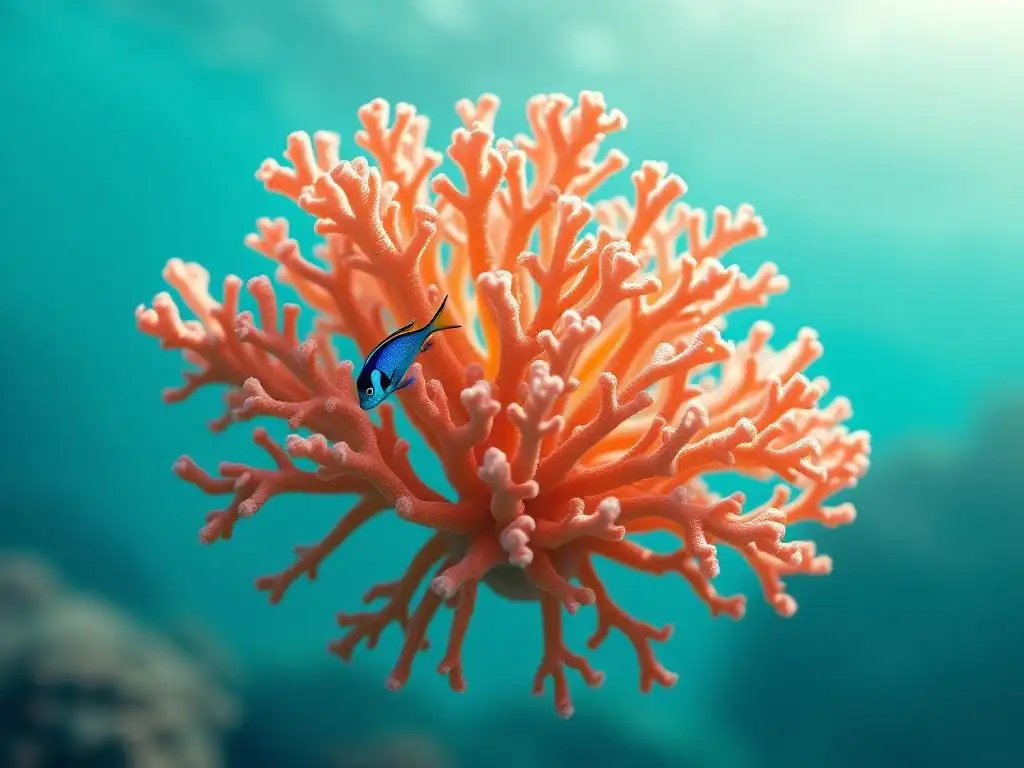
Recognizing early signs of stress is paramount in Favia coral care, allowing for timely intervention and preventing irreversible damage. Color loss, often referred to as bleaching, is a prominent indicator of stress. This occurs when the coral expels its symbiotic zooxanthellae due to environmental stressors like sudden temperature fluctuations (e.g., above 82°F or 28°C), extreme lighting (too much or too little PAR), or poor water quality (e.g., high nitrates above 20 ppm). The coral will appear pale or even white.
Tissue recession is another critical sign, where the coral's fleshy tissue begins to pull away from its skeleton, often starting from the base or edges. This can be caused by bacterial infections, prolonged exposure to high nitrates or phosphates, physical damage, or prolonged general stress. In severe cases, Favia corals may exhibit polyp bailout, a last-ditch survival mechanism where individual polyps detach from the colony. This usually indicates extreme stress or imminent death. Immediate investigation and correction of underlying water parameters or environmental factors are essential if any of these signs are observed.
Common Pests and Diseases Affecting Favia Corals
Flatworms, Red Bugs, and Bacterial Infections
While Favia corals are generally robust, they can still fall victim to common reef aquarium pests and diseases. Flatworms, such as various parasitic species, can irritate coral tissue, leading to retraction or slow decline. Although less common on Favia than on SPS, general parasitic flatworms can still be a nuisance. Inspect new corals carefully before introduction, and consider prophylactic dips. Red Bugs (Tegastes acroporanus), primarily an Acropora pest, can sometimes spread to other corals under severe infestations, causing stress.
Bacterial infections, particularly Brown Jelly Disease (BJD), are a serious threat to Favia corals. BJD manifests as a rapidly spreading, brown, slimy coating on the coral tissue, leading to swift necrosis. It is highly contagious and can wipe out an entire colony in a matter of hours. If BJD is suspected, immediately isolate the affected coral, gently remove the brown jelly using a pipette, and consider a freshwater dip (pH and temperature matched) or a coral dip solution. Maintaining pristine water quality and stable parameters is the best defense against such infections.
Favia Coral Fragging: Propagating Your Colonies Responsibly
Step-by-Step Guide to Fragging Favia Corals
Fragging Favia corals is a rewarding aspect of Favia coral care, allowing aquarists to propagate their colonies, share with others, or trim overgrown pieces. To frag Favia, you'll need specific tools: bone cutters for smaller colonies or a Dremel tool with a diamond-coated blade for larger, denser skeletons. Always wear protective eyewear and gloves. Select a healthy, well-established colony with at least 3-5 corallites for the frag.
Gently remove the chosen piece from the main colony. If using bone cutters, make a clean, swift cut through the skeleton, minimizing tissue damage. For a Dremel, cut slowly under water to reduce dust and heat. After cutting, dip both the frag and the mother colony in a reputable coral dip solution for the recommended duration to disinfect and reduce the risk of infection. Finally, attach the frag to a frag plug or disc using reef-safe super glue gel, ensuring the tissue side is facing up.
Healing and Recovery: Ensuring Successful Frag Propagation
After fragging, ensuring the proper healing and recovery of both the new frag and the mother colony is crucial for successful propagation. Place the freshly fragged Favia in a lower flow and slightly lower light area of your tank initially. This reduced stress environment allows the coral to allocate its energy towards healing the cut tissue rather than maintaining full growth or photosynthetic activity.
Monitor the frag daily for any signs of stress, infection, or tissue recession. Healthy new tissue growth, often appearing as a thin layer spreading over the cut edge, typically begins within 1-2 weeks. Maintaining excellent water quality, with stable parameters and low nitrates/phosphates, is paramount during this healing phase. Once new tissue growth is evident and the frag appears stable, it can be gradually moved to its permanent, higher-light, and moderate-flow location in the display tank. Patience and consistent Favia coral care tips during this period will lead to thriving new colonies.
Choosing the Right Favia Coral for Your Aquarium
Different Favia Species: A Guide to Popular Varieties
War Favia (Favia speciosa): Color, Care Level
The "War Favia," often identified as Favia speciosa, is one of the most highly coveted Favia varieties due to its exceptionally striking and contrasting coloration. Typically displaying vibrant combinations of red, green, and sometimes orange or yellow, its appearance often evokes a "watermelon" pattern, making it a dramatic focal point in any reef tank. It primarily forms encrusting or massive colonies, showcasing its distinct corallite structures.
In terms of care level, Favia speciosa is considered moderate. It shares the general care requirements for other Favia species, thriving under stable water parameters (e.g., temperature 75-80°F, salinity 1.025, alkalinity 8-10 dKH), moderate lighting (PAR 100-200), and moderate, turbulent water flow. Its stunning aesthetics combined with its relative hardiness make it an excellent choice for intermediate aquarists looking to add a visually impactful and rewarding LPS coral to their collection. Consistent Favia coral care tips will ensure its colors remain brilliant.
Pineapple Favia (Favia favus): Color, Care Level
Favia favus, commonly known as "Pineapple Favia," is another popular and distinctive species. Its name derives from its large, often polygonal corallites that resemble the segments of a pineapple, giving it a unique textured appearance. This species typically exhibits shades of green, brown, or blue, sometimes with contrasting "eyes" that add to its visual appeal. It tends to form robust, dome-shaped or encrusting colonies in the aquarium.
The care level for Favia favus is also moderate, making it a forgiving option for those gaining experience with LPS corals. It is notably hardy and tolerant of a range of conditions, provided they are stable. Like other Favia, it prefers moderate lighting (PAR 100-200), stable water chemistry (calcium 400-450 ppm, magnesium 1250-1350 ppm), and moderate, indirect water flow. Its resilience makes it an excellent foundational coral for aquarists dedicated to learning comprehensive Favia coral care tips and building a thriving reef system.
Evaluating Favia Coral Health Before Purchasing
Identifying Healthy Tissue and Polyp Extension
Before bringing any Favia coral home, a thorough visual inspection is one of the most important Favia coral care tips to ensure you are acquiring a healthy specimen. Look for full, plump tissue that completely covers the skeleton. There should be no signs of recession, exposed skeleton, or torn areas. The coral's coloration should be vibrant and natural for its species, not pale, bleached, or dull brown. Avoid corals with any suspicious growths, white spots, or visible parasites like flatworms.
Observe the coral's polyp extension. While Favia polyps are often retracted during the day, they should appear plump and healthy when visible. If the polyps are consistently shrunken, withdrawn, or appear stringy, it could be a sign of stress or poor health. If possible, observe the coral when the lights are dimming or off, as this is when Favia polyps typically extend to feed; they should appear robust and ready to capture food. A healthy, active Favia is a good indicator of successful long-term Favia coral care in your home aquarium.
Advanced Favia Coral Care: Taking Your Reef to the Next Level
Optimizing Nutrient Levels: Balancing Nitrate and Phosphate
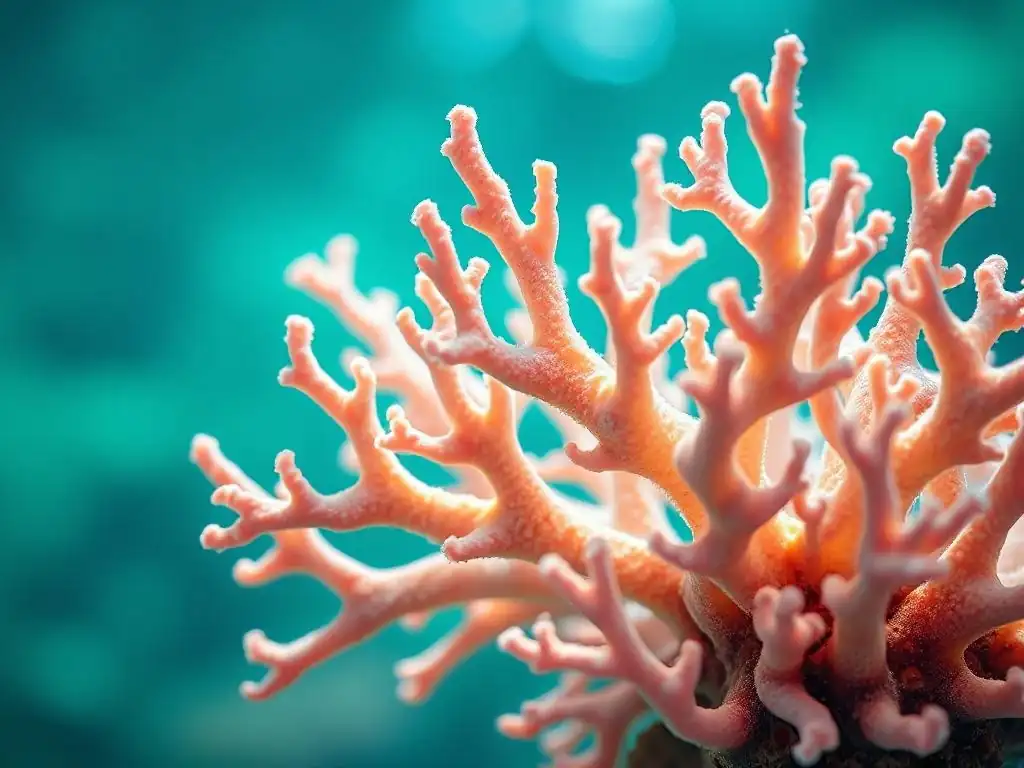
For advanced Favia coral care, optimizing nutrient levels goes beyond simply keeping them low; it's about finding the right balance. While Favia corals can tolerate slightly higher nitrate and phosphate levels compared to more sensitive SPS corals, maintaining a low but detectable range is ideal for vibrant coloration and healthy growth. Aim for nitrates typically below 10 ppm, with many advanced hobbyists targeting 2-5 ppm. Phosphates should be kept very low, ideally below 0.1 ppm, with a target often around 0.03-0.07 ppm.
Ultra-low nutrient systems (ULNS) can sometimes lead to issues for Favia if supplemental feeding is not consistent, as they rely on both photosynthesis and heterotrophic feeding. Methods to control nutrients include consistent protein skimming, regular water changes (e.g., 10-15% bi-weekly), utilizing a refugium with macroalgae, and employing GFO (granular ferric oxide) or carbon reactors. Regular testing with accurate kits is essential to monitor these parameters and make precise adjustments, ensuring your Favia corals thrive without starvation or excessive algae growth.
The Role of Trace Elements in Favia Coral Health
While calcium, alkalinity, and magnesium are the primary building blocks for stony corals, trace elements play a crucial, albeit smaller, role in Favia coral health, growth, and coloration. Elements like strontium, iodine, potassium, and various trace metals are incorporated into the coral's skeleton and soft tissue processes. Strontium, for instance, is thought to aid in the calcification process and promote skeletal density. Iodine can enhance polyp extension and may contribute to more vibrant colors in some corals.
These trace elements are naturally depleted from the aquarium water through coral uptake, protein skimming, and activated carbon use. For advanced Favia coral care, some aquarists choose to dose specific trace element supplements. However, caution is advised, as overdosing can be detrimental. It is often recommended to rely on high-quality salt mixes and regular water changes (e.g., 10% weekly) to replenish these elements naturally. If dosing, follow manufacturer instructions precisely and monitor your corals closely for any adverse reactions.
Monitoring and Adjusting Your Reef System for Long-Term Favia Success
The journey to mastering Favia coral care is an ongoing process of meticulous monitoring and informed adjustment. Keeping a detailed log of all water parameters – including temperature, salinity, pH, alkalinity, calcium, magnesium, nitrates, and phosphates – is invaluable. Consistent daily observation of your Favia corals for subtle changes in polyp extension, tissue plumpness, coloration, and overall behavior provides critical feedback on their well-being.
Being prepared to make small, gradual adjustments based on these observations is key to long-term success. For example, if you notice slight paling, you might slightly reduce light intensity or increase target feeding. If growth seems slow, you might check calcium and alkalinity levels. Avoid drastic changes, as sudden shifts in environment are far more detrimental to corals than slightly suboptimal but stable conditions. This proactive, data-driven approach, combined with a deep understanding of Favia coral care tips, ensures your Favia colonies will flourish for years to come.
Mastering Favia Coral Care: A Summary of Key Takeaways
Consistent Monitoring and Maintenance: The Key to Success
The cornerstone of successful Favia coral care lies in unwavering consistency in monitoring and maintenance. Regular water testing, ideally weekly for critical parameters like alkalinity, calcium, and magnesium, and monthly for nitrates and phosphates, provides the data needed to keep your Favia thriving. Complement this with routine water changes, typically 10-20% bi-weekly, to replenish essential elements and dilute accumulated wastes. Consistent filter media maintenance, including cleaning protein skimmers and replacing carbon/GFO, is also paramount. Remember, stable parameters are often more crucial than achieving absolute "perfect" numbers.
Beyond testing, daily visual observation of your Favia corals is irreplaceable. Look for full polyp extension, vibrant coloration, and plump tissue. Any signs of recession, bleaching, or unusual behavior should prompt immediate investigation. Early detection of issues allows for prompt intervention, significantly increasing the chances of recovery and preventing minor problems from escalating into major crises. This diligent, proactive approach is the most effective Favia coral care tip for ensuring the long-term health and beauty of your colonies.
Resources for Further Learning: Expanding Your Knowledge of Favia Corals
To truly master Favia coral care, continuous learning is essential. The vast and evolving world of reefkeeping offers numerous resources to expand your knowledge. Reputable online forums and dedicated reefkeeping websites, such as Aquarium Mastery, provide a wealth of information, troubleshooting guides, and community support where you can ask questions and learn from experienced aquarists. Engaging with these platforms can offer insights into specific Favia species and their nuanced requirements.
Consider joining a local reef club or attending regional coral shows. These events offer opportunities to connect with fellow hobbyists, share experiences, and gain practical advice from those who have successfully kept Favia corals for years. Additionally, diving into scientific articles or comprehensive books on coral husbandry can deepen your understanding of coral biology, water chemistry, and advanced Favia coral care techniques. The more you learn, the better equipped you will be to cultivate stunning and thriving Favia colonies in your home aquarium.
Frequently Asked Questions
How much light does a Favia coral need?
Favia corals generally prefer moderate lighting. Too much light can cause bleaching, while too little can hinder growth and coloration. Consider using LED fixtures with adjustable intensity.
What are the ideal water parameters for Favia coral?
Maintaining stable water parameters is crucial. Aim for a temperature between 72-78°F, salinity of 1.024-1.026, and a pH of 8.1-8.4. Regular testing and adjustments are essential.
What should I feed my Favia coral?
While Favia corals get some nutrition from photosynthesis, they also benefit from supplemental feeding. Offer small pieces of meaty foods like mysis shrimp or brine shrimp 2-3 times per week.
What are some common problems encountered with Favia coral?
Common issues include bleaching (caused by stress or poor water quality), brown jelly disease, and pests. Prompt identification and treatment are vital for coral survival.
How often should I perform water changes in my Favia coral tank?
Regular water changes help maintain stable water parameters and remove accumulated waste. A 10-20% water change every 1-2 weeks is generally recommended, but adjust based on your tank's bioload.
Final Reflection: Cultivating Resilience, One Polyp at a Time
The journey of nurturing Favia corals, as we've explored, is more than just following a set of instructions; it's about understanding the delicate balance of a miniature ecosystem. This understanding, now more than ever, mirrors our responsibility to the larger, more complex ecosystems of our planet. The principles of careful observation, patient adjustment, and proactive care that apply to Favia coral care are directly transferable to how we approach environmental stewardship in a world grappling with unprecedented ecological challenges.
The vibrant colors and intricate patterns of a thriving Favia colony serve as a constant reminder of the beauty and fragility of life. My own experiences with these corals have instilled in me a deeper appreciation for the interconnectedness of all living things, and the profound impact even small actions can have. In the end, we will conserve only what we love; we will love only what we understand; and we will understand only what we are taught.
- Baba Dioum. This quote resonates deeply, highlighting the crucial role knowledge and understanding play in fostering a genuine commitment to conservation, whether it's a coral reef or a rainforest.
As you close this article, I invite you to consider how the lessons learned in Favia coral care can extend beyond the confines of your aquarium. Let the patience, dedication, and attention to detail you apply to nurturing these fascinating creatures inspire you to cultivate resilience and sustainability in all aspects of your life. Embrace the challenge of understanding complex systems, and strive to be a proactive steward of the world around you. The future of our planet, like the health of a Favia colony, depends on our collective commitment to mindful care and unwavering dedication.
Ignite Your Favia's Brilliance!
Thank you for delving into the vibrant world of Favia coral care. We hope you’ve gained valuable insights to help your colonies thrive. Now, let’s transform that knowledge into action!
- Take the plunge and start optimizing your lighting for Favia growth. Review your current PAR levels and make adjustments to encourage vibrant coloration and healthy development.
- Share your Favia success stories! Post photos and care tips on social media using #AquariumMasteryFavia.
- Explore the unconventional: Experiment with targeted feeding to observe if it enhances your Favia's growth and coloration.
What's one small tweak you can make this week to significantly improve your Favia's environment?