
Hybridization in Marine Fish: Exploring Possibilities and Ethical Considerations

Welcome to Aquarium Mastery, your ultimate guide to the captivating underwater world!
Ever wondered about the hidden possibilities within our oceans, particularly when it comes to creating new and unique species? Dive deep with us as we explore the fascinating—and sometimes controversial—world of marine fish hybridization techniques. Discover the science, the successes, and the ethical considerations surrounding this cutting-edge field. Intrigued? The journey into the depths of marine fish breeding starts now!
- Introduction to Marine Fish Hybridization
- The Science Behind Marine Fish Hybridization
- Potential Benefits of Marine Fish Hybridization
- Ethical Considerations of Marine Fish Hybridization
- Examples of Successful Marine Fish Hybrids
- Marine Fish Hybridization Techniques: A Detailed Look
- The Future of Marine Fish Hybridization in Aquariums
- Responsible Practices for Marine Fish Hybridization
- Conclusion: Balancing Innovation and Responsibility in Marine Fish Hybridization
-
Frequently Asked Questions
- How does hybridization occur in marine fish?
- What are some potential benefits of marine fish hybridization?
- What are the ethical concerns surrounding marine fish hybridization?
- What role does water chemistry play in successful marine fish hybridization?
- What resources does AquariumMastery.com offer for learning more about marine fish care?
- Final Reflection: Navigating the Murky Waters of Marine Innovation
- Uncover the Secrets: Dive Deeper into Marine Fish Hybridization!
Introduction to Marine Fish Hybridization
Understanding Hybridization in the Aquatic World
Hybridization, in biological terms, refers to the interbreeding of two genetically distinct species or populations to produce offspring. While commonly observed in some terrestrial animals and plants, its occurrence in aquatic environments, particularly marine settings, is less frequent in nature due to vastness, specific spawning cues, and geographic isolation. However, natural hybridization does occur among certain marine fish groups, such as some angelfish (e.g., Centropyge species) and damselfish, where their ranges overlap and reproductive barriers are not absolute.
The underlying principle involves the compatibility of genetic material from two parent species, allowing for the successful fusion of gametes and subsequent embryonic development. Despite the potential for offspring, many natural hybrids are sterile or exhibit reduced fitness, a mechanism known as post-zygotic isolation, which helps maintain species distinctness. Understanding these natural limitations and successes is crucial when considering controlled marine fish hybridization techniques.
The Growing Interest in Marine Fish Hybridization Techniques for Aquariums
The allure of marine fish hybridization within the aquarium hobby stems from a desire for novelty, unique aesthetics, and the potential to develop fish with enhanced traits. As aquaculture technologies for ornamental marine fish have advanced significantly over the past few decades, so too has the capacity for controlled breeding experiments. This includes sophisticated larval rearing protocols and a deeper understanding of fish reproductive physiology.
Hobbyists and commercial breeders are increasingly exploring marine fish hybridization techniques to create visually stunning specimens with unprecedented color patterns, or to potentially breed more robust and disease-resistant strains. This growing interest is driven by market demand for unique fish and the scientific curiosity of pushing the boundaries of what is possible in captive breeding, moving beyond simply reproducing existing species.
The Science Behind Marine Fish Hybridization
Genetic Compatibility and Hybrid Viability in Saltwater Species
The success of marine fish hybridization techniques hinges primarily on the genetic compatibility between the parent species. Generally, the closer the genetic relationship – typically within the same genus, and sometimes within the same family – the higher the probability of successful fertilization and viable offspring. For instance, many successful marine hybrids have been observed within the angelfish genus Centropyge, or the clownfish genus Amphiprion, where species are relatively closely related.
Even with successful fertilization, a significant hurdle is hybrid viability and fertility. Many marine fish hybrids may suffer from developmental deformities, reduced survival rates, or complete sterility, a phenomenon known as hybrid breakdown. This genetic incompatibility is often due to differences in chromosome number, gene sequences, or regulatory pathways that are crucial for development and reproduction. Breeders employing marine fish hybridization techniques must be prepared for high rates of failure and invest considerable effort into understanding which species pairs offer the best chance of producing healthy, viable hybrids.
Methods of Inducing Hybridization in Marine Fish
Controlled hybridization in marine fish primarily relies on interventionist methods, as spontaneous crosses are rare in captive environments. These methods allow breeders to overcome natural barriers and precisely control parentage.
Artificial Insemination for Creating Marine Fish Hybrids
Artificial insemination is one of the most precise and widely utilized marine fish hybridization techniques. This method involves the manual stripping of gametes (eggs and sperm) from reproductively mature male and female parent fish. The collected eggs and sperm from different species are then carefully mixed in a controlled environment, often in a petri dish with a small amount of sterile seawater, to facilitate fertilization.
The process demands meticulous timing, as marine fish gametes often have a very short viability window once released from the fish. Sperm viability, in particular, can be measured in minutes. After mixing, the fertilized eggs are transferred to a larval rearing tank with optimal water parameters for incubation and hatching. This technique offers the highest degree of control over the hybridization process, allowing for specific crosses that might not occur naturally due to behavioral or physical incompatibilities.
Hormone Treatments to Promote Successful Hybridization
Hormone treatments are another critical component of advanced marine fish hybridization techniques, particularly when dealing with species that are reluctant to spawn in captivity or when synchronizing the spawning of two different species. Gonadotropin-releasing hormone (GnRH) analogs, such as LHRHa (Luteinizing Hormone-Releasing Hormone analog), are commonly administered through injection or sustained-release implants.
These hormones stimulate the final maturation and release of gametes in both male and female fish, effectively inducing spawning. By carefully timing the hormone administration to both parent species, breeders can ensure that viable eggs and sperm are available simultaneously for artificial insemination or even natural spawning attempts if the species are compatible enough to share a spawning environment. This approach significantly increases the chances of obtaining gametes from species that would otherwise be challenging to breed, thereby expanding the possibilities for hybridization.
Challenges in Marine Fish Hybridization and Overcoming Them
Despite advancements in marine fish hybridization techniques, several significant challenges persist. One primary hurdle is the low fertilization rate often observed when crossing different species, even those within the same genus. This is frequently followed by extremely high larval mortality rates, with only a small fraction of the hatched larvae surviving to metamorphosis. Genetic incompatibilities can lead to developmental abnormalities, reduced growth, and ultimately, inviability in many hybrid offspring. Furthermore, many successful hybrids may prove to be sterile, preventing further propagation of the hybrid line.
Overcoming these challenges requires a multi-faceted approach. Researchers and breeders often undertake numerous attempts with various parent combinations, meticulously documenting results to identify more compatible pairings. Optimizing larval rearing conditions – including precise water quality management, specific temperature and salinity ranges, and highly nutritious live food protocols – is paramount.
For instance, providing a diverse diet of rotifers, copepods, and eventually Artemia nauplii, tailored to the specific needs of the hybrid larvae, can significantly improve survival rates. Persistence, detailed record-keeping, and a deep understanding of the reproductive biology of the parent species are essential to navigate the complexities of successful marine fish hybridization.
Potential Benefits of Marine Fish Hybridization
Enhancing Desirable Traits Through Hybridization
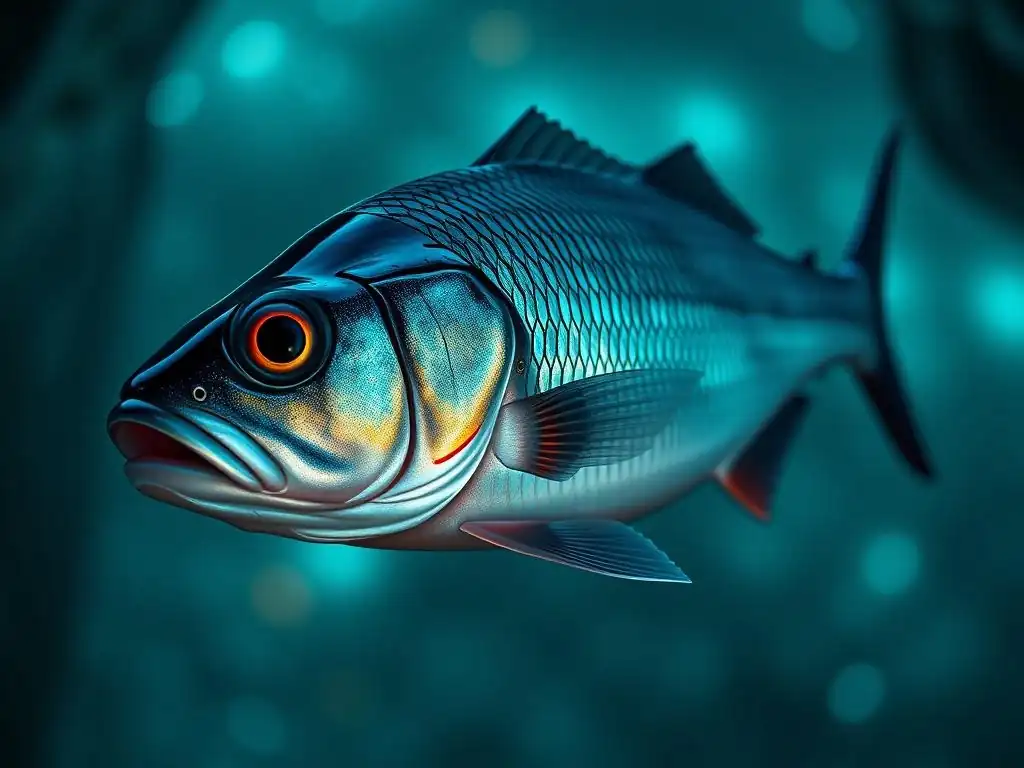
One of the most compelling motivations for engaging in marine fish hybridization techniques is the potential to enhance or combine desirable traits from different parent species. This can lead to the creation of fish with superior aesthetic qualities, increased resilience, or entirely novel characteristics.
Improving Coloration and Patterns in Marine Fish
Hybridization offers a unique avenue for developing marine fish with novel and striking coloration and patterns that are not found in either parent species. For example, crosses between different color morphs or species of clownfish (e.g., Amphiprion ocellaris and Amphiprion percula) have led to the creation of various "designer" clownfish strains with intricate patterns of white, black, and orange.
Similarly, hybrid angelfish, such as those resulting from crosses between Lemonpeel Angelfish ( Centropyge flavissima) and Herald's Angelfish ( Centropyge heraldi), can exhibit a beautiful blend of yellow and blue hues, or unique patterns that are highly sought after by aquarists.
These aesthetic enhancements are a major driver in the ornamental fish trade. By carefully selecting parent species with complementary color genes or patterns, breeders utilize marine fish hybridization techniques to produce visually appealing animals that command premium prices and add significant diversity to the hobby. The unpredictable nature of genetic recombination in hybrids often leads to serendipitous discoveries of stunning new color forms.
Increasing Disease Resistance Through Hybridization
A significant practical benefit of controlled marine fish hybridization techniques is the potential to increase disease resistance in captive-bred populations. By crossing two species, each possessing different genetic predispositions to resist specific pathogens, it may be possible to combine these beneficial traits in their offspring. For instance, if one species is particularly resilient to common parasitic infections like marine Ich ( Cryptocaryon irritans) and another shows strong resistance to bacterial diseases, their hybrid offspring might inherit a broader spectrum of immunity.
This concept leverages the principle of hybrid vigor, where the hybrid offspring are often more robust than either parent. While specific examples of commercially available disease-resistant marine fish hybrids are still emerging, the potential for reduced mortality rates and lower reliance on chemical treatments in aquarium settings is a powerful incentive for breeders to continue exploring these marine fish hybridization techniques. Developing such resilient strains could significantly benefit the long-term health and sustainability of the aquarium trade.
Creating Unique and Novel Fish Species for the Aquarium Trade
Beyond enhancing existing traits, marine fish hybridization techniques can lead to the creation of entirely unique and novel fish species or varieties that do not exist in nature. These "designer" hybrids often exhibit a combination of physical characteristics, color patterns, and even behavioral traits from their parent species, resulting in truly one-of-a-kind aquatic animals. Examples include various angelfish hybrids, such as the "Tiger Bar" angelfish (a cross between a Queen Angelfish, Holacanthus ciliaris, and a Blue Angelfish, Holacanthus bermudensis), which displays a mosaic of colors and patterns from both parents.
Such novel creations generate considerable excitement within the aquarium community and can open up new markets for specialized collectors. The ability to produce fish with distinct appearances contributes to the diversity of available species for hobbyists, offering fresh challenges and aesthetic opportunities. This innovative aspect of marine fish hybridization techniques is a key driver for advancing the ornamental aquaculture industry.
Hybrid Vigor (Heterosis) in Marine Fish
Hybrid vigor, also known as heterosis, refers to the phenomenon where the hybrid offspring display superior qualities or performance compared to both of their parent lines. In the context of marine fish hybridization techniques, this can manifest in various beneficial ways, such as enhanced growth rates, increased fertility (in cases where hybrids are fertile), improved survival rates, and greater resilience to environmental stresses or diseases.
The biological basis for heterosis is thought to involve the masking of deleterious recessive alleles by dominant alleles from the other parent, as well as the synergistic combination of beneficial alleles from both parents. For instance, hybrid marine fish might grow faster, reach sexual maturity earlier, or exhibit a stronger immune response than either of their purebred parents. While not guaranteed with every cross, the potential for hybrid vigor provides a significant incentive for breeders, offering the prospect of more robust and easier-to-rear fish, which is particularly valuable in the challenging field of marine aquaculture.
Ethical Considerations of Marine Fish Hybridization
Potential Impacts on Wild Marine Fish Populations
One of the most significant ethical concerns surrounding marine fish hybridization techniques is the potential impact on wild marine fish populations should captive-bred hybrids escape into natural ecosystems. While the likelihood of such an event might seem low, accidental releases from aquaculture facilities or even from hobbyist tanks during disposal are not unheard of. If these hybrids are fertile and able to reproduce with wild populations, they can introduce non-native genetic material, leading to a phenomenon known as genetic pollution or introgression.
Genetic pollution can dilute the gene pool of native species, potentially eroding their unique genetic adaptations to local environments, reducing their overall fitness, and even leading to the eventual extinction of the pure species. For example, if a hybrid is more aggressive or outcompetes a native species for resources, it could disrupt delicate ecological balances. The long-term consequences of such genetic interference are often irreversible and pose a serious threat to marine biodiversity, underscoring the need for extreme caution in employing marine fish hybridization techniques.
The Responsibility of Aquarists and Breeders
The ethical responsibility for aquarists and breeders engaged in marine fish hybridization techniques is paramount. This responsibility extends beyond merely preventing escapes and includes careful consideration of the welfare of the fish involved. Breeders have an obligation to ensure that the parent species selected for hybridization are healthy and that the breeding process does not cause undue stress or harm. Furthermore, they must consider the potential for producing offspring with severe deformities or reduced quality of life due to genetic incompatibilities, and take steps to mitigate such outcomes.
Responsible breeders also commit to accurate documentation of parentage and clear labeling of hybrid fish sold to the public. This transparency allows hobbyists to make informed decisions and helps prevent the misrepresentation of hybrids as pure species. Moreover, educating the public about the ethical considerations and potential risks associated with hybrids, particularly regarding their disposal, is a crucial part of this responsibility. Adhering to best practices in marine fish hybridization techniques is essential for maintaining the integrity and sustainability of the hobby.
Addressing Concerns About Genetic Pollution and Biodiversity
Addressing concerns about genetic pollution and the broader impact on biodiversity requires a proactive and informed approach from all stakeholders involved in marine fish hybridization techniques. Genetic pollution, where non-native genes are introduced into wild populations through hybridization, can lead to the loss of unique genetic identities and adaptations that have evolved over millennia. This erosion of genetic distinctiveness directly threatens biodiversity by blurring the lines between species and potentially leading to the loss of distinct evolutionary lineages.
To mitigate these risks, strict biosecurity protocols must be implemented in all breeding facilities to prevent the escape of hybrid individuals. Research into the reproductive potential and ecological impact of specific marine fish hybrids is also crucial before widespread breeding or commercialization. Furthermore, a broader conversation within the scientific community, conservation organizations, and the aquarium industry is needed to establish clear guidelines and best practices for responsible marine fish hybridization techniques. This collaborative effort is vital to balance innovation with the imperative to protect natural marine ecosystems and their inherent biodiversity.
Examples of Successful Marine Fish Hybrids
Documented Cases of Natural and Artificial Hybridization
Hybridization, both natural and artificial, has been documented across various marine fish families, showcasing the possibilities and complexities of interspecific crosses. In nature, certain angelfish of the genus Centropyge are well-known for their natural hybrids, particularly in areas where the ranges of species like the Lemonpeel Angelfish ( Centropyge flavissima) and the Herald's Angelfish ( Centropyge heraldi) overlap. These natural hybrids often display a blend of the parent species' coloration, such as a yellow body with blue highlights, and can sometimes be fertile.
In captivity, controlled marine fish hybridization techniques have successfully produced hybrids across several groups. Clownfish of the genus Amphiprion are prime examples, with crosses between A. ocellaris and A. percula being common, resulting in various "designer" clownfish. Similarly, some larger angelfish species ( Pomacanthus and Holacanthus genera) have yielded hybrids, such as the "Passer-King" angelfish (Passer Angelfish x King Angelfish) or the "Tiger Bar" angelfish (Queen Angelfish x Blue Angelfish). These examples demonstrate the deliberate application of marine fish hybridization techniques to create novel forms.
Hybrid Lionfish: A Case Study in Interspecific Hybridization
One of the most widely recognized and ecologically significant examples of marine fish hybridization involves the invasive lionfish in the Atlantic and Caribbean. The two primary species responsible for the invasion are the Red Lionfish ( Pterois volitans) and the Devil Firefish ( Pterois miles). While initially thought to be distinct invading populations, genetic studies have confirmed that these two species are actively hybridizing in their invaded range.
This interspecific hybridization is a compelling case study because it illustrates how hybridization can potentially contribute to the success of an invasive species. The hybrid offspring may exhibit enhanced adaptability, broader environmental tolerances, or increased reproductive rates, traits that could further accelerate their spread and impact on native ecosystems. Distinguishing between the pure species and their hybrids can be challenging, but their presence underscores the real-world implications of hybridization, even when it occurs naturally in a new environment, and highlights the potential for unintended consequences if marine fish hybridization techniques lead to escapes.
Hybrid Parrotfish: Exploring Coloration and Morphology
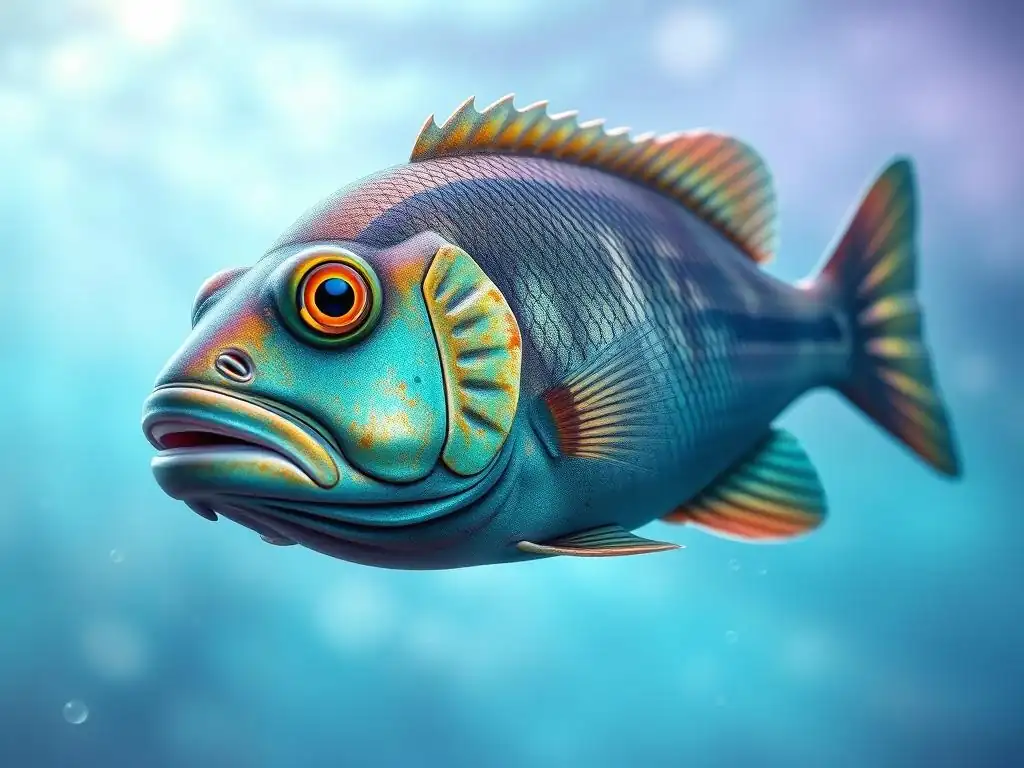
Parrotfish (family Scaridae) represent another interesting group where natural hybridization has been observed, particularly on coral reefs where different species' territories overlap. While not commonly bred in captivity using marine fish hybridization techniques, their natural hybrids offer insights into the morphological and coloration changes that can occur. These hybrids often display a mosaic of traits from their parent species, including unique combinations of body colors, fin patterns, and even variations in the structure of their fused teeth, which form their characteristic "beak."
For instance, hybrids between different species within the genus Scarus might exhibit unprecedented blends of greens, blues, and yellows, along with intermediate body shapes. Studying these natural occurrences helps scientists understand the genetic compatibility and evolutionary pathways within the group. Although these examples are not typically a result of direct marine fish hybridization techniques by aquarists, they serve as a fascinating biological precedent for the potential for genetic mixing and the resulting diversity in form and color within marine fish.
Marine Fish Hybridization Techniques: A Detailed Look
Selecting Parent Species for Hybridization
The successful application of marine fish hybridization techniques begins with the meticulous selection of parent species. Genetic compatibility is paramount; species within the same genus are generally the most promising candidates, as they share a closer evolutionary relationship and are more likely to produce viable offspring. For example, various Amphiprion (clownfish) species often hybridize successfully, whereas attempts to cross fish from entirely different families are almost always futile.
Beyond genetic closeness, the health, vigor, and reproductive readiness of the individual parent fish are critical. Only robust, disease-free specimens should be chosen to ensure the highest quality gametes and to prevent the transmission of health issues to the offspring. Consideration of size compatibility is also important, as vastly different sizes between male and female parents can hinder natural spawning attempts, making artificial insemination the only viable option. Ethical considerations, such as avoiding crosses known to produce highly deformed or inviable offspring, also guide responsible parent selection in marine fish hybridization techniques.
Optimizing Environmental Conditions for Hybridization Success
Optimizing environmental conditions is a crucial step in marine fish hybridization techniques, aiming to replicate or enhance the natural triggers for spawning and ensure the health of parent fish. Stable and pristine water parameters are non-negotiable: precise temperature, salinity, pH, alkalinity, and extremely low levels of nitrates, nitrites, and ammonia are essential. For many species, slight fluctuations mimicking seasonal changes or lunar cycles can also serve as spawning cues.
Specific environmental factors that can induce spawning include photoperiod manipulation (e.g., increasing daylight hours), controlled temperature changes (a slight drop or rise), and regular, large water changes. Providing appropriate spawning sites, such as smooth rocks, clay pots, or specific substrates, can also encourage natural pairing and egg deposition. Adequate nutrition, often involving a diverse diet of high-quality live and frozen foods, is also vital to condition the parent fish for reproduction. The meticulous control of these variables significantly increases the likelihood of obtaining viable gametes for artificial insemination or successful natural spawning.
Rearing and Caring for Hybrid Marine Fish Larvae
The rearing and caring for hybrid marine fish larvae is arguably the most challenging phase of marine fish hybridization techniques, demanding exceptional attention to detail and consistent effort. Marine fish larvae are typically pelagic, extremely small, and highly delicate, requiring precise environmental conditions and a specialized feeding regimen to ensure survival.
Nutrition and Feeding Strategies for Hybrid Larvae
Providing appropriate nutrition is critical for the survival and development of hybrid marine fish larvae. Due to their minute size, the initial food source must be microscopic. Rotifers ( Brachionus plicatilis) are the most common first food, often enriched with essential fatty acids (e.g., DHA and EPA) to maximize their nutritional value. As the larvae grow, their diet must transition to larger prey items. Copepod nauplii are increasingly recognized as a superior initial food source due to their higher nutritional content and more natural swimming motion, which can stimulate feeding responses.
Later larval stages will typically consume newly hatched Artemia nauplii, also often enriched. The feeding schedule must be frequent, often around the clock, to ensure a continuous supply of food in the water column, as larvae have high metabolic rates and limited energy reserves. The success of marine fish hybridization techniques is heavily reliant on mastering these intricate feeding strategies to support the rapid growth and development of the vulnerable hybrid larvae.
Water Quality Management for Hybrid Larval Development
Maintaining impeccable water quality is paramount for the delicate hybrid marine fish larvae. Unlike adult fish, larvae are incredibly sensitive to even minute fluctuations in water parameters and the presence of metabolic waste products. Larval rearing tanks require extremely stable conditions: consistent temperature, salinity, and pH are crucial, as is maintaining dissolved oxygen levels.
Daily, small-volume water changes (e.g., 10-20% per day) are often implemented to remove waste and replenish essential elements without causing undue stress or rapid changes to the environment. Gentle aeration, often provided by air stones, is necessary to ensure adequate oxygenation, but strong currents that could harm the fragile larvae must be avoided. Filtration is typically kept minimal or passive, often relying on simple sponge filters or daily manual cleaning of tank surfaces to prevent the buildup of detritus. The meticulous water quality management is a defining characteristic of successful marine fish hybridization techniques in the larval stage.
The Future of Marine Fish Hybridization in Aquariums
Emerging Technologies and Research in Hybridization
The future of marine fish hybridization techniques in aquariums is poised for significant advancements, driven by emerging technologies and ongoing research in aquaculture and genetics. Genetic sequencing technologies are becoming more accessible, allowing breeders to precisely map the genomes of potential parent species. This offers unprecedented insights into genetic compatibility, helping to predict which crosses are most likely to yield viable and fertile offspring, thereby reducing the trial-and-error often involved.
Furthermore, research into advanced hormonal induction agents and delivery methods continues to refine spawning synchronization, making it easier to obtain gametes from challenging species. While not directly hybridization, gene editing technologies like CRISPR hold future potential to modify specific traits, potentially offering an alternative or complementary approach to trait enhancement without traditional hybridization. These technological leaps promise to make marine fish hybridization techniques more efficient, predictable, and successful.
Gene Flow Analysis and Hybrid Zone Dynamics
Understanding natural gene flow and hybrid zone dynamics is becoming increasingly relevant for informing responsible marine fish hybridization techniques in captivity. By studying areas in the wild where different marine fish species naturally interbreed, scientists can gain valuable insights into the ecological and genetic factors that facilitate or limit hybridization. Gene flow analysis, which tracks the movement of genes between populations or species, can reveal the extent of genetic exchange and the long-term impacts of natural hybridization on species integrity.
This research can provide crucial data on which species pairs are genetically predisposed to successful hybridization and what the natural consequences of such mixing are. Applying this knowledge to captive breeding can help breeders select appropriate parent species, understand potential hybrid vigor or sterility, and, importantly, assess the ecological risks should hybrids escape. This scientific approach helps to ensure that marine fish hybridization techniques are not only innovative but also conducted with a deep understanding of their broader implications.
Advancements in Cryopreservation Techniques
Advancements in cryopreservation techniques, particularly the freezing of fish gametes (sperm and eggs), hold immense promise for the future of marine fish hybridization techniques. Cryopreservation allows for the long-term storage of genetic material from a wide array of marine fish species. This has several significant benefits: it eliminates the need to maintain large, live breeding populations; it facilitates the exchange of genetic material between geographically distant facilities without the logistical challenges and stress of transporting live fish; and it safeguards genetic diversity.
For hybridization, cryopreserved gametes mean that breeders can attempt crosses between species that may not be reproductively active at the same time or that are located on different continents. It also provides a valuable "biobank" of genetic resources for future hybridization experiments, potentially even with species that become rare or extinct in the wild. As cryopreservation protocols become more refined and successful for a broader range of marine fish, they will undoubtedly revolutionize the scope and efficiency of marine fish hybridization techniques.
Responsible Practices for Marine Fish Hybridization
Best Practices for Breeders and Hobbyists
Engaging in marine fish hybridization techniques carries significant responsibilities for breeders and hobbyists alike. Adhering to best practices is crucial to ensure ethical outcomes and minimize potential risks. Firstly, maintaining meticulous records of parentage, breeding attempts, and the outcomes of each cross is essential for learning and for providing accurate information about the hybrids produced. This includes documenting growth rates, health, and any deformities.
Secondly, prioritizing the health and welfare of all fish involved – parents and offspring – is paramount. This means providing optimal husbandry, avoiding crosses known to produce severe deformities, and humanely culling any individuals with significant genetic defects. Responsible breeders also commit to preventing any escape of hybrid fish into natural waterways, employing robust biosecurity measures. By adhering to these best practices, individuals employing marine fish hybridization techniques contribute positively to the hobby and its long-term sustainability.
Maintaining Genetic Diversity and Preventing Inbreeding
A critical aspect of responsible marine fish hybridization techniques is the commitment to maintaining genetic diversity and actively preventing inbreeding, especially in subsequent generations of hybrids. While the initial cross introduces new genetic combinations, repeated backcrossing of hybrids to a parental species or breeding among closely related hybrids can quickly lead to inbreeding depression. This can manifest as reduced fertility, compromised immune systems, increased susceptibility to disease, and a general decline in vigor.
To counteract this, breeders should strive to introduce new bloodlines from unrelated individuals whenever possible, and avoid breeding first-generation hybrids with their parents or siblings. Maintaining sufficiently large and diverse breeding populations, even for hybrids, helps to preserve a broader genetic base. Responsible practices in marine fish hybridization techniques require a long-term perspective, focusing on the genetic health and viability of the hybrid lines for future generations, rather than solely on immediate aesthetic or commercial gains.
Transparency and Disclosure in Hybrid Fish Sales
Transparency and full disclosure are fundamental ethical obligations when selling hybrid marine fish. It is imperative that all hybrid fish are clearly and accurately labeled as such, distinguishing them unequivocally from purebred species. This includes providing available information on the parentage of the hybrid, if known, such as the specific species crossed to create it. Misrepresenting a hybrid as a pure species is not only unethical but can also mislead hobbyists about the fish's care requirements, potential adult size, or breeding capabilities.
Furthermore, responsible breeders and retailers should educate buyers about the unique characteristics of hybrid fish. This might include discussing potential sterility, specific care needs, or any known health predispositions. By being transparent about marine fish hybridization techniques and their outcomes, the industry fosters trust, empowers hobbyists to make informed decisions, and prevents the accidental or intentional release of potentially disruptive genetic material into wild populations. This commitment to honesty underpins the integrity of the entire ornamental marine fish trade.
Conclusion: Balancing Innovation and Responsibility in Marine Fish Hybridization
The Ongoing Debate: Benefits vs. Risks
The field of marine fish hybridization techniques presents a compelling dichotomy, balancing the exciting possibilities of innovation against significant ethical and ecological risks. On one hand, controlled hybridization offers immense potential for enhancing desirable traits such as unique coloration, improved disease resistance, and accelerated growth rates, leading to more robust and aesthetically diverse fish for the aquarium hobby. These benefits can contribute to the sustainability of the ornamental fish trade by reducing reliance on wild-caught specimens and offering novel challenges for advanced aquarists.
However, the risks are equally profound. The primary concern revolves around genetic pollution and its potential impact on wild marine fish populations if captive-bred hybrids escape. The introduction of non-native genetic material can erode the genetic integrity of native species, leading to reduced fitness, loss of unique adaptations, and ultimately, a decline in biodiversity. The long-term ecological consequences of such events are often unpredictable and irreversible, fueling an ongoing debate about the ethical boundaries of applying marine fish hybridization techniques.
A Call for Ethical and Sustainable Practices
Given the complex interplay of benefits and risks, a clear call for ethical and sustainable practices is essential for the future of marine fish hybridization techniques. This requires a multi-faceted approach involving breeders, hobbyists, researchers, and regulatory bodies. Breeders must adopt stringent biosecurity measures to prevent escapes, prioritize the welfare of their fish, and meticulously document their crosses. Transparency in sales, clearly labeling hybrids and educating buyers about their specific characteristics, is also paramount to prevent misrepresentation and unintended consequences.
Further research into genetic compatibility, hybrid viability, and the ecological impacts of specific crosses is crucial to inform best practices. Ultimately, the responsible application of marine fish hybridization techniques hinges on a commitment to innovation tempered by a deep respect for marine biodiversity and the delicate balance of natural ecosystems. By fostering a culture of accountability and continuous learning, the aquarium community can navigate this fascinating frontier in a manner that benefits both the hobby and the health of our planet's oceans.
Frequently Asked Questions
How does hybridization occur in marine fish?
Hybridization in marine fish typically occurs when closely related species spawn and their eggs are fertilized by sperm from a different species. This can happen more readily in artificial environments like aquariums due to limited mate choices.
What are some potential benefits of marine fish hybridization?
Some potential benefits include creating fish with unique coloration or desirable traits like disease resistance. It can also contribute to scientific understanding of species relationships and evolutionary processes.
What are the ethical concerns surrounding marine fish hybridization?
Ethical concerns include the potential for introducing hybrids into the wild, which could disrupt natural populations and biodiversity. Additionally, the welfare of hybrid fish is a concern if they suffer from health problems or reduced fitness.
What role does water chemistry play in successful marine fish hybridization?
While not directly causing hybridization, stable and suitable water chemistry is crucial for the survival and health of both parent fish and any resulting hybrid offspring. It is essential for successful spawning and larval development.
What resources does AquariumMastery.com offer for learning more about marine fish care?
AquariumMastery.com provides detailed articles on fish selection, water chemistry, and troubleshooting. It also offers information on species profiles and maintenance schedules to help aquarists maintain healthy tanks and understand fish behavior.
The exploration of marine fish hybridization techniques is no longer a futuristic concept confined to research labs; it's a present-day reality with profound implications for aquaculture, conservation, and the very definition of natural ecosystems. As we've seen, the potential benefits are tantalizing, from enhanced disease resistance to increased growth rates. However, the ethical considerations surrounding genetic manipulation and the potential for unintended ecological consequences demand careful scrutiny and responsible implementation.
This journey into the world of marine fish hybridization has underscored the delicate balance between scientific advancement and environmental stewardship. The power to reshape marine life carries a significant responsibility to understand and mitigate the risks involved. We must remember that our actions today will ripple through generations of marine ecosystems. The question is not whether we can alter nature, but whether we can alter it wisely.
- Rachel Carson. This quote resonates deeply as we consider the long-term effects of introducing hybrid species into complex and interconnected marine environments.
Now, as you consider the possibilities and challenges presented by marine fish hybridization, I urge you to reflect on your own role in shaping the future of our oceans. What responsibility do we have to protect the integrity of natural ecosystems? How can we ensure that scientific innovation serves the greater good, rather than exacerbating existing environmental problems? Let us all strive to be informed, ethical stewards of the marine world, ensuring that future generations can marvel at the beauty and diversity of life beneath the waves.
Uncover the Secrets: Dive Deeper into Marine Fish Hybridization!
Thank you for exploring the fascinating world of marine fish hybridization! We hope this article has sparked your curiosity and provided valuable insights. Now, let's take those insights and turn them into action.
- Become a Citizen Scientist: Document and report any suspected hybrid fish you encounter, whether in your own aquarium or in local fish stores. Share your observations and photos to contribute to the growing body of knowledge.
- Explore further: Research the specific genetic markers that differentiate closely related species within a genus relevant to your aquarium. Understanding these differences is crucial for recognizing potential hybrids.
- Share your knowledge: Discuss the ethical implications of hybridization with fellow aquarium enthusiasts, promoting responsible breeding practices and informed decision-making.
What fascinating insights about hybridization did you glean that changed how you will observe your aquatic life?