
Black Molly Magic: Keeping This Velvety Livebearer Healthy & Happy

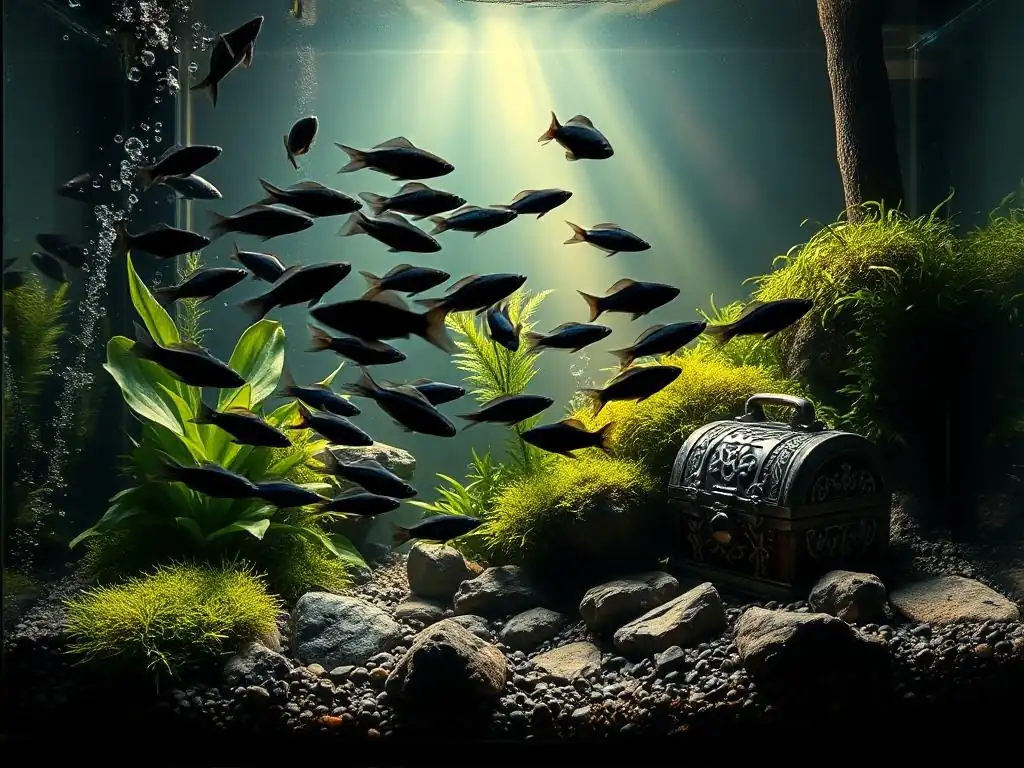
Welcome to Aquarium Mastery, your ultimate guide to thriving aquatic ecosystems!
Intrigued by the sleek elegance of the Black Molly? Dive into "Black Molly Magic: Keeping This Velvety Livebearer Healthy & Happy" and discover the secrets to providing optimal Black Molly aquarium care. From water parameters to tank mates, we'll unlock the mysteries of this captivating freshwater fish, ensuring your Black Mollies flourish in your aquarium. Keep reading to transform your tank into their perfect haven!
- Introduction to Black Mollies: The Velvety Livebearer
- Understanding Black Molly Aquarium Care Essentials
- Setting Up the Perfect Black Molly Aquarium
- Black Molly Diet and Nutrition: Ensuring Optimal Health
- Black Molly Tank Mates: Choosing Compatible Companions
- Black Molly Breeding: A Guide to Raising Fry
- Common Black Molly Diseases and Treatments
- Black Molly Varieties: Exploring Different Fin Types and Traits
- Troubleshooting Common Black Molly Problems
- Black Molly Aquarium Care Checklist: A Summary
- Conclusion: Enjoying the Beauty of Black Mollies
-
Frequently Asked Questions
- What are the ideal water parameters for a Black Molly aquarium?
- What should I feed my Black Molly?
- How often should I perform water changes in my Black Molly aquarium?
- What are some common diseases that affect Black Mollies, and how can I prevent them?
- What tank size is recommended for a group of Black Mollies?
- Final Reflection: The Enduring Allure of the Black Molly
- Dive Deeper into Black Molly Bliss!
Introduction to Black Mollies: The Velvety Livebearer
What Makes Black Mollies So Popular? (Appearance & Temperament)
Black Mollies, scientifically known as Poecilia sphenops (though often a hybrid of P. sphenops and P. latipinna), are celebrated for their striking, velvety black coloration that absorbs light beautifully, making them stand out in any freshwater aquarium. Their sleek bodies and often flowing fins, especially in varieties like the Sailfin Molly, contribute to their elegant appearance. Beyond their aesthetics, their active and generally peaceful temperament makes them a favorite among aquarists. They are constantly exploring their environment, adding a dynamic energy to the tank, and typically coexist well with other community fish.
Their popularity also stems from their hardiness and adaptability, making them suitable for both novice and experienced fish keepers. Black Mollies are livebearers, meaning they give birth to live, free-swimming fry rather than laying eggs, which can be an exciting experience for hobbyists interested in breeding. This combination of captivating looks, lively behavior, and relative ease of care establishes them as a staple in the freshwater aquarium hobby, frequently chosen for their unique contribution to tank diversity and visual appeal.
Are Black Mollies Right for Your Freshwater Aquarium?
Black Mollies can be an excellent addition to many freshwater aquariums, particularly for those looking for robust, active, and visually appealing fish. Their adaptability to a range of water conditions, provided they are stable and meet their preferences, makes them a forgiving species for beginners venturing into Black Molly aquarium care. They thrive in tanks with slightly harder, more alkaline water, which is a key consideration. If your tap water naturally leans towards these parameters, Black Mollies will likely flourish.
However, potential owners should be aware of their prolific breeding habits. A single female Black Molly can give birth to 20-100 fry every 30-40 days, leading to rapid overpopulation if not managed. While this is exciting for breeders, it requires careful planning for tank space or fry management.
Additionally, while generally peaceful, a ratio of at least two females per male is recommended to diffuse male aggression and reduce stress on individual females. Considering these factors, Black Mollies are an ideal choice for aquarists who appreciate vibrant, active fish and are prepared for the joys and responsibilities of livebearer ownership.
Understanding Black Molly Aquarium Care Essentials
Black Molly Tank Size: Creating the Ideal Habitat
For a small group of Black Mollies (e.g., one male and two to three females), a minimum tank size of 20 gallons (approximately 75 liters) is recommended. While some sources might suggest smaller tanks, a 20-gallon long provides ample swimming space and helps maintain stable water parameters, which is crucial for successful Black Molly aquarium care. These fish are active swimmers and appreciate room to explore and establish territories, especially if multiple males are present (though generally not recommended in smaller tanks).
For larger groups or when housing Black Mollies in a community setup with other fish, a 30-gallon (around 115 liters) or larger tank is far more suitable. Larger tanks offer increased water volume, which dilutes waste products more effectively and buffers against rapid changes in water chemistry, reducing stress on the fish. This extra space also helps mitigate any potential aggression among males or allows females to escape constant attention from males, contributing significantly to their overall health and longevity.
Water Parameters for Thriving Black Mollies: Temperature, pH, and Hardness
Optimal water parameters are fundamental for the health and vibrancy of Black Mollies. They prefer tropical temperatures ranging from 75°F to 82°F (24°C to 28°C). Consistency in temperature is vital, as fluctuations can stress the fish and weaken their immune systems. A reliable aquarium heater with a thermostat is indispensable for maintaining this stable environment.
Regarding pH and hardness, Black Mollies thrive in hard, alkaline water, with a pH range of 7.5 to 8.5 and a general hardness (GH) of 15 to 30 dGH (250-500 ppm). Unlike many freshwater fish, Black Mollies can also benefit from a small amount of aquarium salt (non-iodized) added to their water, typically at a concentration of 1-2 teaspoons per 5 gallons (19 liters).
This mimics their natural brackish water habitats and can significantly improve their slime coat, helping to prevent common diseases like Ich and fungal infections. Consistent monitoring with a reliable test kit is essential to ensure these parameters remain within the ideal ranges for robust Black Molly aquarium care.
The Importance of Water Quality: Preventing Common Black Molly Diseases
Maintaining pristine water quality is paramount in preventing common diseases that can affect Black Mollies, such as Ich (white spot disease), fin rot, and fungal infections. High levels of ammonia, nitrite, or nitrate, often resulting from overfeeding or insufficient filtration, severely compromise a fish's immune system, making them susceptible to pathogens. Regular partial water changes are the cornerstone of good water quality; a weekly 25-30% water change is generally recommended for a well-stocked Black Molly aquarium.
Beyond water changes, effective mechanical, biological, and chemical filtration are critical. Mechanical filtration removes particulate matter, biological filtration converts harmful ammonia and nitrite into less toxic nitrate, and chemical filtration (like activated carbon) can remove impurities and odors. Regularly testing water parameters with a liquid test kit – specifically for ammonia, nitrite, and nitrate – allows aquarists to identify and address water quality issues before they escalate into serious health problems, ensuring a healthy environment for Black Molly aquarium care.
Setting Up the Perfect Black Molly Aquarium
Choosing the Right Substrate and Decorations for Black Mollies
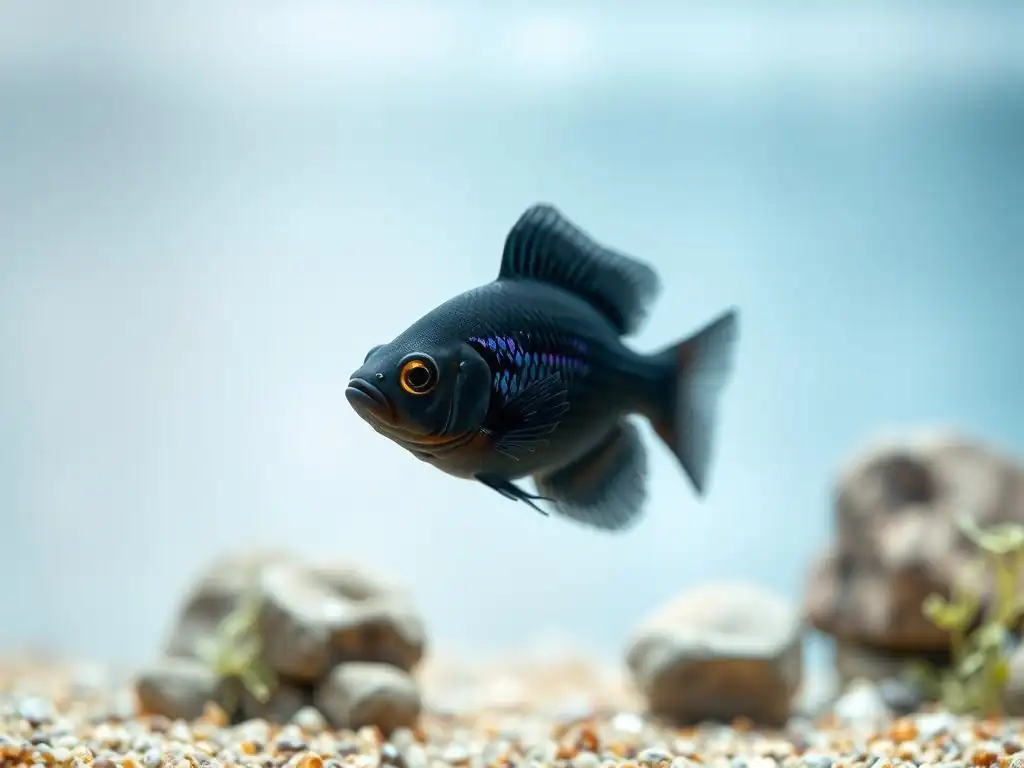
When setting up a Black Molly aquarium, the choice of substrate can play a role in maintaining their preferred water parameters. Substrates like crushed coral, aragonite sand, or specialized buffering substrates can help naturally raise and stabilize pH and hardness, which is beneficial for these fish that thrive in alkaline, hard water. While inert gravel is also acceptable, it won't contribute to water chemistry. Aim for a substrate layer of 2-3 inches (5-7.5 cm) to allow for plant rooting and beneficial bacteria colonization.
Decorations should provide visual interest and offer hiding spots, especially important for pregnant females or submissive males. Smooth rocks, driftwood (which might lower pH slightly, so monitor accordingly), and artificial decorations are all suitable. Ensure all decorations are aquarium-safe and do not have sharp edges that could injure delicate fins. Arranging decorations to break up lines of sight can also help reduce aggression among tank inhabitants and create a more secure environment for your Black Mollies.
Black Molly Plant Preferences: Creating a Natural Environment
Live plants are highly beneficial for a Black Molly aquarium, contributing to water quality by absorbing nitrates, providing oxygen, and offering natural hiding places for fish, especially fry. Black Mollies generally tolerate a range of hardy freshwater plants, particularly those that can adapt to harder, more alkaline water. Good choices include Anubias species, Java Fern ( Microsorum pteropus), and various types of Vallisneria and Sagittaria, which are robust and can thrive in conditions preferred by mollies.
Floating plants like Duckweed or Frogbit can also be beneficial, as they provide shade and additional cover for fry, though they can multiply rapidly and require thinning. When selecting plants, consider their compatibility with the slightly harder water and potential for a small amount of aquarium salt. Plants not accustomed to these conditions might struggle. A well-planted tank not only enhances the aesthetic appeal but also contributes significantly to the overall well-being and natural behavior of your Black Mollies, making it a crucial aspect of Black Molly aquarium care.
Filtration and Aeration: Essential Equipment for Black Molly Health
Effective filtration and adequate aeration are non-negotiable for maintaining a healthy Black Molly aquarium. A robust filtration system is essential to process the waste produced by these active fish and their prolific breeding. A hang-on-back (HOB) filter or an internal power filter is suitable for smaller tanks (20-30 gallons), while larger setups might benefit from a canister filter for superior mechanical, biological, and chemical filtration. Ensure the filter is appropriately sized for your tank volume and provides good water turnover.
Aeration, typically achieved through the filter's output or an air stone connected to an air pump, is equally important. Black Mollies, like all fish, require dissolved oxygen to breathe. Good surface agitation promotes gas exchange, ensuring high oxygen levels and preventing the buildup of carbon dioxide. This not only supports fish respiration but also aids in the nitrification cycle by providing oxygen for beneficial bacteria. Together, efficient filtration and strong aeration create a stable, oxygen-rich environment that is vital for preventing stress and disease in Black Mollies.
Black Molly Diet and Nutrition: Ensuring Optimal Health
What Do Black Mollies Eat? A Balanced Diet for Livebearers
Black Mollies are omnivores with a significant preference for vegetable matter, making a balanced diet crucial for their long-term health and vibrant appearance. Their diet should primarily consist of high-quality flake or pellet food formulated for livebearers, which often includes a good percentage of plant-based ingredients like spirulina or algae. Supplementing this staple diet with fresh or blanched vegetables such as zucchini, cucumber slices, or shelled peas provides essential fiber and nutrients, mirroring their natural grazing habits on algae in the wild.
In addition to plant matter, Black Mollies benefit from occasional protein-rich foods. Small portions of frozen or live foods like brine shrimp, daphnia, bloodworms, or tubifex worms can be offered 2-3 times a week. These protein sources contribute to healthy growth, especially for developing fry, and enhance their overall vitality. A varied diet not only ensures they receive all necessary nutrients but also keeps them engaged and prevents boredom, contributing to comprehensive Black Molly aquarium care.
Best Foods for Black Molly Health and Vibrancy
While Black Mollies are known for their striking black color, which doesn't "enhance" in the same way a red or blue fish's color might, their vibrancy refers to their overall health, the depth of their black pigmentation, and the velvety texture of their scales. To achieve this, foods rich in spirulina and other algae are highly recommended. Spirulina-based flakes or pellets should form a significant part of their daily diet, as they provide essential vitamins, minerals, and carotenoids that promote robust health and maintain the richness of their black coloration.
Beyond spirulina, incorporating a variety of high-quality foods ensures a complete nutritional profile. Look for foods that list fish meal, krill, and various plant proteins as primary ingredients. Offering live or frozen foods like brine shrimp or bloodworms not only provides necessary protein but also stimulates their natural hunting instincts, contributing to their activity levels and overall well-being. A diet that emphasizes both plant-based nutrients and occasional protein boosts is key to supporting a healthy immune system and the characteristic velvety sheen of Black Mollies.
Feeding Frequency and Portion Control: Preventing Overfeeding
Proper feeding frequency and portion control are critical aspects of Black Molly aquarium care, directly impacting water quality and fish health. It is generally recommended to feed Black Mollies two to three times per day, offering small amounts that they can consume entirely within 2-3 minutes. This approach ensures that all fish get enough to eat without leaving excess food to decay in the tank.
Overfeeding is a common mistake that can lead to a cascade of problems: uneaten food decomposes, leading to ammonia and nitrite spikes, which are highly toxic to fish. It also contributes to excessive nitrate buildup, increases the organic load on the filter, and can encourage algae blooms. Furthermore, overfeeding can cause digestive issues and obesity in the fish themselves, shortening their lifespan. By adhering to small, frequent feedings and closely observing how quickly your Black Mollies consume their food, you can maintain excellent water quality and promote the long-term health of your fish.
Black Molly Tank Mates: Choosing Compatible Companions
Ideal Tank Mates for Black Mollies in a Community Aquarium
Choosing appropriate tank mates is vital for a peaceful and thriving Black Molly aquarium. Ideal companions are fish that share similar water parameter requirements (hard, alkaline water, possibly with a little salt) and have a calm, non-aggressive temperament. Excellent choices include other livebearers such as Guppies, Platies, and Swordtails, as they are generally peaceful and have similar needs. However, be mindful of potential cross-breeding between mollies and platies/swordtails if you prefer purebred lines.
Other suitable tank mates can include peaceful bottom dwellers like Corydoras catfish (ensure they tolerate harder water, e.g., Bronze or Albino Corys) and Bristlenose Plecos, which help with algae control. Certain peaceful tetras, like Neon Tetras or Ember Tetras, can also coexist well, provided the water parameters are closer to neutral and stable. Always introduce new fish cautiously and monitor interactions to ensure compatibility and a harmonious community environment.
Fish to Avoid: Black Molly Compatibility Issues
When planning a Black Molly aquarium, it's equally important to know which fish to avoid to prevent stress, aggression, or even fatalities. Aggressive or fin-nipping species are unsuitable; this includes many Cichlids (like African Cichlids, unless specifically in a large, species-specific setup designed for hard water), Tiger Barbs, and certain larger, predatory fish. These species can harass Black Mollies, leading to stress, injury, or death.
Additionally, fish that require vastly different water parameters should be avoided. For instance, species that need very soft, acidic water (like Discus or many South American Tetras) will not thrive in the hard, alkaline conditions preferred by Black Mollies, and vice-versa. Placing fish with conflicting environmental needs together will inevitably lead to chronic stress and illness for one or both parties. Careful research into each potential tank mate's specific requirements is a crucial step in ensuring successful Black Molly aquarium care.
Maintaining a Peaceful and Balanced Community Tank
Achieving and maintaining a peaceful and balanced community tank with Black Mollies involves more than just selecting compatible species; it requires thoughtful planning of the aquarium environment and vigilant observation. Adequate tank size is paramount, as overcrowding is a primary cause of stress and aggression among fish. A general rule of thumb is at least one gallon of water per inch of adult fish, though more is always better for active species like mollies.
Providing ample hiding spots and visual barriers through decorations and live plants helps to break up lines of sight, allowing fish to retreat and establish territories without constant confrontation. A proper male-to-female ratio, particularly for livebearers (e.g., 1 male to 2-3 females), is crucial to prevent males from overly harassing individual females. Regularly observing your fish for signs of stress, aggression, or illness allows for early intervention, ensuring a harmonious and thriving Black Molly aquarium environment.
Black Molly Breeding: A Guide to Raising Fry
Identifying Male and Female Black Mollies
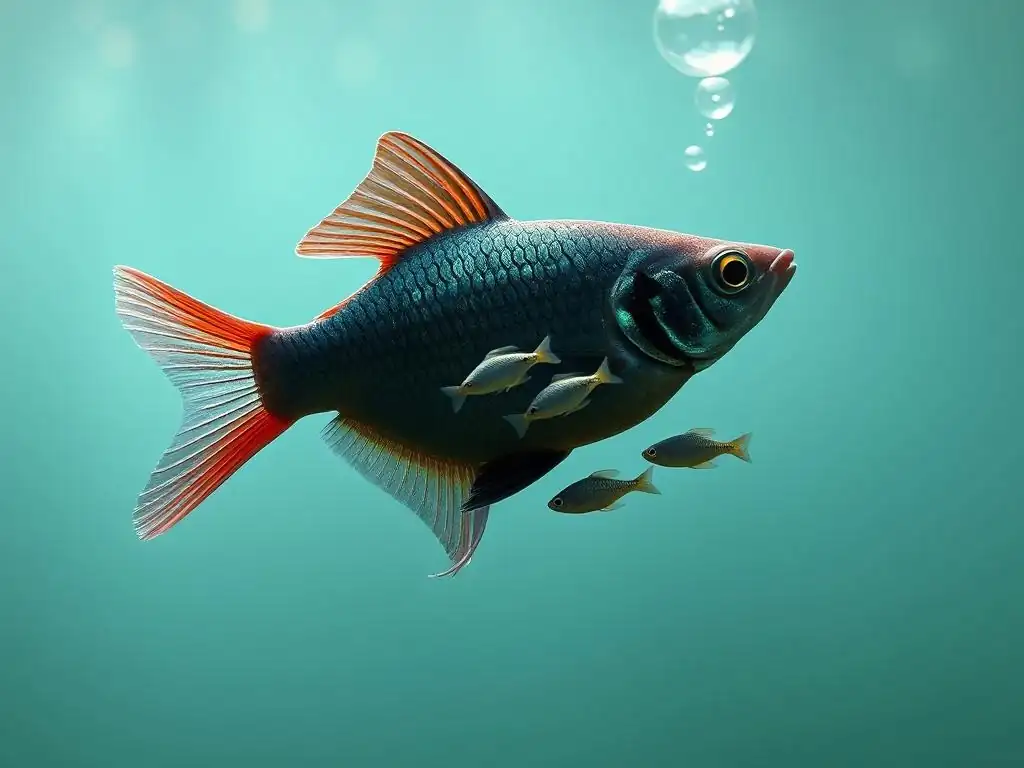
Distinguishing between male and female Black Mollies is relatively straightforward, a key step for anyone interested in Black Molly aquarium care and breeding. Male Black Mollies possess a modified anal fin called a gonopodium. This is a thin, pointed, rod-like fin located just behind the pelvic fins, used for internal fertilization. Males are also typically smaller and more slender than females and may exhibit more elaborate finnage, such as the large dorsal fin of a Sailfin Molly.
Female Black Mollies, in contrast, have a fan-shaped anal fin that is broad and rounded. They are generally larger and more robust than males, especially when pregnant. A gravid spot, a dark area near the anal fin, becomes more prominent in pregnant females as the fry develop. This spot is essentially the peritoneum stretching, making the developing fry visible. Observing these distinct anatomical differences allows for easy identification and successful pairing for breeding purposes.
Creating a Breeding Tank for Black Mollies
While Black Mollies can breed in a community tank, creating a dedicated breeding tank significantly increases fry survival rates. A 5-10 gallon (19-38 liter) tank is sufficient for a single pregnant female. The key feature of a breeding tank is providing ample hiding places for the fry immediately after birth, protecting them from being eaten by the mother or other tank inhabitants. Dense live plants like Java Moss, Guppy Grass, or Hornwort are excellent for this purpose, as their intricate structures offer immediate refuge.
Alternatively, a breeding box or net can be used, suspended within the main aquarium or a separate tank. These devices typically have slits or holes that allow the fry to drop through into a separate compartment, keeping them safe from the mother. However, breeding boxes can be stressful for the female, so they should only be used for short periods. Once the female has given birth, she should be promptly returned to the main tank to prevent further stress and ensure the fry's safety.
Caring for Black Molly Fry: Food, Water, and Growth
Caring for Black Molly fry requires specific attention to diet and water quality to ensure their rapid growth and survival. Immediately after birth, Black Molly fry are free-swimming and can accept finely crushed flake food. For optimal growth, feed them specialized fry food, microworms, or newly hatched brine shrimp several times a day (4-6 small feedings). The high protein content of brine shrimp is particularly beneficial for their development.
Maintaining pristine water quality is even more critical for fry than for adult fish, as they are highly susceptible to ammonia and nitrite. Perform small, frequent water changes (e.g., 10-15% every other day) using dechlorinated water that matches the temperature and parameters of the breeding tank. Ensure the filtration is gentle, as strong currents can easily overwhelm tiny fry; sponge filters are ideal for fry tanks. With consistent feeding and diligent water maintenance, Black Molly fry will grow quickly, reaching maturity in about 4-6 months, ready to continue the cycle of Black Molly aquarium care.
Common Black Molly Diseases and Treatments
Recognizing Signs of Illness in Black Mollies
Early recognition of illness is crucial for effective Black Molly aquarium care and treatment. Healthy Black Mollies are active, have a good appetite, and display vibrant, velvety black coloration. Signs of illness can include lethargy, spending unusual amounts of time at the surface or bottom, clamped fins (fins held close to the body), or erratic swimming motions. Changes in appearance such as white spots (Ich), frayed fins (fin rot), cotton-like growths (fungus), or a bloated body with scales protruding (dropsy) are clear indicators of disease.
Behavioral changes like rubbing against tank decorations (flashing), rapid gilling, or refusing food also signal distress. Any deviation from their normal behavior or appearance warrants immediate investigation. Promptly identifying these symptoms allows for quicker diagnosis and treatment, which can significantly improve the chances of recovery and prevent the spread of disease to other tank inhabitants.
Treating Common Black Molly Diseases: Ich, Fin Rot, and Columnaris
Black Mollies, like all fish, can fall victim to common aquarium diseases, but many are treatable with timely intervention. Ich, or white spot disease, appears as small white spots resembling salt grains on the body and fins. It's often treated by gradually increasing water temperature to 82-86°F (28-30°C) over a few days (if compatible with tank mates) and adding aquarium salt (1-2 teaspoons per gallon) or an over-the-counter Ich medication.
Fin rot, characterized by frayed or deteriorating fins, is usually caused by poor water quality or bacterial infection. Treatment involves large water changes (50% or more) and a broad-spectrum antibacterial medication.
Columnaris, also known as cottonmouth disease, presents as white or grayish patches on the mouth, fins, or body, sometimes resembling fungus. It's a highly contagious bacterial infection requiring immediate treatment with specific antibacterial medications like Furan-2 or Kanamycin. In all cases, isolating the affected fish in a quarantine tank is recommended to prevent spread and allow for targeted treatment without affecting the main tank's beneficial bacteria. Always follow medication instructions carefully and ensure optimal water quality during treatment for successful Black Molly aquarium care.
Preventing Disease Outbreaks: Quarantine and Water Changes
Preventing disease outbreaks is far more effective than treating them and is a cornerstone of responsible Black Molly aquarium care. The most critical preventive measure is quarantining all new fish for at least two to four weeks before introducing them to your main display tank. During this period, observe the new fish closely for any signs of illness, treat if necessary, and ensure they are eating well. This simple step can prevent the introduction of pathogens that could devastate your established fish population.
Regular, consistent water changes are another vital preventive measure. Performing weekly partial water changes (25-30%) removes accumulated nitrates and other pollutants, replenishing essential minerals and maintaining stable water parameters. This minimizes stress on your Black Mollies and keeps their immune systems strong, making them less susceptible to opportunistic infections. Furthermore, avoid overfeeding, maintain appropriate stocking levels, and ensure proper filtration and aeration. These practices collectively contribute to a healthy, disease-resistant environment, significantly reducing the likelihood of widespread illness in your Black Molly aquarium.
Black Molly Varieties: Exploring Different Fin Types and Traits
Exploring Different Black Molly Fin Types: Lyretail, Sailfin, and Balloon
While the classic Black Molly is admired for its solid color, various fin types offer exciting variations for enthusiasts engaged in Black Molly aquarium care. The Lyretail Molly features elongated, flowing fins, particularly the caudal (tail) fin, which is deeply forked with extended outer rays, creating an elegant, trailing appearance. This delicate finnage can be more susceptible to nipping or damage, requiring a peaceful tank environment.
The Sailfin Molly ( Poecilia latipinna or P. velifera hybrid) is perhaps the most striking, characterized by an exceptionally large, sail-like dorsal fin that can extend nearly the entire length of its back. This magnificent fin is particularly prominent in males and requires ample swimming space to display properly. The Balloon Molly, a more recent development, is distinguished by its unique, short, rounded body shape, which gives it a "balloon-like" appearance.
This trait is a genetic deformity, and while visually appealing, it can sometimes lead to health issues like swim bladder problems due to its compressed spine. Each fin type offers a distinct aesthetic, allowing aquarists to choose a Black Molly that best suits their preferences and tank conditions.
Understanding Black Molly Genetics: Breeding for Specific Traits
Understanding the basics of Black Molly genetics can be fascinating for hobbyists interested in selective breeding and exploring specific traits beyond the standard black coloration. While Black Mollies are primarily bred for their consistent black pigment, genetic selection also focuses on fin shape, body shape, and overall robustness. For instance, the Lyretail and Sailfin variations are results of specific genetic mutations that have been selectively bred over generations to enhance fin development.
The "Balloon" trait, which gives the fish its characteristic rounded body, is a dominant genetic mutation. Breeding two Balloon Mollies together will typically result in a higher percentage of Balloon-bodied offspring, although some may still exhibit the normal body shape. Breeders also work to maintain the deep, uniform blackness, ensuring no silver or gold flecks appear, which requires careful selection of breeding pairs. This selective breeding for desired traits, whether it's an elaborate fin, a unique body shape, or pure coloration, is an ongoing process that contributes to the diversity seen within Black Molly aquarium care.
Choosing the Right Black Molly Variety for Your Aquarium
Selecting the right Black Molly variety for your aquarium involves considering tank size, tank mates, and your personal aesthetic preferences, all within the framework of proper Black Molly aquarium care. For smaller tanks (e.g., 20 gallons), the standard Black Molly or Lyretail Molly might be more suitable, as their adult size and finnage are less demanding on space. Their relatively compact size makes them less prone to fin damage in a tank with moderate decor.
If you have a larger aquarium (30 gallons or more) and a very peaceful community, a Sailfin Molly can be a spectacular addition. Their impressive dorsal fins require ample open swimming space and are more susceptible to nipping from aggressive tank mates. Balloon Mollies, while visually unique, should be chosen with an understanding that their body shape can sometimes predispose them to swim bladder issues. Regardless of the variety, always prioritize healthy, active fish from a reputable source to ensure a good start for your Black Molly aquarium.
Troubleshooting Common Black Molly Problems
Black Molly Fin Nipping: Causes and Solutions
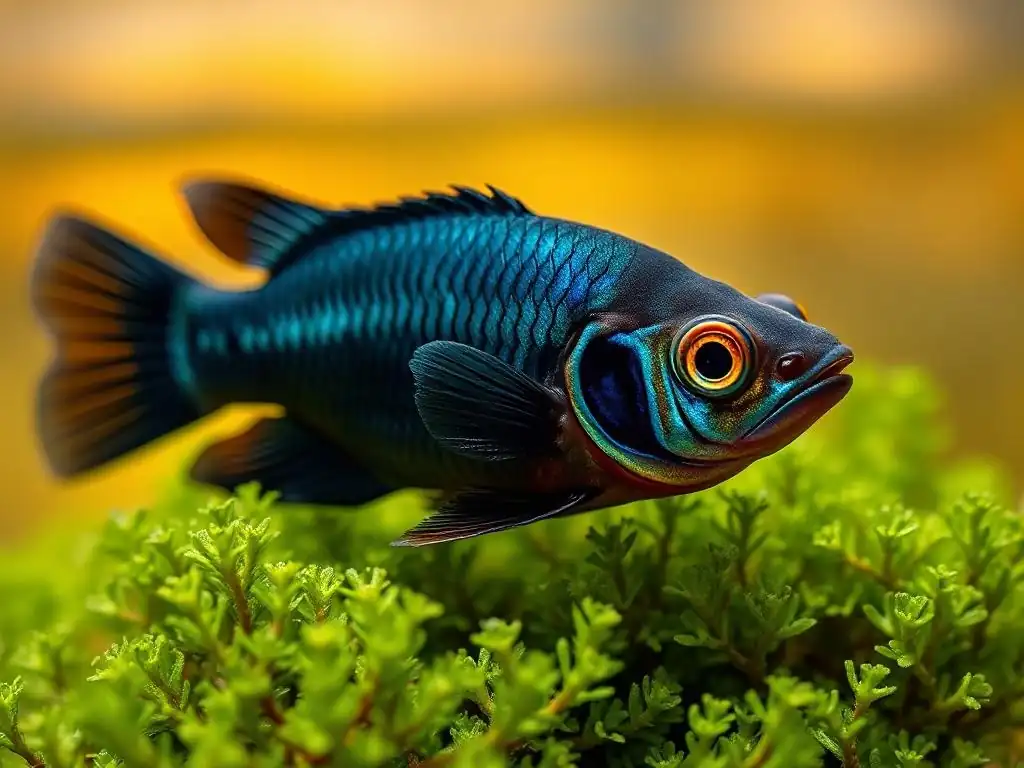
Fin nipping among Black Mollies or by other tank mates is a common problem that can lead to stress, infection, and compromised health. If your Black Mollies are nipping each other's fins, it's often a sign of overcrowding, insufficient hiding spots, or an imbalanced male-to-female ratio (too many males). Males may nip at females during constant breeding attempts if females have no escape. In a community tank, other species like Tiger Barbs or certain Tetras are notorious fin nippers.
To address fin nipping, first assess your tank's stocking density and male-to-female ratio. Aim for at least two to three females per male to diffuse aggression. Increase hiding spots and visual barriers with dense planting and decorations, which allows targeted fish to retreat. If a specific tank mate is the culprit, consider rehoming it to a more suitable environment. Maintaining excellent water quality is also crucial, as damaged fins are prone to secondary bacterial or fungal infections, requiring prompt attention as part of your Black Molly aquarium care routine.
Black Molly Shimmies: Understanding the Behavior
"Shimmies" in Black Mollies is a serious behavioral symptom where the fish appears to be shaking or vibrating in place, often accompanied by clamped fins and labored breathing. This is a clear indicator of severe stress, typically caused by poor water quality, incorrect water parameters, or insufficient salinity. Black Mollies are particularly susceptible to shimmies if the water is too soft, too acidic, or if there are rapid fluctuations in temperature or pH.
Addressing shimmies requires immediate action. First, test your water parameters (pH, GH, temperature, ammonia, nitrite, nitrate) to identify any deviations from their ideal range. Perform a partial water change (25-50%) using temperature-matched, dechlorinated water, and consider adding aquarium salt (1-2 teaspoons per 5 gallons) if you don't already. Gradually adjust pH and hardness if they are outside the optimal range. Consistent, stable water parameters are paramount for preventing shimmies and ensuring the long-term health and vitality of your Black Mollies.
Black Molly Dropsy: Diagnosing the Cause
Dropsy is not a disease in itself but rather a symptom of an underlying internal bacterial infection or organ failure, often the kidneys, leading to fluid accumulation in the body cavity. In Black Mollies, dropsy presents as a severely bloated body, accompanied by "pineconing" scales – where the scales protrude outwards, making the fish resemble a pinecone. Other symptoms may include lethargy, loss of appetite, pale gills, and difficulty swimming.
Unfortunately, by the time dropsy is visible, the internal damage is often extensive, making treatment challenging with a low success rate. However, early diagnosis and aggressive treatment with broad-spectrum antibacterial medications (e.g., Kanamycin or Furan-2) in a hospital tank may offer a slim chance of recovery. Preventing dropsy primarily relies on maintaining impeccable water quality, providing a balanced diet, and avoiding stress factors. A strong immune system, fostered by excellent Black Molly aquarium care, is the best defense against this often fatal condition.
Black Molly Aquarium Care Checklist: A Summary
Maintaining a Happy and Healthy Black Molly Aquarium [Weekly Checklist]
- Water Parameter Testing: Test water for ammonia, nitrite, nitrate, pH, and GH. Ensure parameters are within optimal ranges (pH 7.5-8.5, GH 15-30 dGH, Ammonia/Nitrite 0 ppm, Nitrate <20 ppm).
- Partial Water Change: Perform a 25-30% partial water change using dechlorinated, temperature-matched water. Add aquarium salt if part of your regimen.
- Visual Inspection: Observe all Black Mollies for signs of illness (e.g., clamped fins, white spots, lethargy, abnormal swimming, or changes in coloration).
- Feeding: Feed 2-3 times daily, small portions consumed within 2-3 minutes. Ensure varied diet including spirulina and occasional protein.
- Remove Uneaten Food: Siphon out any uneaten food to prevent water quality degradation.
- Filter Check: Ensure filter is running efficiently and water flow is adequate.
Monthly Maintenance Tasks for Black Molly Aquariums
- Filter Media Rinse/Replacement: Rinse mechanical filter media (sponges, filter floss) in old tank water to preserve beneficial bacteria. Replace chemical media (activated carbon) as per manufacturer instructions. Avoid replacing all media at once to maintain biological filtration.
- Substrate Vacuuming: Thoroughly vacuum the substrate to remove accumulated detritus and uneaten food, especially in areas not reached by water changes.
- Plant Trimming: Trim live plants as needed to prevent overgrowth and ensure good water circulation and light penetration. Remove any decaying plant matter.
- Equipment Check: Inspect all equipment (heater, air pump, lights) for proper functioning and wear. Clean heater glass if algae buildup is present.
- Glass Cleaning: Clean the inside and outside of the aquarium glass to remove algae and water marks, enhancing visibility.
- Stocking Review: Reassess stocking levels, especially if Black Mollies have been breeding, to prevent overcrowding. Plan for rehoming excess fry if necessary.
Conclusion: Enjoying the Beauty of Black Mollies
Black Mollies, with their striking velvety black appearance and lively disposition, offer a captivating addition to the freshwater aquarium. Their relatively hardy nature and prolific breeding make them an engaging choice for aquarists ranging from beginners to experienced enthusiasts. However, their unique preference for hard, alkaline water, often with a touch of salinity, along with their active nature and potential for rapid reproduction, necessitates a dedicated approach to their care.
By consistently adhering to the principles of Black Molly aquarium care – maintaining stable, appropriate water parameters, providing a balanced diet, ensuring a well-filtered and oxygenated environment, and carefully selecting compatible tank mates – you can foster a thriving community. The joy of watching these elegant livebearers dart through a well-maintained, planted tank, and perhaps even witness the birth and growth of new fry, is incredibly rewarding. With attentive care and a commitment to their specific needs, Black Mollies will undoubtedly bring a touch of magic and enduring beauty to your aquatic world for years to come.
Frequently Asked Questions
What are the ideal water parameters for a Black Molly aquarium?
Black Mollies thrive in slightly alkaline water with a pH of 7.0-8.0. The ideal temperature range is between 72-78°F (22-26°C). Maintaining stable water conditions is crucial for their health.
What should I feed my Black Molly?
Black Mollies are omnivores and enjoy a varied diet. Offer them high-quality flake food supplemented with algae wafers and occasional treats like brine shrimp or bloodworms. Ensure they get enough plant-based food for optimal health.
How often should I perform water changes in my Black Molly aquarium?
Regular water changes are essential for maintaining water quality. Aim for 25-50% water changes every 1-2 weeks, depending on your tank size and the number of fish. Always use dechlorinated water to avoid harming your fish.
What are some common diseases that affect Black Mollies, and how can I prevent them?
Black Mollies are susceptible to diseases like ich (white spot disease) and fin rot. Preventative measures include maintaining clean water, providing a balanced diet, and avoiding sudden temperature fluctuations. Quarantine new fish before introducing them to the main tank.
What tank size is recommended for a group of Black Mollies?
A minimum tank size of 20 gallons is recommended for a small group of Black Mollies (3-5 fish). Larger tanks are always better as they provide more space and help maintain stable water parameters. Overcrowding can lead to stress and disease.
Final Reflection: The Enduring Allure of the Black Molly
The journey into Black Molly aquarium care reveals more than just the specifics of keeping these velvety fish alive; it illuminates the broader responsibility we undertake when bringing any living creature into our homes. Understanding their needs, from water parameters to social dynamics, is not merely a checklist but a commitment to providing a thriving environment. This commitment, in turn, reflects our own capacity for empathy and responsible stewardship.
The Black Molly, with its striking appearance and peaceful nature, has captivated aquarists for generations. Its enduring popularity speaks to a deeper human desire to connect with the natural world, even within the confines of a glass tank. In the end, we will conserve only what we love; we will love only what we understand; and we will understand only what we are taught.
- Baba Dioum. This quote perfectly encapsulates the importance of understanding the needs of these creatures, fostering a love for them, and ultimately, ensuring their well-being.
As you consider the information shared in this article, I invite you to reflect on your own relationship with the natural world and the creatures within it. Whether you're a seasoned aquarist or just beginning your journey, remember that every action, every decision, has an impact. Let the lessons learned about Black Molly aquarium care inspire you to cultivate a deeper understanding and appreciation for all living things, creating a more compassionate and sustainable world, one aquarium at a time.
Dive Deeper into Black Molly Bliss!
Thank you for exploring the fascinating world of Black Mollies with us! We hope you've gained valuable insights into keeping these velvety beauties thriving. Now, let's put that knowledge into action!
- Start your own Black Molly breeding project and witness the miracle of life firsthand! Observe their unique behaviors and create a thriving community.
- Share your newfound Black Molly expertise! Help other aquarists on forums or social media groups. Even a small tip can make a big difference!
- Experiment with natural foods like spirulina or blanched vegetables to enhance your mollies' vibrant colors. You'll be surprised by the results!
Ready to transform your aquarium into a Black Molly paradise and share your success with other aquarists? What surprising behavior have you observed in your Black Mollies that you can share?