
Building a WrasseFriendly Reef: Optimal Tank Mates and Habitat Design

Welcome to Aquarium Mastery!
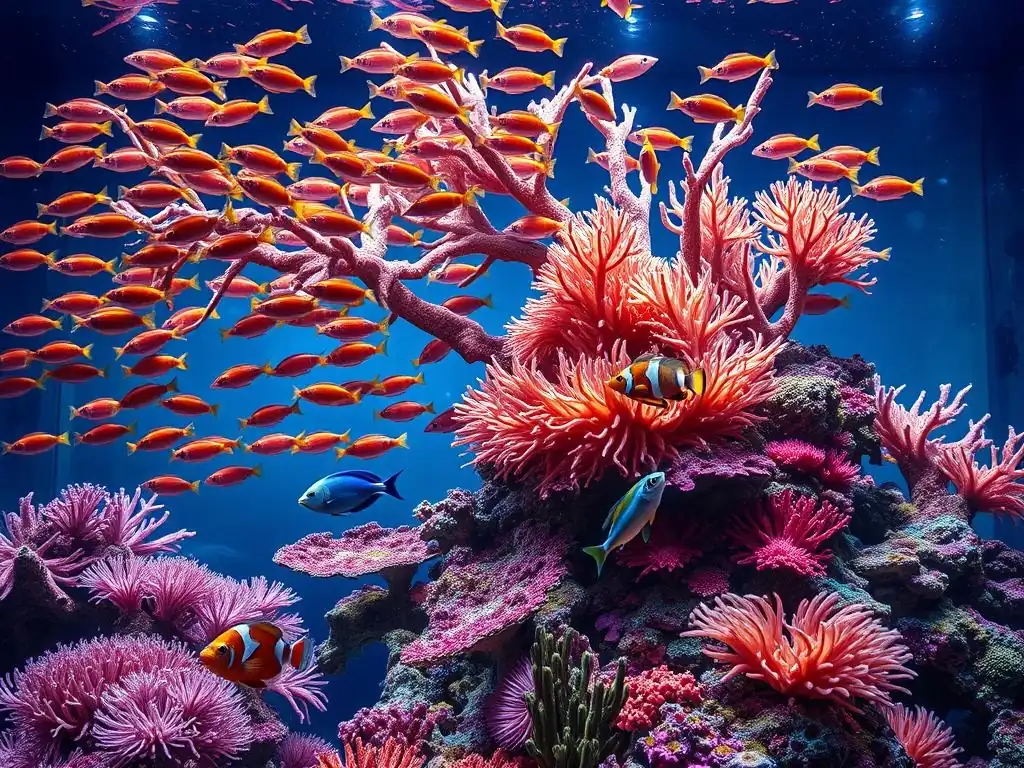
Ever dreamed of a vibrant reef teeming with the dazzling colors of wrasses? Dive in! This guide unlocks the secrets to a Wrassefriendly reef tank setup, revealing optimal tank mates, crucial habitat design elements, and everything you need to know to create a thriving ecosystem where these lively fish flourish. Curious about which corals and invertebrates play nice with wrasses? Let's explore!
- Understanding Wrasses and Reef Tank Compatibility
- Designing a Wrasse-Friendly Reef Tank Setup
- Selecting Optimal Tank Mates for a Wrasse-Friendly Reef
- Essential Water Parameters for Wrasse Health and Reef Stability
- Feeding and Nutrition for Wrasses in a Reef Environment
- Preventing and Treating Common Wrasse Diseases in Reef Tanks
- Maintaining a Thriving Wrasse-Friendly Reef: A Long-Term Strategy
-
Frequently Asked Questions
- How do I choose reef-safe wrasse for my aquarium?
- What are the key elements of a Wrasse-friendly reef tank setup?
- What are some optimal tank mates for wrasse in a reef environment?
- How important is water chemistry in a wrasse-friendly reef tank?
- What are some common problems I might encounter in a wrasse-friendly reef tank, and how can I troubleshoot them?
- Final Reflection: Cultivating Harmony in the Reef
- Unleash the Wrasse Wonderland in Your Reef Tank!
Understanding Wrasses and Reef Tank Compatibility
The Allure of Wrasses in Reef Aquariums
Wrasses are celebrated inhabitants of wrasse-friendly reef tank setups due to their remarkable diversity in color, shape, and behavior. Their vibrant hues, ranging from iridescent blues and greens to fiery reds and oranges, add unparalleled visual appeal to any saltwater aquarium.
Beyond their striking appearance, many wrasse species exhibit fascinating behaviors, such as actively sifting through sand for food, burying themselves at night for protection, or performing intricate courtship displays. For instance, the popular Six-Line Wrasse (Pseudocheilinus hexataenia) is often sought after not just for its beauty but also for its natural tendency to hunt nuisance pests like flatworms and pyramid snails, providing a biological control benefit in a wrasse-friendly reef tank setup.
Furthermore, the constant activity and inquisitive nature of wrasses bring dynamic life to the reef environment. Species like the Flasher Wrasses (Paracheilinus spp.) are renowned for their rapid, flashing color changes during breeding rituals, captivating observers with their fleeting brilliance. Other wrasses, such as various species of Cleaner Wrasses (Labroides spp. ), play a crucial ecological role by removing parasites from other fish, a behavior that can sometimes be observed in a home aquarium setting. Their varied roles and engaging personalities make wrasses a cornerstone for many aquarists designing a truly captivating and active wrasse-friendly reef tank setup.
Identifying Reef-Safe Wrasse Species: A Compatibility Guide
When planning a wrasse-friendly reef tank setup, selecting truly reef-safe species is paramount to the long-term health of your corals and invertebrates. Generally, most wrasses from the genera Cirrhilabrus (Fairy Wrasses), Paracheilinus (Flasher Wrasses), and Macropharyngodon (Leopard Wrasses) are considered excellent choices, posing minimal to no threat to corals or most motile invertebrates.
For example, the exquisite Lubbock's Fairy Wrasse ( Cirrhilabrus lubbocki) typically grows to only about 3 inches, making it suitable for tanks as small as 30 gallons and known for its peaceful demeanor towards corals. These species primarily feed on small zooplankton, copepods, and other tiny invertebrates found in the water column or on live rock, aligning perfectly with a coral-dominant reef diet.
However, the term "reef-safe" often implies safety with stony and soft corals, but careful consideration is still needed for certain invertebrates. While most Fairy and Flasher Wrasses are generally safe with ornamental shrimp and crabs, some larger species or individuals might occasionally bother very small, slow-moving inverts.
Even so, their overall contribution to a vibrant wrasse-friendly reef tank setup far outweighs these minor considerations. For instance, many aquarists successfully keep multiple species of these smaller wrasses in tanks over 75 gallons, observing their fascinating interactions without any detrimental impact on their coral collections, demonstrating their high compatibility in a well-planned reef environment.
Wrasses to Avoid in Reef Environments: Temperament and Behavior
Not all wrasses are suitable for a wrasse-friendly reef tank setup, and careful research is essential to prevent costly mistakes. Several species are known to be highly predatory, aggressive, or simply too large for the average home reef aquarium. For example, the magnificent Harlequin Tuskfish ( Choerodon fasciatus), while undeniably beautiful, can reach lengths of 8-10 inches in captivity and possesses powerful teeth capable of crushing snails, crabs, and even smaller fish. Its predatory nature makes it a significant risk to the invertebrate clean-up crew and smaller fish common in a typical reef tank.
Similarly, many species from the genus Thalassoma, such as the Lunare Wrasse ( Thalassoma lunare), are highly active and can become very aggressive, particularly as they mature. These wrasses can grow to over 6 inches and are known to harass and even kill smaller, more docile tank mates. Their diet often includes small crustaceans and fish, making them a direct threat to shrimp, small crabs, and even some smaller fish species.
Including such wrasses in a wrasse-friendly reef tank setup would inevitably lead to stress, injuries, or even fatalities among other inhabitants. Therefore, understanding the adult size, dietary habits, and temperamental traits of each wrasse species is critical before introducing them to a mixed-reef environment to maintain harmony and stability.
Designing a Wrasse-Friendly Reef Tank Setup
Tank Size and Dimensions for Wrasse Health and Activity
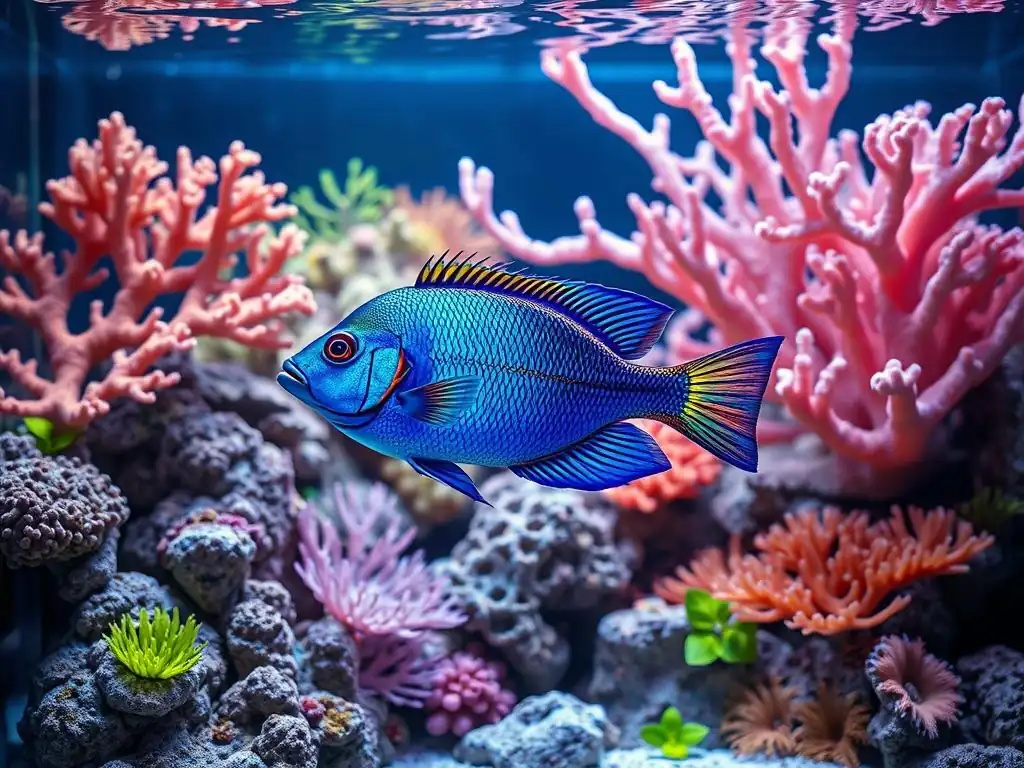
Designing a wrasse-friendly reef tank setup begins with selecting an appropriately sized aquarium that caters to the specific needs of these active fish. While some smaller species like the Six-Line Wrasse (Pseudocheilinus hexataenia) can thrive in tanks as small as 30 gallons, many popular wrasses, particularly Fairy and Flasher Wrasses, require more swimming space.
A tank of at least 75 gallons is often recommended for a diverse selection of these species, providing ample room for their energetic movements and allowing for multiple hiding spots. For instance, a Scott's Fairy Wrasse (Cirrhilabrus scottorum) can reach 5-6 inches and benefits greatly from a longer tank dimension, such as a 4-foot long 75-gallon tank, rather than a taller, narrower one, to accommodate its horizontal swimming patterns.
Larger wrasse species, or those kept in groups, demand even more substantial accommodations. For example, a group of three or four Flasher Wrasses (Paracheilinus spp.) would thrive in a 90-gallon aquarium or larger, ensuring each individual has sufficient territory and reducing potential aggression.
The overall footprint of the tank is often more critical than its total volume for wrasses, as they utilize horizontal swimming space more extensively. A wider and longer tank allows for more diverse aquascaping and multiple sand beds, which are crucial for wrasses that bury themselves at night or when startled, enhancing their overall comfort and security in a wrasse-friendly reef tank setup.
Substrate Selection: Protecting Wrasses with Sand-Sifting Habits
A critical component of a wrasse-friendly reef tank setup is the careful selection of substrate, particularly for species that exhibit sand-sifting or burying behaviors. Many wrasses, especially those from the genera Macropharyngodon (Leopard Wrasses), Halichoeres (Hogfish and some Wrasses), and Coris, habitually sift through the sand bed in search of small invertebrates, or burrow into it for sleep and protection.
For these species, a fine, soft sand substrate is absolutely essential. A grain size of 0.5 mm to 2 mm (aragonite sand, often labeled "sugar-sized" or "live sand") is ideal, allowing them to easily sift through it without damaging their delicate gills or fins.
A sand bed depth of at least 2-4 inches across a significant portion of the tank is recommended for these burying wrasses. This depth provides sufficient material for them to completely submerge themselves, creating a secure refuge from perceived threats or for their nightly rest. Without an adequate and appropriate sand bed, these wrasses can become stressed, refuse to bury, and may even injure themselves attempting to burrow into coarser substrates or rockwork.
For instance, a Leopard Wrasse that cannot bury properly will often appear stressed, refuse food, and may develop lateral line disease. Therefore, providing a deep, soft sand bed is not just a preference but a fundamental requirement for the health and well-being of sand-dwelling wrasses in a wrasse-friendly reef tank setup.
Rockwork and Aquascaping for Wrasse Security and Hiding Places
Effective rockwork and aquascaping are vital for creating a secure and stimulating wrasse-friendly reef tank setup. Wrasses, particularly the smaller and more timid species, rely heavily on intricate rock structures for security, refuge, and exploration. The aquascape should incorporate numerous caves, overhangs, and crevices where they can retreat when startled, sleep, or establish territories. Live rock, with its natural porosity and varied shapes, is ideal for creating such complex environments. Aim for a rock-to-water ratio that provides ample hiding spots without overly restricting swimming space, typically around 1-1.5 pounds of live rock per gallon for a diverse reef.
Consider creating distinct zones within the aquascape, including open swimming areas, dense rock formations, and areas with direct access to the sand bed for burying species. For instance, a multi-tiered rock structure with several swim-through tunnels can provide both vertical and horizontal hiding opportunities, catering to different wrasse species' preferences.
The placement of rocks should also be stable and secure, especially if wrasses are known to dislodge small pieces during their foraging activities. A well-designed aquascape not only enhances the visual appeal of the wrasse-friendly reef tank setup but also significantly contributes to the psychological well-being of the wrasses by providing them with a sense of security and a rich environment to explore.
Selecting Optimal Tank Mates for a Wrasse-Friendly Reef
Ideal Fish Companions for Wrasses: Peaceful and Non-Aggressive Species
Choosing ideal fish companions is crucial for maintaining a harmonious wrasse-friendly reef tank setup. The best tank mates are generally peaceful, non-aggressive species that occupy different ecological niches, minimizing direct competition for food and territory. Suitable choices include various species of gobies, blennies, cardinalfish, and certain damselfish (e.g., Chromis species).
For instance, a Yellow Watchman Goby ( Cryptocentrus cinctus) and its symbiotic pistol shrimp typically reside on the sand bed, rarely interacting negatively with mid-water swimming wrasses like Fairy or Flasher Wrasses. Similarly, a small school of Green Chromis ( Chromis viridis) can add movement and beauty to the upper water column without bothering the wrasses.
It is also beneficial to select tank mates that are not overly boisterous or prone to nipping, as constant harassment can stress wrasses, making them more susceptible to disease. Fish that are roughly the same size or slightly smaller than the wrasses, and have similar dietary needs, often integrate well.
For example, a Royal Gramma ( Gramma loreto) is a relatively shy, cave-dwelling fish that coexists peacefully with most reef-safe wrasses, each utilizing different parts of the rockwork. By carefully selecting compatible, peaceful species, you can ensure a thriving and stress-free environment for your wrasses in a well-balanced wrasse-friendly reef tank setup.
Invertebrate Compatibility: Choosing Reef-Safe Cleaners and Corals
When establishing a wrasse-friendly reef tank setup, selecting compatible invertebrates is just as important as choosing fish tank mates. Most reef-safe wrasses, particularly Fairy and Flasher Wrasses, are generally safe with a wide array of corals, including stony corals (SPS and LPS) and soft corals.
Their diet primarily consists of small copepods, amphipods, and other microfauna, which they pick off live rock and substrate, rather than nipping at coral polyps. For example, a vibrant colony of Acropora or a swaying Elegance Coral ( Catalaphyllia jardinei) will typically remain undisturbed by these wrasse species, allowing a diverse and colorful coral collection to flourish.
However, caution is advised with certain motile invertebrates. While most wrasses will ignore larger ornamental shrimp like Peppermint Shrimp ( Lysmata wurdemanni) or Skunk Cleaner Shrimp ( Lysmata amboinensis), very small or juvenile shrimp, or delicate invertebrates such as feather duster worms ( Sabellastarte indica) or some types of small snails, might occasionally be seen as a food source by larger or more opportunistic wrasse species.
It's rare for the commonly kept reef-safe wrasses to consistently target these, but individual temperaments can vary. Overall, the vast majority of reef-safe wrasses are excellent additions to a mixed reef, enhancing the ecosystem without posing a significant threat to the majority of reef-building corals and common clean-up crew invertebrates in a wrasse-friendly reef tank setup.
Avoiding Aggressive Tank Mates: Minimizing Stress and Competition
To ensure a truly wrasse-friendly reef tank setup, it is crucial to avoid tank mates that are overly aggressive, territorial, or predatory. Introducing fish known for their belligerent behavior can lead to constant stress for wrasses, resulting in fin nipping, refusal to eat, and increased susceptibility to disease.
For instance, highly aggressive damselfish species (e.g., many from the genus Dascyllus or Pomacentrus), large angelfish (e.g., Emperor Angelfish, Pomacanthus imperator), or triggerfish (e.g., Clown Triggerfish, Balistoides conspicillum) are generally unsuitable. These fish can intimidate wrasses, preventing them from accessing food or exploring their environment freely, and may even cause direct physical harm.
Furthermore, competition for food and territory can be a significant issue. Fast-eating, dominant fish can outcompete wrasses, particularly the more timid species, leading to malnutrition. For example, a large Tang species that is a very aggressive eater might consume most of the available food before a smaller Flasher Wrasse has a chance to feed adequately.
Similarly, fish that establish large territories can constantly chase and harass wrasses, preventing them from finding suitable hiding spots or foraging areas. By deliberately avoiding these types of aggressive or highly competitive tank mates, you can create a calm and secure environment that allows wrasses to thrive and exhibit their natural behaviors in your wrasse-friendly reef tank setup.
Essential Water Parameters for Wrasse Health and Reef Stability
Maintaining Optimal Water Chemistry: Salinity, pH, and Alkalinity
Maintaining stable and optimal water chemistry is paramount for the health of wrasses and the overall stability of a wrasse-friendly reef tank setup. Consistent salinity levels, ideally between 1.024 and 1.026 specific gravity, are crucial for wrasse osmoregulation and coral health. Fluctuations in salinity can cause significant stress, leading to osmotic shock.
Regular top-offs with RODI water are essential to compensate for evaporation and prevent salinity creep. Similarly, a stable pH range of 8.1 to 8.4 is critical for both fish and corals. pH swings can disrupt metabolic processes in wrasses and inhibit calcification in stony corals, potentially leading to tissue loss or mortality.
Alkalinity, typically maintained between 7-12 dKH (carbonate hardness), is another vital parameter. It acts as a buffer, preventing drastic pH swings, and is a key component for coral skeletal growth. While wrasses are not directly dependent on alkalinity for their physiological processes as corals are, its stability contributes to overall water quality and a healthy ecosystem, which indirectly benefits all inhabitants. Regular testing, ideally weekly, using reliable test kits is indispensable to monitor these parameters and make necessary adjustments, ensuring a consistently healthy environment for your wrasses and corals in a thriving wrasse-friendly reef tank setup.
The Importance of Regular Water Changes for Wrasse Wellbeing
Regular water changes are a cornerstone of maintaining a healthy wrasse-friendly reef tank setup and are vital for the long-term wellbeing of your wrasses. Water changes serve multiple critical functions: they replenish essential trace elements consumed by corals and invertebrates, reduce the accumulation of nitrates and phosphates, and remove dissolved organic compounds that can degrade water quality. For a typical reef tank with fish and corals, a weekly or bi-weekly water change of 10-20% is generally recommended. For instance, in a 75-gallon tank, a 15% weekly water change would involve replacing 11.25 gallons of water with freshly mixed saltwater.
Consistent water changes help to maintain stable water parameters, which is particularly beneficial for wrasses, as they are sensitive to fluctuating conditions. They also introduce fresh minerals that support the wrasses' immune systems and overall vitality, making them more resilient to stress and disease. While filtration systems like protein skimmers and refugiums help manage waste, they cannot fully replace the benefits of routine water changes. Neglecting this crucial maintenance step can lead to degraded water quality, increased pathogen loads, and chronic stress for your wrasses, compromising the health and stability of your entire wrasse-friendly reef tank setup.
Nitrate and Phosphate Control in Wrasse-Friendly Reef Tanks
Effective nitrate and phosphate control is fundamental for a successful wrasse-friendly reef tank setup, as high levels of these nutrients can negatively impact both wrasse health and coral growth. Nitrates, typically a byproduct of the nitrogen cycle, should ideally be kept below 10-20 ppm, while phosphates should be virtually undetectable, often below 0.03 ppm.
Elevated nutrient levels can lead to nuisance algae outbreaks, which compete with corals for light and space, and can also contribute to reduced water quality, potentially stressing wrasses and making them more susceptible to disease. For example, chronic exposure to high nitrates (e.g., above 50 ppm) can suppress wrasse immune systems over time.
Several strategies can be employed to control these nutrients. Regular water changes are the primary method, as discussed. Other effective techniques include the use of protein skimmers, which efficiently remove organic waste before it breaks down into nitrates and phosphates.
Refugiums with macroalgae like Chaetomorpha can absorb these nutrients as they grow, and biopellet reactors or GFO (Granular Ferric Oxide) can chemically bind and remove phosphates. Careful feeding practices, avoiding overfeeding, and ensuring all food is consumed are also critical to minimize nutrient input. By diligently managing nitrate and phosphate levels, aquarists can create a pristine and stable environment essential for a thriving wrasse-friendly reef tank setup.
Feeding and Nutrition for Wrasses in a Reef Environment
Dietary Needs of Different Wrasse Species
Understanding the diverse dietary needs of various wrasse species is crucial for their long-term health in a wrasse-friendly reef tank setup. Wrasses exhibit a wide range of feeding strategies, from active planktivores to benthic invertebrate hunters. For instance, Fairy Wrasses ( Cirrhilabrus spp.) and Flasher Wrasses ( Paracheilinus spp.)
are primarily planktivores, meaning they feed on small organisms suspended in the water column. Their diet in the wild consists of copepods, amphipods, and other zooplankton. In captivity, they require frequent feedings of high-quality, small-sized frozen foods such as cyclop-eeze, mysis shrimp, and finely chopped krill, often two to three times per day.
Conversely, species like Leopard Wrasses ( Macropharyngodon spp.) are benthic feeders, specializing in hunting small invertebrates hidden within the sand bed. Their natural diet includes tiny worms, copepods, and other microfauna. For these sand-sifting wrasses, providing live copepods and amphipods cultured in a refugium, or enriching the sand bed with live blackworms, can be highly beneficial.
While they will often accept frozen foods, ensuring they get sufficient live food is key to their success. Additionally, cleaner wrasses ( Labroides spp.) primarily feed on parasites and mucus from other fish, and while challenging to sustain long-term in a home aquarium, some may accept prepared foods. Tailoring the diet to the specific feeding habits of each wrasse ensures optimal nutrition in a wrasse-friendly reef tank setup.
Providing a Varied and Nutritious Diet: Live, Frozen, and Prepared Foods
To ensure optimal health and vibrant coloration in a wrasse-friendly reef tank setup, providing a varied and nutritious diet encompassing live, frozen, and high-quality prepared foods is essential. Relying on a single type of food can lead to nutritional deficiencies over time. Frozen foods such as enriched mysis shrimp, brine shrimp, cyclop-eeze, and finely chopped krill should form the staple of the diet for most wrasses.
These provide a good range of proteins, fats, and essential fatty acids. For example, enriching frozen foods with a liquid vitamin supplement like Selcon a few times a week can further boost their nutritional value, especially for newly introduced or stressed wrasses.
Incorporating live foods offers significant benefits, particularly for finicky eaters or sand-sifting species. Live copepods and amphipods, either cultured at home or purchased, mimic their natural prey and stimulate their hunting instincts. Live blackworms or spirulina-enriched brine shrimp can also be excellent additions.
High-quality dry foods, such as marine flakes or pellets specifically formulated for carnivorous or omnivorous marine fish, can supplement the diet, but should not be the sole food source. For instance, a small pinch of high-protein pellet food can be offered once a day, in addition to two daily frozen food feedings. A diverse feeding regimen ensures all necessary nutrients are provided, leading to healthier, more active, and more colorful wrasses in your wrasse-friendly reef tank setup.
Feeding Techniques for Wrasses: Ensuring Adequate Food Intake
Effective feeding techniques are crucial to ensure all wrasses in a wrasse-friendly reef tank setup receive adequate nutrition, especially in a mixed-species environment. Wrasses are generally fast and active eaters, but competition from other tank mates can sometimes lead to certain individuals missing out. Offering food multiple times a day, typically 2-3 small feedings, is often more beneficial than one large feeding.
This mimics their natural grazing behavior and ensures that even more timid individuals have opportunities to feed without being outcompeted. For example, a small pinch of food offered in the morning, another in the afternoon, and a final one in the evening can be highly effective.
For sand-sifting wrasses, target feeding or broadcasting live foods directly over the sand bed can be beneficial. Using a turkey baster to release a small cloud of mysis shrimp or copepods near their favorite sifting spots can ensure they get their share. Observing feeding behavior is also key: if a particular wrasse appears thin or is consistently shy during feeding times, adjustments may be needed.
This might involve feeding in different areas of the tank simultaneously or offering a preferred food item separately. By employing thoughtful feeding strategies, aquarists can confirm that every wrasse in their wrasse-friendly reef tank setup receives the nourishment it needs to thrive.
Preventing and Treating Common Wrasse Diseases in Reef Tanks
Identifying Signs of Illness in Wrasses: Early Detection is Key
Early detection of illness is paramount for successful treatment and maintaining a healthy wrasse-friendly reef tank setup. Wrasses, like all fish, can succumb to various diseases, often exacerbated by stress from poor water quality, incompatible tank mates, or inadequate diet. Common signs of illness include changes in behavior, such as lethargy, hiding excessively, or unusual swimming patterns (e.g., darting, scratching against rocks, difficulty maintaining buoyancy).
Physical symptoms might include faded coloration, clamped fins, white spots (Ich), velvet (gold dust-like coating), fin rot, cloudy eyes, or visible lesions/ulcers. For instance, a normally active Fairy Wrasse suddenly spending all its time buried in the sand during the day could be an early indicator of stress or illness.
Observing feeding habits is also critical; a wrasse that refuses to eat or spits out food is likely unwell. Changes in respiration, such as rapid gill movements, can indicate oxygen deprivation or gill parasite infestations.
Regular, daily observation of your wrasses during feeding and throughout the day allows you to establish their baseline behaviors and quickly spot any deviations. Prompt identification of these signs can enable immediate intervention, whether it's addressing water quality issues, isolating the fish for treatment, or initiating specific medication, thereby significantly increasing the chances of recovery and protecting the overall health of your wrasse-friendly reef tank setup.
Quarantine Procedures for New Wrasses: Minimizing Disease Introduction
Implementing strict quarantine procedures for all new wrasses is arguably the most effective measure to prevent disease outbreaks in a wrasse-friendly reef tank setup. A separate quarantine tank (QT), typically 10-20 gallons, equipped with a heater, sponge filter, and a few PVC elbows for hiding, should be set up prior to acquiring any new fish. This tank should use saltwater mixed to the same parameters as the main display tank.
New wrasses should be held in the QT for a minimum of 4-6 weeks. During this period, they can be observed for signs of illness, treated if necessary, and conditioned to prepared foods. For example, a common protocol involves treating proactively for Ich (e.g., with copper) and flukes/worms (e.g., with praziquantel) even if no symptoms are visible, as many parasites have a lifecycle that requires a host.
This isolation period prevents potential pathogens from entering your established reef system, where treating diseases can be challenging due to the presence of corals and invertebrates sensitive to medications. It also allows the new wrasse to acclimate to captivity without the stress of immediate competition or aggression from existing tank mates. After the quarantine period, if the wrasse remains healthy and disease-free, it can be slowly acclimated and introduced to the main wrasse-friendly reef tank setup. This proactive approach significantly reduces the risk of devastating outbreaks that could impact your entire fish and coral collection.
Effective Treatments for Common Wrasse Ailments: Copper Treatments, Praziquantel, and Formalin Dips
When wrasses in a wrasse-friendly reef tank setup do fall ill, effective and appropriate treatments are essential, typically administered in a dedicated quarantine or hospital tank. For external parasitic infections like Marine Ich ( Cryptocaryon irritans) or Marine Velvet ( Amyloodinium ocellatum), copper-based medications are highly effective.
Therapeutic copper levels, usually maintained between 0.25-0.5 ppm (depending on the specific product), are lethal to these parasites but require careful monitoring with a reliable copper test kit to prevent overdosing, which can be fatal to fish. Treatment typically lasts for 14-30 days to ensure all life stages of the parasite are eradicated.
For internal and external flukes, worms, and some other parasites, Praziquantel (Prazipro is a common brand) is a widely used and generally safe medication. It is effective against flukes (trematodes) and tapeworms (cestodes) and can be administered by adding it directly to the QT water, or sometimes by soaking food. For instance, a typical Praziquantel treatment involves two doses, 5-7 days apart. Formalin dips or baths, though more stressful and requiring careful aeration, can be used for acute external parasite infestations or severe gill flukes.
A short-term bath (e.g., 30-60 minutes) in a separate container with a diluted formalin solution can provide immediate relief. Always follow product instructions precisely and ensure proper aeration, as formalin depletes oxygen. These treatments, when used correctly in a isolated tank, are vital tools for maintaining a healthy wrasse-friendly reef tank setup.
Maintaining a Thriving Wrasse-Friendly Reef: A Long-Term Strategy
Regular Observation and Monitoring of Wrasse Behavior
Maintaining a thriving wrasse-friendly reef tank setup hinges significantly on consistent and diligent observation and monitoring of wrasse behavior. Daily observation allows aquarists to quickly identify subtle changes that could indicate stress, illness, or incompatibility issues. Pay close attention to their swimming patterns, appetite, coloration, and interactions with other tank inhabitants. For instance, a wrasse that usually forages actively but suddenly becomes lethargic or hides for extended periods might be experiencing stress or the onset of disease. Similarly, persistent fin nipping by one fish towards another, or a wrasse refusing to eat its favorite food, are red flags.
Monitoring includes observing their unique sleeping habits, such as burying themselves in the sand or finding crevices in the rockwork. Any deviation from these routine behaviors can be a sign of trouble. For example, a wrasse that usually buries itself but is found resting on the sand surface at night might be sick or unable to bury due to an unsuitable substrate.
Consistent observation helps establish a baseline for each individual wrasse, making it easier to spot anomalies. This proactive approach allows for early intervention, whether it's adjusting water parameters, modifying the aquascape, or initiating treatment, thereby ensuring the long-term health and vitality of your wrasses in their wrasse-friendly reef tank setup.
Proactive Maintenance Schedule for a Healthy Reef Ecosystem
A proactive and consistent maintenance schedule is the backbone of a healthy and thriving wrasse-friendly reef tank setup. This goes beyond just regular water changes and includes a systematic approach to all aspects of tank care. Weekly tasks should include testing key water parameters (salinity, alkalinity, calcium, magnesium, nitrates, phosphates) and performing a 10-20% water change.
Cleaning the protein skimmer collection cup every 2-3 days and rinsing filter socks or sponges weekly are also crucial to remove organic waste before it breaks down. For example, neglecting to clean a skimmer cup can significantly reduce its efficiency, leading to higher nutrient levels.
Monthly maintenance typically involves cleaning powerheads and return pumps to remove detritus and ensure optimal flow, as well as inspecting plumbing for leaks. Every 3-6 months, it's beneficial to inspect and clean heaters, and consider replacing filter media like carbon or GFO. Regularly scraping algae from the glass and siphoning detritus from the sand bed (if not heavily populated by sand-sifting wrasses) also contribute to water quality.
Adhering to such a schedule minimizes the risk of sudden parameter swings or nutrient spikes, creating a stable and pristine environment where wrasses and corals can flourish. This preventative approach is far more effective and less stressful than reacting to problems after they arise in a wrasse-friendly reef tank setup.
Troubleshooting Common Issues in Wrasse Reef Tanks: Ich Outbreaks & Increased Water Changes
Even with the best proactive measures, issues can arise in a wrasse-friendly reef tank setup, and knowing how to troubleshoot them effectively is key. One of the most common and challenging problems is an Ich outbreak. If white spots (Marine Ich, Cryptocaryon irritans) appear on your wrasses, the first step is to confirm diagnosis and then consider a treatment plan.
If the outbreak is mild and confined to a few fish, increasing water changes (e.g., 20% daily for a few days) and ensuring excellent water quality can sometimes help the fish's immune system fight it off. However, for more severe or persistent cases, transferring affected fish to a hospital tank for copper treatment (as discussed previously) is often necessary, as copper is not reef-safe.
Another common issue is unexplained elevated nitrates or phosphates. If routine water changes aren't keeping these in check (e.g., nitrates consistently above 20 ppm), first check for overfeeding, decaying food, or dead inhabitants. Then, consider increasing the frequency or volume of water changes (e.g., 25% twice a week) and reviewing your filtration.
Ensuring your protein skimmer is properly sized and functioning optimally, or adding GFO or a refugium, can help. For instance, if your nitrate levels are consistently at 40 ppm, increasing weekly water changes from 15% to 25% and reducing feeding by 10% could bring them down within a few weeks. Prompt and informed troubleshooting ensures the long-term health and stability of your wrasse-friendly reef tank setup.
Frequently Asked Questions
How do I choose reef-safe wrasse for my aquarium?
Selecting the right wrasse involves researching their temperament and dietary needs. Ensure the species you choose is known to be peaceful and doesn't prey on corals or invertebrates commonly found in reef tanks. Consider their adult size as well.
What are the key elements of a Wrasse-friendly reef tank setup?
A suitable setup includes ample live rock for hiding and foraging, a sand bed for burrowing (depending on the wrasse species), and stable water parameters crucial for all reef inhabitants. Strong filtration is also important.
What are some optimal tank mates for wrasse in a reef environment?
Good tank mates often include peaceful fish like gobies, clownfish, and certain damsels. Avoid aggressive fish that might bully the wrasse. Always research compatibility before introducing new species.
How important is water chemistry in a wrasse-friendly reef tank?
Maintaining stable and appropriate water parameters is absolutely crucial. Wrasse, like all reef inhabitants, are sensitive to fluctuations in pH, salinity, and nutrient levels. Regular testing and adjustments are essential.
What are some common problems I might encounter in a wrasse-friendly reef tank, and how can I troubleshoot them?
Common issues include parasitic infections (like ich), aggression from tank mates, and poor water quality. Quarantine new arrivals and observe for signs of illness, address aggression promptly, and maintain a regular water change schedule.
Final Reflection: Cultivating Harmony in the Reef
The principles of creating a Wrasse-friendly reef tank extend far beyond simply selecting compatible species and arranging rockwork. They represent a commitment to understanding and respecting the delicate balance of a miniature ecosystem, a commitment that resonates deeply in our current era of heightened environmental awareness. The success of a wrasse-friendly setup hinges on diligent research, careful planning, and a continuous learning process, mirroring the broader challenges we face in preserving our planet's biodiversity.
This journey into the world of wrasses has profoundly shaped my understanding of the interconnectedness within reef ecosystems. Witnessing the vibrant colors and unique behaviors of these fish firsthand underscores the importance of responsible aquarium keeping and the ethical sourcing of marine life. In the end, we will conserve only what we love; we will love only what we understand; and we will understand only what we are taught.
- Baba Dioum's words serve as a potent reminder that education and appreciation are the cornerstones of conservation, both within our home aquariums and in the vast ocean beyond.
Now, I invite you to consider how these principles of thoughtful design and harmonious coexistence can be applied beyond the confines of a reef tank. Let us all strive to cultivate environments, both literal and metaphorical, where diversity thrives and every creature, great and small, has the opportunity to flourish. Embrace the challenge of creating your own "wrasse-friendly reef" in your daily life, fostering understanding, respect, and a deep appreciation for the intricate web of life that surrounds us.
Unleash the Wrasse Wonderland in Your Reef Tank!
Thank you for diving deep into the world of wrasse-friendly reef keeping! We hope you've discovered the keys to creating a thriving ecosystem for these vibrant fish. Now, let's put that knowledge into action:
- Prioritize Compatibility: Make a list of your existing tank inhabitants and cross-reference them with wrasse compatibility charts before introducing any new wrasse species.
- Design a dynamic aquascape with plenty of rockwork specifically for wrasse – lots of crevices, caves, and open swimming spaces are essential.
- Share this article with a fellow reef enthusiast who's thinking about adding a wrasse to their setup. Help spread the word about responsible wrasse keeping!
Ready to start planning your ultimate wrasse habitat? What innovative aquascaping techniques are you considering to make your wrasse feel right at home?