
Target Mandarin Dragonet: Precision Beauty & Specialized Care for Aquarists

Welcome to Aquarium Mastery!
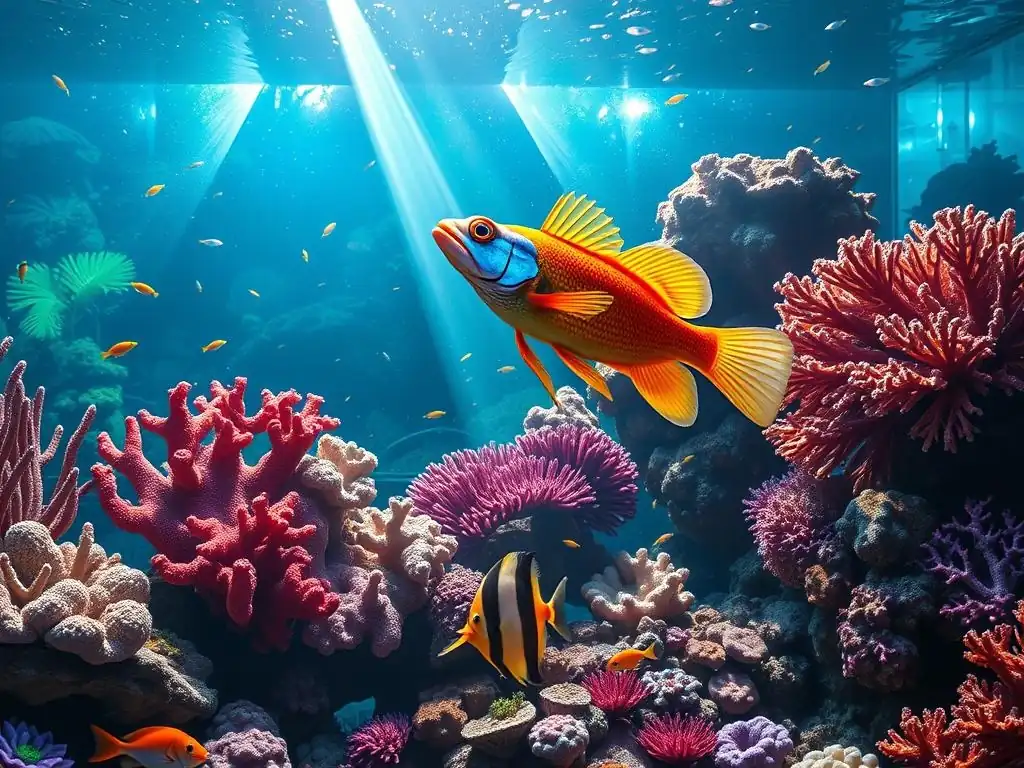
Ever been captivated by the ethereal beauty of a Mandarin Dragonet, but hesitated due to their notorious care requirements? You're not alone! Dive into our deep dive on Mandarin Dragonet care requirements in the aquarium, and unlock the secrets to successfully keeping these stunning fish. Discover everything from their specific dietary needs to creating the perfect reef environment. Are you ready to take on the challenge and witness the magic of a healthy, thriving Mandarin Dragonet? Let's explore!
- Introduction to the Target Mandarin Dragonet
- Mandarin Dragonet Care Requirements: A Deep Dive
- Target Mandarin Dragonet Diet: The Crucial Copepod Connection
- Choosing Tank Mates for Your Target Mandarin Dragonet
- Recognizing and Addressing Health Issues in Target Mandarin Dragonets
- Acclimation Techniques for Target Mandarin Dragonets
- Breeding Target Mandarin Dragonets
- The Ethical Considerations of Keeping Target Mandarin Dragonets
- Conclusion: Mastering the Art of Mandarin Dragonet Care
-
Frequently Asked Questions
- How difficult is it to care for a Mandarin Dragonet in an aquarium?
- What size aquarium is recommended for a Mandarin Dragonet?
- What specific water parameters are crucial for Mandarin Dragonet health?
- How do I ensure a Mandarin Dragonet gets enough food in an aquarium setting?
- What are some common health issues affecting Mandarin Dragonets, and how can they be prevented?
- Final Reflection: Appreciating the Delicate Dance of Marine Life
- Unleash the Mandarin's Magic in Your Aquarium!
Introduction to the Target Mandarin Dragonet
Unveiling the Striking Appearance of Synchiropus picturatus
The Target Mandarin Dragonet, scientifically known as Synchiropus picturatus, is a mesmerizing addition to any marine aquarium, renowned for its intricate patterns and vibrant colors. Unlike its more common cousin, Synchiropus splendidus, the Target Mandarin boasts a unique series of concentric rings or "target" patterns across its body, often in shades of orange, red, and blue against a cream or green backdrop.
These fish are relatively small, typically reaching an adult size of about 2 to 3 inches (5 to 7.5 cm), making them ideal for appropriately sized nano and reef aquariums. Their distinctive, almost psychedelic coloration and deliberate, slow movements make them a focal point in any well-maintained system.
Beyond their captivating patterns, Synchiropus picturatus exhibits a charming, almost deliberate swimming style, often seen "hopping" along live rock and sand, meticulously searching for microscopic prey. Their large, expressive eyes and fan-like pectoral fins contribute to their unique charm. This species is often sought after by experienced aquarists who appreciate its beauty and are prepared for the specific Mandarin dragonet care requirements aquarium environments demand. Their peaceful nature ensures they do not harass other tank inhabitants, making them an excellent choice for a community reef tank, provided their specialized needs are met.
Why the Target Mandarin Dragonet Captivates Reef Aquarists
The allure of the Target Mandarin Dragonet extends beyond its visual appeal; it lies in the challenge and reward of successfully maintaining such a specialized creature. Reef aquarists are drawn to Synchiropus picturatus for its unique foraging behavior and its ability to add a dynamic, natural element to the ecosystem. Observing a Target Mandarin meticulously pick copepods from the crevices of live rock is a truly engaging experience that highlights the intricate balance of a mature reef tank. Their slow, deliberate movements and shy disposition make them a peaceful inhabitant, contributing to the serene atmosphere of a well-designed aquarium.
However, the primary reason for their captivating nature also stems from their very specific dietary and environmental needs, which elevates their keeping to a true test of an aquarist's dedication and skill. Successfully providing for the Mandarin dragonet care requirements aquarium environments necessitate, particularly concerning their diet, is a significant accomplishment. This species thrives only when its precise needs for a mature, copepod-rich environment are consistently met, making it a symbol of a well-established and meticulously managed reef system.
Mandarin Dragonet Care Requirements: A Deep Dive
Essential Water Parameters for Target Mandarin Dragonet Success
Maintaining stable and appropriate water parameters is paramount for the health and longevity of Target Mandarin Dragonets. These delicate fish thrive in conditions typical of a mature reef aquarium. Key parameters include a stable temperature range of 75-82°F (24-28°C), a specific gravity (salinity) between 1.023 and 1.025, and a pH level consistently between 8.1 and 8.4. Additionally, carbonate hardness (alkalinity) should be maintained at 8-12 dKH, calcium at 400-450 ppm, and magnesium at 1250-1350 ppm. Fluctuations in these parameters can cause significant stress, weakening the fish's immune system and making it susceptible to disease.
Beyond these core parameters, it is crucial to ensure that nitrate and phosphate levels are kept as low as possible, ideally below 5 ppm for nitrates and undetectable for phosphates. High nutrient levels can promote nuisance algae growth, which, while not directly harmful to the dragonet, can indicate an imbalanced system. Regular water changes, typically 10-20% weekly or bi-weekly, using high-quality reverse osmosis/deionized (RO/DI) water mixed with a good marine salt, are essential to maintain pristine conditions. Consistent monitoring and immediate adjustments are vital components of successful Target Mandarin dragonet care.
Achieving Optimal Tank Size and Setup
The tank size for a Target Mandarin Dragonet is a critical aspect of their care, not necessarily due to their physical size, but because of their specialized feeding habits. A single Synchiropus picturatus requires a minimum tank size of 30 gallons (approximately 113 liters), with 50 gallons (190 liters) or more being ideal, especially if considering a pair or a community tank. The larger the tank, the more surface area is available for the growth of their primary food source: copepods and other microfauna.
A key element of the setup is an abundance of live rock, at least 1 pound per gallon (0.45 kg per 3.8 liters), providing ample foraging grounds and hiding spots. The live rock should be aquascaped to create numerous caves and crevices, mimicking their natural habitat.
Furthermore, a deep sand bed (2-4 inches or 5-10 cm) can also contribute to the microfauna population, as many copepod species thrive within the substrate. Most importantly, a well-established refugium or sump is highly recommended. A refugium, typically plumbed off the main display, serves as a dedicated breeding ground for copepods, ensuring a continuous supply of live food. This setup significantly enhances the chances of long-term success for target mandarin dragonet care requirements aquarium environments demand, by providing a sustainable food source without competition from other tank inhabitants.
The Importance of a Mature Reef Ecosystem
One of the most critical Mandarin dragonet care requirements aquarium enthusiasts must understand is the absolute necessity of a mature reef ecosystem. A tank should be established for a minimum of 6 to 12 months, and ideally even longer, before introducing a Target Mandarin Dragonet. This extended period allows for the proliferation of a robust and diverse population of copepods, amphipods, and other beneficial microcrustaceans within the live rock and sand bed.
These tiny organisms constitute the Synchiropus picturatus's natural and almost exclusive diet in the wild. Without a thriving, self-sustaining population of these microfauna, the dragonet will slowly starve, regardless of how much prepared food is offered.
Introducing a Target Mandarin into an immature or "new" tank is almost always a death sentence, as the ecosystem simply hasn't had enough time to develop the necessary food web. Even if the tank appears healthy, the microscopic life that sustains these fish takes many months, sometimes over a year, to reach sufficient densities. A truly mature system provides a continuous "copepod farm" within the tank, allowing the dragonet to graze throughout the day, mimicking its natural feeding behavior and ensuring its long-term survival and vitality.
Target Mandarin Dragonet Diet: The Crucial Copepod Connection
Understanding the Natural Diet of Synchiropus picturatus
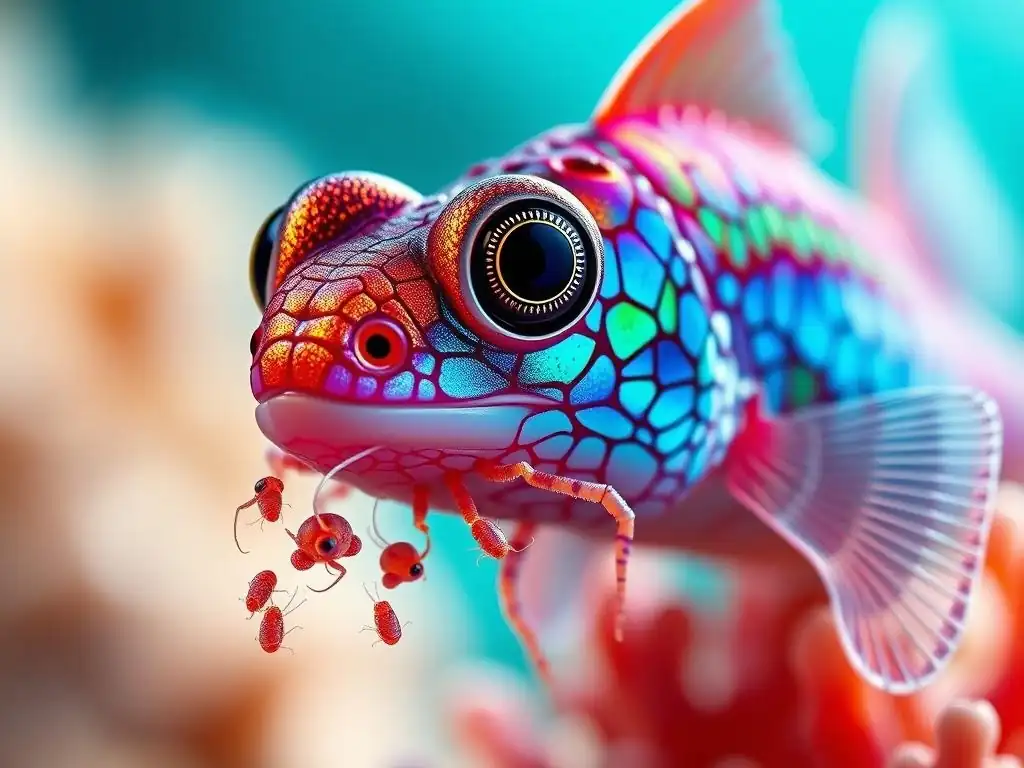
The Target Mandarin Dragonet, Synchiropus picturatus, possesses a highly specialized diet, almost exclusively consisting of live copepods and other small benthic invertebrates found within the live rock and sand bed of a mature reef aquarium. Unlike many other aquarium fish, mandarins are slow, methodical feeders that simply cannot compete with faster, more aggressive tank mates for prepared foods.
Their feeding strategy involves meticulously picking individual copepods from surfaces, a process that requires a continuous and abundant supply of these tiny crustaceans. This unique feeding habit is the primary challenge in their care and differentiates their Mandarin dragonet care requirements aquarium setups must address.
Due to their specific dietary needs, Target Mandarins rarely, if ever, accept frozen or pelletized foods when first introduced to an aquarium. Even after prolonged acclimation, only a small percentage might eventually adapt to consuming prepared foods, and even then, these should only serve as a supplement, never the primary food source. Without a constant, self-renewing supply of live copepods, Synchiropus picturatus will quickly waste away, exhibiting a sunken belly and lethargy, leading to inevitable starvation within a few weeks or months.
Cultivating Copepods: A Guide to Live Food Production
Given the Target Mandarin Dragonet's strict dietary requirements, actively cultivating copepods is often a necessity for their long-term survival. The most effective method involves establishing a dedicated refugium plumbed off the main display tank. This separate chamber, often lit on a reverse daylight cycle to the main tank, provides a safe haven for copepods to reproduce without being predated upon by other tank inhabitants.
Species such as Tisbe or Tigriopus copepods are commonly cultured for this purpose, as they reproduce readily and are highly nutritious. The refugium should contain live rock rubble, macroalgae (like Chaetomorpha), and a small sand bed to provide ample surface area and shelter for the copepods.
Regularly "dosing" the main display tank with cultured copepods, typically 500-1000 copepods per week for a single mandarin in a 30-gallon tank, helps to replenish the population that the dragonet consumes. Additionally, maintaining a healthy phytoplankton culture is essential, as phytoplankton serves as the primary food source for the copepods themselves. By ensuring a robust copepod breeding program, aquarists can meet the fundamental Mandarin dragonet care requirements aquarium life demands, providing a continuous and natural food source for these specialized feeders.
Supplementing the Diet: Addressing Nutritional Needs
While live copepods form the cornerstone of the Target Mandarin Dragonet's diet, some aquarists successfully train their Synchiropus picturatus to accept supplemental prepared foods. This is a challenging but rewarding endeavor that can provide additional nutritional security. Frozen Mysis shrimp, enriched brine shrimp, or finely chopped marine-based foods are the most common offerings.
Success often involves target feeding using a pipette or specialized feeding device, delivering the food directly in front of the dragonet, often near its preferred resting spot. Persistence and patience are key, as it may take weeks or even months for the fish to recognize and accept non-live foods.
Even if a Target Mandarin begins to accept prepared foods, it is crucial to understand that these should always be considered supplemental and never a replacement for a thriving copepod population. The natural grazing behavior on live microfauna is vital for their long-term health and well-being. Furthermore, enriching any prepared foods with vitamin supplements can boost their nutritional value, addressing potential deficiencies. Meeting these complex dietary Mandarin dragonet care requirements aquarium owners face is a testament to dedicated husbandry.
Choosing Tank Mates for Your Target Mandarin Dragonet
Compatible Fish Species for a Peaceful Reef Environment
Selecting appropriate tank mates for a Target Mandarin Dragonet is crucial to its survival, as these fish are slow, peaceful, and easily outcompeted for food. Ideal tank mates are those that are equally peaceful, slow-moving, and do not share the same dietary niche. Excellent choices include Ocellaris Clownfish ( Amphiprion ocellaris), Royal Grammas ( Gramma loreto), Firefish Gobies ( Nemateleotris magnifica), and small, non-aggressive gobies such as Yellow Watchman Gobies ( Cryptocentrus cinctus) or various Cleaner Gobies. These species generally ignore the dragonet and do not aggressively hunt for copepods, ensuring the mandarin has ample opportunity to feed.
Other suitable companions might include peaceful blennies, such as the Tailspot Blenny ( Atrosalarias fuscus), which primarily graze on algae and detritus rather than microcrustaceans. The goal is to create a harmonious environment where the Target Mandarin can forage unhindered. Carefully chosen tank mates contribute significantly to meeting the specific Mandarin dragonet care requirements aquarium enthusiasts must consider for a thriving community tank.
Avoiding Aggressive Competitors
When planning a tank for a Target Mandarin Dragonet, it is imperative to avoid any fish species that are aggressive, fast-moving, or direct competitors for the dragonet's specialized diet. Large angelfish, triggerfish, aggressive damselfish, or even certain tangs can either harass the small, docile mandarin or consume copepods at a rate that starves the dragonet. Any fish known for its voracious appetite or territorial behavior should be excluded. Even seemingly benign species like certain wrasses, which are efficient copepod predators, can quickly deplete the mandarin's food source in smaller systems.
Furthermore, introducing other dragonets, such as the standard Green Mandarin ( Synchiropus splendidus), should be approached with extreme caution. While some aquarists successfully keep a bonded pair of dragonets, adding multiple individuals to a tank that cannot sustain a very large copepod population will inevitably lead to starvation for one or both. The limited food supply in most home aquariums means competition is a major threat. Understanding these dynamics is a critical part of mastering the Mandarin dragonet care requirements aquarium habitats demand.
Invertebrates That Complement the Mandarin Dragonet's Habitat
Most invertebrates are excellent tank mates for Target Mandarin Dragonets, as they typically do not compete for food and can even enhance the aquarium ecosystem. Cleaner shrimp species, such as Peppermint Shrimp ( Lysmata wurdemanni) or Skunk Cleaner Shrimp ( Lysmata amboinensis), are beneficial and pose no threat. Various snail species (e.g., Nassarius, Trochus, Turbo snails) and small, peaceful hermit crabs (e.g., Blue Leg, Scarlet Hermit Crabs) are also compatible, as they primarily consume algae and detritus, contributing to the tank's cleanliness.
Corals, being sessile invertebrates, are generally safe and provide additional structure and microhabitats for copepods to thrive, further benefiting the mandarin. However, care should be taken to avoid any predatory invertebrates that could potentially harm the small dragonet, although such instances are rare. By carefully selecting non-competitive and beneficial invertebrates, aquarists can create a rich, biodiverse environment that supports the delicate Mandarin dragonet care requirements aquarium ecosystems are designed to provide.
Recognizing and Addressing Health Issues in Target Mandarin Dragonets
Identifying Signs of Malnutrition and Starvation
The most prevalent and critical health issue facing Target Mandarin Dragonets in captivity is malnutrition, often leading to starvation. Due to their highly specialized diet and slow feeding habits, they are exceptionally vulnerable if their primary food source, live copepods, is insufficient. The most obvious sign of malnutrition is a sunken belly, where the stomach area appears concave rather than rounded. Other indicators include lethargy, decreased activity, faded coloration, and a general "pinched" or emaciated appearance. A healthy mandarin should constantly be seen foraging, meticulously picking at live rock and sand.
If these signs are observed, immediate action is necessary. The first step is to significantly increase the supply of live copepods, either by culturing more or by purchasing larger quantities to dose the tank. Target feeding with highly enriched live foods, such as enriched brine shrimp or rotifers, using a pipette can also help, though this is often a temporary measure.
In severe cases, moving the mandarin to a dedicated "fattening" tank with an extremely high density of live copepods, free from competition, might be the only way to save it. Addressing this core Mandarin dragonet care requirements aquarium owners must fulfill is paramount to their survival.
Common Diseases and Their Treatment
While Target Mandarin Dragonets are generally considered robust once their dietary needs are met, they can be susceptible to common marine fish diseases, particularly if stressed by poor water quality or malnutrition. Ich (White Spot Disease, Cryptocaryon irritans) and Marine Velvet ( Amyloodinium ocellatum) are the most common parasitic infections. Symptoms include small white spots resembling salt grains on the body and fins (Ich), or a dusty, velvety appearance (Velvet), accompanied by rapid breathing, flashing against decor, and lethargy. Bacterial infections can also occur, often secondary to stress or injury, manifesting as fin rot, cloudy eyes, or body lesions.
Treating diseases in Target Mandarins requires extreme caution due to their scaleless bodies, which make them highly sensitive to many common medications, especially copper-based treatments. Prevention through stable water parameters, excellent nutrition, and thorough quarantine of new arrivals is by far the best approach. If treatment is necessary, options like formalin dips or hyposalinity (reduced salinity) may be considered, but always with careful monitoring and understanding of the mandarin's delicate nature and the potential impact on invertebrates in a reef tank.
Quarantine Procedures for New Arrivals
Implementing a strict quarantine procedure for all new Target Mandarin Dragonets is an indispensable part of responsible Mandarin dragonet care requirements aquarium husbandry. A dedicated quarantine tank (QT) of at least 10-20 gallons (38-76 liters) should be set up with stable water parameters, a heater, a small powerhead for circulation, and some PVC pipes or inert decor for hiding spots.
The mandarin should be housed in the QT for a minimum of 4-6 weeks. This period allows for close observation for any signs of disease, such as Ich, Velvet, or bacterial infections, without introducing potential pathogens to the main display tank.
Crucially, the quarantine period also serves as an opportunity to ensure the mandarin is actively feeding and thriving on live copepods. During this time, efforts can be made to gently introduce and encourage the acceptance of prepared foods, as competition is absent in the QT. Any necessary treatments can be administered in the QT, protecting the main display and its inhabitants. This proactive approach significantly reduces the risk of disease outbreaks and ensures the new Synchiropus picturatus is healthy and well-fed before being introduced to its permanent home.
Acclimation Techniques for Target Mandarin Dragonets
Gradual Acclimation to Minimize Stress
Acclimating a new Target Mandarin Dragonet to its new aquarium environment is a critical step that requires patience and a gradual approach to minimize stress and prevent osmotic shock. Drip acclimation is by far the most recommended method for these delicate fish. The process involves placing the newly acquired mandarin, still in its transport bag, into a clean bucket or container.
Then, using airline tubing with a knot or valve to control the flow, slowly drip water from the display tank into the container at a rate of about 1-2 drops per second. This slow introduction of tank water gradually adjusts the mandarin to the new water parameters (pH, salinity, temperature).
The drip acclimation process should ideally last for 1 to 2 hours, or until the volume of water in the container has quadrupled. During this time, keep the lights in the room dim to reduce stress on the fish. Avoid floating the bag in the tank, as this only equalizes temperature and does not address crucial parameter differences.
Once acclimated, gently net the mandarin and introduce it to the display tank, discarding the water from the container to prevent introducing any potentially harmful substances from the transport bag. This careful acclimation is a fundamental Mandarin dragonet care requirements aquarium owners should master.
Monitoring Behavior During the Initial Adjustment Period
After introducing the Target Mandarin Dragonet to the display tank, continuous monitoring of its behavior during the initial adjustment period is essential. For the first few days, the dragonet may be shy, spending most of its time hiding in the live rock or exploring its new surroundings cautiously. This is normal behavior.
However, it is crucial to observe for signs of undue stress, such as rapid breathing, clamped fins, erratic swimming, or prolonged hiding without emerging to forage. A healthy mandarin should begin actively picking at the live rock and sand within 24-48 hours of introduction, indicating it has found its food source.
Ensure the tank lights are kept dim for the first day or two after introduction to allow the mandarin to adjust without bright illumination adding to its stress. Avoid any sudden movements or loud noises around the tank. The primary focus during this period is to confirm that the mandarin is actively foraging and appears comfortable in its new environment. If it is not eating or exhibiting signs of severe stress after 48 hours, re-evaluating the tank's maturity and copepod population is critical, as these are core Mandarin dragonet care requirements aquarium life depends on.
Ensuring a Smooth Transition into the Reef Aquarium
Beyond the initial acclimation, ensuring a smooth long-term transition for the Target Mandarin Dragonet into the reef aquarium involves continuous provision of its specific needs. The tank must be well-established with a robust and continuously reproducing copepod population before the mandarin is introduced. This ensures an immediate and ample food supply. Avoid adding other new, potentially competitive fish during the mandarin's initial weeks, allowing it to fully settle and establish its foraging routine without added stress.
Maintaining stable water parameters and a pristine environment through regular maintenance, including water changes and filter cleaning, will further aid in its smooth transition and long-term health. Observing the mandarin's feeding habits daily is key; a full, active mandarin is a healthy mandarin. By meticulously meeting all the Mandarin dragonet care requirements aquarium life demands, aquarists can ensure a successful and thriving future for this exquisite fish.
Breeding Target Mandarin Dragonets
Creating the Ideal Breeding Conditions
Breeding Target Mandarin Dragonets ( Synchiropus picturatus) in a home aquarium is an extremely challenging but rewarding endeavor, requiring very specific conditions and a high level of dedication. The first prerequisite is a healthy, well-fed, and mature pair of dragonets. Males are typically larger and possess a more elongated, pointed first dorsal fin compared to the female's rounded fin. The breeding tank should be mature, stable, and rich in microfauna, mimicking their natural environment. Optimal water parameters, as previously discussed, are crucial, with slight increases in temperature (e.g., to 78-80°F or 25-27°C) sometimes encouraging spawning activity.
A dedicated breeding setup, often a separate tank, is highly recommended to increase success rates, primarily for egg collection and larval rearing. This tank should have ample live rock and a deep sand bed to support a high density of copepods, ensuring the breeding pair is well-conditioned. Providing a calm, low-flow environment, particularly at dusk when spawning typically occurs, can further encourage the pair to engage in their courtship rituals. Successfully establishing these conditions is a significant step in the complex process of meeting Mandarin dragonet care requirements aquarium breeding demands.
Identifying Mating Behaviors and Egg Development
Identifying mating behaviors in Target Mandarin Dragonets usually occurs around dusk, as the main tank lights begin to dim. The male will typically begin to "dance" for the female, flaring his fins and displaying his vibrant colors. If receptive, the female will join him, and the pair will slowly rise together in the water column, often 6-12 inches (15-30 cm) above the substrate, in a characteristic "spawning ascent."
At the apex of their ascent, they will release a cloud of gametes – tiny, pelagic eggs and sperm – before rapidly descending back to the substrate. This spawning event typically lasts only a few seconds.
The eggs of Synchiropus picturatus are incredibly small, less than 1 millimeter in diameter, and are planktonic, meaning they float freely in the water column. They are clear and spherical, making them very difficult to spot with the naked eye. Larvae typically hatch within 18-24 hours after fertilization, depending on water temperature. These newly hatched larvae are even tinier and require immediate access to appropriately sized live foods. Recognizing these subtle spawning behaviors is key to knowing when to attempt egg collection for larval rearing.
Raising Mandarin Dragonet Fry
Raising Mandarin Dragonet fry is arguably the most challenging aspect of breeding Synchiropus picturatus and has historically been a significant hurdle for aquarists. The newly hatched larvae are minuscule, measuring only about 1-2 millimeters, and have extremely small mouths, requiring an initial food source of rotifers (e.g., Brachionus plicatilis). These rotifers must be enriched with highly nutritious phytoplankton to ensure the fry receive adequate nutrition. As the fry grow, they will transition to larger live foods, such as copepod nauplii and eventually juvenile copepods. Maintaining dense, continuous cultures of these live foods is absolutely critical for the fry's survival.
Furthermore, the larval rearing tank must maintain pristine water quality, yet be handled with extreme care to avoid shocking the delicate fry. Infrequent, small water changes with aged, stable saltwater are often preferred over daily changes. Specialized systems, such as kreisel tanks or black-walled rearing tanks, are often employed to keep the tiny fry suspended in the water column and make it easier for them to locate their food. The immense difficulty and specialized equipment required mean that successful rearing of Target Mandarin Dragonet fry is typically achieved only by experienced aquaculturists or highly dedicated hobbyists.
The Ethical Considerations of Keeping Target Mandarin Dragonets
Ensuring Sustainable Sourcing and Responsible Aquarium Practices
The popularity of Target Mandarin Dragonets has raised significant ethical considerations regarding their sourcing and the responsibility of aquarists. A vast majority of Synchiropus picturatus available in the aquarium trade are wild-caught, primarily from the Indo-Pacific region. While collection methods have improved, there are still concerns about the sustainability of these practices and the impact on wild populations. Responsible aquarists should prioritize seeking out aquaculture-bred (captive-bred) individuals whenever possible. Captive-bred mandarins are often more robust, more accustomed to prepared foods, and reduce pressure on wild reefs.
If captive-bred specimens are unavailable, inquire about the collection methods used for wild-caught fish to ensure they are sustainably and ethically sourced. Beyond sourcing, the decision to acquire a Target Mandarin Dragonet carries a significant ethical weight due to their highly specialized care requirements. Only experienced aquarists with mature, stable tanks that can consistently provide an abundant supply of live copepods should consider keeping this species. Acquiring a mandarin without the capacity to meet its fundamental Mandarin dragonet care requirements aquarium life demands is irresponsible and often leads to the fish's premature demise.
Promoting Conservation Efforts
As responsible aquarists, promoting conservation efforts for marine species, including the Target Mandarin Dragonet, is a crucial ethical imperative. This involves not only advocating for sustainable collection practices but also supporting organizations dedicated to coral reef conservation and marine aquaculture research. By choosing captive-bred fish, aquarists directly contribute to reducing the demand for wild-caught specimens, thereby alleviating pressure on natural reef ecosystems. Sharing knowledge about the specialized Mandarin dragonet care requirements aquarium owners must meet also plays a vital role.
Educating fellow hobbyists about the challenges of keeping Synchiropus picturatus and the importance of a mature, copepod-rich environment can prevent impulse purchases and reduce mortality rates in the hobby. Responsible aquarism is about more than just keeping fish alive; it's about contributing to the health of the broader marine environment and ensuring that future generations can also appreciate the beauty of these incredible creatures in their natural habitats and in well-maintained aquariums.
Conclusion: Mastering the Art of Mandarin Dragonet Care
Recap of Key Care Tips for Aquarium Success
Mastering the art of Target Mandarin Dragonet care is a testament to an aquarist's dedication and understanding of complex reef ecosystems. The journey begins with establishing a highly mature aquarium, ideally 6-12 months old, with an abundant and self-sustaining population of live copepods within its live rock and sand bed. Maintaining stable and pristine water parameters—including temperature (75-82°F), salinity (1.023-1.025 SG), and low nitrates—is non-negotiable. The tank size should be at least 30 gallons for a single specimen, with a refugium highly recommended to continuously cultivate their primary food source.
Choosing tank mates carefully is equally crucial; only peaceful, slow-moving, and non-competitive species should share the mandarin's habitat. Vigilant observation for signs of malnutrition, such as a sunken belly, is paramount, as starvation is the leading cause of mortality. Finally, employing gradual acclimation techniques and rigorous quarantine procedures for new arrivals significantly improves their chances of long-term survival. Adhering to these stringent Mandarin dragonet care requirements aquarium enthusiasts must meet ensures the success and vitality of these captivating fish.
Further Resources for Advanced Keepers
For advanced aquarists seeking to further refine their Target Mandarin Dragonet care, a wealth of resources can provide deeper insights and specialized techniques. Exploring various refugium designs and macroalgae cultivation methods can significantly enhance copepod production, ensuring an even more robust food supply. Research into advanced copepod culturing techniques, beyond basic in-refugium methods, can also be beneficial, allowing for targeted dosing of specific copepod species. Understanding the nuances of phytoplankton strains and their nutritional profiles for copepod enrichment is another area of advanced study.
Additionally, engaging with online forums, dedicated reef keeping communities, and local aquarium clubs offers invaluable peer support and access to experienced hobbyists who share their successes and challenges. These platforms often provide real-world examples and practical solutions to common issues encountered with delicate species like Synchiropus picturatus. For those interested in breeding, consulting scientific literature and connecting with professional aquaculturists who have successfully reared dragonet fry can provide the specialized knowledge required for this extremely difficult endeavor. Continuous learning and adaptation are key to truly mastering the Mandarin dragonet care requirements aquarium life demands.
Frequently Asked Questions
How difficult is it to care for a Mandarin Dragonet in an aquarium?
Mandarin Dragonets are considered difficult to care for due to their specialized dietary needs. They primarily feed on copepods and require a well-established, mature reef tank with a large population of these tiny crustaceans.
What size aquarium is recommended for a Mandarin Dragonet?
A minimum of 75 gallons is generally recommended. This provides enough space for the dragonet to forage and for a sufficient copepod population to thrive. Larger tanks are always better to ensure food availability.
What specific water parameters are crucial for Mandarin Dragonet health?
Maintaining stable and pristine water quality is paramount. This includes stable salinity, pH, and low levels of nitrates and phosphates. Regular water testing and adjustments are essential for their well-being.
How do I ensure a Mandarin Dragonet gets enough food in an aquarium setting?
Establishing a thriving copepod population within the tank is key. Supplementation with live copepods or other small, live foods may be necessary, especially during the initial acclimation period. Careful observation is crucial.
What are some common health issues affecting Mandarin Dragonets, and how can they be prevented?
Malnutrition is the most common issue, leading to starvation. Preventing this involves ensuring a consistent food supply, and monitoring for signs of weight loss. Quarantine and prophylactic treatment can help prevent diseases.
Final Reflection: Appreciating the Delicate Dance of Marine Life
The intricacies of Mandarin Dragonet care, as we've explored, highlight a crucial truth: responsible aquarism demands a deep understanding and commitment to the specific needs of each creature. This isn't just about keeping a beautiful fish; it's about upholding our ethical responsibility to provide a thriving environment for a living being, mirroring, as closely as possible, the delicate balance of their natural habitat.
The enduring allure of the Mandarin Dragonet underscores the power of beauty to inspire, but also the critical need for informed decision-making before bringing such a specialized creature into our homes. Their survival in captivity hinges on our willingness to learn and adapt, to prioritize their well-being above our aesthetic desires. In the end, we will conserve only what we love; we will love only what we understand; and we will understand only what we are taught.
- Baba Dioum. This quote perfectly encapsulates the journey of responsible aquarists.
As you consider the lessons shared here, I invite you to reflect on your own role in the larger ecosystem. Are you prepared to embrace the challenges and rewards of providing truly exceptional care? The future of these magnificent creatures, and indeed the health of our oceans, depends on our collective commitment to knowledge, empathy, and action. Let us strive to be not just observers of beauty, but active participants in its preservation.
Unleash the Mandarin's Magic in Your Aquarium!
Thanks for diving deep into the fascinating world of Mandarin Dragonets! We hope you've gained valuable insights into the specialized care required for these reef gems. Now, it's time to translate that knowledge into action!
Here are a few steps you can take to further your understanding and prepare for the potential joys (and challenges) of keeping a Mandarin Dragonet:
- Research your current tank's copepod population. A thriving pod population is crucial for their survival!
- Visit local aquarium stores to observe Mandarin Dragonets in person. Talk to experienced aquarists and ask about their experiences.
- Consider creating a dedicated refugium to cultivate a sustainable food source for your Mandarin, even if you don't have one yet!
What specific steps will you take this week to ensure your aquarium is Mandarin-ready?