
Segmented Blenny (Sailfin/Algae): A ReefSafe Algae Eater for Nanos?

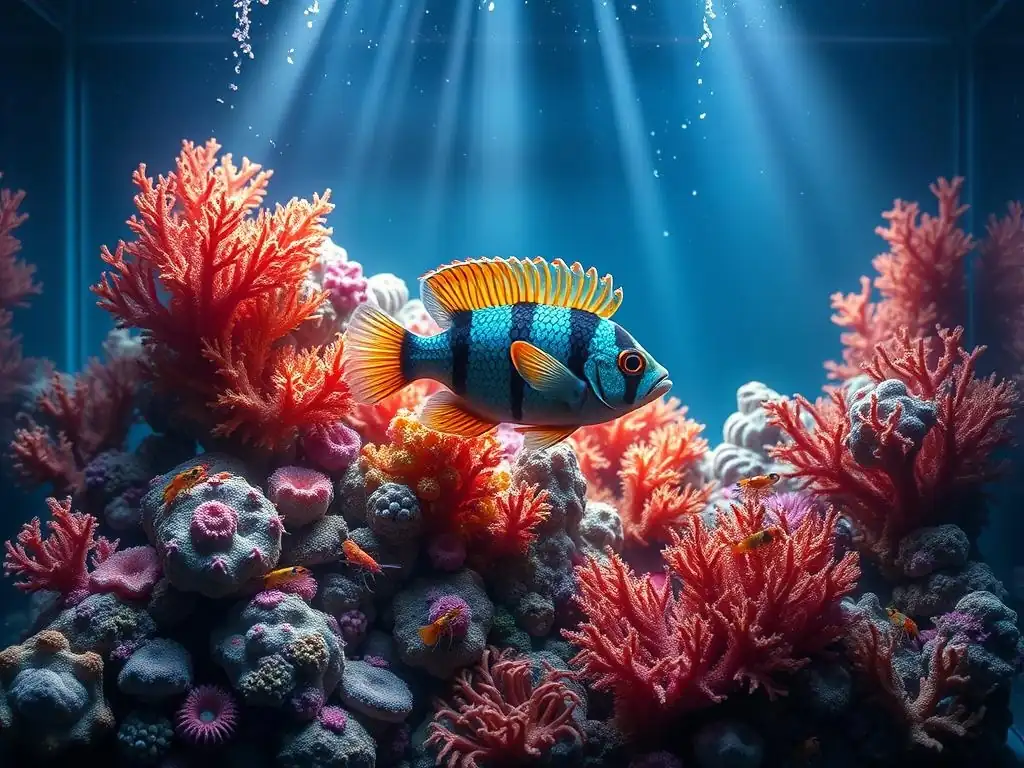
Welcome to Aquarium Mastery!
Ever wondered if the vibrant and uniquely patterned Nano Segmented Blenny could be the perfect, reef-safe algae eater for your nano aquarium? These charming fish are gaining popularity, but are they truly suitable for smaller tanks? Dive into our comprehensive guide to uncover everything you need to know about Segmented Blenny care, from their ideal environment to their compatibility with other reef inhabitants. Let's explore the secrets to keeping these fascinating fish thriving in your saltwater haven!
- Segmented Blenny (Parablennius segmentatus): A Reef-Safe Algae Eater for Nano Aquariums?
- Introduction to the Segmented Blenny: The Nano Reef Algae Solution?
- Understanding Segmented Blenny Care Requirements
- Segmented Blenny as an Algae Eater: Effectiveness and Limitations
- Reef-Safe Considerations for Segmented Blennies
- Choosing a Healthy Segmented Blenny for Your Aquarium
- Potential Problems and Solutions in Segmented Blenny Care
- Tank Mates for Segmented Blennies in Nano Reefs
- Breeding Segmented Blennies: Possibilities and Challenges
- Segmented Blenny vs. Other Algae Eaters: A Comparison
- Conclusion: Is the Segmented Blenny Right for Your Nano Reef?
-
Frequently Asked Questions
- What is a Nano Segmented Blenny and why is it suitable for nano tanks?
- What type of algae do Segmented Blennies typically consume?
- Are Segmented Blennies truly reef-safe, and are there any potential concerns?
- What are the key water parameters and tank requirements for successful Segmented Blenny care?
- What should I feed my Segmented Blenny if algae alone isn't sufficient?
- Final Reflection: The Tiny Titan's Enduring Appeal
- Unleash Your Nano Reef's Potential!
Segmented Blenny (Parablennius segmentatus): A Reef-Safe Algae Eater for Nano Aquariums?
Introduction to the Segmented Blenny: The Nano Reef Algae Solution?
Why Consider a Segmented Blenny for Your Nano Reef Aquarium?
The Segmented Blenny, often recognized by its striking sailfin appearance and diligent algae-grazing habits, presents itself as an intriguing candidate for nano reef aquariums. Unlike many larger blenny species, Parablennius segmentatus typically reaches a modest size, often between 2.5 to 3.5 inches (approximately 6-9 cm) in captivity, making it well-suited for smaller tank environments where space is a premium. Their relatively small footprint allows aquarists to enjoy the benefits of an active, personable fish without overstocking a compact system.
Beyond their manageable size, these blennies are highly sought after for their natural inclination to graze on various forms of nuisance algae, providing a biological solution to common aesthetic challenges in reef tanks. Their unique personality, characterized by curious exploration and perching on live rock, adds significant character to a nano ecosystem. For hobbyists focused on optimized nano segmented blenny care, this species offers a compelling blend of utility and charm, potentially reducing the need for manual algae removal in tanks as small as 10-15 gallons.
Overview of the Segmented Blenny: Appearance and Behavior
The Segmented Blenny, sometimes referred to as the Sailfin Blenny or Algae Blenny, exhibits a distinctive appearance that contributes to its appeal. Its body is typically slender and elongated, featuring a mottled brown, tan, and cream coloration that provides excellent camouflage against live rock. A defining characteristic is its prominent dorsal fin, which can be extended like a sail, especially when displaying or interacting with other fish. This "sail" often showcases subtle patterns or banding, enhancing its visual interest.
Behaviorally, Parablennius segmentatus is known for its inquisitive and somewhat comical demeanor. These blennies are benthic dwellers, preferring to perch on rocks, corals, or the substrate, observing their surroundings. They are active grazers, constantly pecking at surfaces in search of microalgae and detritus. While generally peaceful, they can exhibit territoriality towards conspecifics or other benthic grazers, particularly in smaller nano reef setups. Understanding these behavioral traits is key to successful nano segmented blenny care and ensuring their well-being in a confined environment.
Understanding Segmented Blenny Care Requirements
Optimal Tank Size for Segmented Blennies: Is a Nano Aquarium Suitable?
Determining the ideal tank size for a Segmented Blenny is crucial for their long-term health and well-being, particularly when considering nano reef environments. While they are small fish, an appropriate tank size ensures sufficient swimming space, ample rockwork for grazing and hiding, and stable water parameters. For a single Segmented Blenny, a minimum tank size of 10 gallons is often considered acceptable, though a 15-20 gallon system is generally preferred to provide more stability and diverse foraging opportunities.
In tanks smaller than 10 gallons, maintaining consistent water quality becomes significantly more challenging, and the blenny may experience undue stress due to limited territory. Even in a 10-gallon setup, careful consideration of tank mates and overall bioload is essential for optimal nano segmented blenny care. Providing a mature aquarium with abundant live rock is more important than sheer volume, as this offers the natural grazing surfaces and crevices that these blennies require for comfort and security.
Water Parameters for a Healthy Segmented Blenny
Maintaining stable and appropriate water parameters is paramount for the health of any marine inhabitant, and the Segmented Blenny is no exception. These blennies thrive in conditions that mimic their natural reef habitat. The ideal salinity range should be between 1.023 and 1.026 specific gravity, or 32-35 parts per thousand (ppt). Fluctuations outside this range can cause significant stress, leading to health issues.
Temperature is another critical factor, with an optimal range of 72-78°F (22-26°C). Rapid temperature swings should be avoided. The pH level should be maintained between 8.1 and 8.4, consistent with a healthy reef environment. Additionally, ensuring stable alkalinity (8-12 dKH), calcium (400-450 ppm), and magnesium (1250-1350 ppm) levels is important, as these contribute to overall water stability and support the health of the live rock and any corals present. Regular testing and consistent water changes are vital components of effective nano segmented blenny care.
Segmented Blenny Diet: Algae Grazing and Supplemental Feeding
The primary diet of the Segmented Blenny in its natural habitat consists predominantly of various forms of algae and small invertebrates found within the rockwork. In a home aquarium, especially a nano reef, their natural grazing habits are a significant benefit for algae control. They will constantly pick at diatoms, hair algae, and other biofilm that grows on live rock and tank surfaces. However, relying solely on naturally occurring algae in a small, established tank is often insufficient, particularly as the blenny consumes available growth.
Therefore, supplemental feeding is crucial for long-term nano segmented blenny care. High-quality marine flakes and pellets that contain spirulina or other vegetable matter should be offered regularly, typically once or twice daily. They also readily accept blanched nori (seaweed sheets) clipped to the tank glass, which provides a consistent source of plant-based nutrition. Occasional offerings of small meaty foods like enriched brine shrimp or mysis shrimp can also be provided, though their primary dietary need is for plant material.
Segmented Blenny as an Algae Eater: Effectiveness and Limitations
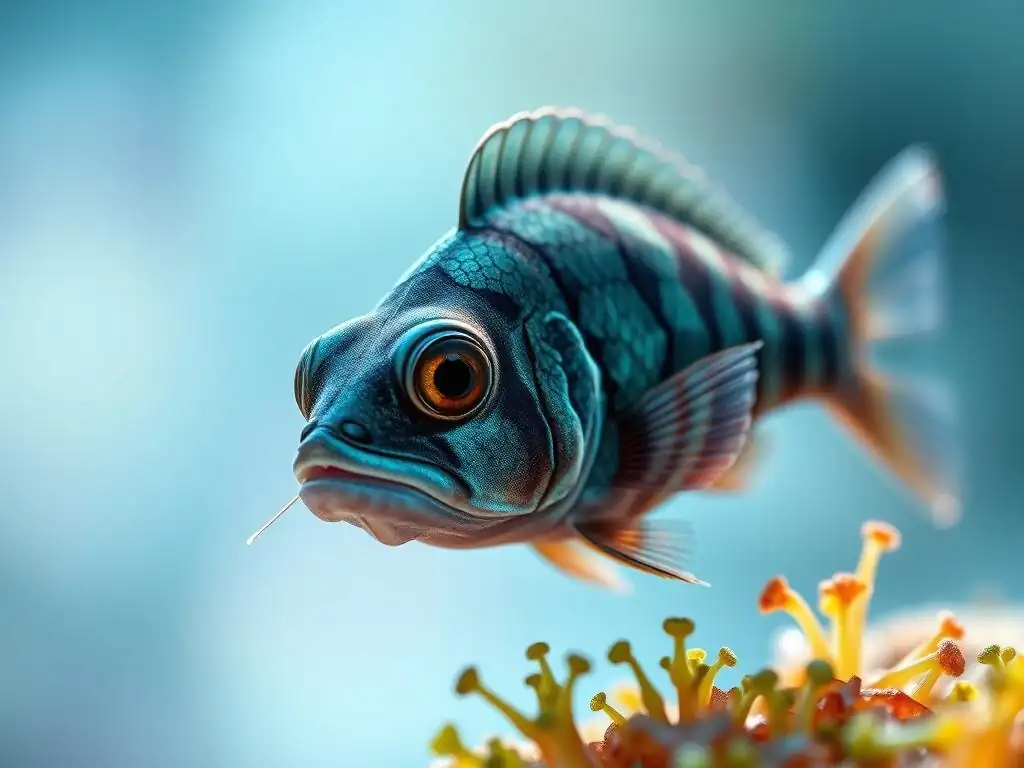
The Segmented Blenny's Role in Algae Control
The Segmented Blenny is often lauded for its role as a natural algae eater within the aquarium ecosystem. Their small, specialized mouths are perfectly adapted for scraping off various types of microalgae and biofilm from rockwork, substrate, and even tank glass. In a nano reef environment, where nuisance algae can quickly become an eyesore and a threat to coral health, a diligent grazer like the Segmented Blenny can be a valuable asset. They spend a significant portion of their day actively foraging, which contributes to a cleaner, more aesthetically pleasing tank.
While they are effective at managing general algal growth, it's important to set realistic expectations. A single Segmented Blenny will not eradicate a severe outbreak of macroalgae or tackle every type of nuisance algae. For instance, they are less likely to consume tougher, calcified coralline algae or large strands of bubble algae. Their primary contribution lies in keeping common forms of green and brown algae in check, reducing the frequency of manual scrubbing, and contributing to the overall biological balance of a nano system.
Types of Algae a Segmented Blenny Will Consume
Segmented Blennies are opportunistic grazers, and their diet in the aquarium primarily focuses on soft, film-like algae. They are particularly effective at consuming diatoms, which often appear as brown dusting on surfaces, especially in newer tanks or those with excess silicates. Green hair algae, a common nuisance, is also a favorite food source for these blennies, provided it's not too long or stringy. They will also graze on cyanobacteria (red slime algae) to some extent, though this is not their preferred diet and should not be relied upon as a sole solution for a severe outbreak.
Beyond these common types, Segmented Blennies will also consume the thin biofilm that naturally develops on live rock and tank walls, contributing to the overall cleanliness of the system. While they are primarily herbivorous, they are not known for eating tough, established macroalgae like Bryopsis or bubble algae, nor will they typically consume desirable coralline algae. Their effectiveness lies in managing the initial stages of algal growth and maintaining a low level of common nuisance algae within the tank.
Supplementing the Segmented Blenny's Diet When Algae is Scarce
In a well-maintained nano reef aquarium, particularly one with efficient nutrient export and a lower bioload, the natural supply of nuisance algae may eventually become insufficient to sustain a Segmented Blenny. If the blenny's primary food source diminishes, it risks starvation, which is a common problem in nano segmented blenny care if not addressed. It is crucial for aquarists to proactively supplement their diet even if some algae is present.
Regular offerings of high-quality marine-based flake food rich in spirulina or other plant matter are essential. Small, nutrient-dense pellets designed for herbivorous marine fish are also readily accepted. A highly effective and appreciated supplement is dried seaweed (nori), which can be offered daily or every other day using a vegetable clip. Blanched leafy greens like spinach or romaine lettuce can also be offered occasionally. Monitoring the blenny's body condition and activity levels will indicate if it is receiving adequate nutrition. If the belly appears sunken, increased supplemental feeding is necessary.
Reef-Safe Considerations for Segmented Blennies
Segmented Blennies and Coral: Potential Interactions
One of the most appealing aspects of the Segmented Blenny for nano reef keepers is its generally excellent reef-safe reputation. Unlike some other blenny species that may nip at corals, Parablennius segmentatus is primarily an herbivore focused on grazing algae from rockwork and surfaces. They are not known to consume or damage stony corals, soft corals, or zoanthids. Their small mouths and dietary preferences mean that intentional coral predation is highly unlikely.
However, it is important to note that any fish, including a Segmented Blenny, might occasionally "perch" on corals or inadvertently brush against them, especially if hiding spots are limited. Very rarely, an individual blenny might develop an unusual habit of nipping at certain soft corals, such as zoanthids or palythoa, but this behavior is an anomaly rather than the norm. For the vast majority of cases, Segmented Blennies are considered safe inhabitants for mixed reef aquariums, making them a reliable choice for nano segmented blenny care within a coral-dominated system.
Compatibility with Other Invertebrates in a Reef Aquarium
The Segmented Blenny's peaceful nature extends to its compatibility with a wide range of invertebrates commonly found in reef aquariums. Given their primary diet of algae and detritus, they pose virtually no threat to ornamental shrimp species like Peppermint Shrimp or Cleaner Shrimp, various snail species (e.g., turbo snails, Nassarius snails, cerith snails), or hermit crabs. In fact, they often coexist harmoniously, with both the blenny and the invertebrate cleanup crew contributing to the overall health and cleanliness of the tank.
They are also safe with various types of crabs, including emerald crabs, provided the crabs themselves are not predatory towards fish. Larger, more aggressive crabs might pose a threat to the blenny, but this is rare in typical reef setups. Segmented Blennies show no interest in filter feeders like feather dusters, clam species, or anemones. This broad compatibility with invertebrates further solidifies their status as an ideal candidate for nano reef systems where diverse life is desired, without concerns about predation or harassment from the blenny.
Observing Your Segmented Blenny for Reef-Safe Behavior
While Segmented Blennies are generally considered reef-safe, consistent observation of their behavior is always a wise practice for any new inhabitant, especially in a delicate nano reef environment. When introducing a new blenny, spend the first few days and weeks closely monitoring its interactions with corals and other invertebrates. Look for any signs of nipping, pecking, or excessive perching on sensitive coral polyps.
Pay particular attention during feeding times or when the blenny is exploring new areas of the tank. If you notice any unusual behavior, such as repeated targeting of a specific coral or invertebrate, it might indicate a rare instance of an individual blenny developing an undesirable habit. In such cases, increasing supplemental food offerings, particularly those rich in vegetable matter, can sometimes curb opportunistic nipping if it's driven by hunger. However, these instances are exceedingly rare, and the vast majority of Segmented Blennies seamlessly integrate into a reef environment without causing harm.
Choosing a Healthy Segmented Blenny for Your Aquarium
Identifying Signs of a Healthy Segmented Blenny
Selecting a healthy Segmented Blenny is the first crucial step towards successful nano segmented blenny care. When at the fish store, observe the blenny carefully before making a purchase. A healthy Segmented Blenny should be active and alert, constantly perching and exploring its surroundings, even if shy at first. Its coloration should be vibrant and natural for the species, without any dullness, patchy areas, or unusual spots. The fins should be intact, without tears or fraying, and held upright, especially the distinctive dorsal fin.
Look for clear eyes, free from cloudiness or haziness. The blenny's breathing should be calm and regular, not rapid or labored. Its body should appear full, with no sunken belly or emaciation, which can indicate starvation or internal parasites. Avoid fish that are lethargic, hiding excessively, or have any visible lesions, white spots (ich), or fuzzy growths (fungus). Observing the blenny eating, if possible, is also a strong indicator of its health and adaptability.
Quarantine Procedures for New Segmented Blennies
Quarantine is an indispensable step for any new marine fish, including the Segmented Blenny, before introduction into the main display tank. This practice significantly reduces the risk of introducing diseases, parasites, or unwanted pests into your established nano reef, which can be devastating given the smaller water volume and delicate ecosystem. A dedicated quarantine tank (QT) of at least 5-10 gallons, equipped with a heater, small power filter, and some PVC pipes or small rock for hiding, is ideal.
The new blenny should spend a minimum of two to four weeks in the QT. During this period, observe it closely for any signs of illness, such as white spots, rapid breathing, fin rot, or unusual behavior. This is the opportune time to administer any necessary treatments without harming corals or invertebrates in the main tank. Performing daily water changes and feeding a varied diet in the QT also helps the blenny acclimate and regain strength before moving to its permanent home.
Acclimation Process for Segmented Blennies in a Nano Aquarium
Proper acclimation is vital to minimize stress and ensure a smooth transition for your new Segmented Blenny into its new nano aquarium environment. The drip acclimation method is highly recommended for marine fish, as it slowly equalizes salinity, pH, and temperature, reducing the shock of sudden changes. Start by floating the blenny's bag in your tank for 15-20 minutes to equalize temperature.
After temperature acclimation, place the blenny and its original water into a clean bucket or container. Using airline tubing and a knot or small valve, start a slow drip of water from your display tank into the bucket, aiming for a drip rate of about 1-2 drops per second. Allow the water volume in the bucket to slowly double over a period of 45-60 minutes.
Once the volume has doubled, gently net the blenny and transfer it to the display tank, discarding the water from the bucket. This careful process greatly improves the chances of a successful introduction and reduces stress, which is critical for effective nano segmented blenny care.
Potential Problems and Solutions in Segmented Blenny Care
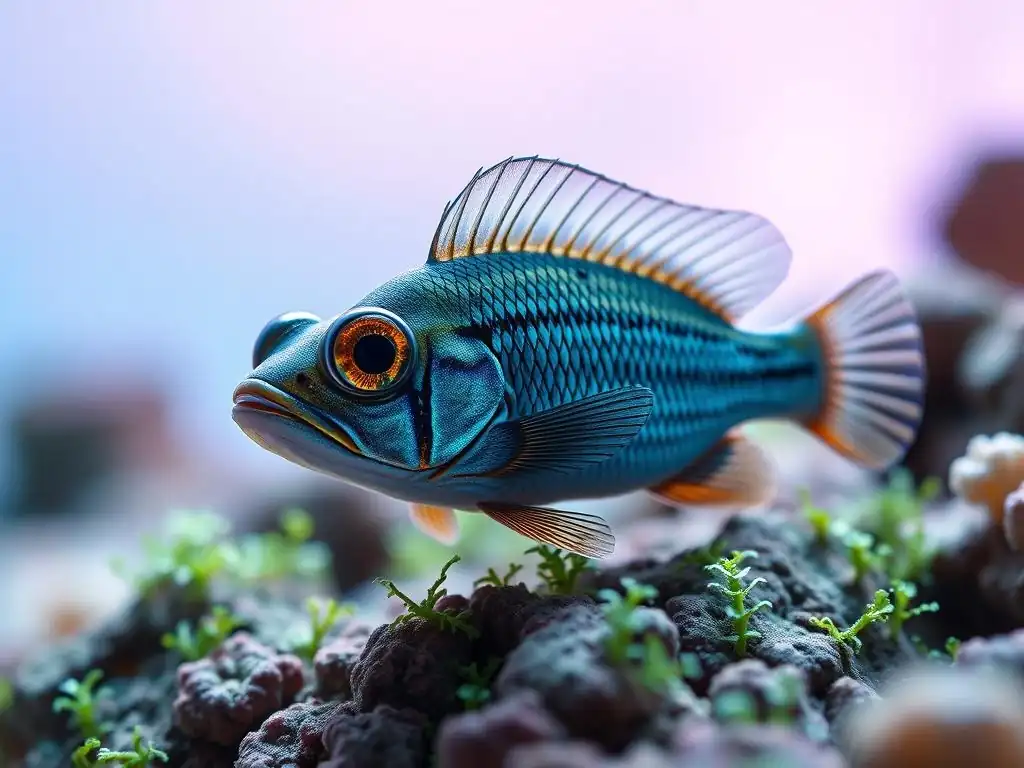
Common Diseases and Treatments for Segmented Blennies
Like all marine fish, Segmented Blennies can be susceptible to common aquarium diseases, particularly if stressed or if water quality is poor. Ich (marine white spot disease) and marine velvet are two of the most prevalent parasitic infections. Symptoms include small white spots resembling salt grains on the body and fins (ich), or a dusty, velvet-like coating (velvet), often accompanied by rapid breathing, scratching against rocks, and lethargy. Bacterial infections, such as fin rot or body sores, can also occur, often manifesting as frayed fins or red lesions.
Prevention through proper quarantine, stable water parameters, and good nutrition is the best defense. If a disease is suspected, treatment in a separate quarantine tank is highly recommended to avoid harming corals and invertebrates in the main display. Copper-based medications are effective against ich and velvet but are toxic to invertebrates. Antibiotics may be used for bacterial infections. Always follow medication instructions precisely and monitor the fish closely during treatment. Early detection and intervention significantly improve the chances of recovery.
Aggression Issues with Other Fish: Tank Mate Selection
While Segmented Blennies are generally peaceful fish, they can exhibit territorial aggression, particularly towards conspecifics (other Segmented Blennies) or fish with similar body shapes and feeding habits, especially in the confines of a nano aquarium. Keeping more than one Segmented Blenny in a tank smaller than 50-75 gallons is generally not recommended unless they are a proven mated pair. Even then, sufficient hiding spots and open territory are essential.
Aggression towards other fish is usually limited to species that compete for the same perching spots or food sources, such as other blennies, gobies, or even certain docile wrasses. To mitigate potential aggression, choose tank mates that occupy different niches within the aquarium.
For example, a Segmented Blenny will likely coexist peacefully with small, schooling fish that swim in the water column (e.g., chromis) or fish that primarily inhabit the sand bed (e.g., pistol shrimp gobies), as long as there is no direct competition for resources or territory. Providing ample live rock with numerous caves and crevices also helps to diffuse potential conflicts by offering individual territories.
Preventing Starvation in a Segmented Blenny
Starvation is a significant concern for Segmented Blennies in captivity, especially in mature nano reefs where natural algae growth might be insufficient. Their constant grazing behavior means they require a consistent food supply. If a blenny appears thin, with a sunken belly, or becomes lethargic and less active, it is likely underfed. This problem is particularly common if the tank is too "clean" or if there are other highly efficient algae eaters competing for food.
To prevent starvation, proactive supplemental feeding is crucial for effective nano segmented blenny care. Offer high-quality dried foods, such as spirulina flakes or pellets, at least once daily, possibly twice. Regularly providing dried seaweed (nori) via a veggie clip is highly beneficial and often eagerly accepted. If multiple grazers are present, ensure that the blenny is getting its share of the food. Observing the blenny during feeding times will confirm if it is actively consuming the offered food. If the tank lacks natural algae, consider cultivating some in a separate container or refugium to supplement their diet.
Tank Mates for Segmented Blennies in Nano Reefs
Ideal Tank Mates for a Peaceful Nano Reef Environment
Choosing appropriate tank mates is crucial for a harmonious nano reef, especially when considering the territorial nature of Segmented Blennies. Ideal companions are small, peaceful fish that occupy different ecological niches within the aquarium and do not compete directly for food or territory. Good choices often include small, docile gobies such as the Yellow Watchman Goby ( Cryptocentrus cinctus) (if paired with a pistol shrimp, they often stay near their burrow) or the Clown Goby ( Gobiodon okinawae), which typically perch on corals.
Other suitable options include small, non-aggressive schooling fish like Green Chromis ( Chromis viridis), though even these can become territorial in very small tanks. Small, peaceful wrasses like the Possum Wrasse ( Wetmorella nigropinnata) or some members of the Cirrhilabrus genus (if tank size permits) can also be compatible. The key is to select fish that are not overly boisterous, aggressive, or prone to nipping fins, ensuring a low-stress environment for your Segmented Blenny and the entire nano ecosystem.
Fish to Avoid Keeping with Segmented Blennies
To prevent aggression and stress, certain fish species should be avoided as tank mates for Segmented Blennies in nano reef environments. Highly aggressive or territorial fish, even if small, can intimidate or injure a blenny. Examples include some damselfish species (e.g., Dominos, Yellowtail Damsels), which can be notoriously belligerent. Fish known for nipping fins, such as certain triggerfish or puffers, are also unsuitable, as they can cause significant stress or injury to the blenny's delicate fins.
Furthermore, avoid other blenny species or fish with very similar body shapes and dietary requirements, particularly if the tank is less than 30 gallons. This includes other Parablennius species or even some Salarias (Lawnmower Blennies), as direct competition for algae and territory is highly likely to lead to conflict. Large predatory fish that could view the blenny as a food source should also be avoided. Careful research into the temperament and adult size of any potential tank mate is essential for successful nano segmented blenny care and overall tank harmony.
Creating a Harmonious Nano Reef Ecosystem
Creating a harmonious nano reef ecosystem with a Segmented Blenny involves more than just selecting compatible tank mates; it requires thoughtful tank design and management. Providing ample live rock with numerous caves, crevices, and perching spots is paramount. This allows the blenny to establish its own territory and provides refuge if it feels threatened. A well-scaped tank with visual barriers can help break up lines of sight, reducing potential aggression between inhabitants, even in a small footprint.
Maintain stable water parameters and ensure efficient nutrient export to minimize nuisance algae, thereby reducing potential competition for food among grazers. Overstocking should be strictly avoided in nano tanks, as it leads to increased waste, poor water quality, and heightened stress levels for all inhabitants. Regular monitoring of fish behavior, prompt removal of aggressive individuals if necessary, and a consistent feeding schedule contribute significantly to a peaceful and thriving nano reef environment, ensuring the long-term success of your nano segmented blenny care efforts.
Breeding Segmented Blennies: Possibilities and Challenges
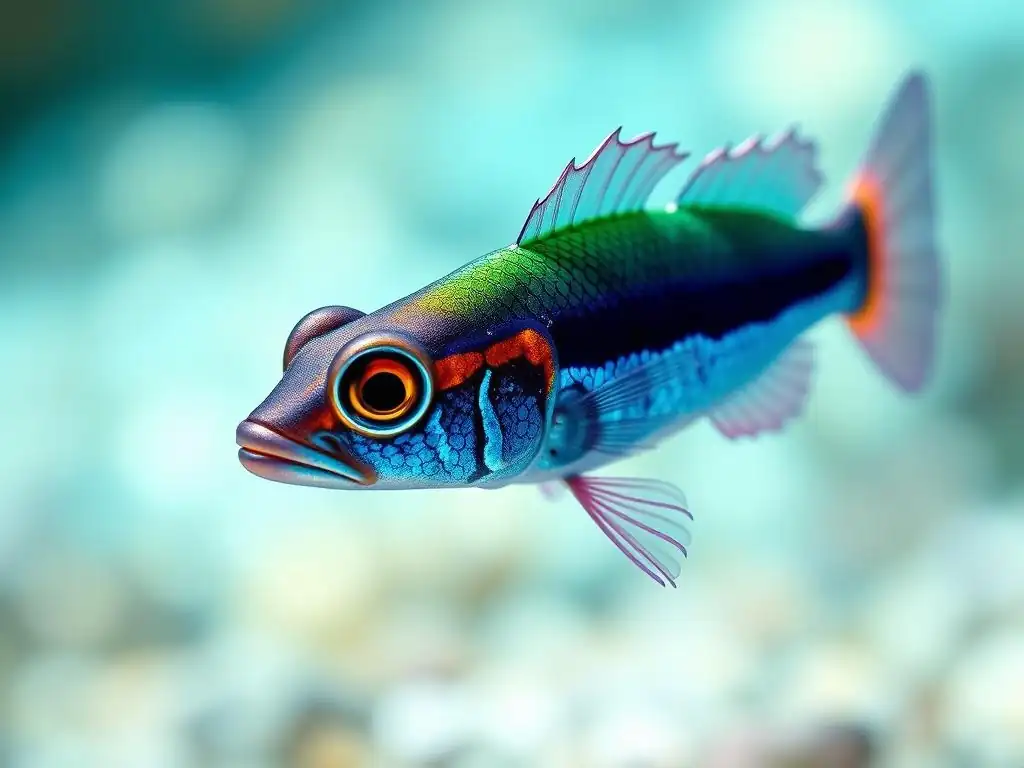
Segmented Blenny Breeding Behavior in the Aquarium
Breeding Segmented Blennies in a home aquarium, while challenging, is not unheard of and offers a fascinating glimpse into their natural life cycle. Like many blenny species, Parablennius segmentatus are substrate spawners. During courtship, the male will typically select a secluded crevice or a small cave within the live rock to serve as a nesting site. He will then attempt to entice a female into this chosen location through a series of displays, which may include flaring his prominent dorsal fin and performing undulating movements.
Once a female accepts the male's invitation, she will deposit her adhesive eggs onto the prepared surface within the nest. These eggs are typically small and numerous. The male then takes on the primary role of parental care, guarding the eggs diligently until they hatch. He will fan them with his fins to ensure proper oxygenation and protect them from potential predators. This paternal care is a common trait among many blenny species and is a key aspect of their reproductive strategy.
Creating a Suitable Breeding Environment
To encourage Segmented Blenny breeding, a dedicated breeding tank is often recommended, as the delicate fry would likely be consumed in a mixed reef environment. A tank of 10-20 gallons can suffice, equipped with a mature biological filter, stable water parameters (as outlined in the care requirements), and appropriate temperatures. The most critical element for a breeding setup is the provision of suitable nesting sites.
This can be achieved by incorporating several pieces of live rock with natural crevices, or by strategically placing small PVC pipes or ceramic tubes that mimic natural caves. The male blenny will choose one of these as his territory. Ensuring a consistent, high-quality diet for the breeding pair is also vital, as well-nourished fish are more likely to spawn. Maintaining a peaceful environment, free from aggressive tank mates, will further encourage natural breeding behaviors and reduce stress on the potential parents.
Raising Segmented Blenny Fry
Raising Segmented Blenny fry presents the most significant challenge in their captive breeding. Once the eggs hatch, which typically occurs after a few days depending on temperature, the larvae are pelagic, meaning they drift in the water column. They are extremely small and delicate, requiring very specific and tiny food sources. The first food for newly hatched Segmented Blenny fry usually needs to be rotifers, which are microscopic organisms specifically cultured for this purpose.
As the fry grow, they can gradually be transitioned to larger live foods such as newly hatched brine shrimp nauplii. Maintaining pristine water quality in the larval rearing tank is also paramount, often requiring frequent, small water changes and careful siphoning of detritus. The survival rate of marine fish larvae in captivity is notoriously low due to their fragility and specialized feeding requirements. Successfully raising Segmented Blenny fry is a testament to advanced aquaculture techniques and requires significant dedication and specialized equipment.
Segmented Blenny vs. Other Algae Eaters: A Comparison
Segmented Blenny vs. Snails: Which is Better for Algae Control?
When evaluating algae control solutions for a nano reef, Segmented Blennies are often compared to various snail species, such as turbo snails, Nassarius snails, or Nerite snails. Both offer distinct advantages. Snails are generally tireless grazers, working 24/7, and are particularly effective at cleaning flat surfaces, glass, and getting into tight crevices. A diverse cleanup crew of snails can cover a wide range of algae types, from diatoms to film algae. They also have minimal bioload and are completely reef-safe.
However, snails primarily consume the biofilm and softer algal films, and their effectiveness against tougher, longer hair algae or cyanobacteria can be limited by their grazing mouthparts. Segmented Blennies, on the other hand, actively scrape and graze with their specialized teeth, making them particularly adept at tackling certain types of hair algae that snails might struggle with. They also add personality and movement to the tank, unlike the more passive snails. For comprehensive algae control in a nano system, a combination of both Segmented Blennies and a varied snail cleanup crew often provides the most effective solution.
Segmented Blenny vs. Other Algae-Eating Fish: Pros and Cons
Compared to other algae-eating fish, the Segmented Blenny occupies a unique niche, particularly for nano reef environments. Larger algae-eating fish like certain Tangs (e.g., Yellow Tangs, Lawnmower Blennies, or Sailfin Blennies) are highly efficient at consuming vast amounts of algae, but their size makes them unsuitable for tanks under 50-75 gallons. A Lawnmower Blenny ( Salarias fasciatus), while an excellent algae eater, can reach 5-6 inches and is often too large and territorial for tanks smaller than 30 gallons, making nano segmented blenny care a more viable option for smaller setups.
The Segmented Blenny's primary advantages are its small size, reef-safe nature, and specific preference for film and hair algae, making it one of the few dedicated algae-eating fish suitable for tanks as small as 10-15 gallons. Its main limitation compared to larger grazers is its lower overall algae consumption capacity due to its size. It cannot tackle severe, widespread algae outbreaks alone. However, for ongoing maintenance and preventing minor algae issues in a confined space, the Segmented Blenny stands out as an excellent choice, offering a balance of utility and appropriate scale.
Choosing the Right Algae Eater for Your Specific Needs
Selecting the optimal algae eater for your aquarium hinges on several key factors, including tank size, the specific type and severity of algae present, and the overall compatibility with your existing inhabitants. For small nano reefs (under 20 gallons) experiencing moderate film or hair algae, the Segmented Blenny is an excellent candidate due to its small size and reef-safe profile. It offers continuous grazing and adds a unique personality.
If you're battling a severe outbreak of a particular algae type, such as long hair algae, a combination of manual removal, nutrient control, and possibly a specialized invertebrate (like an Emerald Crab for bubble algae) might be more effective than relying solely on a single fish. For larger tanks (over 30 gallons), a Lawnmower Blenny or even a small Tang might be considered, though careful research into their adult size and temperament is crucial. Ultimately, a multi-faceted approach, often combining fish, snails, and crabs, tailored to your tank's specific needs, typically yields the best long-term algae control results.
Conclusion: Is the Segmented Blenny Right for Your Nano Reef?
Summarizing the Benefits of Segmented Blennies
The Segmented Blenny ( Parablennius segmentatus) offers a compelling array of benefits that make it an attractive consideration for many nano reef aquarists. Its modest adult size, typically between 2.5 to 3.5 inches, positions it perfectly for tanks as small as 10-15 gallons, providing an active, engaging fish without overstocking. A significant advantage is its natural inclination to graze on nuisance algae, including diatoms and certain types of hair algae, contributing to a cleaner and more aesthetically pleasing environment.
Furthermore, the Segmented Blenny boasts an excellent reef-safe reputation, showing little to no interest in corals or most invertebrates, which is a critical factor for delicate reef systems. Their unique personality, characterized by curious perching and active exploration, adds significant character and visual interest to a compact aquarium. For hobbyists seeking a functional, personable, and appropriately sized fish for their small marine setup, the Segmented Blenny presents a highly suitable choice, enhancing both the utility and beauty of a nano reef.
Final Considerations for Segmented Blenny Care
Before introducing a Segmented Blenny to your nano reef, several final considerations are paramount to ensuring its long-term success and well-being. Foremost among these is the provision of a mature aquarium with stable water parameters and abundant live rock, offering ample grazing surfaces and hiding spots. While they are algae eaters, consistent supplemental feeding with spirulina-based foods and nori is essential, as natural algae growth in a small, established tank may not be sufficient to sustain them. Preventing starvation is a critical aspect of responsible nano segmented blenny care.
Careful tank mate selection is also crucial. Avoid other blennies or fish with similar body shapes and dietary needs, especially in smaller tanks, to prevent territorial aggression. A dedicated quarantine period for any new fish is highly recommended to mitigate disease introduction. By addressing these key aspects—nutrition, habitat, tank mates, and disease prevention—aquarists can provide an optimal environment for their Segmented Blenny, allowing this charming and beneficial fish to thrive in their nano reef for years to come.
Resources for Further Research on Segmented Blennies
For aquarists keen to deepen their understanding of Segmented Blenny care and behavior, a wealth of information can be found through various reputable sources. Consulting scientific journals and ichthyology databases can provide detailed insights into their natural habitat, diet, and reproductive biology. Online forums and communities dedicated to marine aquariums are invaluable resources, offering practical advice, real-world experiences, and troubleshooting tips from seasoned hobbyists who specialize in nano segmented blenny care.
Reputable aquarium literature, including specialized books on blennies or nano reef keeping, often provides comprehensive guides on their specific requirements. Visiting local fish stores with knowledgeable staff can also offer personalized advice and allow for direct observation of these fascinating fish. By leveraging these diverse resources, aquarists can continually expand their expertise and ensure the best possible care for their Segmented Blenny, fostering a thriving and engaging nano reef environment.
Frequently Asked Questions
What is a Nano Segmented Blenny and why is it suitable for nano tanks?
A Nano Segmented Blenny, also known as a Sailfin or Algae Blenny, is a small, reef-safe fish that primarily eats algae. Its small size, typically under 4 inches, makes it ideal for nano aquariums where space is limited.
What type of algae do Segmented Blennies typically consume?
Segmented Blennies are known to graze on various types of algae, including hair algae and diatoms. They are effective at keeping nuisance algae under control, contributing to a cleaner tank. However, their algae eating is not guaranteed, and supplemental feeding is often necessary.
Are Segmented Blennies truly reef-safe, and are there any potential concerns?
Generally, Segmented Blennies are considered reef-safe as they don't typically bother corals or invertebrates. However, individual personalities can vary, and some may nip at certain soft corals or clam mantles under extreme conditions, especially if underfed.
What are the key water parameters and tank requirements for successful Segmented Blenny care?
Segmented Blennies require stable water parameters typical of a reef environment: salinity of 1.024-1.026, temperature between 72-78°F, and proper filtration. They also need plenty of rockwork to graze on and hide within.
What should I feed my Segmented Blenny if algae alone isn't sufficient?
If your Segmented Blenny isn't getting enough algae, supplement its diet with high-quality flake food, frozen mysis shrimp, or algae wafers. Ensure a varied diet for optimal health and coloration.
Final Reflection: The Tiny Titan's Enduring Appeal
The exploration of the Segmented Blenny's suitability for nano reef tanks, as detailed in this article, speaks to a larger trend: the increasing desire for sustainable and ethical reefkeeping practices. As aquariums shrink and our understanding of reef ecosystems grows, the responsible selection of livestock becomes paramount. The Segmented Blenny, with its potential as a reef-safe algae eater, represents a compelling solution for aquarists seeking to maintain thriving nano environments.
This little fish, often overlooked, highlights the profound impact even the smallest creatures can have on a complex ecosystem. My own fascination with these miniature reef inhabitants stems from a deep respect for the delicate balance they represent. In nature, there are no rewards or punishments; there are consequences.
- Robert Green Ingersoll. This quote resonates deeply when considering the responsibility we bear in creating and maintaining artificial reef environments.
Ultimately, the journey of understanding "Nano segmented blenny care" is a journey of continuous learning and adaptation. Let us all, as reefkeepers, embrace this spirit of inquiry and dedication, ensuring that our passion for the underwater world translates into a commitment to its preservation, one tiny blenny, and one nano tank, at a time.
Unleash Your Nano Reef's Potential!
Thanks for diving into the world of the Segmented Blenny! We hope you've discovered some valuable insights into whether this algae-eating superstar is the right fit for your nano reef. Now it's time to put that knowledge into action and take your aquarium to the next level!
Here's how:
- Start planning your algae control strategy. Determine if a Segmented Blenny is truly the best option for your specific tank size and algae type, considering other reef-safe alternatives.
- Share this article with fellow reef enthusiasts who might be considering adding a Segmented Blenny to their nano setup.
- Explore other reef-safe algae eaters and document your algae control journey in the comments.
What unique algae-eating solution have you found most effective in your reef tank?